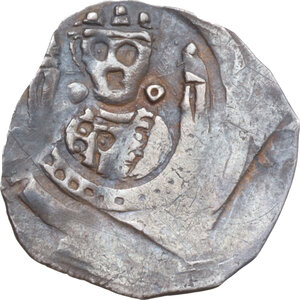
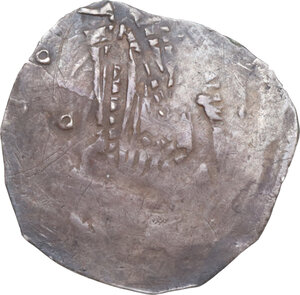
660 - Austria. AR Pfennig, 12th - 13th century. AR. 0.86 g. 19 mm. Nicely toned. Slightly bent flan. Good F.
Info & contatti
Le mie offerte
Lotti osservati
Conferimento
Condizioni di vendita
Prezzi di spedizione
Metodi di pagamento
Tabella rilanci
Esito stampabile
Sessione Live 31/5/2025 15:00:00 CET
Greek Coins (1-198)
Ancient and Medieval Asia (199-214)
The Roman Republic (215-324)
The Roman Empire (325-500)
Sessione Live 1/6/2025 15:00:00 CET
The Roman Empire (501-639)
Barbaric and Migration Period Coinage (640-640)
The Byzantine Empire (641-651)
Tessere e Gettoni (652-659)
World Coins (660-877)
Large Lots (878-919)
Antiquities (920-980)

Risultati: 61
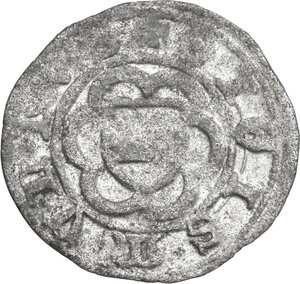
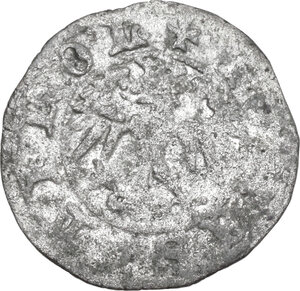
661 - Austria. Sigismund (1439-1490). BI Vierer, Hall mint. M.T. 39. BI. 0.37 g. 15.5 mm. About VF.
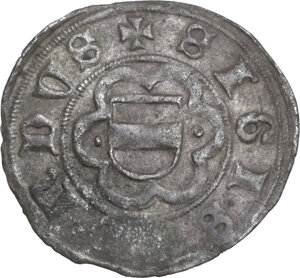
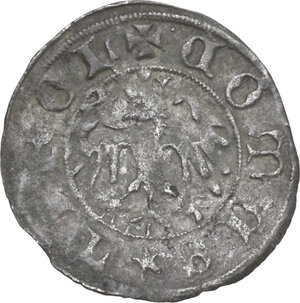
662 - Austria. Sigismund (1439-1490). BI Vierer, Hall mint. M.T. 39. BI. 0.4 g. 15.5 mm. VF/Good VF.
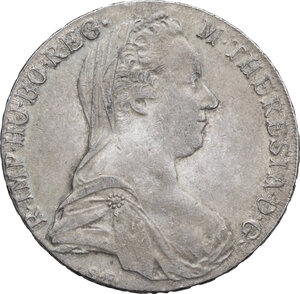
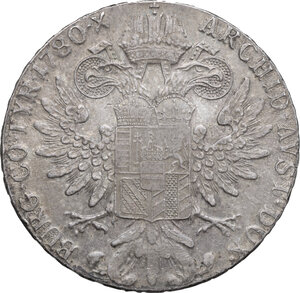
663 - Austria. Maria Theresia (1740-1780). AR Thaler 1780. KM 1866.2. AR. 28.09 g. 40 mm. VF.
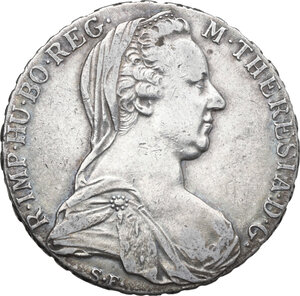
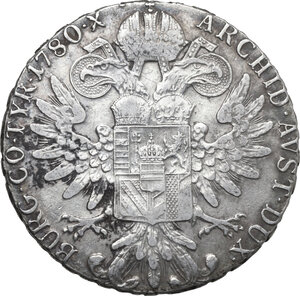
664 - Austria. Maria Theresia (1740-1780). AR Thaler 1780. KM 1866.2. AR. 27.94 g. 40 mm. Good VF.
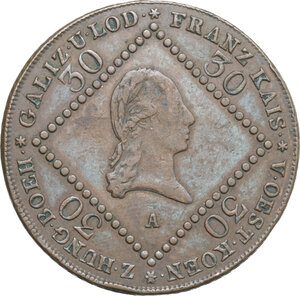
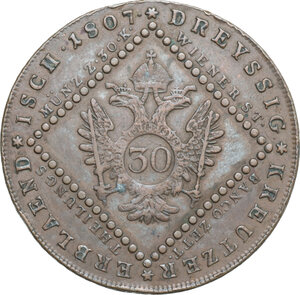
665 - Austria. Franz II/I (1792-1805-1835). AE 30 Kreuzer, Vienna mint 1807 A. Herinek 1019. Frühwald 507. AE. 17.28 g. 37.5 mm. VF.
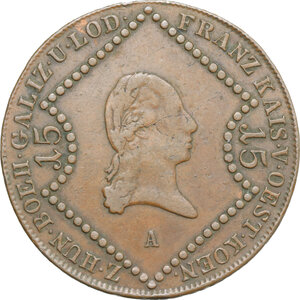
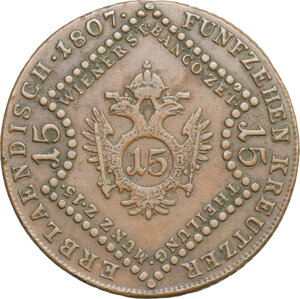
666 - Austria. Franz II/I (1792-1805-1835). AE 15 Kreuzer, Vienna mint, 1807 A. KM 2138. AE. 11.61 g. 35 mm. Good VF.
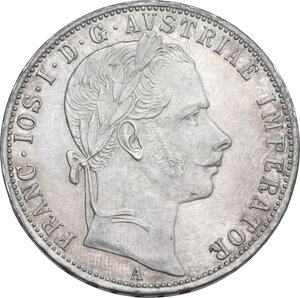
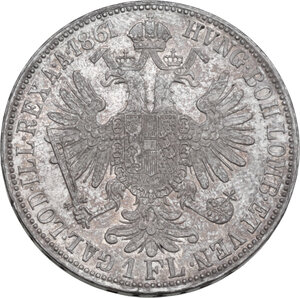
667 - Austria. Franz Joseph (1848-1916). AR Florin or Gulden, Vienna mint, 1861 A. Jaeg. 328; Frühwald 1460. AR. 12.31 g. 29.5 mm. FDC-PL.
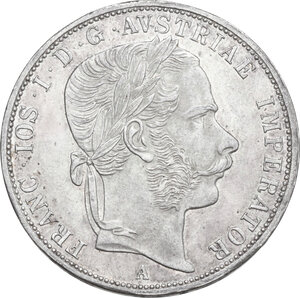
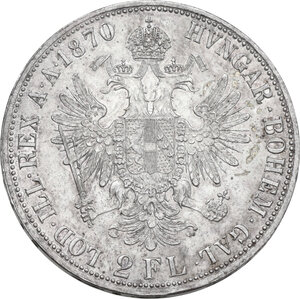
668 - Austria. Franz Joseph (1848-1916). AR 2 Florin or Gulden, Vienna mint, 1870 A. Jaeg. 336a; Frühwald 1368. AR. 24.71 g. 36.5 mm. About EF.
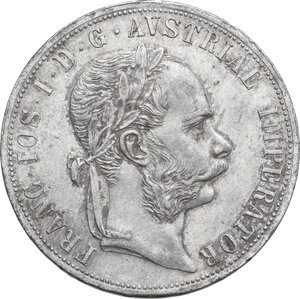
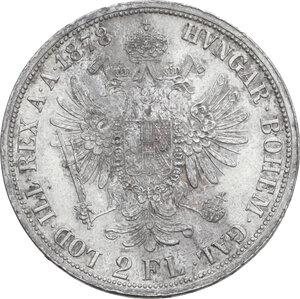
669 - Austria. Franz Joseph (1848-1916). AR 2 Florin or Gulden, Vienna mint, 1878. Jaeg. 343; Frühwald 1377. AR. 24.74 g. 36.5 mm. Good VF.
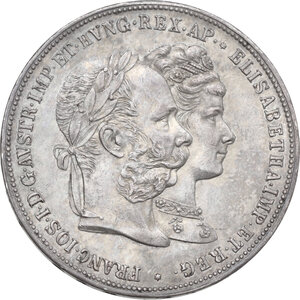
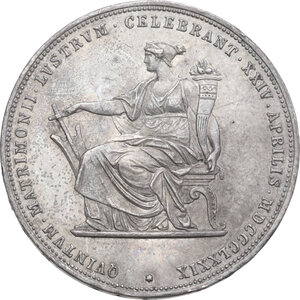
670 - Austria. Franz Joseph I (1848-1916). AR 2 Gulden, Vienna mint, 1879. For the 25th wedding anniversary. Jaeg. 369; Frühwald 1903. AR. 24.72 g. 36 mm. Good VF.
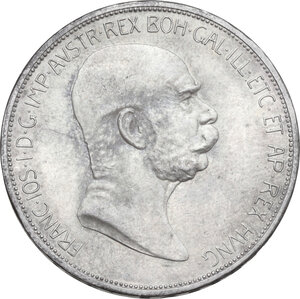
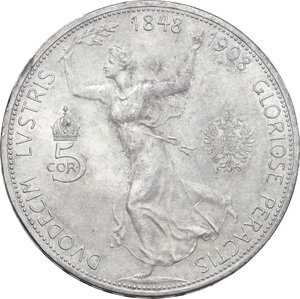
671 - Austria. Franz Joseph (1848-1916). AR 5 Kronen, Vienna mint, 1908. For the 60th anniversary of the reign. Dav. 5; Frühwald 2185; Jaeger 397; Herinek 771. AR. 24.05 g. 36 mm. Good VF.
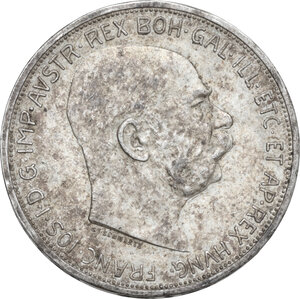
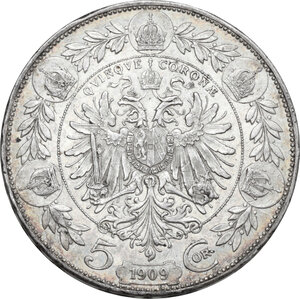
672 - Austria. Franz Joseph (1848-1916). AR 5 Kronen, Vienna mint, 1909. KM 2814. AR. 24.02 g. 36 mm. Lightly toned. VF.
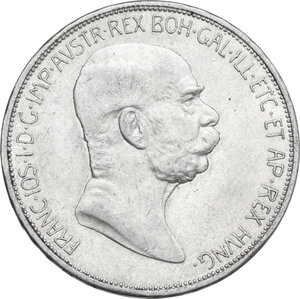
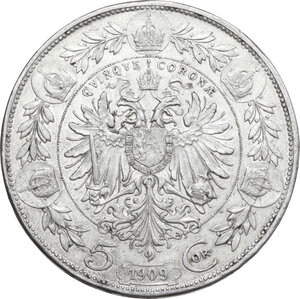
673 - Austria. Franz Joseph (1848-1916). AR 5 Kronen, Vienna mint, 1909. Jaeg. 380; Frühwald 1961. AR. 23.95 g. 36.5 mm. VF.
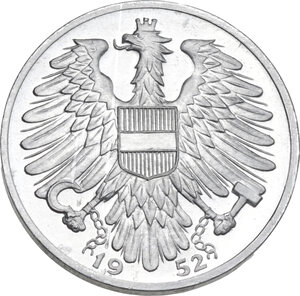
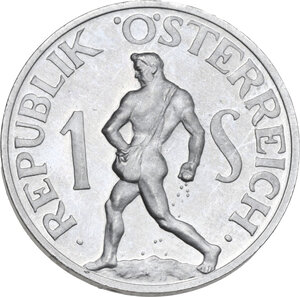
674 - Austria. Republic. Shilling 1952. AL. 1.98 g. 25 mm. FDC-PROOF.
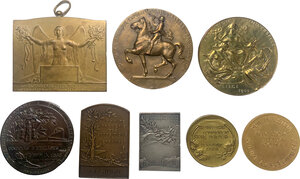
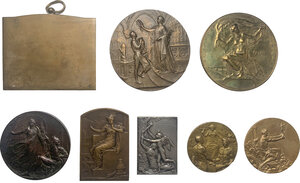
675 - Belgium. Lot of eight (8) Belgian and Italian medals, celebrating l'Exposition Universelle and the Albo d'Oro .
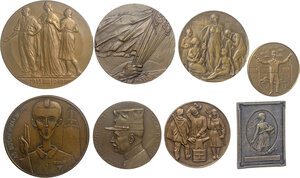
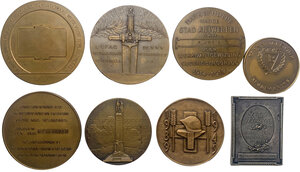
676 - Belgium. Lot of eight (8) medals.
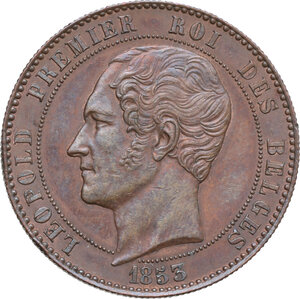
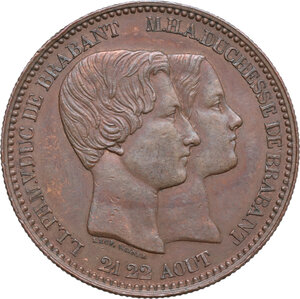
677 - Belgium. Leopold I (1831-1865). AE 10 centimes 1853. KM X 1.1. AE. 20.27 g. 33 mm. Good VF/About EF.
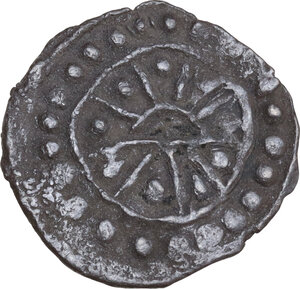
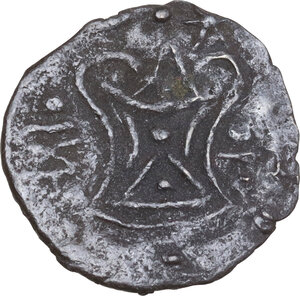
678 - Cambodia. Kingdom of Funan. AR Quarter unit, 400-550 AD. Obv. Stylized sun. Rev. Stylized temple. AR. 2.4 g. 22 mm. Good VF.
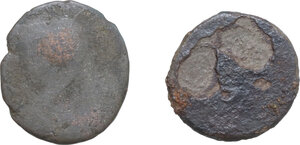
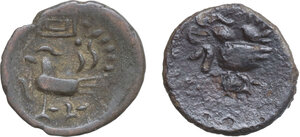
679 - Cambodia. Lot of two (2) unclassified coins, 1643-1845. About VF. The proceeds from the sale of this coin will be allocated to charitable purposes, as designated by the owner.
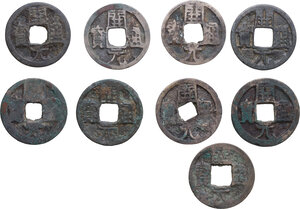
680 - China. Tang Dynasty (618-900 AD). Lot of nine (9) Kai Yuan cash coins. AE. The proceeds from the sale of this coin will be allocated to charitable purposes, as designated by the owner.
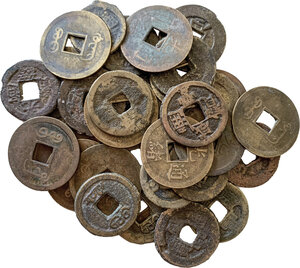
681 - China. Qing Dynasty (1644–1912). Lot of more than 30 (thirty) cash coin. AE. The proceeds from the sale of this coin will be allocated to charitable purposes, as designated by the owner.

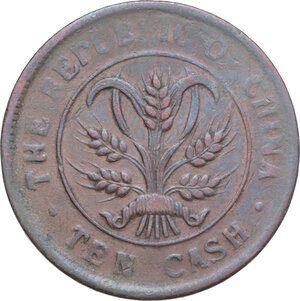
682 - China. AE 10 Cash, 1920. KM Y 306.1. AE. 6.36 g. 28 mm. About VF.
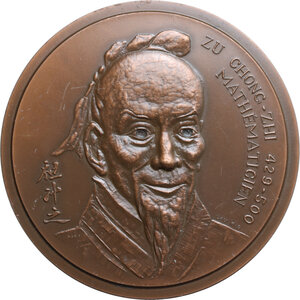
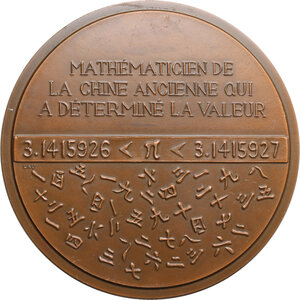
683 - China. CU Medal, 1980. For Zu Chong Zhi. Monnaie de Paris issue, punched on edge: n° 31/100. Obv. ZU CHONG-ZHI 429-500/MATHÉMATICIEN. Bust three-quarters to right. Rev. Inscription in three lines; below, the approximation of pi on a horizontal bar, and Chinese characters. CU. 265.3 g. 89 mm. Opus: Lau P.S. This medal was minted in an edition of 100 pieces. EF. Zu Chongzhi was an ancient Chinese mathematician, astronomer, inventor, politician and writer. He was most notable for calculating pi as between 3.1415926 and 3.1415927, a record in precision which would not be surpassed for nearly 900 years.
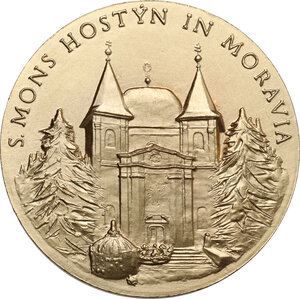
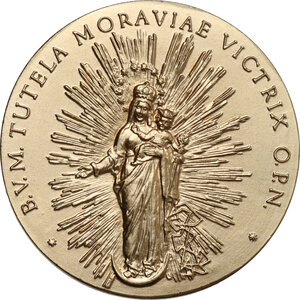
684 - Czech Republic. Gilded AE Medal 1982, celebrating the Basilica on Mount Hostyn. Gilded AE. 161.5 g. 70.5 mm. About FDC.
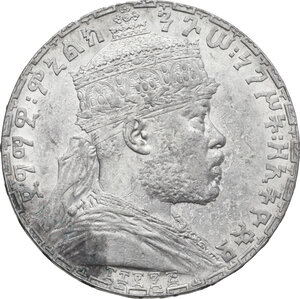
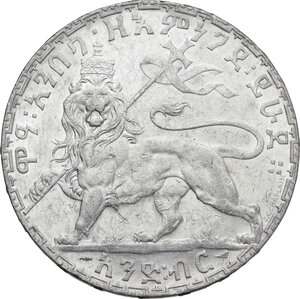
685 - Ethiopia. Menelik II (1889-1913). AR Birr, Ethiopian Era 1897 (1905). KM 19. AR. 28 g. 40 mm. Marks. VF+.
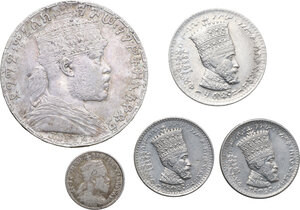
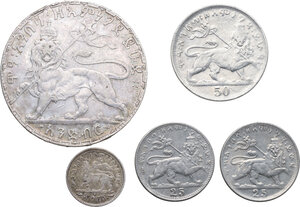
686 - Ethiopia. Lot of five (5) unclassified AR denominations; including Menelik II and Haile Selassie I. AR.
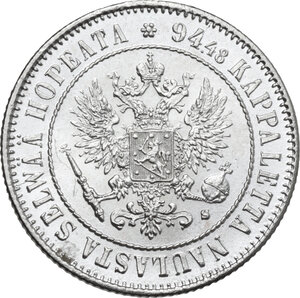
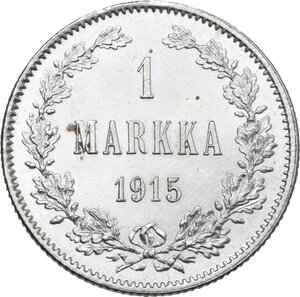
687 - Finland. Nicholas II (1894-1917). AR Markka 1915 S. KM #3.2. AR. 5.21 g. 24 mm. Good EF.
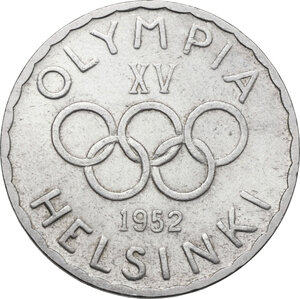
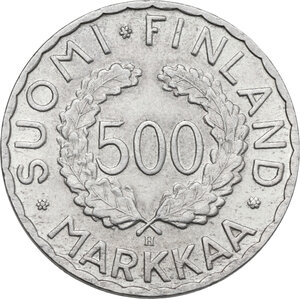
688 - Finland. AR 500 Markkaa 1952 H. XV Olympic Games Helsinki. KM 35. AR. 12.18 g. 32 mm. Good VF.
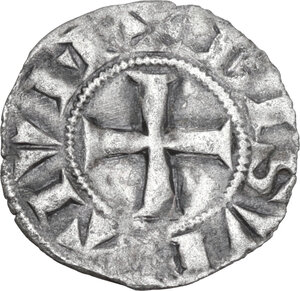
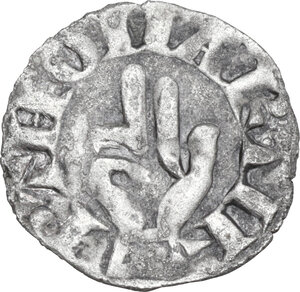
689 - France. Anonymous. BI Denier, 13th -14th century, Besançon mint. Poey d'Avant 5374; Boudeau 1278; Roberts 4756. BI. 1.02 g. 19 mm. VF.
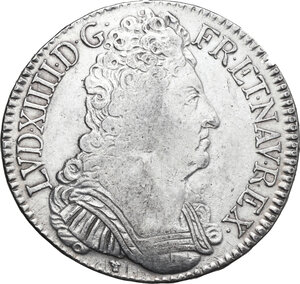
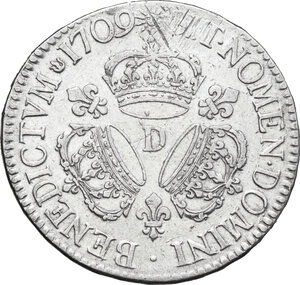
690 - France. Louis XIV (1643-1715). Ecu aux trois couronnes, Lyon mint, 1709 D. KM 386; Duplessy 1569; Gad. 199. AR. 30.23 g. 40 mm. Marks of weight adjustment on reverse. VF/Good VF.
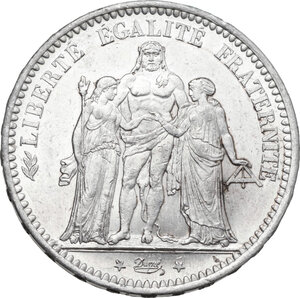
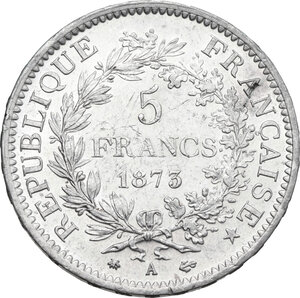
691 - France. Third republic (1870-1940). AR 5 Francs, Paris mint, 1875 A. KM 820; Gad. 745a. AR. 24.9 g. 37.5 mm. Nicks on fields. Good VF.

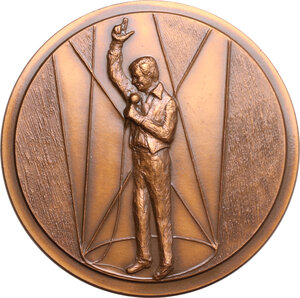
692 - France. CU Medal 1985. For Yves Montand. Monnaie de Paris issue, punched on edge: n° 7/100. Obv. MONTAND. Head facing slightly left. Rev. Montand standing left on stage in the limelight. AE. 221.2 g. 77 mm. Opus: P. Lovy. This medal was minted in an edition of 100 pieces. EF. Yves Montand (1921-1991) was an Italian-born French actor and singer.
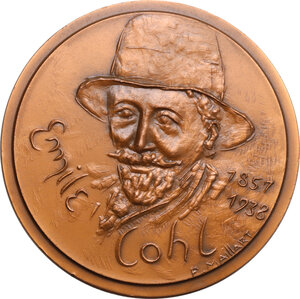
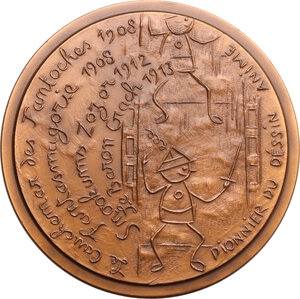
693 - France. CU Medal 1985. For Émile Cohl. Monnaie de Paris issue, punched on edge: n° 1/100. Obv. Head facing, wearing hat. Rev. Titles of his best-known works and some drawings in his style. AE. 198.7 g. 76 mm. Opus: Frédérique Maillart. This medal was minted in an edition of 100 pieces and this is the first. EF. Émile Eugène Jean Louis Cohl (1857-1938) was a French caricaturist, cartoonist and animator. He is sometimes called 'the father of the animated cartoon'. He started to make animations in 1908.
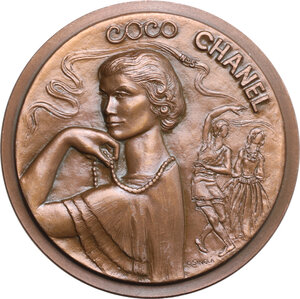
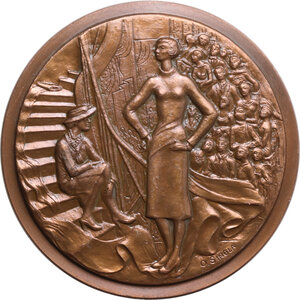
694 - France. CU Medal 1985. For Coco Chanel. Monnaie de Paris issue, punched on edge: n° 81/100. Obv. Bust left, grabbing a pearl necklace with left hand; behind, two young women wearing No.5. Rev. Scene depicting the inside of the store on Rue Cambon. AE. 235 g. 76 mm. Opus: O. Singla. This medal was minted in an edition of 100 pieces. About EF. Gabrielle Bonheur 'Coco' Chanel (1883-1971) was an iconic French fashion designer and businesswoman. The Rue Cambon was situated in one of the most fashionable districts of Paris. She started with one boutique there in 1918 and owned five properties by 1927.
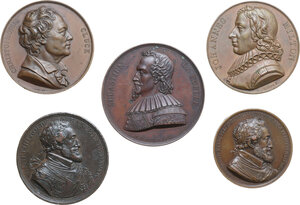
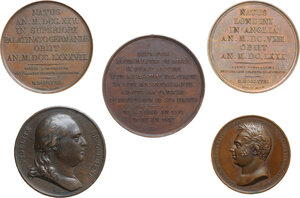
695 - France. Lot of five (5) AE medals of the early 19th century, mostly made under Louis XVIII. Persons depicted: Christophorus Cluck, Sebastien la Ruelle, Johannes Milton, Henry IV, Louis XVIII, Charles Ferdinand the Duke of Berry. AE. EF.
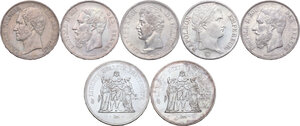
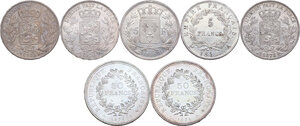
696 - France. Lot of five (5) coins in the module of 5 francs from Belgium and France. In addition, two (2) French 50 franc coins. Total 7 coins. AR.
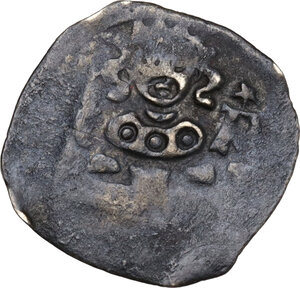
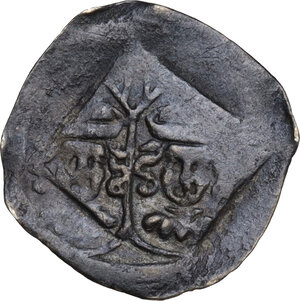
697 - Germany. Heinrich II von Roteneck (1277-1296). AR Pfennig, Regensburg city mint, after 1290. AR. 0.6 g. 17 mm. Toned. VF.
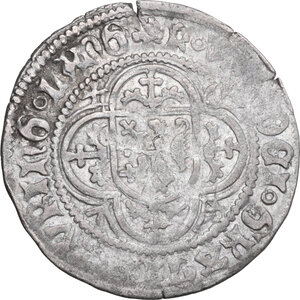
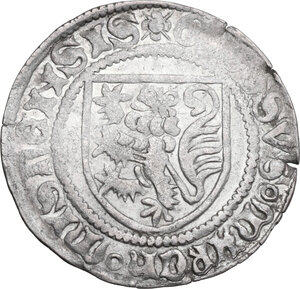
698 - Germany. Friedrich IV the Warlike (1381-1428 Margrave of Meissen; as Friedrich I from 1423 Elector of Saxony). AR Groschen, Meißen mint, 1412-1425. Krug 684; Grierson, Coins of Medieval Europe 441. AR. 2.86 g. 28.5 mm. Striking weaknesses. Good VF.
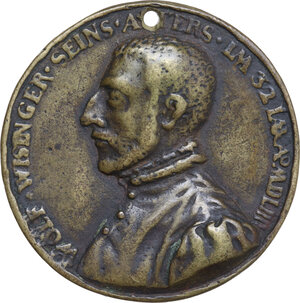
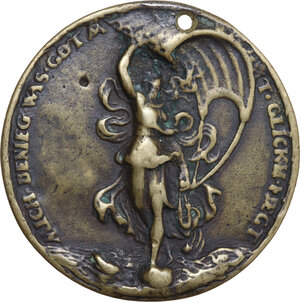
699 - Germany. AE Cast medal, 1554. Obv. WOLF WISINGER SEINS ALTERS IM 32 L & A° MDLIIII. Bust right. Rev. MICH BENIEG WAS GOT M - [.]T GLICK(?) FEGT. Female figure standing on rocks and holding sail. AE. 27.27 g. 44.5 mm. RR. Very rare. No examples both in CoinArchives and AcSearch. Apparently no similar examples even in the main references. Pierced at 12h. Ancient cast. VF. A goldsmith family with the name Wissinger (in various spellings) is known in Augsburg around the time indicated on the medal.
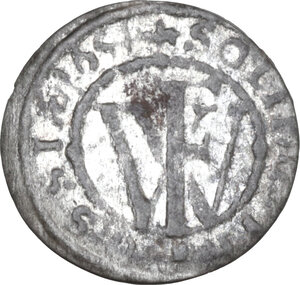
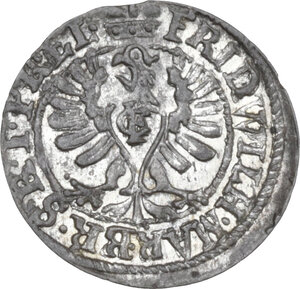
700 - Germany. Friedrich Wilhelm of Prussia (1640-1688). BI Solid, Königsberg mint, 1654. BI. 0.45 g. 15 mm. Good VF/VF.
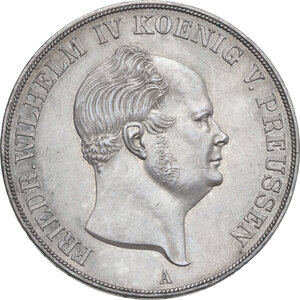
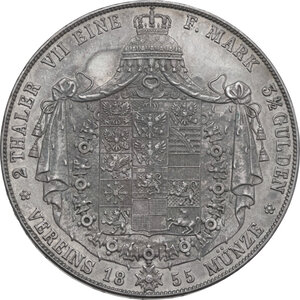
701 - Germany. Friedrich Wilhelm IV (1840-1861). AR Doppeltaler, Berlin mint, 1855 A. Dav. 772. AR. 37.12 g. 41 mm. Minor nicks. Good EF/EF.
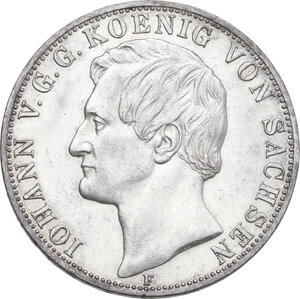
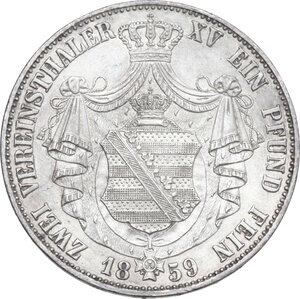
702 - Germany. Johann (1854-1873). AR Doppeltaler, Dresden mint, 1859 F. Dav. 889. AR. 37.13 g. 41.5 mm. Good VF.
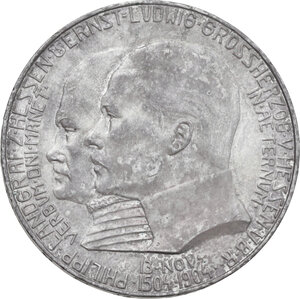
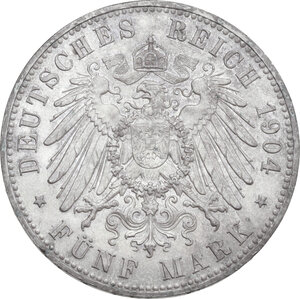
703 - Germany. Ernst Ludwig (1892-1918). AR 5 Mark, Hessen, 1904. For the 400th birthday of Philip I, 'the Magnanimous'. Jaeg. 75. AR. 27.78 g. 38.5 mm. Good EF/FDC. Philipp I the Magnanimous was the Landgrave of Hessen (1518-1567) and one of the most important Protestant rulers of his time.
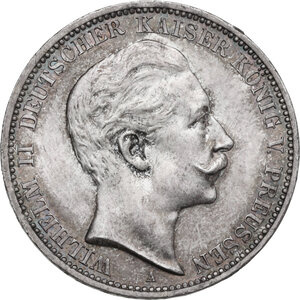
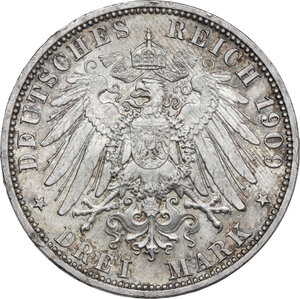
704 - Germany. Wilhelm II (1888-1918). AR 3 Mark, Berlin mint, 1909 A. AR. 16.65 g. 33 mm. Minor marks. Iridescent tone. About FDC.
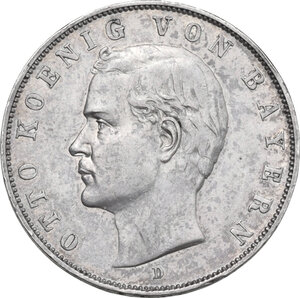
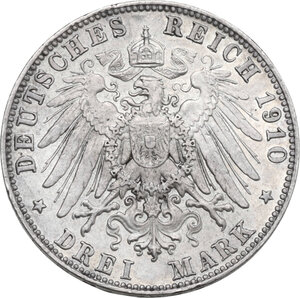
705 - Germany. Otto (1886-1913). AR 3 Mark, Munich mint, 1910 D. KM 996; Jaeg. 47. AR. 16.63 g. 33 mm. Minor marks. Good VF.
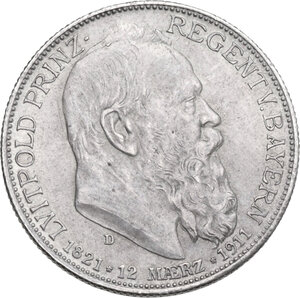
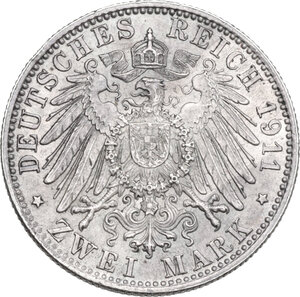
706 - Germany. Luitpold, Prince regent (1886-1912). AR 2 Mark, Munich mint, 1911 D. For the 90th birthday. Jaeg. 48. AR. 11.1 g. 28.5 mm. Good VF/About EF.
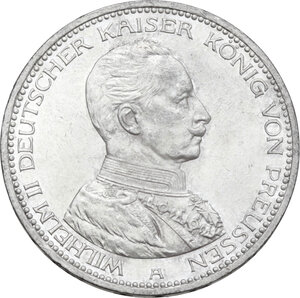
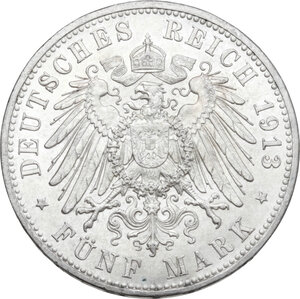
707 - Germany. Wilhelm II (1888-1918). AR 5 Mark, Berlin mint, 1913 A. KM 536; Jaeg. 114. AR. 27.8 g. 38 mm. About FDC.
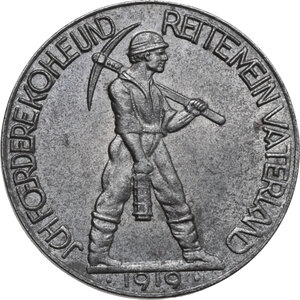
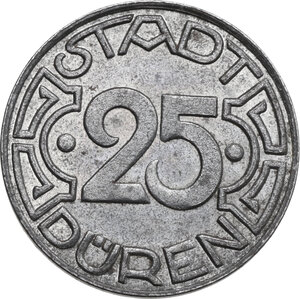
708 - Germany. City of Düren. Iron emergency currency, 25 Pfennig, 1919. Funck 105.9. Iron. 6.14 g. 25.5 mm. About EF.
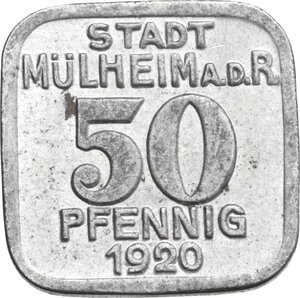
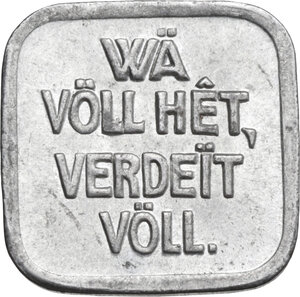
709 - Germany. City of Mülheim. Iron emergency currency, 50 Pfennig, 1920. Funck 344.6. Iron. 3.16 g. 18 mm. About EF.
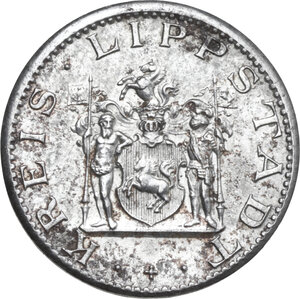
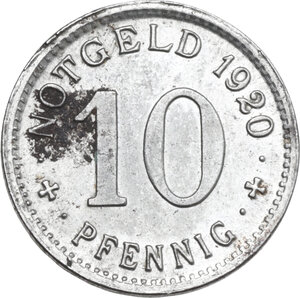
710 - Germany. City of Lippstadt. Iron emergency currency, 10 Pfennig, 1920. Funck 301.1. Iron. 3 g. 20.5 mm. Some rusty spots otherwise. about EF.
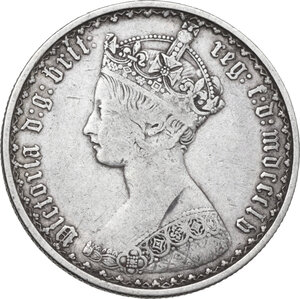
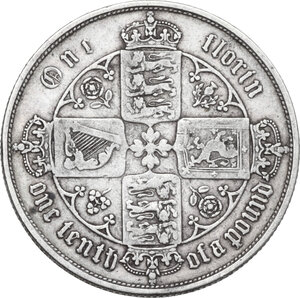
711 - Great Britain. Victoria (1837-1901). AR 'gothic' florin, London mint. KM. AR. 11.18 g. 30 mm. About VF.
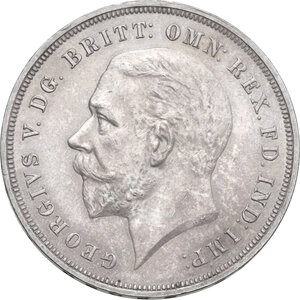
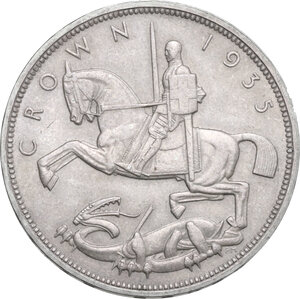
712 - Great Britain. George V (1910-1936). AR Crown, London mint, 1935 (XXV). KM 842; Seaby 4048. AR. 28.32 g. 39 mm. Cabinet tone. Minor marks. EF.
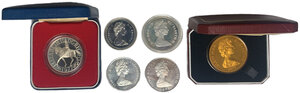
713 - Great Britain. Elizabeth II (1952-2022). AR Lot of six (6) silver coins, two of them in original box. AR.
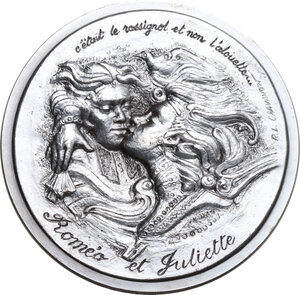
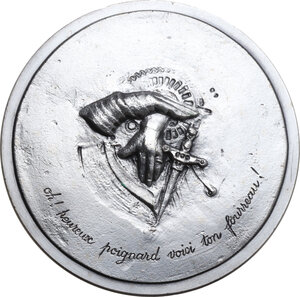
714 - Great Britain. Silvered copper. Medal 1986. Romeo and Juliet. Monnaie de Paris issue, punched on edge: n° 18/100. Obv. Romeo and Juliet kissing. Rev. Two hands and a dagger. CU silvered. 259.9 g. 80 mm. Opus: R.-L. Chavanon. This medal was minted in an edition of 100 pieces. About EF. Roger-Louis Chavanon (born 1941) is a French painter, engraver, sculptor and medalist.
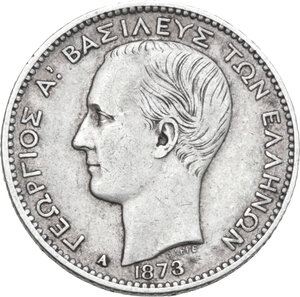
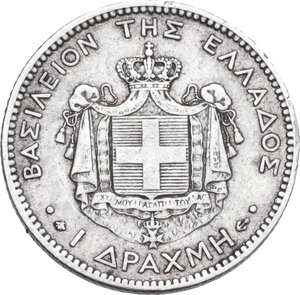
715 - Greece. Georgios I (1863-1913). AR 1 Drachm, Paris mint, 1873 A. KM 38. AR. 4.95 g. 23 mm. VF.
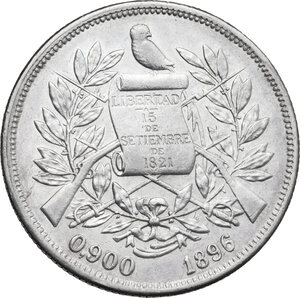
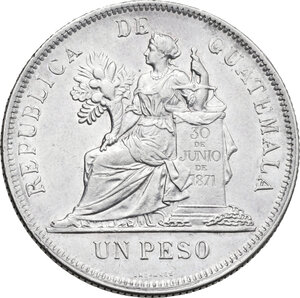
716 - Guatemala. Republic. AR Peso 1896. KM 210. AR. 24.68 g. 37.5 mm. VF.
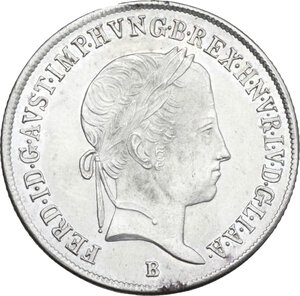
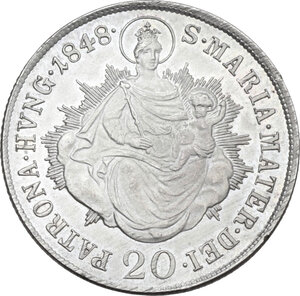
717 - Hungary. Ferdinand i (1835-1848). AR 20 Kreuzer, Kremnitz mint, 1848 B. KM 422; Fruhwald 946. AR. 6.66 g. 27 mm. Lustrous. FDC.
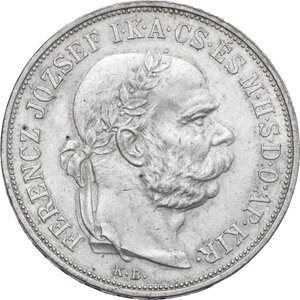
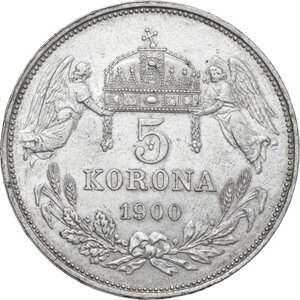
718 - Hungary. Franz Joseph (1848-1916). AR 5 Korona, Kremnitz mint, 1900 KB. Jaeg. 407; Frühwald 2106. AR. 24 g. 36 mm. Good VF.
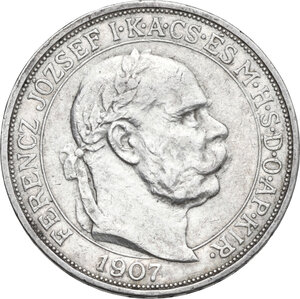
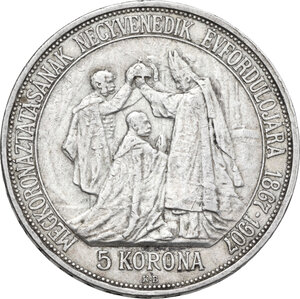
719 - Hungary. Franz Joseph (1848-1916). AR 5 Korona, Kremnitz mint, 1907 KB. For the 40th anniversary of crowning as King of Hungary. KM 489. AR. 24 g. 36 mm. VF. After the revolution in 1848-1849 there was a tension between the Hungarian nobility and the Habsburg ruler. The reconciliation of the situation and subsequent crowning of Franz Joseph as the rightful king of Hungary in 1867 transformed the Habsburg Empire's inner system and laid the fundamentals of the Austro-Hungarian Empire consisting of two equal partners.
Caricamento altri risultati...