Banner Artemide 66E
Risultati: 12
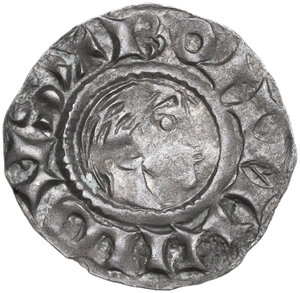
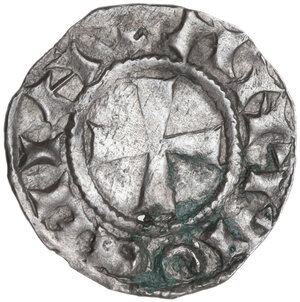
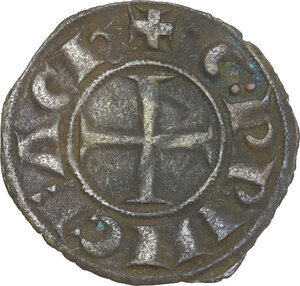
Antioch. Bohemond III, Minority (1149-1163), regencies of Constance and Renaud de Chatillon. BI Denier - Antioch. Bohemond III, Minority (1149-1163), regencies of Constance and Renaud de Chatillon. BI Denier. Obv. Bare head right. Rev. Patent cross. Malloy 22/43; Schl. pl. II, 20; Metcalf 334/358. BI. 0.64 g. 16.00 mm. Scarce. Two tiny holes due to minting process. Good VF.
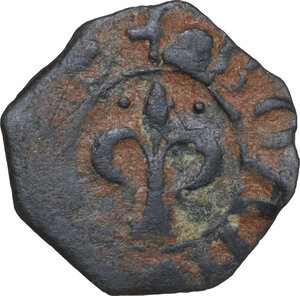
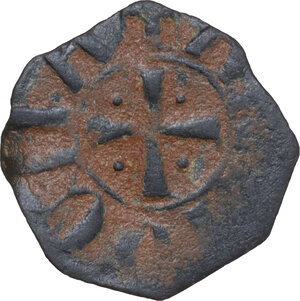
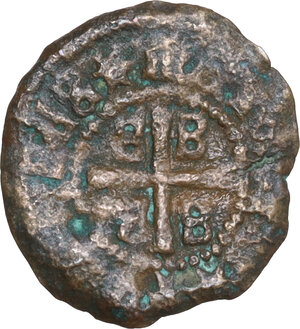
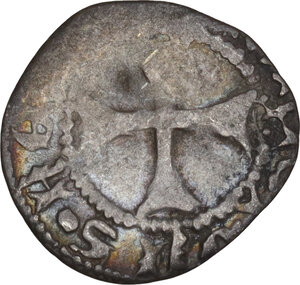
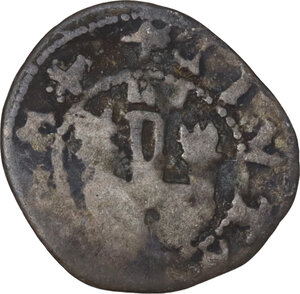
Antioch. Bohemond IV and Bohemond V (1215-1250), second reign. AE Pougeoise - Antioch. Bohemond IV and Bohemond V (1215-1250), second reign. AE Pougeoise. Obv. Fleur de lis flanked by two pellets. Rev. Patent cross; in each quarter, pellet. Malloy 107/115; Schl. pl. III, 1; Metcalf 471 and 475. AE. 0.73 g. 16.00 mm. Reddish desert patina. VF.
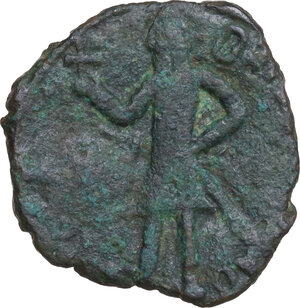
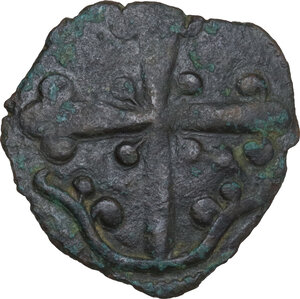
Edessa. Baldwin II, second reign (1108-1118). AE Follis - Edessa. Baldwin II, second reign (1108-1118). AE Follis. Obv. Count walking left holding cross in right and sword in left hand. Rev. Floral cross with pellets in angles. Malloy 9a; Schl. pl. I, 7; Metcalf 109/111. AE. 3.79 g. 22.50 mm. Choice example, well detailed. Good VF. The county of Edessa was the first state to be conquered and formed during First Crusade on March 10, 1098, when Baldwin of Boulogne assumed power there and adopted the title of count; and the first to fall, on November 3, 1146, when it was conquered by Nur-ad-Din Mahmud. The entire coinage of Edessa was issued between 1098 and 1144 and thus forms a compact series of scarce copper coins designed in quasi-byzantine style, often overstruck and reduced over the years in module and weight. At some point during his second reign, possibly around 1110, Baldwin's issues start to change. It is known that in the spring of 1110 Maudud of Mosul devastated the county's territory east of the Euphrates; subsequent Turkish and Armenian incursions impoverished Edessa beyond hope of recovery. Despite this issue that can be concerned with the possibility to obtain copper Porteous suggest that Edessa reduced the standard of its coinage to conform to that of Antioch.
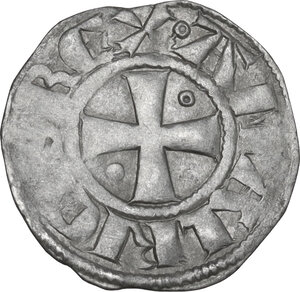
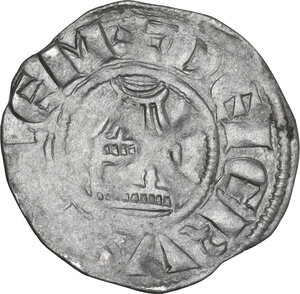
Jerusalem. Amaury (1163-1174). BI Denier - Jerusalem. Amaury (1163-1174). BI Denier. Obv. Patent cross with annulets in the second and the third quarters. Rev. Church of the Holy Sepulcre. Malloy 23; Schl. pl. III, 19; Metcalf 171. BI. 0.84 g. 17.50 mm. In good condition for issue. Good VF.
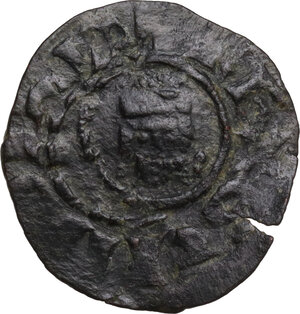
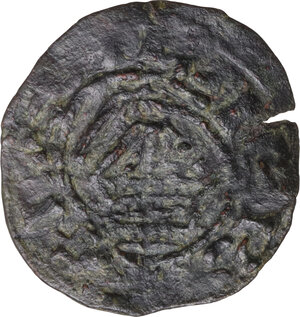
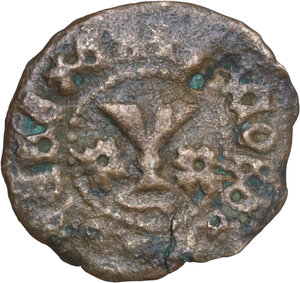
Jerusalem. Guy of Lusignan (1186-1190). AE Fractional Denier - Jerusalem. Guy of Lusignan (1186-1190). AE Fractional Denier. Obv. Bust facing wearing crown. Rev. Church of the Holy Sepulchre with triangular dome. Malloy 32; Schl. cf. pl. III, 25; Metcalf 628. AE. 1.06 g. 18.00 mm. RR. Very rare. About VF. Probably minted before the battle of Hattin (1187) where he was captured by the muslims.
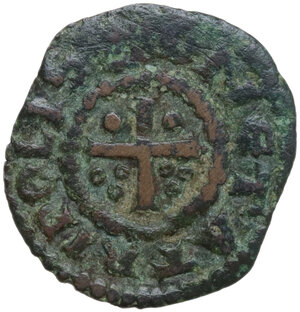
Tripoli. Raymond II (1137-1352). AE 17.5 mm, early period, c. 1137-1147 - Tripoli. Raymond II (1137-1352). AE 17.5 mm, early period, c. 1137-1147. Obv. Small patent cross; annulet at the end of each arm. Rev. Plain cross; one pellet in first and second quarters, three pellets in third and fourth quarters. Malloy 3; Schl. pl. IV, 3; Metcalf 504 (Raymond I or Raymond II). AE. 0.68 g. 16.50 mm. VF.
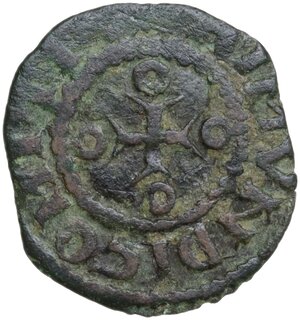
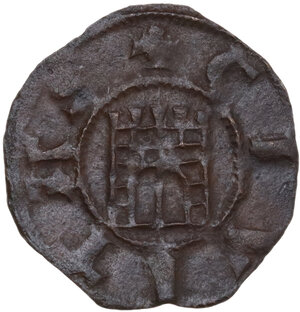
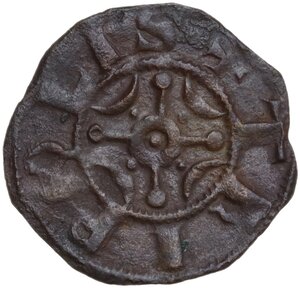
Tripoli. Raymond III (1152-1187). AE Pougeoise - Tripoli. Raymond III (1152-1187). AE Pougeoise. Obv. Fortified gateway with five rows of masonry and five crenellations, and large divided door with rounded top. Rev. St'Andrew's cross; circle in center, crescents in each quarter. Malloy 13; Schl. pl. IV, 9/11; Metcalf 523/529. AE. 0.77 g. 16.00 mm. R. EF. Ex Collection Blankenberg. The anonymous 'castle coppers' began to be struck during the reign of Raymond III. It is possible that the gateway design was instituted to memoralize his father Raymond II who was killed by assassins at the city gate of Tripoli in 1152. The design of the city gate also harks back to the period of Poins when seals of the counts have a reverse depicting the city of Tripoli with three towers and the city wall with a two door gate. A similar tower appears on the coinage of Sidon after 1170, and on the coinage of Beirut after 1205. The castle coppers have been divided into six types according to the style (see Sabine 'Tripoli' pp. 109-112 Nos. 240-331). Funny to note how these coins undergo a gradual degeneration in style until they resemble the Genoese gateway rather than the original type.
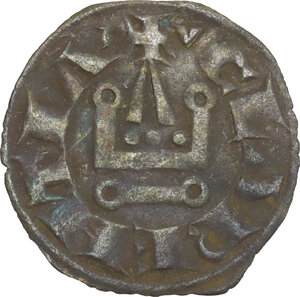
Frankish Greece, Achaea. William of Villehardouin (1245-1278). BI Denier Tournois, Corinth mint (?) - Frankish Greece, Achaea. William of Villehardouin (1245-1278). BI Denier Tournois, Corinth mint (?). Malloy 10; Schl. pl. XII, 12. BI. 0.85 g. 18.50 mm. Very intriguing type which bear small letters D V at the beginning and at the end of the legend. Good VF.
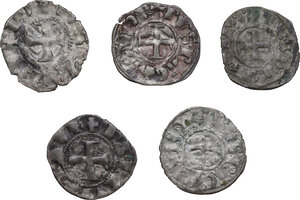
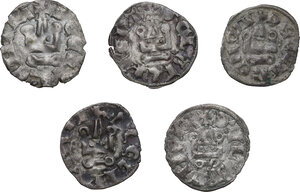
Frankish Greece. Lot of five (5) BI Denier Tournois to be sorted - Frankish Greece. Lot of five (5) BI Denier Tournois to be sorted. Schl. tav. XIII, 26. BI.
Genoese Colonies. Metelino and Enos. Giacomo Gattilusio (1376-1396). AE Denaro - Genoese Colonies. Metelino and Enos. Giacomo Gattilusio (1376-1396). AE Denaro. Schl. pl. XVI, 21; Lunardi G 8. AE. 1.29 g. 17.00 mm. RR. Very rare and in good condition for issue. VF.
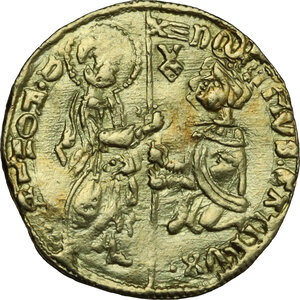
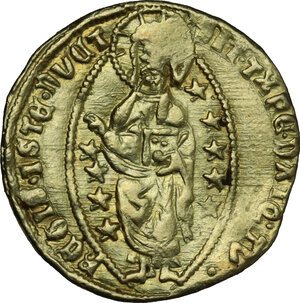
Genoese Colonies. Foglia Vecchia (Phocaea). Dorino Gattilusio (1400-1449), Lord of Chio, Lesbo and Due Focee. AV Ducat imitating the venetian type - Genoese Colonies. Foglia Vecchia (Phocaea). Dorino Gattilusio (1400-1449), Lord of Chio, Lesbo and Due Focee. AV Ducat imitating the venetian type. Obv. San Marco (?) nimbate, standing left, offers the standard to the dux (Dorinus?). Rev. Within mandorla, Christ, nimbate, standing facing, holding Book of Gospels in his left hand, his right hand raised in benediction; in field left, three stars, right five stars. Schl. pl. XVII, 6; Gamb. III 349; Fried. 8. AV. 3.50 g. 21.00 mm. RR. Very rare. Areas of flat strike. Good VF. The Gattilusio, of Genoese origin, were lords of the island of Lesbos since 1355 by concession of Giovanni V Paleologo. In 1403 Dorino received from his older brother Jacopo the lordship of the city of Focea Vecchia, on the coast of Asia Minor, which his father had obtained under contract from La Maona starting from 1402.
Genoese Colonies. Chios, La Maona. AR Quarter of Gigliato, 1430-1466 - Genoese Colonies. Chios, La Maona. AR Quarter of Gigliato, 1430-1466. Schl. pl. XIV, 22,23,24,26; Lunardi S14,16,28. AR. 0.71 g. 15.50 mm. RR. Very rare. Striking flatness. About VF.