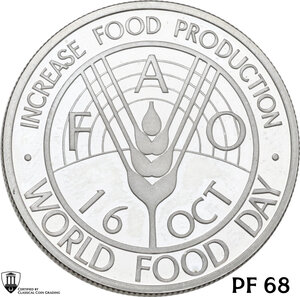
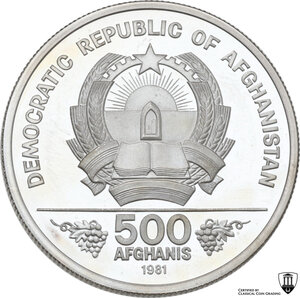
983 - Afghanistan. Democratic Republic (1978-1992). 500 afghanis 1981 FAO World Food Day. KM 1002. AR. 9.08 g. 27.00 mm. Encapsulated by Classical Coin Grading PF 68.
Info & contatti
Le mie offerte
Lotti osservati
Conferimento
Condizioni di vendita
Prezzi di spedizione
Metodi di pagamento
Tabella rilanci
Esito stampabile
Sessione Live 31/8/2024 15:00:00 CET
Greek Coins (1-308)
Ancient and Medieval Asia (309-321)
The Roman Republic (322-462)
The Roman Empire (463-500)
Sessione Live 1/9/2024 15:00:00 CET
The Roman Empire (501-681)
Barbaric and Migration Period Coinage (682-684)
The Byzantine Empire (685-704)
Tessere e Gettoni (705-707)
Replica Study Coins (708-715)
Large Lots (716-722)
Islam (723-728)
Oriente Latino (729-731)
Monete e Medaglie di Zecche Italiane (732-892)
Casa Savoia - Regno di Sardegna - Regno di Italia (893-919)
Repubblica Italiana (920-920)
Medaglie Papali (921-944)
Medaglie e Placchette (945-982)
World Coins (983-1128)
Lotti (1129-1141)
Cartamoneta (1142-1150)

Risultati: 61
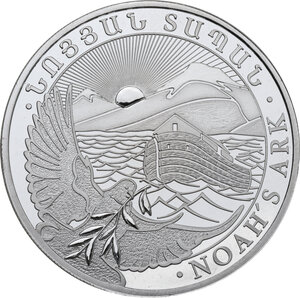
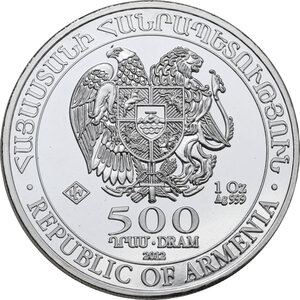
984 - Armenia. 500 dram 2012. KM 196. AR. 31.18 g. 39.00 mm. PROOF.
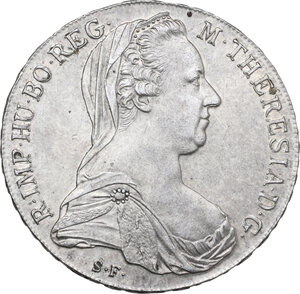
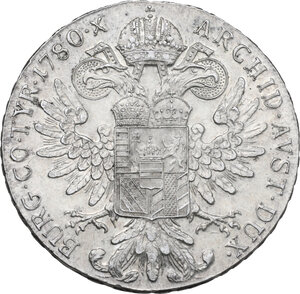
985 - Austria. Maria Theresia (1740-1780). Thaler 1780. KM 1866.2. AR. 28.05 g. 40.50 mm. MS.
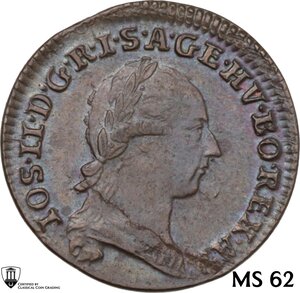
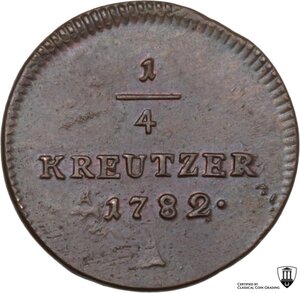
986 - Austria. Joseph II (1780-1790). 1/4 kreutzer 1782 A, Vienna mint. KM 2051. CU. 1.94 g. 18.00 mm. Encapsulated by Classical Coin Grading MS 62.
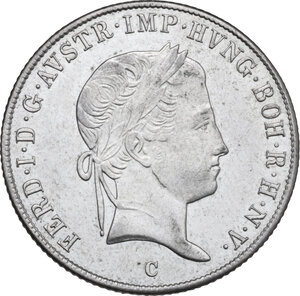
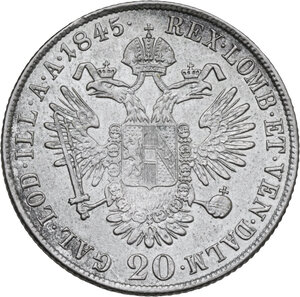
987 - Austria. Ferdinand I (1835-1848). 20 kreuzer 1845 C, Prag mint. KM 2208. AR. 6.65 g. 26.00 mm. AU.
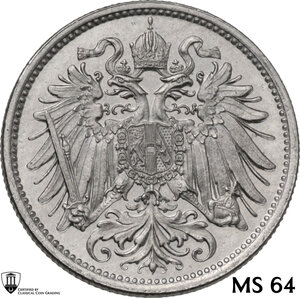
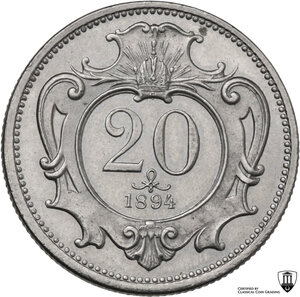
988 - Austria. Franz Joseph (1848-1916). 20 heller 1894. KM 2803. NI. 4.03 g. 21.00 mm. Encapsulated by Classical Coin Grading MS 64 PROOFLIKE.
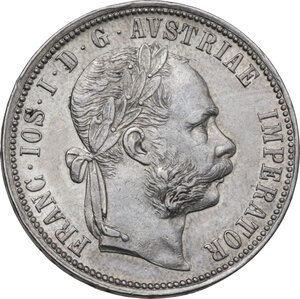
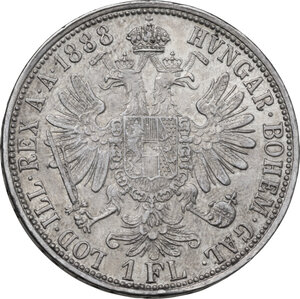
989 - Austria. Franz Joseph (1848-1916). florin 1888. KM 2222. AR. 12.35 g. 29.00 mm. AU.
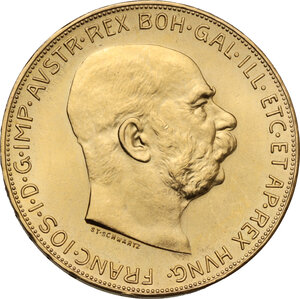
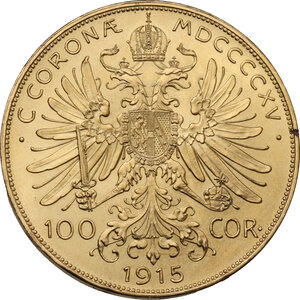
990 - Austria. Franz Joseph (1848-1916). 100 corone 1915. Mint Restike. KM 2819; Fried. 507R. AV. 33.88 g. 37.00 mm. Small test cut on edge. MS.
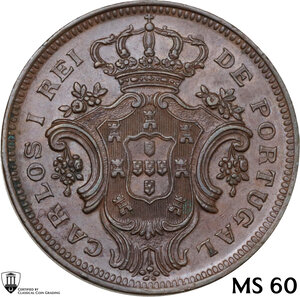
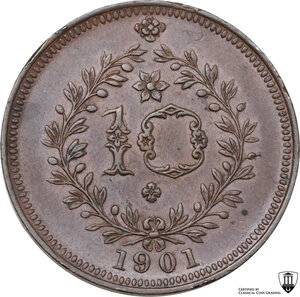
991 - Azores. Carlos I (1889-1908). 10 reis 1901. KM 17. AE. 9.38 g. 30.00 mm. Encapsulated by Classical Coin Grading MS 60.
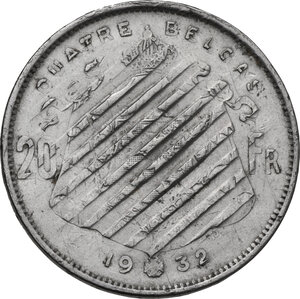
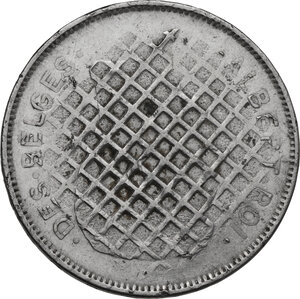
992 - Belgium. Albert I (1909-1934). 20 francs 1932 cancelled issue during Nazi occupation, with waffle pattern on obverse and raised bars on reverse. KM 101.1. NI. 19.94 g. 37.00 mm. This issue was withdrawn by the German occupation authorities and defaced to demonitize. Most were sent to the melting pot after cancellation, but a few, such as this piece, escaped.
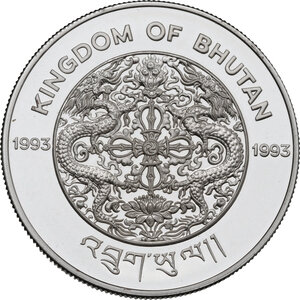
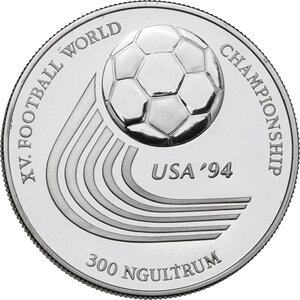
993 - Bhutan. 300 ngultrums 1993. KM 78. AR. 31.65 g. 39.00 mm. PROOF.
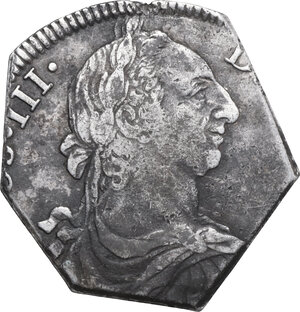
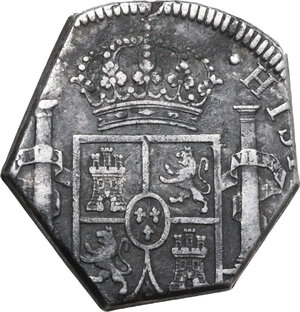
994 - Bolivia. Charles III of Spain (1759-1788). 8 reales cut to North African (Barbary) standard. Cf. KM 55. AR. 16.91 g. 33.00 mm. XF.
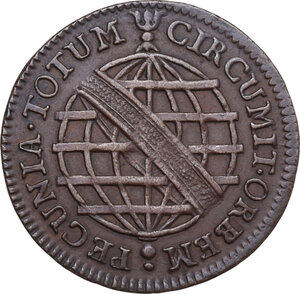
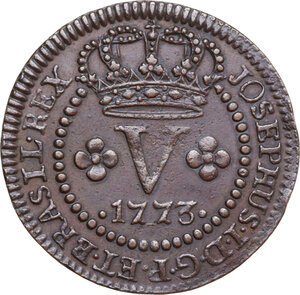
995 - Brazil. Joseph I (1777-1788). 5 reis 1773. KM 173.2. AE. 3.41 g. 25.00 mm. Good quality for issue. AU.
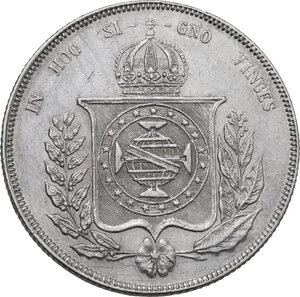
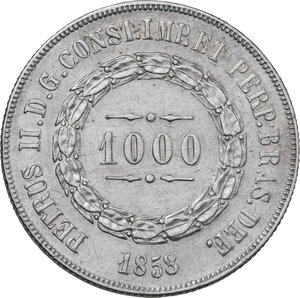
996 - Brazil. Pedro II (1831-1889). 1000 reis 1858. KM 465. AR. 12.75 g. 30.00 mm. AU/XF.
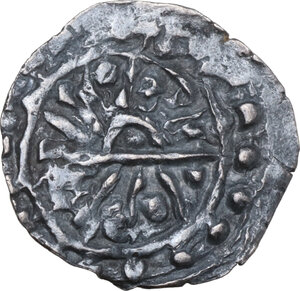
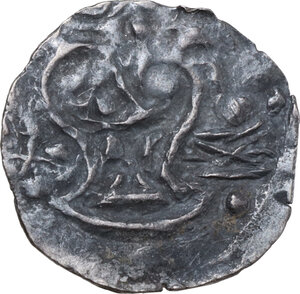
997 - Cambodia. Kingdom of Funan. Quarter unit, 400-550 AD. Obv. Stylized sun. Rev. Stylized temple. Mitchiner 5253-5256. AR. 2.30 g. 22.00 mm. AU.
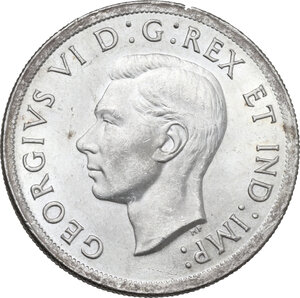
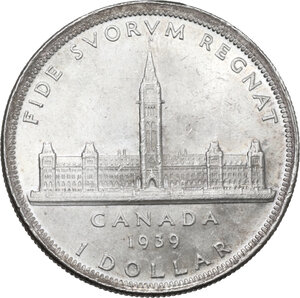
998 - Canada. George V (1910-1936). 5 dollars 1939. AR. 23.38 g. 36.50 mm. MS.
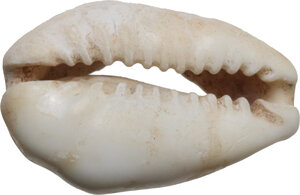
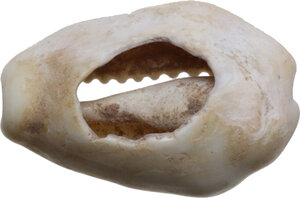
999 - China. Shang-Zhou Dynasty, 1200-800 BC (?). Cowrie shell with the back filed off.
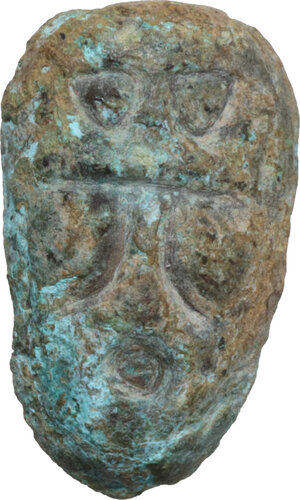
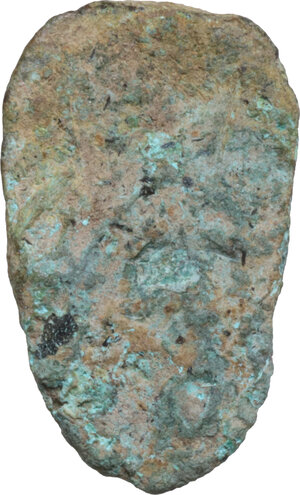
1000 - China. Ant nose money, 400-220 BC. 17 x 12 mm. Hartill 1.4. AE. 2.44 g. 17.00 mm. VF.
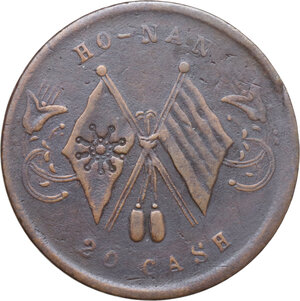
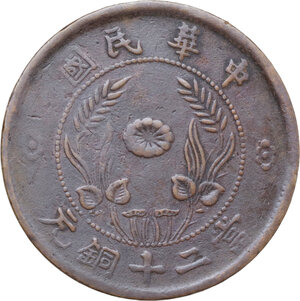
1001 - China. 20 cash, Honan province, 1920. KM 393.1. AE. 9.50 g. 32.00 mm. VF/XF.
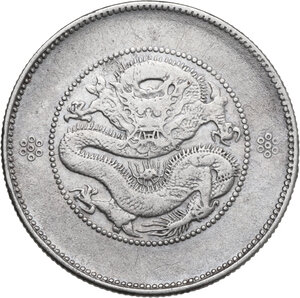
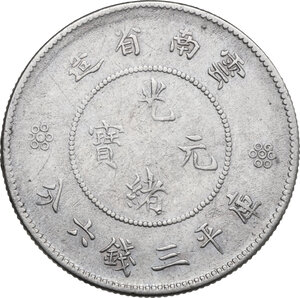
1002 - China. 50 cents Yunnan (1911-1915). KM 257. AR. 12.88 g. 33.00 mm. XF.
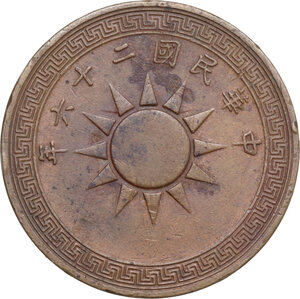
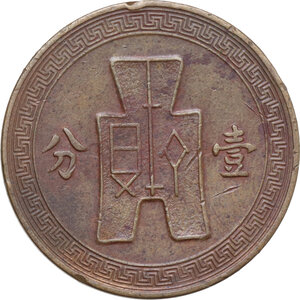
1003 - China. 10 fen, 1937. KM 347. AE. 6.43 g. 26.00 mm. Bump on edge. VF.
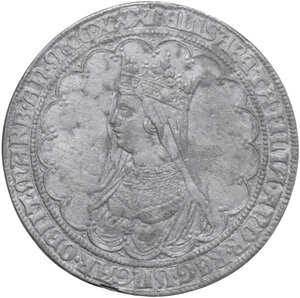
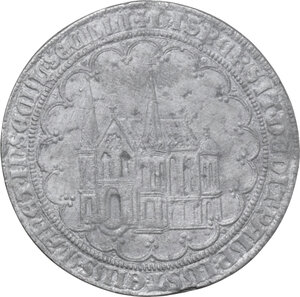
1004 - Czech Republic. Hapsburg. Early 17th century, c. 1619. Tin medal, A so-called “Judenmedaille”, produced by private min-ters in Prague to glorify the House of Hapsburg. Obv. ELISABETHA. FILIA.ANDR.REG.UNGAR.OBIT.MARB.M.CC.XXXI Crowned bust of St. Elizabeth of Hungary to left, within a tressure of 17 arcs. Rev. DISPERSIT.DEDIT.PAUP:IUST.EIUS.MANET.IN.SEDUL. SECULI View of the church of St. Elizabeth in Marburg; all within a tressure of 17 arcs. Bernhart 21. Hoffmeister 4. Klein B 21, Prince Alexander 3. TIN. 22.08 g. 51.00 mm. The large series of pseudo-medieval medals, long known as ‘Judenmedaille’ from their supposed manufacture by Jewish minters in Prague, were actually part of a very carefully thought out series designed to glorify the ancestors of the House of Hapsburg. They appear in different metals, primarily in silver with gold ones being particularly rare. This one bears a portrait of St. Elizabeth of Hungary (1207-1231) who had been the wife of Ludwig IV of Thuringia; on the reverse is the great church of St. Elizabeth in Marburg, which began to built in 1235 when Elizabeth was canonized. It was consecrated in 1283 but the towers were only finished in 1340. It is one of the earliest Gothic churches in Germany and was a model both for the cathedral of Cologne and for St. Paul’s Church in Strasbourg. XF.
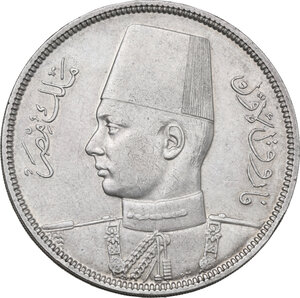
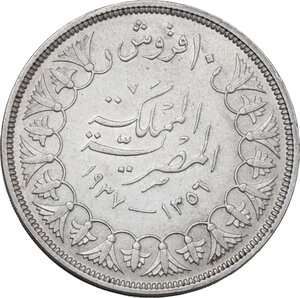
1005 - Egypt. Farouk (1936-1952). 10 piastres 1937. KM 367. AR. 13.97 g. 33.00 mm. XF/AU.
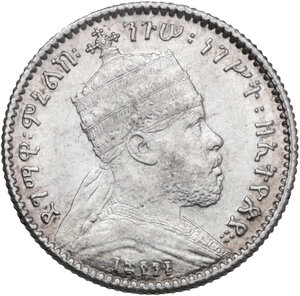
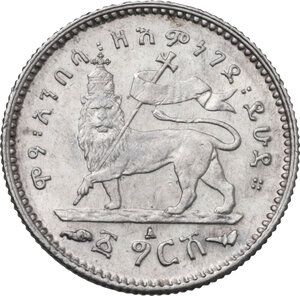
1006 - Ethiopia. Menelik II (1889-1913). Gersh 1895EE (1903) A, Paris mint. KM 12. AR. 1.38 g. 16.00 mm. Superb patina. MS.
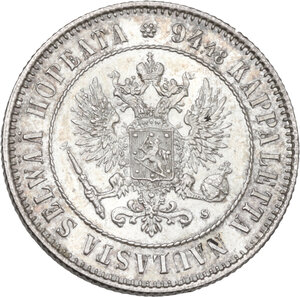
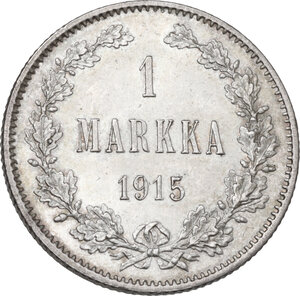
1007 - Finland. Nicholas II Romanov (1894-1917). Markkaa 1915. KM 3.2; Bitkin 401. AR. 5.22 g. 24.00 mm. MS.
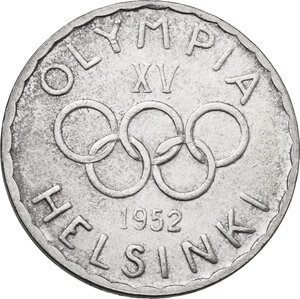
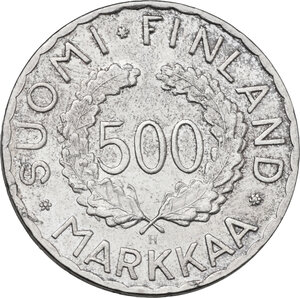
1008 - Finland. 500 markkaa 1952 for the Olympic games. KM 35. AR. 12.00 g. 31.50 mm. AU.
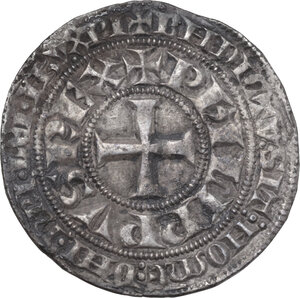
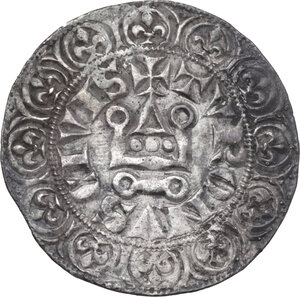
1009 - France. Philip IV (1268-1314), called the Fair. Gros Tournois à l'O rond n.d. (until 1290). Duplessy 214. AR. 3.94 g. 25.00 mm. XF.
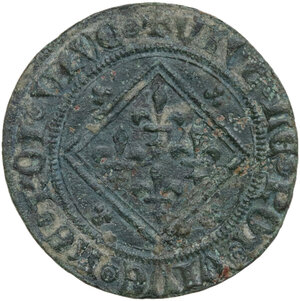
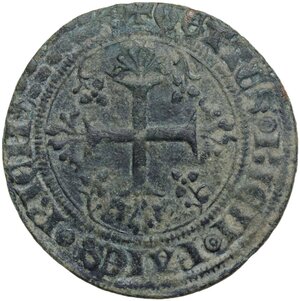
1010 - France. Token XV-XVI century. AE. 3.65 g. 25.00 mm. Uneven green patina. XF.
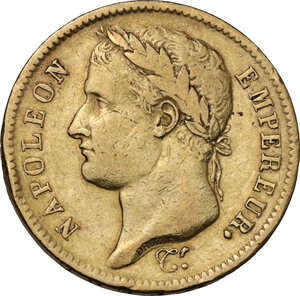
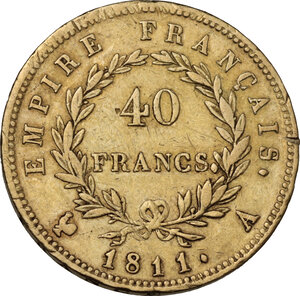
1011 - France. Napoleon I (1805-1814), Emperor. 40 francs 1811 A, Paris mint. KM 696.1; Fried. 505; Gad. 1084. AV. 12.84 g. 27.00 mm. XF.
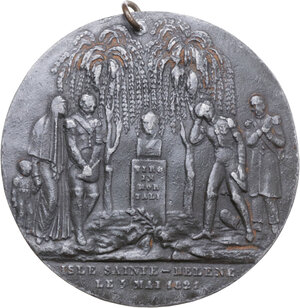
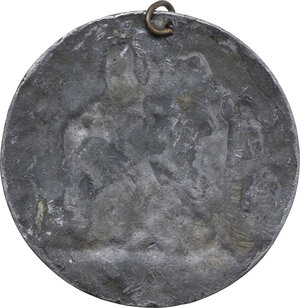
1012 - France. Napoleon (1769-1821). Medal 1821 for the death in Saint Helene. PB. 63.94 g. 68.00 mm. With suspension loop.
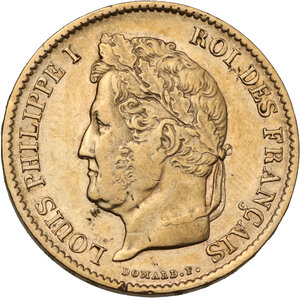
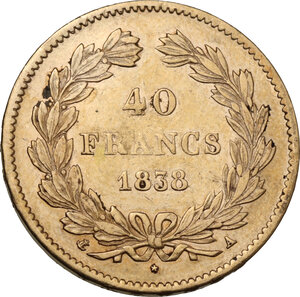
1013 - France. Louis Philippe (1830-1848). 40 francs 1838 A, Paris mint. KM 747.1; Fried. 557; Gad. 1106. AV. 12.89 g. 27.00 mm. XF.
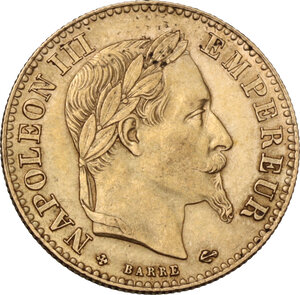
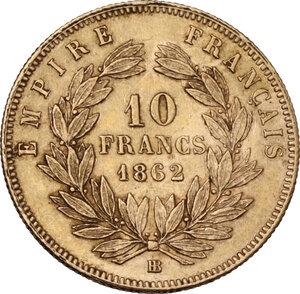
1014 - France. Napoleon III (1852-1870). 10 francs 1862 BB Strasbourg. KM 800.2; Fried. 587; Gad. 1015. AV. 3.23 g. 19.00 mm. AU.
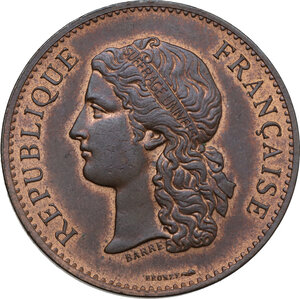
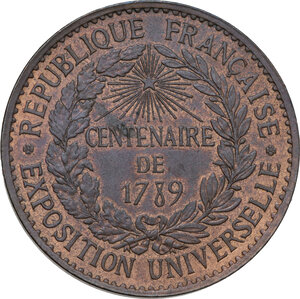
1015 - France. Republic. CU Medal for the Universal Exposition 1889 for the centenary of the fall of the Bastille 1889. CU. 14.94 g. 30.00 mm. Opus: Barrè. Traces of red copper. AU.
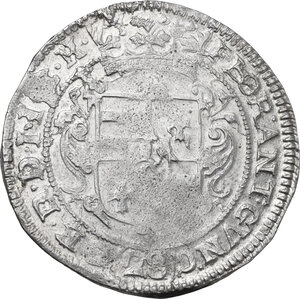
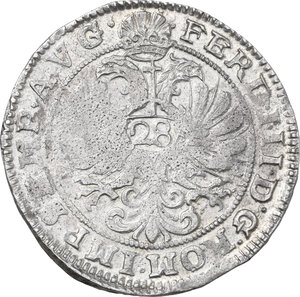
1016 - Germany, Oldenburg. Anton Gunther (1603-1667), with Emperor Ferdinand III (Duke 1603-1677). Gulden zu 28 Stüber. KM 40; Dav. 714. AR. 19.62 g. 42.00 mm. Minting flatness, otherwise. AU.
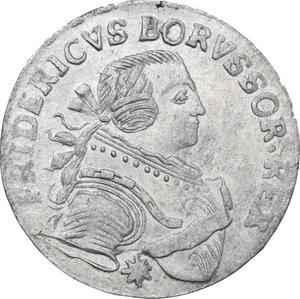
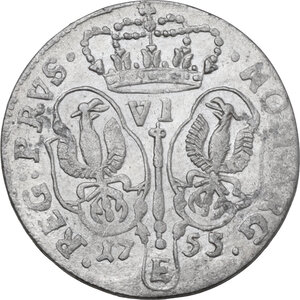
1017 - Germany, Preussen. Friedrich II (1740-1786). 6 groschen 1755 E, Köningsberg mint. Schrotter 1057. AR. 3.05 g. 23.50 mm. MS.
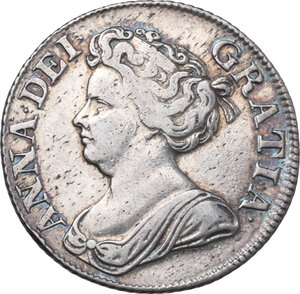
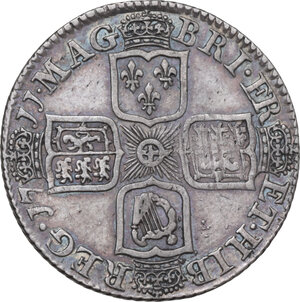
1018 - Great Britain. Anne Stuart (1702-1714). Shilling 1711. KM 533.2. AR. 5.99 g. 26.00 mm. XF.
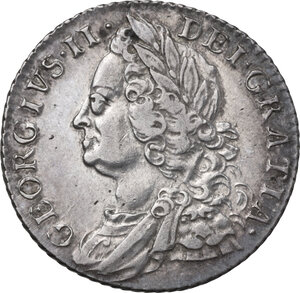
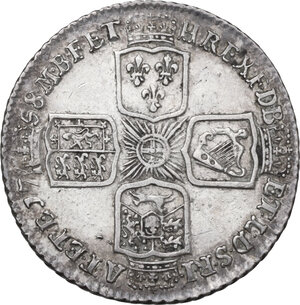
1019 - Great Britain. George II Hannover (1727-1760). Shilling 1758. KM 583.3. AR. 6.06 g. 26.00 mm. XF.
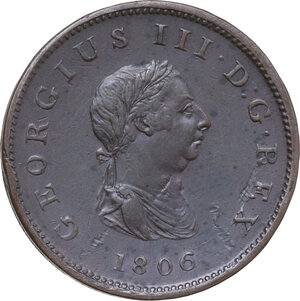
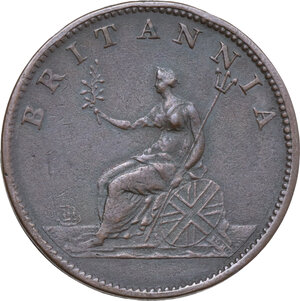
1020 - Great Britain. George III (1760-1820). 1/2 penny 1806. KM 662. AE. 9.35 g. 29.00 mm. XF.
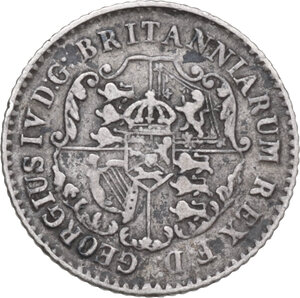
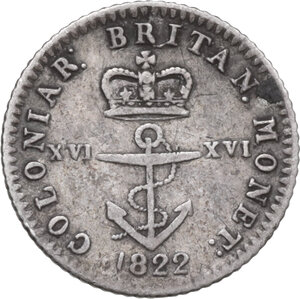
1021 - Great Britain. George IV (1820-1830). 1/16 dollar 1822, Caribbean Territories. KM 1. AR. 1.62 g. 16.00 mm. VF/XF.
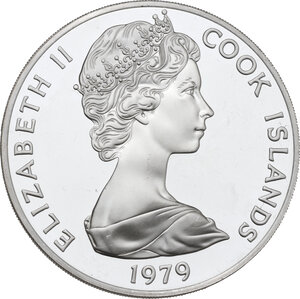
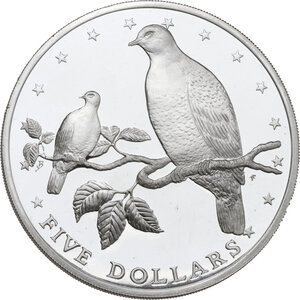
1022 - Great Britain. Elizabeth II (1952-2022). 5 dollars 1979, Cook Islands. KM 24. AR. 27.94 g. 42.00 mm. PROOF.
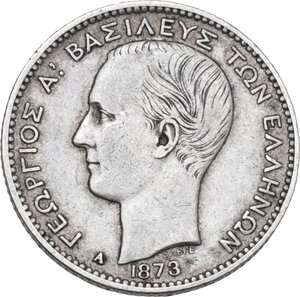
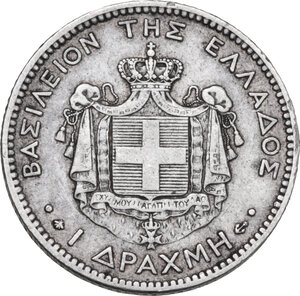
1023 - Greece. George I (1863-1913). Drachm 1873 A. KM 38. AR. 4.95 g. 23.00 mm. XF.
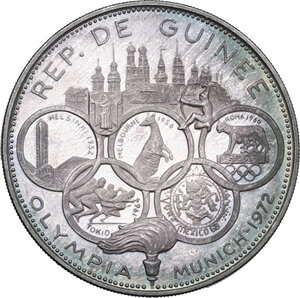
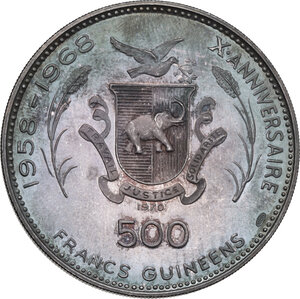
1024 - Guinea. 500 francs 1970, for the Olympic Games of Munich. KM 15. AR. 29.05 g. 42.00 mm. PROOF.
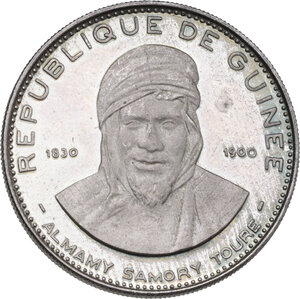
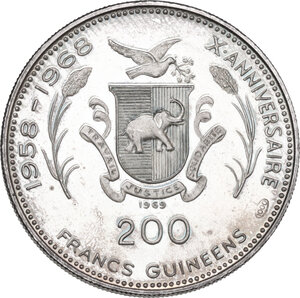
1025 - Guinea. 200 francs, 1969, '10th Anniversary of Independence - Toure'. KM 11. AR. 11.76 g. 30.00 mm. PROOF.
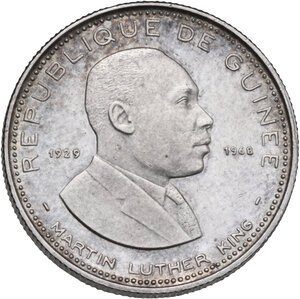
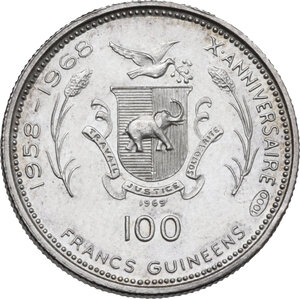
1026 - Guinea. 100 francs, 1969, '10th Anniversary of Independence - Luther King'. KM 9. AR. 5.74 g. 21.00 mm. PROOF.
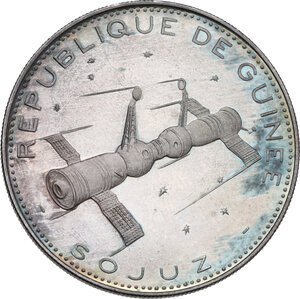
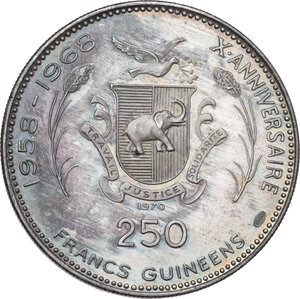
1027 - Guinea. 250 francs 1970. '10th Anniversary of Independence - Soyuz'. KM 14. AR. 14.56 g. 36.00 mm. PROOF.
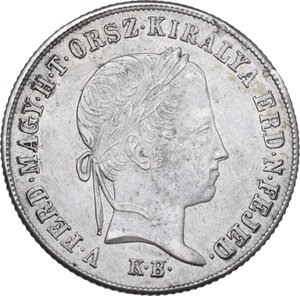
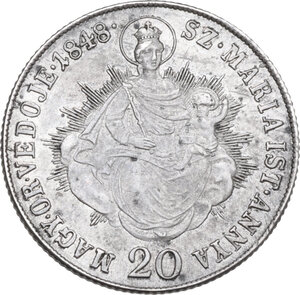
1028 - Hungary. Ferdinand I (1835-1848). 20 krajczar 1848 KB, Kremintz mint. KM 432. AR. 6.69 g. 26.50 mm. XF/AU.
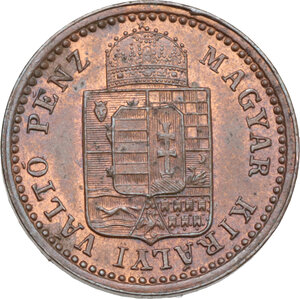
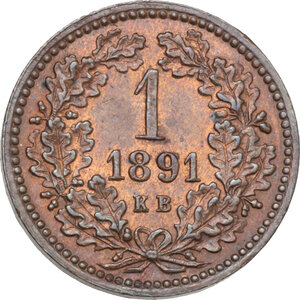
1029 - Hungary. Franz Joseph (1848-1916). Krajcar or kreuzer 1891 KB, Kremintz mint. Huszár 2187; Fruhwald 1845. CU. 3.35 g. 19.00 mm. Traces of red copper. MS.
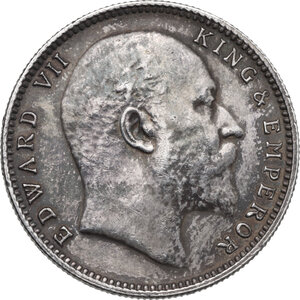
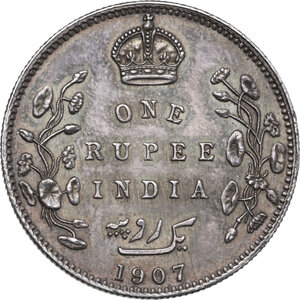
1030 - India. Edward VII (1841-1910). One rupee 1907. KM 508. AR. 11.65 g. 31.00 mm. AU.
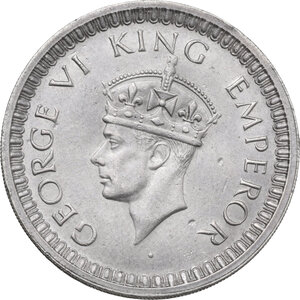
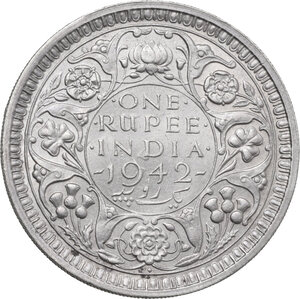
1031 - India. George VI (1910-1936). One rupee 1942. KM 557. AR. 11.66 g. 30.50 mm. AU/MS.
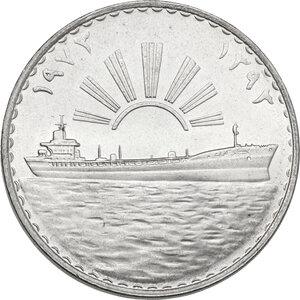
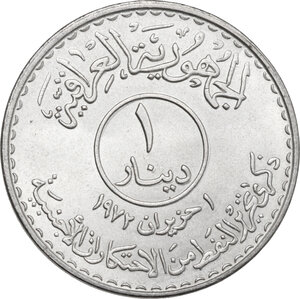
1032 - Iraq. Dinar 1973. KM 140. AR. 30.99 g. 40.00 mm. AU/MS.
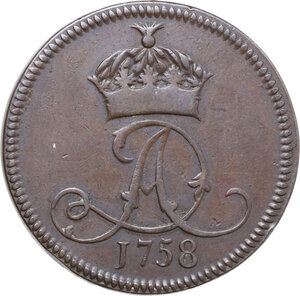
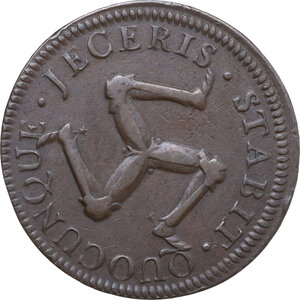
1033 - Isle of Man. Penny 1758. KM 7. AE. 10.22 g. 29.00 mm. XF/AU.
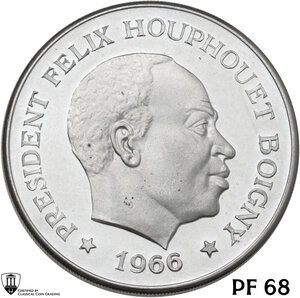
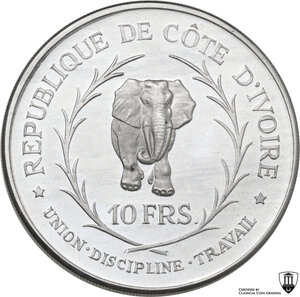
1034 - Ivory Coast. Republic (1960- ). 10 francs 1966. KM 1. AR. 25.00 g. 34.00 mm. Encapsulated by Classical Coin Grading PF 68 CAMEO.
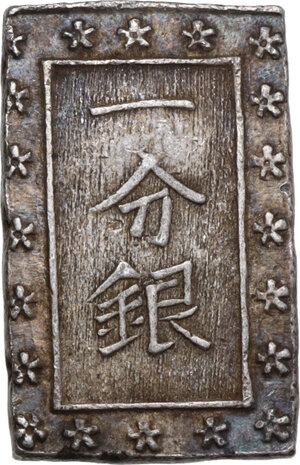
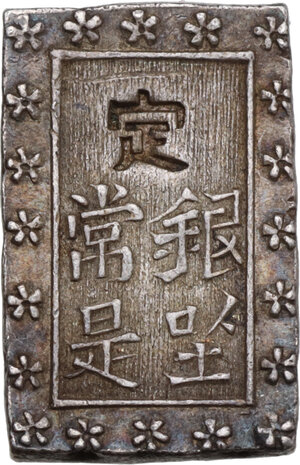
1035 - Japan. Edo Period (1603-1868). AR Ichi Bu Gin, Edo (Tokyo) mint, 1837-1854. 24x16mm. Hartill (Jap.) 9.80. AR. 8.65 g. 24.00 mm. AU.
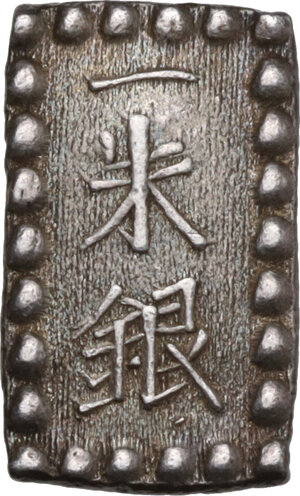
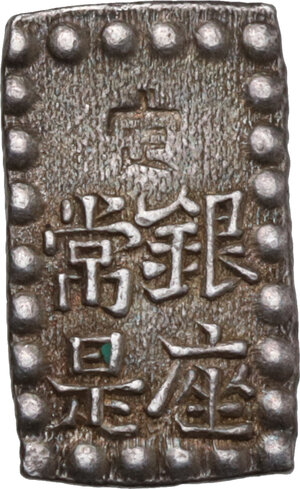
1036 - Japan. Edo Period (1603-1868). AR 1 Shu-gin, Edo (Tokyo) mint, 1848-1869. 15 x 10 mm. Hartill (Jap.) 9.84-87. AR. 1.84 g. 16.00 mm. AU.
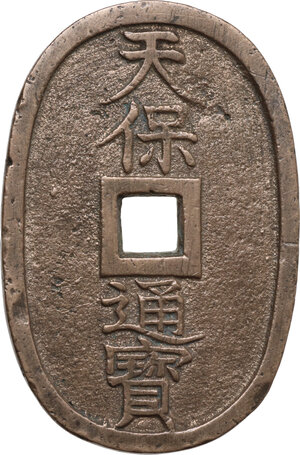
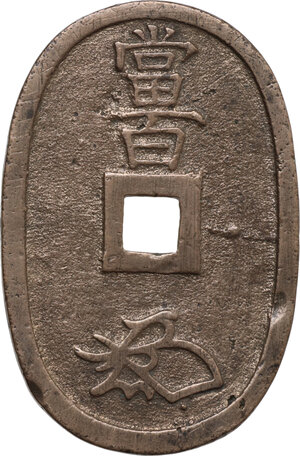
1037 - Japan. Edo Period (1603-1868). 100 Mon Tempo Tsuho, 1835-1870. 49 x 33 mm. AE. 21.55 g. 49.00 mm. XF.
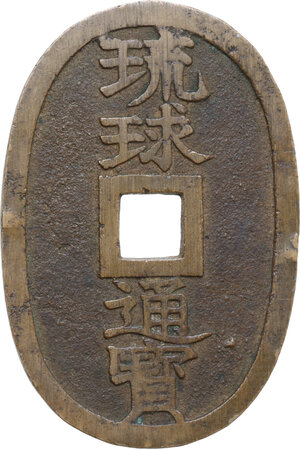
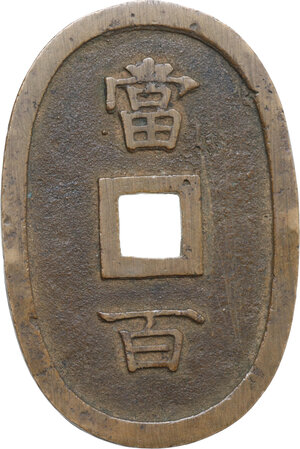
1038 - Japan. Local coinage, Ryukyu Islands (Okinawa). 100 mon, 1862-1863. Hartill (Jap.) 6.28; KM C100. AE. 10.58 g. 49.00 mm. Good VF.
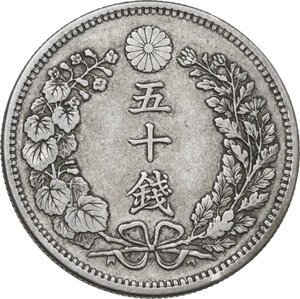
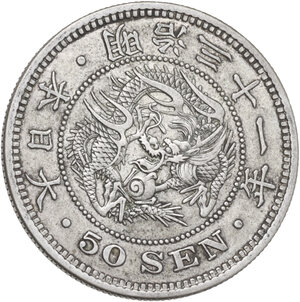
1039 - Japan. Meiji Era. 50 sen 1898. KM 25. AR. 13.43 g. 31.00 mm. AU.
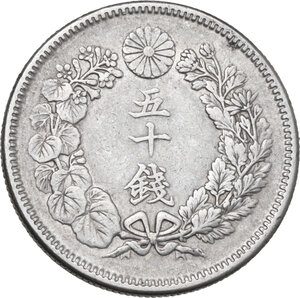
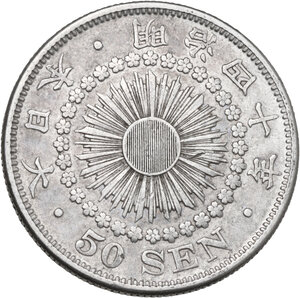
1040 - Japan. Meiji Era. 50 sen 1907. KM 31. AR. 10.03 g. 27.50 mm. XF/AU.
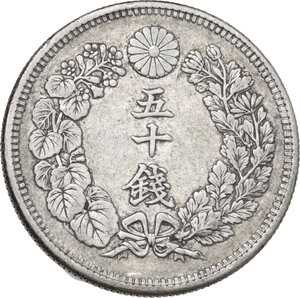
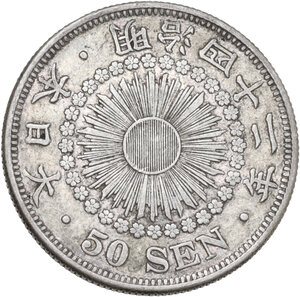
1041 - Japan. Meiji Era. 50 sen 1909. KM 31. AR. 10.11 g. 27.00 mm. XF/AU.
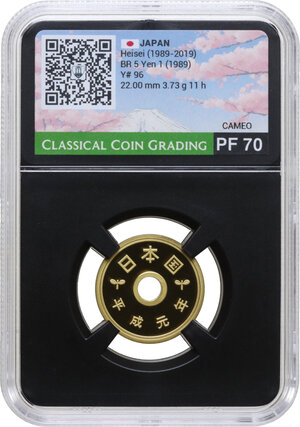
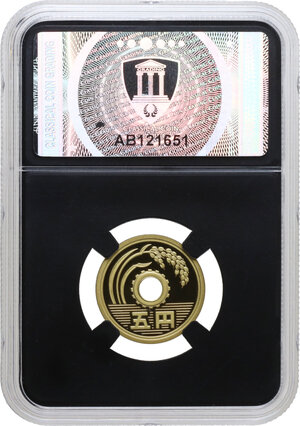
1042 - Japan. Heisei (1989-2019). BR 5 Yen 1 (1989). KM Y# 72a. BR. 3.77 g. 21.50 mm. Wonderful slab with custom colored label. Encapsulated by Classical Coin Grading PF 70.
Caricamento altri risultati...