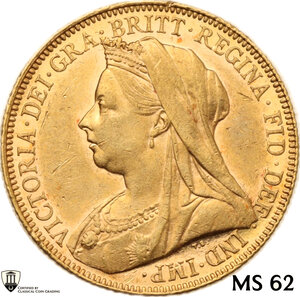
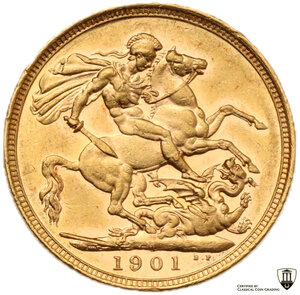
954 - Australia. Victoria (1837-1901). Sovereign 1901 M, Melbourne mint. KM 13; Seaby 3875. AV. 8 g. 22 mm. Encapsulated by Classical Coin Grading MS 62.
Info & contatti
Catalogo PDF
Le mie offerte
Lotti osservati
Conferimento
Condizioni di vendita
Prezzi di spedizione
Metodi di pagamento
Tabella rilanci
Esito stampabile
Sessione Live 26/10/2024 15:00:00 CET
Greek Coins (1-200)
The Roman Republic (201-383)
The Roman Empire (384-500)
Sessione Live 27/10/2024 15:00:00 CET
The Roman Empire (501-582)
Barbaric and Migration Period Coinage (583-597)
The Byzantine Empire (598-667)
Islam (668-700)
Monete e Medaglie di Zecche Italiane (701-869)
Casa Savoia - Regno di Sardegna - Regno di Italia (870-906)
Repubblica Italiana (907-909)
Medaglie Papali (910-931)
Medaglie e decorazioni dell’Era Fascista (932-953)
World Coins (954-1048)

Risultati: 61
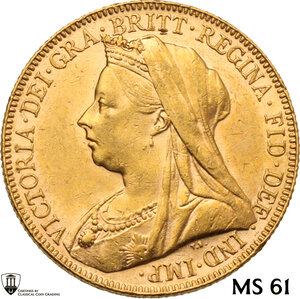
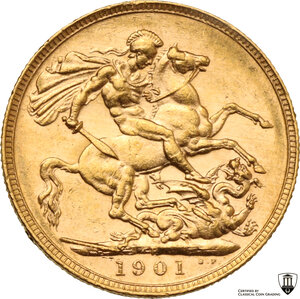
955 - Australia. Victoria (1837-1901). Sovereign 1901 P, Perth mint. KM 13; Seaby 3876. AV. 8 g. 22 mm. Encapsulated by Classical Coin Grading MS 61.
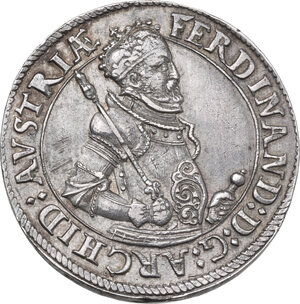
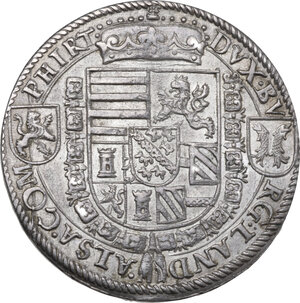
956 - Austria. Ferdinand Archducke of Austria (1564-1595). Thaler nd, Ensisheim. Dav. 8088. AR. 28.53 g. 40 mm. Delicate cabinet tone. EF.
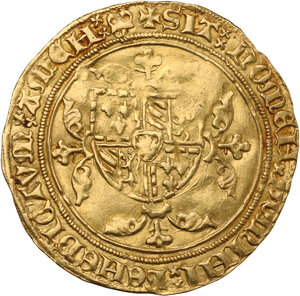
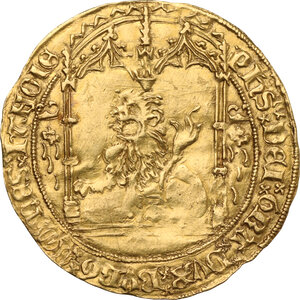
957 - Belgium. Philippe le Bon (1434-1467). Lion d'or, Hainaut, Valenciennes mint. Delmonte 303; Fried. 269. AU. 4.21 g. 30 mm. R. Good VF.
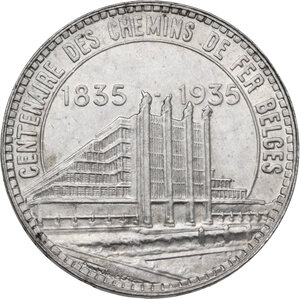
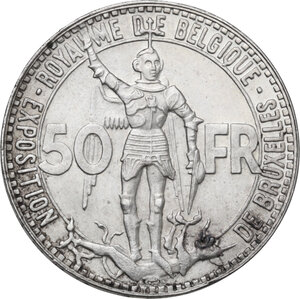
958 - Belgium. Leopold III (1934-1951). 50 francs dually dated 1835 and 1935, Brussels, commemorating the centenary of Belgian Railways. KM 106.1. AR. 21.88 g. 35 mm. Frappe monnaie. French legend, position B. FDC.
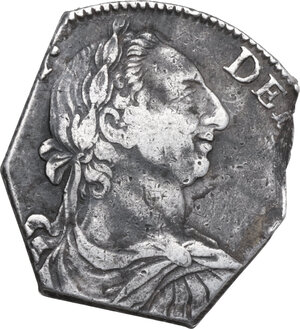
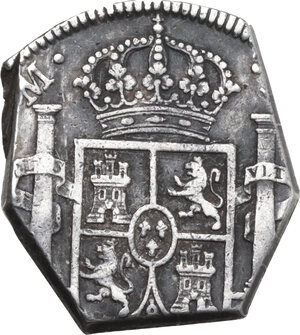
959 - Bolivia. Charles III of Spain (1759-1788). 8 reales cut to North African (Barbary) standard. Cf. KM 55. AR. 15.77 g. 32 mm. About EF.
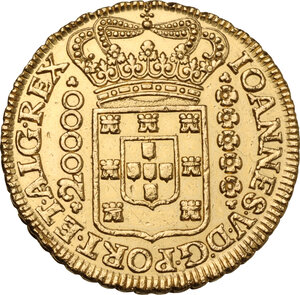
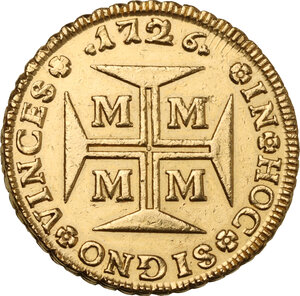
960 - Brazil. Joao V (1706-1750). 20000 reis (dobrao) 1726 M, Minas Gerais mint. KM 117; Fried. 33. AU. 53.7 g. 38 mm. Light contact marks, otherwise. EF.
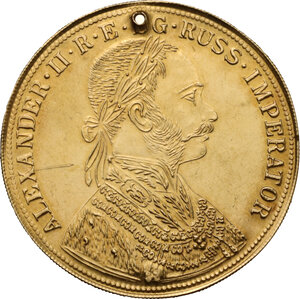
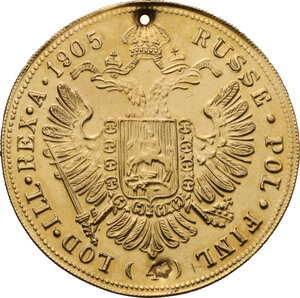
961 - Bulgaria. Ferdinand I (1887-1918). Imitative issue of 4 ducats 1905 of Franz Josef, for trade in the Balkans; probably mint in Sofia. KM X2; Bitkin 8; Fried. -. AV. 12.73 g. 39.5 mm. RR. Very rare and seldom offered. Holed. Small scratch on field and test cut on edge. Small countermark in the shape of a crown on the reverse. EF.
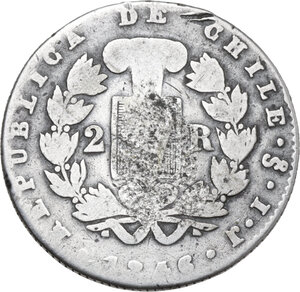
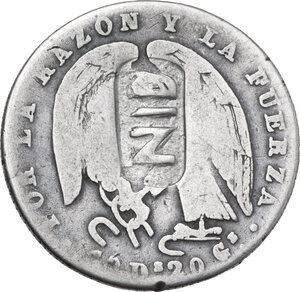
962 - Chile. 2 reales 1846 So I J countermarked on obverse 'NID'. Cf. KM 100.2. AR. 5.78 g. 22.5 mm. R. Host coin F; C/m VF.
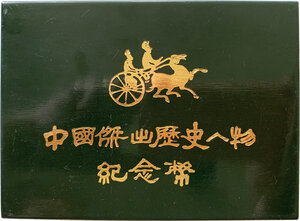
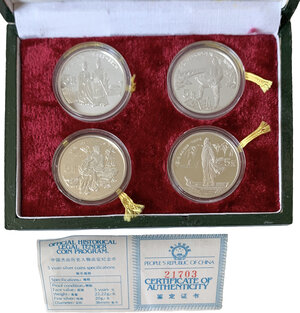
963 - China. Proof set containing four (4) 5 yuan pieces 1987. AR. 10.000 pcs minted. With original wooden box & certificate.
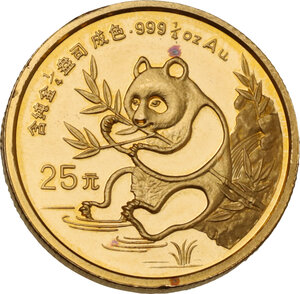
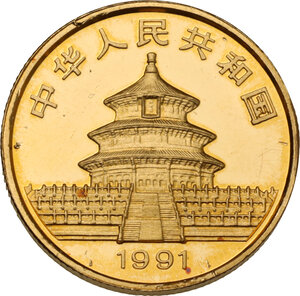
964 - China. People's Republic. Panda 1/4 ounce 25 yuan 1991. KM 359. AV. 7.8 g. 21.5 mm. Minor nicks on edge. PF.
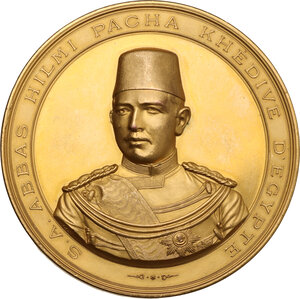
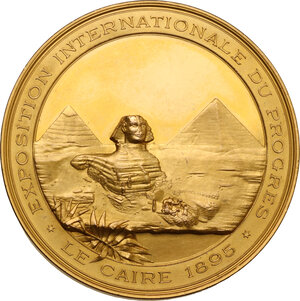
965 - Egypt. Abbas Hilmi Pacha (1892-1914). Medal 1895 for the Exposition Internationale du Progress - Le Caire. Johnson 722. Gilded AE. 148.1 g. 67 mm. Opus: Johnson. About UNC.
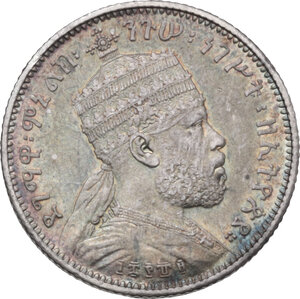
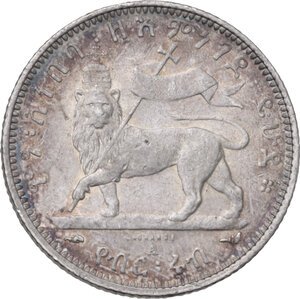
966 - Ethiopia. Menelik II (1889-1913). Quarter birr EE 1889 (1897) A, Paris mint. First issue. KM 3. AR. 7.03 g. 25 mm. Cabinet tone. About EF.
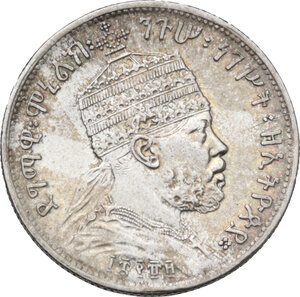
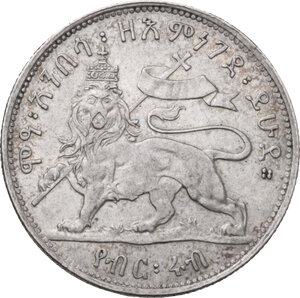
967 - Ethiopia. Menelik II (1889-1913). Quarter birr EE 1889 (1897) A, Paris mint. Second type. KM 14. AR. 7.04 g. 25 mm. Iridescent tone. About EF.
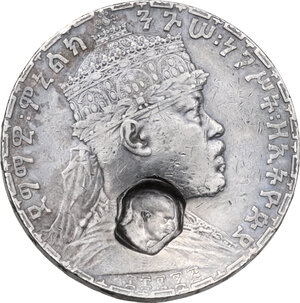
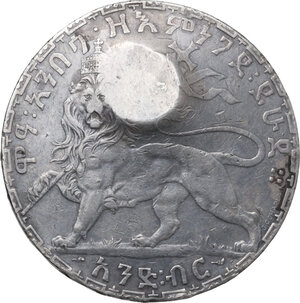
968 - Ethiopia. Menelik II (1889-1913). Birr EE 1895 (1903) countermarked with the head of Vittorio Emanuele III, probably used by Italian troops in Ethiopia (1935-1936). Cf. KM 19. AR. 27.97 g. 39.5 mm. RR. Very rare and intriguing countermarked type. VF.
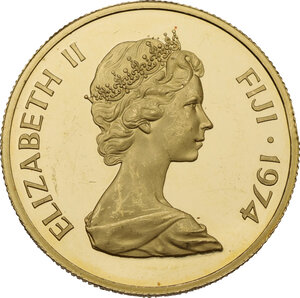
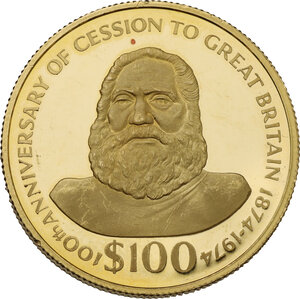
969 - Fiji. Elizabeth II (1952-2022). 100 dollars 1974, Birmingham mint. KM 35; Fried. 1. AV. 31.47 g. 38 mm. 0.500 fine gold. 2321 pcs minted. Minor nicks. PF.
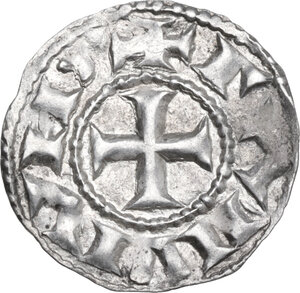
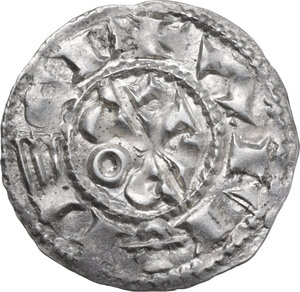
970 - France. Albi. Early-mid 13th century Denier in the name of Raimond Bertrand. Poey d'Avant 3898; Duplessy 1180; Boudeau 774; Roberts 4253. AR. 1.21 g. 19 mm. EF. The Cathar, or Albigensian heresy, was an anti-materialist reform movement that challenged the authority of the Catholic clergy - and by extension, the crown itself - in the south of France. In 1209, Pope Innocent III declared a crusade against the Cathars, inciting the French monarchy with the promise of Cathar properties. After two decades of persecution, by 1229 the Cathars were all but eliminated. The town of Albi where this coin was minted in the early 1200s was the center of the Albigensian heresy.
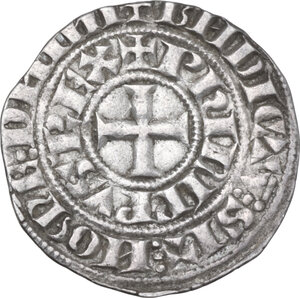
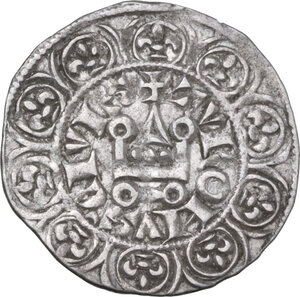
971 - France. Philip IV the Fair (1285-1314). Maille tierce a l'O rond. Duplessy 219E. AR. 1.31 g. 20 mm. Crescent as separative. Good VF.
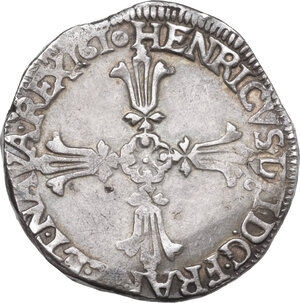
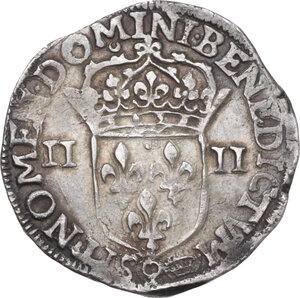
972 - France. Henry IV of France (1589-1610). Quart d'Ecù 1610 O, Riom mint. Duplessy 1226; Ciani 1514. AR. 9.62 g. 28 mm. Cabinet tone. EF.
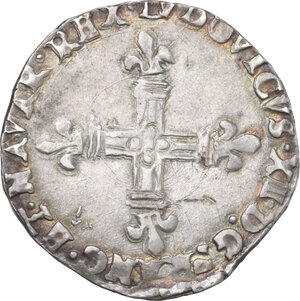
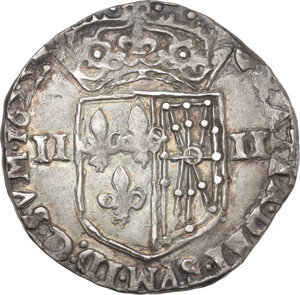
973 - France. Louis XIII (1610-1643). Quart d'Ecù 1622, Navarre. Duplessy 1336; Ciani 1692. AR. 9.53 g. 30 mm. Lovely cabinet tone. EF.
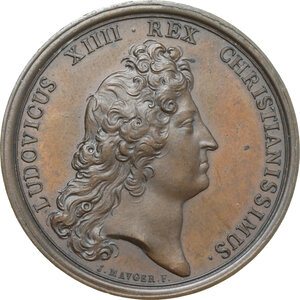
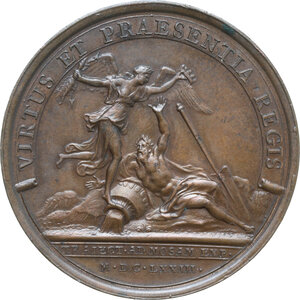
974 - France. Louis XIV (1643-1715). Medal 1673 'Maastricht Captured'. Divo 131. AE. 36.44 g. 41 mm. Opus: J. Mauger. FDC.
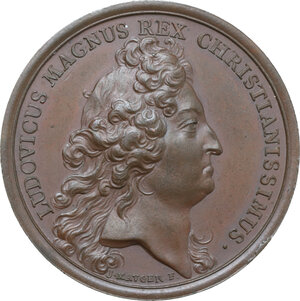
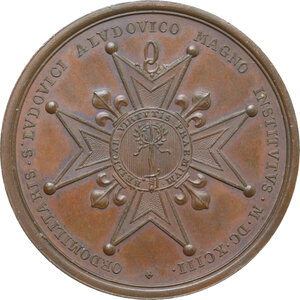
975 - France. Louis XIV (1643-1715). Medal 1693 for the Institution of the Order Royal et Militaire de Saint-Louis. Divo 246. AE. 35.41 g. 41 mm. Opus: Jean Mauger. About FDC.
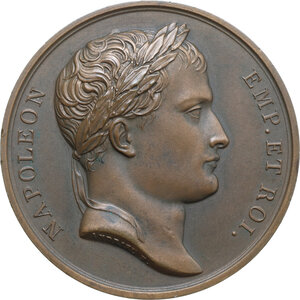
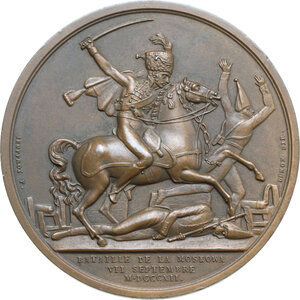
976 - France. Napoleon (1804-1814). Medal 1812 'Battle of Moscow'. Bramsen 1162; Julius 2528. Opus: Andrieu amd Jeuffroy. Denon as mintmaster. On the edge BRONZE lettering. EF. The Battle of Borodino, also known as the Battle of the Moskowa, was one of the largest and bloodiest battles of the Napoleonic Wars. It involved over 250,000 men, with around 80,000 soldiers either killed or wounded. Napoleon described it as 'the most terrible of my battles.'.
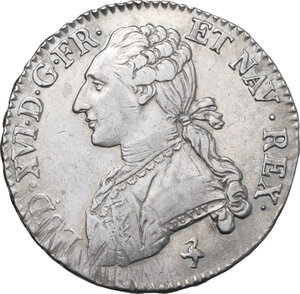
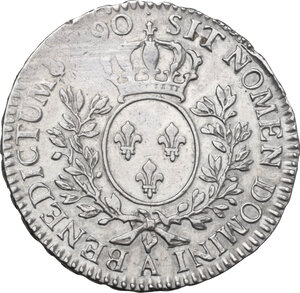
977 - France. Louis XIV (1643-1715). 1/2 ecù 1790 A, Paris mint. KM 562.1; Gad. 355. AR. 14.65 g. 33.5 mm. Area of flat strike and light weight adjustment. Good metal with luster. About EF.
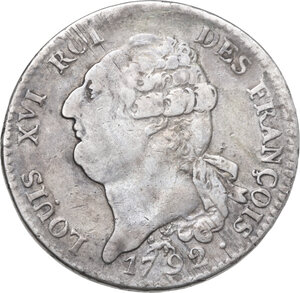
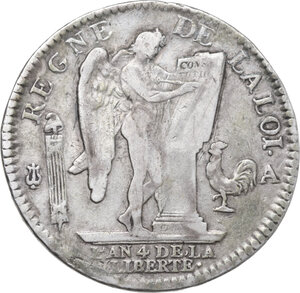
978 - France. Louis XVI (1774-1792). Ecu or 6 livres 1792 A, Paris mint. KM 615.1; Gad. 55. AR. 29.25 g. 38.5 mm. About VF/VF.
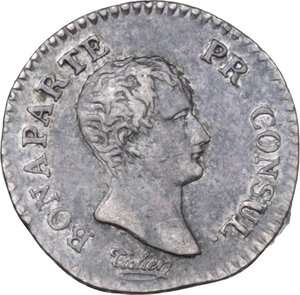
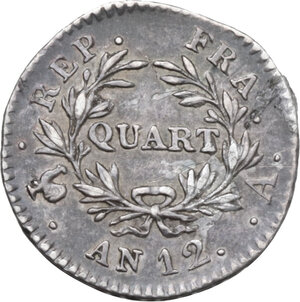
979 - France. Napoleon I (1804-1814). Quart AN 12 (1803) A, Paris mint. KM 654.1; Gad. 342. AR. 1.23 g. 15.5 mm. Cabinet tone. About EF/EF.
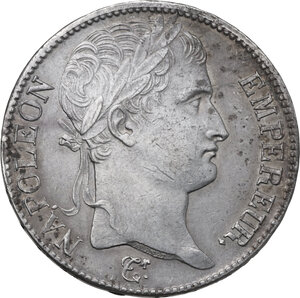
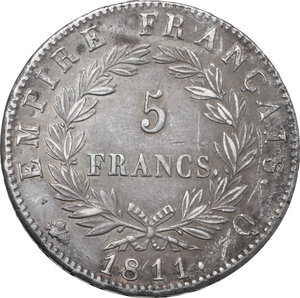
980 - France. Napoleon (1804-1814). 5 francs 1811 Q, Perpignan mint. KM 694.12; Gad. 584. AR. 24.86 g. 37 mm. About EF.
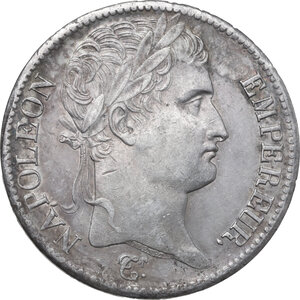
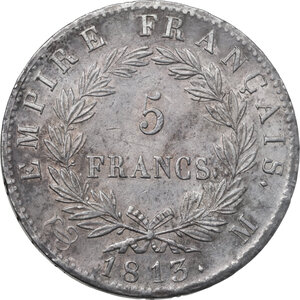
981 - France. Napoleon (1804-1814). 5 francs 1813 M, Toulouse mint. KM 694.1; Gad. 584. AR. 25.03 g. 37 mm. EF.
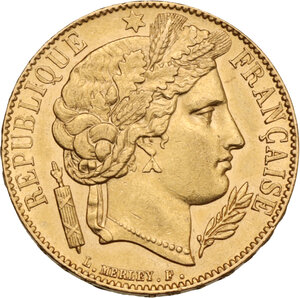
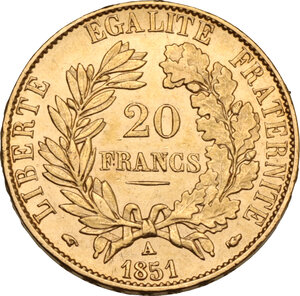
982 - France. Second Republic (1848-1852). 20 francs 1851 A, Paris mint. Gad. 1059; KM 762; Fried. 566. AV. 6.42 g. 21 mm. Good EF.
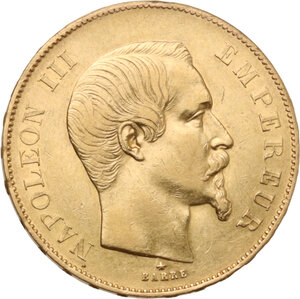
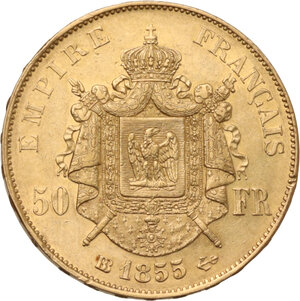
983 - France. Napoleon III (1852-1870). 50 francs 1855 BB, Strasbourg mint. KM 785.2; Gad. 1111; Fried. 572. AV. 16.09 g. 28 mm. EF.
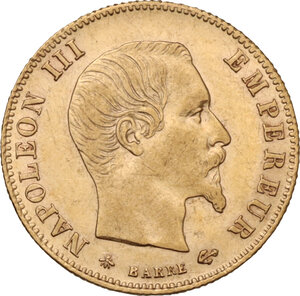
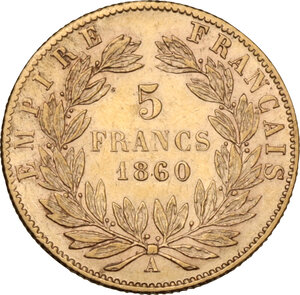
984 - France. Napoleon III (1852-1870). 5 francs 1860 A, Paris mint. KM 787.2; Gad. 1001; Fried. 579. AV. 1.61 g. 16.5 mm. About EF/EF.
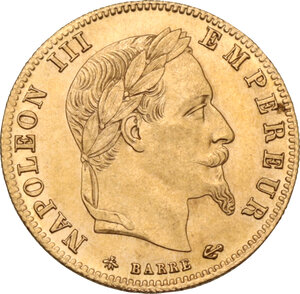
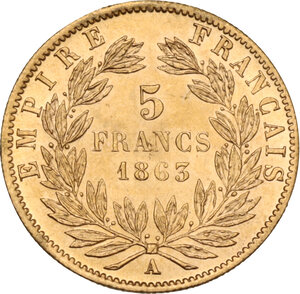
985 - France. Napoleon III (1852-1870). 5 francs 1863 A, Paris mint. KM 803; Gad. 1002; Fried. 588. AV. 1.62 g. 17 mm. Exceptional state of preservation, as struck. Rare as such. UNC.
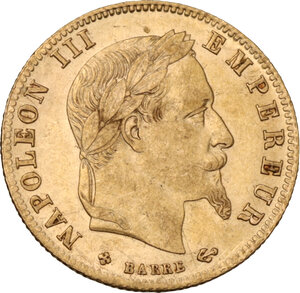
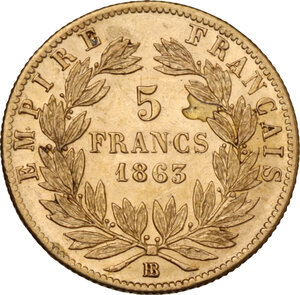
986 - France. Napoleon III (1852-1870). 5 francs 1863 B, Strasbourg mint. KM 803; Gad. 1002; Fried. 588. AV. 1.6 g. 16.5 mm. EF.
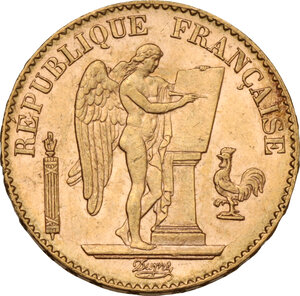
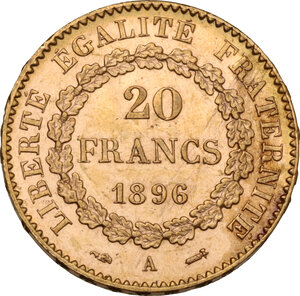
987 - France. Third republic (1870-1940). 20 francs 1896 A, Paris mint. KM 825; Gad. 1063; Fried. 592. AV. 6.44 g. 21 mm. About UNC.
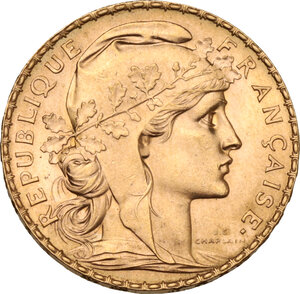
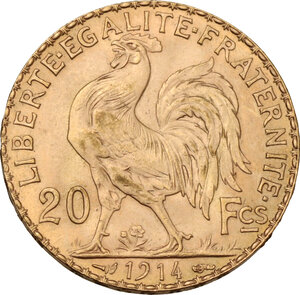
988 - France. Third republic (1870-1940). 20 francs 1914. KM 857; Gad. 1064a; Fried. 596a. AV. 6.46 g. 21 mm. About UNC.
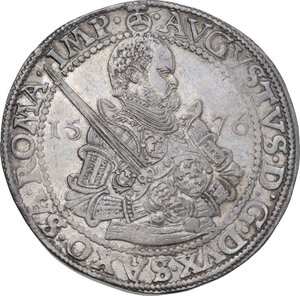
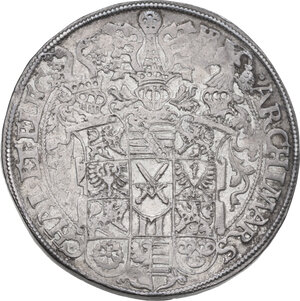
989 - Germany. Saxony. August I (1553-1586). Taler 1576, Dresden mint. KM (MB) 208; Dav. 9798. AR. 29.15 g. 39.5 mm. Nice warm iridescent cabinet tone. Good EF.
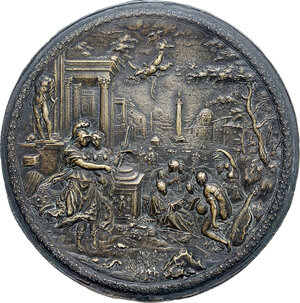
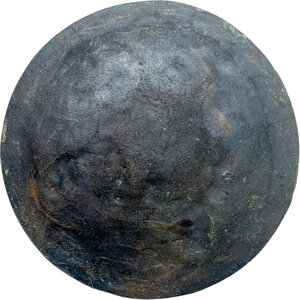
990 - Germany. Round uniface plaque, slightly concave, depicting the Allegory of the Arts, Augsburg, early 17th century. Obv. Allegory of the Arts surrounded by small arabesques. Weber, 1975 p. 339, n. 786. AE. 347 g. 150 mm. Opus: Hans Jacob Bayr (1574-1622). This plaque belongs to a rich production by the artist of round or oval uniface plaques, sometimes slightly concave, mostly representing allegories or biblical scenes, found in numerous major museums. The clarity of the details and the comparison with the specimen in the National Gallery of Washington lead us to believe this is an original work. EF.
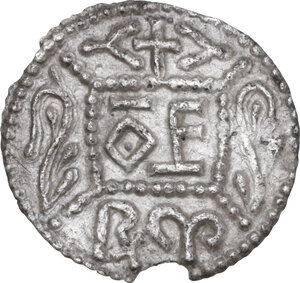
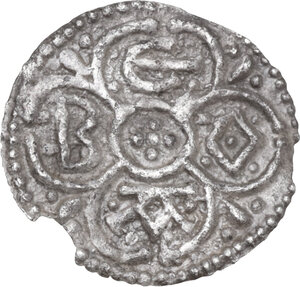
991 - Anglo-Saxon. Kings of Mercia. Offa (757-796). Penny, Canterbury mint; Eoba (?) moneyer. Struck c. 785-792/3. Cf. MEC 1, 1127. AR. 1.11 g. 17 mm. RRR. Extremely rare and fascinating coin. Slighty chipped edge. An apparently unpublished variant due to the decorations on the obverse and the arrangement of the letters of the monetary magistrate on the reverse. About EF.
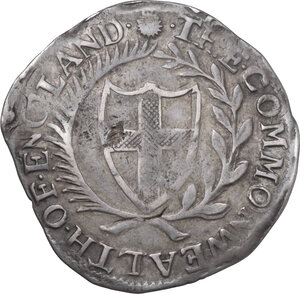
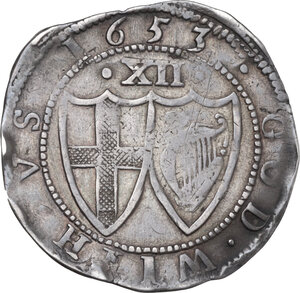
992 - Great Britain. Commonwealth and protectorate (1649-1660). 12 pence or shilling 1653, London, Tower mint. Seaby 3217. AR. 5.67 g. 32 mm. R. Rare. Cabinet tone. VF.
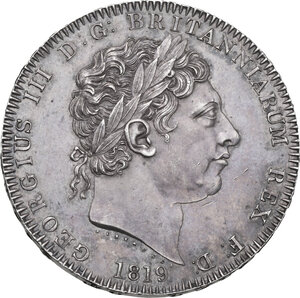
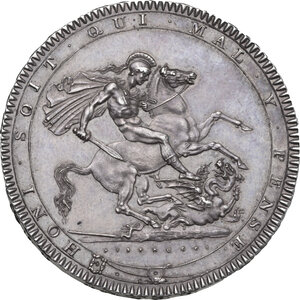
993 - Great Britain. George III (1760-1820). Crown 1819 London mint. KM 675; Sear 3787. AR. 28.34 g. 38 mm. On the edge: DECUS ET TUTAMEN ANNO REGNI LIX. Light cabinet tone. Minor marks on obverse. MS.
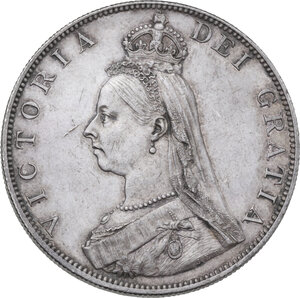
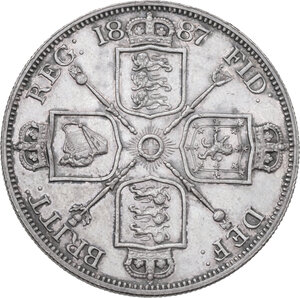
994 - Great Britain. Victoria (1837-1901). Double florin 1887, Royal Mint. KM 763; Seaby 3923. AR. 22.68 g. 36 mm. Cabinet tone. EF.
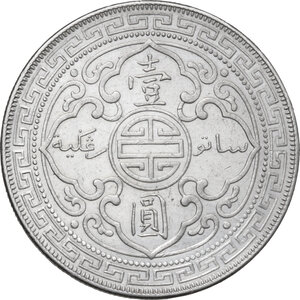
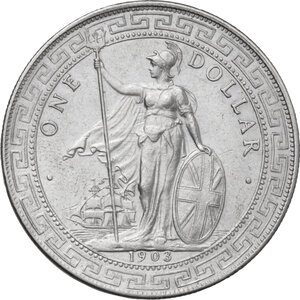
995 - Great Britain. Trade dollar 1903 B. KM T5. AR. 26.97 g. 39 mm. About EF. The British Trade Dollar was designed by George William De Saulles and minted from 1895 for Hong Kong and the Straits Settlements. But after the Straits dollar was introduced in 1903, it became exclusively a Hong Kong coin produced until 1935.
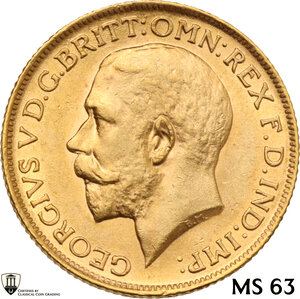
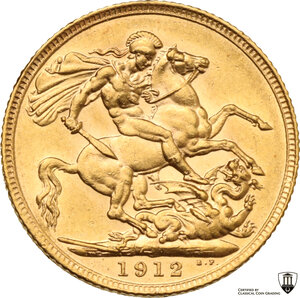
996 - Great Britain. Edward VII (1901-1910). Sovereign 1912. KM 820; Seaby 3996. AV. 8 g. 22 mm. Encapsulated by Classical Coin Grading MS 63.
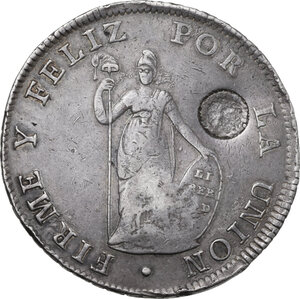
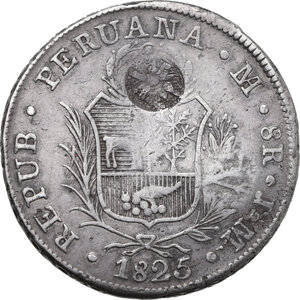
997 - Guatemala. Federation of Central America. 8 reales 1825 JM Lima countermarked for the circulation in Guatemala (1840-1841). Cf. KM 117; For the host coin: KM 142.1. AR. 26.92 g. 39 mm. Scarce. Issued by decree of 31 October 1840, instituted December to early 1841. VF.
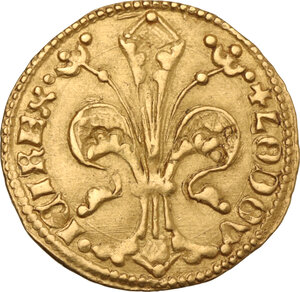
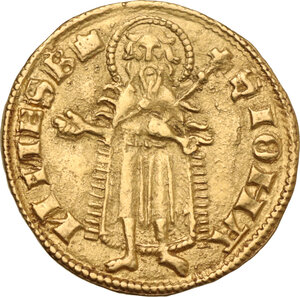
998 - Hungary. Ludwig I (1342-1382). Florin, Körmöcbánya (Kremnitz) mint, circa 1342-1353. Huszár 512; Fried. 3. AV. 3.52 g. 20.5 mm. R. Nice example with large flan. EF.
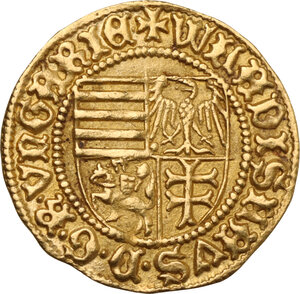
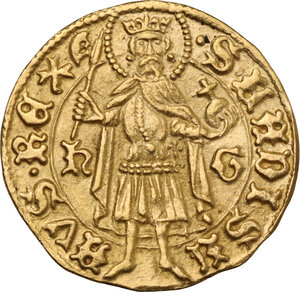
999 - Hungary. Wladislaw I Jagiello (1440-1444). Goldgulden, Hermannstadt mint. Huszár 597; Fried. 13. AU. 3.58 g. 21.5 mm. Good EF.
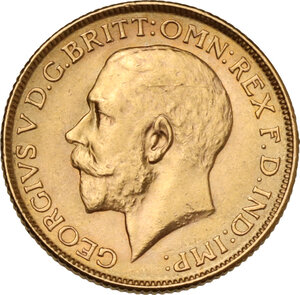
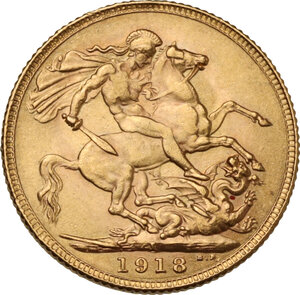
1000 - India. George V (1910-1936). Sovereign 1918 I, Bombay mint. KM A525; Fried. 1609; Seaby 3998. AU. 7.99 g. 22 mm. R. EF.
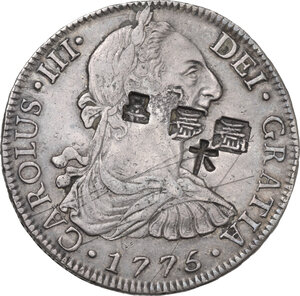
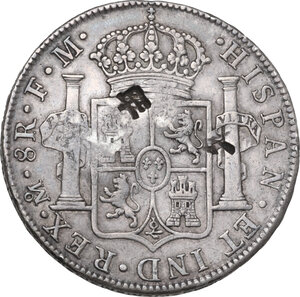
1001 - Mexico. Charles III (1759-1788). 8 reales 1775 Mo-FM, Mexico City mint. Countermarked with chinese marks for circulation in the east. Cf. KM 106.2; Cf. Calicò 1109. AR. 26.84 g. 39 mm. Cabinet tone. Light scratches on obverse. Rare as such. Good VF.
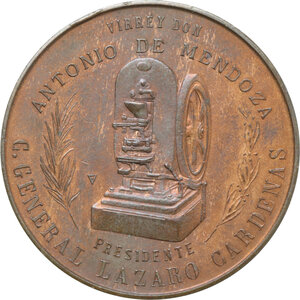
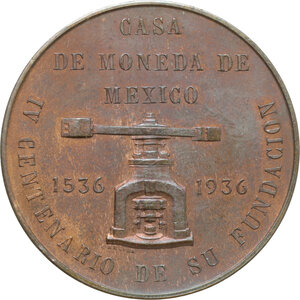
1002 - Mexico. United States of Mexico (1905- ). Medal for the quadricentennial of the Mexico City Mint, dually dated 1536 and 1936. Grove 490b. AE. 22.24 g. 38 mm. Only 500 pcs struck in bronze. Red copper surfaces. Minor edge nick. EF.
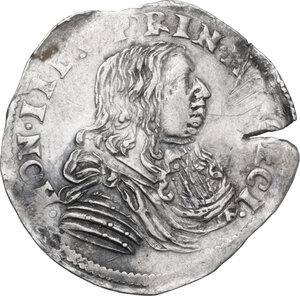
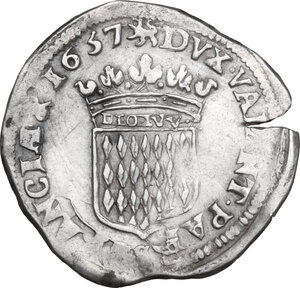
1003 - Monaco. Honoré II Grimaldi (1604-1662). 1/12 Écu ou 5 sols 1657. Gad. MC16. AR. 2.16 g. 23 mm. High condition for issue. Irregular flan. Good VF.
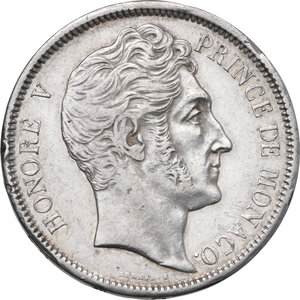
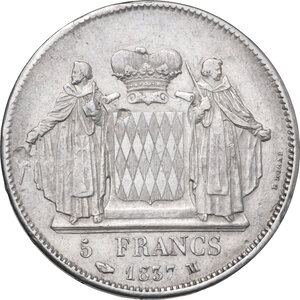
1004 - Monaco, Principality of. Honoré V (1819-1841). 5 francs 1837 M. KM 96; Gad. MC 107. AR. 24.99 g. 37 mm. R. Rare type. Good VF.
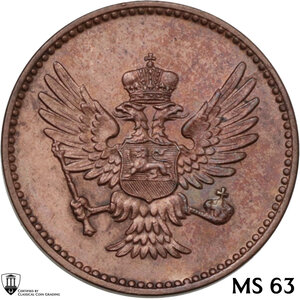
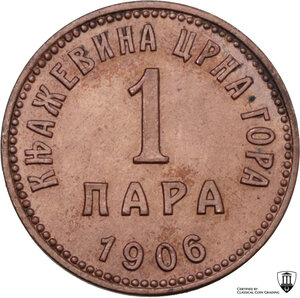
1005 - Montenegro. Nicholas I (1860-1910). Para 1906. KM 1. AE. 1.67 g. 17 mm. Red copper. Encapsulated by Classical Coin Grading MS 63.
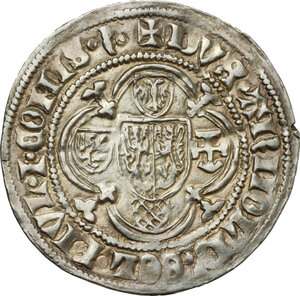
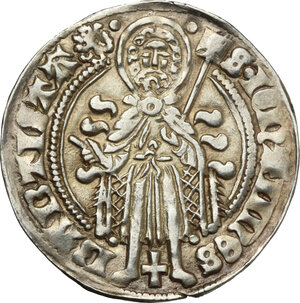
1006 - Netherlands. Arnold Van Egmond (1423-1473). Florin, Gelderland. Delmonte 604; Fried. 56. AU. 3.22 g. 23 mm. EF.
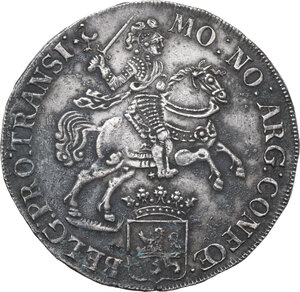
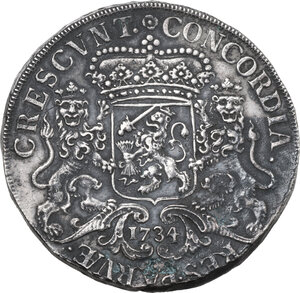
1007 - Netherlands. Ducaton (silver rider) 1734, Province, Overijssel. KM 80; Delmonte 1036. AR. 32.46 g. 42 mm. According to the condition this coin should come from the Vliegenthart Shipwreck. About EF. The Vliegenthart was an 18th-century East Indiaman of the Dutch East India Company. It was built in 1729 in Middelburg for the Chamber of Zeeland. Her maiden voyage was in December 1730, departing from Fort Rammekens (Netherlands) to Batavia (now Jakarta, Indonesia), commanded by Captain Abraham van der Hart.On February 3, 1735 the ship left from Rammekens for Batavia, commanded by Captain Cornelis van der Horst. She was accompanied by the smaller ship Anna Catherina, under command of Jacob de Prinse, and carried a cargo of wood, building materials, iron, gunpowder and wine, as well as several chests with gold and silver coins. Shortly after departure both ships ran aground in the Scheldt estuary on the sandbanks around Duerloo Channel and were lost with all cargo and crew.In the following days, barrels with jenever, beer, and oil washed ashore on the beaches of Blankenberge and Nieuwpoort. In 1736, the British diver Captain William Evans salvaged some items, including 700 wine bottles and an iron cannon. Because of the difficult conditions there were no further salvage attempts and gradually the wreck was forgotten. It was not until 1981 that the wreck site would be rediscovered. Many artifacts, including wine bottles, bullets and an intact coffer with 2000 gold ducats and 5000 silver reales were retrieved.In 1991 a second chest filled with gold ducats and Spanish reales was discovered, as well as several cases of silver ducatons. As these ducatons (riders) were not listed on the official cargo document it is likely they were smuggled on board by members of the crew to be sold for higher prices in the East Indies.
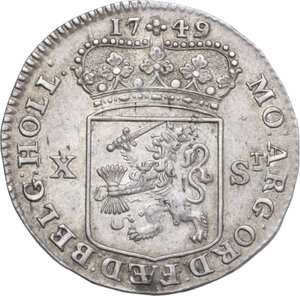
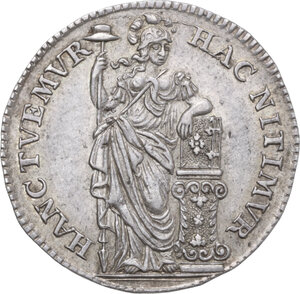
1008 - Netherlands. Holland Province (1581-1795). 10 stuivers or 1/2 gulden 1749. KM 95; Delmonte 1198. AG. 5.18 g. 27 mm. Attractive golden cabinet tone. Good EF.
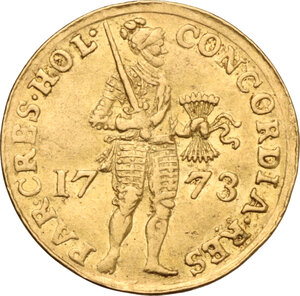
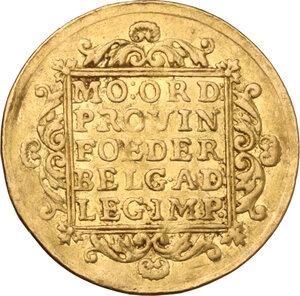
1009 - Netherlands. Holland. Ducat 1773. KM 12.3; Delmonte 775; Fried. 250. AU. 3.44 g. 22 mm. About EF.
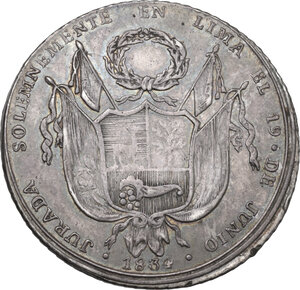
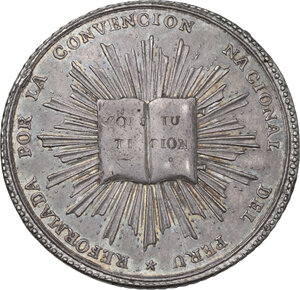
1010 - Peru'. National Convention. Medal 1834 for the reform of the Constitution. Fonrobert 9044. AR. 16.72 g. 35.3 mm. Superb deep cabinet tone. Lustrous. Good VF.
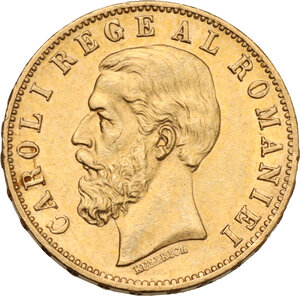
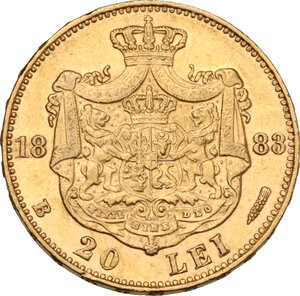
1011 - Romania. Carol I (1881-1914). 20 lei 1883 B, Bucharest mint. KM 20; Fried. 3. AU. 6.46 g. 21 mm. Good EF/EF.
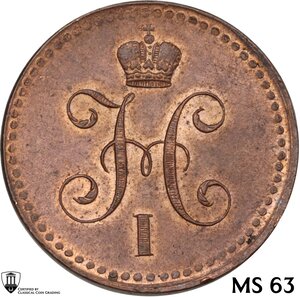
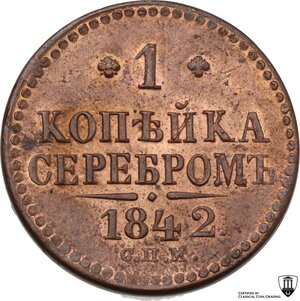
1012 - Russia. Nicholas I Romanov (1825-1855). Kopeck 1842 СПМ, Izhora mint. KM C 144.3; Bitkin 829. CU. 10.17 g. 27 mm. Rare as such. Encapsulated by Classical Coin Grading MS 63 RED COPPER.
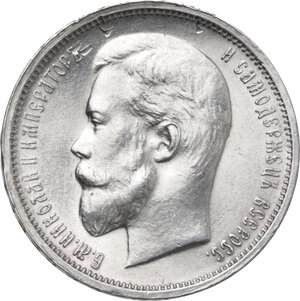
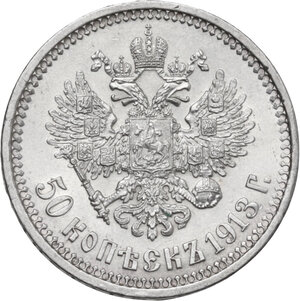
1013 - Russia. Nicholas II (1894-1917). 50 kopeks 1913 BC, St. Petersburg mint. KM Y 58.2; Bitkin 93. AR. 10.02 g. 26.5 mm. Minor marks on obverse. Frosty surfaces. FDC.
Caricamento altri risultati...