Info & contatti
Le mie offerte
Lotti osservati
Condizioni di vendita
Prezzi di spedizione
Metodi di pagamento
Esito stampabile
Sessione Live 10/6/2026 01:30:00 CET
ANCIENT COINS (10001-10423)
AUSTRALIAN COINS (10424-10943)
Sessione Live 11/6/2026 01:30:00 CET
AUSTRALIAN COINS (10944-11544)
AUSTRALIAN BANKNOTES (11545-11855)
WORLD GOLD (11856-12002)
Sessione Live 12/6/2026 01:30:00 CET
WORLD COINS & MEDALS (12003-12455)
WORLD BANKNOTES (12456-13033)
Sessione Live 13/6/2026 01:30:00 CET
COLLECTIONS & ACCUMULATIONS (13034-13902)
LITERATURE & CATALOGUES (13903-14094)
WORLD LITERATURE & CATALOGUES (14095-14162)

ARMENIA MINOR. Mithradates. Satrap, circa 212 BC. Bronze Tetrachalkon (5.33g). Head left, wearing bashlyk / Bee. Kovacs 295. Dark green-brown patina. VF. Very rare. Kovacs assigned this very rare and puzzling coin to Armenia Minor, seeing its wearer's bashlyk and the Aramaic legend as pointers to a satrap rather than a fully fledged king, in line with parallels from Arsakes I in Parthia and Artaxias in Armenia. Earlier, however, W. Museler had suggested a different story, linking the piece to the Persian noble Mithradates III of Cius, who escaped Antigonus' purge in 302, carved out a base in Paphlagonia, and later emerged as Mithradates I Ktistes of Pontos. In that scenario, the Aramaic would sit comfortably beside the issues of Ariarathes I of Cappadocia, who likewise moved from satrap to king. The bee reverse, more at home in 4th-3rd century contexts than in later periods, quietly supports Museler's view, even though the catalogue here still follows Kovacs' traditional attribution. For the type and similar condition see; Nomos Auction 18, lot 241, hammered USD 2,200. (P)
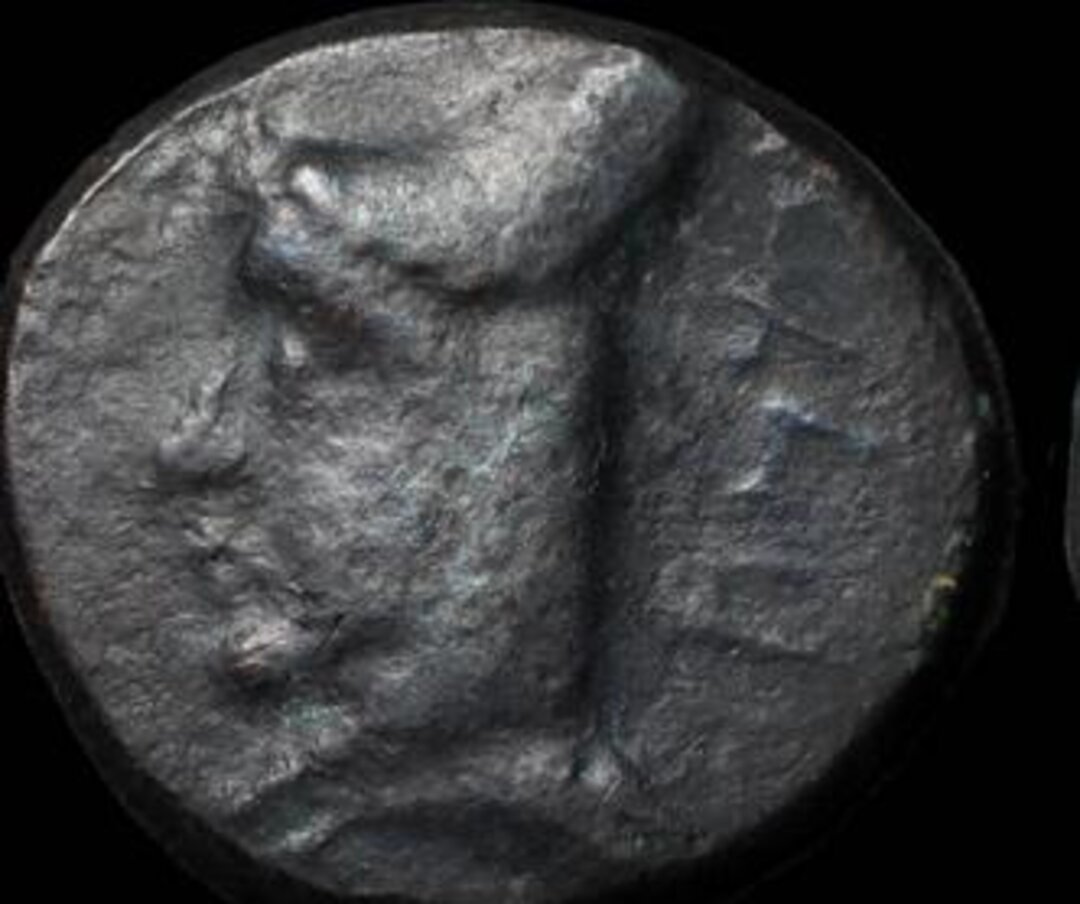
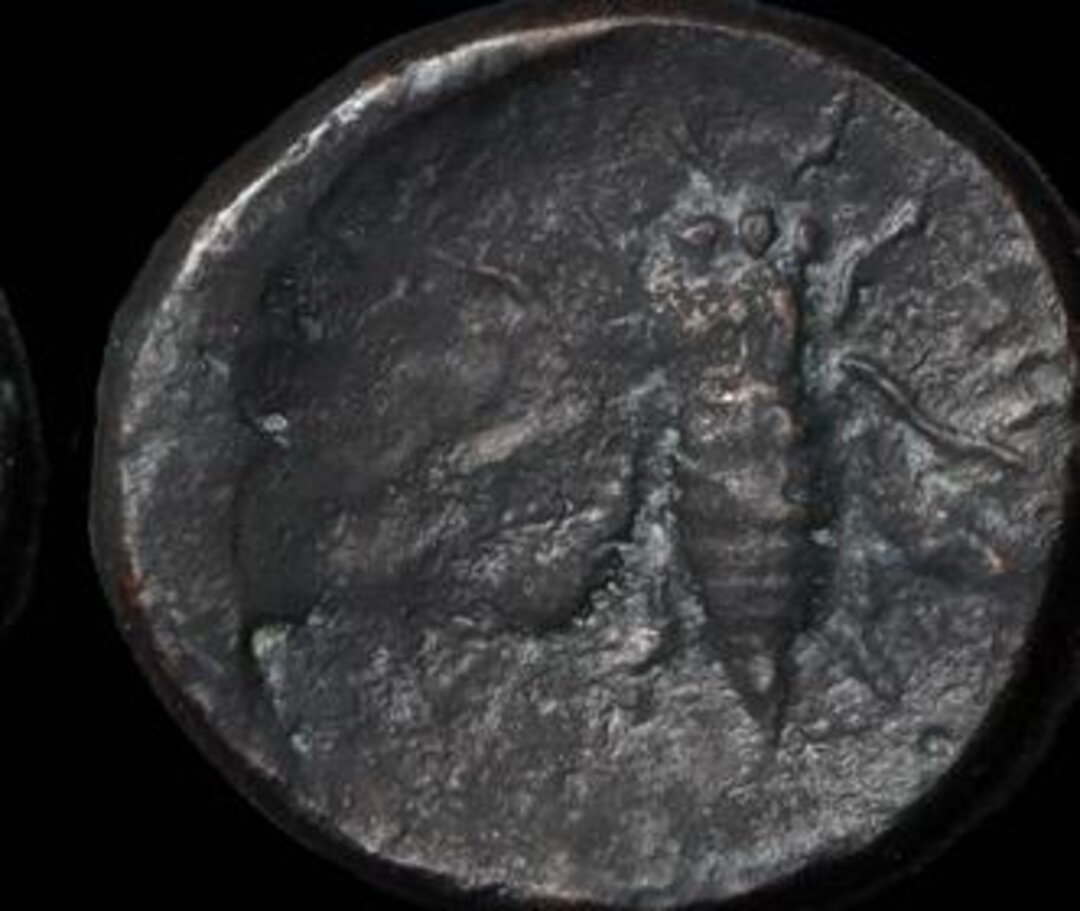
GREEK. ARMENIA MINOR. Mithradates. Satrap, circa 212 BC. Bronze Tetrachalkon (5.33g). Head left, wearing bashlyk / Bee. Kovacs 295. Dark green-brown patina. VF. Very rare. Kovacs assigned this very rare and puzzling coin to Armenia Minor, seeing its wearer's bashlyk and the Aramaic legend as pointers to a satrap rather than a fully fledged king, in line with parallels from Arsakes I in Parthia and Artaxias in Armenia. Earlier, however, W. Museler had suggested a different story, linking the piece to the Persian noble Mithradates III of Cius, who escaped Antigonus' purge in 302, carved out a base in Paphlagonia, and later emerged as Mithradates I Ktistes of Pontos. In that scenario, the Aramaic would sit comfortably beside the issues of Ariarathes I of Cappadocia, who likewise moved from satrap to king. The bee reverse, more at home in 4th-3rd century contexts than in later periods, quietly supports Museler's view, even though the catalogue here still follows Kovacs' traditional attribution. For the type and similar condition see; Nomos Auction 18, lot 241, hammered USD 2,200. (P)
Estimate: AUD 1000
Estimate: AUD 1000