Info & contatti
Le mie offerte
Lotti osservati
Condizioni di vendita
Prezzi di spedizione
Metodi di pagamento
Esito stampabile
Sessione Live 10/6/2026 01:30:00 CET
ANCIENT COINS (10001-10423)
AUSTRALIAN COINS (10424-10943)
Sessione Live 11/6/2026 01:30:00 CET
AUSTRALIAN COINS (10944-11544)
AUSTRALIAN BANKNOTES (11545-11855)
WORLD GOLD (11856-12002)
Sessione Live 12/6/2026 01:30:00 CET
WORLD COINS & MEDALS (12003-12455)
WORLD BANKNOTES (12456-13033)
Sessione Live 13/6/2026 01:30:00 CET
COLLECTIONS & ACCUMULATIONS (13034-13902)
LITERATURE & CATALOGUES (13903-14094)
WORLD LITERATURE & CATALOGUES (14095-14162)

Antonia Minor. Augusta, A.D. 37 and 41. Silver Denarius (3.55g). Rome mint. Struck under Claudius, A.D. 41-42. Laureate and draped bust right / Two long torches linked by ribbon. RIC I 68 (Claudius); RSC 5. Lightly toned. VF and rare. This coin carries the posthumous portrait of Antonia Minor, struck in her honour by her son Claudius on his accession to the throne. Antonia, widely admired in antiquity for her virtue and beauty, was the younger daughter of Mark Antony and Octavia. After Antony's death, Augustus allowed her to benefit from her father's estate, and she emerged as a wealthy and influential figure at the heart of the Julio-Claudian dynasty. She married the distinguished general Nero Claudius Drusus, to whom she bore several children, three of whom survived to adulthood: Germanicus, the immensely popular prince of the imperial house; the future emperor Claudius; and a daughter, Livilla. Drusus' death in A.D. 9 while campaigning in Germania marked the beginning of a long sequence of tragedies that overshadowed Antonia's later life. Her eldest son Germanicus died in A.D. 19 under suspicious circumstances during his command in the East, where he had just reorganised Commagene and Cappadocia into Roman provinces. His bitter quarrel with the governor of Syria, Gnaeus Calpurnius Piso, and the rise of Tiberius' powerful prefect Sejanus gave rise to persistent rumours that Germanicus had been poisoned at the instigation of Piso or Sejanus. Her younger son Claudius, born with significant physical disabilities, was largely excluded from public life and treated as a figure of ridicule within his own family. Paradoxically, this humiliation may have ensured his survival, since he was not regarded as a political threat and escaped the purges that consumed other members of the dynasty, later proving himself an able and conscientious emperor. Antonia's misfortunes extended to her daughter Livilla, who was accused of poisoning her husband Drusus the Younger, son of Tiberius. Cassius Dio reports that Tiberius handed Livilla over to her mother, whereupon Antonia confined her and starved her to death. After Tiberius' death, Antonia's grandson Caligula became emperor. Although she attempted to advise and restrain him, he openly rejected her counsels and made it clear that he considered himself unanswerable to anyone. Caligula is said to have ordered the execution of his young cousin Gemellus in order to remove a rival claimant, an act that particularly outraged Antonia, who was grandmother to both. Unable to endure further tyranny and family bloodshed, she either took her own life or, as Suetonius suggests, was herself poisoned on Caligula's orders. Despite a childhood in which he was marginalised and reportedly neglected by his mother, Claudius clearly revered Antonia's memory. After his accession, he conferred upon her the posthumous title Augusta, decreed that her birthday should be observed as a public holiday with annual games and sacrifices, and ordered her image to be carried in procession in a chariot. This dignified commemorative issue is therefore not only a portrait of a prominent Julio-Claudian matron, but a poignant numismatic tribute from an emperor-son to a mother who had stood at the very centre of Rome's imperial tragedies and politics. From the David Allan Collection; acquired from CNG Electronic Auction 287 (26 Sep 2012), lot 401, hammered USD 1,200. (P)
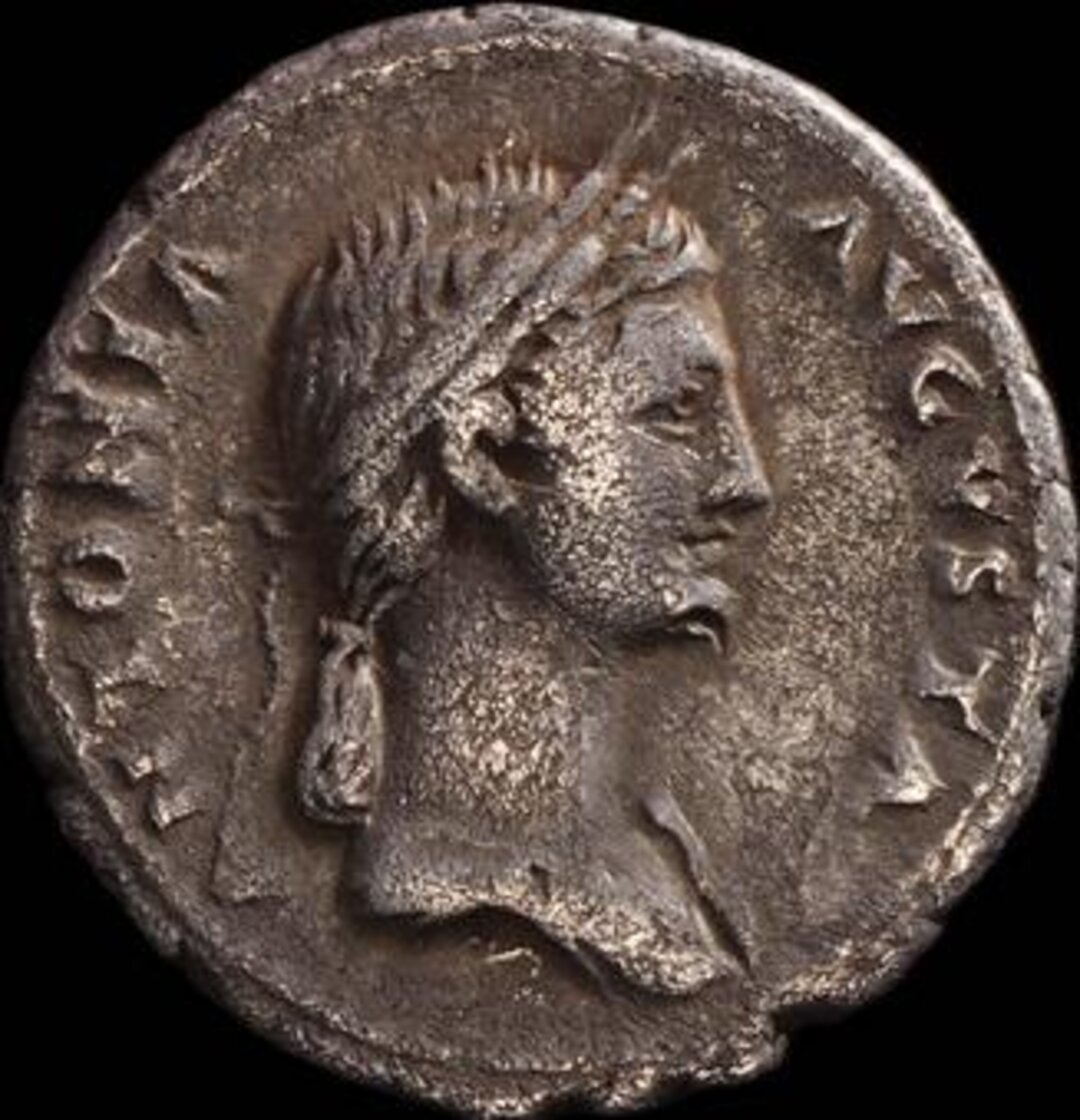
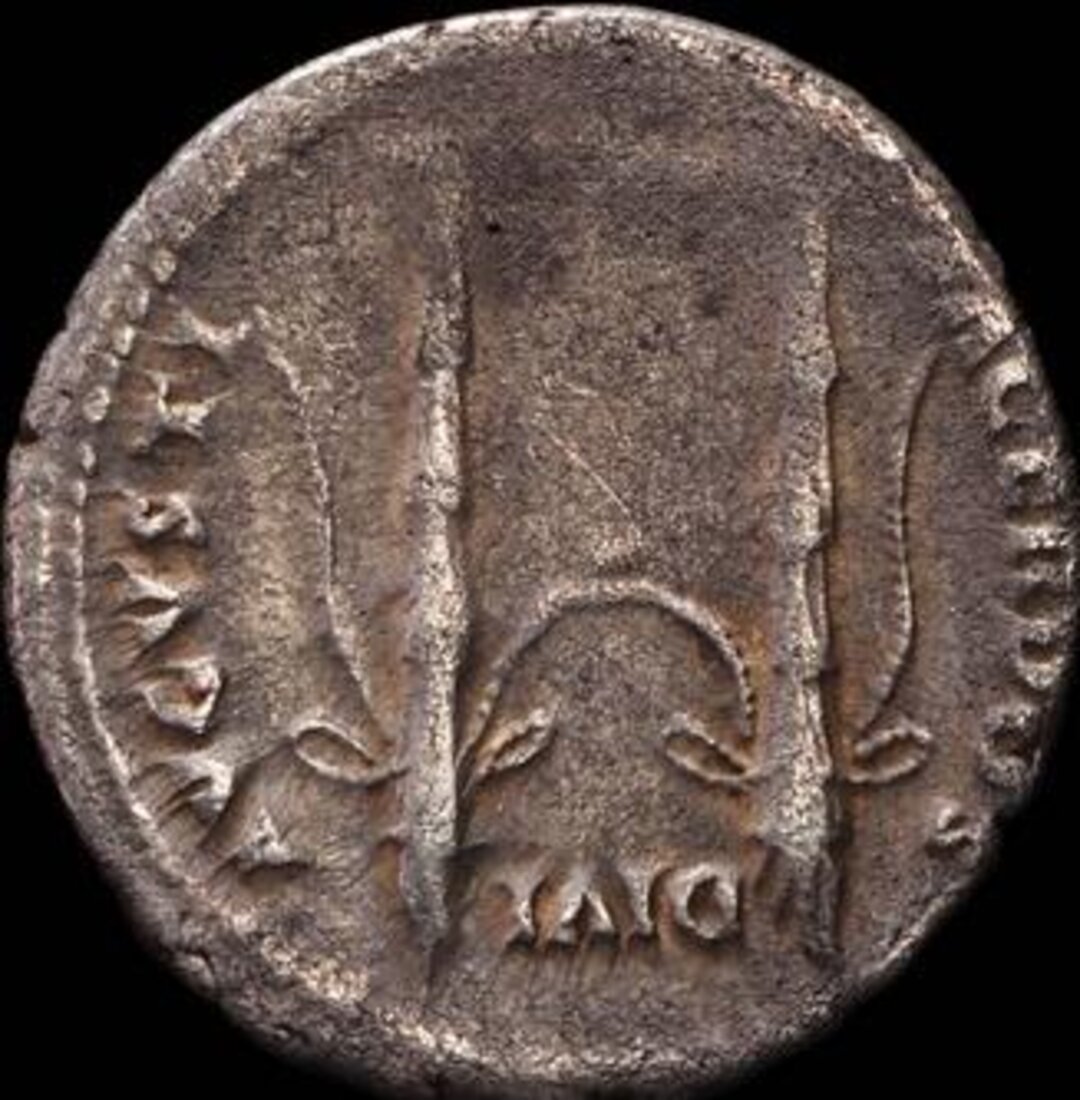
ROMAN. Antonia Minor. Augusta, A.D. 37 and 41. Silver Denarius (3.55g). Rome mint. Struck under Claudius, A.D. 41-42. Laureate and draped bust right / Two long torches linked by ribbon. RIC I 68 (Claudius); RSC 5. Lightly toned. VF and rare. This coin carries the posthumous portrait of Antonia Minor, struck in her honour by her son Claudius on his accession to the throne. Antonia, widely admired in antiquity for her virtue and beauty, was the younger daughter of Mark Antony and Octavia. After Antony's death, Augustus allowed her to benefit from her father's estate, and she emerged as a wealthy and influential figure at the heart of the Julio-Claudian dynasty. She married the distinguished general Nero Claudius Drusus, to whom she bore several children, three of whom survived to adulthood: Germanicus, the immensely popular prince of the imperial house; the future emperor Claudius; and a daughter, Livilla. Drusus' death in A.D. 9 while campaigning in Germania marked the beginning of a long sequence of tragedies that overshadowed Antonia's later life. Her eldest son Germanicus died in A.D. 19 under suspicious circumstances during his command in the East, where he had just reorganised Commagene and Cappadocia into Roman provinces. His bitter quarrel with the governor of Syria, Gnaeus Calpurnius Piso, and the rise of Tiberius' powerful prefect Sejanus gave rise to persistent rumours that Germanicus had been poisoned at the instigation of Piso or Sejanus. Her younger son Claudius, born with significant physical disabilities, was largely excluded from public life and treated as a figure of ridicule within his own family. Paradoxically, this humiliation may have ensured his survival, since he was not regarded as a political threat and escaped the purges that consumed other members of the dynasty, later proving himself an able and conscientious emperor. Antonia's misfortunes extended to her daughter Livilla, who was accused of poisoning her husband Drusus the Younger, son of Tiberius. Cassius Dio reports that Tiberius handed Livilla over to her mother, whereupon Antonia confined her and starved her to death. After Tiberius' death, Antonia's grandson Caligula became emperor. Although she attempted to advise and restrain him, he openly rejected her counsels and made it clear that he considered himself unanswerable to anyone. Caligula is said to have ordered the execution of his young cousin Gemellus in order to remove a rival claimant, an act that particularly outraged Antonia, who was grandmother to both. Unable to endure further tyranny and family bloodshed, she either took her own life or, as Suetonius suggests, was herself poisoned on Caligula's orders. Despite a childhood in which he was marginalised and reportedly neglected by his mother, Claudius clearly revered Antonia's memory. After his accession, he conferred upon her the posthumous title Augusta, decreed that her birthday should be observed as a public holiday with annual games and sacrifices, and ordered her image to be carried in procession in a chariot. This dignified commemorative issue is therefore not only a portrait of a prominent Julio-Claudian matron, but a poignant numismatic tribute from an emperor-son to a mother who had stood at the very centre of Rome's imperial tragedies and politics. From the David Allan Collection; acquired from CNG Electronic Auction 287 (26 Sep 2012), lot 401, hammered USD 1,200. (P)
Estimate: AUD 2500
Estimate: AUD 2500