Info & contatti
Le mie offerte
Lotti osservati
Condizioni di vendita
Prezzi di spedizione
Metodi di pagamento
Sessione Live 1/11/2026 17:00:00 CET
Celtic Coins (1-26)
Greek Coins (27-1279)
Roman Provincial Coins (256-401)
Roman Republican Coins (402-460)
Roman Imperial Coins (461-974)
Migration Period (975-986)
Byzantine Coins (987-1037)
Medieval Coins (1038-1102)
World Coins (1103-1252)
Medals & Tokens (1253-1262)
Group Lots (1263-1479)

SELEUCIS & PIERIA. Antioch. Mark Antony and Cleopatra. Tetradrachm (Circa 36 BC)
Antony and Cleopatra
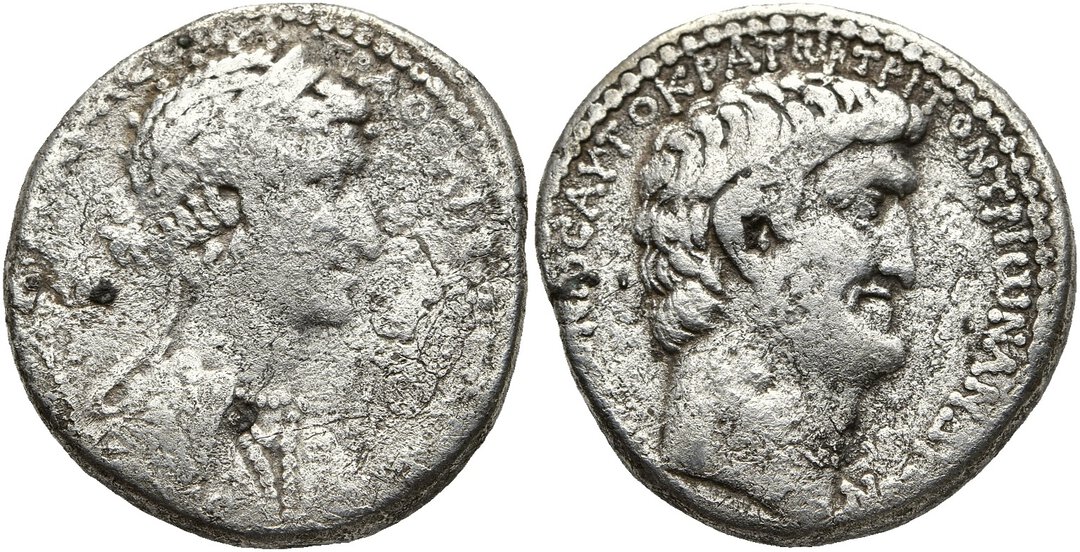

SELEUCIS & PIERIA. Antioch. Mark Antony and Cleopatra. Tetradrachm (Circa 36 BC).
Obv: ΒΑϹΙΛΙϹϹΑ ΚΛЄΟΠΑΤΡΑ ΘЄΑ ΝЄΩΤЄΡΑ.
Diademed and draped bust of Cleopatra right.
Rev: ΑΝΤΩΝΙΟϹ ΑΥΤΟΚΡΑΤΩΡ ΤΡΙΤΟΝ ΤΡΙΩΝ ΑΝΔΡΩΝ.
Bare head of Antony right.
RPC I 4094; McAlee 174; Prieur 27; BMC 56.
Rare
Cleopatra VII, the last queen of the Ptolemaic dynasty in Egypt, was described by sources as an excellent political strategist, clever and cultured. She was always committed to maintaining the independence of her kingdom in the face of the growing threat of Roman expansion and knew how to use her charisma to build alliances and consolidate her power, first with Caesar and then with Antony. Her union with Antony was not only a bond of love, but also a strategic alliance that aimed to strengthen the positions of both against internal and external enemies. They met officially for the first time in 41 BC, when Antony, eager to strengthen his position in the East, summoned the queen to Tarsus. Cleopatra, trying to impress the Roman general, arrived in the city with a lavish procession, displaying all the symbols of Egyptian power and wealth. The queen presented herself as the reincarnation of Isis, using a symbolic and cultural strategy that deeply fascinated Antony. Antony then followed Cleopatra to Egypt, where he spent several months at her side, strengthening their bond. Their relationship scandalized Rome, where it was considered inappropriate for a Roman general to be influenced by a foreign queen, especially at a time of political crisis. The bond between Antony and Cleopatra grew even stronger when their children, Alexander Helios and Cleopatra Selene, were born, symbolizing the alliance between Rome and Egypt. However, tensions with Rome were mounting: Octavian, eager to consolidate his power, used their relationship to paint Antony as a traitor, accusing him of wanting to divide the Empire to create an eastern kingdom with Cleopatra. In 32 BC, tensions between Antony and Octavian erupted into open conflict. Cleopatra sided with Antony, supporting him with troops and resources, and the two fought together in the Battle of Actium in 31 BC. However, the battle ended in disastrous defeat for the pair, who were forced to retreat to Alexandria. In 30 BC, when Octavian's troops arrived at the gates of Alexandria, Antony took his own life. Cleopatra, captured by Octavian, attempted to negotiate the safety of her children and her kingdom, but soon realized that she would be taken to Rome as a prisoner and chose to take her own life, probably with the poison of an asp.
Condition: Fine.
Weight: 13.84 g.
Diameter: 26 mm.
Estimate: € 1000
Rare
Obv: ΒΑϹΙΛΙϹϹΑ ΚΛЄΟΠΑΤΡΑ ΘЄΑ ΝЄΩΤЄΡΑ.
Diademed and draped bust of Cleopatra right.
Rev: ΑΝΤΩΝΙΟϹ ΑΥΤΟΚΡΑΤΩΡ ΤΡΙΤΟΝ ΤΡΙΩΝ ΑΝΔΡΩΝ.
Bare head of Antony right.
RPC I 4094; McAlee 174; Prieur 27; BMC 56.
Rare
Cleopatra VII, the last queen of the Ptolemaic dynasty in Egypt, was described by sources as an excellent political strategist, clever and cultured. She was always committed to maintaining the independence of her kingdom in the face of the growing threat of Roman expansion and knew how to use her charisma to build alliances and consolidate her power, first with Caesar and then with Antony. Her union with Antony was not only a bond of love, but also a strategic alliance that aimed to strengthen the positions of both against internal and external enemies. They met officially for the first time in 41 BC, when Antony, eager to strengthen his position in the East, summoned the queen to Tarsus. Cleopatra, trying to impress the Roman general, arrived in the city with a lavish procession, displaying all the symbols of Egyptian power and wealth. The queen presented herself as the reincarnation of Isis, using a symbolic and cultural strategy that deeply fascinated Antony. Antony then followed Cleopatra to Egypt, where he spent several months at her side, strengthening their bond. Their relationship scandalized Rome, where it was considered inappropriate for a Roman general to be influenced by a foreign queen, especially at a time of political crisis. The bond between Antony and Cleopatra grew even stronger when their children, Alexander Helios and Cleopatra Selene, were born, symbolizing the alliance between Rome and Egypt. However, tensions with Rome were mounting: Octavian, eager to consolidate his power, used their relationship to paint Antony as a traitor, accusing him of wanting to divide the Empire to create an eastern kingdom with Cleopatra. In 32 BC, tensions between Antony and Octavian erupted into open conflict. Cleopatra sided with Antony, supporting him with troops and resources, and the two fought together in the Battle of Actium in 31 BC. However, the battle ended in disastrous defeat for the pair, who were forced to retreat to Alexandria. In 30 BC, when Octavian's troops arrived at the gates of Alexandria, Antony took his own life. Cleopatra, captured by Octavian, attempted to negotiate the safety of her children and her kingdom, but soon realized that she would be taken to Rome as a prisoner and chose to take her own life, probably with the poison of an asp.
Condition: Fine.
Weight: 13.84 g.
Diameter: 26 mm.
Estimate: € 1000
Rare
Osserva:
Base d'asta: € 800
Diritti d'asta: 18.90%
Chiusura alle: 2026-11-01 16:00:00 ora di Roma