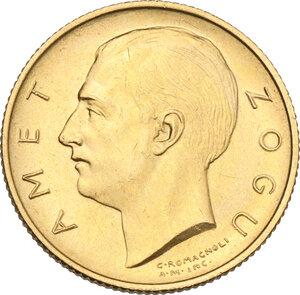
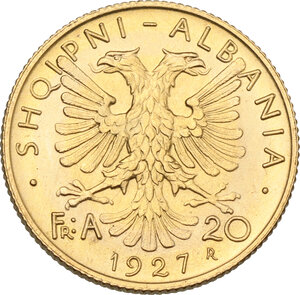
776 - Albania. Amet Zogu (1925-1928). 20 Franga 1927 R. KM 10. AV. 6.46 g. 21.5 mm. R. Good VF/VF.
Info & contatti
Le mie offerte
Lotti osservati
Conferimento
Condizioni di vendita
Prezzi di spedizione
Metodi di pagamento
Tabella rilanci
Esito stampabile
Sessione Live 28/2/2026 15:00:00 CET
Greek Coins (1-118)
Ancient and Medieval Asia (119-130)
The Roman Republic (131-319)
The Roman Empire (320-400)
Sessione Live 1/3/2026 15:00:00 CET
The Roman Empire (401-531)
Barbaric and Migration Period Coinage (532-534)
The Byzantine Empire (535-554)
Large Lots (555-563)
Islam (564-569)
Oriente Latino (570-584)
Monete e Medaglie di Zecche Italiane (585-704)
Casa Savoia - Regno di Sardegna - Regno di Italia (705-733)
Repubblica Italiana (734-739)
Medaglie Papali (740-755)
Medaglie e Placchette (756-775)
World Coins (776-853)
Lotti (854-858)

Risultati: 61
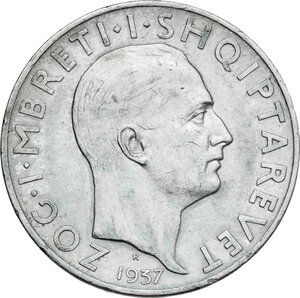
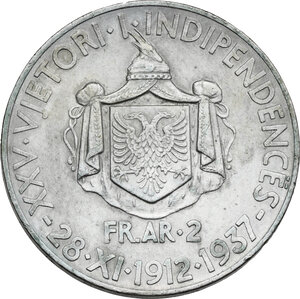
777 - Albania. Amet Zogu (1928-1939). 2 Franga 1937 R. KM 19. AR. 10 g. 27.5 mm. Minor marks and green removable deposits. VF.
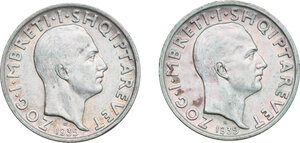
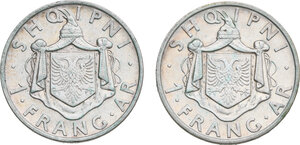
778 - Albania. Amet Zogu (1928-1939). Lot of two (2) Frang 1935 R. KM 16. AR.
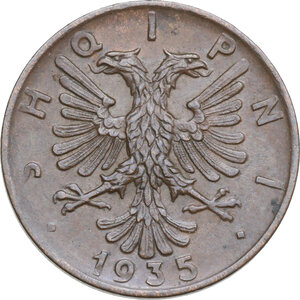
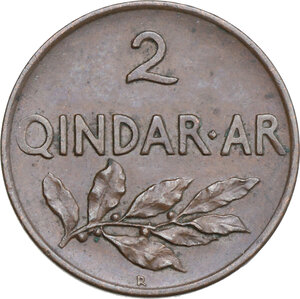
779 - Albania. Amet Zogu (1928-1939). 2 Qindar 1935. KM 15. AE. 4.55 g. 21.5 mm. EF.
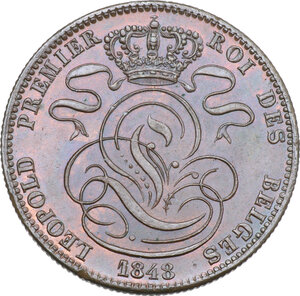
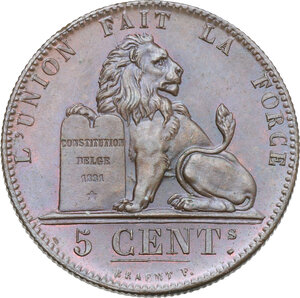
780 - Belgium. Leopold I (1831-1865). 5 Centimes 1848. KM 5.1. CU. 10.15 g. 29 mm. As struck; rare as such. FDC.
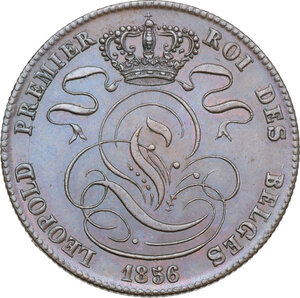
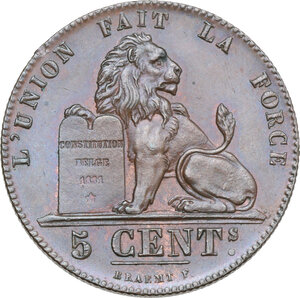
781 - Belgium. Leopold I (1831-1865). 5 Centimes 1856. KM 5.1. CU. 9.8 g. 28 mm. Irrelevant nick on reverse. As mint; rare as such. FDC.
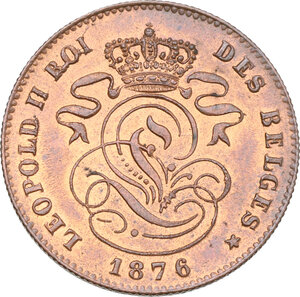
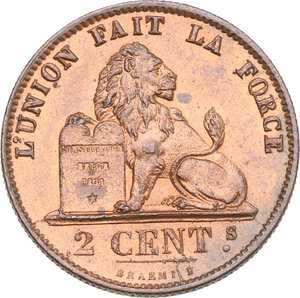
782 - Belgium. Leopold II (1865-1909). 2 Centimes 1876. KM 35.1. CU. 4 g. 22 mm. Red copper. As struck; rare as such. FDC.
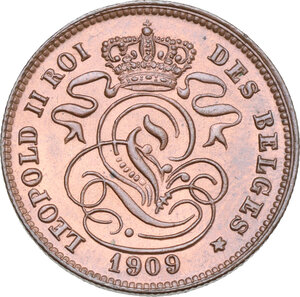
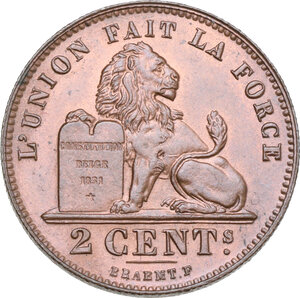
783 - Belgium. Leopold II (1865-1909). 2 Centimes 1909. KM 35.1. CU. 4.05 g. 21.5 mm. Red copper. As struck; rare as such. FDC.
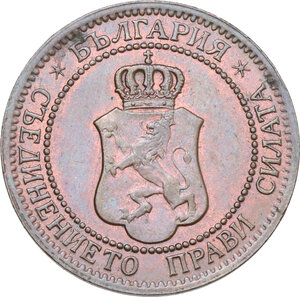
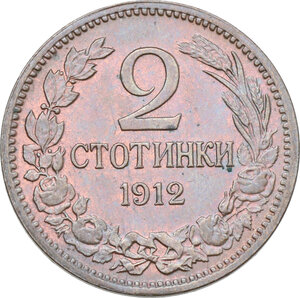
784 - Bulgaria. Ferdinand I (1887-1918). 2 Stotinki 1912. KM 23.2. AE. 2 g. 20 mm. Red copper. FDC.
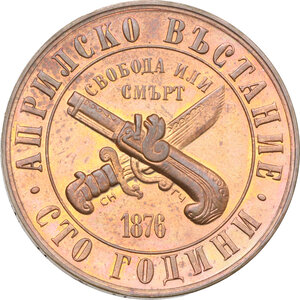
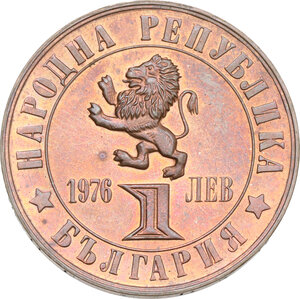
785 - Bulgaria. People's Republic (1946-1990). Lev 1976. Nikolov 121; KM 94. CU. 8.12 g. 27 mm. Red copper. Uprising Anniversary. FDC.
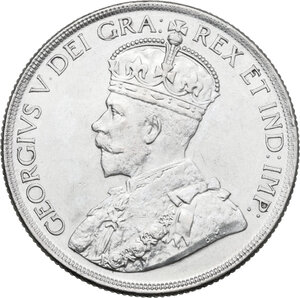
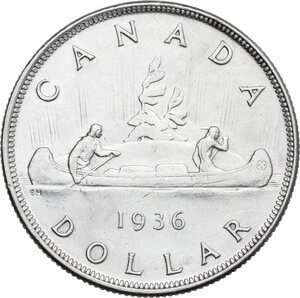
786 - Canada. George V (1910-1936). Dollar 1936. KM 31. AR. 23.3 g. 36 mm. Marks. Good VF.


787 - China. Warring States, 476-221 BC. AE Ming knife. 138 mm length. Hartill Group 6 p. AE. 16.51 g. VF.
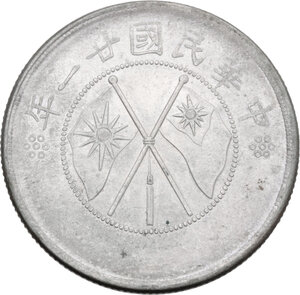
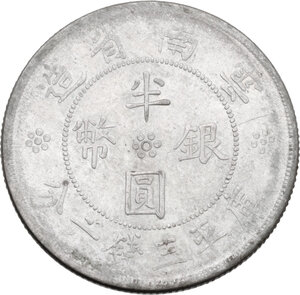
788 - China. Republic. Yunnan. Half Dollar (50 cents) year 21 (1932). L&M 430; KM Y 492. AR. 13.54 g. 33.5 mm. About EF.
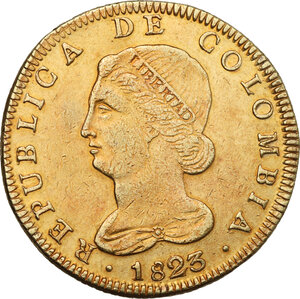
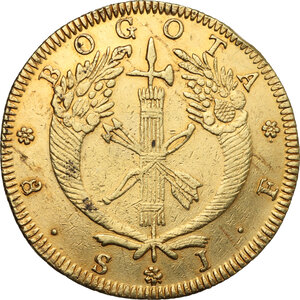
789 - Colombia. Republic. 8 Escudos 1823, Bogotà mint. KM 81.1. AV. 26.94 g. 37.5 mm. VF.
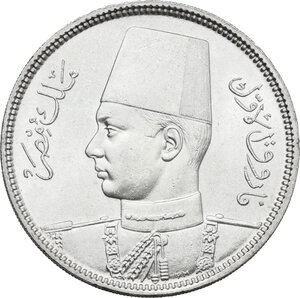
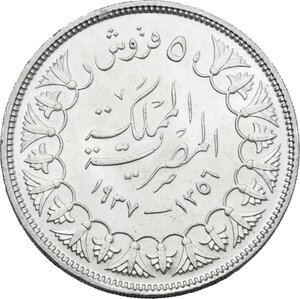
790 - Egypt. Farouk (1936-1952). 5 Qirsh 1356 (1937). KM 366. AR. 7.01 g. 26 mm. FDC.
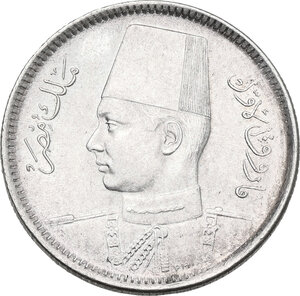
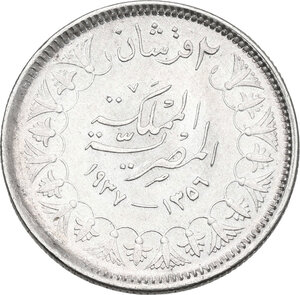
791 - Egypt. Farouk (1936-1952). 2 Qirsh 1356 (1937). KM 365. AR. 2.81 g. 19 mm. Light patina. FDC.
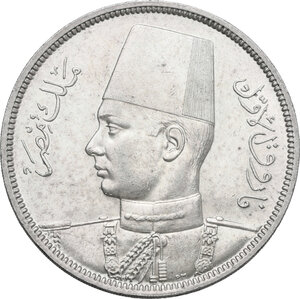
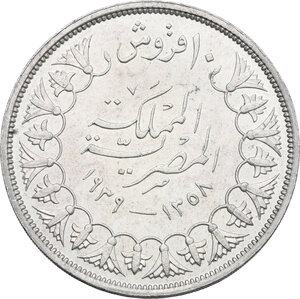
792 - Egypt. Farouk (1936-1952). 10 Qirsh 1358 (1939). KM 367. AR. 14.04 g. 33 mm. Light patina. Frosty surfaces. About FDC/FDC.
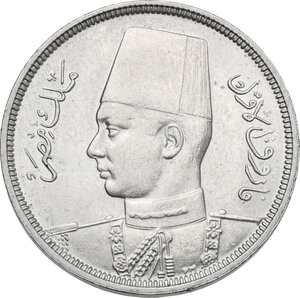
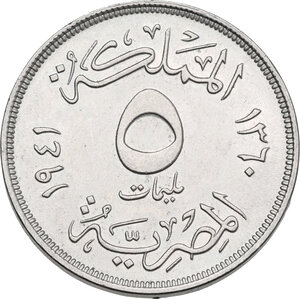
793 - Egypt. Farouk (1936-1952). 5 Milliemes 1360 (1941). Heaton mint. KM 363. NI. 4.06 g. 21 mm. FDC.
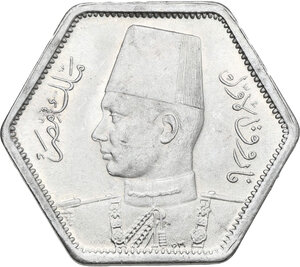
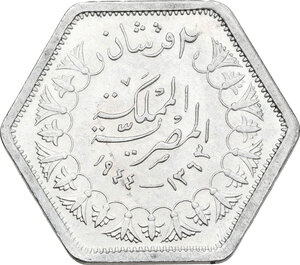
794 - Egypt. Farouk (1936-1952). 2 quirsh 1363 (1944). KM 369. AR. 2.84 g. 21 mm. Light patina. Frosty surfaces, as struck. Rare as such. FDC. Due to the sharp rise in silver prices during the Second World War, many countries were forced to modify or replace their silver coinage. Egypt had used the same size and silver alloys for over a century, but wartime silver prices caused the intrinsic value of the 2 piastre coin to exceed its face value, leading to hoarding and melting. The government responded by banning resale and melting, and introduced a new 2 piastre coin made of a lower silver alloy (.500 instead of .833) and with a new shape for easy identification. This coin was struck in large quantities to meet national currency needs for many years. Eventually, coinage materials declined further to base metals, as later seen during the United Arab Republic period with the 5 and 10 piastre coins.
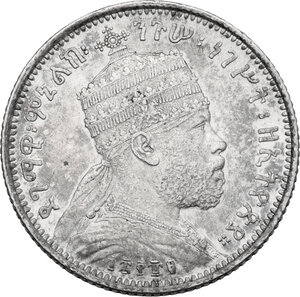
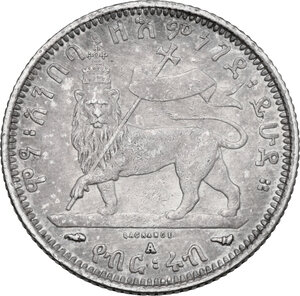
795 - Ethiopia. Menelik II (1889-1913). 1/4 Birr 1889 (1897). KM 14. AR. 7.04 g. 25 mm. Lustrous field and iridescent toning. Minor marks and hairlines. About EF.
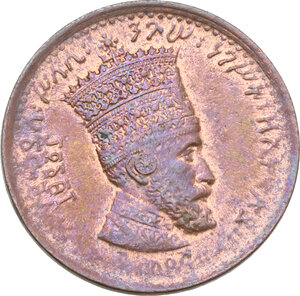
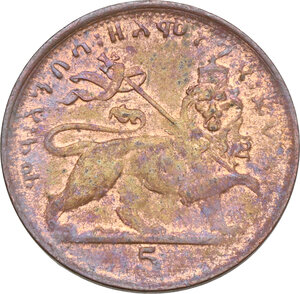
796 - Ethiopia. Haile Selassie I (1930-1974). 5 Matonas 1923 (1931). KM 28.1. CU. 3.03 g. 21 mm. Smooth edge type. Red copper. FDC.
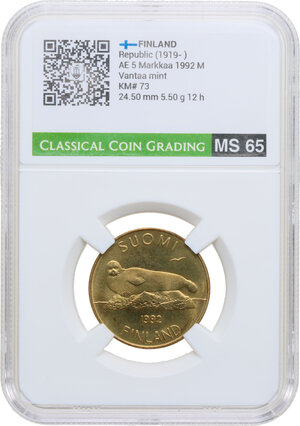
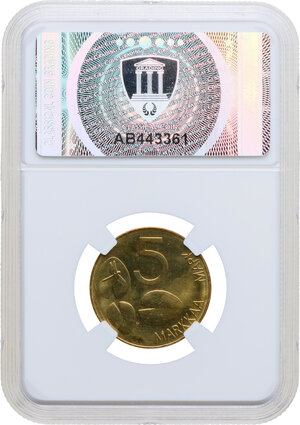
797 - Finland. Republic (1919-). 5 Markkaa 1992 M, Vantaa mint. KM 73. Cupro-Nickel. 5.53 g. 24.5 mm. Encapsulated by Classical Coin Grading MS 65.
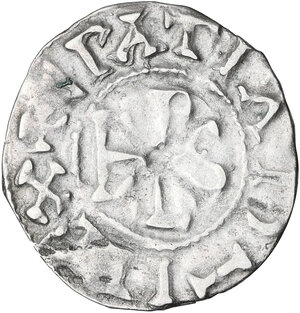
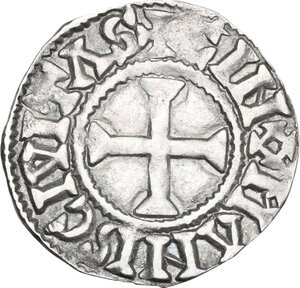
798 - France. Charles the Bald (840-877). Denier, class 2, Le Mans mint, 864-877 and later. MEC 1, 872/874. AR. 1.22 g. 20 mm. Reverse weakly struck. Lightly toned. Good VF.
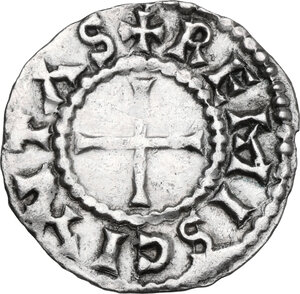
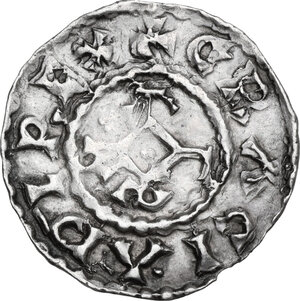
799 - France. Charles the Bald (840-877). Denier, class 2, Rheims mint, 864-877 and later. MEC 1, 891/892. AR. 1.61 g. 20.5 mm. Good VF.
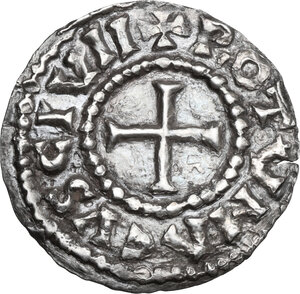
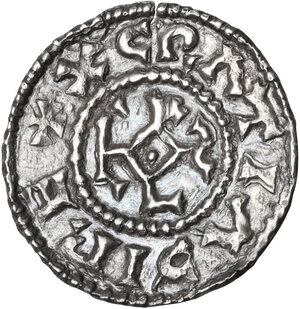
800 - France. Charles the Bald (840-877). Denier, class 2, Rouen mint, 864-877 and later. MEC 1, 893. AR. 1.35 g. 21 mm. Cabinet tone with iridescent hues. Good VF.
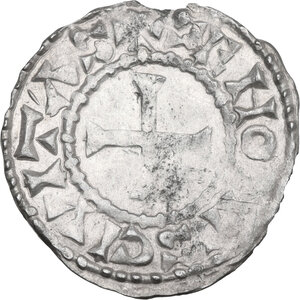
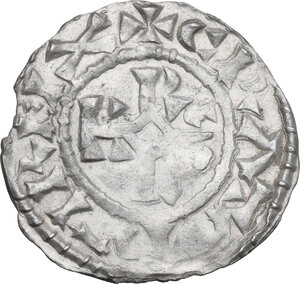
801 - France. Charles the Bald (840-877). Denier, class 2, Sesn mint, 864-877 and later. MEC 1, 900. AR. 1.6 g. 20 mm. Slightly chipped edge and minor striking weaknesses. Warm golden tone. About EF.
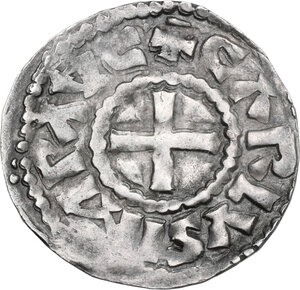
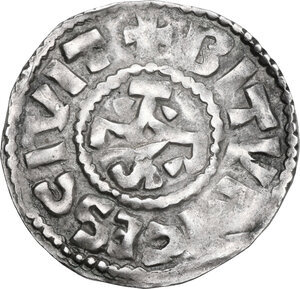
802 - France. Charles the Bald (840-877). Denier, class 3, Bourges mint, 876-877. MEC 1, 913/917. AR. 1.64 g. 21 mm. Lightly toned. About EF.
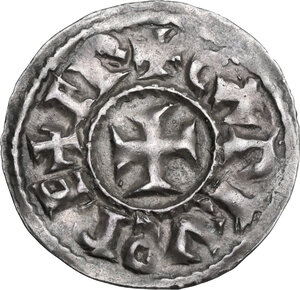
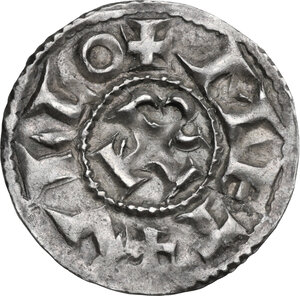
803 - France. Charles the Bald (840-877). Denier, Melle mint. Cf. MEC 1, 939 and 946. AR. 1.61 g. 22 mm. Cabinet tone with iridescent hues. Type with retrograde S and X in inscription. About EF.
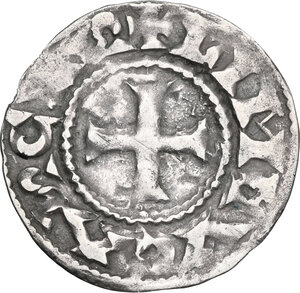
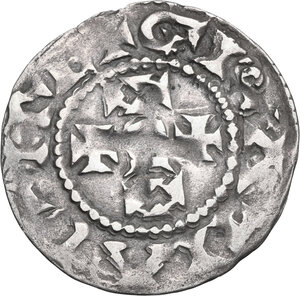
804 - France. Odo (888-897), King of the West Franks. Denier, Limoges mint. MEC 1, 973. AR. 1.27 g. 23 mm. Good VF/VF.
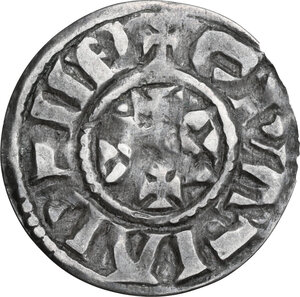
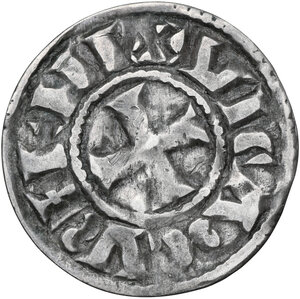
805 - France. Odo (888-897), King of the West Franks. Denier, Limoges mint. MEC 1, 976. AR. 1.18 g. 23 mm. Blundered legend type. VF.
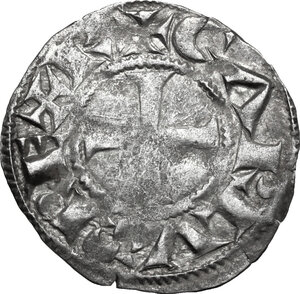
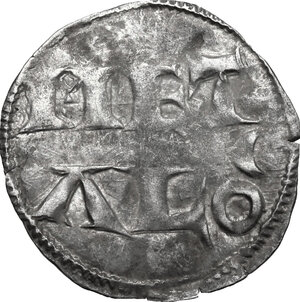
806 - France. Charles le Simple As Charles IV, King of West Francia (898-922). Denier, Metalo (Melle) mint. Depeyrot 629 var. . AR. 0.9 g. 20 mm. About VF/VF.
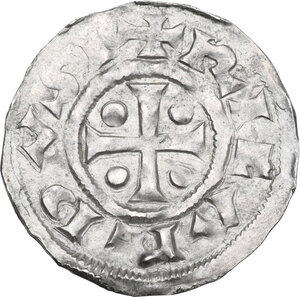
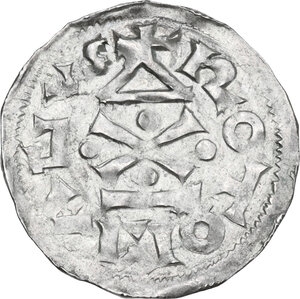
807 - France. Richard I Sans Peur (the Fearless) (943-996). Denier, Rouen mint, Normandy. Duplessy 17. AR. 1.21 g. 20.5 mm. Good VF.
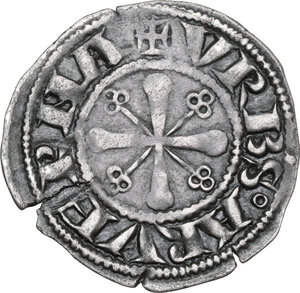
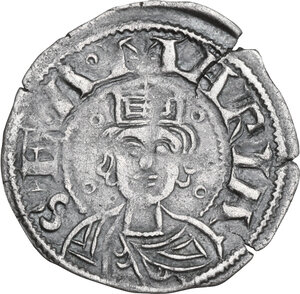
808 - France. Anonymous Episcopal issues (1030-1120). Denier, Auvergne, Diocese of Clermont. PdA 2253; Duplessy 830. BI. 1 g. 20 mm. Hairline faln crack. Nice dark patina. Areas of weak strike. Good VF.
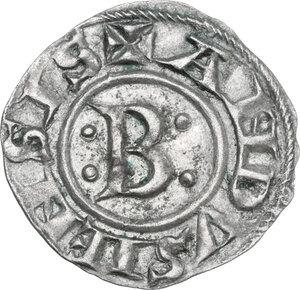
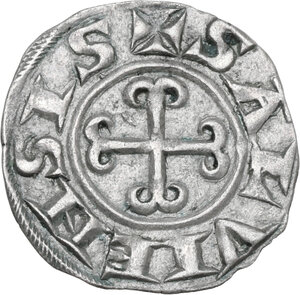
809 - France. Anduse and Sauve. Lordship. Denier, XII sec. Sommières. PdA 3852. AR. 0.93 g. 18 mm. About EF.
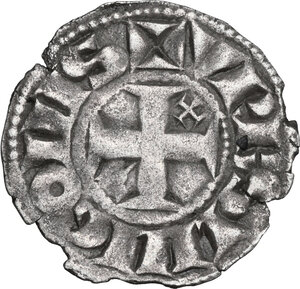
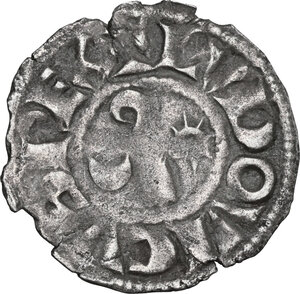
810 - France. Anonymous Bishops of Langres. Denier, n.d. Immobilization type in the name of Louis IV d'Outremer (1150-1200). PdA 5843. BI. 0.8 g. 18 mm. R. Lovely dark patina. Areas of weak strike and irregular flan. Good VF.
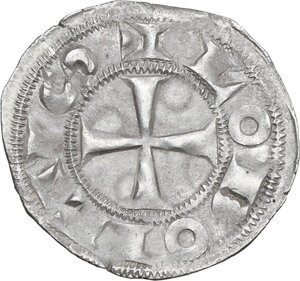
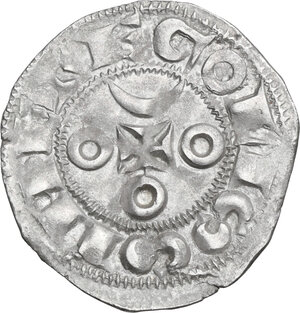
811 - France. Anonymous. Guillaume V - Hugues I. County of Angouleme. Denier, n.d. (1170-1245), La Marche mint. Struck in the name of Louis VII, VIII, or IX. Boudeau 438; PdA 2649. AR. 1.11 g. 20 mm. Good VF.
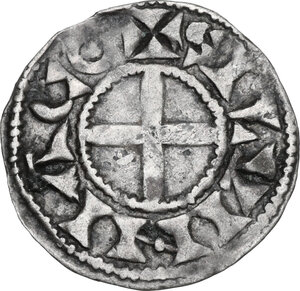
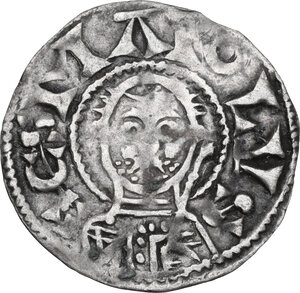
812 - France. Bourbonnais. Anonymous, Priorship of Souvigny. Denier, n.d. (c. 1180-1213). Boudeau 359; Duplessy (feod.) 781. AR. 1.2 g. 20 mm. Lightly toned. VF.
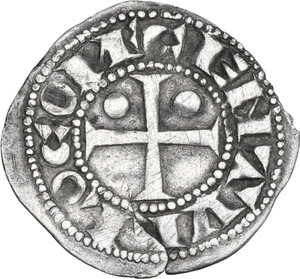
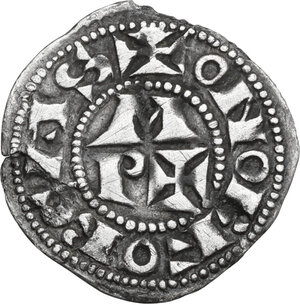
813 - France. Anonymous Viscount of Bearn. Petid denier or Obole, n.d. (12th-13th century). Struck in the name of Count Centule. Boudeau 526; PdA 3234. BI. 0.48 g. 15 mm. Dark patina. Flan crack. Good VF/VF.
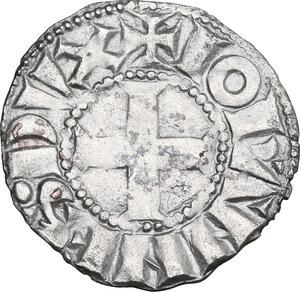
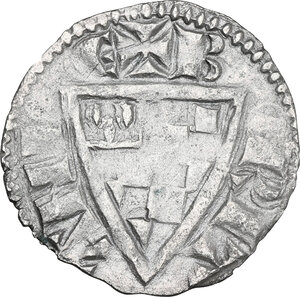
814 - France. Jean I le Roux (1221–1286). Denier, n.d. (ca. 1250). Duchy of Brittany. Boudeau 37; PdA 363. BI. 0.82 g. 18 mm. Good VF/VF.
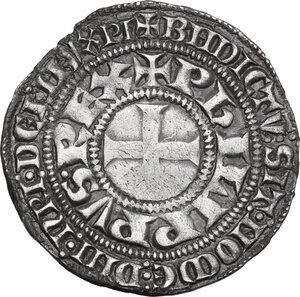
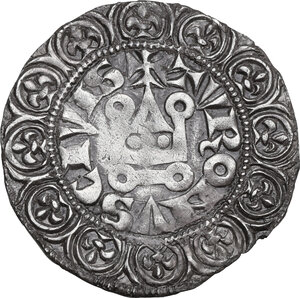
815 - France. Philip III (1270-1285) or Philip IV or Philip V. Gros Tournois. AR. 4 g. 26 mm. Striking weakness. Pleasant old cabinet tone. Peculiar style. Good VF.
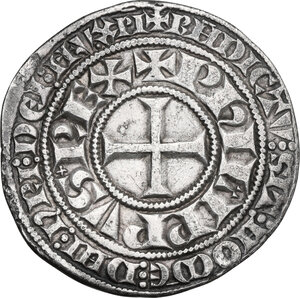
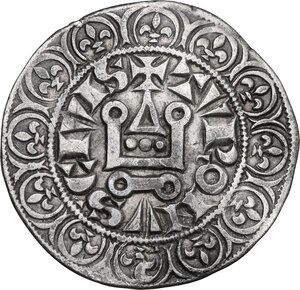
816 - France. Philip IV (1268-1314), called the Fair. AR Gros Tournois à l'O rond, n.d. (until 1290). Duplessy 213. AR. 3.89 g. 26 mm. Pleasant old cabinet tone. Good VF/VF.
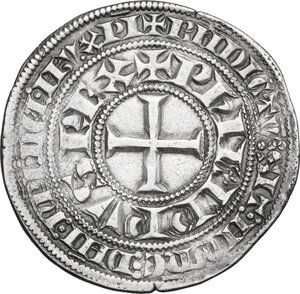
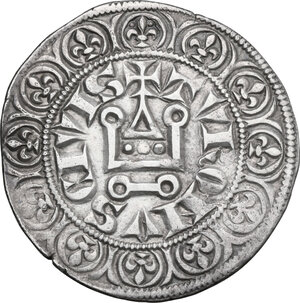
817 - France. Philip IV (1268-1314), called the Fair. Gros Tournois a l'O long, 1290-1295. Duplessy 214. AR. 4.02 g. 27 mm. Light tone with golden hues. Good VF/VF.
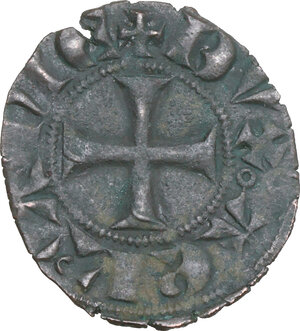
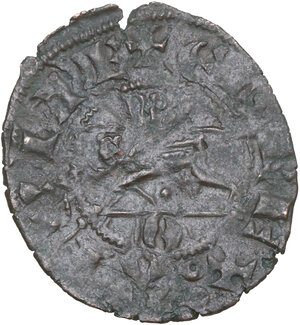
818 - France. Edward III of England (1327-77), as Duke of Aquitaine. Denier au leopard, 3e type, n.d. (c. 1347-1351). Pda -; Cf. Duplessy (feod.) 1103. BI. 0.85 g. 20 mm. R. Rare. Areas of weak strike on reverse. VF.
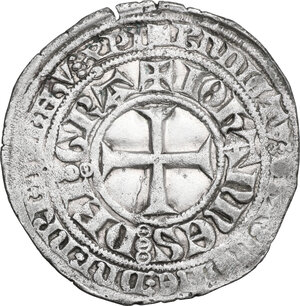
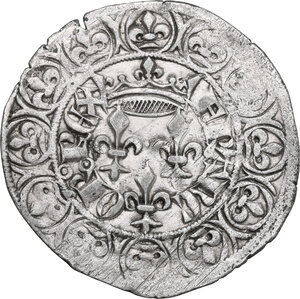
819 - France. Jean II le Bon (1350-1364). AR Gros aux trois lis, 2nd issue, 7 june 1359. Duplessy 307A. AR. 3.28 g. 29 mm. RR. Striking weakness. Lightly toned. VF.
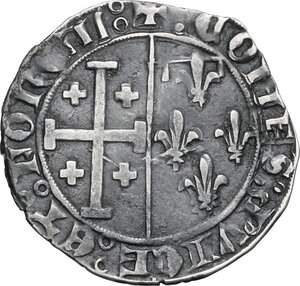
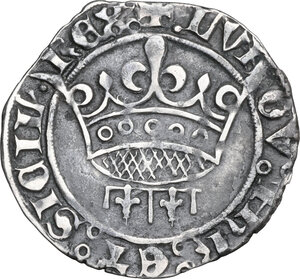
820 - France. Louis III of Anjou (1384-1417) or Louis IV of Anjou (1417-1443). Gros a la couronne or sol coronat, Tarascon mint. Struck after 1389. County of Provence. Boudeu 866; PdA 4052; Duplessy (feod.) 1697. AR. 1.99 g. 25 mm. Cabinet tone. VF.
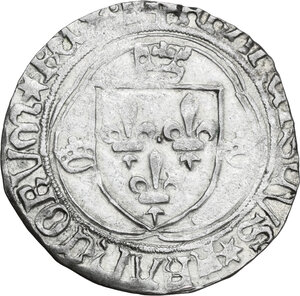
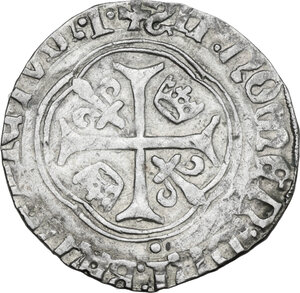
821 - France. Francois I (1515-1547). Blanc a la couronne. Cf. Duplessy 835. AR. 2.71 g. 25 mm. Retrograde S. Lightly toned. VF.
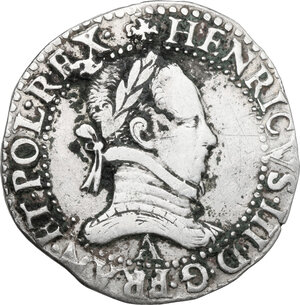
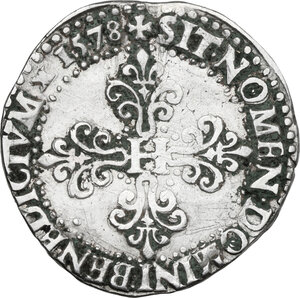
822 - France. Henry III (1574-1589). Franc 1578 A, Paris mint. Gad. 496; Duplessy 1130. AR. 13.74 g. 34 mm. R. Some encrustations and minor cleaning marks. VF.
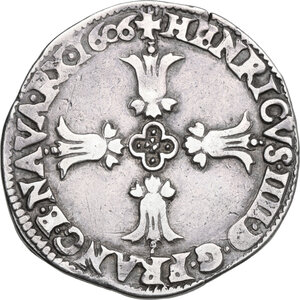
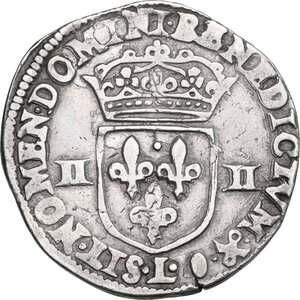
823 - France. Henry IV of France (1589-1610). 1/4 Ecu croix feuillue 1606 L, Bayonne mint. Duplessy 1222; Gad. 595. AR. 9.48 g. 30 mm. Lightly toned. VF/Good VF.
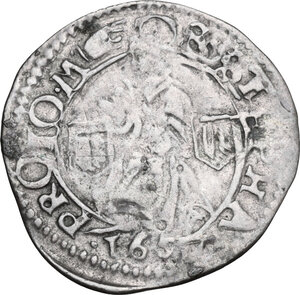
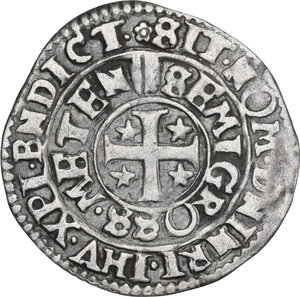
824 - France. Lorraine, City of Metz. Demi Gros 1654. Boudeau 1661. AR. 0.94 g. 19.5 mm. Dark patina. Partially die shift on obverse. About VF/VF.
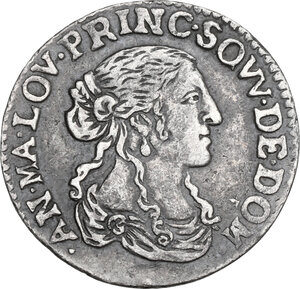
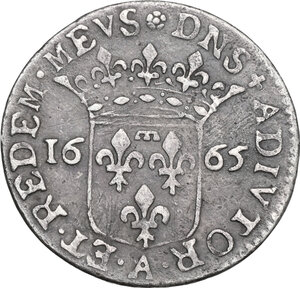
825 - France. Anna Maria Luisa d'Orléans (1627-1693). Douzième d'écu de 5 sols, luigino (1/12 Ecu) 1665 A, Trevoux mint. Divo 233; Camm. 45; KM 40. AR. 2.06 g. 21 mm. Dark patina. Good VF/VF.
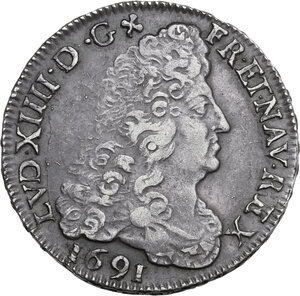
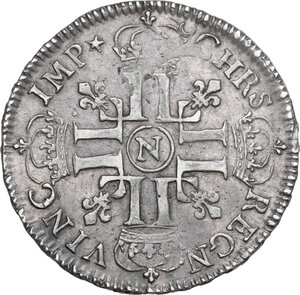
826 - France. Louis XIV (1643-1715). 1/2 Ecu aux huit L 1691 N, Montpellier mint. Duplessy 1515; Gad. (roy.) 184. AR. 13.48 g. 34 mm. Nice cabinet tone. Overstruck. Good VF/VF.
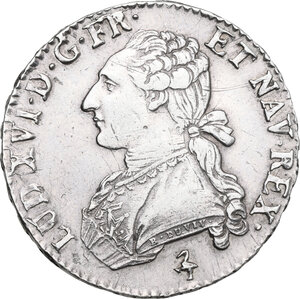
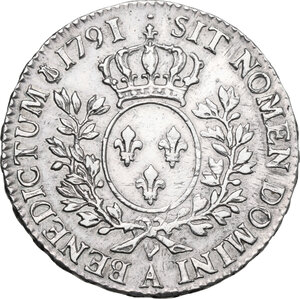
827 - France. Louis XVI (1774-1792). 1/2 Ecu dit 'aux branches d'olivier' 1791 A, Paris mint. Duplessy 1709; Gad. 355. AR. 14.81 g. 33 mm. R. Warm tone. Some light scratches. Good VF.
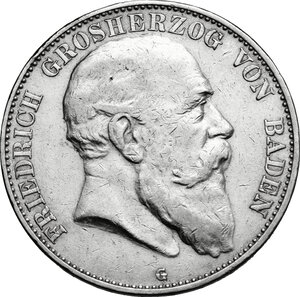
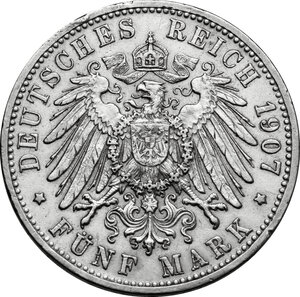
828 - Germany, Baden. Friedrich I (1852-1907). 5 Marks 1907 G, Karlsruhe mint. KM 274. AR. 27.68 g. 38 mm. Marks. About VF/VF.
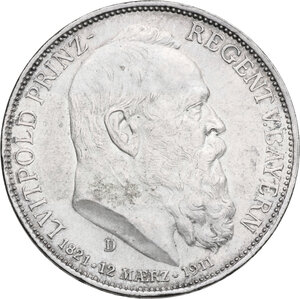
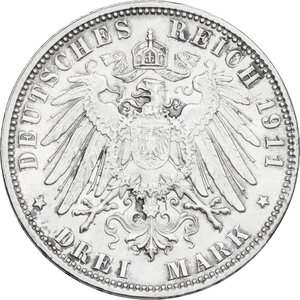
829 - Germany. Bayern. Luitpold, Prince regent (1886-1912). 3 Mark 1911 D, Munich mint. KM 998. AR. 16.63 g. 33 mm. VF/About EF. Luitpold was the regent on behalf of his nephews, Louis II and Otto, because they had a mental weakness. This coin is a commemorative issue for his 90th birthday.
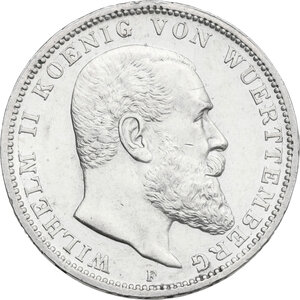
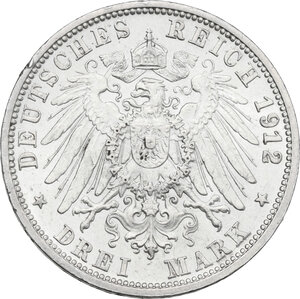
830 - Germany. Wuerttemberg. Wilhelm II (1888-1918). 3 Marks 1912 F, Stuttgart mint, 1912. KM 365. AR. 16.64 g. 33 mm. Minor marks. EF.
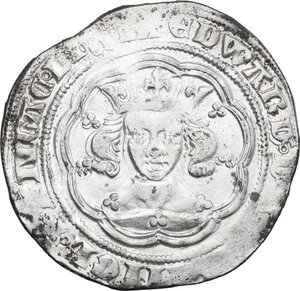
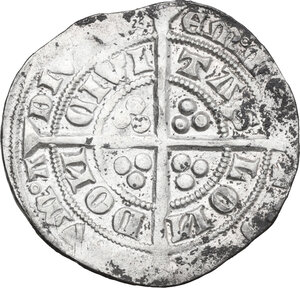
831 - Great Britain. Edward III (1327-1377). Groat, London c. 1350. AR. 4.41 g. 27.5 mm. Spot of oxidation. Striking weakness. Bright surfaces. Good VF/VF.
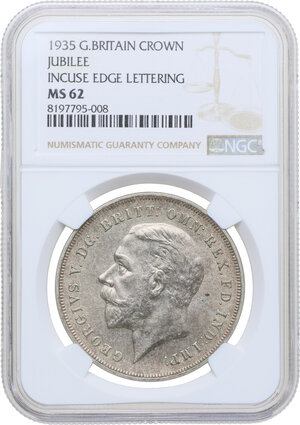
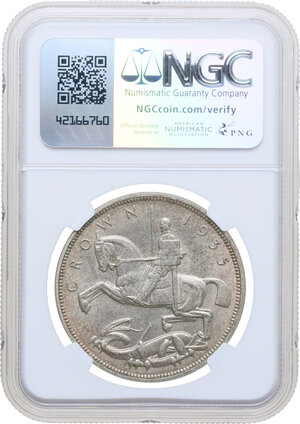
832 - Great Britain. George V (1910-1936). Crown 1935 for the Silver Jubilee. Seaby 4048; KM 842. AR. 28.3 g. 38.6 mm. Encapsulated by NGC MS 62.
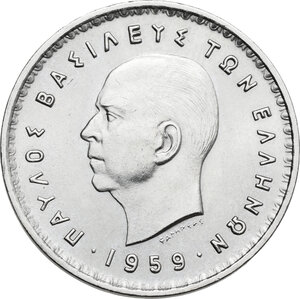
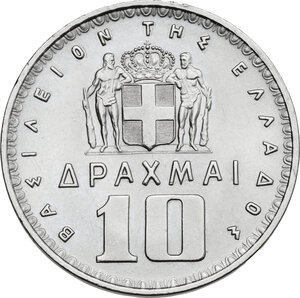
833 - Greece. Paul I (1947-1964). 10 Drachms 1959. KM 84. NI. 10.04 g. 30 mm. Frosty surfaces. Mint state. FDC.
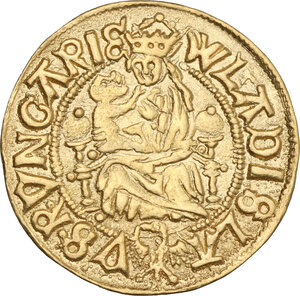
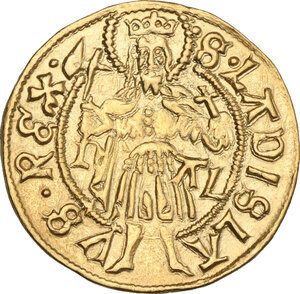
834 - Hungary. Wladislaus II Jagiello (1490-1516). Goldgulden nd, n-AL. Huszár 757. AV. 3.44 g. 21 mm. From rusty dies. Removed from jewelry. Good VF.
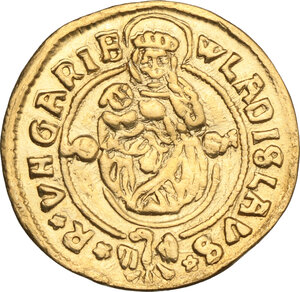
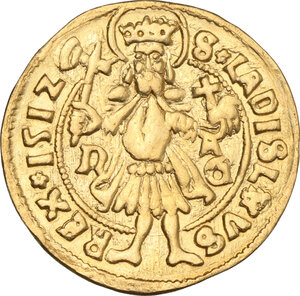
835 - Hungary. Wladislaus II Jagiello (1490-1516). Goldgulden 1512, n-A/G. Cf. Huszár 775 (legend variety). AV. 3.36 g. 21 mm. Removed from jewelry. Good VF.
Caricamento altri risultati...