
Central Italy, possibly Campania. Circa first half of 2nd - 1st centuries BC. Unofficial Pseudo-Coin. (Struck Lead Alloy, 20.5 mm, 3.87 g). Head of Vulcan right, wearing wreathed pileus and with tongs on shoulder. Rev. Furnacator in short tunic, fallus hanging down, advancing right and holding shovel; before, askos. HN Italy -. Stannard 2007 (LOC), series 59, no. 618 - 23.041 (only one specimen). Stannard, "Apollo and the little man with the strigils, and the Italo-Baetican iconography", 2020, pl.5, n. 12. Old cabinet toned. Minor areas of flattening. Otherwise, Good Very Fine. Embarrassingly Rare - possibly the second specimen known - with no example recorded at auction in the last quarter of a century.From a collection of ancient lead tokens, assembled since the late 1960s.This rare pseudo-coin belongs to an unofficial Italic series studied by Clive Stannard, first identified in the river deposits of the Liri near Minturnae. These pieces are notable for their striking and unusual iconography. On the obverse of this specimen appears Vulcan, unmistakably associated with hard manual labor. The reverse features a seminude stoker at work, his short tunic lifted to reveal his genitals - a raw, almost defiant image of the physical reality of toil. Related bronze issues from the same series depict similar figures, as well as strigils and other implements of the gymnasium or, more precisely, the bath complex. These pieces reflect themes of work, purification, and public life. Communal baths - often founded by generous benefactors - anchor the social and ritual context in which these tokens circulated. They speak to a world of trade, routine, and collective identity shaped at the margins of formal state control. Ultimately, these popular - or to use a modern term, proletarian - pseudo-coins were the everyday currency of those who kept the baths running: most likely slaves. In their bold imagery and function, they express not just utility, but a kind of pride: currencies made by the working class, for the working class.
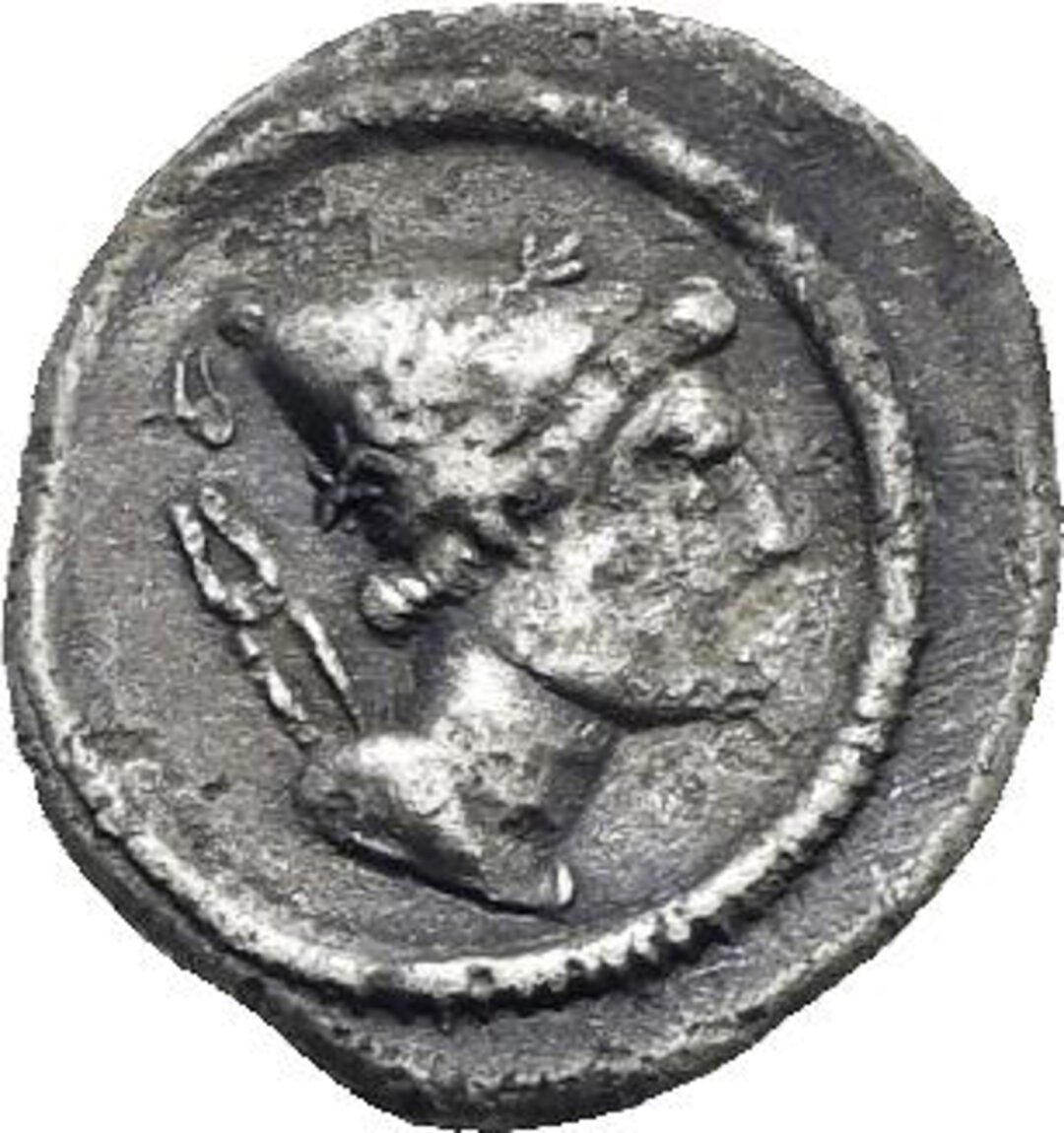
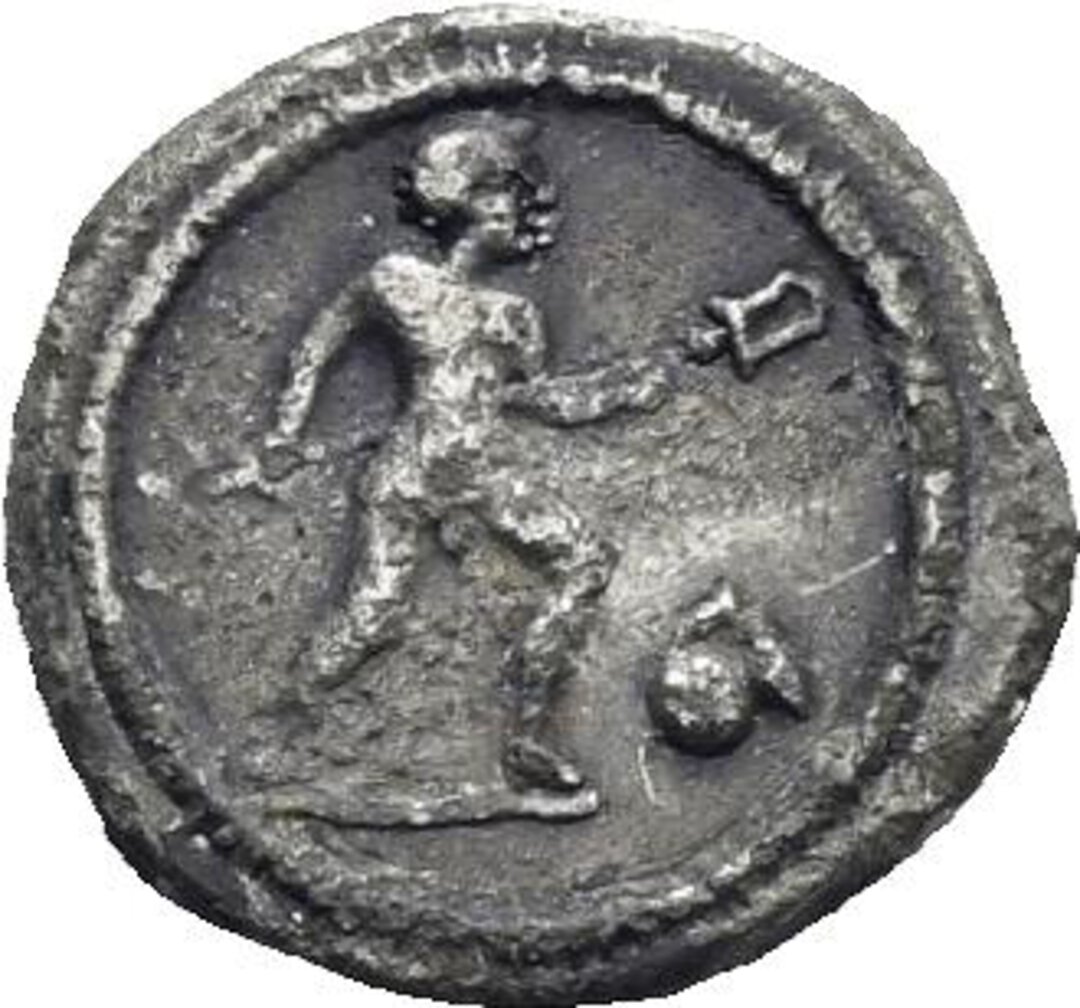
Central Italy, possibly Campania. Circa first half of 2nd - 1st centuries BC. Unofficial Pseudo-Coin. (Struck Lead Alloy, 20.5 mm, 3.87 g). Head of Vulcan right, wearing wreathed pileus and with tongs on shoulder. Rev. Furnacator in short tunic, fallus hanging down, advancing right and holding shovel; before, askos. HN Italy -. Stannard 2007 (LOC), series 59, no. 618 - 23.041 (only one specimen). Stannard, "Apollo and the little man with the strigils, and the Italo-Baetican iconography", 2020, pl.5, n. 12. Old cabinet toned. Minor areas of flattening. Otherwise, Good Very Fine. Embarrassingly Rare - possibly the second specimen known - with no example recorded at auction in the last quarter of a century.
From a collection of ancient lead tokens, assembled since the late 1960s.
This rare pseudo-coin belongs to an unofficial Italic series studied by Clive Stannard, first identified in the river deposits of the Liri near Minturnae. These pieces are notable for their striking and unusual iconography. On the obverse of this specimen appears Vulcan, unmistakably associated with hard manual labor. The reverse features a seminude stoker at work, his short tunic lifted to reveal his genitals - a raw, almost defiant image of the physical reality of toil. Related bronze issues from the same series depict similar figures, as well as strigils and other implements of the gymnasium or, more precisely, the bath complex. These pieces reflect themes of work, purification, and public life. Communal baths - often founded by generous benefactors - anchor the social and ritual context in which these tokens circulated. They speak to a world of trade, routine, and collective identity shaped at the margins of formal state control. Ultimately, these popular - or to use a modern term, proletarian - pseudo-coins were the everyday currency of those who kept the baths running: most likely slaves. In their bold imagery and function, they express not just utility, but a kind of pride: currencies made by the working class, for the working class.