Info & contatti
Le mie offerte
Lotti osservati
Conferimento
Condizioni di vendita
Prezzi di spedizione
Metodi di pagamento
Tabella rilanci
Sessione Live 24/10/2026 15:00:00 CET
Greek Coins (1-143)
The Roman Republic (144-314)
The Roman Empire (315-448)
Sessione Live 25/10/2026 15:00:00 CET
Barbaric and Migration Period Coinage (449-458)
The Byzantine Empire (459-568)
Oriente Latino (569-579)
World Coins (580-641)
Monete e Medaglie di Zecche Italiane (642-821)
Casa Savoia - Regno di Sardegna - Regno di Italia (822-857)
Repubblica Italiana (858-858)
Medaglie Papali (859-866)

Fulvia, first wife of M. Antony (died 40 BC). AE 20.5 mm, Phrygia, Eumenea (as Fulvia) mint, Pseudo-autonomous issue, Republican time (c. 41/40 BC). Zmertorix, son of Philonides, magistrate
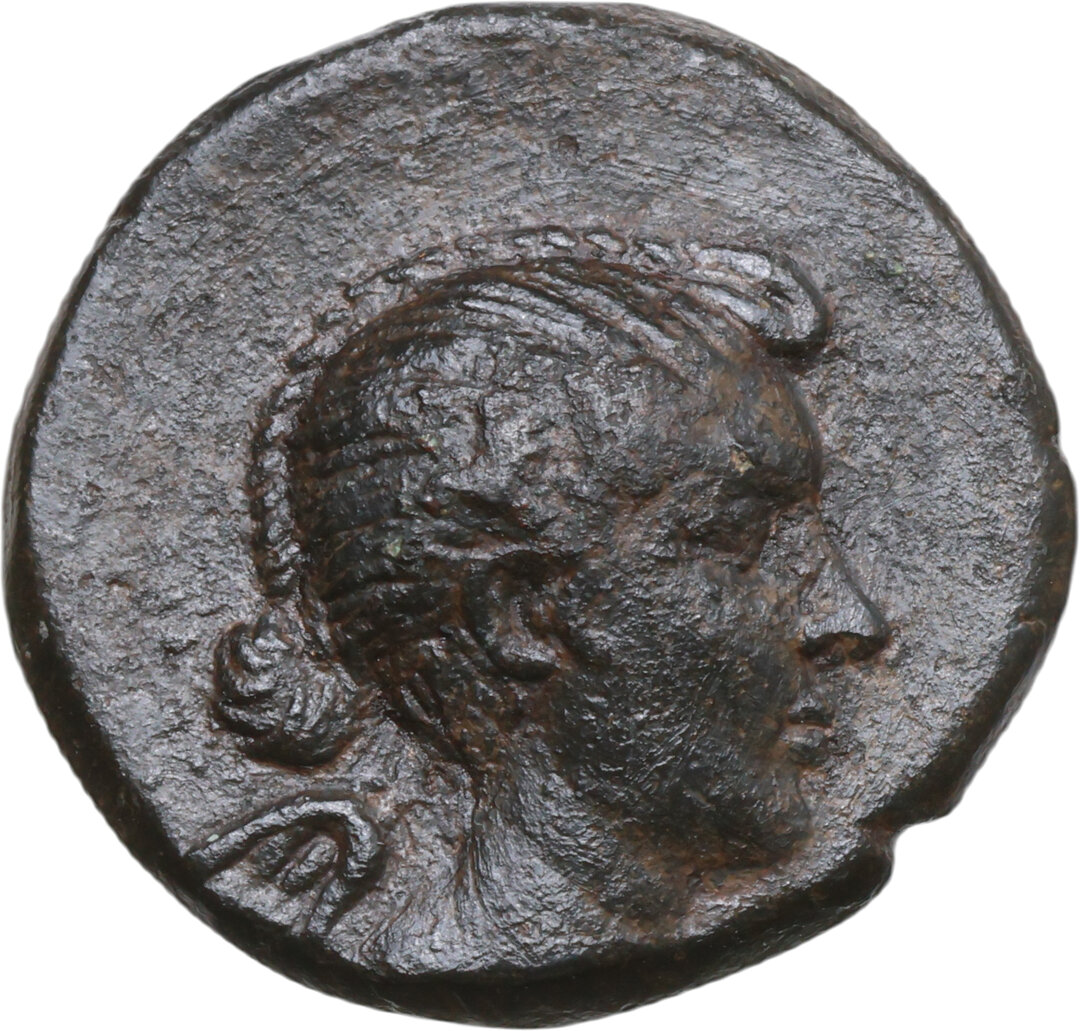
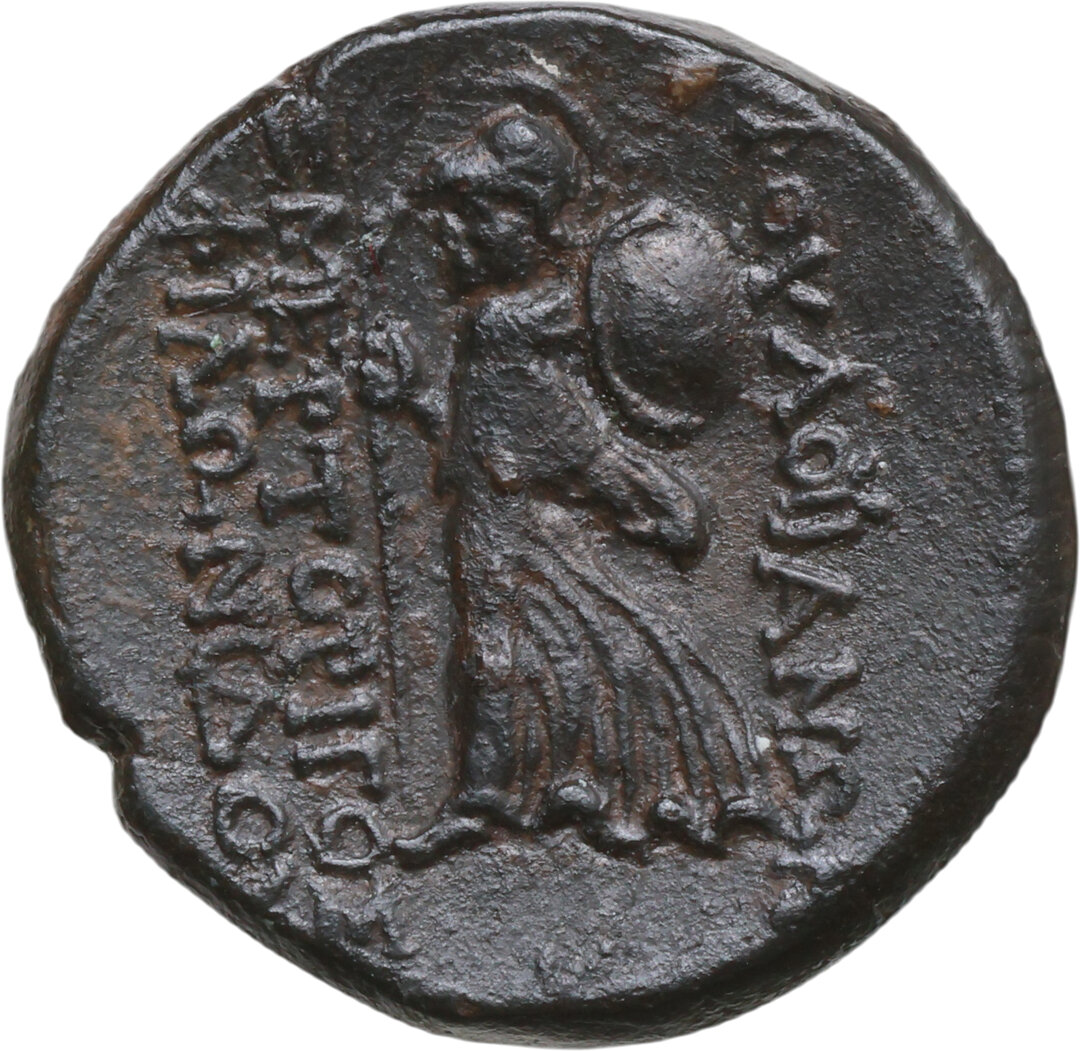
Fulvia, first wife of M. Antony (died 40 BC). AE 20.5 mm, Phrygia, Eumenea (as Fulvia) mint, Pseudo-autonomous issue, Republican time (c. 41/40 BC). Zmertorix, son of Philonides, magistrate. D/ Winged bust of Nike right. R/ ΦOYΛOYIANΩΝ / ZMEPTΟΡΙΓΟΣ ΦΙΛΟΝΙΔΟY. Athena advancing left, holding spear and shield. RPC I 3139; BMC 20. 6.58 g. 20.5 mm. R. Dark tone. Good VF.
Ancient sources emphasize both Fulvia’s political influence and her active participation in public affairs. Her role became particularly conspicuous during the Perusine War of 41–40 BC. According to Cassius Dio, Fulvia personally addressed the soldiers and is even said to have taken up a sword while encouraging the troops.
Antony, however, did not join Fulvia at Perusia. After the conflict, she withdrew voluntarily to Greece with her sons, where she died not long afterwards.
Ex Auctiones 1989, lot 941.
Fulvia was the first historical Roman woman, as opposed to a mythological figure, to be portrayed on a coin. She was born at Tusculum into a wealthy family that had only recently entered the ranks of the Roman nobility. Fulvia was married successively to Publius Clodius Pulcher, Gaius Scribonius Curio, and Mark Antony, each of whom was associated with the political circle of Julius Caesar. Following Caesar’s assassination, Fulvia became an unusually prominent presence in Roman political life. She reportedly received visitors and conducted political business from her own residence, which effectively became a meeting place for supporters and political associates. She remained closely involved in Antony’s activities and accompanied him during military campaigns, including operations aimed at suppressing revolts.Ancient sources emphasize both Fulvia’s political influence and her active participation in public affairs. Her role became particularly conspicuous during the Perusine War of 41–40 BC. According to Cassius Dio, Fulvia personally addressed the soldiers and is even said to have taken up a sword while encouraging the troops.
Antony, however, did not join Fulvia at Perusia. After the conflict, she withdrew voluntarily to Greece with her sons, where she died not long afterwards.
Osserva:
Base d'asta: € 300
Offerte asta: :
-
Prossima offerta minimo : €
300
Diritti d'asta: 22.00%
Chiusura alle: 2026-10-24 14:00:00 ora di Roma