Info & contatti
Catalogo PDF
Le mie offerte
Lotti osservati
Conferimento
Condizioni di vendita
Prezzi di spedizione
Metodi di pagamento
Tabella rilanci
Esito stampabile
Sessione Live 2/5/2026 15:00:00 CET
Greek Coins (1-128)
The Roman Republic (129-289)
The Roman Empire (290-459)
Sessione Live 3/5/2026 15:00:00 CET
Barbaric and Migration Period Coinage (460-480)
The Byzantine Empire (481-563)
Islam (564-567)
Oriente Latino (568-586)
Monete e Medaglie di Zecche Italiane (587-738)
Casa Savoia - Regno di Sardegna - Regno di Italia (739-758)
Medaglie dell’Era Fascista (759-793)
Medaglie Papali (794-813)
Medaglie e Placchette (814-849)
World Coins (850-930)

Risultati: 21
Lotto n. 460
-
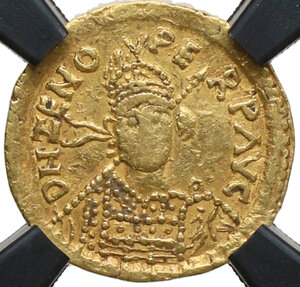
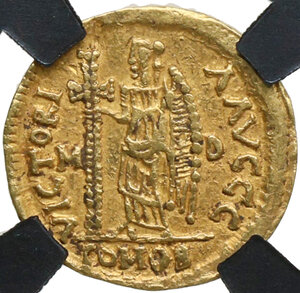
Ostrogothic Italy, Odovacar (476-493). AV Solidus. Pseudo-Imperial Coinage. In the name of Zeno. Mediolanum mint, c. 476-491 AD. D/ D N ZENO PERP ΛVC. Pearl-diademed, helmeted and cuirassed bust facing slightly right, holding spear and shield decorated with horseman. R/ VICTORIA AVGGG. Victory standing left, holding long jeweled cross; M-D flanking; in exergue, CONOB. Depeyrot 36/2; RIC X 3224. AV. 4.42 g. 20 mm. RR. Very rare. VF. Encapsulated by Classical Coin Grading XF 45.
Lotto n. 461
-
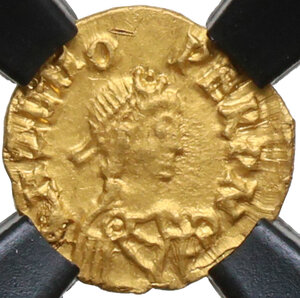
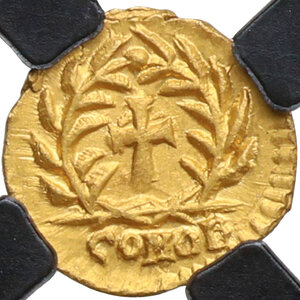
Ostrogothic Italy, Odovacar (476-493). AV Tremissis. Pseudo-Imperial Coinage. In the name of Zeno. Mediolanum mint, c. 476-491 AD. D/ DN ZENO PERP ΛVC (ΛV ligate). Pearl-diademed, draped and cuirassed bust right. R/ Cross potent; in exergue, COИOB; all within wreath. RIC X 3614; MEC 1, 58-60. AV. 1.44 g. 13.5 mm. Good EF/About FDC. Encapsulated by Classical Coin Grading MS 62.
Lotto n. 462
-
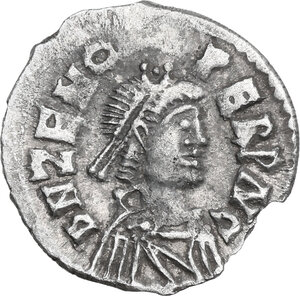
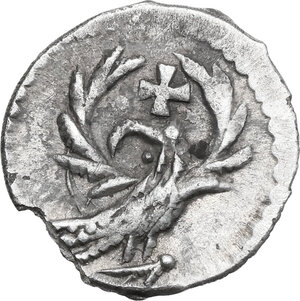
Ostrogothic Italy, Odovacar (476-493). AR Half Siliqua. In the name of Zeno. Mediolanum (Milan) mint. Struck AD 476-491. D/ D N ZENO PERP (AV)G. Pearl-diademed, draped and cuirassed bust right. R/ Eagle standing right, head left, wings extended; cross above. MEC I, 61; RIC X 3623 (Zeno). AR. 0.82 g. 14 mm. RR. Very rare and choice example for type; edge fault, otherwise. Good VF.
Lotto n. 463
-
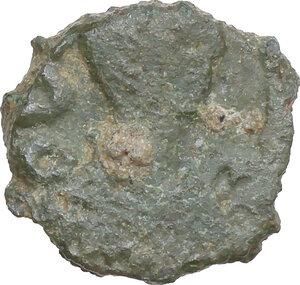
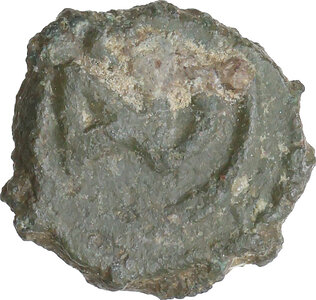
Ostrogothic Italy, Odovacar (476-493). AE Nummus (or 2 1/2 Nummi). Pseudo-Imperial Coinage. Ravenna mint. D/ [ODOVAC]. Diademed and draped bust right. R/ Monogram of Odovacar. BMC Vandals 10; Morello 22; Kraus 36; RIC X 3502; MEC 1, 64; Ranieri 235. AE. 1.21 g. 12 mm. RRR. Extremely rare and good example. VF.
Lotto n. 464
-
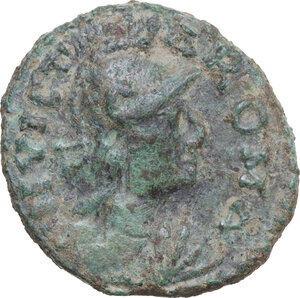
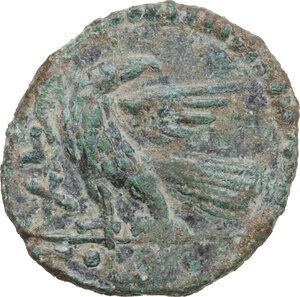
Ostrogothic Italy. Municipal bronze coinage of Rome, light series. AE Follis, Rome mint, c. 493-518. D/ INVICTA ROMA. Helmeted and cuirassed bust of Roma right. R/ XL. Eagle standing left, head reverted; in exergue, •A•. COI 76b; MIB 74a (Theodoric and Athalaric); MEC 1, 107. AE. 9.56 g. 27 mm. Choice example with lovely green patina. Better in hand. About EF.
Lotto n. 465
-
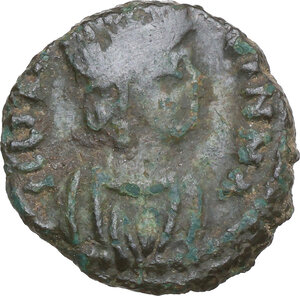
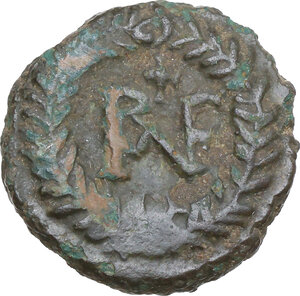
Ostrogothic Italy. Municipal bronze coinage of Ravenna. AE Decanummium, struck c. 536-554. D/ FELIX R-AVENNA. Draped bust of Ravenna right, wearing mural crown, earring and necklace. R/ Ravenna monogram within wreath; cross above. COI 78b; Ranieri 270-5; MIB 72a (Rome). AE. 2.79 g. 16.5 mm. Dark green patina. VF.
Lotto n. 466
-
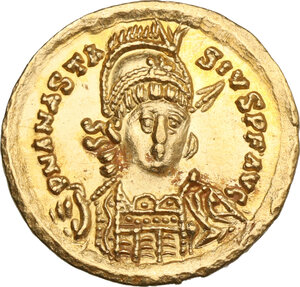
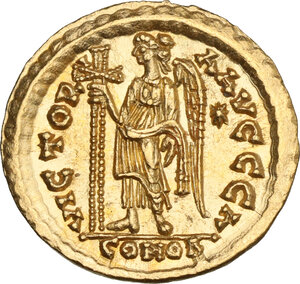
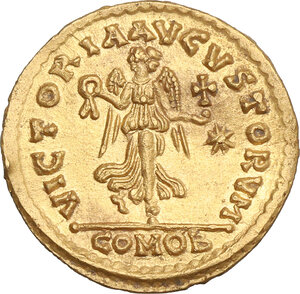
Ostrogothic Italy, Theoderic (493-526). AV Solidus, in the name of Anastasius I. Rome mint, c. 491-518 AD. D/ D N ANASTASIVS P F AVG. Helmeted, diademed and cuirassed bust facing slightly right, holding spear and shield decorated with horseman motif. R/ VICTORIA AVCCC A. Victory standing left, holding jeweled cross; star to right; small pellet at each end of exergual line; in exergue, COMOB. MIB 9; COI 8; MEC 1, 112. AV. 4.43 g. 20.5 mm. Brilliant and superb example of fine style. Boldy struck and perfectly centered. About FDC/FDC.
Lotto n. 467
-
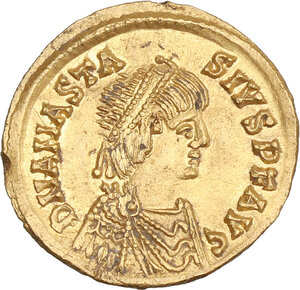
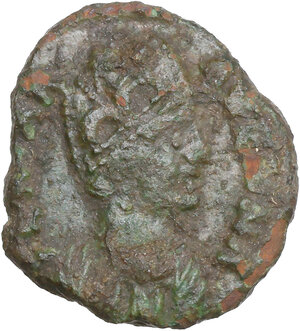
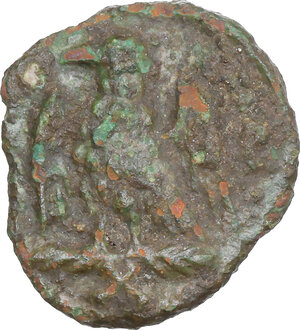
Ostrogothic Italy. Theoderic. As king of the Goths, 474/5-493, or ruler of Italy, 493-526. AV Tremissis in the name of Anastasius I. Rome mint. Struck 491-518. D/ D N ANASTASIVS P F AVG. Pearl-diademed, draped, and cuirassed bust right. R/ VICTORIA AVGVSTORVM. Victory advancing right on ground line with pellet at each end, head left, holding wreath and globus cruciger; star to right; in exergue, COMOB. COI 14; MIB 10; MEC 1, 115. AV. 1.51 g. 15 mm. Minor marks on obverse, otherwise. FDC.
Lotto n. 468
-
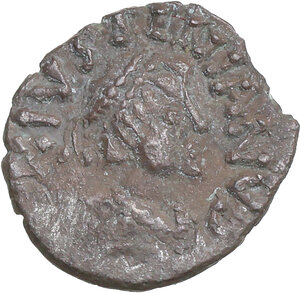
Ostrogothic Italy, Theoderic (493-526). AE Decanummium, Rome or Ravenna mint, 493-518. D/ FELIX RAVENNA. Crowned bust of Ravenna right. R/ Eagle standing facing, head left, between stars; in exergue, X. COI 77 (Roma); Ranieri 255-256; MIB 76. AE. 2.06 g. 17 mm. RR. Very rare and good example. VF.
Lotto n. 469
-
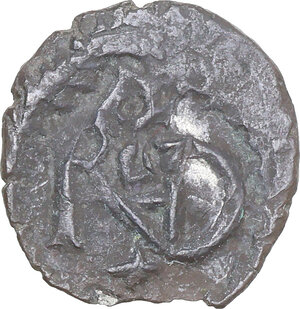
Ostrogothic Italy. Theoderic (493-526). AR Quarter Siliqua, Ravenna mint. In the name of Justin I. (518-526). D/ D N IVSTINVS P AVC. Pearl-diademed and cuirassed bust right. R/ Monogram of Theoderic; above, cross; all within wreath. COI 55; Ranieri 258; MEC 1, 121 (Ravenna or Milan). AR. 0.73 g. 12 mm. R. Reverse die shift. VF.
Lotto n. 470
-
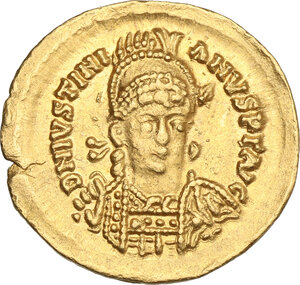
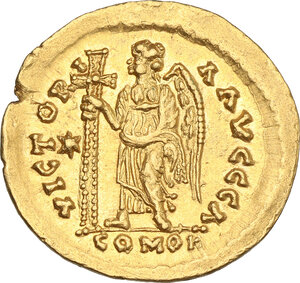
Ostrogothic Italy, Athalaric (526-534). AV Solidus. Pseudo-Imperial Coinage. In the name of Justinian I, Rome mint, c. 527-530. D/ DN IVSTINIANVS PF AVG. Diademed, helmeted and cuirassed bust facing slightly right, holding spear and shield. R/ VICTORIA AVGGGA. Victory standing left, holding long, jeweled cross; star to left; in exergue, COMOB. BMC Vandals, 1-4 and pl. VII, 16-17 (Ravenna); COI cf. 36 (Ravenna); MEC 1, 122; MIB 28. AV. 4.42 g. 21.5 mm. R. EF/Good EF. Ex Sotheby 's 28 October 1993, lot 1830. Ex NAC Numismatica Ars Classica 24, 2002, lot 368.
Lotto n. 471
-
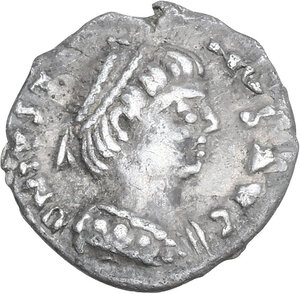
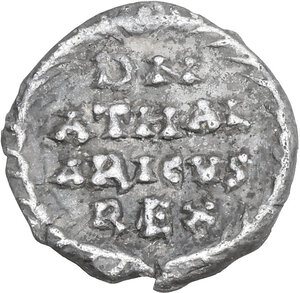
Ostrogothic Italy, Athalaric (526-534). AR Half Siliqua. Pseudo-Imperial Coinage. In the name of Justin I. Ravenna mint, c. 526-534 AD. D/ D N IVSTINVS AVC. Pearl-diademed, draped and cuirassed bust right. R/ DN/ ATHAL/ ARICVS/ REX all within wreath. Kraus 31-32; COI 57b (obv.) and 59 (rev.); Ranieri -; cf. 278 (for obv.) and 282 var. (RIX. for rev); MEC 1, -; cf. 127 (for rev.). AR. 0.67 g. 11.5 mm. RRR. Extremely rare, with obverse struck in the name of Justin I paired with a reverse bearing the title of REX, usually in combination with the obverse in the name of Justinian I. Choice example, toned. About EF.
Lotto n. 472
-
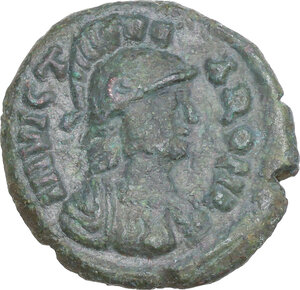
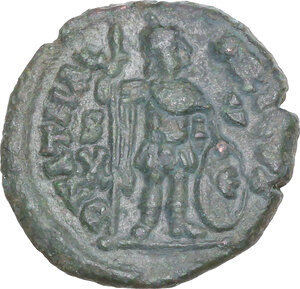
Ostrogothic Italy, Athalaric (526-534). AE Decanummium. Pseudo-Imperial Coinage. In the name of Justinian I. Roma, c. 526-534. D/ INVICTA ROMA Helmeted and cuirassed bust of Roma right. R/ D N ATALARICVS. King standing facing, head right, holding spear and shield; in field, S/X – C. BMC Vandals 65; Kraus 67; COI 85a; MIB 77; MEC 1, 132. AE. 2.74 g. 17 mm. R. Great example; dark green patina. Good VF.
Lotto n. 473
-
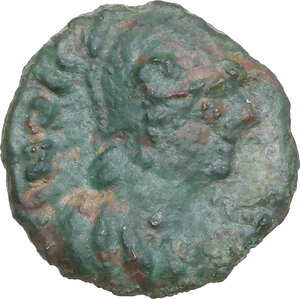
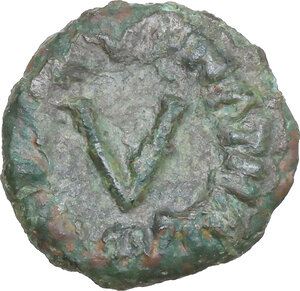
Ostrogothic Italy, Athalaric (526-534). AE Pentanummium, Rome mint. D/ Helmeted and draped bust of Invicta Roma right. R/ D N ATHALARICVS [REX?]. Large V (mark ov value). MIB 79b; COI 87a-b. AE. 1.3 g. 12.5 mm. Nice emerald green patina. VF/Good VF.
Lotto n. 474
-
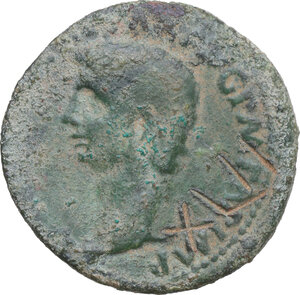
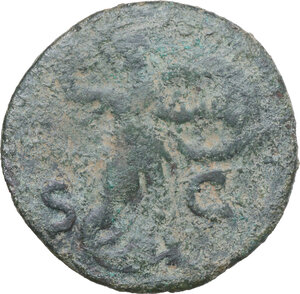
Ostrogothic Italy. Non-Regal Bronze Issue from the time of Theoderic and Athalaric. AE Follis. Early to mid 6th century. 'Countermarked' early Imperial bronze issue. XLII (mark of value = 42 Nummi) cut into obverse of AE As of Claudius. D/ [...]G P M TR P IMP. Bare head of Claudius left, XLII cut behind. R/ S - C. Minerva advancing right, brandishing spear and holding shield. For undertype, cf. Claudius RIC I (2nd ed.) 100. AE. 7.1 g. 27 mm. R. Rare and interesting. About VF/Good F. These countermarked issues have long been considered as made in Vandalic North Africa, but the hoard evidence and the results of the latest studies makes it seem that they were, in fact, made in the Ostrogothic Italy, and were in use there during the first quarter or first half of the 6th century (Cf, NAC, May 1993, 457). The mark of value XLII refer to a twelfth of a silver unit valued at 500 nummi, which itself amount to the 24th fraction of a gold solidus valued at 12,000 nummi. (Cf. Grierson, MEC, p.28-31). These are not countermarked coins in the usual sense of word, since the LXII figure was not punched or stamped with a single instrument, but seems to have been cut or incised with several chisel strokes. (C. Morrisson,1983). J. Friedlander suggested that for the more finely incised series the pieces were certainly softened by fire in order to be able to engrave more easily the deep and crude strokes. (“Die Erwerbungen des Konigl. Munzkabinets vom 1.Jan.1877 bis 31 Marz 1878” ZfN VI, 1879, p.1-26). Such crude workmanship seem to point to the markings being done by private persons, at least in the case of the most anomalous countermarks. While for the more finely incised countermarks – like our outstanding example – the role of some official authority cannot be excluded. (C. Morrisson). Tentatively, Morrisson suggests that an official practice of marking and re-issuing older bronzes was followed with varying success by private individuals as and when they came into possession of similar pieces. The only paper devoted solely to these countermarked coins is : Morrisson, C. “The re-use of obsolete coins : the case of Roman imperial bronzes revived in the late fifth century” in: ed. C.N.L. (Brooke et al. Studies in Numismatic Method presented to Philip Grierson, Cambridge 1983).XLVI, 487.
Lotto n. 475
-
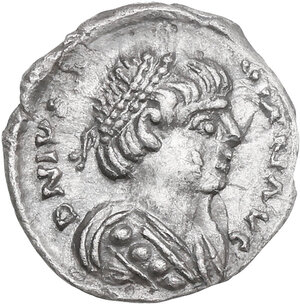
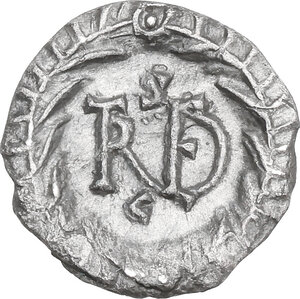
Ostrogothic Italy, Amalasuntha (534-535). AR Quarter Siliqua in the name of Justinian I. Ravenna mint. D/ DN IVSTINIAN AVG. Pearl-diademed and mantled bust right. R/ Monogram of Theoderic (no cross above) within wreath. Kraus 3 (Hildebrand); MEC 1, 138 (Witigis); MIB 59 (Witigis); COI 64 (Witigis). AR. 0.62 g. 12 mm. RRR. Rare and choice for type. EF. This restitution series featuring the monogram of Theodoric has been examined by scholars. Grierson suggests that it was minted during the early part of Theodahad's reign, when Amalasuntha was officially recognised as the new sovereign. These quarter siliquae display Justinian's name on the obverse and the monogram of Amalasuntha's father on the reverse. Grierson argues that this was necessary for the Ostrogoths to acknowledge her rule. However, Hahn and Metlich have differing views, attributing this series to Witigis instead.
Lotto n. 476
-
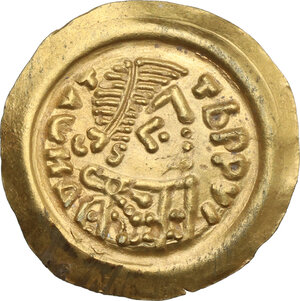
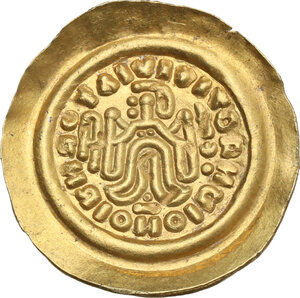
Lombardic Italy. Authari (584-590) to Agilulf (590-615). AV Tremissis in the name of Maurice Tiberius (582-602). Struck c. 584-615 AD, Lombardy. D/ DN [ ]-TIb PP VI. Pearl-diademed, draped and cuirassed bust right. R/ Blundered legend. Victory standing facing, head left, holding globus cruciger and wreath; in exergue, IOIIOI. BMC Vandals-; Arslan Type, 18-19 var. (slightly different legends); MEC 1, 305-6 var. (same). AV. 1.37 g. 21.5 mm. RR. An outstanding example, perfectly centred on a exceptionally broad flan. Good EF.
Lotto n. 477
-
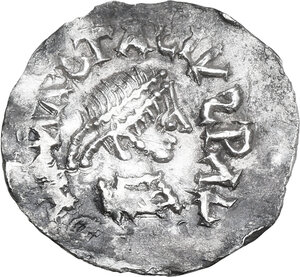
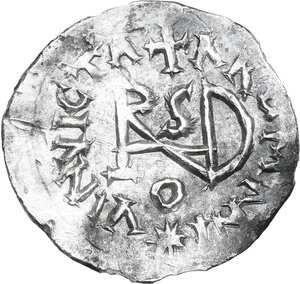
The Gepids. Uncertain king. AR Quarter Siliqua, Sirmium mint, c. 491-517. In the name of Byzantine Emperor Anastasius I (491-518). D/ DN ΛNΛSTΛSIVS P ΛV (partially retrograde). Pearl-diademed and draped bust right. R/ VINVICTA ΛROMΛNI. Large Theoderic monogram; above, cross; below, star. Cf. Demo 69-78; MEC 1, -. AR. 0.83 g. 16 mm. RR. Toned; great example. Small scratch on reverse, otherwise. About EF.
Lotto n. 478
-
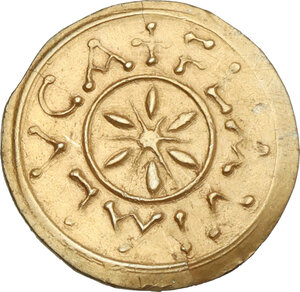
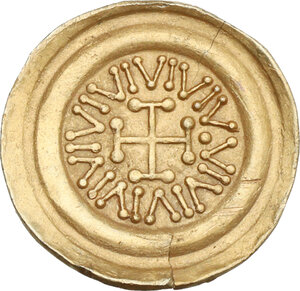
Lombards in Tuscany, Municipal coinage. AV Tremissis, Luca mint, c. 700-750. D/ + FLAVIA LVCA around six-rayed star within circle. R/ •VIVIVIVIVIVIVIVIV around cross potent. Bernareggi 205; BMC Vandals 1; Cf. MEC 1, 319; MIR (Toscana, zecche) 87. AU. 1.38 g. 15.5 mm. RRR. Extremely rare issue and superb example; some flan-cracks, otherwise. About EF.
Lotto n. 479
-
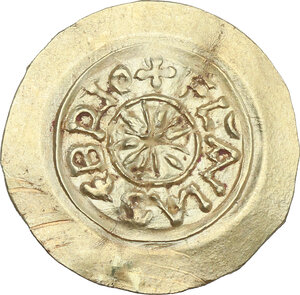
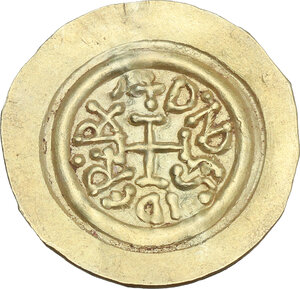
Lombardic Italy. Desiderius (757-774). AV Tremissis, Castelsebrio mint. D/ D•(DS)ЄSIDЄR:(RX). Cross potent. R/ +FLAVIA SЄBRIO. Stellate symbol within circle. Cf. CNI 8; MIR (Lombardia, zecche) 128; Cf. Bernareggi 176; MEC 1, -. AV. 1.05 g. 19 mm. RRR. Very rare. Scratches on obverse and slightly bent flan, otherwise. About EF. The last of the Lombard kings to rule in Italy, Desiderius was not a member of the royal family, but an important officer in the royal court. Upon the death of his predecessor, Aistulf, Desiderius was appointed king. Like his predecessors, Desiderius hoped to expand Lombardic power in Italy, but this policy led to conflict with the papacy and the southern Italian dukedoms, including Benevento and Spoleto, all of whom had been moving closer to the Carolingian sphere of influence. Desiderius was able to exercise control over the southern dukedoms. His attempt to intervene in papal affairs was less successful; his appointee, the Antipope Philip reigned for only a single day. And to achieve a rapprochement with the Carolingians, Desiderius gave his daughter, Desiderata, in marriage to Charlemagne. The marriage lasted only briefly and Desiderata was soon returned to her father. This, combined with Desiderius’ support of Gerberga, the widow of Charlemagne’s brother, Carloman I, resulted in a war between the Carolingians and the Lombards. Desiderius was eventually defeated and forced to retire to a monastery where he died.
Lotto n. 480
-
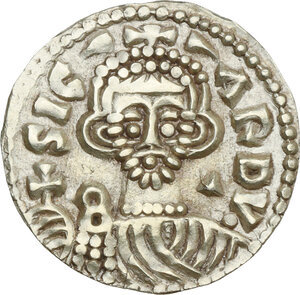
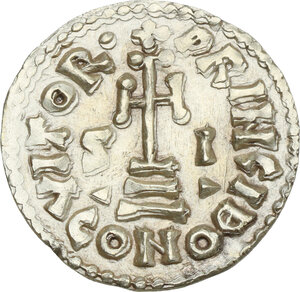
The Lombards at Beneventum. Sicard (832-839). Pale AV Solidus. D/ SIC (wedge) (wedge) ARDV• . Draped bust facing, wearing crown with cross and holding globus cruciger; wedge in right field. R/ VICTOR •+ PRINCI. Cross potent on two steps; S-I, each with wedge beneath, flanking; below, CONOB (B retrograde). BMC Vandals 1-2; CNI XVIII, p. 174, 10; MEC 1, 1108. AV. 3.5 g. 22.5 mm. R. Rare, choice and complete specimen; well centred. EF.
Caricamento altri risultati...