Info & contatti
Catalogo PDF
Le mie offerte
Lotti osservati
Conferimento
Condizioni di vendita
Prezzi di spedizione
Metodi di pagamento
Tabella rilanci
Esito stampabile
Sessione Live 2/5/2026 15:00:00 CET
Greek Coins (1-128)
The Roman Republic (129-289)
The Roman Empire (290-459)
Sessione Live 3/5/2026 15:00:00 CET
Barbaric and Migration Period Coinage (460-480)
The Byzantine Empire (481-563)
Islam (564-567)
Oriente Latino (568-586)
Monete e Medaglie di Zecche Italiane (587-738)
Casa Savoia - Regno di Sardegna - Regno di Italia (739-758)
Medaglie dell’Era Fascista (759-793)
Medaglie Papali (794-813)
Medaglie e Placchette (814-849)
World Coins (850-930)

Risultati: 19
Lotto n. 568
-
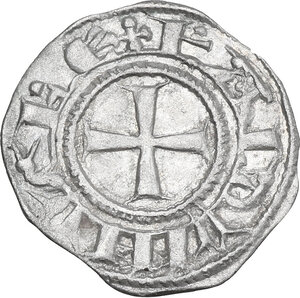
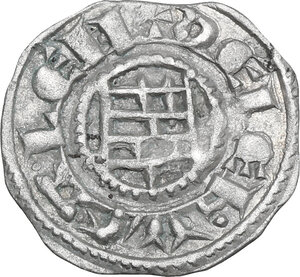
Jerusalem. Baldwin III (1143-1163). BI Obol, fine style 'smooth' series. D/ Patent cross. R/ Tower of David with glacis. Malloy 21; Schl. pl. III, 24; Metcalf 165. BI. 0.43 g. 13 mm. R. Authors suggest that Baldwin III could not be the unique issuing authority. Good VF. EF.
Lotto n. 569
-
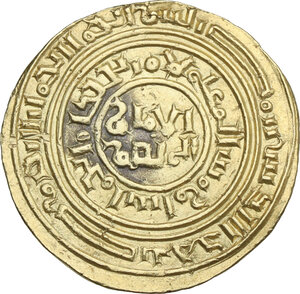
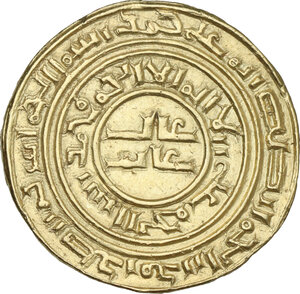
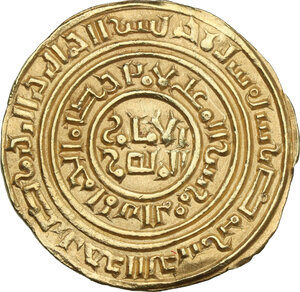
Jerusalem. Baldwin III until the battle of the Horns of Hattin (1187) and the fall of Jerusalem, during the reign of Guy de Lusignan. AV Dinar (Saracenic Bezant), second phase, struck 1148/59-1187. Imitating a Fatimid Dinar of al-Amir Abu ʿAli al-Mansur from Misr mint, undated. D/ Central inscription ʿāl / ghāya’ in two lines; kufic inscription with Kalima around. R/ Central inscription, ‘al-imām / al-Manṣūr’ in two lines; kufic inscription with titles around; mint and date formula in outer margin. BY 27 a-f; Malloy 4; Schl. pl. V, 20. AV. 3.96 g. 22 mm. R. Good VF. This variety is characterized by a notable reduction in style and the legend inscribed in blundered kufic.
Lotto n. 570
-
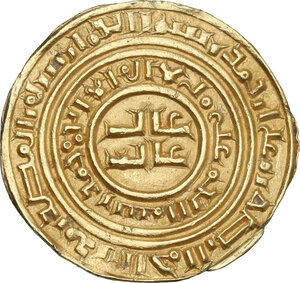
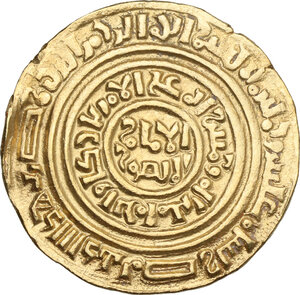
Jerusalem. Baldwin III until the battle of the Horns of Hattin (1187) and the fall of Jerusalem, during the reign of Guy de Lusignan. AV Dinar (Saracenic Bezant), second phase, struck 1148/59-1187. Imitating a Fatimid Dinar of al-Amir Abu ʿAli al-Mansur from Misr mint, dated [5]06 AH. D/ Central inscription ʿāl / ghāya’ in two lines; kufic inscription with Kalima around. R/ Central inscription, ‘al-imām / al-Manṣūr’ in two lines; kufic inscription with titles around; mint and date formula in outer margin. BY 25 var; Malloy 3; Schl. pl. V, 19. AV. 3.74 g. 23 mm. R. Bold details. EF. This variety always features normally legible Kufic legends, always from the Misr mint and in many cases partially or completely dated to the following years 506, 508, 509 and 516.
Lotto n. 571
-
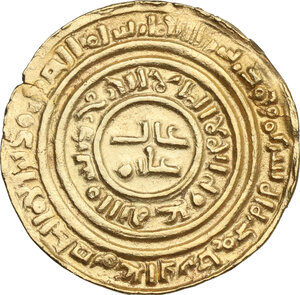
Jerusalem. Baldwin III until the battle of the Horns of Hattin (1187) and the fall of Jerusalem, during the reign of Guy de Lusignan. AV Dinar (Saracenic Bezant), second phase, struck 1148/59-1187. Imitating a Fatimid Dinar of al-Amir Abu ʿAli al-Mansur from Misr mint, dated 51[..] AH. D/ Central inscription ʿāl / ghāya’ in two lines; kufic inscription with Kalima around. R/ Central inscription, ‘al-imām / al-Manṣūr’ in two lines; kufic inscription with titles around; mint and date formula in outer margin. BY 25; Malloy 3; Schl. pl. V, 19. AV. 3.93 g. 22 mm. R. Good VF. Ex CNG Classical Numismatic Group E-389, 18.01.2017, lot 870.
Lotto n. 572
-
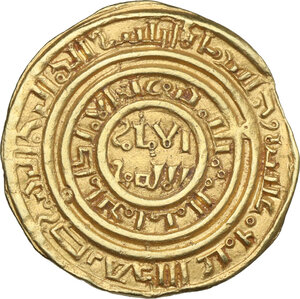
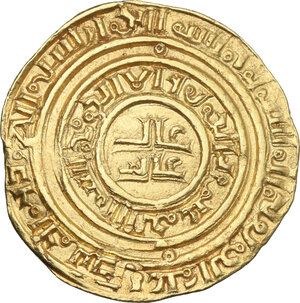
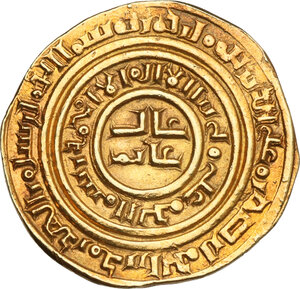
Jerusalem. Baldwin III until the battle of the Horns of Hattin (1187) and the fall of Jerusalem, during the reign of Guy de Lusignan. AV Dinar (Saracenic Bezant), second phase, struck 1148/59-1187. Imitating a Fatimid Dinar of al-Amir Abu ʿAli al-Mansur from Misr mint, dated 51[..] AH. D/ Central inscription ʿāl / ghāya’ in two lines; kufic inscription with Kalima around. R/ Central inscription, ‘al-imām / al-Manṣūr’ in two lines; kufic inscription with titles around; mint and date formula in outer margin. BY 25; Malloy 3; Schl. pl. V, 19. AV. 3.72 g. 21 mm. R. Good VF. Ex Spink 14038, 02.12.2014, lot 296. This variety always features a legible kufic legends, there are however certain omissions in the date and certain words and the religious legends are sometimes incomplete. As Malloy points out, this typology is distinguished from the Acre mintages both by the variation in the monetary alloy, with a high gold content, and by the general higher epigraphic standard. They should therefore be attributed to an unspecified mint, perhaps in Tyre. These usually bears the mint names of Misr, Iskandariya and sometimes al-Qahira, in many cases partially or completely dated to the following years 506, 508, 509, 510, 514/516 and 518.
Lotto n. 573
-
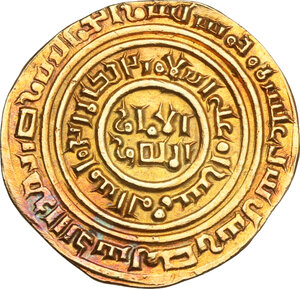
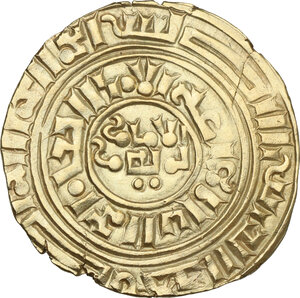
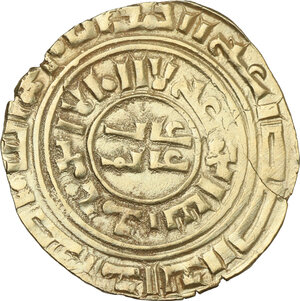
Jerusalem. Baldwin III until the battle of the Horns of Hattin (1187) and the fall of Jerusalem, during the reign of Guy de Lusignan. AV Dinar (Saracenic Bezant), second phase, struck 1148/59-1187. Imitating a Fatimid Dinar of al-Amir Abu ʿAli al-Mansur from Misr mint, dated 516 AH. D/ Central inscription ʿāl / ghāya’ in two lines; kufic inscription with Kalima around. R/ Central inscription, ‘al-imām / al-Manṣūr’ in two lines; kufic inscription with titles around; mint and date formula in outer margin. BY 25; Malloy 3; Schl. pl. V, 19; Album 730. AV. 3.62 g. 22 mm. R. Lovely toning. Good EF. This variety always features normally legible Kufic legends, always from the Misr mint and in many cases partially or completely dated to the following years 506, 508, 509 and 516.
Lotto n. 574
-
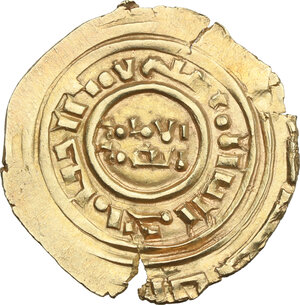
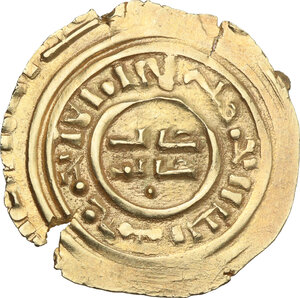
Jerusalem. Baldwin III (1143-1163) and later. AV Dinar (Saracenic Bezant), third phase, struck 1187(?)-1260 or later. Imitating a Fatimid Dinar of al-Amir Abu ʿAli al-Mansur from Misr mint. D/ Central inscription, ‘al-imām / al-Manṣūr’ in two lines; Pseudo-kufic inscription with titles around. R/ Central inscription ʿāl / ghāya’ in two lines, two dots below; Pseudo-kufic inscription with Kalima around. BY 30; Malloy 5d. AV. 3.85 g. 23 mm. Small flan-crack. Good VF/about EF. Aurora Numismatica 12, 13.05.2018, lot 644.
Lotto n. 575
-
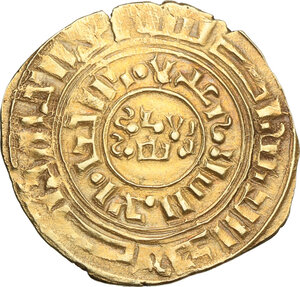
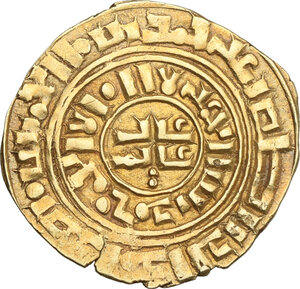
Jerusalem. Baldwin III (1143-1163) and later. AV Dinar (Saracenic Bezant), third phase, struck 1187(?)-1260 or later. Imitating a Fatimid Dinar of al-Amir Abu ʿAli al-Mansur from Misr mint. D/ Central inscription, ‘al-imām / al-Manṣūr’ in two lines; Pseudo-kufic inscription with titles around. R/ Central inscription ʿāl / ghāya’ in two lines, one dot below; Pseudo-kufic inscription with Kalima around. BY 31; Malloy 5e. AV. 3.45 g. 23.5 mm. Striking flaws, otherwise,. EF.
Lotto n. 576
-
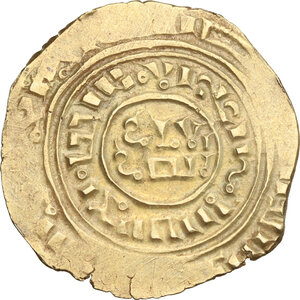
Jerusalem. Baldwin III (1143-1163) and later. AV Dinar (Saracenic Bezant), third phase, struck 1187(?)-1260 or later. Imitating a Fatimid Dinar of al-Amir Abu ʿAli al-Mansur from Misr mint. D/ Central inscription, ‘al-imām / al-Manṣūr’ in two lines; Pseudo-kufic inscription with titles around. R/ Central inscription ʿāl / ghāya’ in two lines, two vertical dots below; Pseudo-kufic inscription with Kalima around. BY 32; Malloy 5f. AV. 3.34 g. 23.5 mm. Warm tone. About EF.
Lotto n. 577
-
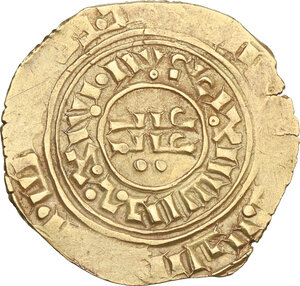
Jerusalem. Baldwin III (1143-1163) and later. AV Dinar (Saracenic Bezant), third phase, struck 1187(?)-1260 or later. Imitating a Fatimid Dinar of al-Amir Abu ʿAli al-Mansur from Misr mint. D/ Central inscription, ‘al-imām / al-Manṣūr’ in two lines; Pseudo-kufic inscription with titles around. R/ Central inscription ʿāl / ghāya’ in two lines, two dots below; Pseudo-kufic inscription with Kalima around. BY 30; Malloy 5d. AV. 3.29 g. 22 mm. Peripheral striking weakness. Good VF.
Lotto n. 578
-
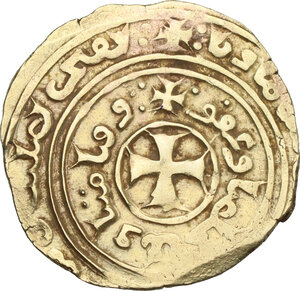
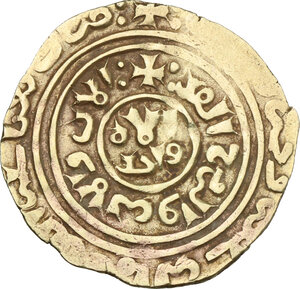
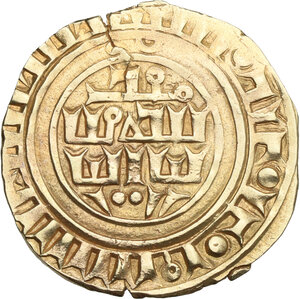
Jerusalem. Christian-Arab AV Dinar (Saracenic Bezant), Acre mint, dated 1253? (Arabic alphanumeric AD date). D/ Large cross pattée; : + : 'and resurrection, and through whom we are delivered and pardoned' in Arabic in inner margin; : + : 'we are glorified in the Cross of Lord Jesus the Messiah in whom we receive our salvation and life' in Arabic in outer margin. R/ 'God and One' in Arabic in two lines; • + • 'the Father, the Son, and the Holy Spirit' in Arabic in inner margin; : + : mint formula and Arabic alphanumeric AD date in outer margin. BY 40; Malloy 6; Schl. pl. V, 27. AV. 2.85 g. 21 mm. RR. Rare type. Slightly weakness, otherwise,. Good VF. The Latin kings of Jerusalem struck imitative debased gold 'besanti sarracenati' modelled on the dinars of the Fatimid caliph al-Amir (1101-1130) from about 1148 until 1250, when they attracted the censure of the papal legate Eudes of Châteauroux, who came to Acre with Louis IX. He found it scandalous that Christians should be striking coins bearing 'the name of Mohamed and the number of years from his nativity'. The designs were promptly changed with a prominent cross and legends in Arabic proclaiming the Christian faith of the Holy Trinity with dates 'from the incarnation of the Messiah', from 1251 to 1258 AD, however, the dates on the outer margins of the coins are usually illegible.
Lotto n. 579
-
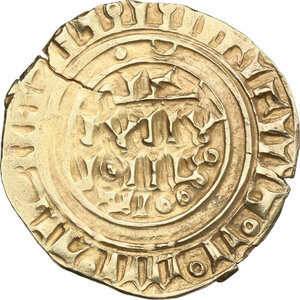
Tripoli. Bohemond IV (1187-1233), Bohemond V (1233-1252), Bohemond VI (1252-1272) and Bohemond VII (1275-1287). AV Dinar (Saracenic Bezant), third phase, after 1187 until 1260 or later. Imitating a Fatimid Dinar of al-Mustansir. D/ Pseudo-kufic inscription with Kalima in four lines, Ali above; pellet and crescent in inner margin. R/ Pseudo-kufic inscription with name and titles of al-Mustansir in three lines, ma'ad above; pellet and crescent in inner margin. BY 7; Malloy 4a; Schl. pl. V, 18. AV. 3.32 g. 23 mm. Hairline flan crack. Good VF.
Lotto n. 580
-
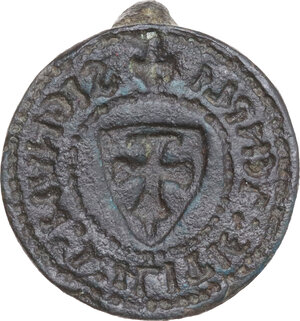
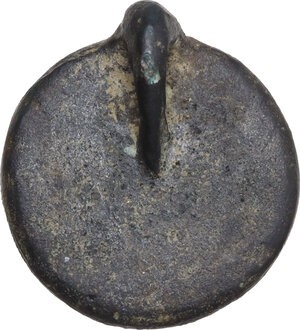
Order of the Poor Knights of Christ. Seal Matrix 'SIGILLUM MILITIE TEMPLI', c. 13th-14th century. D/ Cross fichée. AE. 9.66 g. 25 mm. RRRR. Extremely rare. Original suspension loop . Good VF. Ex Artemide LX, 2023, lot 707. Templar, or simply the Templars, was a military order of the Catholic faith, and one of the wealthiest and most popular military orders in Western Christianity. They were founded c. 1119, headquartered on the Temple Mount in Jerusalem, and existed for nearly two centuries during the Middle Ages. Officially endorsed by the Roman Catholic Church by such decrees as the papal bull Omne datum optimum of Pope Innocent II, the Templars became a favored charity throughout Christendom and grew rapidly in membership and power. The Templar knights, in their distinctive white mantles with a red cross, were among the most skilled fighting units of the Crusades. They were prominent in Christian finance; non-combatant members of the order, who made up as much as 90% of their members, managed a large economic infrastructure throughout Christendom. They developed innovative financial techniques that were an early form of banking, building a network of nearly 1,000 commanderies and fortifications across Europe and the Holy Land, and arguably forming one of the world's earliest multinational corporations.
Lotto n. 581
-
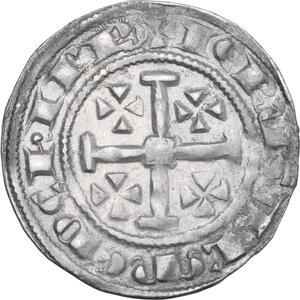
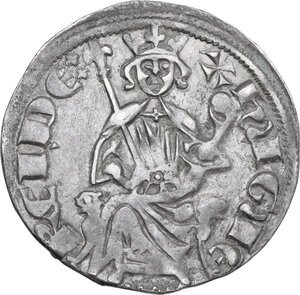
Cyprus. Hugh IV of Lusignan (1324-1359). AR Gros, Famagosta mint. D/ King seated on curule chair, with foreparts of lions at sides, his legs wide apart, cloak open revealing under-garnment, holds scepter in right and crucifer orb in left hand; one crosslet below feet. R/ Cross of Jerusalem. Malloy 67; Schl. pl. VI, 4; Metcalf 733/734. AR. 4.54 g. 26.5 mm. Warm cabinet tone. About EF.
Lotto n. 582
-
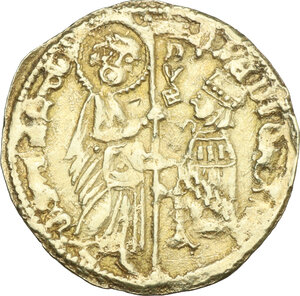
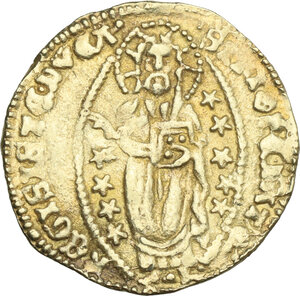
Genoese Colonies. Chios. Filippo Maria Visconti (1421-1436). AV Contemporary imitation of a Zecchino of Venice for the circulation in the Latin East. D/ Saint Mark standing right and Doge kneeling left, holding banner between. R/ Christ standing facing within mandorla containing nine stars. Schl. pl. XIV, 14; Gamb. III 398; Fried. 4. AV. 3.47 g. 22 mm. Good VF.
Lotto n. 583
-
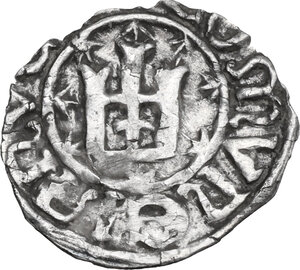
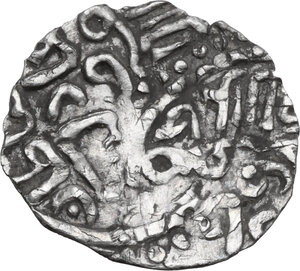
Genoese Colonies. Caffa. AR Tatar Asper, 1419/AH 822. D/ ✠ COMVNE · IANVEM. R/ Al-sultan/ al-`Adil Beq Sufi khan/ khalad Allah mulkahu. Lunardi C 4; Retowski 1. AR. 0.72 g. 17 mm. Good VF.
Lotto n. 584
-
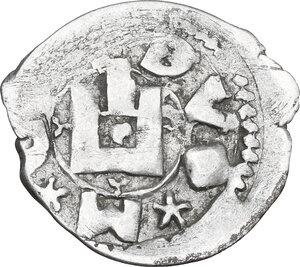
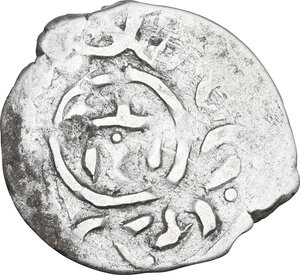
Genoese Colonies. Caffa. Time of Filippo Maria Visconti, the Duke of Milan and Dawlat Berdi Khan of Golden Horde. AR Tatar Asper, 1420-1426. D/ DV&.M.CAF. Genoese castle within dotted circle. R/ Al-Sultan Dawlat Berdi Khan in arabic. Golden Horde tamgha in center. Retowski 83; Lunardi C 25. AR. 0.8 g. 16 mm. VF.
Lotto n. 585
-
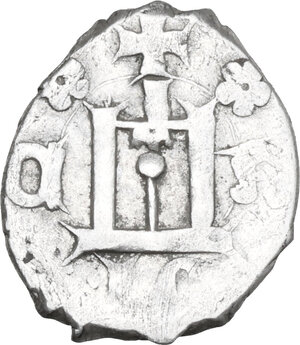
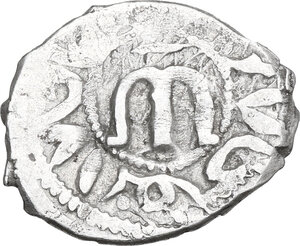
Genoese Colonies. Caffa. AR Tatar Asper, 1441-1466. D/ + CA IC. Genoese castle without border. R/ Arabic. Giray's tamgha within dotted circ in center. Retowski 257; Lunardi C 56. AR. 0.77 g. 14.5 mm. Good VF/VF.
Lotto n. 586
-
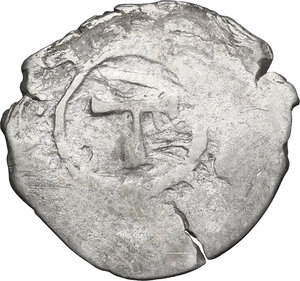
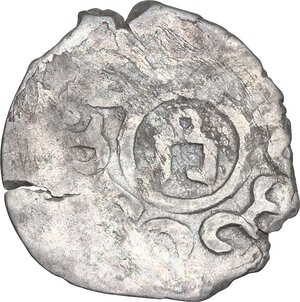
Genoese Colonies. Tana. AR Tatar Asper, 1427-1432. D/ IMPERATOR retrograde. T within simple border. R/ Al-Sultan al-Adl Mokhammed Khan in arabic. Golden Horde tamgha in center. Retowski 1-5; Lunardi C 69. AR. 0.72 g. 14.5 mm. There is two possible authentication: to Tana (modern Azov, and to Theodoro (modern Qrim). VF.
Caricamento altri risultati...