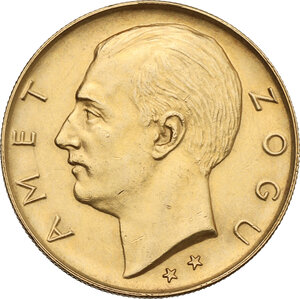
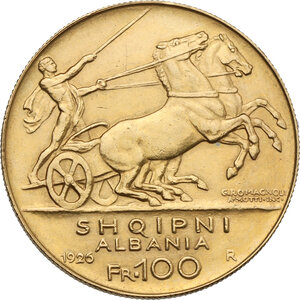
850 - Albania. Amet Zogu. First Republic (1925-1928). 100 Franga Ari 1926 R. KM 11; Fried. 1. AV. 32.26 g. 35 mm. With two stars below the head. Minor marks. EF.
Info & contatti
Catalogo PDF
Le mie offerte
Lotti osservati
Conferimento
Condizioni di vendita
Prezzi di spedizione
Metodi di pagamento
Tabella rilanci
Esito stampabile
Sessione Live 2/5/2026 15:00:00 CET
Greek Coins (1-128)
The Roman Republic (129-289)
The Roman Empire (290-459)
Sessione Live 3/5/2026 15:00:00 CET
Barbaric and Migration Period Coinage (460-480)
The Byzantine Empire (481-563)
Islam (564-567)
Oriente Latino (568-586)
Monete e Medaglie di Zecche Italiane (587-738)
Casa Savoia - Regno di Sardegna - Regno di Italia (739-758)
Medaglie dell’Era Fascista (759-793)
Medaglie Papali (794-813)
Medaglie e Placchette (814-849)
World Coins (850-930)

Risultati: 61
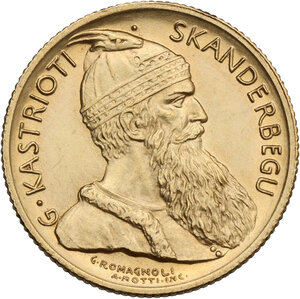
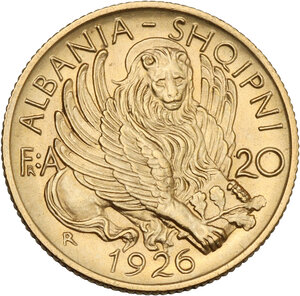
851 - Albania. Amet Zogu. First Republic (1925-1928). 20 Franga Ari 1926 R. KM 12; Fried. 4. AV. 6.44 g. 21 mm. About FDC/FDC.
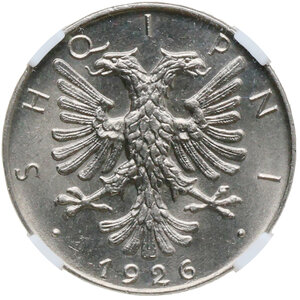
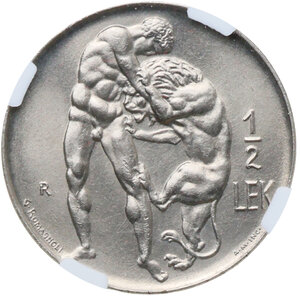
852 - Albania. Amet Zogu. First Republic (1925-1928). NI 1/2 Lek 1926 R, Rome. KM 4. NI. 6.12 g. 24 mm. Encapsulated by Classical Coin Grading MS 63.
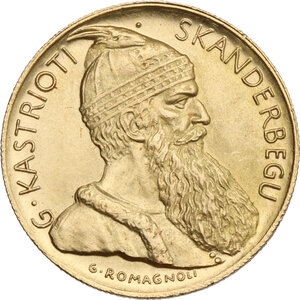
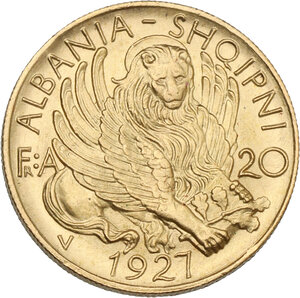
853 - Albania. Amet Zogu. First Republic (1925-1928). 20 Franga Ari 1927 V. KM 12; Fried. 6. AV. 6.45 g. 21.5 mm. FDC.
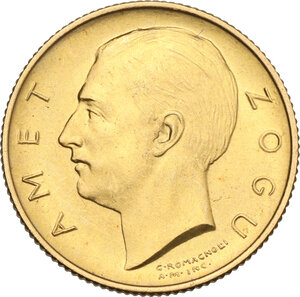
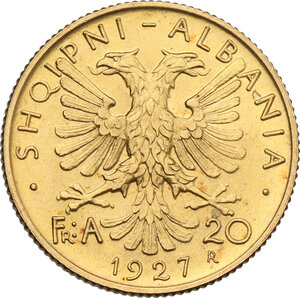
854 - Albania. Amet Zogu. First Republic (1925-1928). 20 Franga Ari 1927 R. KM 12; Fried. 2. AV. 6.44 g. 21 mm. About FDC.
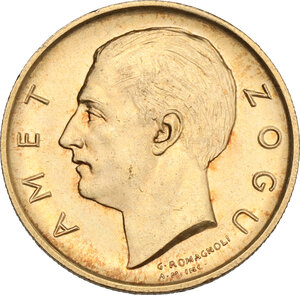
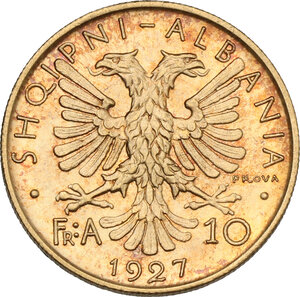
855 - Albania. Amet Zogu. First Republic (1925-1928). 10 Franga Ari 1927 R PROVA. KM Pr 24; Cf. Fried. 3. AV. 3.21 g. 19 mm. RRR. Very rare trial strike, with only 60 specimens minted. About FDC.
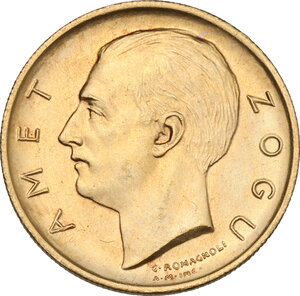
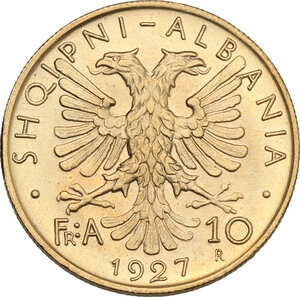
856 - Albania. Amet Zogu. First Republic (1925-1928). 10 Franga Ari 1927 R. KM 9; Fried. 3. AV. 3.18 g. 19 mm. About FDC/FDC.
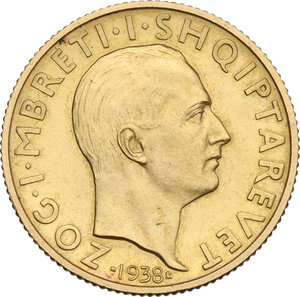
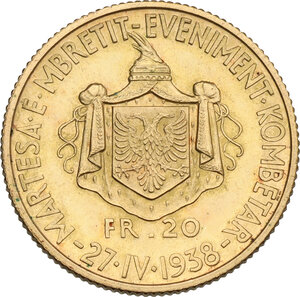
857 - Albania. Zog I (1928-1939). 20 Franga 1938 R. KM 22; Fried. 14. AV. 6.46 g. 21 mm. Mintage of 2500 pieces. About EF.
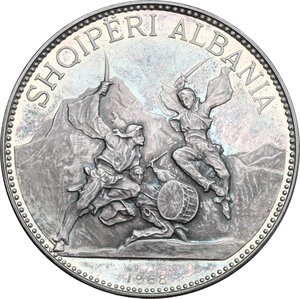
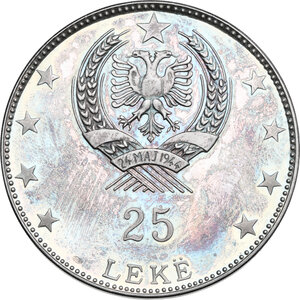
858 - Albania. Socialist Republic (1968-1970). 25 Leke 1968 Skanderbeg's Victory over the Turks. KM 52.1. AR. 83.17 g. 60 mm. Iridescent toning. FDC.
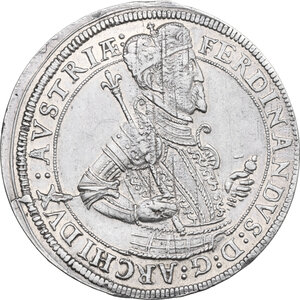
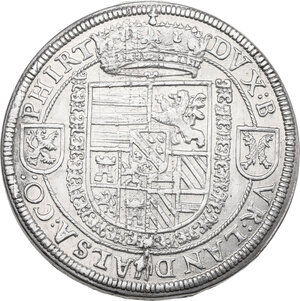
859 - Austria. Erzherzog Ferdinand II (1564-1595). Taler nd (1577-1599), Ensisheim. M&T 571; Dav. 8092. AR. 28.48 g. 41.5 mm. Usual minting defects. Rare variety. Iridescent tone. Good EF. Ex Numismatica Ars Classica (NAC) 136, 2022, lot 453.
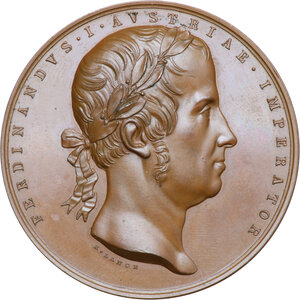
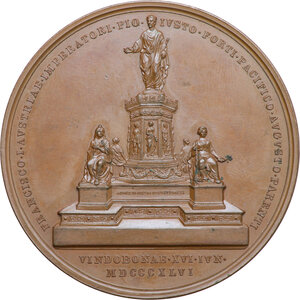
860 - Austria. Ferdinand I (1835-1848). Medal 1846. Monument to Franz I in Vienna. Montenuovo 2625; Hauser 115. AE. 63.72 g. 49 mm. Opus: K. Lange. Bright surfaces. About FDC.
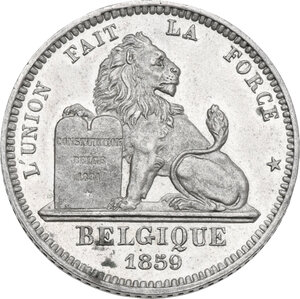
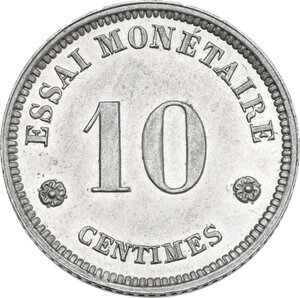
861 - Belgium. Leopold I (1831-1865). 10 Centimes 1859 ESSAI MONETAIRE. KM Pn 53. Nickel-plated copper. 3.96 g. 21 mm. RR. Very rare. FDC.
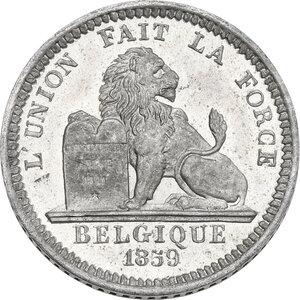
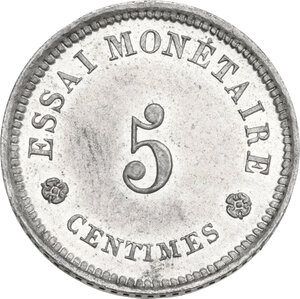
862 - Belgium. Leopold I (1831-1865). 5 Centimes 1859 ESSAI MONETAIRE. Cf. Dupr. 682; KM -. Copper-Nickel. 2.53 g. 18 mm. Lustrous surfaces. Uncirculated. FDC.
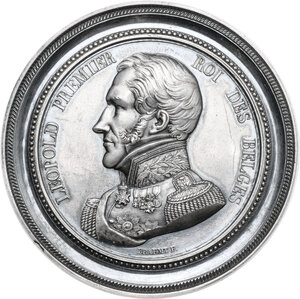
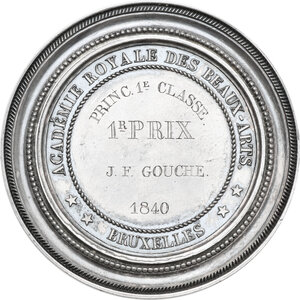
863 - Belgium. Leopold I (1830-1865). Award Medal of the Royal Academy of the Académie Royale des Beaux-Arts in Bruxelles. Engraved award inscription indicating “First Class – First Prize”, awarded to J. F. Gouche in 1840. AR. 43.05 g. 48 mm. Opus: Joseph Pierre Braemt (1796-1864). RR. Very rare in silver. About FDC.
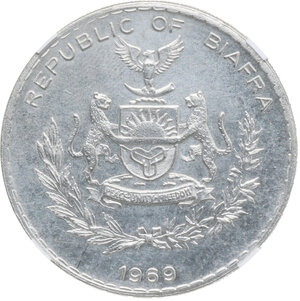
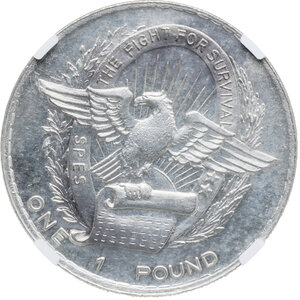
864 - Biafra. Republic (1967-1970). Pound 1969. KM 6. AR. 26.25 g. 37 mm. Die axis 1h. Encapsulated by Classical Coin Grading MS 63.
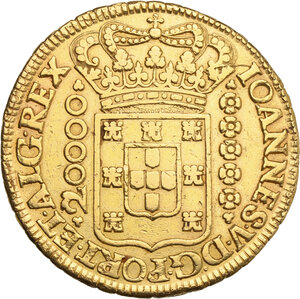
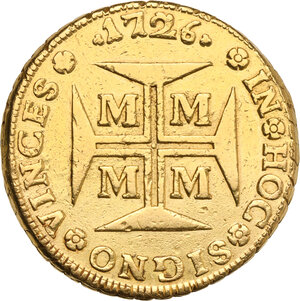
865 - Brazil. Joao V (1706-1750). 20000 Reis 1726, Vila Rica. KM 117. AV. 53.8 g. 38 mm. Contact marks. VF.
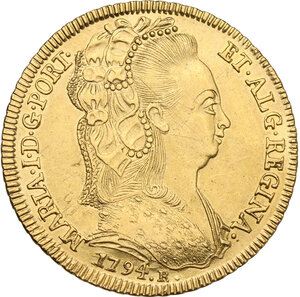
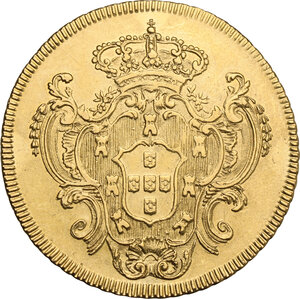
866 - Brazil. Maria I (1786-1799). 6400 Reis 1794 R, Rio de Janeiro. KM 226.1. AV. 14.22 g. 32 mm. Minor weight adjustment marks on obverse. Good EF.
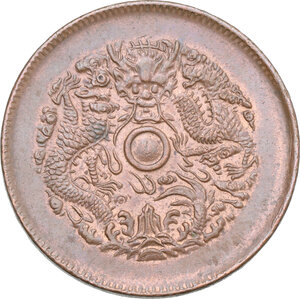
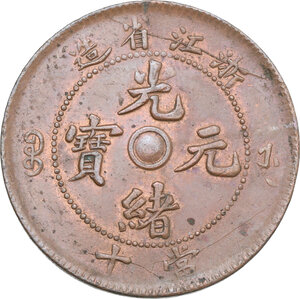
867 - China. Kuang Hsu (1875-1908). Cheh-Kiang Province. AE 10 Cash, ND (1903). Hangchow mint. CL-ZJ.01; KM Y-49. AE. 7.44 g. 28 mm. About FDC/ FDC.
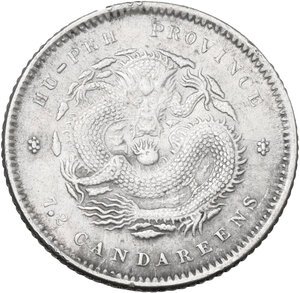
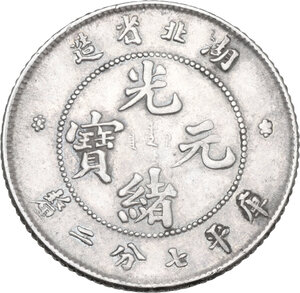
868 - China. Kuang Hsu (1875-1908). Hupeh Province. 7.2 Candareens (10 Cents), ND (1895-1907). Wuchang mint. L&M-185; KM Y-124. AR. 2.68 g. 18.5 mm. EF.
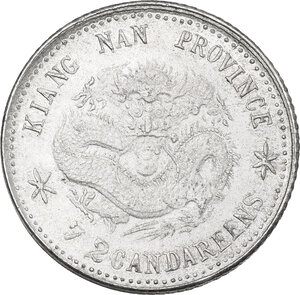
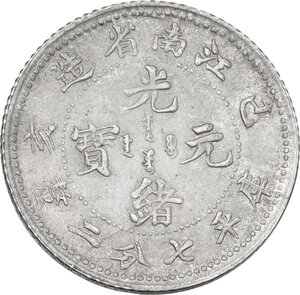
869 - China. Kuang Hsu (1875-1908). Kiangnan Province. AR 7.2 Candareens (10 Cents), CD (1899). Nanking mint. L&M-227A; KM Y-142A.3. AR. 2.67 g. 18.5 mm. Variety with small inner characters and '72'. Struck from somewhat worn obverse die, otherwise,. FDC.
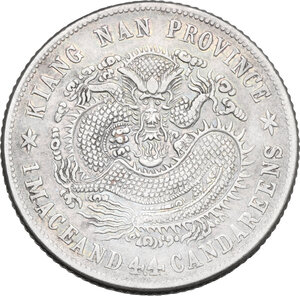
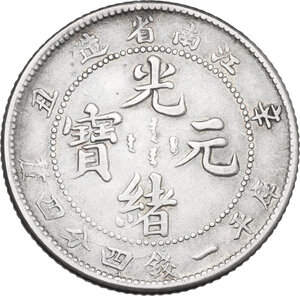
870 - China. Kuang Hsu (1875-1908). Kiangnan Province. AR 1 Mace 4.4 Candareens (20 Cents), CD (1901). Nanking mint. L&M-238; KM Y-143a.6. AR. 5.4 g. 23 mm. Variant with dot between '44'. About EF.
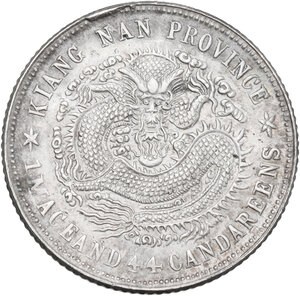
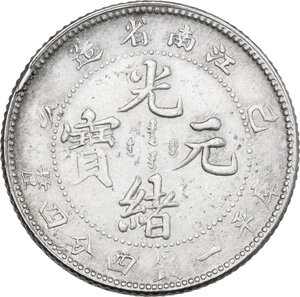
871 - China. Kuang Hsu (1875-1908). Kiangnan Province. AR 1 Mace 4.4 Candareens (20 Cents), CD (1905). Nanking mint. L&M-264; KM Y-143A.12. AR. 5.45 g. 23.5 mm. Variety without initials 'SY' and without dot between '44'. Good EF/ About FDC.
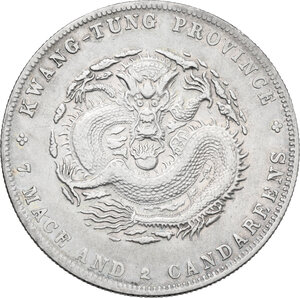
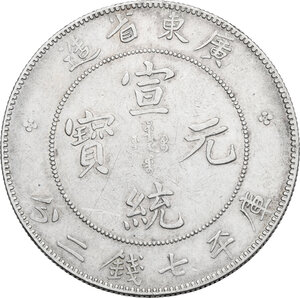
872 - China. Hsuan-t'ung (1908-1912). Kwangtung Province. AR 7 Mace 2 Candareens (Dollar), ND (1909-1911). Kwangtung mint. L&M-138; KM Y-206. AR. 26.8 g. 39 mm. Minor marks. Light golden tone. Good VF/VF.
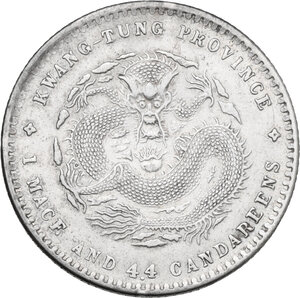
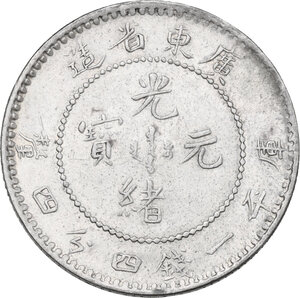
873 - China. Kuang Hsu (1875-1908). Kwangtung Province. AR 1 Mace 4.4 Candareens (20 Cents), ND (1890-1908). Kwangtung mint. L&M-135; KM Y-201. AR. 5.35 g. 23.5 mm. Good EF/ About FDC.
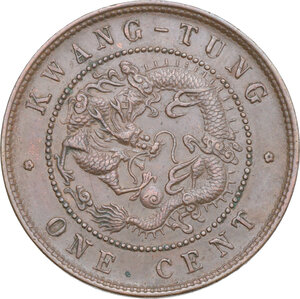
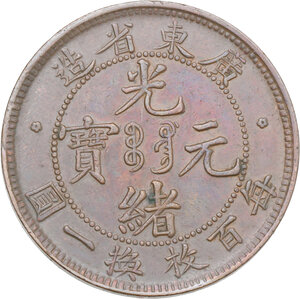
874 - China. Kuang Hsu (1875-1908). Kwantung Province. AE 1 cent (10 cash), ND (1900-1906). CL-KT.02; KM Y-192. AE. 7.46 g. 28 mm. Lovely brown-reddish patina. Good EF.
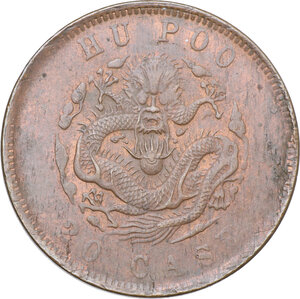
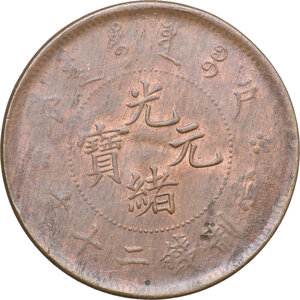
875 - China. Kuang Hsu (1875-1908). Hupoo (Board of Revenue). AE 20 Cash, ND (1903-1905). CL-HB.08; KM Y-5a. AE. 11.95 g. 32 mm. Traces of red copper. Flat strike, otherwise. FDC.
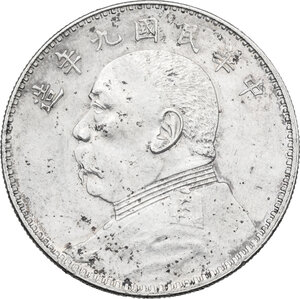
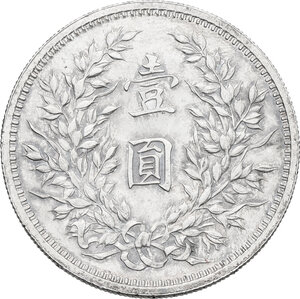
876 - China. Republic. AR Yuan 'Fat Man Dollar type', Year 8 (1919). Shànghǎi Central mint. L&M 76; KM Y-329.6. AR. 26.87 g. 39 mm. About FDC/FDC. Yuan Shikai (1859–1916) was a pivotal military and political leader in late Qing and early Republican China. He served as President of the Republic of China from 1912 and, in 1915, controversially proclaimed himself Emperor of a short-lived Chinese Empire. His attempt to restore monarchy met widespread opposition and was abandoned within months.Yuan’s portrait appears on the famous silver dollar introduced in 1914, commonly known as the “Yuan Shikai Dollar” or “Fat Man Dollar.” The coin became one of the most widely circulated and influential silver issues of early 20th-century China, setting a standard in weight and fineness that facilitated both domestic commerce and international trade.
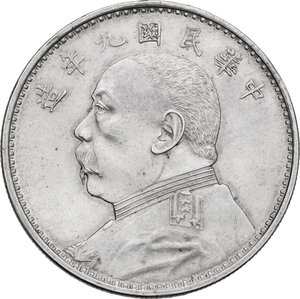
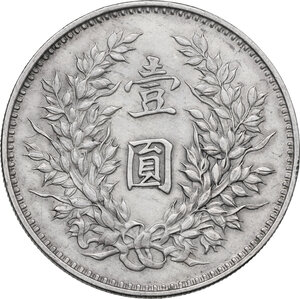
877 - China. Republic. Yuan 'Fat Man Dollar type', Year 9 (1920), Shànghǎi Central mint. L&M 77; KM 329.9. AR. 26.71 g. 39 mm. EF. Yuan Shikai (1859–1916) was a pivotal military and political leader in late Qing and early Republican China. He served as President of the Republic of China from 1912 and, in 1915, controversially proclaimed himself Emperor of a short-lived Chinese Empire. His attempt to restore monarchy met widespread opposition and was abandoned within months. Yuan’s portrait appears on the famous silver dollar introduced in 1914, commonly known as the “Yuan Shikai Dollar” or “Fat Man Dollar.” The coin became one of the most widely circulated and influential silver issues of early 20th-century China, setting a standard in weight and fineness that facilitated both domestic commerce and international trade.
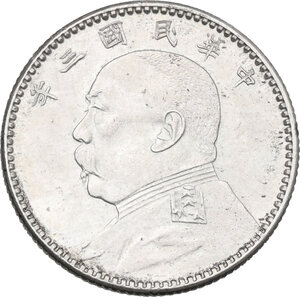
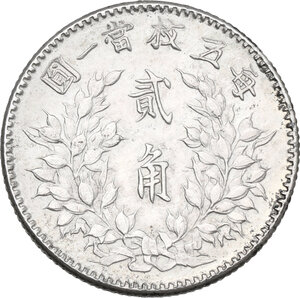
878 - China. Republic. AR 2 Jiao/20 Cents 'Fat Man Dollar type', Year 3 (1914). Shànghǎi Central mint. L&M-65; KM Y-327. AR. 5.39 g. 23 mm. EF.
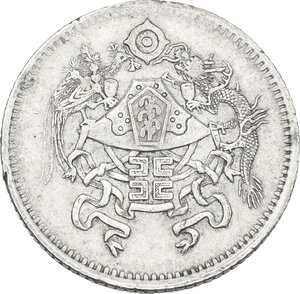
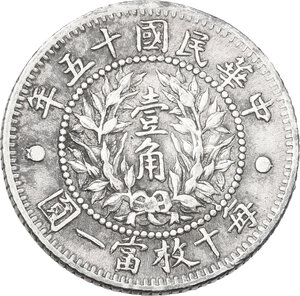
879 - China. Republic. AR 1 Jiao 'Twelve Symbols' type, Year 15 (1926). L&M-83; KM Y-334. AR. 2.67 g. 19 mm. VF.
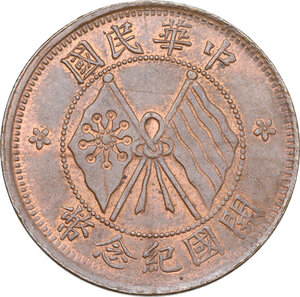
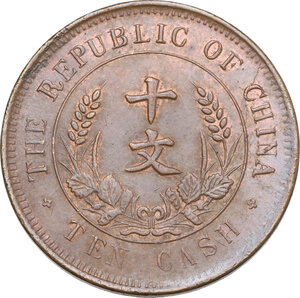
880 - China. Republic. AE 10 Cash, ND (1920) 6th issue. CL-MG.04; KM Y-303. AE. 7.16 g. 29 mm. Lovely red copper areas. About FDC/FDC.
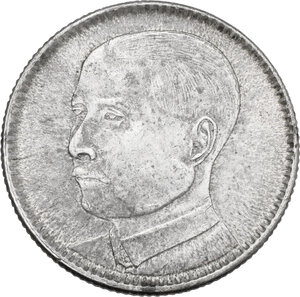
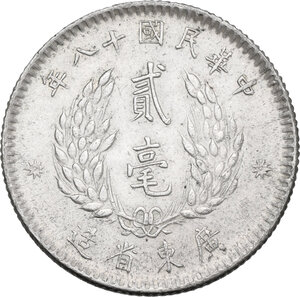
881 - China. Republic. Kwangtung Province. AR 20 Cents, Year 18 (1929). Kwangtung mint. L&M-158; KM Y-426. AR. 5.37 g. 23.5 mm. EF/About FDC.
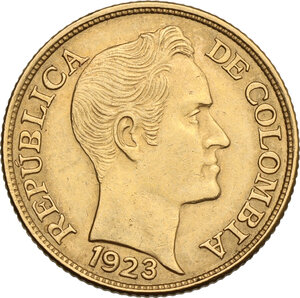
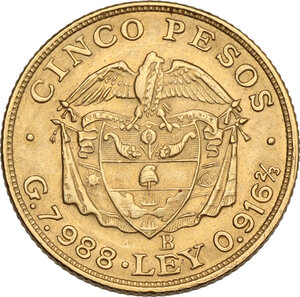
882 - Colombia. Republic (1886- ). 5 Pesos 1923 B. Bogotà. KM 201. AV. 8.05 g. 22 mm. About EF.
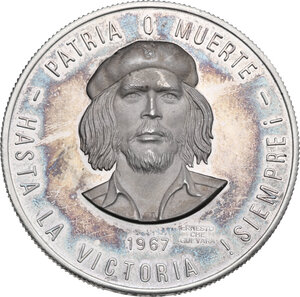
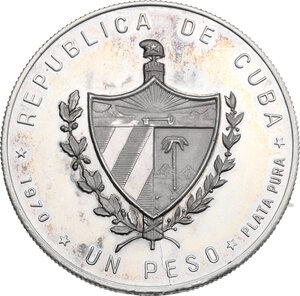
883 - Cuba. 'Ernesto Che Guevara' Medallic Peso 1967 for the 3rd Anniversary of the Death. KM XM31a. AR. 29.73 g. 41 mm. An appreciable, choice commemorative Peso issued by Central de Numismatica y Medallistica de Mexico dressed in a deep argent patina amplifying the raised medallic bust of 'Che' Guevara and the Cuban arms, all tinged by an appealing iridescent tone. FDC-PROOF.
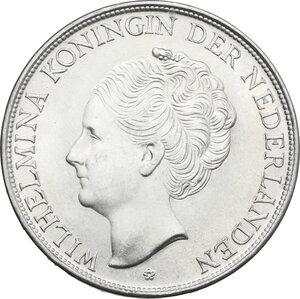
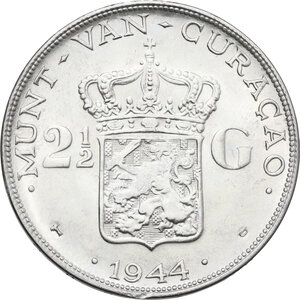
884 - Curacao. Wilhelmina (1890-1948). 2 1/2 Gulden 1944 D, Denver. KM 46. AR. 25 g. 38 mm. Frosty surfaces. Nick on rim on reverse. FDC. Coins issued by the Kingdom of the Netherlands bearing the palm mintmark were struck in the United States of America for circulation in the overseas territories of the Kingdom.
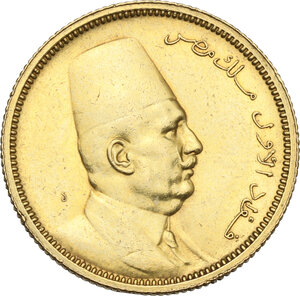
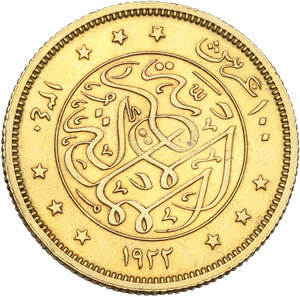
885 - Egypt. Fuad I (AH 1340-1366 / 1922-1936). 100 Quirsh 1340 (1922). KM 341; Fried. 28. AV. 8.48 g. 24 mm. Nick on edge. Good VF.
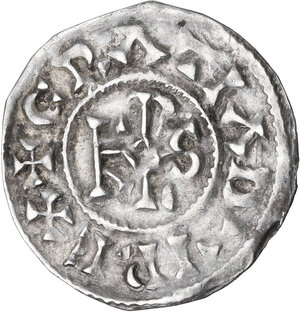
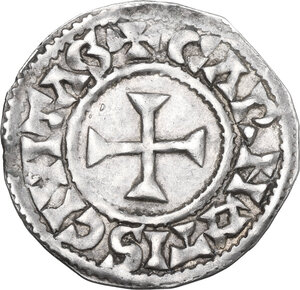
886 - France. Charles the Bald (834-877), Kings of the West Franks. Denier, Class 2nd, 864-877. Carnotis, Charters. Prou 493. M.G. 933; MEC 1, 859. AR. 1.39 g. 20 mm. EF/About EF.
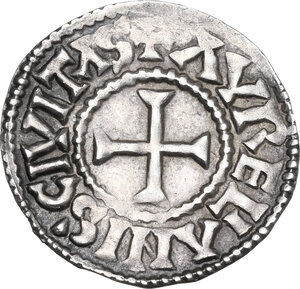
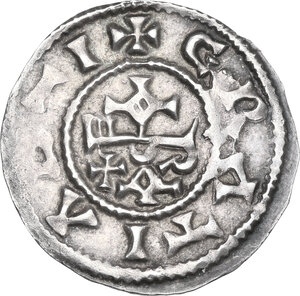
887 - France. Raoul (923-936) King of France. Denier. Postumous issue. Aurelanis, Orlèans. M.G. 1595; Prou 525; MEC 1, 1003. AR. 1.69 g. 20.5 mm. EF.
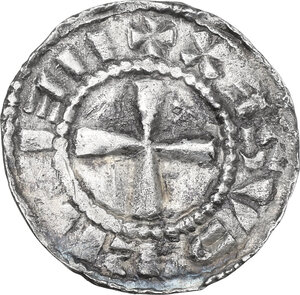
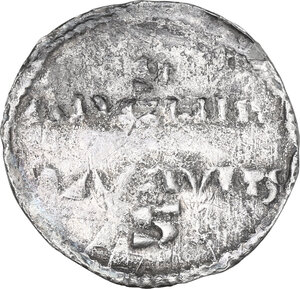
888 - France. Anonymous Bishops (12th-13th century). Denier, Argentina Civitas, Strasbourg mint. Roberts 440/441 n. 53. AR. 1.36 g. 21 mm. RRR. Extremely rare and seldom offered. About EF.
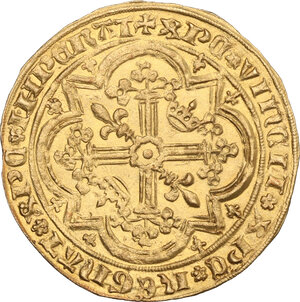
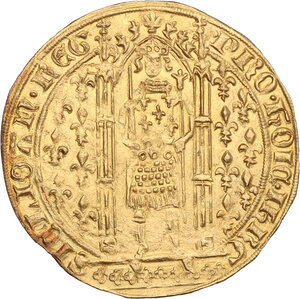
889 - France. Joanna of Naples (1362-1381). Franc a pied, 1368-1374, Avignon. Bd. -; PdA 4010 (90/10). AU. 3.71 g. 30 mm. About EF.
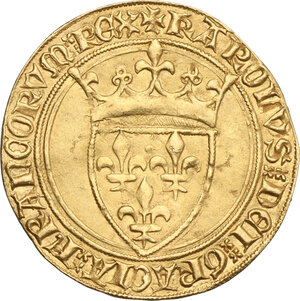
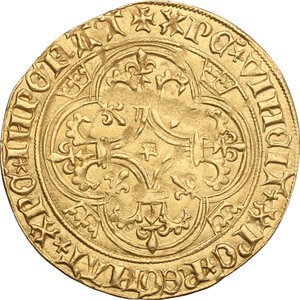
890 - France. Charles VI (1380-1422). Ecu d'or a la couronne, 2nd issue, 1388-1389, uncertain mint. Duplessy 369A; Fried. 291. AU. 3.93 g. 29 mm. Long “O” letters. About EF/EF.
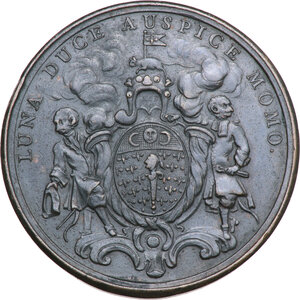
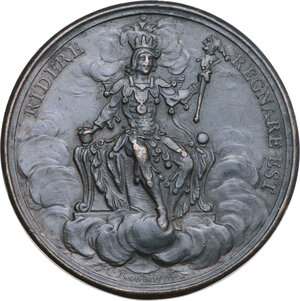
891 - France. John Law (1671-1729). Regiment de la Calotte. Medal, XVIII c. Adams S-3; Betts 66-70, note 3. AE. 39.12 g. 44 mm. Opus: Joseph Charles Roettiers. About EF. This remarkable and humorous medal was long believed to allude to the financial collapse associated with the Scottish adventurer John Law. Modern scholarship, however, identifies it as a satirical issue celebrating the light-hearted carnival brotherhood known as the “Régiment de la Calotte,” a society of witty courtiers active during the reign of Louis XV. The group styled themselves “Lunatics,” devotees of playful satire under the symbolic leadership of Momus. The enduring cultural resonance of Momus is echoed in American tradition, notably in the Mardi Gras celebrations of New Orleans, where the historic Krewe of Momus recalls the same spirit of theatrical raillery.
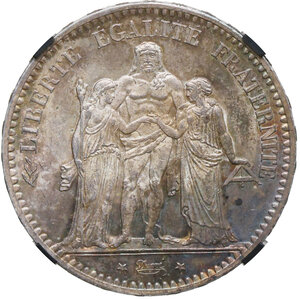
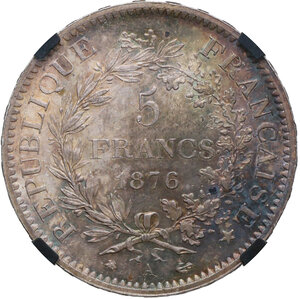
892 - France. Third republic (1870-1940). 5 Francs 1876 A, Paris mint. KM 820.1; Gad. 745a. AR. 25 g. 37 mm. Lovely iridescent tone. FDC. Encapsulated by Classical Coin Grading MS 64.
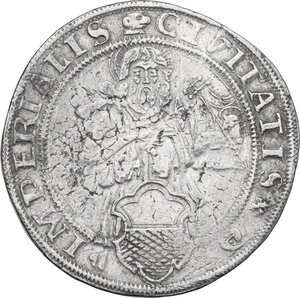
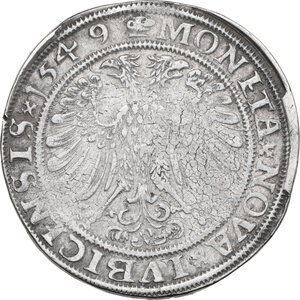
893 - Germany. Lübeck, Imperial City. Taler 1549 with mark of Mayor Anton von Stiten. Davenport 9405; Behrens 94. AR. 28.8 g. 41.5 mm. Metal flaws, otherwise. good VF.
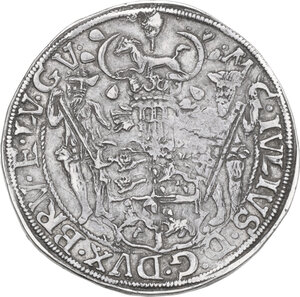
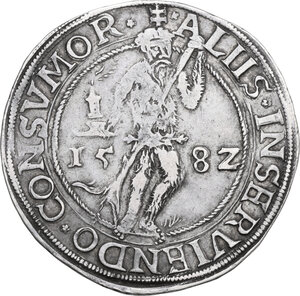
894 - Germany. Braunschweig. Julius (1568-1589). Taler 1582, Goslar. Dav. 9063. AR. 29.16 g. 41 mm. Striking flatness, otherwise. good VF.
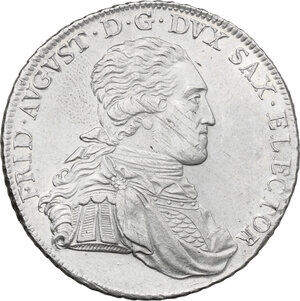
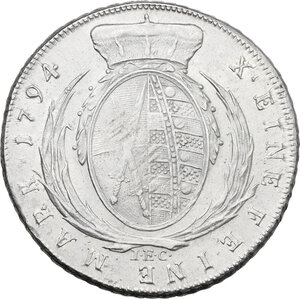
895 - Germany. Electorate of Saxony, Friedrich August III (1763-1806). Taler 1794, Dresden. Dav. 2703. AR. 28 g. 40 mm. Variety with IEC initials on reverse, Johann Ernst Croll, the mintmaster of Dresden mint in 1779-1804. Minor metal flaw, otherwise. FDC.
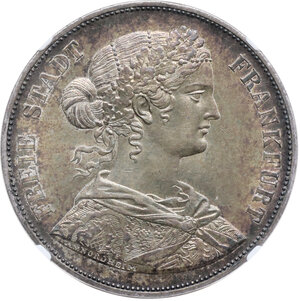
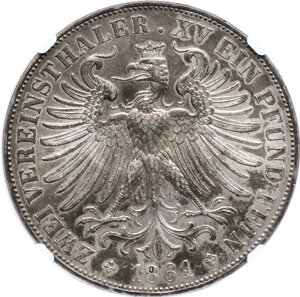
896 - Germany. Free City (1372-1866). 3½ Gulden = 2 Vereinsthaler 1861, Frankfurt am Main. Jaeg. 43; KM 365. AR. 37.04 g. 41 mm. Golden iridescent tone. Encapsulated by NGC MS 61.
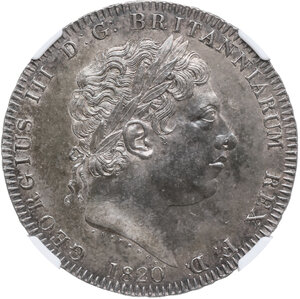
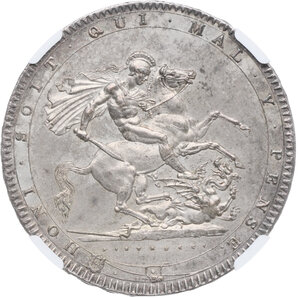
897 - Great Britain. George III (1760-1820). Crown 1820 (LX). London mint. Seaby 3787; KM 675. AR. 28.24 g. 37.6 mm. Cabinet tone. Encapsulated by NGC MS 61.
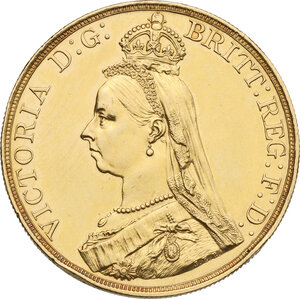
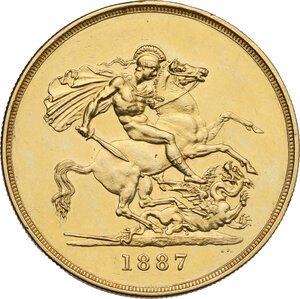
898 - Great Britain. Victoria (1837-1901). 5 Pounds (5 Sovereigns) 1887. Jubilee Bust Type. Royal Mint. Spink 3864; KM 769. AV. 39.99 g. 37 mm. Hairlines. Nick on edge. Field luster. EF.
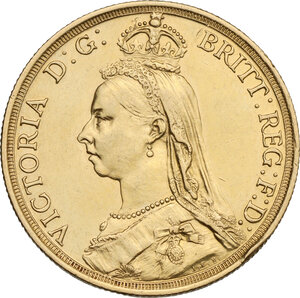
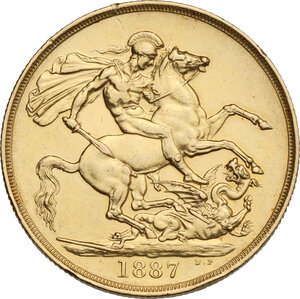
899 - Great Britain. Victoria (1837-1901). 2 Pounds (2 Sovereigns) 1887. Jubilee Head. Royal Mint. Spink 3865; KM 768. AV. 15.93 g. 29.5 mm. Nicks. Good VF.
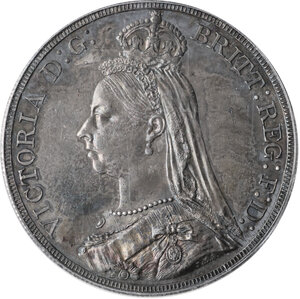
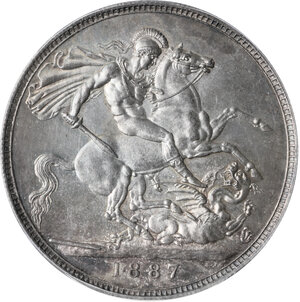
900 - Great Britain. Victoria (1837-1901). 'Golden Jubilee' Crown 1887. Seaby 3921; KM 765. AR. Iridescent toning. Slabbed IGC Grading PR 61.
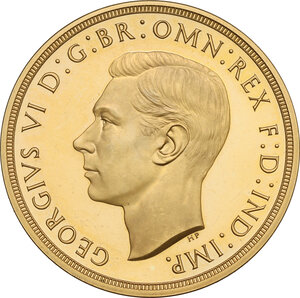
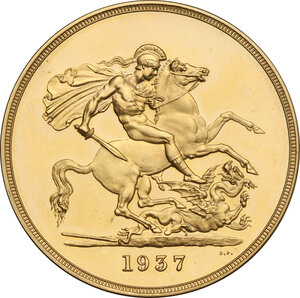
901 - Great Britain. George VI (1936-1952). 5 Pounds (5 Sovereigns) 1937. Royal Mint. Spink 4074; KM 861. AV. 39.98 g. 36 mm. Hairlines. 5500 pcs minted. Struck to commemorate the coronation on 12 May 1937. PROOF CAMEO. Struck to commemorate the coronation on 12 May 1937.
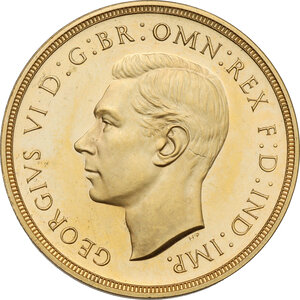
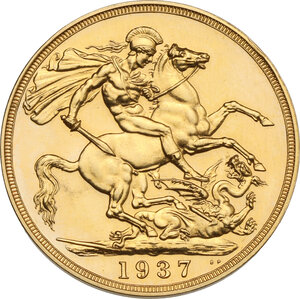
902 - Great Britain. George VI (1936-1952). 2 Pounds (2 Sovereigns) 1937. Royal Mint. Spink 4075; KM 860. AV. 15.96 g. 28.5 mm. Hairlines. Minor nick on rim. 5500 pcs minted. PROOF.
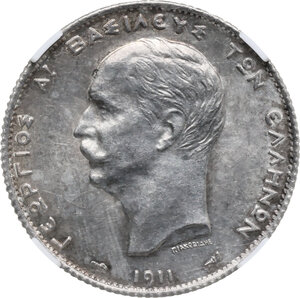
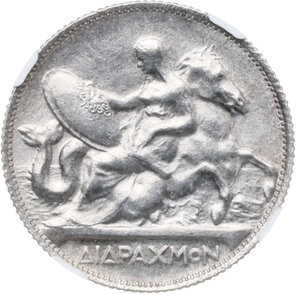
903 - Greece. George I (1863-1913). 2 Drachmai 1911, Paris. Karamitzos 158; KM 61. AR. 10 g. 27 mm. Very high grade of preservation for issue. Light golden tone. Encapsulated by Classical Coin Grading MS 62.
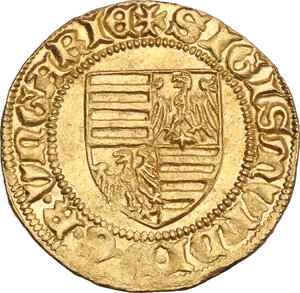
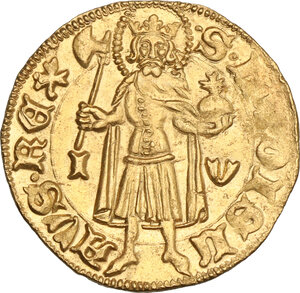
904 - Hungary. Sigismund (1387-1437). Goldgulden I-V. Huszár 572. AV. 3.55 g. 21 mm. Bright surfaces. Minor striking weakness, otherwise. good EF.
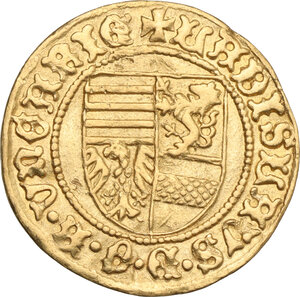
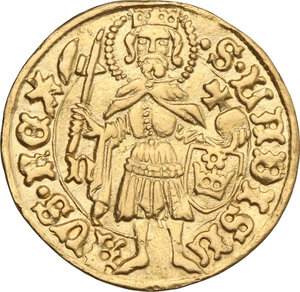
905 - Hungary. Ladislaus V (1453-1457). Goldgulden n-shield with crown and rosette. Huszár 636. AV. 3.4 g. 22 mm. About EF.
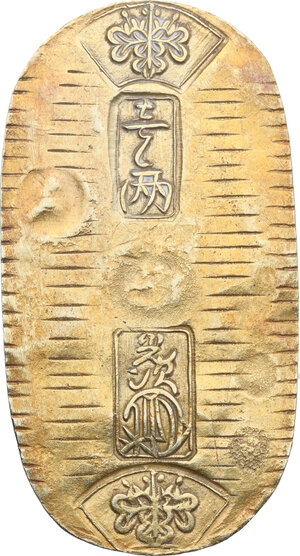
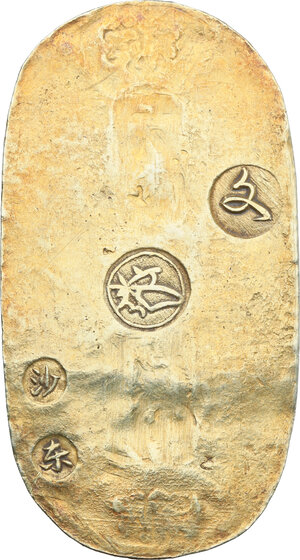
906 - Japan. Bunsei Era (1818-1830). Bunsei Kobon Kin (Bunsei Era Gold Koban). Hartill (Jap.) 8.23. AV. 13.08 g. 60 mm. About EF.
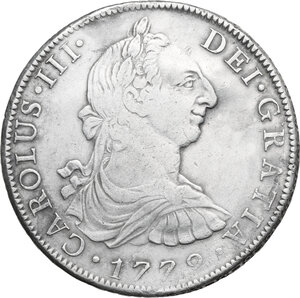
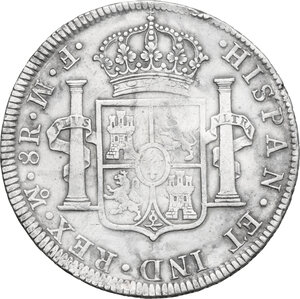
907 - Mexico. Carlos III (1759-1788). 8 Reales 1772, Mo FM, Mexico City. Calicò 1105; KM 106. AR. 26.43 g. 40 mm. Inverted mintmark and assayers. VF.
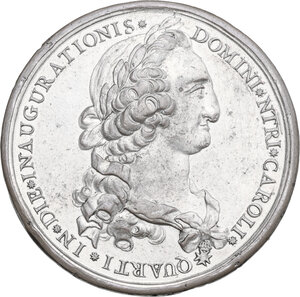
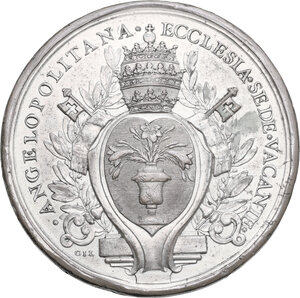
908 - Mexico. Carlos IV (1788-1808), King of Spain. Proclamation Medal. Puebla de Los Ángeles. Ciudad de México (Mexico City) mint. Struck 1789-1790. Medina 226; Tropero 265. Gilt AE. 35.15 g. 42.5 mm. Opus: Geronimo Antonio Gil. EF.
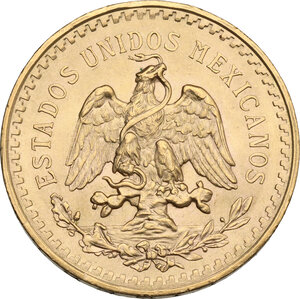
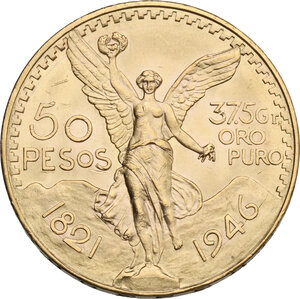
909 - Mexico. Republic (1823- ). 50 Pesos 1946. Mexican Mint. KM. AV. 41.69 g. 37 mm. 481. About FDC.
Caricamento altri risultati...