Banner Naumann 171
Watch:
Starting price: € 40
Current bid: € 45
B.P.: 18.90%
Closing on: 2026-08-02 16:00:00 Roma time
Watch:
Starting price: € 40
Current bid: € 60
B.P.: 18.90%
Closing on: 2026-08-02 16:00:00 Roma time
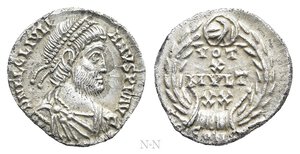
Watch:
Starting price: € 400
B.P.: 18.90%
Closing on: 2026-08-02 16:00:00 Roma time
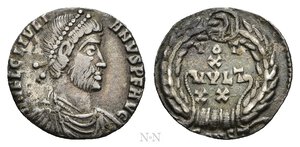
Watch:
Starting price: € 80
B.P.: 18.90%
Closing on: 2026-08-02 16:00:00 Roma time
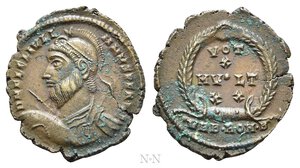
Watch:
Starting price: € 40
B.P.: 18.90%
Closing on: 2026-08-02 16:00:00 Roma time
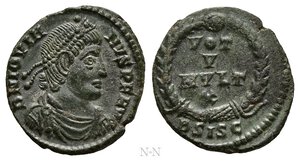
Watch:
Starting price: € 64
B.P.: 18.90%
Closing on: 2026-08-02 16:00:00 Roma time
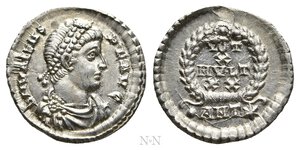
Watch:
Starting price: € 80
Current bid: € 85
B.P.: 18.90%
Closing on: 2026-08-02 16:00:00 Roma time
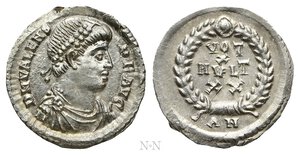
Watch:
Starting price: € 80
Current bid: € 80
B.P.: 18.90%
Closing on: 2026-08-02 16:00:00 Roma time
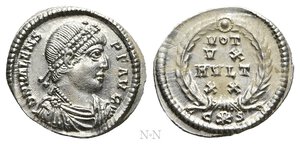
Watch:
Starting price: € 80
Current bid: € 90
B.P.: 18.90%
Closing on: 2026-08-02 16:00:00 Roma time
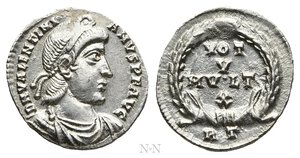
Watch:
Starting price: € 80
B.P.: 18.90%
Closing on: 2026-08-02 16:00:00 Roma time
Watch:
Starting price: € 80
Current bid: € 80
B.P.: 18.90%
Closing on: 2026-08-02 16:00:00 Roma time
Watch:
Starting price: € 40
B.P.: 18.90%
Closing on: 2026-08-02 16:00:00 Roma time
Watch:
Starting price: € 80
B.P.: 18.90%
Closing on: 2026-08-02 16:00:00 Roma time
Watch:
Starting price: € 40
B.P.: 18.90%
Closing on: 2026-08-02 16:00:00 Roma time
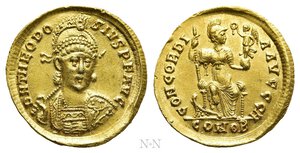
Lot # 735 - THEODOSIUS II (402-450). GOLD Solidus. Constantinople. Obv: D N THEODOSIVS P F AVG. Helmeted and cuirassed bust facing slightly right, holding spear and shield decorated with horseman motif.Rev: CONCORDIA AVGG H / CONOB. Constantinopolis seated facing on throne, head right, with foot set upon prow and holding sceptre and globus surmounted by crowning Victory.RIC 9; Depeyrot 56/2.Theodosius II was proclaimed Augustus at the age of one, but became the ruler of the East only when his father Arcadius died in 408. In fact, however, his mother Aelia Eudoxia was the real ruler, together with the praetorian prefect Anthemius, who had already reigned for Arcadius and distinguished himself for his wisdom and good judgment. The beginning of his reign was marked by peace: relations with the court of Ravenna and with the Persians were good, and important reconstruction works were begun, especially those concerning the new city walls of Constantinople. In 414, however, Anthemius disappeared from court and was replaced by Theodosius II's young sister, Pulcheria, a devout Christian, who began to rule effectively in the East until her brother came of age. She was responsible for the aggressive approach towards the Huns, who represented a new threat to the empire. She also chose to marry her brother to Aelia Eudocia, the daughter of a pagan philosopher from Athens, who was committed to writing religious and secular hymns. Theodosius also enjoyed writing scientific, historical, and theological works, and the court was imbued with a fervent Christian faith. Again on Pulcheria's suggestion, Theodosius attempted to place his cousin Valentinian III on the Western throne and began to reclaim provinces and territories, arguing that the empire should be united. But the Roman Senate, the court of Ravenna with John I, and the army reorganized to protect the West against the claims of Constantinople, enacting laws and launching a campaign in Africa against Bonifatius, loyal to Theodosius II, guilty of having attracted the Vandals of Genseric there. A compromise was reached in Africa, and Theodosius entrusted Valentinian III's mother, Galla Placidia, a woman of undisputed political experience and diplomatic skill, with taking control of the West. This led to the capture of John I in Ravenna and Valentinian III was acclaimed emperor of the West, while Galla Placidia began to establish good relations with both Christians and pagans in an attempt to create a broad consense around her son. Theodosius died in 450 after falling from his horse, before he could implement a series of important initiatives. His reign was marked by a cultural renaissance, during which the famous 'Codex Theodosianus' was compiled to reaffirm the unity of the Roman Empire and lay the foundations for Justinian's future code. Condition: Good very fine.Weight: 4.47 g. Diameter: 20 mm.Estimate: € 1250
Watch:
Starting price: € 1'000
B.P.: 18.90%
Closing on: 2026-08-02 16:00:00 Roma time
Watch:
Starting price: € 40
B.P.: 18.90%
Closing on: 2026-08-02 16:00:00 Roma time
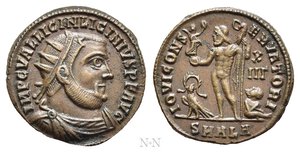
Watch:
Starting price: € 40
B.P.: 18.90%
Closing on: 2026-08-02 16:00:00 Roma time
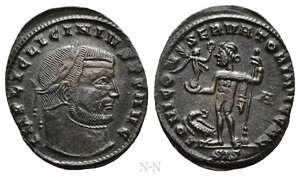
Watch:
Starting price: € 120
Current bid: € 130
B.P.: 18.90%
Closing on: 2026-08-02 16:00:00 Roma time
Watch:
Starting price: € 400
B.P.: 18.90%
Closing on: 2026-08-02 16:00:00 Roma time
Basiliscus & Marcus
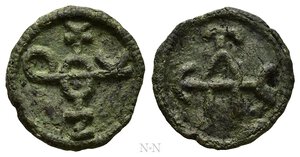
Lot # 740 - BASILISCUS & MARCUS (475-476). Ae. Cyzicus. Obv: Pearl-diademed, draped and cuirassed bust right.Rev: Monogram within wreath.RIC 1034.Very rareMarcus’ association with the throne is attested by the coins, which confirm the few historical sources that have come down to us. The monogram on this bronze piece combines the letters BAS and MAR. Among the few known specimens, only the mintmarks of Cyzicus can be read, but it is not impossible that some examples with illegible mintmarks may have been issued in Constantinople and Nicomedia. Flavius Basiliscus was one of the most controversial and ill‑fated figures of the late Eastern Roman Empire. Born in Cappadocia and connected to the dynasty of Leo I through his sister Verina, he rose quickly within the military hierarchy thanks to his family ties. His early career was successful: he achieved victories against the Bulgars, Goths and Huns, and even attained the consulship. However, his reputation was permanently stained by the disastrous 468 expedition against the Vandals, one of the most expensive military operations in Roman history, which ended in a catastrophic defeat and made him deeply unpopular at court and among the people. Despite this, Basiliscus remained influential. In 475, taking advantage of widespread resentment toward the Isaurian emperor Zeno, he joined a conspiracy that forced Zeno to flee and was proclaimed emperor himself. His reign, however, was short‑lived and marked by unpopular political and religious decisions: he openly supported the Monophysites, alienating Patriarch Acacius and much of the population; he raised taxes to compensate for Zeno’s escape with the imperial treasury; and he favored his own relatives and supporters, provoking resentment even among those who had helped him seize power. Internal tensions soon erupted. Verina, his sister and initial supporter, turned against him after the execution of her lover Patricius. Generals Illus, Trocundus and Armatius also betrayed him, choosing instead to restore Zeno. When the Isaurian army marched on Constantinople, the Senate opened the gates without resistance. Basiliscus tried to take refuge in a church, but was handed over to Zeno. Although he had been promised that his blood would not be shed, he and his family were imprisoned in a cistern in Cappadocia, where they died of hunger and thirst. His reign had lasted barely twenty months. Condition: Near very fine.Weight: 1.10 g. Diameter: 10 mm.Estimate: € 250
Watch:
Starting price: € 200
B.P.: 18.90%
Closing on: 2026-08-02 16:00:00 Roma time
Watch:
Starting price: € 800
B.P.: 18.90%
Closing on: 2026-08-02 16:00:00 Roma time
Watch:
Starting price: € 40
B.P.: 18.90%
Closing on: 2026-08-02 16:00:00 Roma time
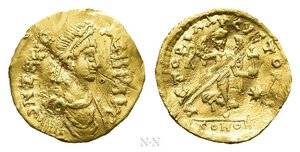
Watch:
Starting price: € 40
B.P.: 18.90%
Closing on: 2026-08-02 16:00:00 Roma time
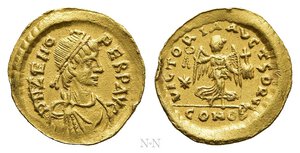
Watch:
Starting price: € 80
B.P.: 18.90%
Closing on: 2026-08-02 16:00:00 Roma time
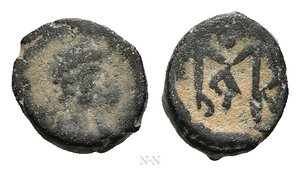
Watch:
Starting price: € 80
Current bid: € 80
B.P.: 18.90%
Closing on: 2026-08-02 16:00:00 Roma time
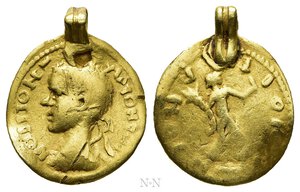
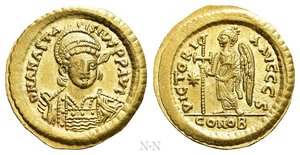
Lot # 746 - ANASTASIUS I (491-518). GOLD Solidus. Constantinople. Obv: D N ANASTASIVS P P AVG. Helmeted and cuirassed bust facing slightly right, holding spear and shield decorated with horseman motif.Rev: VICTORIA AVGGG I / CONOB. Victory standing left, holding jeweled cross; star to right.MIBE 4a; DOC 3i; Sear 3.Anastasius was nicknamed ‘dikoros’ (=two pupils) because of the different color of his eyes. When Zeno died, since he had no living heirs, his widow Ariadne had the difficult choice of appointing a successor to the people, who demanded an orthodox emperor. Ariadne eventually chose Anastasius, about whom we only know that he was a palace official, responsible for maintaining silence during important sacred ceremonies. After Zeno's funeral, Anastasius received the crown from the patriarch, was acclaimed augustus by the crowd in 491, and married Ariadne to legitimize the succession. His main task was to restore Constantinople's finances, which had been severely affected during his predecessor's reign. He managed to balance the budget despite a policy of tax relief, making the people pay less tax, but in cash rather than in kind. This favored the cities but was to the detriment of the people living in the countryside, and in fact many revolts broke out in rural areas. He also revolutionized the tax collection system by introducing the ‘vindices’ and encouraged the return of copper folles, which began to circulate again with a precise value ratio to the gold solidus. Anastasius demonstrated wisdom and competence, and the Byzantine Empire flourished once again. A great amount of money flowed into the state treasury, which favored the work of his successors, particularly Justinian I. With regard to foreign policy, Anastasius reached an agreement with Theodoric, king of the Roman-Barbarian kingdom in Italy, promoting trade that benefited both kingdoms. Despite his undeniable qualities as an administrator, Anastasius was constantly threatened by intrigues and uprisings. He was also engaged in a long war against the Persians (502-506), which ended with a peace treaty and the construction of the Anastasian Wall to defend Constantinople along the Propontis and the Black Sea. However, the internal situation was more delicate. The emperor was not orthodox, as the people had asked Ariadne, but a convinced Monophysite, and he attracted much dissent, partly because he contributed to distancing the Eastern Church from that of Rome by interfering in the nomination of the new pope. The discontent led to a civil war (513-515) with the insurrection of Vitalian at the head of the Isaurians, who was eventually defeated by the general Marinus of Syria. Anastasius died in 518 at the age of almost ninety, but left no children to succeed him to the throne. Condition: Extremely fine.Weight: 4.43 g. Diameter: 20 mm.Estimate: € 1000
Watch:
Starting price: € 800
B.P.: 18.90%
Closing on: 2026-08-02 16:00:00 Roma time
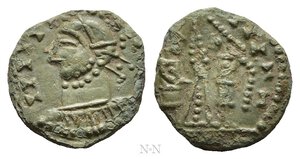
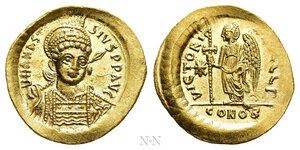
Lot # 747 - ANASTASIUS I (491-518). GOLD Solidus. Constantinople. Obv: D N ANASTASIVS P P AVG. Helmeted and cuirassed bust facing slightly right, holding spear and shield decorated with horseman motif.Rev: VICTORIA AVGGG S / CONOB. Victory standing left, holding long staff surmounted by reversed staurogram; star to left.MIBE 7; DOC 7f; Sear 5.Anastasius was nicknamed ‘dikoros’ (=two pupils) because of the different color of his eyes. When Zeno died, since he had no living heirs, his widow Ariadne had the difficult choice of appointing a successor to the people, who demanded an orthodox emperor. Ariadne eventually chose Anastasius, about whom we only know that he was a palace official, responsible for maintaining silence during important sacred ceremonies. After Zeno's funeral, Anastasius received the crown from the patriarch, was acclaimed augustus by the crowd in 491, and married Ariadne to legitimize the succession. His main task was to restore Constantinople's finances, which had been severely affected during his predecessor's reign. He managed to balance the budget despite a policy of tax relief, making the people pay less tax, but in cash rather than in kind. This favored the cities but was to the detriment of the people living in the countryside, and in fact many revolts broke out in rural areas. He also revolutionized the tax collection system by introducing the ‘vindices’ and encouraged the return of copper folles, which began to circulate again with a precise value ratio to the gold solidus. Anastasius demonstrated wisdom and competence, and the Byzantine Empire flourished once again. A great amount of money flowed into the state treasury, which favored the work of his successors, particularly Justinian I. With regard to foreign policy, Anastasius reached an agreement with Theodoric, king of the Roman-Barbarian kingdom in Italy, promoting trade that benefited both kingdoms. Despite his undeniable qualities as an administrator, Anastasius was constantly threatened by intrigues and uprisings. He was also engaged in a long war against the Persians (502-506), which ended with a peace treaty and the construction of the Anastasian Wall to defend Constantinople along the Propontis and the Black Sea. However, the internal situation was more delicate. The emperor was not orthodox, as the people had asked Ariadne, but a convinced Monophysite, and he attracted much dissent, partly because he contributed to distancing the Eastern Church from that of Rome by interfering in the nomination of the new pope. The discontent led to a civil war (513-515) with the insurrection of Vitalian at the head of the Isaurians, who was eventually defeated by the general Marinus of Syria. Anastasius died in 518 at the age of almost ninety, but left no children to succeed him to the throne. Condition: Very fine.Weight: 4.50 g. Diameter: 22 mm.Estimate: € 900
Watch:
Starting price: € 720
B.P.: 18.90%
Closing on: 2026-08-02 16:00:00 Roma time
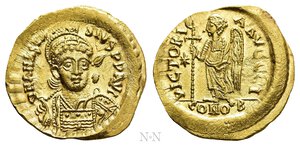
Lot # 748 - ANASTASIUS I (491-518). GOLD Solidus. Constantinople. Obv: D N ANASTASIVS P P AVG. Helmeted and cuirassed bust facing slightly right, holding spear and shield decorated with horseman motif.Rev: VICTORIA AVGGG Γ / CONOB. Victory standing left, holding long staff surmounted by reversed staurogram; star to left.MIBE 7; DOC 7c; Sear 5.Anastasius was nicknamed ‘dikoros’ (=two pupils) because of the different color of his eyes. When Zeno died, since he had no living heirs, his widow Ariadne had the difficult choice of appointing a successor to the people, who demanded an orthodox emperor. Ariadne eventually chose Anastasius, about whom we only know that he was a palace official, responsible for maintaining silence during important sacred ceremonies. After Zeno's funeral, Anastasius received the crown from the patriarch, was acclaimed augustus by the crowd in 491, and married Ariadne to legitimize the succession. His main task was to restore Constantinople's finances, which had been severely affected during his predecessor's reign. He managed to balance the budget despite a policy of tax relief, making the people pay less tax, but in cash rather than in kind. This favored the cities but was to the detriment of the people living in the countryside, and in fact many revolts broke out in rural areas. He also revolutionized the tax collection system by introducing the ‘vindices’ and encouraged the return of copper folles, which began to circulate again with a precise value ratio to the gold solidus. Anastasius demonstrated wisdom and competence, and the Byzantine Empire flourished once again. A great amount of money flowed into the state treasury, which favored the work of his successors, particularly Justinian I. With regard to foreign policy, Anastasius reached an agreement with Theodoric, king of the Roman-Barbarian kingdom in Italy, promoting trade that benefited both kingdoms. Despite his undeniable qualities as an administrator, Anastasius was constantly threatened by intrigues and uprisings. He was also engaged in a long war against the Persians (502-506), which ended with a peace treaty and the construction of the Anastasian Wall to defend Constantinople along the Propontis and the Black Sea. However, the internal situation was more delicate. The emperor was not orthodox, as the people had asked Ariadne, but a convinced Monophysite, and he attracted much dissent, partly because he contributed to distancing the Eastern Church from that of Rome by interfering in the nomination of the new pope. The discontent led to a civil war (513-515) with the insurrection of Vitalian at the head of the Isaurians, who was eventually defeated by the general Marinus of Syria. Anastasius died in 518 at the age of almost ninety, but left no children to succeed him to the throne. Condition: Mint State.Weight: 4.50 g. Diameter: 21 mm.Estimate: € 850
Watch:
Starting price: € 680
B.P.: 18.90%
Closing on: 2026-08-02 16:00:00 Roma time
Lot # 749 - ANASTASIUS I (491-518). GOLD Solidus. Constantinople. Obv: D N ANASTASIVS P P AVG. Helmeted and cuirassed bust facing slightly right, holding spear and shield decorated with horseman motif.Rev: VICTORIA AVGGG I / CONOB. Victory standing left, holding long staff surmounted by reversed staurogram; star to left.MIBE 7; DOC 7j; Sear 5.Anastasius was nicknamed ‘dikoros’ (=two pupils) because of the different color of his eyes. When Zeno died, since he had no living heirs, his widow Ariadne had the difficult choice of appointing a successor to the people, who demanded an orthodox emperor. Ariadne eventually chose Anastasius, about whom we only know that he was a palace official, responsible for maintaining silence during important sacred ceremonies. After Zeno's funeral, Anastasius received the crown from the patriarch, was acclaimed augustus by the crowd in 491, and married Ariadne to legitimize the succession. His main task was to restore Constantinople's finances, which had been severely affected during his predecessor's reign. He managed to balance the budget despite a policy of tax relief, making the people pay less tax, but in cash rather than in kind. This favored the cities but was to the detriment of the people living in the countryside, and in fact many revolts broke out in rural areas. He also revolutionized the tax collection system by introducing the ‘vindices’ and encouraged the return of copper folles, which began to circulate again with a precise value ratio to the gold solidus. Anastasius demonstrated wisdom and competence, and the Byzantine Empire flourished once again. A great amount of money flowed into the state treasury, which favored the work of his successors, particularly Justinian I. With regard to foreign policy, Anastasius reached an agreement with Theodoric, king of the Roman-Barbarian kingdom in Italy, promoting trade that benefited both kingdoms. Despite his undeniable qualities as an administrator, Anastasius was constantly threatened by intrigues and uprisings. He was also engaged in a long war against the Persians (502-506), which ended with a peace treaty and the construction of the Anastasian Wall to defend Constantinople along the Propontis and the Black Sea. However, the internal situation was more delicate. The emperor was not orthodox, as the people had asked Ariadne, but a convinced Monophysite, and he attracted much dissent, partly because he contributed to distancing the Eastern Church from that of Rome by interfering in the nomination of the new pope. The discontent led to a civil war (513-515) with the insurrection of Vitalian at the head of the Isaurians, who was eventually defeated by the general Marinus of Syria. Anastasius died in 518 at the age of almost ninety, but left no children to succeed him to the throne. Condition: Near uncirculated.Weight: 4.45 g. Diameter: 21 mm.Estimate: € 850
Watch:
Starting price: € 680
B.P.: 18.90%
Closing on: 2026-08-02 16:00:00 Roma time
Watch:
Starting price: € 40
B.P.: 18.90%
Closing on: 2026-08-02 16:00:00 Roma time
Watch:
Starting price: € 40
B.P.: 18.90%
Closing on: 2026-08-02 16:00:00 Roma time
Watch:
Starting price: € 120
B.P.: 18.90%
Closing on: 2026-08-02 16:00:00 Roma time
Watch:
Starting price: € 100
B.P.: 18.90%
Closing on: 2026-08-02 16:00:00 Roma time
Watch:
Starting price: € 600
Current bid: € 600
B.P.: 18.90%
Closing on: 2026-08-02 16:00:00 Roma time
Watch:
Starting price: € 600
Current bid: € 625
B.P.: 18.90%
Closing on: 2026-08-02 16:00:00 Roma time
Watch:
Starting price: € 40
B.P.: 18.90%
Closing on: 2026-08-02 16:00:00 Roma time
Watch:
Starting price: € 40
Current bid: € 45
B.P.: 18.90%
Closing on: 2026-08-02 16:00:00 Roma time
Watch:
Starting price: € 40
B.P.: 18.90%
Closing on: 2026-08-02 16:00:00 Roma time
Watch:
Starting price: € 200
Current bid: € 200
B.P.: 18.90%
Closing on: 2026-08-02 16:00:00 Roma time
Watch:
Starting price: € 40
B.P.: 18.90%
Closing on: 2026-08-02 16:00:00 Roma time
Watch:
Starting price: € 40
B.P.: 18.90%
Closing on: 2026-08-02 16:00:00 Roma time
Watch:
Starting price: € 40
B.P.: 18.90%
Closing on: 2026-08-02 16:00:00 Roma time
Watch:
Starting price: € 80
Current bid: € 85
B.P.: 18.90%
Closing on: 2026-08-02 16:00:00 Roma time
Watch:
Starting price: € 40
B.P.: 18.90%
Closing on: 2026-08-02 16:00:00 Roma time
Watch:
Starting price: € 400
Current bid: € 400
B.P.: 18.90%
Closing on: 2026-08-02 16:00:00 Roma time
Watch:
Starting price: € 400
Current bid: € 400
B.P.: 18.90%
Closing on: 2026-08-02 16:00:00 Roma time
Watch:
Starting price: € 40
Current bid: € 40
B.P.: 18.90%
Closing on: 2026-08-02 16:00:00 Roma time
Watch:
Starting price: € 40
B.P.: 18.90%
Closing on: 2026-08-02 16:00:00 Roma time
Watch:
Starting price: € 80
B.P.: 18.90%
Closing on: 2026-08-02 16:00:00 Roma time
Watch:
Starting price: € 160
Current bid: € 180
B.P.: 18.90%
Closing on: 2026-08-02 16:00:00 Roma time
Watch:
Starting price: € 160
Current bid: € 160
B.P.: 18.90%
Closing on: 2026-08-02 16:00:00 Roma time
Watch:
Starting price: € 160
Current bid: € 160
B.P.: 18.90%
Closing on: 2026-08-02 16:00:00 Roma time
Watch:
Starting price: € 40
B.P.: 18.90%
Closing on: 2026-08-02 16:00:00 Roma time
Watch:
Starting price: € 40
B.P.: 18.90%
Closing on: 2026-08-02 16:00:00 Roma time
Watch:
Starting price: € 40
B.P.: 18.90%
Closing on: 2026-08-02 16:00:00 Roma time
Watch:
Starting price: € 40
B.P.: 18.90%
Closing on: 2026-08-02 16:00:00 Roma time
Watch:
Starting price: € 40
B.P.: 18.90%
Closing on: 2026-08-02 16:00:00 Roma time
Watch:
Starting price: € 40
B.P.: 18.90%
Closing on: 2026-08-02 16:00:00 Roma time
Watch:
Starting price: € 40
B.P.: 18.90%
Closing on: 2026-08-02 16:00:00 Roma time
Watch:
Starting price: € 40
B.P.: 18.90%
Closing on: 2026-08-02 16:00:00 Roma time