Info & contatti
Catalogo PDF
Le mie offerte
Lotti osservati
Conferimento
Condizioni di vendita
Prezzi di spedizione
Metodi di pagamento
Tabella rilanci
Esito stampabile
Sessione Live 2/5/2026 15:00:00 CET
Greek Coins (1-128)
The Roman Republic (129-289)
The Roman Empire (290-459)
Sessione Live 3/5/2026 15:00:00 CET
Barbaric and Migration Period Coinage (460-480)
The Byzantine Empire (481-563)
Islam (564-567)
Oriente Latino (568-586)
Monete e Medaglie di Zecche Italiane (587-738)
Casa Savoia - Regno di Sardegna - Regno di Italia (739-758)
Medaglie dell’Era Fascista (759-793)
Medaglie Papali (794-813)
Medaglie e Placchette (814-849)
World Coins (850-930)

Constantine XI (1448-1453).. AR Quarter-Hyperpyron or Half Stavraton. Constantinople mint
The Last Reigning Byzantine Emperor
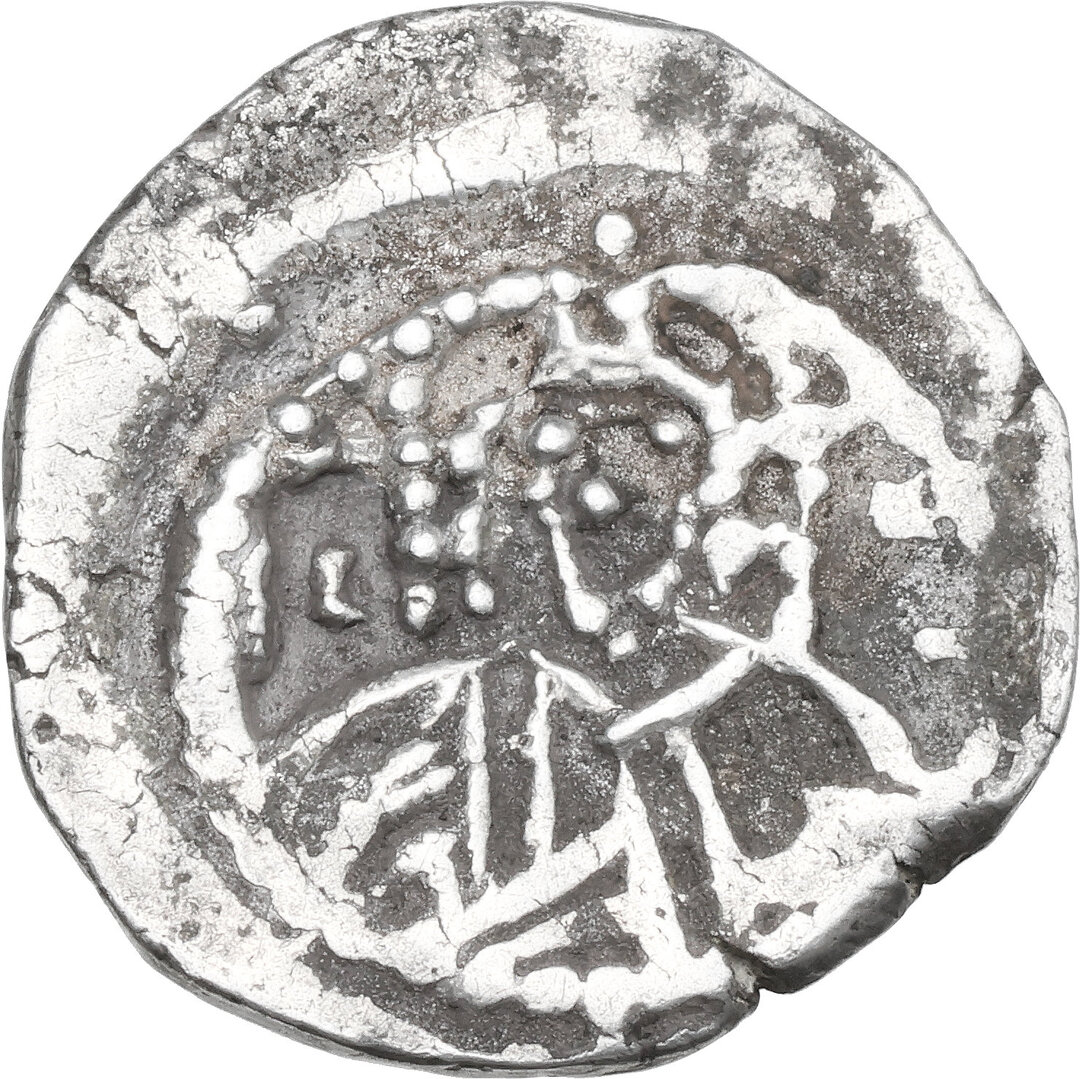
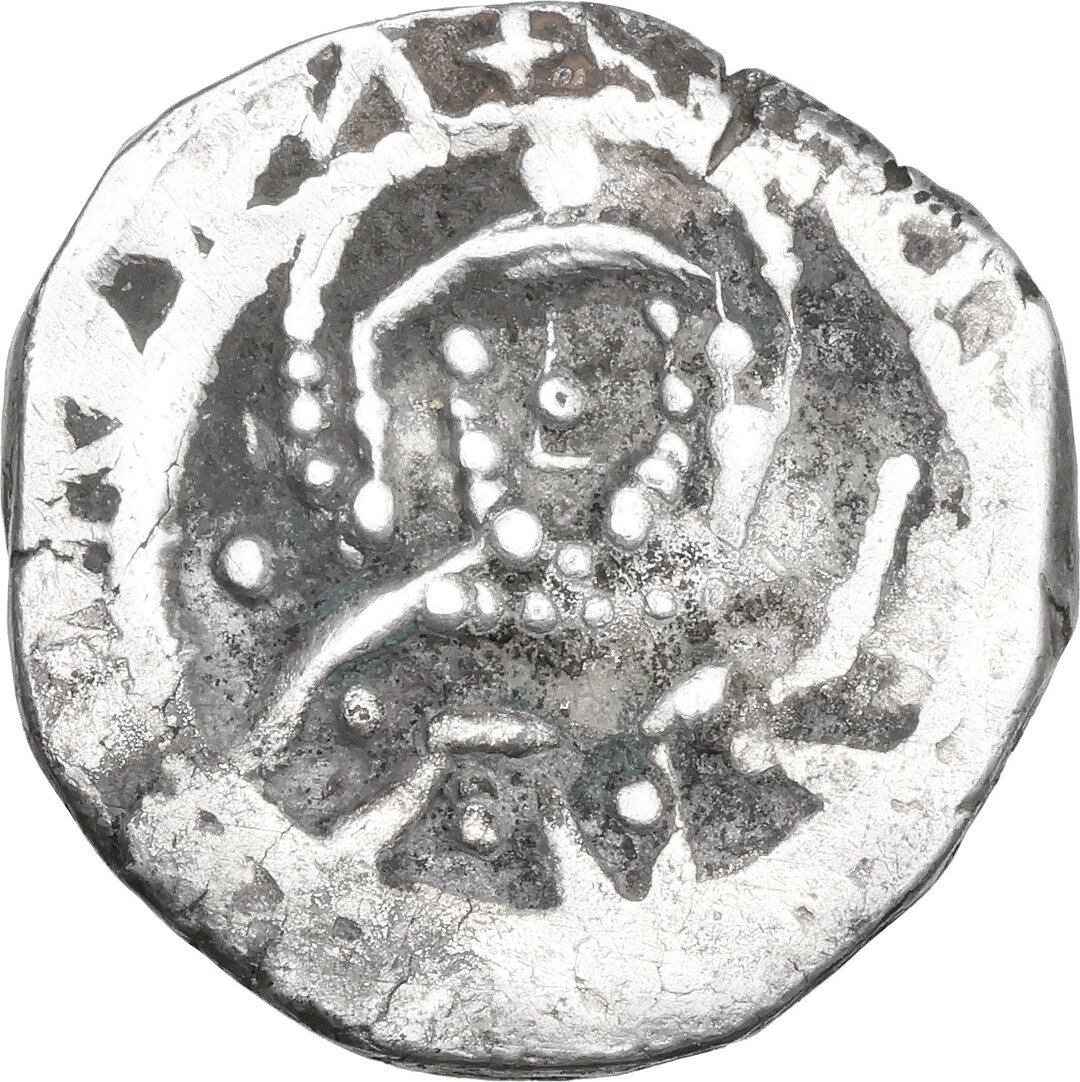
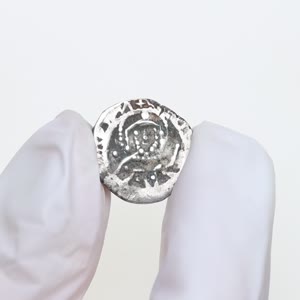
Constantine XI (1448-1453). AR Quarter-Hyperpyron or Half Stavraton. Constantinople mint. D/ Facing bust of Christ Pantokrator; barred IC XC flanking, pellets in margin. R/ Crowned facing bust of Constantine XI, bearded and nimbate, wearing tunic and colobion and holding sceptre in left hand; to left, pellet. LPC p 176, 1; PCPC 354 (same rev. die); S. Bendall, 'The Coinage of Constantine XI,' Revue Numismatique 1991, pl. XVI, 102 (same dies); Sear 2569; D.O. 1788 (same rev. die). 3.14 g. 18 mm. RRRR. Extremely rare, few specimens known with sceptre on reverse. VF. Son of John V and Helena, Constantine XI Palaeologus is remembered as a valiant commander. When his brother John III ascended the throne, Constantine and his two other brothers, Theodore and Thomas, divided the Morea among themselves. Constantine proved to be the most resourceful and capable of the three, managing to expand the borders of the Morea, then defeating the Franks and annexing the Peloponnese and Achaea. Thanks to these successes, he was named successor to the throne and, upon the death of John VIII, was crowned in 1449 and entered Constantinople as emperor, unaware that he would be the last.
In 1451, Murad II was succeeded by Mehmed II, who immediately began construction of a fortress near Constantinople with the intention of conquering it and uniting the eastern and western parts of the vast Ottoman Empire. Constantine thus asked the West for help, but he also had to deal with the anti-Latin hatred of his subjects. In any case, Alfonso V of Aragon, called upon to help Constantinople, could not and did not want to embark on such a difficult undertaking.
In 1453, Mohammed began to besiege the city and, thanks to the numerical superiority of the Turks and the firepower of his cannons, he prevailed in two months. Constantine did not flee and attempted a final heroic and futile assault, managing to kill many enemies but ultimately succumbing. His decapitated body and his insignia were sent to the sultan. Constantinople fell and became the capital of the Ottoman Empire, and the Church of Hagia Sophia was converted into a mosque.
In 1451, Murad II was succeeded by Mehmed II, who immediately began construction of a fortress near Constantinople with the intention of conquering it and uniting the eastern and western parts of the vast Ottoman Empire. Constantine thus asked the West for help, but he also had to deal with the anti-Latin hatred of his subjects. In any case, Alfonso V of Aragon, called upon to help Constantinople, could not and did not want to embark on such a difficult undertaking.
In 1453, Mohammed began to besiege the city and, thanks to the numerical superiority of the Turks and the firepower of his cannons, he prevailed in two months. Constantine did not flee and attempted a final heroic and futile assault, managing to kill many enemies but ultimately succumbing. His decapitated body and his insignia were sent to the sultan. Constantinople fell and became the capital of the Ottoman Empire, and the Church of Hagia Sophia was converted into a mosque.