Greek Coins
Results from 1001 to 1050 of 15704
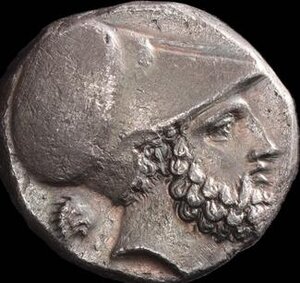
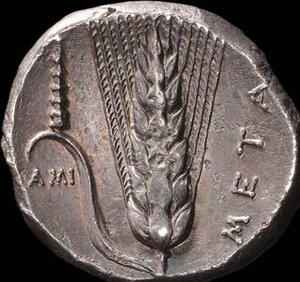
Lot # 10020
-
GREEK. LUCANIA. Metapontion. Circa 340-330 BC. Silver Didrachm or Nomos (7.94g). Bearded head of Leukippos to right, wearing Corinthian helmet; in field to left, head of a lion to right / META Barley ear with leaf to left; above leaf, vertical club with head below; below leaf, AMI. HN Italy 1575. Johnston Class B, 2.11. SNG ANS 439. EF. An exceptional example, with crisp details and elegant die work characteristic of the finest issues of Metapontion, with outstanding old cabinet toning. A truly superb specimen. This didrachm, struck at Metapontion around 340-330 BC, belongs to one of the city's most accomplished issues, produced while the Greek communities of South Italy were negotiating growing pressure from Italic neighbours and rising great powers. By invoking Leukippos, Metapontion's heroic founder, the series affirms the city's proud traditions and civic identity, while the accompanying symbols and magistrate's marks place it firmly within a carefully organised monetary system that supported both local trade and wider Greek connections.Estimate: AUD 2500
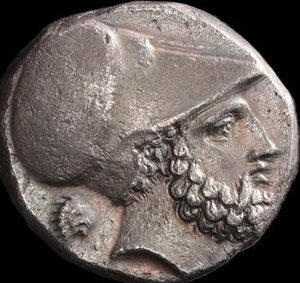
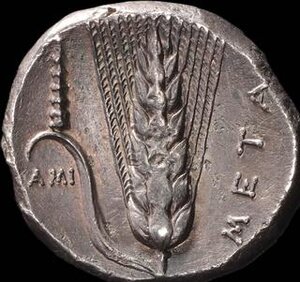
Lot # 10019
-
GREEK. LUCANIA. Metapontion. Circa 340-330 BC. Silver Didrachm or Nomos (7.94g). Bearded head of Leukippos to right, wearing Corinthian helmet; in field to left, head of a lion to right / META Barley ear with leaf to left; above leaf, vertical club with head below; below leaf, AMI. HN Italy 1575; Johnston Class B, 2.11; SNG ANS 439. EF. An exceptional example, with crisp detail and elegant die work characteristic of the finest issues of Metapontion, with outstanding old cabinet toning. A truly superb specimen. This didrachm, struck at Metapontion around 340-330 BC, belongs to one of the city's most accomplished issues, produced while the Greek communities of South Italy were negotiating growing pressure from Italic neighbours and rising great powers. By invoking Leukippos, Metapontion's heroic founder, the series affirms the city's proud traditions and civic identity, while the accompanying symbols and magistrate's marks place it firmly within a carefully organised monetary system that supported both local trade and wider Greek connections. (P)Estimate: AUD 2000
Lot # 10018
-
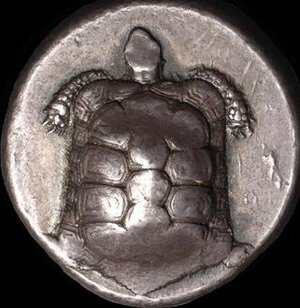
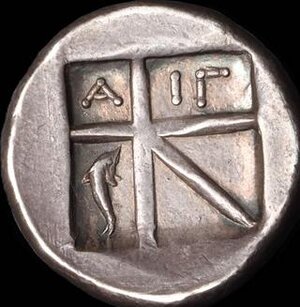
GREEK. AEGINA, Islands off Attica. Circa 350-338 BC. Silver Stater (12.26g). Land tortoise with segmented shell / Thin-skew incuse square divided into compartments, AI in the upper cells, dolphin upward in lower left. A very attractive dark cabinet toning. gVF. This stater, struck in the final years before Macedonian dominance, belongs to the late Aeginetan land tortoise series that replaced the earlier sea turtle once emblematic of the island's maritime commerce. The refined incuse and control marks, AI above and dolphin at left, reflect a carefully organised civic issue and still allude to Aegina's maritime lifeblood even as its political influence waned. (P)Estimate: AUD 3000
Lot # 10017
-
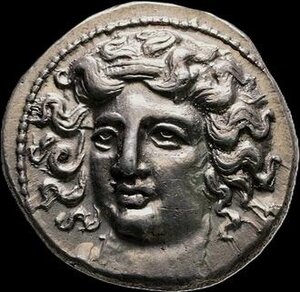
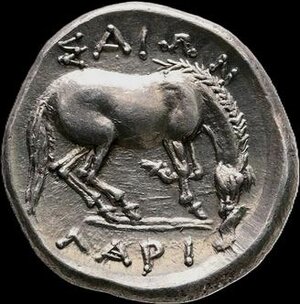
GREEK. THESSALY, Larissa. Circa 356-342 BC. Silver Drachm (6.18g). Head of the nymph Larissa facing slightly left, wearing ampyx, pendant earring, and necklace / Horse grazing right; SAION above, LARI below. BCD Thessaly II 312; HGC 4, 454. Extremely rare variety with the civic legend arranged in the unusual swapped form, SAION above and LARI below the horse. A sharply struck and beautifully preserved example, Nearly Mint State. A particularly attractive specimen of this rare Larissan drachm issue. Ex Grand Haven Collection; acquired in early 2019 from an American collector who had purchased the coin privately from the Grand Haven Thessaly, Larissa Collection. The collector regarded this piece as among the finest and rarest coins in that collection, a view well supported by its remarkable quality, style, and preservation. In recent years, a number of coins from the Grand Haven Collection have appeared in CNG sales, further underlining the importance and depth of the collection from which this coin came. The coin was later sold by the American collector to Superior Galleries, and subsequently appeared in Herakles Auction 1, Savoca Coins, lot 20, where it realised AUD 8,200. This coin was among the final purchases made by our vendor before we were handed his collection for this sale and our upcoming ones.Estimate: AUD 10000
Lot # 10016
-
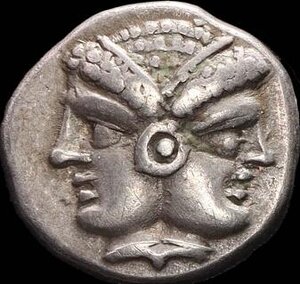
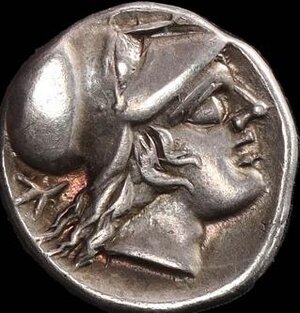
GREEK. MYSIA. Lampsakos. 4th-3rd centuries BC. Silver Diobol (1.41g). Janiform female head / Helmeted head of Athena right within incuse square. SNG BN 1195-6. Lightly toned. VF for the type. This graceful silver diobol comes from Lampsakos, a wealthy and artistically sophisticated Ionian city on the Hellespont whose coinage is famed for its originality. The remarkable janiform female head, with its perfectly balanced twin profiles, distils both religious symbolism and the engraver's mastery into a tiny flan, turning a small fractional into a true miniature work of art. Elegant, rare and visually arresting, it encapsulates how a prosperous coastal polis expressed identity and piety through its finest silver. (P)Estimate: AUD 500
Lot # 10015
-
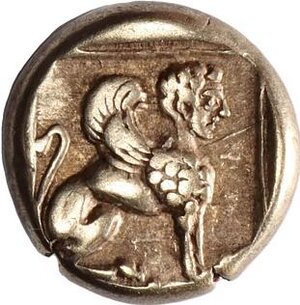
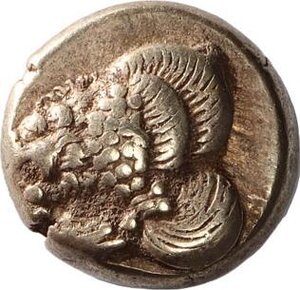
GREEK. LESBOS. Mytilene. Circa 412-378 BC. Electrum Hekte (2.53g). Forepart of winged lion left / Sphinx seated right, with curved wings, within linear square within incuse square. Bodenstedt 63; SNG Copenhagen 303; SNG von Aulock 1704. Attractive and well centred. Lightly toned. VF. Possibly one of the finest known for this very difficult issue. (P)Estimate: AUD 1000
Lot # 10014
-
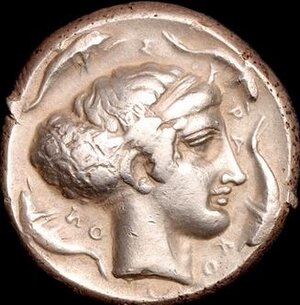
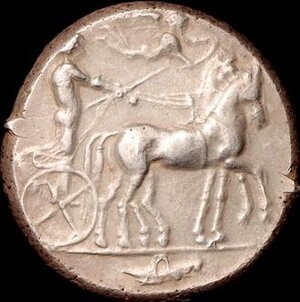
GREEK. SICILY, Syracuse. Second Democracy, circa 420-415 BC. Silver Tetradrachm (17.35g). Charioteer driving quadriga walking right, holding goad in his right hand and reins in his left; above, Nike flying right to crown the horses; in exergue, locust right / SYRAKOSION, head of Arethusa right, wearing sphendone and hairnet; around, four dolphins. Cf. Boehringer 727-8 (V360/R495; die combination not recorded); Rizzo pl. XL, 17; McClean 2682, pl. 94, 3; Jameson 781; Pozzi 590 (all from the same reverse die). A rare die combination not recorded by Boehringer. gVF. A lovely example of confident and attractive style. One of the finest known, if not the finest. This Syracuse coin comes from the city's golden age in the 5th century BC, when it was the dominant power in Sicily. The imagery is proudly Syracusan: the head of the nymph Arethusa, framed by dolphins that point to the city's sea power and the sacred spring at Ortygia, paired with the racing quadriga and victory symbols that celebrate elite competition and civic triumph. Coins like this were not just money; they were Syracuse showing the Mediterranean what it was: wealthy, confident, and artistically unmatched. For the same type see; Leu Web Auction 20, lot 334, hammered US$2,500. (P)Estimate: AUD 5000
Lot # 10013
-
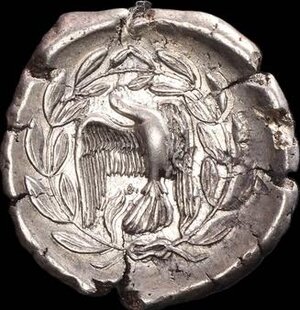
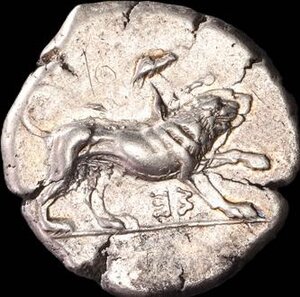
GREEK. SIKYONIA, Sikyon. Circa 431-400 BC. Silver Stater (12.04g). Chimaera standing right, raising forepaw; retrograde (S)E below / Dove flying right; all within wreath. BCD Peloponnesos 203.4 corr. (same dies). gVF, with bright surfaces, struck on a splayed flan and lightly double struck on the obverse. Rare. This stater is a rare and intriguing issue from Sikyon, one of the important mints of the Peloponnesos around the late 5th century BC. It belongs to a series that normally carries the control letters SE in standard orientation, but here they appear reversed, marking a much scarcer and highly distinctive variety. The obverse shows the fire-breathing Chimaera, perhaps a nod to Sikyon's mythological rivalry with nearby Corinth, while the reverse dove of Aphrodite reflects the goddess's importance in local cult. Together, the unusual control marks and rich imagery give this coin particular interest both numismatically and symbolically. For the same type and most recent sold example, see Noble Sale 133, lot 3661, hammered US$2,300; the present coin is superior in overall quality. (P)Estimate: AUD 2500
Lot # 10012
-
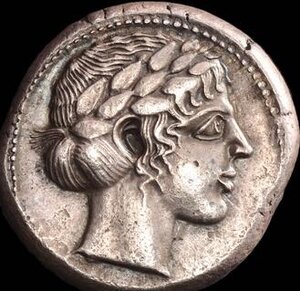
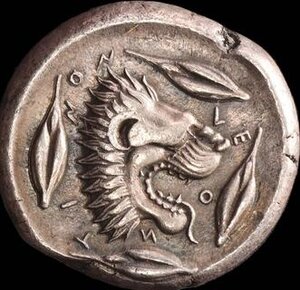
GREEK. SICILY, Leontini. Circa 450-440 BC. Silver Tetradrachm (16.93g). Head of Apollo right, wearing laurel wreath / Head of roaring lion right; four barley grains and LEO-(N)-TI-NON around. Boehringer, Munzgeschichte 45 (same obverse die); SNG ANS 222-31; SNG Lloyd 1056 (same obverse die); Rizzo pl. XXIII, 1; Basel 349; Gulbenkian 217. Lightly toned. EF. This tetradrachm, struck during the height of Leontini's classical power, embodies the city's cultural pride and economic strength. In a period of artistic and political flourishing across Sicily, such coinage served not only as currency but as a bold statement of identity and independence amid rising regional rivalries. From the David Allen Collection; acquired from Triton XIV (4 Jan 2011), lot 27; previously ex Hirsch 261 (7 May 2009), lot 76. (P)Estimate: AUD 7500
Lot # 10011
-
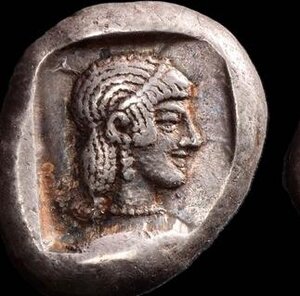
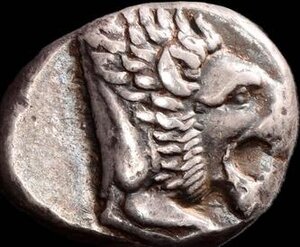
GREEK. Knidos. 465-449 BC. Silver Drachm (6.38g). Forepart of lion right, with open mouth / Head of Aphrodite right, wearing ear pendant and necklace, pearl diadem in the hair, which ends in a plait at the back; incuse square. Cahn 49, 77.32 (this specimen); SNG Cop. 238 (same dies); Traite I, pl. XVIII, 15 (same dies). Wonderful old cabinet toning. EF for the type and undoubtedly one of the finest known examples. This drachm, struck at Knidos in Caria circa 465-449 BC, belongs to a period when the city was emerging as a vibrant centre of culture, commerce, and artistic innovation. Positioned on the Carian coast, Knidos controlled important sea routes linking the Aegean with the eastern Mediterranean, and its growing prosperity is reflected in the refinement of its silver coinage. Issues of this era, often bearing the lion and the head of Aphrodite, express both local civic pride and a sense of divine protection, encapsulating Knidos' identity as a confident, independent polis contributing to the classical Greek legacy in art and civic life. For the type and most recent sold example see; Hess Divo, Auction 343, lot 136, hammered US$9,750. (P)Estimate: AUD 7500
Lot # 10010
-
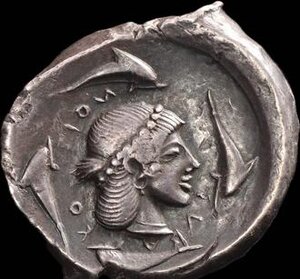
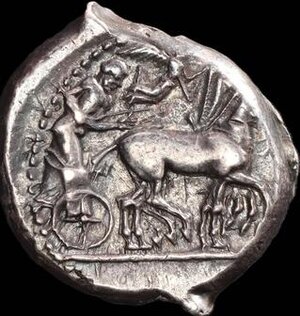
GREEK. SICILY. Syracuse. Deinomenid Tyranny, Hieron I. Circa 475-470 BC. Silver Tetradrachm (17.22g). Charioteer driving a walking quadriga right, kentron in right hand, reins in left; Nike flying right above, crowning horses, dotted border / Retrograde legend; head of Arethusa right, wearing pearl taenia and necklace, hair looped up under band; four dolphins swimming clockwise around. HGC 2, 1307. Boehringer 227-278 and 293-355. A lovely old cabinet toning. Reverse slightly off centre, otherwise VF. For the type and similar quality see; HA A-3098/33013, hammered US$5,750. (P)Estimate: AUD 2500
Lot # 10009
-
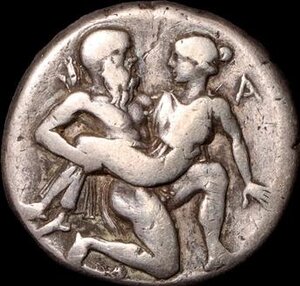
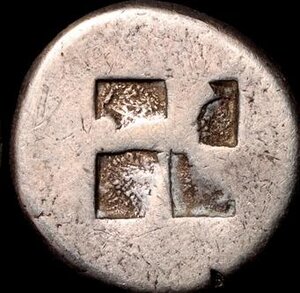
GREEK. ISLANDS OFF THRACE, Thasos. Circa 500-480 BC. Silver Stater (8.41g). Bald-headed nude satyr moving right, holding a nymph who raises her hand in protest; to right, A / Quadripartite incuse square. Le Rider, Thasiennes, 6; SNG Copenhagen Suppl. 103. gVF for the type. Thasos, the wealthy island off the Thracian coast, derived its prosperity from rich silver mines on both the island and the mainland, with Herodotus (VI.46) noting an annual income of 200-300 talents, further enhanced by a controlled export trade in fine wine that helped spread its coinage across the Aegean. The didrachm staters, struck on a local Thracian standard, evolved from early vigorous types showing a wild satyr abducting a struggling nymph to later issues of higher artistic refinement, like the present piece, where the satyr appears more human and the nymph's resistance is more composed. The fine engraving reflects wider Greek influence, with clear parallels to the satyr heads of Katane and the nymphs of Neapolis, while the added letters A, S or PH in the obverse field, absent from earlier issues, are best understood as magistrates' initials rather than artist signatures, in line with common Classical practice. For the type and most recently sold example see; Nomos Auction A24, lot 49, hammered US$41,000. (P)Estimate: AUD 2500
Lot # 10008
-
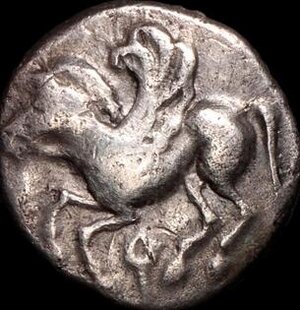
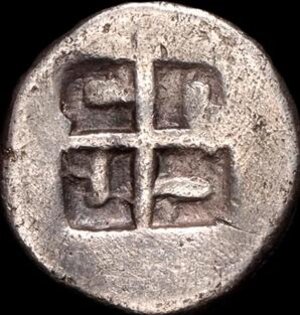
GREEK. CORINTHIA, Corinth. Circa 530 BC. Silver Drachm or Third Stater (2.70g). Pegasus with curled wing trotting or flying left, on exergual line, Q beneath / Quadripartite incuse square of windmill pattern. BMC 29; Rosen 1707; BCD Corinth 7 (this reverse die). Very rare. One of only a couple known of this impressive early issue of Corinth. VF for the type. For the type see; Noble Auction 128, lot 2544, hammered A$6,500. (P)Estimate: AUD 1500
Lot # 10007
-
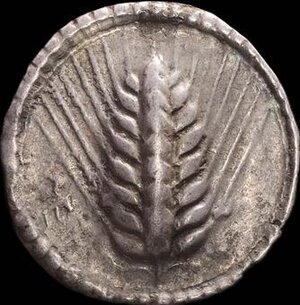
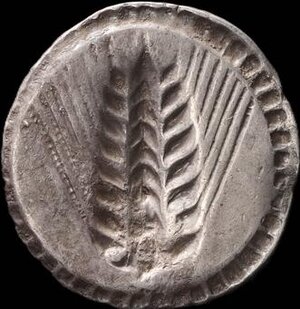
GREEK. LUCANIA, Metapontion. Circa 540-510 BC. Silver Nomos (7.90g). Ear of barley with eight grains and bracts at base; MET down left field, pellet border / Incuse ear of barley with eight grains; rayed border. Noe Class I, 1; Gorini -; HN Italy 1459; SNG ANS 166; Kraay & Hirmer 228; Prospero 51. gVF or better for the type. This silver nomos, an exceedingly rare Noe 1 from the first emission of Metapontion around 540 BC, stands at the very beginning of the city's celebrated coinage. Founded by settlers from Kroton and Sybaris and enriched by vast grain fields, Metapontion adopted the distinctive incuse fabric of Magna Graecia and chose the barley ear as a proud symbol of its agricultural wealth. (P)Estimate: AUD 3000
Lot # 10006
-
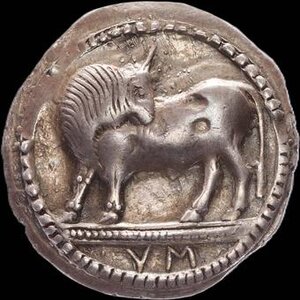
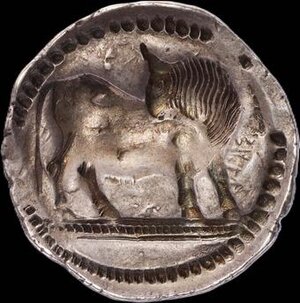
GREEK. LUCANIA, Sybaris. Circa 550-510 BC. Silver Stater (7.08g). VM in exergue, bull standing left, head reverted, on triple exergual line of dots between parallel lines; border of dots between concentric circles / Same type, reversed and incuse, with exergual line and border both dentate. SNG ANS 830; SNG Lockett 455; SNG Lloyd 449; HN Italy 1729. Very attractive old cabinet toning. One of the finest known examples for the issue. aEF. This silver stater of Sybaris recalls one of the richest and most refined cities of Magna Graecia, founded circa 720 BC on the fertile plain between the Crathis and Sybaris rivers. From about 530 BC the city issued distinctive relief/incuse coinage, with a powerful bull walking left, likely a river god alluding to the waters that sustained its prosperity. Technically sophisticated and visually striking, these coins functioned as both currency and a display of civic wealth. Though Sybaris was destroyed by Croton in 510 BC and its site deliberately flooded, its coinage remains a vivid witness to a brief but dazzling age of luxury and power. (P)Estimate: AUD 5000
Lot # 10005
-
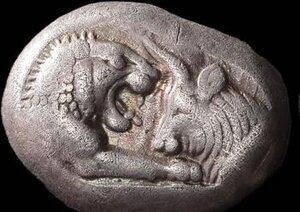
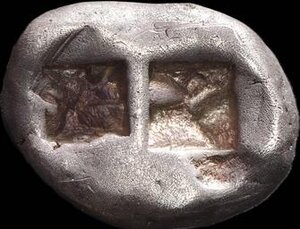
GREEK. KINGS OF LYDIA. Kroisos. Circa 564/53-550/39 BC. Silver Stater (10.85g). Sardes mint. Confronted foreparts of lion and bull / Two incuse squares. Berk 20; Kurth S1; Traite I 407-8; SNG Ashmolean 760. VF. This silver stater belongs to the very first true bimetallic monetary system in history. As the final ruler of the Lydian kingdom before its conquest by Persia, Kroisos replaced the uncertain electrum coinage of his predecessors with carefully regulated gold and silver denominations, setting new standards of weight, purity, and trust in trade. The silver staters, issued from the royal mint and backed by Lydia's immense wealth from regional trade routes and the gold-rich waters of the Pactolus, circulated widely across the Greek world, Asia Minor, and the Near East, where they were recognised as a prestigious and reliable medium of exchange. In doing so, they functioned not only as instruments of commerce but also as deliberate expressions of royal authority and economic sophistication at the height of Lydian power. Although Kroisos fell to Cyrus the Great, the monetary model he created was adopted and refined by the Achaemenids and later Greek and Hellenistic states, giving these staters a foundational place in the story of coinage and early monetary economies. For the type see; Triton XXII, lot 263, hammered US$12,000. (P)Estimate: AUD 7500
Lot # 10004
-
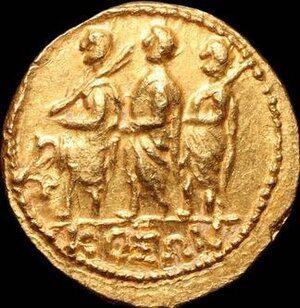
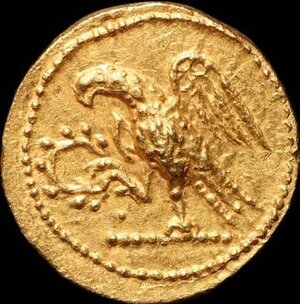
GREEK. SKYTHIA, Geto-Dacians. Koson. Mid 1st century BC. Gold Stater (8.62g). Roman consul accompanied by two lictors advancing left; monogram to left / Eagle standing left on sceptre, holding wreath. Hourmouziadis dies B/d; Iliescu 1; RPC I 1701A; HGC 3, 2049. Well struck on a broad flan. Lustrous. Superb EF. The enigmatic gold staters of Koson, struck in the mid 1st century BC, sit at the meeting point of Roman and Geto-Dacian worlds. Echoing Roman Republican denarii in their imagery yet issued beyond Rome's mints, they likely served a Dacian ruler named Koson as instruments of prestige, alliance, and authority. Their unusually fine preservation today reinforces their role as ceremonial pieces rather than everyday currency. (P)Estimate: AUD 3000
Lot # 10003
-
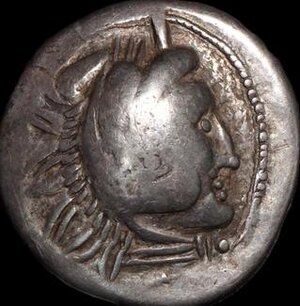
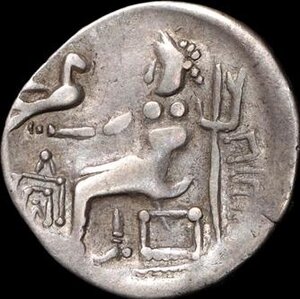
GREEK. EASTERN EUROPE, Imitations of Alexander III of Macedon. 1st century BC. Silver Drachm (3.55g). Mint in the lower Danube region. Stylised head of Herakles right, wearing lion-skin / Stylised Zeus Aetophoros seated left; monogram in left field. OTA 591/3; KMW 1486; Lanz -; CCBM I S202. Toned, with faint deposits and very attractive old cabinet toning. gVF. For the most recent sold example see; CNG Auction 599, lot 8, 12 November 2025, realised USD 300. The piece offered here is most likely the finest known for the type. (P)Estimate: AUD 250
Lot # 10002
-
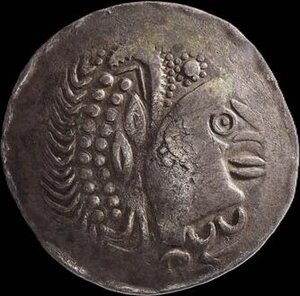
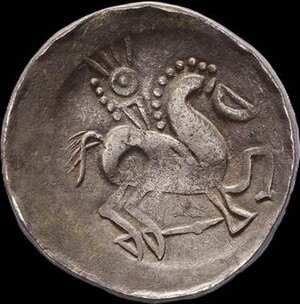
GREEK. CARPATHIAN REGION, Uncertain tribe. Circa 2nd-1st century BC. Silver Tetradrachm (12.82g). Scyphate mit Ringelkopfreiter type. Celticised laureate and pearl-diademed head left / Celticised horseman right. Dembski 1165; Flesche 698; OTA 250A/1; cf. Preda pl. LX, 1. aEF, with very attractive old cabinet toning. Broad flan. A classic and iconic type from the late Celtic coinage of the Carpathian basin. Superb piece and undoubtedly the finest known example. For the most recent sold example of the type, 2024, see; Leu Auction 31, lot 141, hammered US$1,300. The example we offer is far superior in quality to the sold example and all others appearing in Coin Archives. (P)Estimate: AUD 2500
Lot # 10001
-
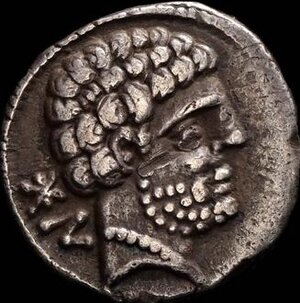
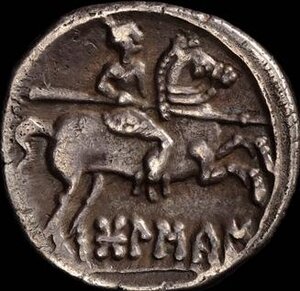
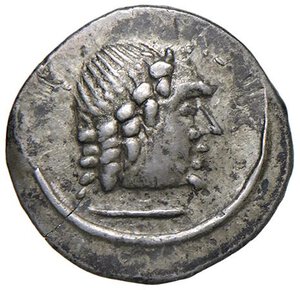
GREEK. HISPANIA, Bolskan (Huesca, northern Spain). 2nd century BC. Silver Denarius (3.93g). Bare bearded head right, Iberian letter N behind / Horseman galloping right, holding spear; Bolskan below in Celtiberian. FAB 1911. A classic and highly popular Celtiberian type. Wonderful old cabinet toning. VF.Estimate: AUD 500
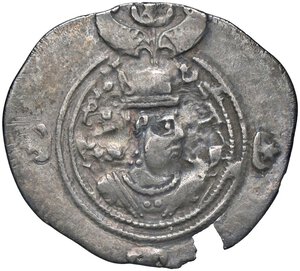
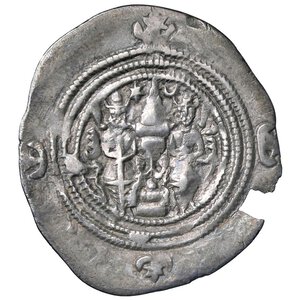
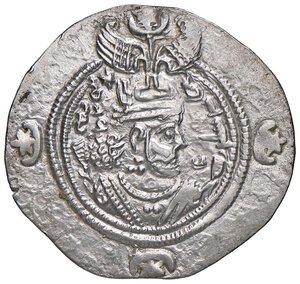
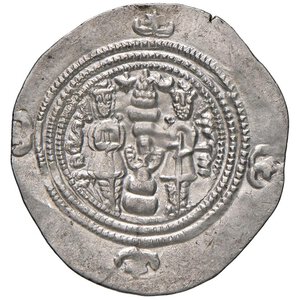
Lot # 54
-
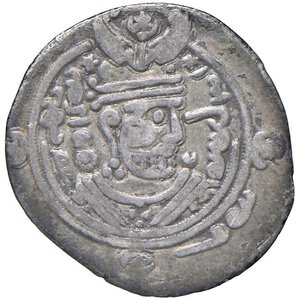
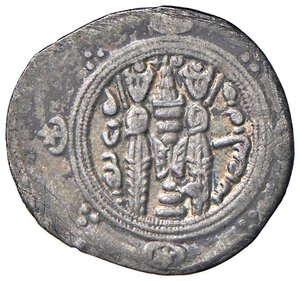
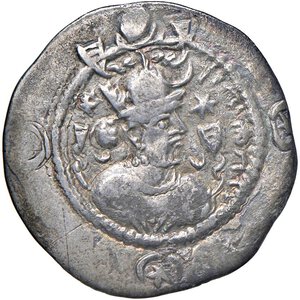
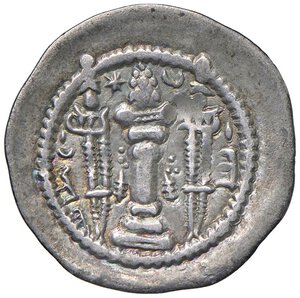
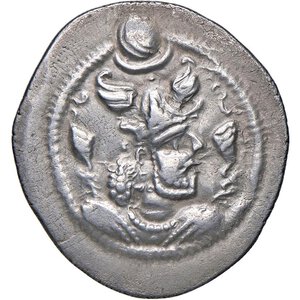
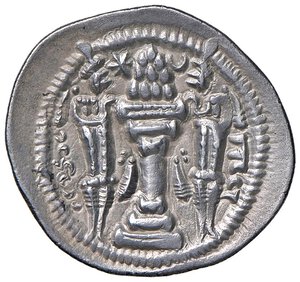
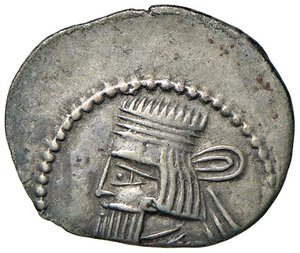
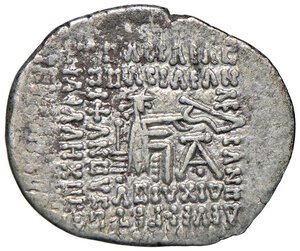
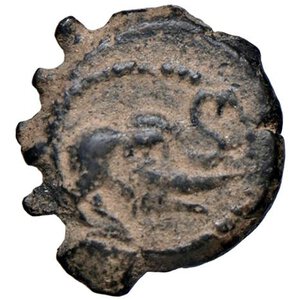
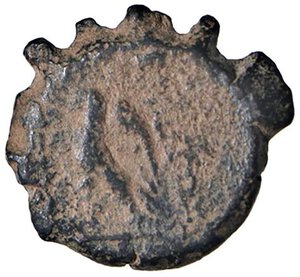
GRECHE - SASSANIDI - Cosroe II (591-628) - Dracma (AG g. 4,1) Metallo irregolare al D/ BB-SPL
Lot # 49
-
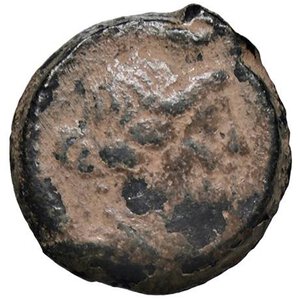
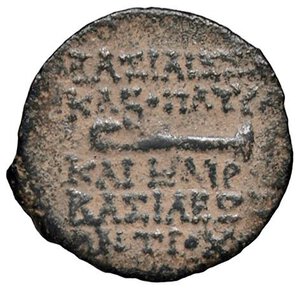
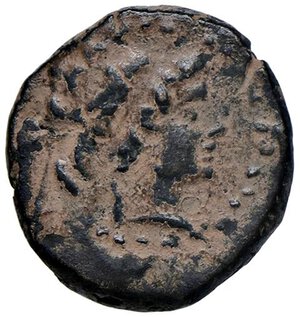
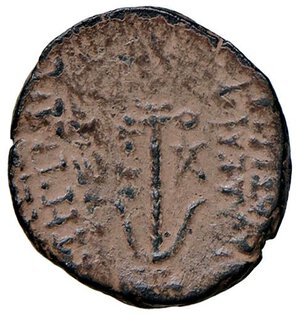
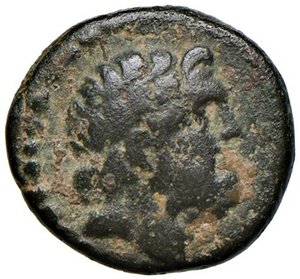
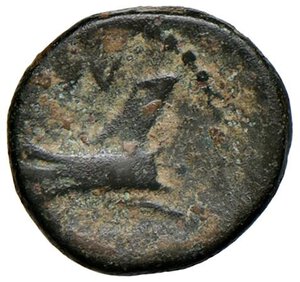
GRECHE - RE SELEUCIDI - Alessandro II (Zebinas) (128-123 a.C.) - AE 15 (AE g. 2,71) meglio di MB
Lot # 48
-
GRECHE - RE SELEUCIDI - Demetrio II, Nikator (primo regno) (145-140 a.C.) - AE 15 (AE g. 3,25) qBB
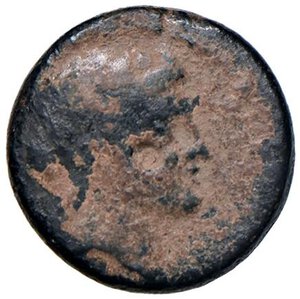
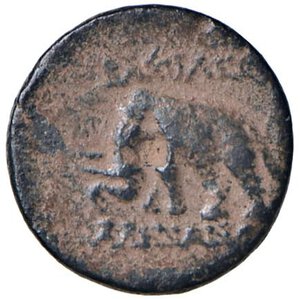
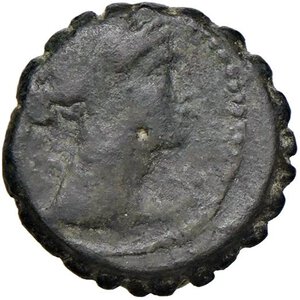
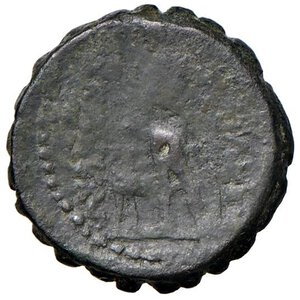
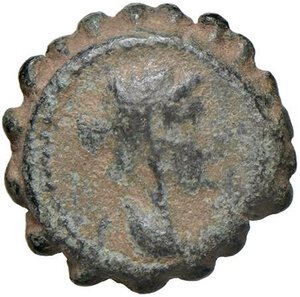
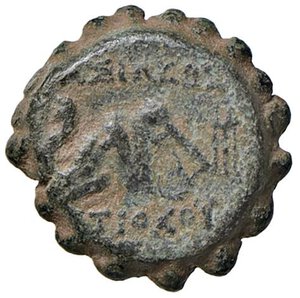
Lot # 43
-
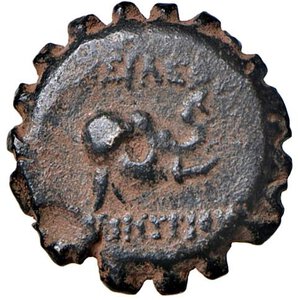
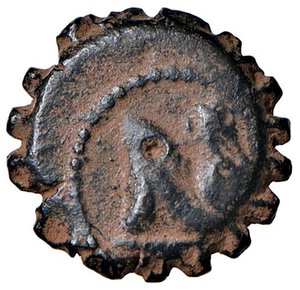
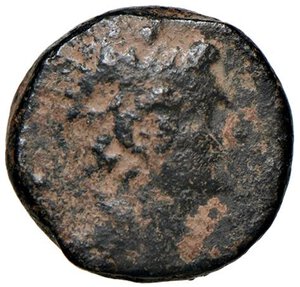
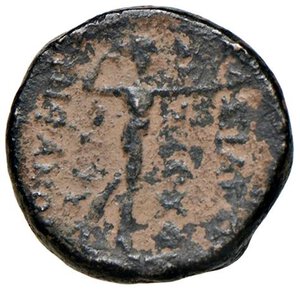
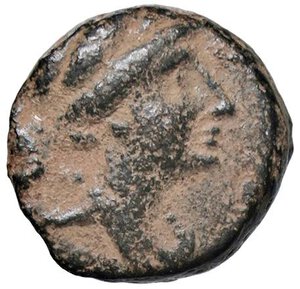
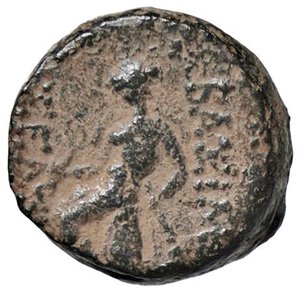
GRECHE - RE SELEUCIDI - Antioco IV, Ephanes (175-164 a.C.) - AE 16 (AE g. 4,3) meglio di MB
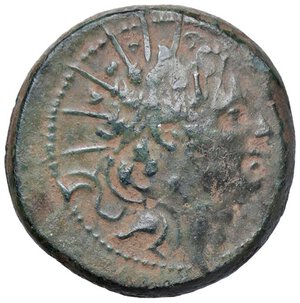
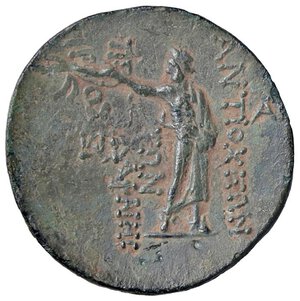
Lot # 40
-
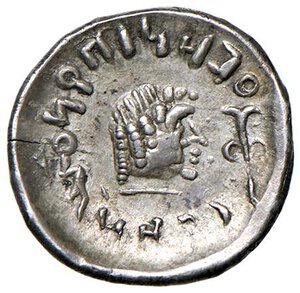
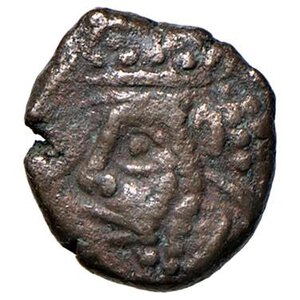
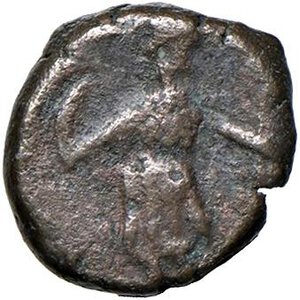
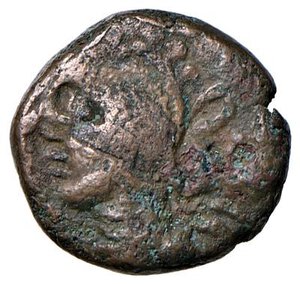
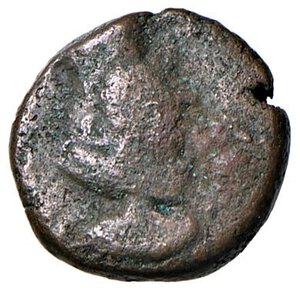
GRECHE - RE DI ELYMAIS - Sconosciuta - Dracma Van't Haaff Type 20.1.1-1 (AE g. 1,65)Fine ii secolo-inizio III secolo BB
Lot # 39
-
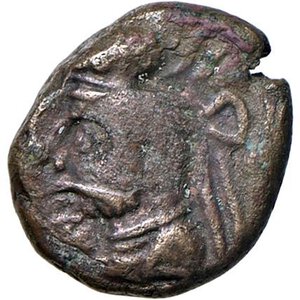
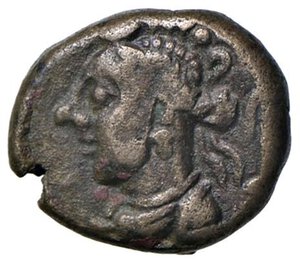
GRECHE - RE DI ELYMAIS - Orodes V (fine II secolo d. C.) - Dracma Van't Haaff Type 18.1.1-2A (AE g. 2,3) MB
Lot # 38
-
GRECHE - RE DI ELYMAIS - Orodes V (fine II secolo d. C.) - Dracma Van't Haaff Type 18.1.1-2b (AE g. 3,3) bel BB
Lot # 37
-
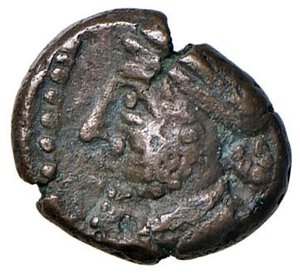
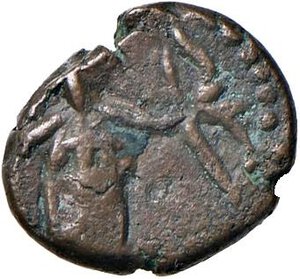
GRECHE - RE DI ELYMAIS - Phraates (tarda metà II secolo d. C.) - Dracma Van't Haaff Type 14.6.1-2A (AE g. 1,58) BB
Lot # 36
-
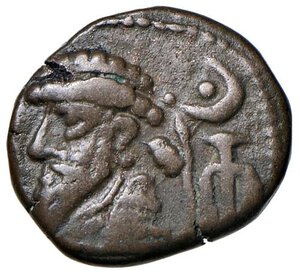
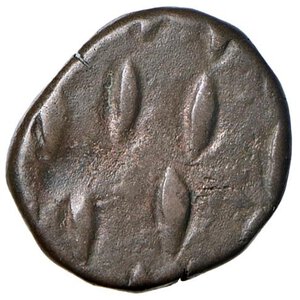
GRECHE - RE DI ELYMAIS - Phraates (tarda metà II secolo d. C.) - Dracma Van't Haaff Type 14.7.2-1 (AE g. 3,66) BB+
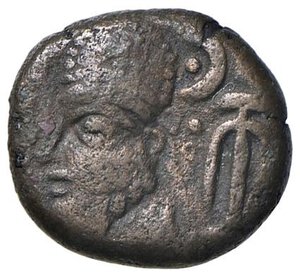
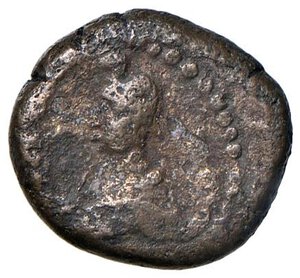
Lot # 35
-
GRECHE - RE DI ELYMAIS - Orodes III (II secolo d. C.) - Dracma Van't Haaff Type 16.2.1-2A (AE g. 2,99) qBB/MB+
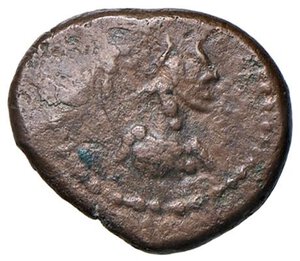
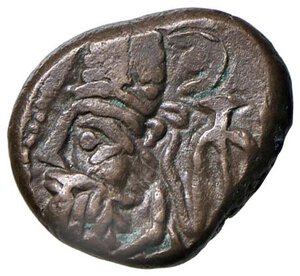
Lot # 34
-
GRECHE - RE DI ELYMAIS - Orodes III (II secolo d. C.) - Dracma Van't Haaff Type 16.1.1-1 (AE g. 2,96) BB+
Lot # 33
-
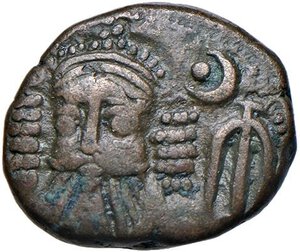
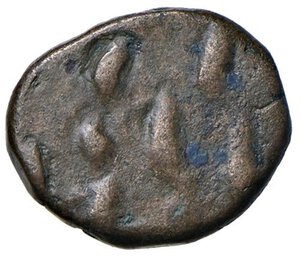
GRECHE - RE DI ELYMAIS - Orodes II (ca 100-150) - Dracma Van't Haaff Type-13.3.2; BMC 85 (AE g. 3,69) BB
Lot # 32
-
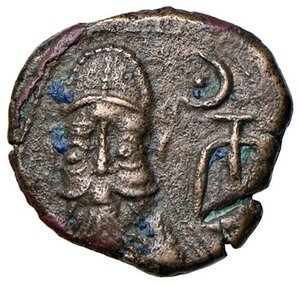
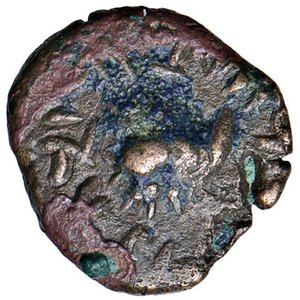
GRECHE - RE DI ELYMAIS - Orodes II (ca 100-150) - Dracma Van't Haaff Type 13.2.1-2B (AE g. 3,29) Sedimenti al R/ BB+/BB
Lot # 30
-
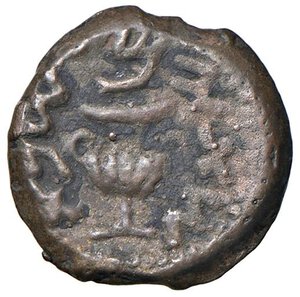
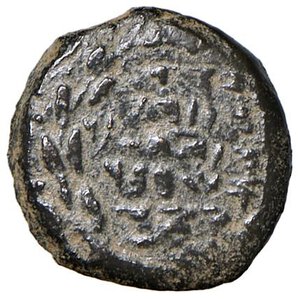
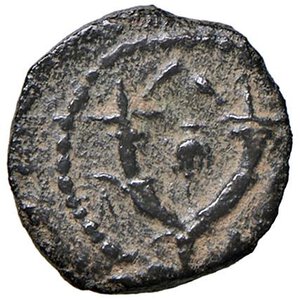
GRECHE - GIUDEA - Prima rivolta giudaica (66-70 d.C.) - Prutah S. Cop. 101 (AE g. 2,54) qBB
Results from 1001 to 1050 of 15704