Roman Imperial Coins
Results from 6851 to 6900 of 32990
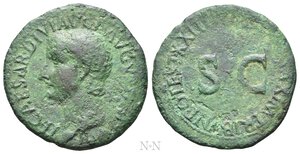
Lot # 41
-
TIBERIUS (14-37). As. Rome. Obv: TI CAESAR DIVI AVG F AVGVST IMP VIII. Bare head left.Rev: PONTIF MAXIM TRIBVN POTEST XXIIII. Large S C.RIC² 44. Condition: Good fine.Weight: 9.38 g. Diameter: 29 mm.
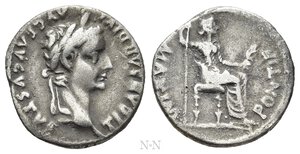
Lot # 40
-
TIBERIUS (14-37). Denarius. "Tribute Penny" type. Lugdunum. Obv: TI CAESAR DIVI AVG F AVGVSTVS. Laureate head right.Rev: PONTIF MAXIM. Livia (as Pax) seated right on throne, holding sceptre and olive branch.RIC² 30. Condition: Good fine.Weight: 3.54 g. Diameter: 18 mm.
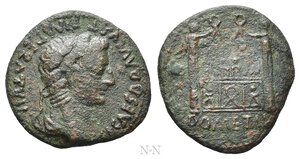
Lot # 39
-
TIBERIUS (Caesar, 4-14). Semis. Lugdunum. Obv: TI CAESAR AVGVST F IMPERAT VII. Laureate head right.Rev: ROM ET AVG. Front elevation of the Altar of Lugdunum, decorated with the corona civica between laurels, flanked by nude male figures; to left and right, Victories on columns, facing one another.RIC² 246 (Augustus).Rare Condition: Near very fine.Weight: 2.99 g. Diameter: 19 mm.
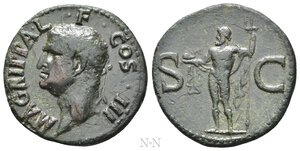
Lot # 38
-
AGRIPPA (Died 12 BC). As. Rome. Struck under Caligula (37-41). Obv: M AGRIPPA L F COS III. Head left, wearing rostral crown.Rev: S - C. Neptune standing left, holding small dolphin and trident.RIC² 58 (Caligula). Condition: Very fine.Weight: 10.06 g. Diameter: 28 mm.
Lot # 37
-
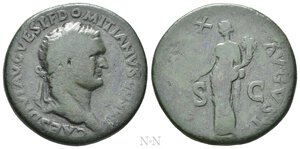
DOMITIAN (Caesar, 69-81). Sestertius. Rome. Obv: CAES DIVI AVG VESP F DOMITIANVS COS VII. Laureate head right.Rev: PAX AVGVST / S - C. Pax standing left, holding cornucopia and grain ears.RIC² 288 (Titus). Condition: Fine.Weight: 24.85 g. Diameter: 34 mm.
Lot # 36
-
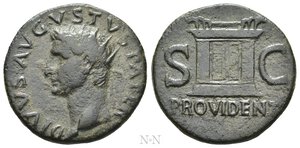
DIVUS AUGUSTUS (Died 14). Dupondius. Rome. Struck under Tiberius. Obv: DIVVS AVGVSTVS PATER. Radiate head left.Rev: S - C / PROVIDENT. Altar.RIC² 81 (Tiberius). Condition: Good fine.Weight: 10.42 g. Diameter: 27 mm.
Lot # 35
-
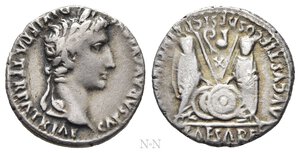
AUGUSTUS (27 BC-14 AD). Denarius. Lugdunum. Obv: CAESAR AVGVSTVS DIVI F PATER PATRIAE. Laureate head right.Rev: C L CAESARES AVGVSTI F COS DESIG PRINC IVVENT. Caius and Lucius Caesar standing facing; two shields, two sceptres and X between them; lituus and simpulum above.RIC² 212. Condition: Near very fine.Weight: 3.50 g. Diameter: 18 mm.
Lot # 34
-
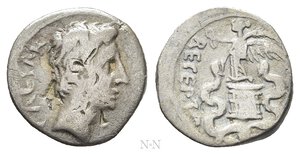
OCTAVIAN. Quinarius (29-28 BC). Uncertain Italian mint, possibly Rome. Obv: CAESAR IMP VII. Bare head right.Rev: ASIA RECEPTA. Victory, holding wreath and palm frond, standing left on cista mystica flanked by two interlaced serpents.RIC² 276; King 1; CRI 429. Condition: Good fine.Weight: 1.54 g. Diameter: 13 mm.
Lot # 32
-
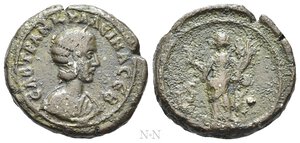
EGYPT. Alexandria. Tranquillina (Augusta, 241-244). BI Tetradrachm. Dated RY 6 of Gordian III (242/3). Obv: CAB TPANKVΛΛЄINA CЄB. Draped bust right, wearing stephane.Rev: L ϛ (date). Homonoia standing left, raising right arm, holding double cornucopia.RPC VII.2 3861; Dattari (Savio) 4823; Emmett 3449.6. Condition: Good fine.Weight: 11.99 g. Diameter: 24 mm.
Lot # 31
-
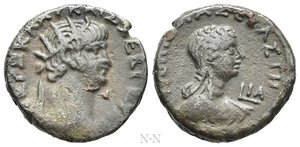
EGYPT. Alexandria. Nero, with Poppaea (54-68). BI Tetradrachm. Dated RY 11 (64/5). Obv: NEPΩ KΛAV KAIΣ ΣEB ΓEP. Radiate head of Nero right.Rev: ΠOΠΠAIA ΣEBAΣTH. Draped bust of Poppaea right; L IA (date) to right.RPC I 5280; Dattari (Savio) 197-8; Emmett 128.11. Condition: Near very fine.Weight: 12.36 g. Diameter: 25 mm.
Lot # 30
-
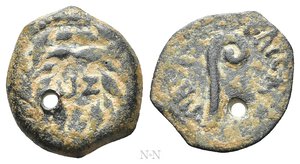
JUDAEA. Procurators. Pontius Pilate. (26-36). In the name of Tiberius. Ae Prutah. Dated year 17 (30/1). Obv: ΤΙΒEΡΙΟΥ ΚΑΙϹΑΡΟϹ. Lituus.Rev: L IZ (date). Legend within wreath.RPC I 4968; Meshorer 23. Condition: Good fine.Weight: 2.23 g. Diameter: 16 mm.
Lot # 29
-
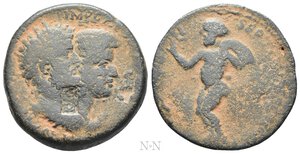
SELEUCIS & PIERIA. Laodicea ad Mare. Septimius Severus, with Julia Domna (193-211). Ae. Obv: IMP CAES L SEP SEVERO AVG ET IVLI AVG M C. Jugate busts right of Septimius Severus, radiate, draped and cuirassed, and Julia Domna, draped and set on crescent; c/m: COL(?) within rectangular incuse.Rev: SEPT LAVDIC COLON SEVER METROPOLI. Marsyas standing left, right hand raised, holding wineskin over shoulder.RPC V.3 online - (unassigned; ID 70081); for c/m: cf. Howgego 586. Condition: Fine.Weight: 20.58 g. Diameter: 31 mm.
Lot # 28
-
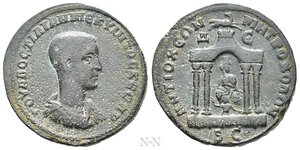
SELEUCIS & PIERIA. Antioch. Hostilian (Caesar, 250-251). Ae 8 Assaria. Obv: Γ ΟΥΑΛ ΟϹΤΙΛΙΑΝ ΜЄ ΚΥΙΝΤΟϹ ΚЄϹΑΡ. Bareheaded, draped and cuirassed bust right, seen from front.Rev: ΑΝΤΙΟΧЄΩΝ ΜΗΤΡΟ ΚΟΛΩΝ / Δ - Ε / S C. Tetrastyle portable shrine containing statue of Tyche, below river-god Orontes swimming left, above shrine ram leaping right, head left.RPC IX 1685; McAlee 1164. Condition: Near very fine.Weight: 19.07 g. Diameter: 31 mm.
Lot # 27
-
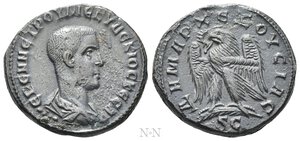
SELEUCIS & PIERIA. Antioch. Herennius Etruscus (Caesar, 249-251). Tetradrachm. Obv: ЄΡЄΝΝ ЄΤΡΟΥ ΜЄ ΚΥ ΔЄΚΙΟϹ ΚЄϹΑΡ. Bareheaded, draped and cuirassed bust right; four pellets below.Rev: ΔHMAPX ЄΞ OVCIAC / S C. Eagle standing left on palm frond, with wreath in beak and wings spread.RPC IX 1742; McAlee 1153d; Prieur 634. Condition: Very fine.Weight: 11.88 g. Diameter: 27 mm.
Lot # 26
-
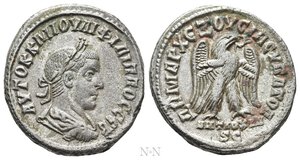
SELEUCIS & PIERIA. Antioch. Philip II (247-249). Tetradrachm. Obv: AYTOK K M IOYΛI ΦIΛIΠΠOC CЄB. Laureate, draped and cuirassed bust right.Rev: ΔΗMΑΡX EΞΟΥCIAC YΠΑΤΟ Δ / ANTIOXIA S C. Eagle standing right, with spread wings and wreath in beak.RPC VIII online - (unassigned; ID 29020); McAlee 1042; Prieur 474. Condition: Very fine.Weight: 12.30 g. Diameter: 27 mm.
Lot # 25
-
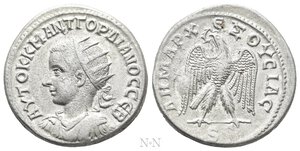
SELEUCIS & PIERIA. Antioch. Gordian III (238-244). Tetradrachm. Obv: ΑVΤΟΚ Κ Μ ΑΝΤ ΓΟΡΔΙΑΝΟC CЄΒ. Radiate, draped and cuirassed bust left, seen from front, both pteryges visible.Rev: ΔHMAPX ЄΞ OVCIAC / S C. Eagle standing right, head left, with spread wings and wreath in beak.RPC VII.2 3491; McAlee 867a; Prieur 286. Condition: Very fine.Weight: 11.84 g. Diameter: 27 mm.
Lot # 24
-
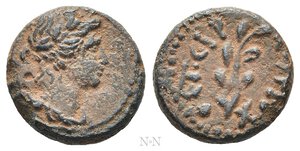
SELEUCIS & PIERIA. Antioch. Pseudo-autonomous. Time of Antoninus Pius (138-161). Ae. Obv: Laureate and draped bust of Apollo right.Rev: ЄΤ ЄΙΡ ΑΝΤΙOΧ Θ(?). Laurel-branch.RPC IV.3 online 8994 (1 specimen).Extremely rare Condition: Very fine.Weight: 3.82 g. Diameter: 15 mm.
Lot # 23
-
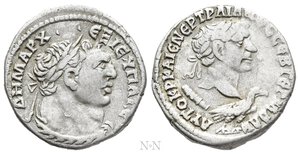
SELEUCIS & PIERIA. Antioch. Trajan (98-117). Tetradrachm. Obv: ΑΥΤΟΚΡ ΚΑΙϹ ΝЄΡ ΤΡΑΙΑΝΟϹ ϹЄΒ ΓЄΡΜ ΔΑΚ. Laureate head of Trajan right; club to lower left; to lower right, eagle standing right.Rev: ΔΗΜΑΡΧ ЄΞ ΙЄ ΥΠΑΤ Є. Laureate head of Melqart-Herakles right, wearing lion skin.RPC III 3539; McAlee 460; Prieur 1515. Condition: Very fine.Weight: 14.04 g. Diameter: 25 mm.
Lot # 22
-
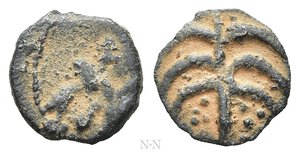
PALMYRENE. Palmyra. Ae (1st-3rd century AD). Obv: Turreted head of Tyche right.Rev: Palm tree.BMC 1-2; De Saulcy pl. XXIV, 10. Condition: Near very fine.Weight: 0.51 g. Diameter: 10 mm.
Lot # 21
-
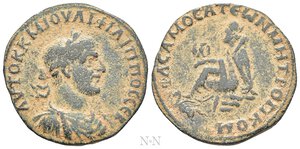
COMMAGENE. Samosata. Philip I 'the Arab' (244-249). Ae. Obv: ΑΥΤΟΚ Κ Μ ΙΟΥΛΙ ΦΙΛΙΠΠΟϹ ϹЄΒ. Laureate, draped and cuirassed bust right, seen from front.Rev: ΦΛ ϹΑΜΟϹΑΤЄωΝ ΜΗΤΡΟΠ ΚΟΜ. Tyche seated left on rocks, with eagle perched upon arm; to left, Pegasus springing left.RPC VIII online - (unassigned; ID 8339); CRS 31a; BMC 49. Condition: Near very fine.Weight: 13.00 g. Diameter: 32 mm.
Lot # 20
-
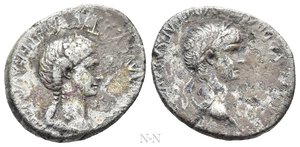
CAPPADOCIA. Caesarea. Nero, with Agrippina II (54-68). Didrachm. Obv: NERO CLAVD DIVI CLAVD F CAESAR AVG GERMANI. Laureate head of Nero right.Rev: AGRIPPINA AVGVSTA MATER AVGVSTI. Draped bust of Agrippina right.RPC I 3632; RIC² 607; Sydenham 73. Condition: Fine.Weight: 7.07 g. Diameter: 23 mm.
Lot # 19
-
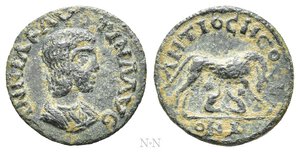
PISIDIA. Antioch. Annia Faustina (Augusta, 221). Ae. Obv: ANNIA FAVSTINA AVG. Draped bust right.Rev: ANTIOCH COL / ONI. Lupa Romana standing right, head left, suckling the twins Romulus and Remus.RPC VI online 6575.Ex Numismatik Naumann 88 (2020), lot 490 Condition: Good very fine.Weight: 2.35 g. Diameter: 16 mm.
Lot # 18
-
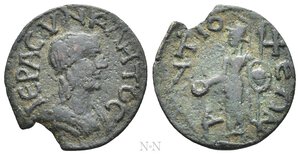
CARIA. Antioch ad Maeandrum. Pseudo-autonomous (Circa 3rd century). Ae. Obv: ΙЄΡΑ ϹΥΝΚΛΗΤΟϹ. Draped bust of Senate right.Rev: ΑΝΤΙΟΧЄΩΝ. Athena standing left, holding patera, shield and spear.RPC X online - (unassigned; ID 5085) (this coin cited = WRB coll.); BMC 18. Condition: Near very fine.Weight: 3.77 g. Diameter: 22 mm.
Lot # 17
-
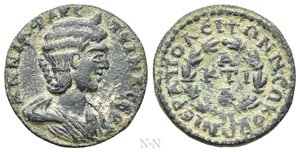
PHRYGIA. Hierapolis. Annia Faustina (Augusta, 221). Ae. Obv: ΑΝΝΙΑ ΦΑΥϹΤЄΙΝΑ ϹЄΒ. Diademed and draped bust right.Rev: ΙЄΡΑΠΟΛЄΙΤΩΝ ΝЄΩΚΟΡΩΝ. ΑΚΤΙΑ in three lines within wreath.RPC VI online 5459; Johnston, Hierapolis 39-40; BMC 148. Condition: Very fine.Weight: 5.86 g. Diameter: 23 mm.
Lot # 16
-
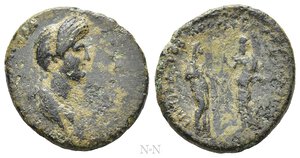
LYDIA. Sardis. Domitia (Augusta, 82-96). Ae. Titus Flavius Metrodorus, magistrate. Obv: ΔΟΜΙΤΙΑ ϹЄΒΑϹΤΗ. Draped bust right.Rev: ЄΠΙ (Τ) Φ(Λ) ΜΗΤΡΟΔΩΡΟΥ (ϹΤΡ ΤΟ Β) ϹΑΡΔΙΑΝΩΝ. Boule standing right, facing Nemesis standing left, holding cubit rule.RPC II 1319 or 1322. Condition: Fine.Weight: 4.31 g. Diameter: 21 mm.
Ex Gorny & Mosch 2003
Lot # 15
-
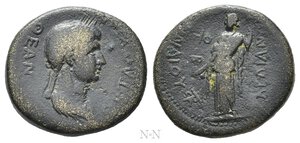
LYDIA. Sardis. Octavia (Augusta, 54-62). Ae. Mindios, strategos for the second time. Obv: ΘΕΑΝ ΟΚΤΑΟΥΙΑΝ. Draped bust right, wearing grain wreath.Rev: ΕΠΙ ΜΙΝΔΙΟΥ ΣΑΡΔΙΑΝΩΝ / ΣΤΡΑ ΤΟ Β. Demeter standing left, with ears of corn and sceptre.RPC I 2998 (5 specimens).Very rareEx Gorny & Mosch 126 (2003), lot 1842 Condition: Good fine.Weight: 5.81 g. Diameter: 20 mm.
Lot # 14
-
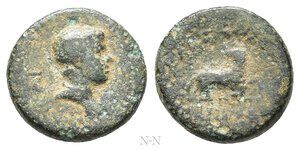
IONIA. Clazomenae. Britannicus (41-55). Ae. Obv: ΒΡЄΤΑΝΝΙΚΟϹ ΚΑΙϹΑΡ. Bare-headed and draped bust right.Rev: ΚΛΑΖΟΜЄΝΙΩΝ. Ram reclining right, head turned left.RPC I 2503 (4 specimens); SNG Copenhagen 120; BMC 121.Very rare Condition: Fine.Weight: 2.70 g. Diameter: 15 mm.
Lot # 13
-
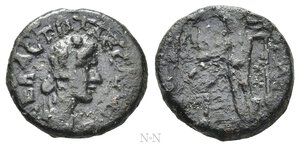
AEOLIS. Aegae. Messalina (Augusta, 41-48). Ae. Obv: ΜЄCΑΛЄΙΝΑ CЄΒΑCΤΗ. Draped bust right.Rev: ΑΙΓΑЄωΝ. Zeus standing left, holding eagle and sceptre.RPC I 2430; SNG Copenhagen 23. Condition: Good fine.Weight: 3.28 g. Diameter: 16 mm.
Lot # 12
-
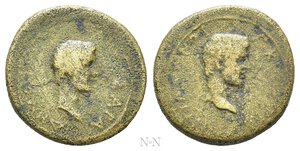
MYSIA. Pergamum. Gaius & Lucius Caesares (20 BC-4 AD & 17 BC-2 AD). Demophon, magistrate. Obv: Γ ΚΑΙΣΑΡΑ ΠΕΡΓΑΜΗΝΟΙ. Bare head of Gaius right.Rev: Α ΚΑΙΣΑΡΑ ΔΗΜΟΦΩΝ. Bare head of Lucius right.RPC I 2365; BMC 246. Condition: Fine.Weight: 3.42 g. Diameter: 18 mm.
Lot # 11
-
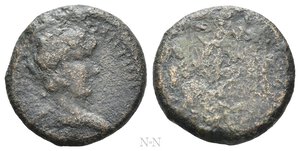
ACHAEA. Argos. Antinoüs (Died 130). Ae. Obv: ΘЄΟΝ ΑΝΤΙΝΟΟΝ. Bare-headed and draped bust right.Rev: ΑΡΓЄΙωΝ. [Ares standing left?].Cf. RPC III 391-2.Extremely rare Condition: Fair.Weight: 6.41 g. Diameter: 20 mm.
Lot # 10
-
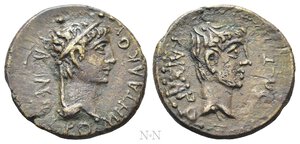
KINGS OF THRACE (Sapean). Rhoemetalkes I, with Augustus (Circa 11 BC-12 AD). Ae. Obv: BAΣΙΛΕΩΣ POIMHTAΛΚΟV. Diademed head of Rhoemetalkes right.Rev: KAIΣAPOΣ ΣEBAΣTOV. Bare head of Augustus right.RPC I 1718; SNG Copenhagen 1192-5; BMC 7-9. Condition: Good very fine.Weight: 4.62 g. Diameter: 21 mm.
Lot # 9
-
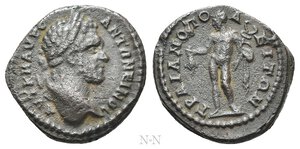
THRACE. Trajanopolis. Caracalla (198-217). Ae. Obv: AVT K M AVP C(Є) ANTΩNЄINOC. Laureate head right.Rev: TPAIANOΠOΛEITΩN. Hermes standing left, holding purse and kerykeion.Cf. Varbanov 2829. Condition: Very fine.Weight: 3.76 g. Diameter: 18 mm.
Lot # 8
-
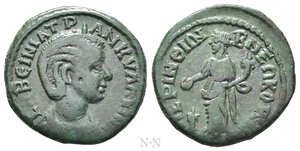
THRACE. Perinthus. Tranquillina (Augusta, 241-244). Ae. Obv: ϹΑΒЄΙΝΑ ΤΡΑΝΚΥΛΛЄΙΝΑ. Diademed and draped bust right.Rev: ΠЄΡΙΝΘΙΩΝ Β ΝЄΩΚΟΡΩΝ. Homonoia standing left, holding patera over altar and cornucopia.RPC VII.2 621.15 (this coin); Schönert 863-4.Ex Savoca Numismatik 23rd blue auction (2019), lot 668 Condition: Near very fine.Weight: 6.66 g. Diameter: 23 mm.
Lot # 7
-
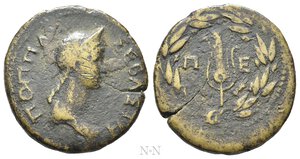
THRACE. Perinthus. Poppaea (Augusta, 62-65). Ae. Obv: ΠΟΠΠΑΙΑ ΣΕΒAΣΤΗ. Diademed and draped bust right.Rev: Π - Ε. Headdress of Isis within wreath.RPC I 1756; Varbanov 27. Condition: Good fine.Weight: 10.66 g. Diameter: 26 mm.
Lot # 6
-
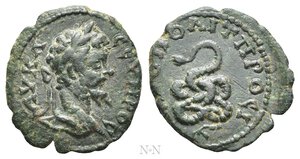
MOESIA INFERIOR. Nicopolis ad Istrum. Septimius Severus (193-211). Ae. Obv: AV K Λ CEVHPOC. Laureate head right.Rev: NIKOΠOΛIT ΠPOC I[. Serpent coiled left.Cf. Varbanov 2391ff.. Condition: Very fine.Weight: 2.46 g. Diameter: 18 mm.
Lot # 5
-
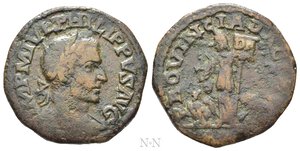
DACIA. Philip I 'the Arab' (244-249). Ae. Dated CY 1 (AD 246/7). Obv: IMP M IVL PHILIPPVS AVG. Laureate, draped and cuirassed bust right.Rev: PROVINCIA DACIA / AN I. Dacia, standing left, holding sword and vexillum inscribed D F; to left, eagle standing left, head right, holding wreath in beak; to right, lion standing left.RPC VIII - (unassigned; ID 2265); AMNG 1. Condition: Good fine.Weight: 15.76 g. Diameter: 29 mm.
Lot # 4
-
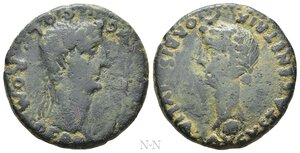
SPAIN. Romula. Divus Augustus, with Julia Augusta (Livia, died AD 14). Ae. Obv: PERM DIVI AVG COL ROM. Radiate head of Augustus right; star above, thunderbolt before.Rev: IVLIA AVGVSTA GENETRIX ORBIS. Head of Livia left on globus; crescent above.RPC I 73; ACIP 3360. Condition: Good fine.Weight: 22.13 g. Diameter: 31 mm.
Lot # 3
-
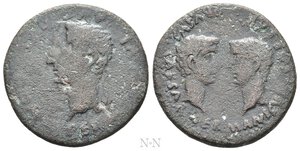
SPAIN. Hispalis (Colonia Romula). Tiberius with Germanicus and Drusus Caesares (14-37). Ae As. Obv: PERM DIVI AVG COL ROM. Laureate head of Tiberius left.Rev: GERMANICVS CAESAR DRVSVS CAESAR. Bare heads of Germanicus and Drusus facing one another.RPC I 74; ACIP 3361. Condition: Fine.Weight: 13.97 g. Diameter: 30 mm.
Lot # 2
-
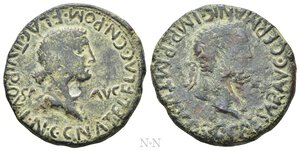
SPAIN. Carthago Nova. Caligula with Caesonia (37-41). Cn. Atellius Flaccus and Cn. Pompeius Flaccus, magistrates. Obv: C CAESAR AVG GERMANIC IMP P M TR P COS. Laureate head of Caligula right.Rev: CN ATEL FLAC CN POM FLAC IIVIR Q V I N C / SAL - AVG. Draped bust of Salus right.RPC I 185; SNG Copenhagen 503. Condition: Good fine.Weight: 13.23 g. Diameter: 30 mm.
Lot # 5283
-
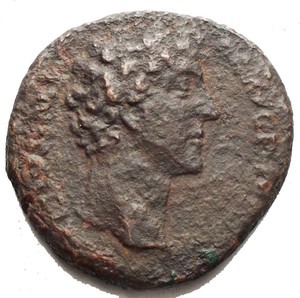
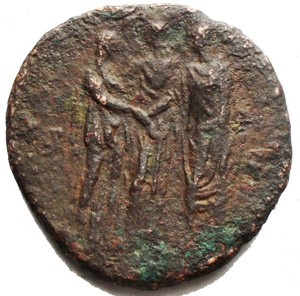
Marcus Aurelius (Caesar, 139-161). Æ As (25.5 mm, 9.13g). Rome, AD 145. Bare head r. R/ Faustina and Marcus Aurelius standing vis-à-vis, clasping r. hands; behind them stands Concordia placing her hands on their shoulders. RIC III 1269 (Pius). Rare. aVF
Lot # 5280
-
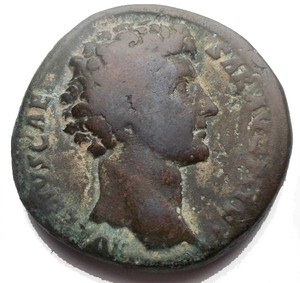
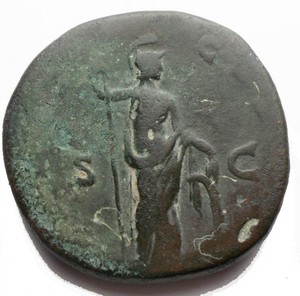
Marco Aurelio. Come Cesare, 139-161 d.C. Sesterzio (31 mm, 25,8 g). Coniato sotto Antonino Pio, 145 d.C. Testa nuda a destra / Marte stante a destra, con lancia e mano appoggiata sullo scudo appoggiato a terra.
Lot # 20
-
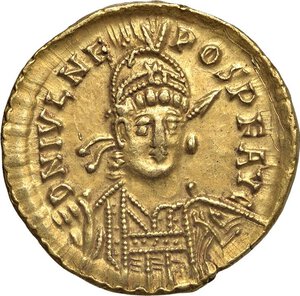
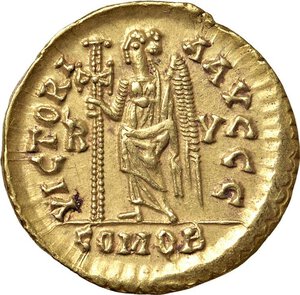
Monete dell'Impero Romano (shipping only in Italy). IMPERO ROMANO D'OCCIDENTE – GIULIO NEPOTE (474-475) – Solido, s.d., Ravenna.in oro4,43 gr. - Diam. 20,00 mm.Dritto: Busto frontale elmato e corazzato, con scudo e lancia trasversale; - Rovescio: La Vittoria stante con lunga croce perlinata. Ai lati R e V.
RIC X 3212. Depeyrot 41/1.
Graffietto al D/.
q.SPL
Shipping only in Italy.
Lot # 19
-
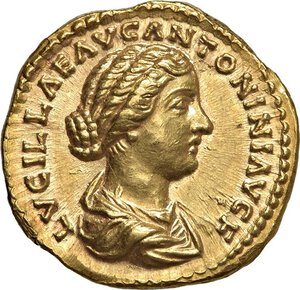
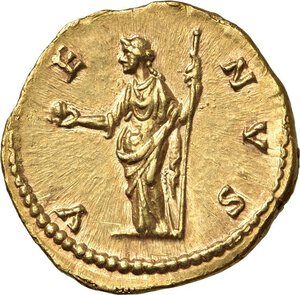
Monete dell'Impero Romano (shipping only in Italy). LUCILLA (164-180) – Aureo, s.d., Roma.in oro7,22 gr. - Diam. 20,00 mm.Dritto: Busto drappeggiato a destra; - Rovescio: Venere stante rivolta a sinistra con mela e scettro.
RIC 783. Calicó 2218. Raro.
Di eccezionale conservazione!
q.FDC.
Shipping only in Italy.
Lot # 18
-
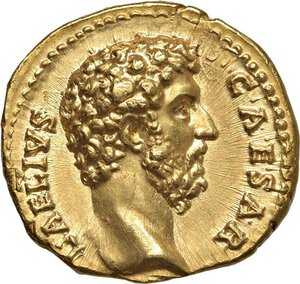
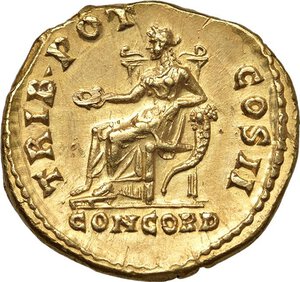
Monete dell'Impero Romano (shipping only in Italy). ELIO (AELIUS), come Cesare (137) – Aureo, s.d., Roma.in oro7,20 gr. - Diam. 17,80/19,20 mm.Dritto: Testa nuda a destra; - Rovescio: La Concordia seduta in trono a sinistra, tiene una patera nella mano destra protesa; il braccio sinistro riposa su cornucopia. In esergo CONCORD.
RIC 443. Calicó 1444. Raro.
Di eccezionale conservazione!
q.FDC.
Shipping only in Italy.
Negli ultimi anni della sua vita, segnati da gravi difficoltà fisiche, Adriano fu costretto ad affrontare il delicato problema della successione imperiale. Nel 136 d.C. la sua scelta ricadde su Lucio Ceionio Commodo, console in carica in quell’anno, che assunse il nome di Lucio Elio Cesare. Si trattava però di un personaggio privo di una solida esperienza sia in ambito militare sia in quello amministrativo; per questo motivo gli vennero attribuiti i poteri tribunizi e fu inviato lungo il confine danubiano, con l’incarico di governare la Pannonia.
Il progetto dinastico di Adriano non ebbe tuttavia il tempo di realizzarsi. Elio morì prematuramente nel 138 d.C., lasciando ancora una volta l’imperatore, ormai gravemente malato, senza un erede designato. La sua nomina aveva già suscitato perplessità e malumori, alimentati anche dallo scandalo esploso alcuni anni prima, nel 130 d.C., quando Adriano aveva promosso l’istituzione di un culto e l’emissione di monete in onore di Antinoo, il giovane favorito dell’imperatore, morto annegato nel Nilo durante un viaggio ufficiale. In questo clima di sospetto, si diffuse l’idea che la scelta di Elio fosse avvenuta contro il parere generale e fosse motivata unicamente dal suo aspetto avvenente.
Alcuni studiosi del passato arrivarono persino a ipotizzare, come fece Carcopino, che Elio fosse un figlio naturale di Adriano, ma tale interpretazione è stata in seguito ampiamente confutata. È più verosimile che Elio avesse conquistato la stima dell’imperatore grazie alla sua formazione culturale e alla raffinatezza dei suoi interessi, in sintonia con l’attenzione di Adriano per le arti e la vita intellettuale. Dopo la sua scomparsa, Adriano adottò Aurelio Antonino, destinato a diventare imperatore con il nome di Antonino Pio, imponendogli però l’obbligo di adottare a sua volta Marco Aurelio, figlio di Elio e pronipote adottivo dello stesso Adriano, assicurando così la continuità dinastica.
Lot # 17
-
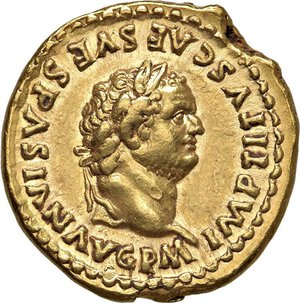
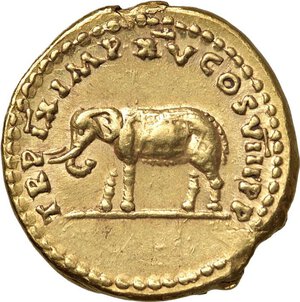
Monete dell'Impero Romano (shipping only in Italy). TITO (79-81) – Aureo, s.d., Roma.in oro7,38 gr. - Diam. 19,20 mm.Dritto: Testa laureata a destra; - Rovescio: Elefante corazzato che avanza verso sinistra.
RIC II.1 114. Calicó 775. Raro.
Difetti di coniazione sul contorno, ma esemplare di bella qualità.
q.SPL.
Shipping only in Italy.
Lot # 16
-
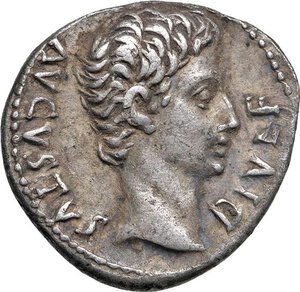
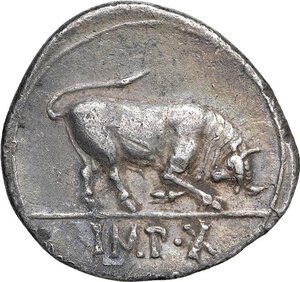
Monete dell'Impero Romano (shipping only in Italy). AUGUSTO (27 a.C. - 14 d.C.) – Denario, Lugdunum (Lione).in argento3,81 gr. - Diam. 19,00 mm.Dritto: Testa nuda a destra; - Rovescio: Toro che carica a testa bassa verso destra. In esergo IMP. X.
RIC 166a.
Gradevole esemplare.
Bel BB.
Shipping only in Italy.
Le numerose emissioni delle cosiddette “monete col toro” di Augusto, coniate nella zecca gallica di Lugdunum, appartengono a una fase di forte affermazione e consolidamento del nuovo regime. La scelta del toro non è casuale: si tratta di un richiamo visivo alla città di Thurio, in Lucania, con la quale la famiglia di Ottaviano vantava un legame significativo.
Nel 60 a.C., mentre ricopriva la carica di pretore, il padre di Ottaviano, Gaio Ottavio, guidò con successo le truppe romane contro una rivolta di schiavi scoppiata nei pressi della città. È probabile che, per celebrare questa vittoria, egli attribuisse al figlio, allora di appena tre anni, il cognomen Thurinus, esplicito riferimento alla città.
La morte prematura di Gaio Ottavio, avvenuta l’anno successivo, portò il giovane Ottaviano ad abbandonare presto questo cognomen. Tuttavia, una volta giunto al potere, Augusto recuperò quel ricordo familiare in modo più sottile e simbolico, inserendo nella propria immagine pubblica il toro in carica: lo stesso tipo iconografico utilizzato da Thurio nella sua monetazione greca dei secoli precedenti. In questo modo, un episodio della storia personale e familiare veniva trasformato in un elemento della propaganda imperiale.
Lot # 5630
-
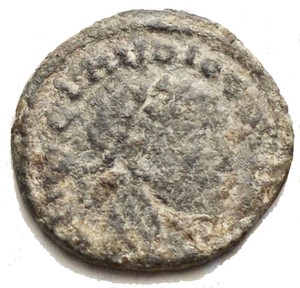
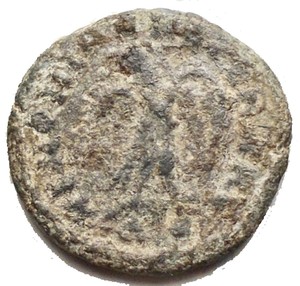
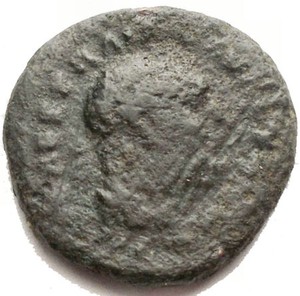
CLAUDIO II IL GOTICO (+270) Restituzione di Costantino I Mezzo-follis o mezzo-nummus 317-318 Roma 15,2 mm 1,44 g. VF. Intatto. Patina verde RIC.112 (R) - C.174 (3 f.) d/ DIVO CLAVDIO OPT IMP. Busto laureato, velato e drappeggiato di Claudio II il Gotico rivolto a destra r/ MEMORIAE AETERNAE Aquila stante a destra, che guarda a sinistra.
Storia: Costantino I fece risalire la sua discendenza a Claudio II il Gotico, che regnò dal 268 al 270. Sosteneva che sua nonna fosse figlia o nipote dell'imperatore morto di peste.
Lot # 9293
-
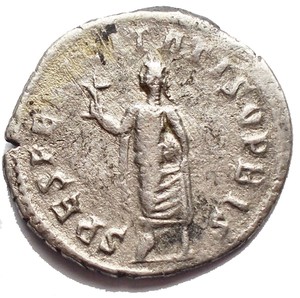
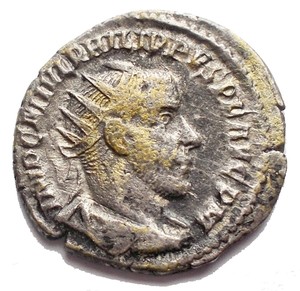
PHILIP I. 244-249 AD. AR Antoninianus (22.4 mm, 3.94 gm). Antioch mint. Struck 244 AD. IMP C M IVL PHILIPPVS P F AVG P M, radiate, draped, and cuirassed bust right / Spes advancing left, holding flower and raising skirt. RIC IV 70; RSC 221.
An issue from Antioch, since the inclusion of P F in the imperial title is not to be found in Philip's issues from Rome. The addition of P M does not mean Pontifex Maximus; rather it is Persicus Maximus, and refers to the conclusion of Rome's four-year war with Shapur I, king of Sasanian Persia. Once emperor, Philip did negotiate a peace with Shapur Philip made a peace treaty with the Persian king Shapur in which he agreed to pay an initial 50 million sesterces as well as a possible annual tribute; thus the inclusion of the personification of Spes as well as the legend, SPES FELICITATIS ORBIS (the hope of the world's good fortune), assumes a particularly ironic connotation
Peso g 5,3
Lot # 5578
-
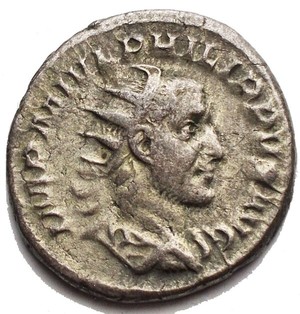
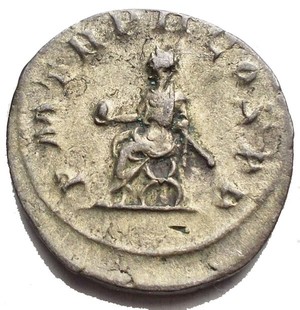
Philip I (Arabs) 244-249. Antoninianus 245, Rome. 5,3 g. 21,2 x 21,7 mm. Radiant head right, IMP M IVL PHILIPPVS AVG / Emperor enthroned left on curule chair, holding globe and sceptre, PM TRP II COS PP. RIC 2 b, C. 120. BB
Results from 6851 to 6900 of 32990