Roman Imperial Coins
Results from 15801 to 15850 of 32902
Lot # 99
-
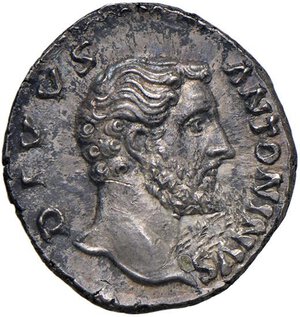
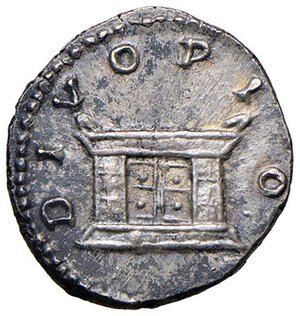
Antonino Pio (138-161) Denario di consacrazione - Testa a d. - R/ Altare - RIC 441 AG (g 3,25) Colpi nel campo sotto il mento al D/, altrimenti bellissimo esemplare con una delicata patina qFDC
Lot # 98
-
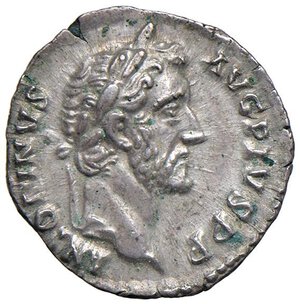
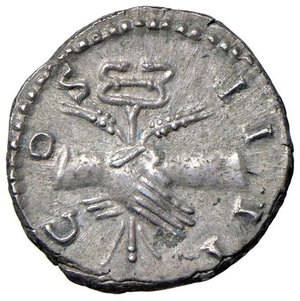
Antonino Pio (138-161) Denario - Testa laureata a d. - R/ Due mani strette intorno a caduceo - RIC 136 AG (g 3,09) SPL
Lot # 97
-
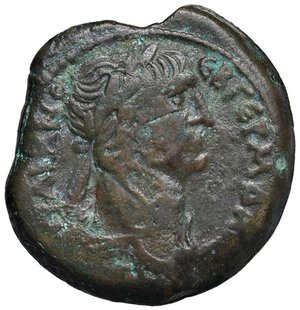
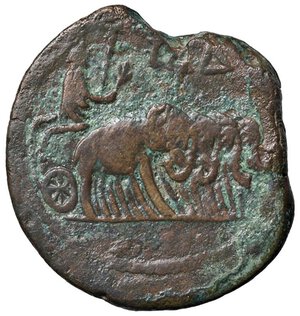
Traiano (98-117) Dracma di Alessandria in Egitto anno 14 - Testa laureata a d. - R/ Quadriga di elefanti a d. - Emmett 462 AE (g 22,31) BB
Lot # 96
-
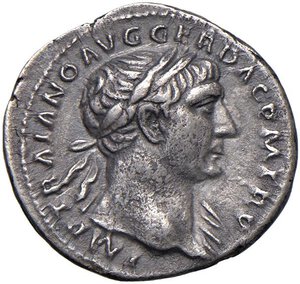
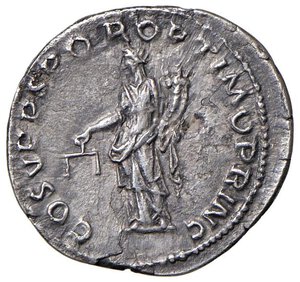
Traiano (98-117) Denario - Testa laureata a d. - R/ L'Equità stante a s.. - RIC 118 AG (g 3,13) Piccole screpolature qSPL
Lot # 95
-
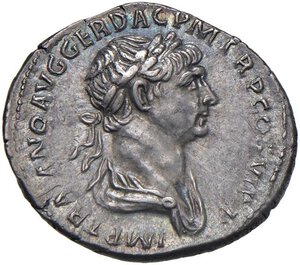
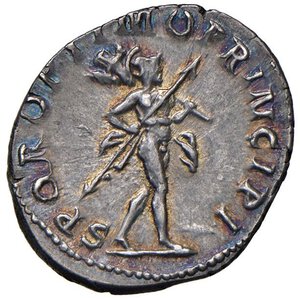
Traiano (98-117) Denario - Testa laureata a d. - R/ Marte andante a d. - RIC 269 AG (g 3,45) Splendida patina iridescente SPL+
Lot # 94
-
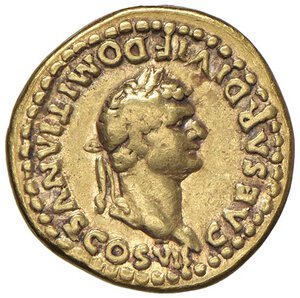
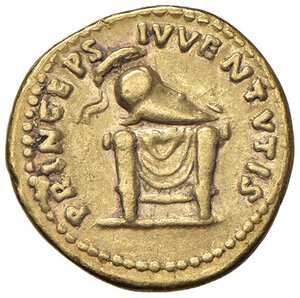
Domiziano (81-96) Aureo - Testa laureata a destra - R/ Elmo su trono. - RIC 270 AU (g 7,25) qSPL
Lot # 93
-
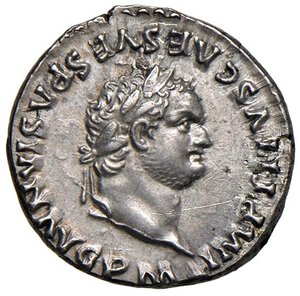
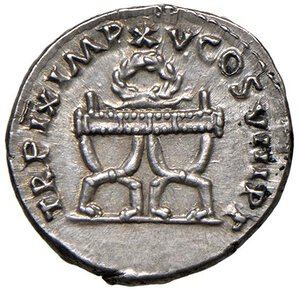
Tito (79-81) Denario - Testa laureata a d. - R/ Corona sopra trono - RIC 108 AG (g 3,43) Graffietti nel campo del D/ ma bellissimo esemplare SPL/SPL+
Lot # 92
-
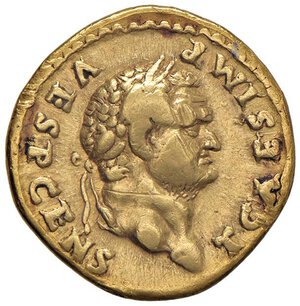
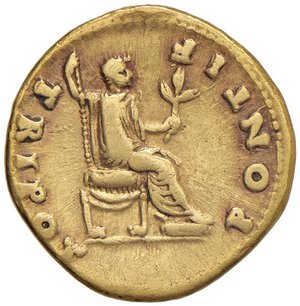
Tito (79-81) Aureo - Testa laureata a d. - R/ L'imperatore seduto a d. - RIC 555 AU (g 7,14) Striatura al D/ BB+
Lot # 91
-
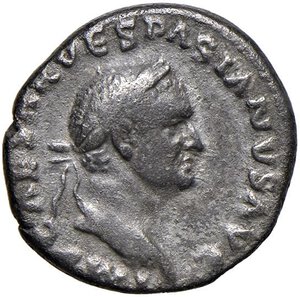
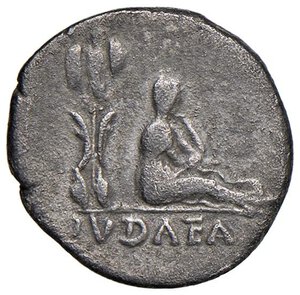
Vespasiano (69-79) Denario - Testa laureata a d. - R/ La Giudea seduta a d. - RIC 2 AG (g 3,33) R Leggermente poroso qBB
Lot # 90
-
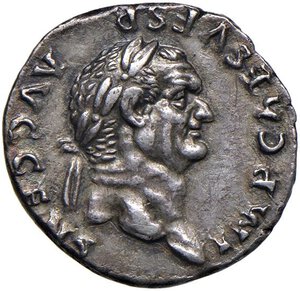
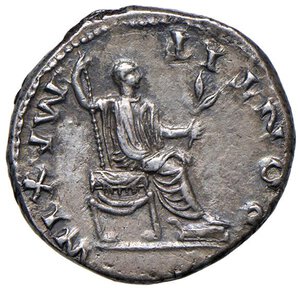
Vespasiano (69-79) Denario - Testa laureata a d. - R/ L'imperatore seduto a d. - RIC 546 AG (g 3,50) Bel ritratto, patina delicata SPL
Lot # 89
-
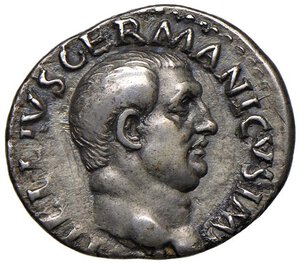
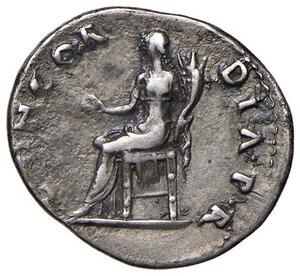
Vitellio (69) Denario - Testa a d. - R/ La Concordia seduta a s. - RIC 271 AG (g 3,39) Minimi graffietti al D/, bella patina di vecchia raccolta BB+
Lot # 88
-
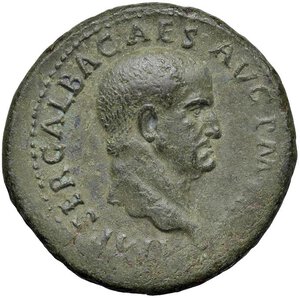
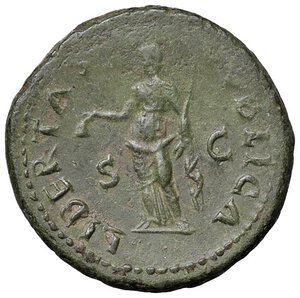
Galba (68-69 a.C.) Asse - Testa a d. - R/ La Libertà stante a s. - RIC 373 AE (g 12,93) RR BB+
Lot # 87
-
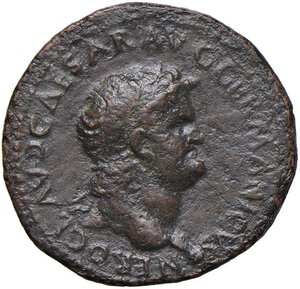
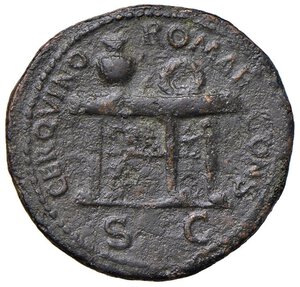
Nerone (54-68) Semisse (Lugdunum) Testa laureata a d. - R/ Tavolo con corona - RIC 427 AE (g 5,19) RRR Il semisse del tutto simile al quadrante è molto più raro MB+
Lot # 86
-
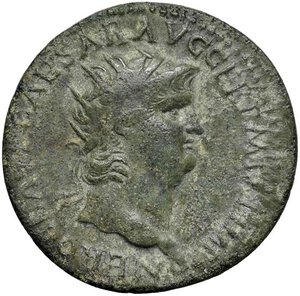
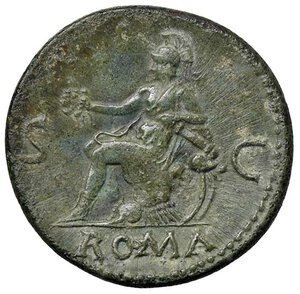
Nerone (54-68) Dupondio - Testa radiata a d. - R/ Roma seduta a s. - cfr. RIC 293 AE (g 10,39) Bella patina verde BB+
Lot # 85
-
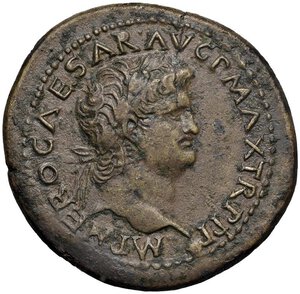
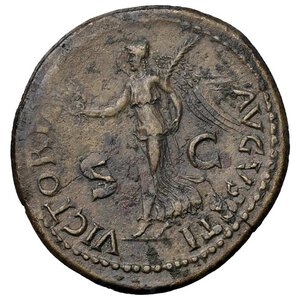
Nerone (54-68) Dupondio (Lugdunum) Testa laureata a d. - R/ La Vittoria andante a s. - RIC 522 AE (g 13,25) Frattura del tondello, bella colorazione marrone, qualche deposito ma bell'esemplare qSPL
Lot # 84
-
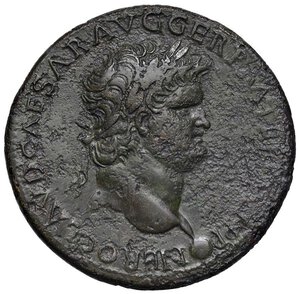
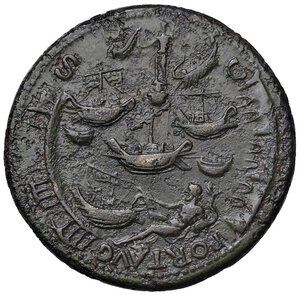
Nerone (54-68) Sesterzio (Lugdunum) Testa laureata a d. - R/ PORT AVG , veduta del porto di Ostia, con otto navi, in alto, statua di Nettuno, sotto, il Tevere - RIC 440 AE (g 24,60) RR Ex The New York Sale, 06.01.2015, lotto 541 con questa descrizione "Some very light surface erosion and porosity, attractive natural dark green-brown patina, excellent portrait and a very clear and well-detailed reverse composition, good very fine. Dichiarato provenire dalla F. Knobloch Collection, Stacks, 1-3 May 1980, lot 208 $ 6,500. Moneta non rarissima ma sicuramente una delle più affascinanti di tutta la monetazione romana. Nonostante le piccole corrosioni, la scena del R/ è assai nitida e dettagliata! BB+
Lot # 83
-
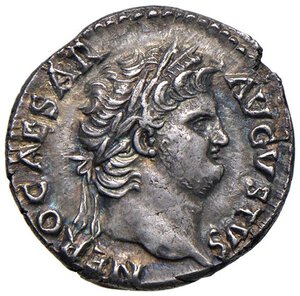
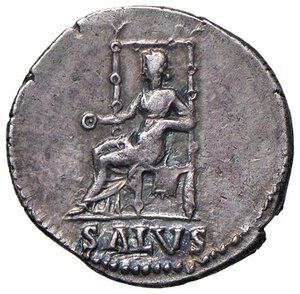
Nerone (54-68) Denario - Testa laureata a d. - R/ La Salute seduta a s. - RIC 60 AG (g 3,27) Bella patina SPL
Lot # 82
-
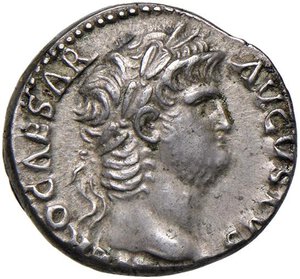
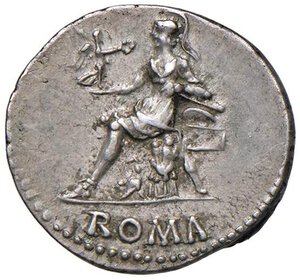
Nerone (54-68) Denario - Testa laureata a d. - R/ Roma seduta a s. - RIC 55 AG (g 3,54) Bellissimo esemplare per questo tipo di moneta SPL
Lot # 81
-
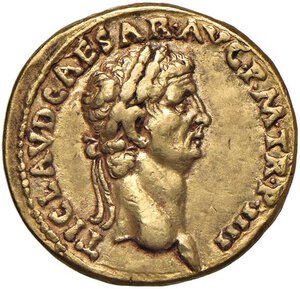
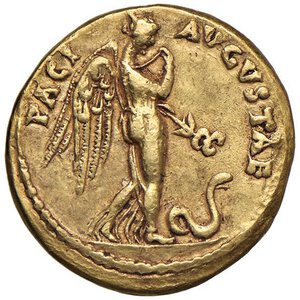
Claudio (41-54) Testa laureata a d. - R/ PACI AVGVSTAE, la Pace andante a d., di fronte, un serpente - RIC 27 AU (g 7,62) RR Debolezze di conio nel bordo del rovescio. Ritratto vigoroso e bellissimo colore rossiccio del metallo qSPL
Lot # 80
-
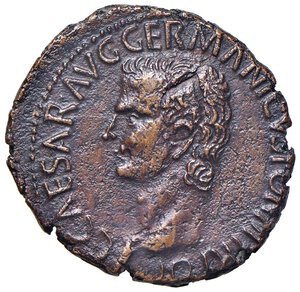
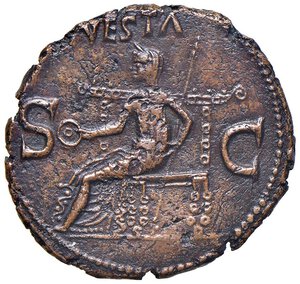
Caligola (37-41) Asse - Testa a s. - R/ Vesta seduta a s. - RIC 38 AE (g 9,53) Contromarca (?) o difetto di conio al D/ ma bell'esemplare con un insolito ritratto BB+
Lot # 79
-
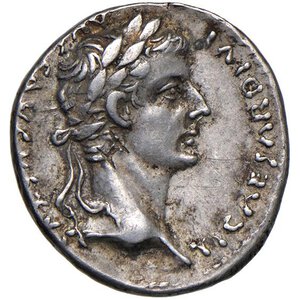
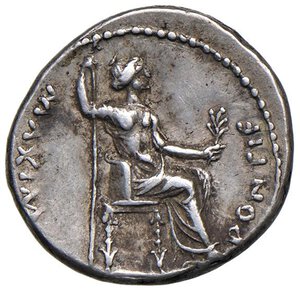
Tiberio (14-37) Denario - Testa laureata a destra - R/ Livia seduta a d. - RIC 30 AG (g 3,75) Graffietti e contromarca sul collo al D/ BB+
Lot # 78
-
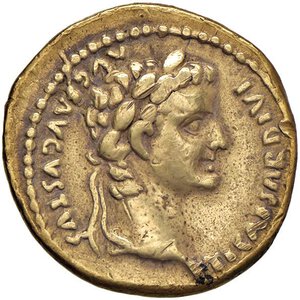
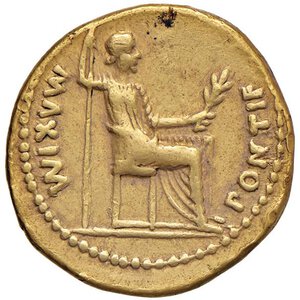
Tiberio (14-37) Aureo - Testa laureata a destra - R/ Livia seduta a d. - RIC 25 AU (g 7,74) Colpetti ed una colpo di lima al bordo qBB
Lot # 77
-
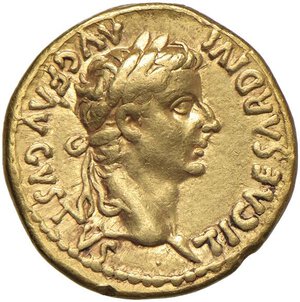
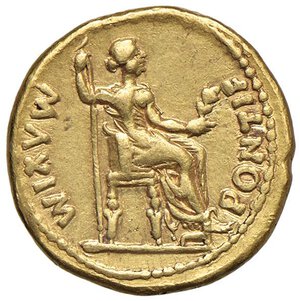
Tiberio (14-37) Aureo - Testa laureata a destra - R/ Livia seduta a d. - RIC 29 AU (g 7,64) qSPL
Lot # 76
-
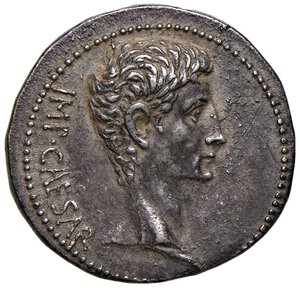
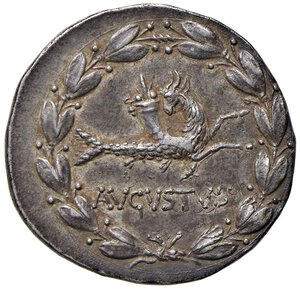
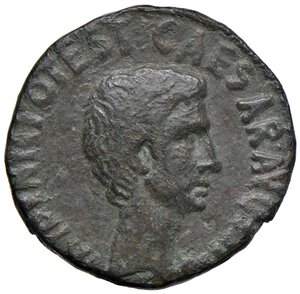
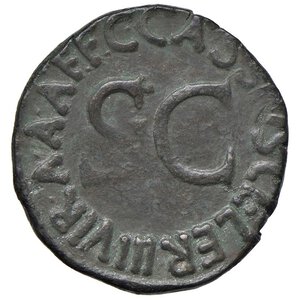
Augusto (27 a.C.-14 d.C.) Cistoforo (zecca incerta in Asia Minore, probabilmente Efeso, circa 25-20 a.C. - Testa a d. - R/ AVGVSTVS, Capricorno a d. in corona d'alloro - RPC I 2213 AG (g 11,63) Un minimo graffietto nel campo del D/, splendida patina di vecchia raccolta SPL+
Lot # 74
-
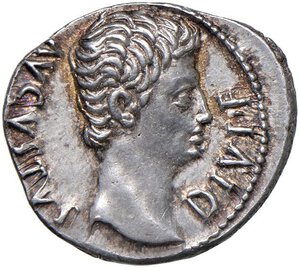
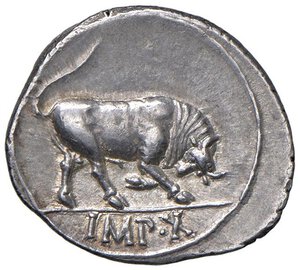
Augusto (27 a.C.-14 d.C.) Denario (Lugdunum) Testa a d. - R/ Toro cozzante a d. - RIC 167a AG (g 3,75) SPL
Lot # 5538
-
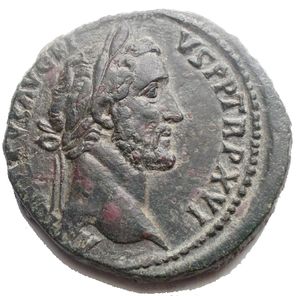
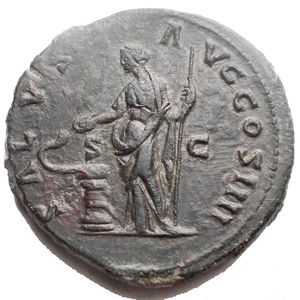
ANTONINUS PIUS (138-161) AE sesterce 151-152 Rome d/ANTONINVS AVG PIVS PP TR P XVI Laureate head right. r/SALVS AVG COS IIII / S-C Salus standing left, feeding a snake coiled around an altar and holding a scepter. Ref.: BMC 316, 1901; RIC 886. 27.04g. Green patina. VF-aEF
Watch:
or
Lot # 1017
-
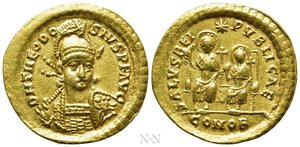
THEODOSIUS II (402-450). GOLD Solidus. Constantinople. Obv: D N THEODOSIVS P F AVG. Helmeted and cuirassed bust facing slightly right, holding spear and shield decorated with horseman motif.Rev: SALVS REI PVBLICAE / CONOB. Theodosius II seated facing on the left and Valentinian III seated facing on the right, both wearing consular robes, holding mappa and cross; star above.RIC 233; Depeyrot 78/1. Condition: Extremely fine.Weight: 4.37 g. Diameter: 21 mm.
Lot # 1016
-
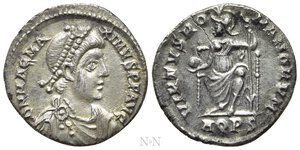
MAGNUS MAXIMUS (383-388). Siliqua. Aquileia. Obv: D N MAG MAXIMVS P F AVG. Diademed, draped and cuirassed bust right.Rev: VIRTVS ROMANORVM / AQPS. Roma seated facing on throne, head left, holding globus and spear.RIC 54a. Condition: Very fine.Weight: 1.87 g. Diameter: 16 mm.
Lot # 1015
-
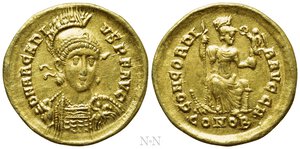
ARCADIUS (383-408). GOLD Solidus. Constantinople. Obv: D N ARCADIVS P F AVG. Helmeted and cuirassed bust facing slightly right, holding spear and shield decorated with horseman motif.Rev: CONCORDIA AVGG H / CONOB. Constantinopolis seated facing on throne, head right, with foot set upon prow, holding sceptre and victoriola.RIC 7; Depeyrot 55/1.The eldest son of Theodosius I from Spain, Arcadius became augustus at the age of six. When his father left to end the usurpation of Eugenius and did not return, Arcadius remained in Constantinople in his stead and became augustus of the East at eighteen, while his brother Honorius got the West. The empire was now divided, Theodosius I was first seen as the unifier and then as the one who divided it forever. From this time on, the two empires had independent lives and slowly became more and more distinct from each other, and Arcadius was recognized as the first Byzantine emperor. Initially Arcadius reigned under his patron Rufinus, an ambitious politician from Aquitaine who frowned upon his equivalent in the West, Stilicho. The latter made a secret agreement with the Visigoth leader Gainas, who had been welcomed to Constantinople by Arcadius, and killed Rufinus. Stilicho thus prevailed in this dispute but was sentenced to death in 408, accused among other things of the murder of Rufinus himself. His place was then taken by the eunuch Eutropius, remembered in the sources as a cruel and vicious man. Eutropius tried to forge an alliance with Alaric, who now hold the balance of power between East and West. By putting his opponents to death and confiscating their wealth, he succeeded in getting Stilicho declared a public enemy and bring Africa under the control of the East in order to secure its grain, bringing the West to its knees and starving it. In any case, Arcadius was persuaded by the court to get Eutropius, who was in fact acting as the real emperor, out of the way and hit with damnatio memoriae as well. In his place was chosen Gainas himself, the Visigoth leader, who, however, was short-lived. The anti-barbarian mood that was fueled by influential figures, such as Patriarch John Chrysostom, resulted in a revolt in Constantinople against the Goths and, therefore, also against Gainas, and led to a massacre of the barbarians and the escape of their leader. At this point the reins of the empire were taken over by the emperor's wife, Aelia Eudoxia, as Arcadius proved incapable of governing. Aelia pushed Alaric to invade the West, receiving in turn fierce criticism from the patriarch and the hatred of much of the people. However, she died in 404 from an abortion, while Arcadius died of illness four years later. Condition: Near extremely fine.Weight: 4.40 g. Diameter: 20 mm.
Mint State
Lot # 1014
-
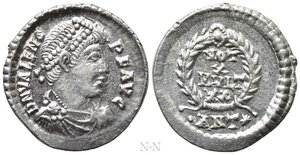
VALENS (364-378). Siliqua. Antioch. Obv: D N VALENS P F AVG. Pearl-diademed, draped and cuirassed bust right.Rev: VOT / X / MVLT / XX / •ANT (star). Legend in four lines within wreath.RIC 34b.4. Condition: Mint State.Weight: 1.98 g. Diameter: 18 mm.
Lot # 1013
-
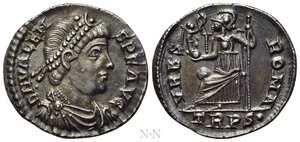
VALENS (364-378). Siliqua. Treveri. Obv: D N VALENS P F AVG. Pearl-diademed, draped and cuirassed bust right.Rev: VRBS ROMA / TRPS•. Roma seated left on throne, holding victoriola and sceptre.RIC 27e.1. Condition: Extremely fine.Weight: 2.19 g. Diameter: 19 mm.
Lot # 1012
-
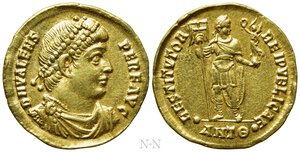
VALENS (364-378). GOLD Solidus. Antioch. Obv: D N VALENS PER F AVG. Pearl-diademed, draped and cuirassed bust right.Rev: RESTITVTOR REIPVBLICAE / •/ANTΘ•. Valens standing facing, head right, holding labarum with cross and victoriola.RIC 2d.xxv.4; Depeyrot 20/2.Flavius Julius Valens was the younger brother of Valentinian I. After serving as protector domesticus (personal guard) of Julian II and Jovian, he immediately became emperor of the East in 364 thanks to his brother who was already Augustus of the West, although the two differed in faith. Valens in fact was an Arian, while Valentinian was a Nicene Christian. The first problem was presented by the usurper Procopius, comes of Antioch, who proclaimed himself Augustus of the East in 365. Valens defeated him, sentenced him to death and struck with damnatio memoriae. He later faced the Visigoths and a second conspiracy, hatched by Theodore of Antioch. In 374 Valens celebrated the decennalia and became Maximus Augustus in 375 on the death of his brother, after which he organized an expedition against the Persians that proved unsuccessful, forcing him to sign an unfavorable peace. Another problem was the confluence of Ostrogoths and Visigoths into Roman territory across the Danube because of the advance of the Huns. The Romans were forced to accept them, but this integration was not easy; the Visigoths felt oppressed and exploited as a labor-power, resulting in an insurrection. Valens, considered a general of little ability by his contemporaries, was thus induced to recruit Goth mercenaries, with the risk that they would end up allied with his enemies. In fact, a large contingent of Visigoths, Ostrogoths, Huns, and Alamanni joined forces to fight the Romans and achieved a decisive victory at Hadrianopolis (Thrace) in 378. The tremendous defeat was caused by Gratian, who was meanwhile on the Western throne and did not arrive in time with his troops. Valens died in the battle but the Goths failed to conquer Constantinople. According to Ambrose, bishop of Mediolanum, the defeat at Hadrianopolis heralded the fall of the empire and the end of the world. Condition: Extremely fine.Weight: 4.45 g. Diameter: 21 mm.
Lot # 1011
-
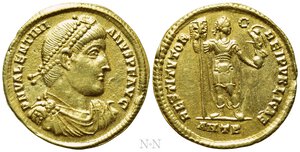
VALENTINIAN I (364-375). GOLD Solidus. Antioch. Obv: D N VALENTINIANVS P F AVG. Pearl-diademed, draped and cuirassed bust right.Rev: RESTITVTOR REIPVBLICAE / ANTB. Valentinian standing facing, head right, holding labarum with christogram on banner and victoriola.RIC 2a.2; Depeyrot 10/1. Condition: Near extremely fine.Weight: 4.44 g. Diameter: 22 mm.
Lot # 1010
-
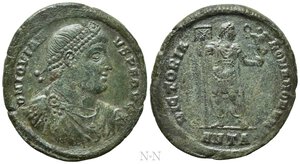
JOVIAN (363-364). Ae. Antioch. Obv: D N IOVIANVS P F AVG. Pearl-diademed, draped and cuirassed bust right.Rev: VICTORIA ROMANORVM / ANTA. Jovian standing facing, head right, holding labarum and victoriola.RIC 228. Condition: Near extremely fine.Weight: 9.03 g. Diameter: 29 mm.
Lot # 1009
-
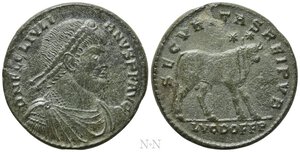
JULIAN II APOSTATA (360-363). Ae. Lugdunum. Obv: D N FL CL IVLIANVS P F AVG. Diademed, draped and cuirassed bust right.Rev: SECVRITAS REI PVB / LVGDOFFP. Bull standing right; two stars above.RIC 236. Condition: Very fine.Weight: 9.02 g. Diameter: 27 mm.
Lot # 1008
-
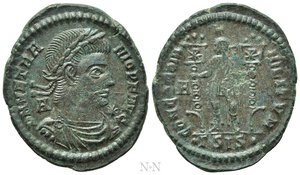
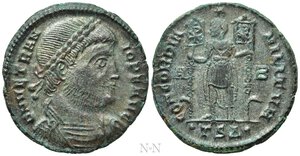
VETRANIO (350). Ae. Siscia. Obv: D N VETRANIO P F AVG. Laureate, draped and cuirassed bust right; A to left, star to right.Rev: CONCORDIA MILITVM / A / •ΓSIS•. Vetranio standing facing, head left, holding labarum decorated with phalerae in each hand; star above.RIC 285. Condition: Extremely fine.Weight: 5.18 g. Diameter: 25 mm.
Lot # 1007
-
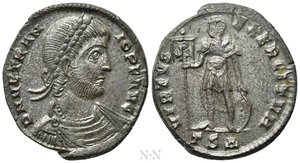
VETRANIO (350). Ae. Thessalonica. Obv: D N VETRANIO P F AVG. Laureate, draped and cuirassed bust right.Rev: CONCORDIA MILITVM / A - B / •TSΔ•. Vetranio standing facing, head left, holding labarum in each hand; star above.RIC 132. Condition: Good very fine.Weight: 4.63 g. Diameter: 23 mm.
Lot # 1006
-
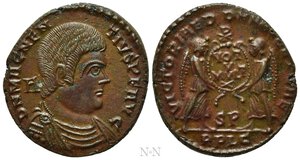
VETRANIO (350). Ae. Thessalonica. Obv: D N VETRANIO P F AVG. Laureate, draped and cuirassed bust right.Rev: VIRTVS EXERCITVM / TSΔ. Vetranio standing facing, head left, holding labarum with christogram and resting hand upon shield.RIC 126. Condition: Extremely fine.Weight: 4.88 g. Diameter: 24 mm.
Lot # 1005
-
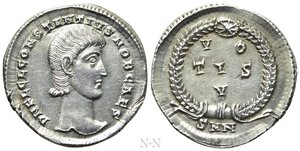
MAGNENTIUS (350-353). Ae. Lugdunum. Obv: D N MAGNENTIVS P F AVG. Bareheaded, draped and cuirassed bust right; A to left.Rev: VICTORIAE DD NN AVG ET CAE / christogram / SP / RPLG. Two Victories standing facing one another, holding wreath inscribed VOT/V/MVLT/X in four lines; Christogram above.RIC 145. Condition: Extremely fine.Weight: 4.97 g. Diameter: 22 mm.
Unpublished Type - Mint State
Lot # 1004
-
CONSTANTIUS GALLUS (Caesar, 351-354). Siliqua. Nicomedia. Obv: D N FL CL CONSTANTIVS NOB CAES. Bare head right.Rev: VOTIS / V / SMN. Legend in three lines within wreath.RIC -, cf. 82 (different rev. legend); RSC -.With the famous Battle of Mursa in 351 Constantius II inflicted a severe defeat on Magnentius, who two years later killed himself along with his brother Decentius, caesar of the West. This marked the beginning of a united kingdom for the winner, who at that point needed a caesar with a view to dynastic succession. Constantius appointed his cousin Constantius Gallus, who married Constantina, sister of the emperor and widow of Hanniballianus. Constantius Gallus was an able general who had brought down several Persian revolts. He had made himself hated not so much for his despotic ways as for his pro-poor monetary policy, in contrast to that initiated by Constantine and continued by Constantius II in favor of gold coinage and the wealthier classes. This led to his eventual assassination by a conspiracy of the Antioch aristocracy and his 'damnatio memoriae'. In his place in 355 Constantius II appointed Julian, who was destined to become emperor with the appellation “Apostate”. Condition: Mint State.Weight: 3.23 g. Diameter: 21 mm.
Lot # 1003
-
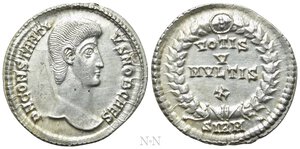
CONSTANTIUS GALLUS (Caesar, 351-354). Siliqua. Sirmium. Obv: D N CONSTANTIVS NOB CAES. Bare head right.Rev: VOTIS / V / MVLTIS / X / SIRM. Legend in four lines within wreath.RIC 16.RareWith the famous Battle of Mursa in 351 Constantius II inflicted a severe defeat on Magnentius, who two years later killed himself along with his brother Decentius, caesar of the West. This marked the beginning of a united kingdom for the winner, who at that point needed a caesar with a view to dynastic succession. Constantius appointed his cousin Constantius Gallus, who married Constantina, sister of the emperor and widow of Hanniballianus. Constantius Gallus was an able general who had brought down several Persian revolts. He had made himself hated not so much for his despotic ways as for his pro-poor monetary policy, in contrast to that initiated by Constantine and continued by Constantius II in favor of gold coinage and the wealthier classes. This led to his eventual assassination by a conspiracy of the Antioch aristocracy and his 'damnatio memoriae'. In his place in 355 Constantius II appointed Julian, who was destined to become emperor with the appellation “Apostate”. Condition: Near mint state.Weight: 2.88 g. Diameter: 21 mm. Rare
Lot # 1002
-
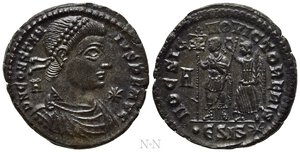
CONSTANTIUS II (337-361). Ae. Siscia. Obv: D N CONSTANTIVS P F AVG. Diademed, draped and cuirassed bust right; A to left, star to right.Rev: HOC SIGNO VICTOR ERIS / A / •ЄSIS (star). Constantius standing left, holding labarum and sceptre, being crowned by Victory.RIC 291. Condition: Extremely fine.Weight: 5.27 g. Diameter: 22 mm.
Lot # 1001
-
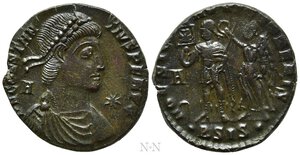
CONSTANTIUS II (337-361). Ae. Siscia. Obv: D N CONSTANTIVS P F AVG. Pearl-diademed, draped and cuirassed bust right; A to left, star to right.Rev: HOC SIGNO VICTOR ERIS / A / •BSIS•. Constantius standing left, holding labarum and spear; to right, crowning Victory standing left.RIC 286. Condition: Extremely fine.Weight: 5.54 g. Diameter: 23 mm.
Lot # 1000
-
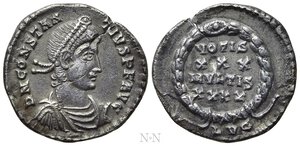
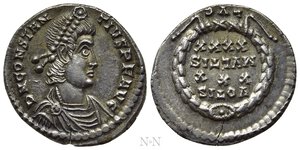
CONSTANTIUS II (337-361). Siliqua. Lugdunum. Obv: D N CONSTANTIVS P F AVG. Pearl-diademed, draped and cuirassed bust right.Rev: VOTIS / XXX / MVLTIS / XXXX. Legend in four lines within wreath; LVG.RIC 216. Condition: Very fine.Weight: 2.31 g. Diameter: 18 mm.
Lot # 999
-
CONSTANTIUS II (337-361). Siliqua. Lugdunum. Obv: D N CONSTANTIVS P F AVG. Pearl-diademed, draped and cuirassed bust right.Rev: VOTIS / XXX / MVLTIS / XXXX. Legend in four lines within wreath; LVG.RIC 216. Condition: Near mint state.Weight: 2.00 g. Diameter: 17 mm.
Lot # 998
-
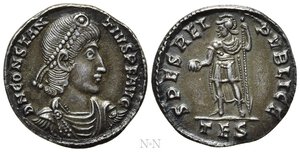
CONSTANTIUS II (337-361). Siliqua. Thessalonica. Obv: D N CONSTANTIVS P F AVG. Pearl-diademed, draped and cuirassed bust right.Rev: SPES REI PVBLICE / TES. Constantius II, helmeted and wearing military attire, standing left, holding globe and inverted spear.RIC 207. Condition: Near extremely fine.Weight: 2.15 g. Diameter: 18 mm.
Lot # 997
-
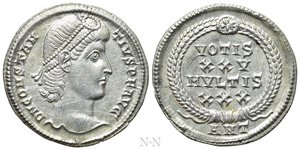
CONSTANTIUS II (337-361). Siliqua. Antioch. Obv: D N CONSTANTIVS P F AVG. Diademed head right.Rev: VOTIS / XXV / MVLTIS / XXX / ANT. Legend in four lines within wreath.RIC 106. Condition: Extremely fine; some luster in field.Weight: 3.16 g. Diameter: 21 mm.
Lot # 996
-
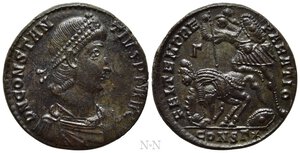
CONSTANTIUS II (337-361). Ae. Constantinople. Obv: D N CONSTANTIVS P F AVG. Diademed, draped and cuirassed bust right.Rev: FEL TEMP REPARATIO / Γ / CONSΓ (star). Helmeted soldier with shield to left, spearing falling horseman; shield below.RIC 81. Condition: Extremely fine.Weight: 5.08 g. Diameter: 22 mm.
Lot # 995
-
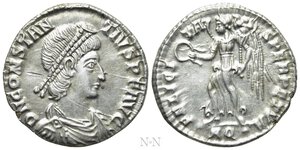
CONSTANTIUS II (337-361). Siliqua. Aquileia. Obv: D N CONSTANTIVS P F AVG. Pearl-diademed, draped and cuirassed bust right.Rev: FELICITAS PERPETVA / AQ•. Victory advancing left, holdign wreath and trophy.RIC 69.Rare Condition: Extremely fine; luster.Weight: 3.45 g. Diameter: 21 mm. Rare
Results from 15801 to 15850 of 32902