Roman Imperial Coins
Results from 26951 to 27000 of 32599
Lot # 520
-
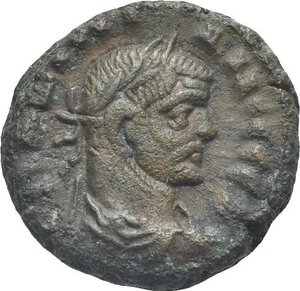
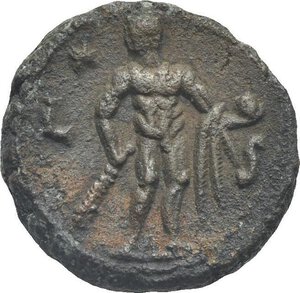
Egypt. Alexandria. Maximianus Herculius, 286-310, first reign, 286-305. Tetradrachm (Billon, 19.90 mm, 7.85 g) dated RY 6 (= 290-291) MAΞΙΜΙΑΝΟC CЄB Laureate, draped and cuirassed bust of Maximianus right. Rev. Herakles nude standing facing, head turned to left, holding club in the right hand, lion skin and apple in the left hand, star above to left, L S (date) across fields. Geissen 3309 var. Emmett 4131. Dattari-Savio pl. 287, 5916 (this coin). Good Very Fine.
Ex Giovanni Dattari Collection 5916. Ex Naville Numismatics Ltd. 50, 23.06.2019, lot 327.
Here is again Maximian on this dazzling tetradrachm of the Dattari collection, of his sixth year of reign together with Diocletian (290-291 AD). On the obverse his martial and strong-willed bust, is determined to introduce himself as co-emperor but “secundus inter pares” and on the reverse, as “Herculeus” in his unequivocal muscular depicted figure of Eracles.
Lot # 519
-
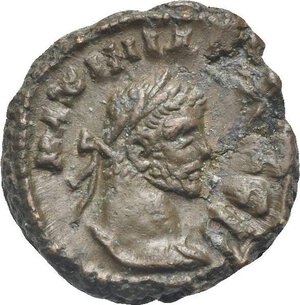
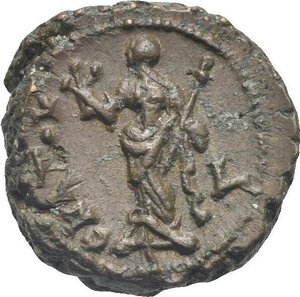
Egypt. Alexandria. Maximianus Herculius, 286-310, first reign, 286-305. Tetradrachm, (Billon, 18.00 mm, 6.30 g) dated RY 9 (= 293-294) MAΞΙΜΙΑΝΟC CЄB Laureate bust of Maximianus right. Rev. ЄNATOY in semicircle to left. Eirene draped standing left, holding olive branch in the right hand and scepter with drapery on the left arm, L (date) right. B. Geissen 3333 var. Dattari-Savio pl. 286, 5869 (this coin). Emmett 4113. Extremely Fine.
Ex Giovanni Dattari Collection 5869. Ex Naville Numismatics Ltd. 48, 07.04.2019, lot 310.
One tetradrachm more from Dattari collection but of Maximian, Diocletian’s collegue, in his ninth year of reign (293-294 AD). Perfect conservation despite the generic imperial portrait counterbalanced on the reverse by a pretty Eirene, supporter of peace.
Lot # 518
-
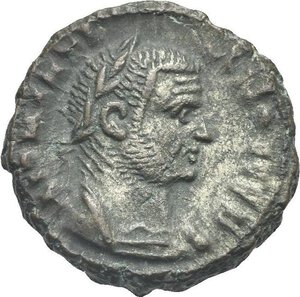
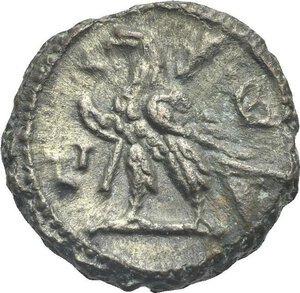
Egypt. Alexandria. Diocletian, 284-305. Tetradrachm (Billon, 20.10 mm, 7.18 g) dated RY 12 (= 295-296) Laureate and cuirassed bust of Diocletian right, wearing short beard. Rev. Eagle standing left with closed wings, the right leg forward, holding wreath in beak, palm branch behind, LI B (date) across fields. Dattari-Savio pl. 285, 5818 (this coin). Emmett 4035. Nice light toning patina with highlights. Extremely Fine. Extremely rare.
Ex Giovanni Dattari Collection 5869. Ex Naville Numismatics Ltd. 44, 04.11.2018, lot 350.
This tetradrachm of the last Alexandrian coinage comes from the Dattari collection, too. The qualifications of the two previous specimens are repeated here, with the addition of the absolute rarity. The emperor’s portrait is almost realistic and sharp and larger than the average of the recurring profiles of his tetradrachms.
Lot # 517
-
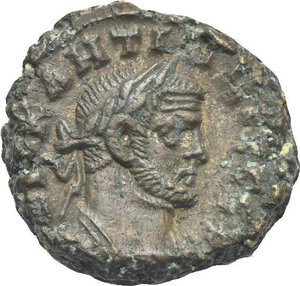
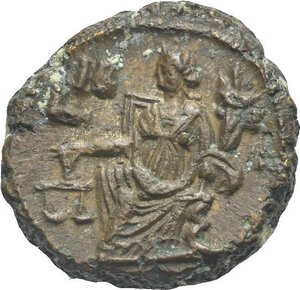
Egypt. Alexandria. Diocletian, 284-305. Tetradrachm (Billon, 19.10 mm, 8.22 g) dated RY 12 (= 295-296) ΔΙΟΚΛΗΤΙΑΝΟϹ ϹЄΒ Laureate, draped and cuirassed bust of Diocletian right, wearing beard. Rev. Dikaiosyne draped seated left on backed throne, holding scales in the right hand, cornucopia and drapery on the left arm, L IB (date) above to left. Dattari-Savio pl. 282, 10636 (this coin). Geissen - . Emmett 4034. Nice light patina. Extremely Fine.
Ex Giovanni Dattari Collection 10636. Ex Naville Numismatics Ltd. 40, 27.05.2018, lot 435.
A Diocletian tetradrachm, belonging to Dattari collection, of peculiar preservation and images’ clearness. The imperial portrait on the obverse is grave and glowering while on the reverse, a tiny and dominating Dikaiosyne with her symbols (scales and cornucopia) completes the coin flan. It doesn’t seem to have circulated.
Lot # 516
-
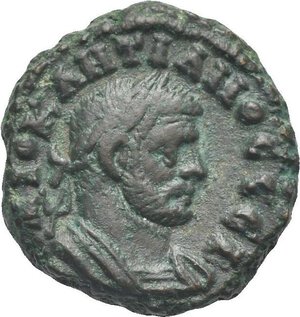
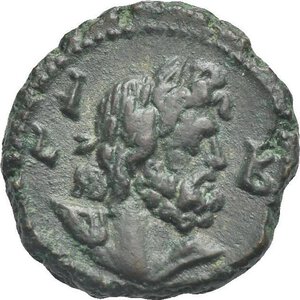
Egypt. Alexandria. Diocletian, 284-305. Tetradrachm (Bronze, 18.50 mm, 6.95 g) dated RY 12 (= 295-296) ΔΙΟΚΛΗΤΙΑΝΟϹ ϹЄΒ Laureate and cuirassed bust of Diocletian right, wearing beard. Rev. Laureate bust of Zeus facing, slightly draped on the right shoulder, head turned to right, L I B (date) across fields. Dattari-Savio pl. 284, 5773. Geissen - . Emmett 4086. Nice light brown patina. Extremely Fine.
Ex Künker 89, 08/09. 03. 2000, lot 1863.
Gorgeous tetradrachm issued, as the following numbers 260 and 261 of the collection, during the last year of the Alexandrian autonomous coinage, the twelfth of the reign of Diocletian with Maximian (295-296 AD). The “senior Augustus” had passed the monetary and taxation reforms which gave rise to the well-know rebellion, in Egypt from Domitius Domitianus, put down in 298 AD. Coin of great quality showing on the reverse the laureate bust of Roman Zeus, representing the clear attribute of the primacy, among the Augusti, of Diocletian, self-defined as “Jovius”.
Lot # 515
-
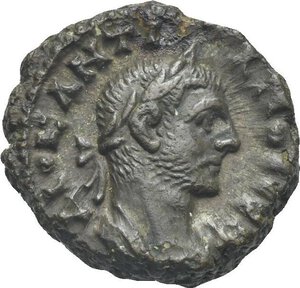
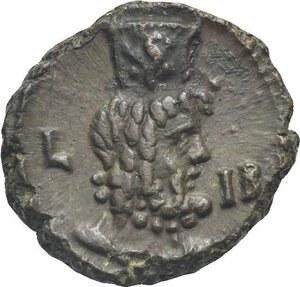
Egypt. Alexandria. Diocletian, 284-305. Tetradrachm (Billon, 18.6 mm, 6.46 g). Dated RY 12 (= 295/6). ΔΙΟΚΛΗΤΙ-ΑΝΟϹ ϹΕΒ Laureate and cuirassed bust right. Rev. Draped bust of Sarapis right, wearing kalathos, in front palm branch; L-IB across field. Geissen 3275 var. (placement of date). Dattari-Savio 5743 var. (same). Milne 5229. Emmett 4074. Dark brown patina, minor roughness. Good Very Fine.
Ex CNA IV 21 September 1988, lot 400346.
One tetradrachm again of exquisite workmanship of the year 12 of Diocletian (295-296 A.D.) with a big laureate bust on the obverse while on the reverse it stands out the bust of Zeus Serapis with a big kalathos on head. Specimen with uniform patina and very little circulated.
Lot # 514
-
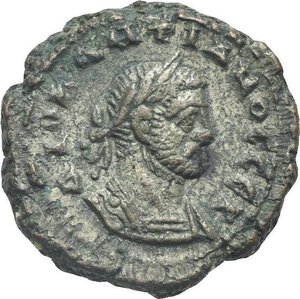
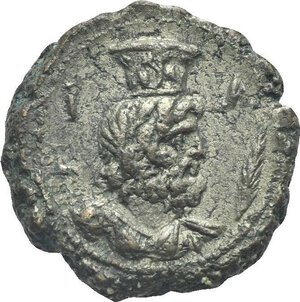
Egypt. Alexandria. Diocletian, 284-305. Tetradrachm (Billon, 19.7 mm, 8.56 g). Dated RY 11 (= 294/5). ΔΙΟΚΛΗΤΙΑΝΟϹ ϹΕΒ Laureate and cuirassed bust right. Rev. Draped bust of Serapis right, wearing kalathos, in front palm branch; L-IA across upper field. Dattari-Savio 5741 (this coin). Geissen -. Emmett 4074. Almost fully silvered. Extremely Fine.
Ex Giovanni Dattari Collection 5741. Ex Naville Numismatics Ltd. 42, 22.07.2018, lot 377.
Here is another Diocletian’s excellent tetradrachm with first class references and wholly silver-plated showing an aulic portrait on the obverse and an austere and well engraved Zeus Sarapis on the reverse. It was may be issued, as it would indicate the presence of the palm, in 294-295, for the celebration of his double “decennalia” of reign, which began with the conflict and death of Numerian at Nicomedia in November 284 A.D. After the defeat and death of Carinus during the battle of Margus in August 285 A.D. Diocletian’s second “decennalia” were celebrated.
Lot # 513
-
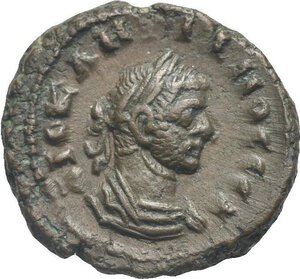
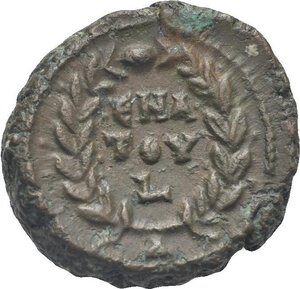
Egypt. Alexandria. Diocletian, 284-305. Tetradrachm (Billon, 20.80 mm, 7.61 g) dated RY 9 (= 292-293) ΔΙΟΚΛΗΤΙΑΝΟϹ ϹЄΒ Laureate, draped and cuirassed bust of Diocletian right. Rev. ENA TOY L (date) within wreath tied at top with medallion. Dattari-Savio pl. 285, 5788 (this coin). Geissen 3265 (this coin cited). Emmett 4084. Cf. SAVIO A., Tetradrammi alessandrini, pp. 190-196. About Extremely Fine.
Ex Giovanni Dattari Collection 5788. Ex Naville Numismatics Ltd. 41, 24.06.2018, lot 379.
With the advent of Diocletian, a great general and brilliant politician, the institutional and administrative composition of the Roman Empire was structurally modified through the creation of the Tetrarchy, with the territory divided into East and West, respectively governed by an Augustus and a Caesar, an organization inaugurated in March 293 AD and coinciding with the minting year of our superb and rare tetradrachm, already belonging to the famous Giovanni Dattari Collection. A coin of large size, excellent original chocolate-brown patina, in practice uncirculated.
Lot # 512
-
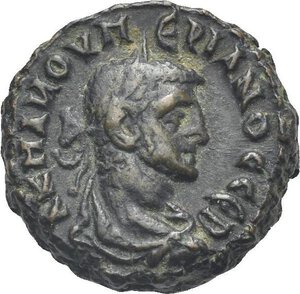
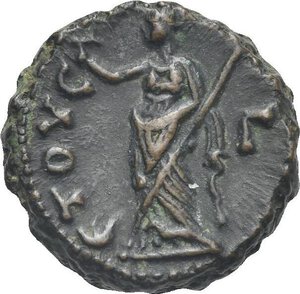
Egypt. Alexandria. Numerianus, 283-284. Tetradrachm (Bronze, 17.30 mm, 7.28 g) dated RY 3 of Carinus (= 284-285) A K M A N (retrograde) OYM ЄPIANOC ϹЄΒ Laureate, draped and cuirassed bust of Numerianus right. Rev. ЄTOYC in semicircle to left. Eirene draped standing facing, head turned to left, holding branch in the right extended hand and long transversal scepter and drapery on the left arm, Γ (date) to right. Dattari-Savio 5609. Emmett 4020. Geissen 3198. BMC 2466. Milne 4735. Vogt II, 167. Nice dark-brown patina. Good Very Fine. Rare.
Ex Frank Sternberg, Zürich, October 1977.
Marcus Aurelius Numerianus succeeded his father Caro as colleague of his brother Carinus, but he pre-died at Nicomedia in 284 A D in unclear circumstances. Our small but very nice and rare tetradrachm shows us a pleasant military portrait on the obverse, during his last months of life, while on the reverse is a pretty and auspicious Eirene (=Peace) but it was him little propitious.
Lot # 511
-
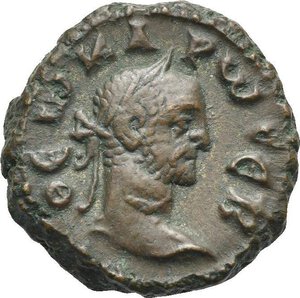
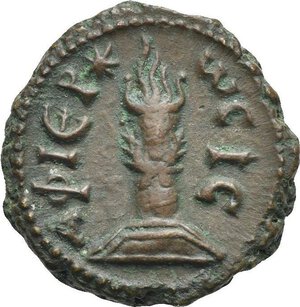
Egypt. Alexandria. Divus Carus (died 283) Tetradrachm (Billon, 19.00 mm, 6.44 g) struck 283 under Carinus. ΘЄω ΚΑΡω ϹЄΒ Laureate head of Carus right. Rev. ΑΦΙЄΡωϹΙϹ in semicircle to left and star at end. Flaming cylindrical altar decorated with garland. Dattari-Savio 5571. Geissen 3167. BMC 2446. Milne 4733. Emmett 3995. Vogt II, 166. Nice brown patina. Good Very Fine.
Ex Naville Numismatics Ltd 41, 24.06.2018, lot 300.
Emperor Caro at his death was at once deified as it is borne out by our tetradrachm, unusually undated but dating back to 283 A.D., death year, dedicated – the only case in the Alexandrian coinage – to his consecration, referred to by the altar with burning fire on the reverse and the legend AΦIЄPωCIC.
Lot # 510
-
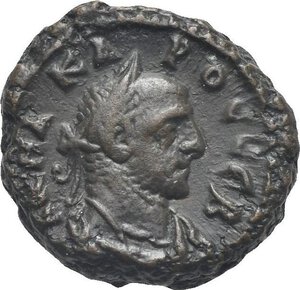
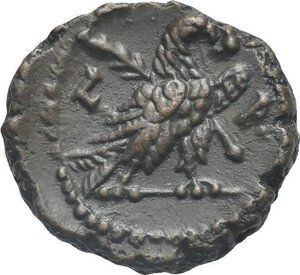
Egypt. Alexandria. Carus, 282-283. Tetradrachm (Billon, 19.70 mm, 7.74 g) dated RY 1 (= 282-283) Α Κ Μ Α ΚΑΡΟϹ ϹЄΒ Laureate, draped and cuirassed bust of Carus right. Rev. Eagle standing right with closed wings, the left leg forward, holding wreath in beak and palm branch behind, L A (date) across fields. Dattari-Savio pl. 280, 5569. Geissen 3159. BMC 2442. Milne 4672. Emmerett 3999. Vogt II, 166. Cf. SAVIO A., Tetradrammi alessandrini, pp. 185-189. Nice dark-brown patina. Extremely Fine.
Ex Naville Numismatics Ltd. 46, 27.01.2019, lot 321.
The general, also Illyrian, Marcus Aurelius Caro arrives at the empire in September 282 A.D. and fights against the Franks, the Sarmatians and the Persians. He dies between July and August in 283 A.D. probably of disease near Ctesifonte. This tetradrachm refers to his first and sole year of reign (282-283 A.D.) and shows on the reverse the imperial eagle advancing right on the exergue holding a palm branch and a wreath in its beak.
Lot # 509
-
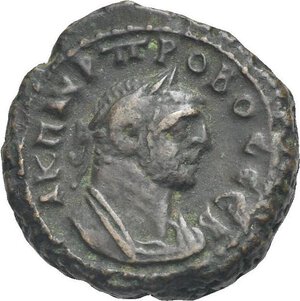
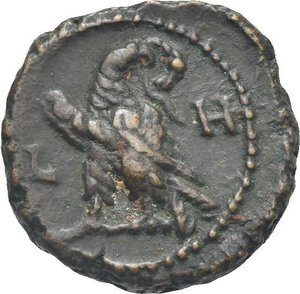
Egypt. Alexandria. Probus, 276-282. Tetradrachm (Bronze, 18.40 mm, 6.82 g) dated RY 8 (= 282) A K M AYP ΠΡΟΒΟC ϹЄΒ Laureate and cuirassed bust of Probus right. Rev. Eagle standing left with closed wings, head turned to right, holding wreath tied with ribbons in beak, L H (date) across fields. Dattari-Savio 5559. Geissen 3158. BMC 2438. Milne 4659. Emmett 3984. Cf. SAVIO A., Tetradrammi alessandrini, pp. 182-184. Very Fine.
Ex Spink, London, July 1978.
With Marcus Aurelius Probus comes back an Illyrian soldier up to the top of the roman empire and was constantly engaged fighting both against barbarian populations and several usurpers. This tetradrachm portrays him during his last months of his reign together with the imperial eagle of the reverse.
Lot # 508
-
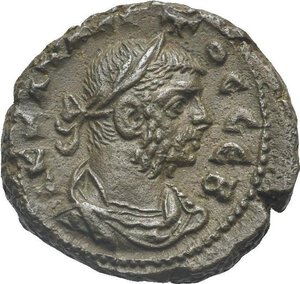
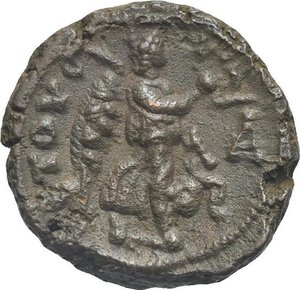
Egypt. Alexandria. Tacitus, 275-276. Tetradrachm (Billon, 21.10 mm, 7.53 g) dated RY 1 (= 275-276) Α Κ ΚΛ ΤΑΚΙΤΟϹ ϹЄΒ Laureate, draped and cuirassed bust of Tacitus right, wearing beard. Rev. Nike draped advancing right, the right leg forward, holding wreath in the right hand and palm branch tied with ribbons on the left shoulder with the left hand, ЄTOYC in semicircle to left, A (date) to right. Dattari-Savio 5518. BMC 2405. Milne 4497. Emmett 3976. Vogt II, 163. Cf. SAVIO A., tetradrammi alessandrini, pp. 180-181. Nice brown patina. Extremely Fine.
Ex numismatica Arethusa SA, Lugano (Franco Chiesa), March 1976.
The accession of the imperial throne of the old Marcus Claudius Tacitus follows a momentary transition from soldier-emperors to a designation by the Roman Senate, to which the new ruler belonged, who disappeared, however, as early as June 276 A.D. The reverse of the tetradrachm praises the victorious Nike, which did not bring Tacitus luck.
Lot # 507
-
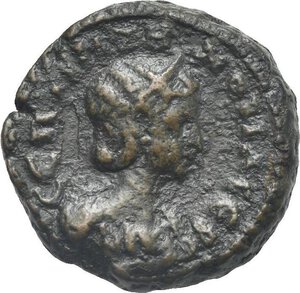
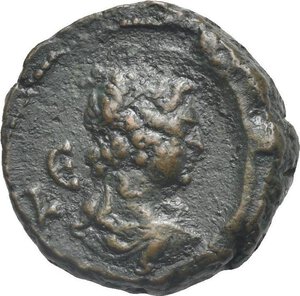
Egypt. Alexandria. Zenobia, 270-272. Tetradrachm (Bronze, 21.30 mm, 10.00 g) dated RY 5 (= 272) struck under Vabalathus. ϹЄΠΤΙΜΙΑ ΖΗ ΝΟΒΙΑ ϹЄΒ Draped and diademed bust of Zenobia right. Rev. Draped bust of Selene right, wearing taenia, large crescent before, L Є (date) to left. Dattari-Savio 5513. BMC 2398. Geissen - . Emmett 3913.5. Very Fine. Very rare.
Ex Künker 304, 19.03.2018, lot 1329.
Septimia Zenobia (circa 240 – 275 A.D.), queen of Palmira in Syria from 268 to 272 A.D. and lastly self-proclaimed Augusta, was one of the "femmes fatales" of classical antiquity. Zenobia, second wife of Odaenathus, lord of Palmira (circa 260-268 A.D.) and defender of the eastern borders of the roman empire against Sassanids, got rid of her consort and her stepson Herodian, turning the state into a reign independent from the roman empire. She self-proclaimed Augusta and descendant of the great Cleopatra, conquered wide regions in the East pushing as far as Antioch of Syria and Alexandria of Egypt, controlling the mint in these areas but only for a short time. Aurelian, the legitimate reigning ruler, temporarily adapted to a tolerated co-regency with her between 270 and the beginning of 272 A.D. This was until, in her delirium of omnipotence, Zenobia openly challenged Aurelian by dissociating himself from Omonoia and pursued his own independent path together with his young son Vaballathus, usurping the imperial dignity. To this very short period of 272 A.D. belong the few tetradrachms named to her or her son Vaballathus: her army was soon defeated by Aurelian indeed who regained possession of all Syrian and Egyptian regions occupied by Palmira troops and brought with him in triumph Zenobia with Vaballathus to Rome. This is one of the rarest and most sought-after coin of the Alexandrian autonomous series, also for its high historical importance. Our specimen is particularly well-centred and preserved; on the reverse the godlike Selene is indicated as the guardian of the Augusta Zenobia, but she was certainly not prophetic.
Lot # 506
-
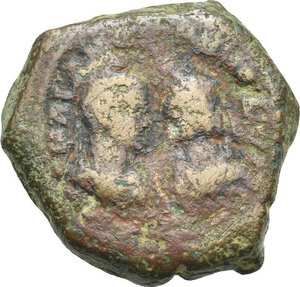
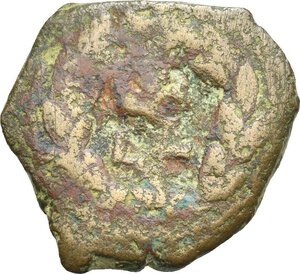
Egypt. Alexandria. Aurelianus and Vabalathus, 271-272. Reduced drachm (Bronze, 24.00 mm, 8.29 g) dated RY 1 of Aurelian (= 270-271) and RY 4 of Vabalathus (270-271). ΑΥΡΗΛΙΑΝΟϹ ΑΘΗΝΟΔΩΡΟϹ Confronted busts of Aurelianus to left, laureate and cuirassed and of Vabalathus to right, laureate, diademed and cuirassed. Rev. L A (date) above and L Δ (date) below, within laurel wreath, tied above with medallion. Dattari-Savio 5429. Geissen 3057. BMC 2395-96. Vogt II, 160. Emmett 3916. Fine. Extremely rare.
Ex Münzen u. Medaillen 49, 20.11.2020, lot 271.
This rare issuing of Aurelian and Vaballathus combined, by hasty strikes and always irregular size, is the final bronze Alexandrian coinage, of which exist two different numerals that we will fix as reduced drachm (of the weight of circa 8,5 g.) and reduced emidrachm (just over 4 g.). Our specimen should be considered a reduced drachm and belongs to the short-lived period of imposed Omonoia of 271-beginning of 272 A.D., of Aurelianus together with the son of the notorious Zenobia. For further information as to this subject, see, STAFFIERI G M Alexandria in nummis, n.245 and pp. 487-488.
Lot # 505
-
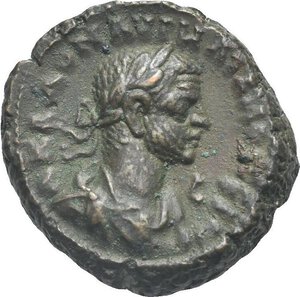
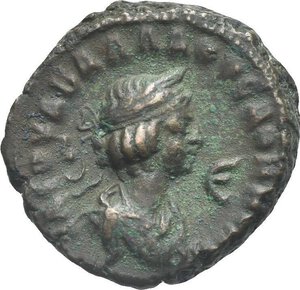
Egypt. Alexandria. Aurelianus and Vabalathus, 271-272. Tetradrachm (Bronze, 22.20 mm, 9.53 g) dated RY 2 of Aurelian (= 270-271) and RY 5 of Vabalathus (271-272 AD). Α Κ Λ ΔΟΜ ΑΥΡΗΛΙΑΝΟϹ ϹЄΒ Laureate, draped and cuirassed bust of Aurelianus right, LB (date) right below chin. Rev. Ι Α Ϲ ΟΥΑΒΑΛΛΑΘΟϹ ΑΘΗΝ Υ ΑΥΤ Ϲ Ρ Laureate, draped and cuirassed bust of Vabalathus right, L Є (date) across fields. Dattari 5424 var. Emmett 3914. Geissen 3058ff. BMC 2387. Milne 4336-4338. Vogt II, 160. Good Very Fine.
Ex Jacquier 44, 13.09.2018, lot 340.
This tetradrachm belongs to the very vast and different series of Alexandrian issues of 271 – beginning of Aurelianus with Vaballathus, when the emperor was still on the same wavelength as Zenobia, cunning and ambitious, quivering with desire to legitimate herself at the management top of the roman state, through the super ennobled and overexcited son Vaballathus. A coin well minted, and fine patina with precise and careful portraits.
Lot # 504
-
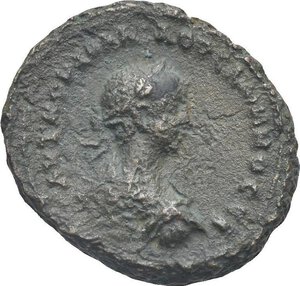
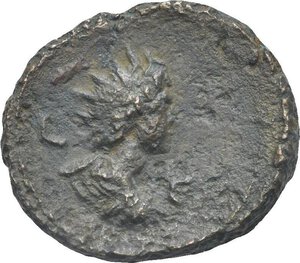
Egypt. Alexandria. Vabalathus (usurper), 268-272. Tetradrachm (Bronze, 24.00 mm, 7.97 g) dated RY 5 (= 271-272) ΑΥΤ Κ ΟΥΑΒΑΛΛΑΘΟϹ ΑΘΗΝΟ ϹЄΒ Laureate, draped and cuirassed bust of Vabalathus right. Rev. Radiate and draped bust of Helios right, L Є (date) across fields. Dattari-Savio pl. 279, 10609 (this coin). Geissen - . Emmett 3909. Slightly rough surfaces and brown toning. Oval flan shape. About Very Fine. Very rare.
Ex Giovanni Dattari Collection 10609. Ex Naville Numismatics Ltd. 45, 09.12.2018, lot 348.
Another tetradrachm, also extremely rare, of the boasted fifth year of reign of sole Vaballathus (271-272 AD), manipulated by his mother Zenobia, here portrayed with a pompous laureate and cuirassed bust in order to exalt the decaying majesty while radiate Helios, on the reverse, refers to the vision of a brilliant future which will not be favourable to the usurpers from Palmira. A coin of valuable engraving, big size, excellent conservation and influential origin.
Lot # 503
-
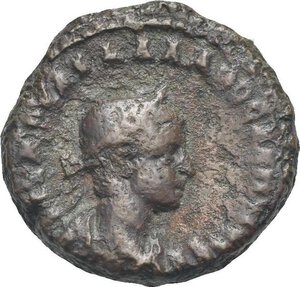
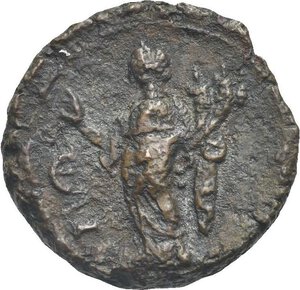
Egypt. Alexandria. Vabalathus (usurper), 268-272. Tetradrachm (Bronze, 22.00 mm, 8.17 g) dated RY 5 (= 271-272) ΑΥΤ Κ ΟΥΑΒΑΛΛΑΘΟϹ ΑΘΗΝΟ ϹЄΒ Laureate, draped and cuirassed bust of Vabalathus right. Rev. Omonoia standing facing, head turned to left, holding double cornucopia and drapery on the left arm and raising the right hand, L Є (date) to left. RPC X, - . Dattari-Savio pl. 279, 10610. Geissen 3064 var. (date across field). Emmett 3910. Milne 4350. Good Fine. Rare.
Ex De Geus 10, 17-18.10.2000, lot 754.
Beginning with this tetradrachm, of great rarity, of the presumed year 5 of the Zenobia’s very young son Vaballathus, an Alexandrian numismatic representation of the period of Aurelian's ‘connivance’ with the exponents of the kingdom of Palmyra, later self-proclaimed as sole Augustus, as attested by this coin and by no. 250 in the collection, both in conflict with Aurelian who ended up exorcising them in 272 by expelling them from Alexandria and conquering Palmyra. The invoked Omonoia (= concord) depicted on the reverse was therefore a pathetic and ephemeral illusion.
Lot # 502
-
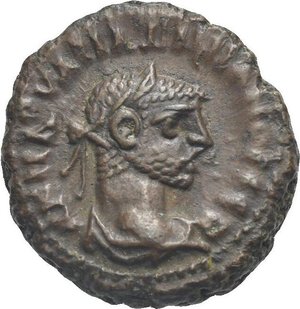
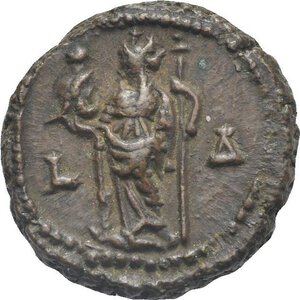
Egypt. Alexandria. Aurelianus, 270-275. Tetradrachm (Billon, 19.2 mm, 8.63 g). Dated RY 4 (= 272/3). AYT K Λ Δ AYΡΗΛΙΑΝΟC CЄB Laureate, draped and cuirassed bust right. Rev. Alexandria standing front, head to left, wearing mural crown, holding bust of Serapis in her right hand and scepter in her left; L - Δ across field.
Dattari-Savio 5436 (this coin). Geissen -. Emmett 3918 (not this year). Cf. SAVIO A., Tetradrammi alessandrini, pp. 172-179. Good Very Fine. Rare.
Ex Giovanni Dattari Collection 5436. Ex Naville Numismatics Ltd. 28, 22.01.2017, lot 389.
Very rare tetradrachm, already belonging to the Dattari Collection. The Emperor in his fourth year of reign (272-273 AD) had already solved the Palmira “Eastern schism” of Zenobia and Vaballathus and exercised again control over Egypt and Alexandrian mint, appearing personified with her attributes. A very good conservation and original patina.
Lot # 501
-
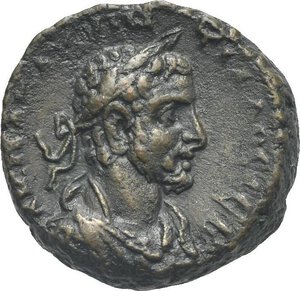
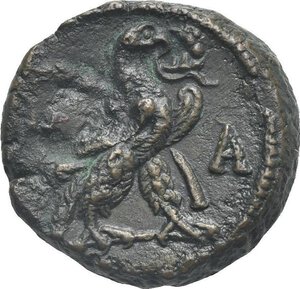
Egypt. Alexandria. Quintillus, 270. Tetradrachm. (Billon, 21.72 mm, 11.24 g) dated RY 1 (= 270) [Α Κ Μ Α ΚΛ ΚΥΙΝ] ΤΙΛΛΟϹ ϹЄΒ Laureate, draped and cuirassed bust of Quintillus right. Rev. Eagle standing right with closed wings, the left leg forward, holding wreath in its beak, palm branch behind, L A (date) across fields. Dattari 5419. Milne 4298. Geissen 3050. Emmett 3907. Cf. SAVIO A., Tetradrammi alessandrini, pp. 170-171. About Extremely Fine.
Ex Empire Coins 7, 02.05.1987, lot 240.
History assigns Emperor Quintillus, Claudius II’ brother, a reign of few weeks that ended in Aquileia with the violent death at the hands of his soldiers. Nevertheless, some rare tetradrachms have been minted in his name in Alexandria with a generic portrait of the sovereign on the obverse and a proud imperial eagle with a laurel wreath in its beak on the reverse. Historically important coin.
Lot # 500
-
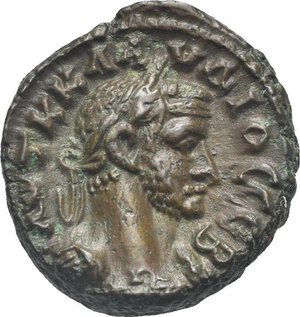
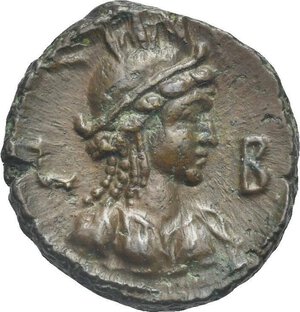
Egypt. Alexandria. Claudius II Gothicus, 268-270. Tetradrachm (Billon, 21.30 mm, 8.52 g) Dated RY 2 (= 269-270) AVT K KΛΑYΔΙΟC CЄB Laureate and cuirassed bust of Claudius II right, wearing short beard. Rev. Draped bust of personified Alexandria right, wearing turreted cap and hair braids on neck and right shoulder, L B (date) across fields. Dattari-Savio 5383. Emmett 3869. Geissen 3030. Milne 4246. Curtis X-1660. Very rare.
Ex CNA Ltd X 21.03.1990, lot 409.
Another tetradrachm of superb preservation of Claudius II in his second year of principality, so fresh from minting, that it seems not to have circulated. The images reproduced have "sharp" profiles, especially the turreted, diademed and draped bust of the deified Alexandria on the reverse, emerging from a "mirror background": a rare and fascinating coin.
Lot # 499
-
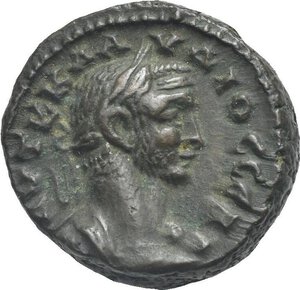
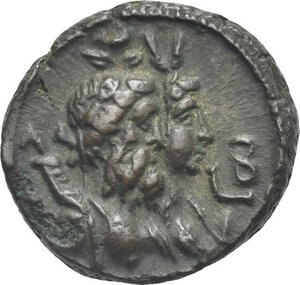
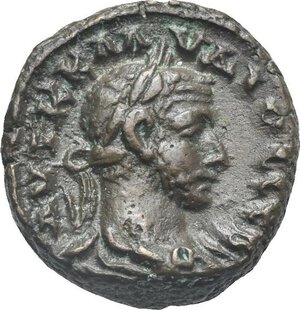
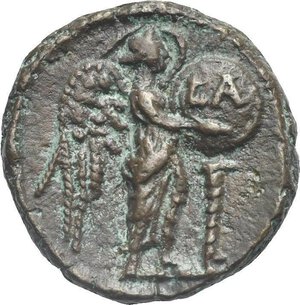
Egypt. Alexandria. Claudius II Gothicus, 268-270. Tetradrachm (Billon, 22.00 mm, 10.43 g) dated RY 2 (= 269-270) ΑΥΤ Κ ΚΛΑ ΥΔΙΟϹ ϹЄΒ Laureate and cuirassed bust of Claudius II right. Rev. Jugate busts of Nilus on the foreground, wearing lotus crown and holding cornucopia to left and Euthenia, draped and wearing grain wreath, LB (date) to right. Geissen 3044. Dattari-Savio 5405. BMC 2328. Milne 4244. Vogt II, 159. Emmett 3892. Extremely Fine.
Ex Vecchi, London, April 1978.
The coins of the second year of Claudius II’ reign (269-270 AD) display very often the divinities typical of Egyptian theology and worship, as on the reverse of this interesting tetradrachm where we see paired with their respective symbols, the bust of the Nile in the foreground and that of his complementary colleague consort Euthenia, or Prosperity with crown of spikes, both of remarkable style.
Lot # 498
-
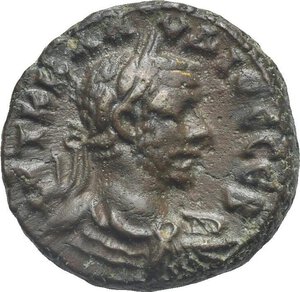
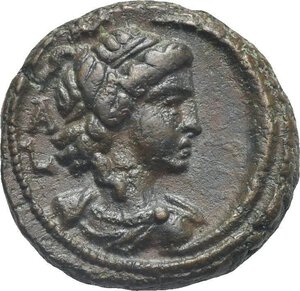
Egypt. Alexandria. Claudius II Gothicus, 268-270. Tetradrachm (Billon, 20.70 mm, 9.87 g) Dated RY 1 (= 268-269) AYT K KΛΑYΔΙΟC CЄB Laureate, draped and cuirassed bust of Claudius II right, wearing short beard. Rev. Nike draped standing facing, bust turned to right, inscribing L A (date) on round shield set on palm tree. BMC 2324. Dattari-Savio 5404. Geissen 3024. Kop 836. Milne 4199. Vogt 9-86. Emmett 3891. Very Fine.
Ex Leu Numismatik 16, 22-24 May, lot 2513.
Here is another nice tetradrachm of Claudius II with a non-generic portrait on the obverse. On the reverse it is a graceful winged Nike at right inscribing the issuing date of the coin (LA = year 1 = 268-269 AD) upon a round shield, leant against a palm tree: very uncommon image.
Lot # 497
-
Egypt. Alexandria. Claudius II Gothicus, 268-270. Tetradrachm (Billon, 22.20 mm, 10.42 g) dated RY 1 (= 268-269) ΑΥΤ Κ ΚΛΑΥΔΙΟϹ ϹЄΒ Laureate, draped and cuirassed bust of Claudius II right. Rev. Draped bust of Selene right, wearing taenia, A L (date) to left. Dattari-Savio 5408. Geissen 3025. BMC 2309. Milne 4195. Emmett 3855. Vogt II, 159. Cf. SAVIO A., Tetradrammi alessandrini, pp. 167-170. Nice brown patina. Good Very Fine.
Ex Künker 89, 08/09. 03.2004, lot 1850.
Very nice tetradrachm issued in the year 1 of Claudius II the Gothic (268-269 AD), emperor and victorious commander against German and Goths, one of the few who died of disease (plague) at Sirmio in September 270 AD. The coin shows a clear laureate and cuirassed bust on the obverse and sculptural head of Selene in great style on the reverse with a monumental lunar crescent in front.
Lot # 496
-
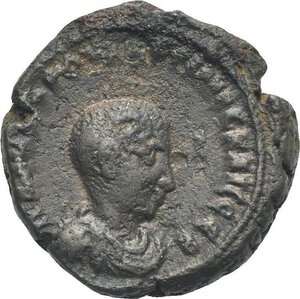
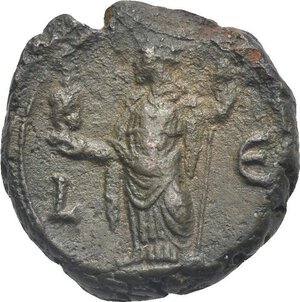
Egypt. Alexandria. Valerian II as Caesar, 253-255. Tetradrachm (Billon, 22.50 mm, 10.80 g) dated RY 5 (= 257-258) [Π ΛΙΚ ΚΟΡ ΟΥΑΛЄΡΙΑΝ]ΟϹ ΚΑΙϹ ϹЄΒ Draped and cuirassed bare bust of Valerian right. Rev. Personified Alexandria draped standing facing, head turned to left, holding bust of Serapis and drapery on the right hand and arm, scepter in the left hand, L Є (date) across fields. Geissen 2998. Dattari-Savio pl. 275, 5351 (this coin). BMC 2290. Milne 3981. Emmett 3763. Vogt II, 152. About Very Fine.
Ex Giovanni Dattari Collection 5351. Ex Naville Numismatics Ltd. 37, 28.01.2018, lot 410.
The dynastic propaganda of the imperial family has always been a feature of the Alexandrian coinage and this comes true in this tetradrachm, ex Dattari Collection, dedicated to the very young Caesar Publius Licinius Cornelius Valerianus, in the fifth year of his father Gallienus’reign (257-258 AD) with on the obverse a bare-headed bust. On the reverse is the deification of Alexandria with her attributes, destined to protect the “princeps juventutis”, yet doomed to die in the Illyrian, quite at the beginning of 258 AD.
Lot # 495
-
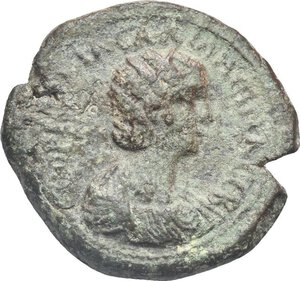
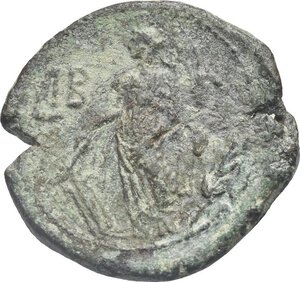
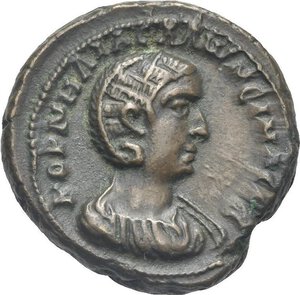
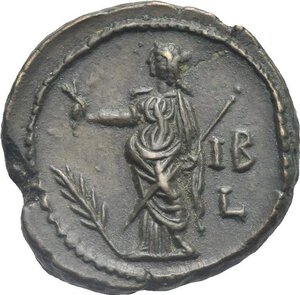
Egypt. Alexandria. Salonina Augusta, wife of Gallienus, 254-268. Drachm (Bronze, 32.00 mm, 16.38 g) Dated RY 12 (= 264-265) of Gallienus reign. KOPNHΛΙΑ CAΛωΝЄΙΝΑ CЄB Draped bust of Salonina right, wearing diadem. Rev. Tyche draped standing facing, head turned to left, holding rudder with the right hand and cornucopia on the left arm, LIB (date) above to left, palm branch below to right. Dattari-Savio 10562. Geissen 2972. Emmett 3864. Vogt II 156. Very rare.
Ex L. S. Ruder Collection, Coin Galleries, 19.08.1987, lot 427. Ex Kerry K. Wetterstrom Collection, lot 363. Ex CNA Ltd. XIII, 12.04.1990.
With Gallienus and Salonina here we are to the last organic and different issueing of dracm belonging to the glorious bronze Alexandrian coinage which produced real masterpieces of style and engraving especially during the time between Trajan and Marcus Aurelius as can be seen in many specimens of this collection. This coin regards exclusively the year 12 of Gallienus’ reign (264-265 AD). Despite the different representations on the reverse (our drachm shows Tyche of Alexandria with her symbols) these are very rare coins and of good artistic value. (Cf. also STAFFIERI G.M., Alexandria in nummis, nr. 232-233, pp. 463-468).
Lot # 494
-
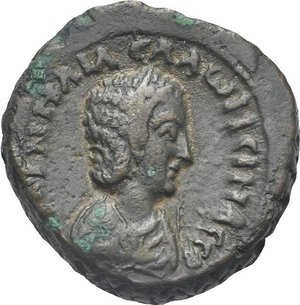
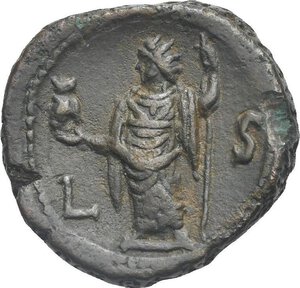
Egypt. Alexandria. Salonina Augusta, wife of Gallienus, 254-268. Tetradrachm (Bronze, 23.60 mm, 10.43 g) dated RY 12 (= 264-265) ΚΟΡΝΗΛΙΑ ϹΑΛωΝЄΙΝΑ ϹЄΒ Diademed and draped bust of Solonina right. Rev. Eirene draped standing left, holding olive branch in the right extended hand, scepter and drapery on the left arm, palm branch to left, IB L (date) to right. Dattari-Savio 5331. Milne 4102. Emmett 3855,5. Geissen 2969. Good Very Fine.
Ex Italo Vecchi, Bern, July 1988.
This particularly well-preserved tetradrachm is dedicated to Salonina, too. It shows a high relief, reliable portrait of the Augusta, while on the reverse, the divine Eirene emerges, pontifical and statuary with long sceptre, wishing peace, symbolized by the olive branch that offers with the right. Very well centred coin and provided with an excellent original dark brown patina.
Lot # 493
-
Egypt. Alexandria. Salonina, 254-268. Tetradrachm (Billon, 23.0 mm, 12.16 g). Dated RY 6 of Gallienus (= 258/9). KOPNHΛIA CAΛONЄINA CЄB Diademed and draped bust right. Rev. Alexandria with chiton and peplos standing frontally, head with wall crown to the left, holding a scepter in the left, bearded bust of Serapis with Kalathos on the outstretched right; L - S (date) across field. Ex Dattari-Savio 10551 (this coin). Milne 4003. Emmett 3745. Very Fine. Rare.
Ex Giovanni Dattari Collection 10551. Ex Jen-Pierre Righetti Collection. Ex Münzen & Medaillen 12, 11. 04. 2003, lot 660.
This tetradrachm was issued to celebrate the August Salonina, empress consort of Gallienus, with her draped and diademed bust whereas on the reverse is the towered deified Alexandria, in its solemn function of the reign’s capital guardian, with long sceptre, holding with its right hand the bust of Zeus Serapis, with which it was consecrated the Serapeum, the principal temple of the town. Rare coin and of prestigious origin.
Lot # 492
-
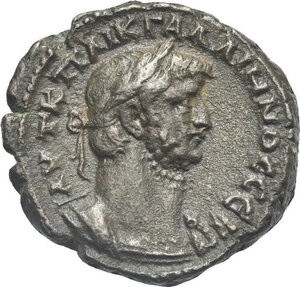
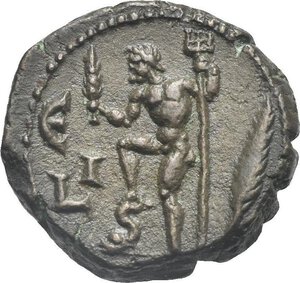
Egypt. Alexandria. Gallienus, 253-268. Tetradrachm (Billon, 21.9 mm, 9.52 g). Dated RY 15 (= 267/8). AVT K Π ΛIK ΓAΛΛIHNOC CЄB Laureate and cuirassed bust right. Rev. Poseidon standing left, right foot on dolphin, holding palm frond and trident; ЄI/L (date) to lower left, palm frond to right. Geissen 2953. Dattari-Savio 5259. Emmett 3827. Cf. Astarte V, 28.10.1999, lot 1177. Good Very Fine. Very rare.
Ex Empire Coins 8, 7 December 1987, lot 750.
Rare tetradrachm of excellent preservation dating back to the last year of Gallienus’ ruling. On the reverse the naked figure, athletic and quick of Poseidon, god of the sea, with palm branch and trident resting his right leg on the tail of a dolphin, headlong.
Lot # 491
-
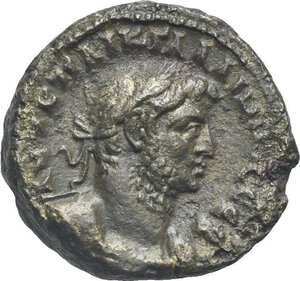
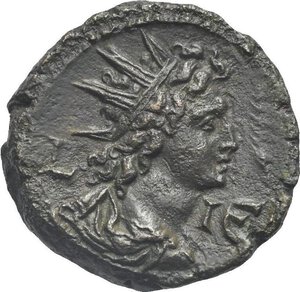
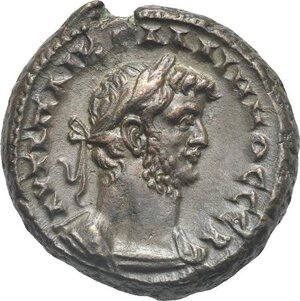
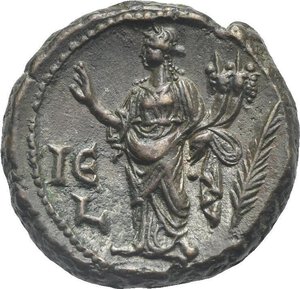
Egypt. Alexandria. Gallienus, 253-268. Tetradrachm (Billon, 23.1 mm, 8.15 g). Dated RY 15 (= 267/8). AΥT K Π ΛIK ΓAΛΛIHNOC CЄB Laureate and cuirassed bust of Gallienus to right. Rev. Radiate and draped bust of Helios to right, seen from behind; L - ΙE (date) across field; palm frond to right. Geissen 2949. Dattari-Savio 5240. Milne 4156. Emmett 3813. Rough surface. Very Fine.
Ex Busso Peus 369, 31.10.2001, lot 1367.
This tetradrachm of the end of Gallienus’ reign is a small masterpiece of the engraving art: gorgeous style in the “Renaissance” Emperor’s portrait and on the reverse a wonderful image of the radiate and draped bust of a young and lively Helios. A coin of great sculptural relief, actually uncirculated.
Lot # 490
-
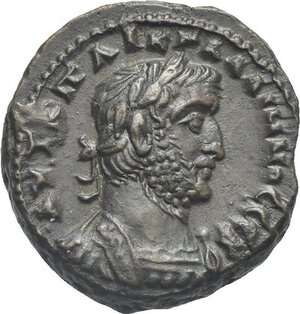
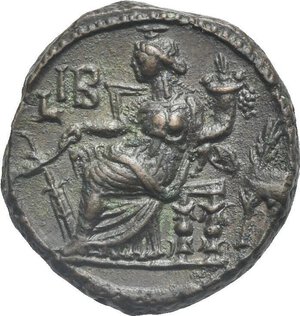
Egypt. Alexandria. Gallienus, 253-268. Tetradrachm (Billon, 22.2 mm, 11.39 g). Dated RY 15 (= 267/8). AVT K Π ΛIK ΓAΛΛIHNOC CЄB Laureate and cuirassed bust right. Rev. Omonoia standing facing, head left, raising her right hand, holding a double cornucopia with her left; IЄ L (date) to left, palm frond to right. Geissen 2950. Dattari-Savio 5247. Emmett 3816. Attractive patina, very well struck. Extremely Fine.
Ex Spink, London, July 1978.
Another tetradrachm of exceptional conservation and of minting quality. The imperial portrait on the obverse belongs to those of aulic style, to the so-called “Gallienus Renaissance” well known also through the contemporary statuary which has come down to us. Omonoia on the reverse urges to harmony but we are in the year 15 of the sovereign’s reign that will end with his assassination during the siege of Milan on the occasion of the revolt of the usurper Aureolus.
Lot # 489
-
Egypt. Alexandria. Gallienus, 253-268. Tetradrachm (Billon, 20.7 mm, 9.35 g). Dated RY 12 (= 264/5). AYT Κ Π ΛΙΚ ΓΑΛΛΙΗΝΟC CEB Laureate and cuirassed bust right. Rev. Tyche seated left, holding rudder with her right hand and cornucopiae in her left; to right palm frond; L IB in upper left. Dattari-Savio 5268. Emmett 3837. Geissen 2925. Cf. SAVIO A., Tetradrammi alessandrini, pp. 162-166. Very nice portrait, well struck and with a pleasant patina. Extremely Fine.
Ex Naville Numismatics Ltd. 51, 21.07.2019, lot 281.
Gorgeous coin, well centred and actually uncirculated, issued in the year 12 of Gallienus (264-265 AD), who reigned alone after the humiliating disappearance of his father put in prison by Persian Sassanids in 260 AD in the battle of Edessa. On the reverse is a dominating sculptural image of Tyche, the guardian deity of Alexandria with rudder and cornucopia and clearly visible details, especially of the face, hair and drapery.
Lot # 488
-
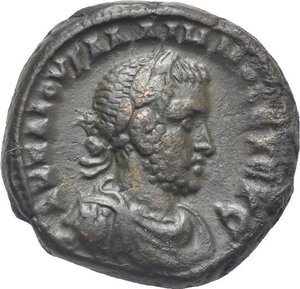
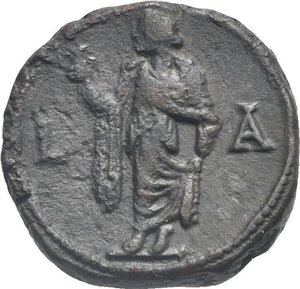
Egypt. Alexandria. Gallienus, 253-268. Tetradrachm (Billon, 21.5 mm, 11.06 g). Dated RY 1 (= 253/4). Α Κ Π ΛΙ ΟΥ ΓΑΛΛΙHΝΟC CЄB Laureate, draped, and cuirassed bust right. Rev. Elpis advancing left, holding flower and lifting hem of skirt; L A (date) across field. Geissen 2881-2. Dattari-Savio 5198. Emmett 3732. Kellner p. 130, pl. 14, Abb. 17 (this coin). Dark brown patina with traces of red, light porosity. Very Fine.
Ex A. K. Collection purchased privately by A. K from Münzen und Medaillen AG, 1970 = Ex CNG 463, 11 March
2020, lot 276.
Tetradrachm of splendid preservation, marking the accession to the throne of Gallienus (year 1 = 253-254 A.D.) together with his father Valerianus I. It shows a juvenile portrait of the sovereign on the obverse and on the reverse, Elpis, a smart personification of Hope, distinguished by the flower she is holding in her right hand: hope for a long reign of the new dynasty, which lasted 15 years but ended tragically.
Lot # 487
-
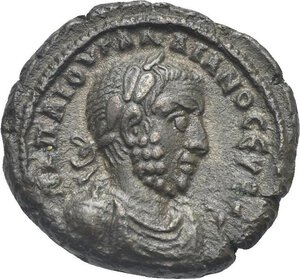
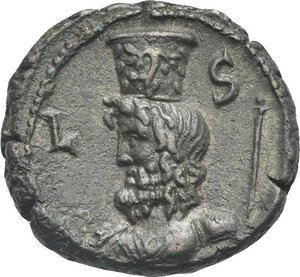
Egypt. Alexandria. Gallienus, 253-268. Tetradrachm (Billon, 23.4 mm, 9.17 g). Dated RY 6 (= 258/9). Α Κ Π ΛΙ ΟΥ ΓΑΛΛΙΑΝΟϹ Ε[ΥϹ] Laureate, draped, and cuirassed bust right. Rev. Draped bust of Serapis left, wearing ornate calathus; L ς (date) across field, vertical scepter behind. Geissen –. Dattari-Savio 5210. Emmett 3740. Kellner p. 133, pl. 15, Abb. 3. Cf. SAVIO A., Tetradrammi alessandrini, pp. 153-157. Dark brown patina. Good Very Fine.
Ex Busso Peus 294, 15.03.1978, lot 743.
We enter the reign of Gallienus, here still in co-regency with his father Valerian, with a tetradrachm of superb preservation, with a mannered imperial portrait on the obverse, while on the reverse dominates a heroic bust of Zeus Serapis with a huge kalathos and a long sceptre terminating in a lotus-blossom shape.
Lot # 486
-
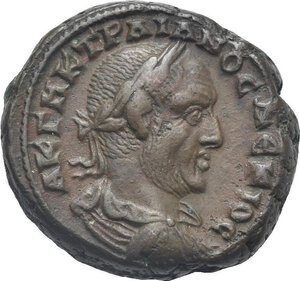
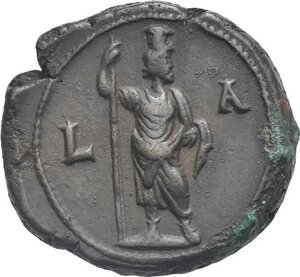
Egypt. Alexandria. Trajan Decius, 249-251. Tetradrachm (Billon, 24 mm, 14.43 g). Dated RY 1 (= 249/50). Α Κ Γ Μ Κ ΤΡΑΙΑΝΟϹ ΔΕΚΙΟϹ [ΕΥ] Laureate, draped, and cuirassed bust right. Rev. Serapis standing facing, head right, holding scepter; L-A (date) across field. Geissen –. Dattari-Savio 5087. RPC IX, 2254. Geissen 2814. Emmett 3644. Lovely dark brown patina. Portrait of Fine stye. Nearly Extremely Fine.
Ex Künker 89, 08/09.03.2004, lot 1828.
Another, exquisite in preservation and style, and rare tetradrachm of Trajan Decius with a grim and rugged appearance on the obverse portrait, while on the reverse is the upright and draped statuary image of Zeus Serapis with long sceptre and kalathos, protector of Alexandria and Egypt.
Lot # 485
-
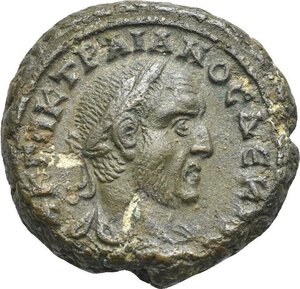
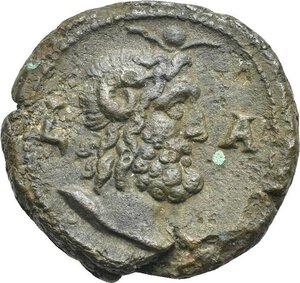
Egypt. Alexandria. Trajan Decius, 249-251. Tetradrachm (Billon, 23.0 mm, 11.69 g). Dated RY 1 (= 249/50). Α Κ Γ Μ Κ ΤΡΑΙΑΝΟϹ ΔΕΚ[ΙΟϹ ΕΥ] Laureate, draped and cuirassed bust right. Rev. Head of Ammon, right, with headdress of ram’s horns and disk and traces of drapery; L - Α (date) across field. RPC IX, 2235. Dattari-Savio pl. 267, 10496. Geissen-. Emmett 3649. Cf. SAVIO A., Tetradrammi alessandrini, pp. 145-147. Minor deposits and roughness, otherwise, Good Very Fine. Very Rare.
Ex Jean Elsen & ses Fils SA V 113, 16.05.2012, lot 544.
Traianus Decius continues the sequence of the emperors who are leader and warrior fighting for the defence of Empire’s unsteady borders. He is grim and threatening, in a word realistic, on the obverse of this tetradrachm, wearing a cuirass. Coin of gorgeous conservation and winning style on both sides, as well as remarkable rarity. On the reverse is a sculptural bust of Zeus Ammon.
Lot # 484
-
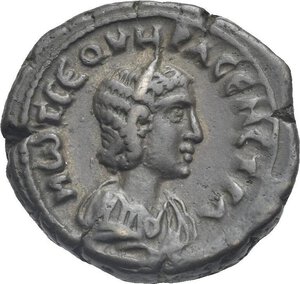
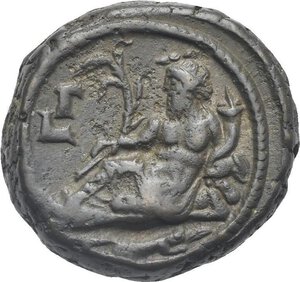
Egypt. Alexandria. Otacilia Severa, as Augusta, 244-249. Tetradrachm (Billon, 23.5 mm, 13.18 g). Dated RY 3 of Philip I (= 245/6). M ⲰΤ CЄΟΥHPA CЄ M CTPA Diademed and draped bust right. Rev. Nilus reclining left, holding reed in his right hand and cornucopiae in his left; below, crocodile to right; L Γ (date) to left. Dattari- Savio 10433. Emmett 3560. RPC VIII online, unassigned ID 2966. Emmerett 3560. Attractive patina, minor roughness on reverse, otherwise, Good Very Fine.
Ex De Geus 10, 16-17.10.2000, lot 2286.
Alexandrian coinage ratifies the custom of presenting on coins different members of the imperial family. Here is Octacilia Severa‘s turn, empress consort of Philip I and mother of Philip II, portrayed with draped and diademed bust. Specimen of great rarity (Emmett 5) showing on the reverse the peaceful image of Nilus with attributes, lying down on the back of a crocodile on a rock.
Lot # 483
-
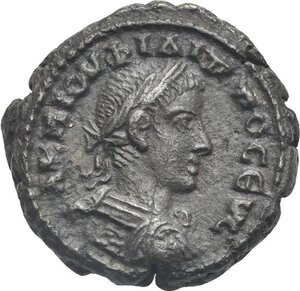
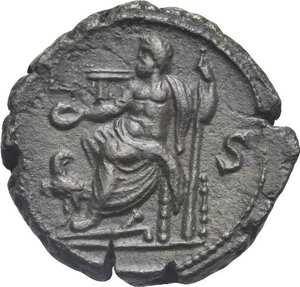
Egypt. Alexandria. Philip II, 244-247. Tetradrachm (Billon, 25.1 mm, 11.94 g). Dated RY 6 of Philip I (= 248/9). Α Κ Μ ΙΟΥ ΦΙΛΙΠΠΟϹ ΕΥϹ Laureate and cuirassed bust right. Rev. Zeus seated left, holding patera and sceptre, eagle to left; L - S (date) across field. Geissen -. Dattari-Savio 5064. RPC VIII online, unassigned ID 3203. Emmerett 3613. Minor roughness. Good Very Fine. Rare.
Ex Gorny & Mosch 126, lot 2111.
Tetradrachm of special worth for its big size, gorgeous conservation, excellent quality of style and rarity. Imposing and majestic Capitoline Zeus pontificating in throne with sceptre and patera and the inevitable eagle at his feet. Coin issued, not randomly, in the millennium year of the foundation of Rome (248 AD).
Lot # 482
-
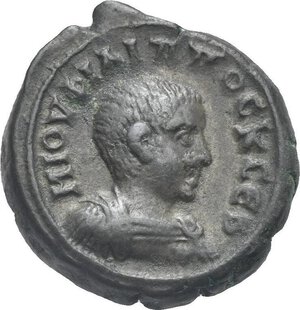
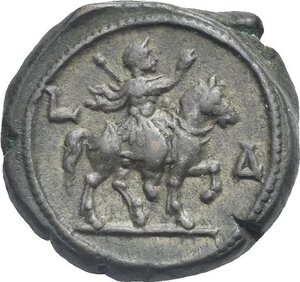
Egypt. Alexandria. Philip II, as Caesar, 244-247. Tetradrachm (Billon, 22.3 mm, 12.6 g). Dated RY 4 of Philip I (= 246/7). Μ ΙΟΥ ΦΙΛΙΠΠΟϹ Κ ϹΕΒ Bareheaded and cuirassed bust right. Rev. Philip II on horseback right, right hand raised, holding scepter over shoulder with left; L ∆ (date) across field. Geissen 2791. Dattari-Savio 5016. Emmet 3588. Geissen 2791. Good Very Fine.
Ex Naville Numismatics Ltd. 42, 22.07.2018.
This tetradrachm announces that the young Caesar Philip, son of the homonymous sovereign, was in his turn elevated to imperial dignity and became Philip II associated with his father. Here we are in the year 247 AD on the eve of the millennium of Rome. The reverse shows Philip II riding a steed marching in step, holding the imperial sceptre and saluting the people attending his 'adventus'.
Lot # 481
-
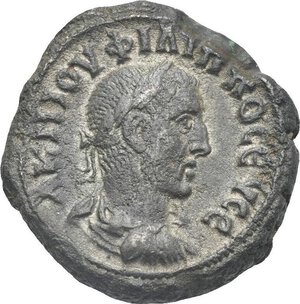
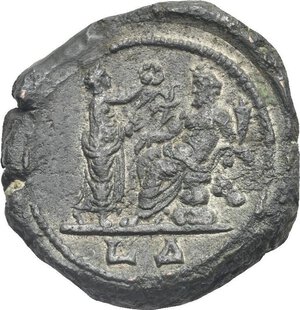
Egypt. Alexandria. Philip I, 244-249. Tetradrachm (Billon, 23.1 mm, 13.03 g). Dated RY 4 (= 246/7). Α Κ Μ ΙΟΥ ΦΙΛΙΠΠΟϹ ΕΥϹΕ[Β] Laureate, draped and cuirassed bust right. Rev. Euthenia standing right, holding wreath and ears of corn, facing Nilus seated left, on rock, holding reed and cornucopia; L Δ (date) in exergue. Geissen –. Dattari-Savio 10366. Emmett 3503. Curtis 1361. Cf. SAVIO A., Tetradrammi alessandrini, pp. 140-144. Dark grey patina with lighter green highlights. Minor roughness, otherwise, Good Very Fine. Extremely rare, with possibly only three known examples.
Ex Auctiones AG 26, 16-19.09.1996, lot 470.
This tetradrachm of extraordinary rarity introduces us to the short-lived dynasty of Philip the Arab destined to solemnise in 248 AD the millennium of the foundation of Rome, capital of the empire. On the reverse the lovely scene with Euthenia, Prosperity goddess, on the left, always associated with her husband the Nilus, crowned by her here on the right, seated on a rock with his attributes: a miniature composition but of high artistic engraving style. Only three specimens are known to exist.
Lot # 480
-
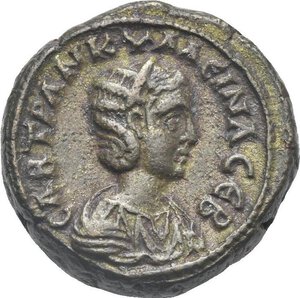
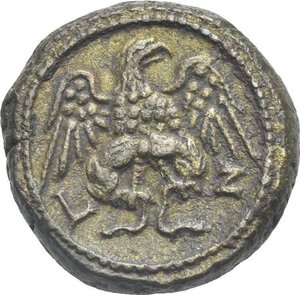
Egypt. Alexandria. Tranquillina, wife of Gordianus III, 241-244. Tetradrachm (Billon, 22.2 mm, 13.83 g). Dated RY 7 of Gordianus III (= 243/4). CAB TPANKYΛΛЄINA CЄB Draped bust right, wearing stephane. Rev. Eagle facing, head right, wings spread, holding wreath in talons, L-Z (date) across fields. Dattari-Savio 4851. RPC VII.2, 3885. Emmett 3444. Geissen 2692. BMC 1939. Lovely grey patina with lighter golden highlights. Nearly Extremely Fine.
Ex Busso Peus Nachf. 369, 31.10.2001, lot 1306.
Magnificent tetradrachm of Tranquillina minted in the seventh and last year of reign of Gordianus III (August 243-Febbruary 244 AD) in order to formally assert the imperial authority through a proud and glorious eagle on the reverse, with spread wings and laurel wreath gripped in its talons: but they both will not survive the middle of their seventh year.
Lot # 479
-
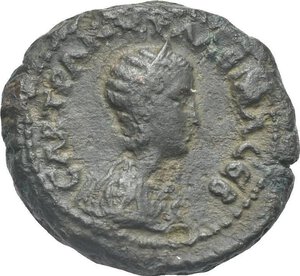
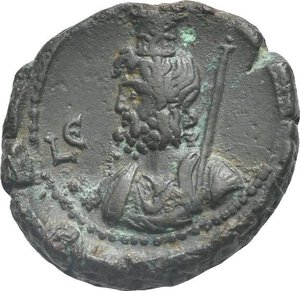
Egypt. Alexandria. Tranquillina, wife of Gordianus III, 241-244. Tetradrachm (Billon, 24.1 mm, 12.33 g). Dated RY 5 of Gordianus III (= 241/2). ϹΑΒ ΤΡΑΝΚΥΛΛΕΙΝΑ ϹΕΒ Diademed and draped bust right. Rev. Bust of Zeus-Sarapis left, slight drapery, wearing kalathos, scepter over shoulder; L Ɛ (date) in left field. Geissen -. Dattari-Savio, 10312 (this coin). RPC VII.2, 3833.3 (this coin). Emmett 3467. Roughness, nearly Very Fine. Very rare.
Ex Giovanni Dattari Collection 10312. Ex Oldenburg 27, 23.10.1992, lot 116. Ex Naville Numismatics Ltd. 56, 22.03.2020, lot 336.
Another image of Zeus but as Sarapis on the reverse of a very rare tetradrachm of Tranquillina, Gordianus III’s wife. It previously belonged to the celebrated Dattari collection. Sarapis is portraited with peculiar style and attributes: thick and heavy paludamentum and big kalathos, as well as the sceptre with a lotus-flower-shaped tip, in spite of the imperial eagle. Very scarce and fascinating coin.
Lot # 478
-
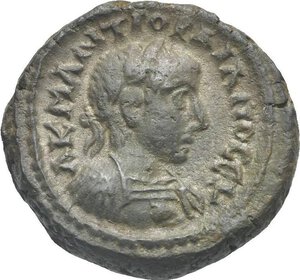
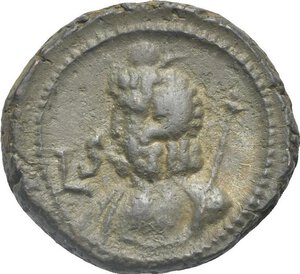
Egypt. Alexandria. Gordianus III, 238-244. Tetradrachm (Billon, 23.5 mm, 12.42 g). Dated RY 6 (= 242/3). A K M ANT ΓOPΔIANOC ЄY Laureate and cuirassed bust right. Rev. Bust of Zeus-Ammon left, slight drapery, wearing crown of disc and uraei, scepter over shoulder; L ς (date) to left. Geissen –. Dattari-Savio 10291. RPC VII.2, 2937. Emmett 3436. Very Fine.
Ex Naville Numismatics Ltd. 41, 24.06.2018, lot 289.
A pleasant tetradrachm of Gordianus III with laureate bust, cuirassed with aegis while on the obverse is the half bust of an impressive Zeus Ammon with all his own traditional symbols (ram's horns, sun disc with urei) as well as a curious sceptre with a lotus-flower-shaped tip.
Lot # 477
-
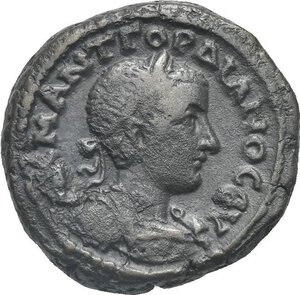
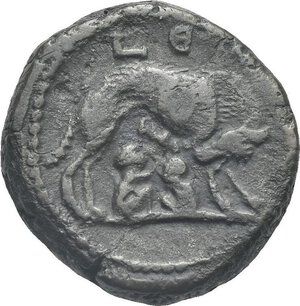
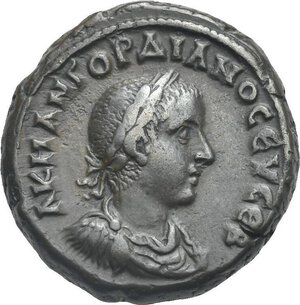
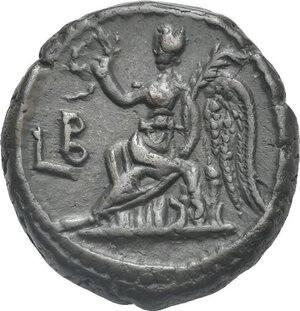
Egypt. Alexandria. Gordianus III, 238-244. Tetradrachm (Billon, 22.0 mm, 11.86 g). Dated RY 5 (= 241/2). Α Κ Μ ΑΝΤ ΓΟΡΔΙΑΝΟϹ ΕΥ Laureate and cuirassed bust right with gorgoneion. Rev. She-wolf standing right, head left, feeding twins; L Ε (date) above. Dattari-Savio 4813. RPC VII.2, 3813. Emmett 3431. Geissen 2662. Very Fine. Rare.
Ex Gilles Blancon Price List 31, August 1991, lot 431.
A rare tetradrachm of the fifth year of Gordianus III’s reign (241-242 AD) showing again on the obverse the image of the legendary She-wolf suckling lovingly the twins Romolus and Remus, the founders of Rome (Cf. nr. 203 of the collection), perhaps in anticipation of the celebration of the next millennium of the empire’s capital, which fell in 248 AD, a posthumous event compared to the emperor's untimely and violent death in February 244 AD.
Lot # 476
-
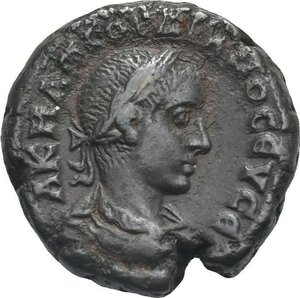
Egypt. Alexandria. Gordianus III, 238-244. Tetradrachm (Billon, 22.3 mm, 12.64 g). Dated RY 2 (= 238/9). A K M AN ΓOPΔIANOC ЄYCЄB Laureate, draped, and cuirassed bust right. Rev. Nike seated left, holding wreath with her extended right hand and palm frond over her left shoulder with left hand; L B (date) to left. Geissen –. Dattari-Savio 4752 var. (obv. legend). RPC VII.2, 3724. Emmett 3416. Kellner p. 125, pl. 12, Abb. 18 (this coin). Extremely fine.
Ex Dr. Hans Steger Collection (Münzhandlung Basel 6, 18 March 1936), lot 1139 (part of). Ex Auguste Voirol Collection. Ex Frank Sternberg, Zürich. Ex Triton XXII, 8-9 January 2019, lot 773.
A large size coin, perfectly well-centred and of splendid conservation. On the obverse the Nike Peacemaker refers to the victory of 238 AD of the roman army against the Danube barbarians, leading to a temporary peace, but followed by new actions to fight the enemy. Tetradrachm of a gorgeous pedigree coming back to the Steger Collection of 1936 (Cf. nr. 160 of this collection).
Lot # 475
-
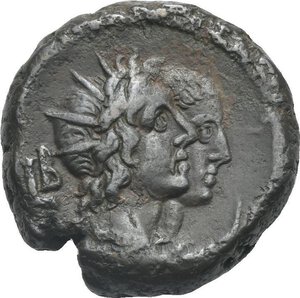
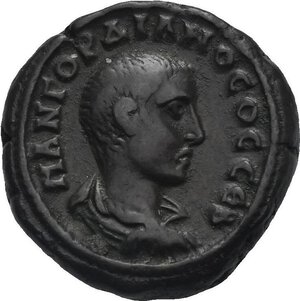
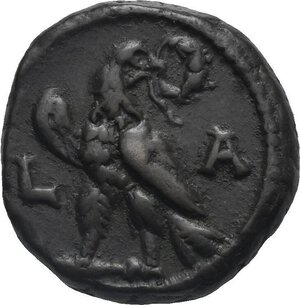
Egypt. Alexandria. Gordianus III, 238-244. Tetradrachm (Billon, 21.80 mm, 11.71 g) dated RY 2 (= 238-239) Α Κ Μ ΑΝ ΓΟΡΔΙΑΝΟϹ ЄΥϹЄ Laureate, draped and cuirassed bust of Gordianus III right. Rev. Jugate busts of Helios radiate and draped right in the foreground and of Selene draped right, crescent to right below her chin, LB (date) left, behind their heads. RPC VII.2, 3714. Dattari-Savio 4732. Milne - . Emmett 3408. Curtis 1266. Nice brown patina. Extremely Fine.
Ex Empire Coins 8, 7 December 1987, lot 680.
A peculiar tetradrachm of Gordian III of excellent conservation, especially interesting for the uncommon reverse with the flanked busts of Helios radiate and Selene with the lunar crescent in front, half-hidden. Classified by Curtis as " very rare and unusual type”.
Lot # 474
-
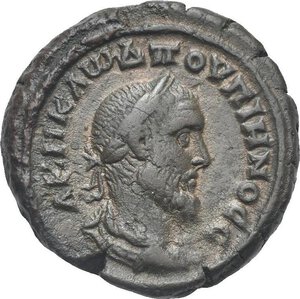
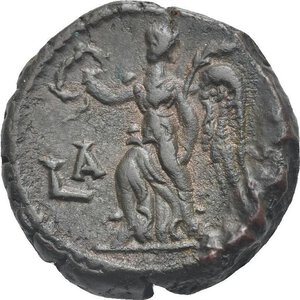
Egypt. Alexandria. Gordianus III, as Caesar, 238-244. Tetradrachm (Billon, 22.2 mm, 12.47 g). Dated RY 1 (= 238/9). MAN ΓOPΔIANOC OC CEB Laureate, draped and cuirassed bust right. Rev. Eagle standing left, head right, wreath in beak; L-A (date) across field. Geissen 2614-5 var. (obv. legend). Dattari-Savio 4698bis. RPC VII.2, 3689. Emmett 3382. Cf. SAVIO A., Tetradrammi alessandrini, pp.136-139. Dark patina, well struck. Good Very Fine.
Ex CNG XXV, 24.03.1993, lot 933.
A tetradrachm of great historical importance and absolute rarity minted between June and 29 July 238 (date of the murder of Pupienus and Balbinus), attesting to the popular announcement in advance as Emperor of the very young Gordianus III, already Caesar, during the transition clash between Pupienus and Balbinus which tragically ended on 29 July 238, the date that brings this ephemeral issue to an end and the Egyptian year I of Gordianus III’s reign begins (29 July 28 August 238). The events of this coinage are amply described and documented by STAFFIERI G. M., Curiosità numismatiche alessandrine II, in NAC 2020, pp. 275-288, Lugano 2000.
Lot # 473
-
Egypt. Alexandria. Pupienus, 238. Tetradrachm (Billon, 23.1 mm, 12.22 g). Dated RY 1 (= 238). A K M KΛW ΠOVΠIHNOC ЄV C Laureate, draped, and cuirassed bust right. Rev. Nike advancing left, holding wreath and palm frond; L A (date) to left. Geissen 2607. Dattari-Savio 10162. RPC VII.2, 3651. Emmett 3365. BMC 1837. Cf. SAVIO A., Tetradrammi alessandrini, pp. 133-135. Dark gray-brown patina. Good Very Fine. Very Rare.
Ex Naville Numismatics Ltd. 45, 09.12.2018, lot 233.
The joint reign of Pupienus and Balbinus lasted three months in 238 AD. Of the former, a valiant general, consul and prefect of Rome, we have here a tetradrachm of great rarity with an extraordinary physiognomic portrait of the emperor on the obverse, while on the reverse, an imposing Nike flows, crowning the imperial hopes.
Lot # 472
-
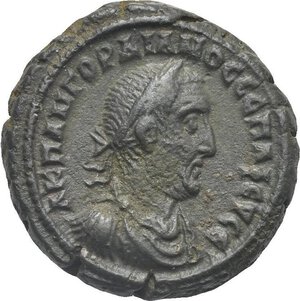
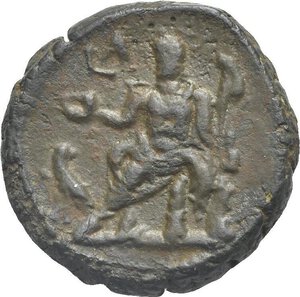
Egypt. Alexandria. Gordian I Africanus, March-April 238. Tetradrachm (Billon, 22.5 mm, 13.38 g). Dated RY 1 (= 238). Α Κ Μ ΑΝ ΓΟΡΔΙΑΝΟϹ ϹΕΜ ΑΦΡ ΕΥϹΕ[Β] Laureate, draped, and cuirassed bust right. Rev. Zeus enthroned left, holding phiale and scepter; to left at feet, eagle standing left, head right; L A (date) to upper left. Geissen 2605 var. (obv. legend). Dattari-Savio 4664 var. (same). RPC VII.2, 3640. Emmett 3351. Cf. SAVIO A. , Tetradrammmi alessandrini, pp. 130-132. Lovely dark patina with minor roughness, very well struck. Good Very Fine. Very Rare.
Ex Giovanni Dattari Collection 4664. Ex Naville Numismatics Ltd. 40, 27.05.2018, lot 418.
From the Dattari collection, too, it comes this splendid and very rare tetradrachm of the ephemeral old man Gordian I the African, who reigned together with his son Gordian II, during the months of February-March of 238 A.D., to end by suicide at the news of the death in battle of Gordian II. On the reverse appears the auspicious Roman Zeus, at least in the hope of the senate, which immediately confirmed the election of the new sovereign
Lot # 471
-
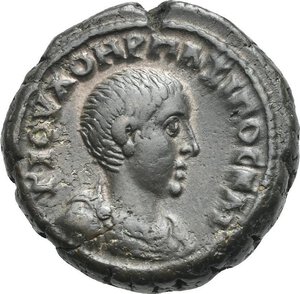
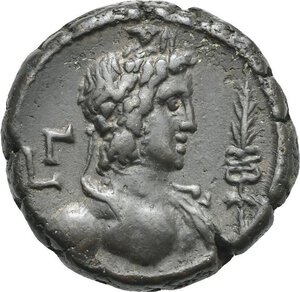
Egypt. Alexandria. Maximus, as Caesar, 236-238. Tetradrachm (Billon, 23.60 mm, 13.43 g). Dated RY 3 (= 236/7). Γ ΙΟΥΛ ΟΥΗΡ ΜΑΞΙΜΟϹ ΚΑΙ Bare-headed, draped and cuirassed bust right. Rev. Hermanubis bust right, wearing kalathos and lotus petal, palm over shoulder; in front, winged caduceus combined with palm branch; L Γ (date) in left field. Ex Dattari 4625. RPC VI online, 10720 (this coin). Geissen 2590. Emmett 3318. Attractive portrait, lovely dark patina. Nearly Extremely Fine. Very Rare.
Ex Giovanni Dattari Collection 4664. Ex Jean-Pierre Righetti collection. Ex Münzen & Medaillen Deutschland/Nomos AG 12, 11.04.2003, lot 639.
Maximus, son of Maximinus I and Cecilia Paulina, was elevated by his father to the rank of Caesar (heir to the throne) in the early days of 235 or 236 A.D., since the coins dedicated to him appears only in the year 2 of his reign (235-236 A.D.). Maximus was immediately militarized by his warlike father and shared his tragic death in May 238 AD in Aquileia at the hands of his own troops who rebelled following the failure to conquer the city. However, this is a very rare coin from the Dattari collection.
Results from 26951 to 27000 of 32599