Roman Imperial Coins
Results from 27701 to 27750 of 32902
Lot # 440
-
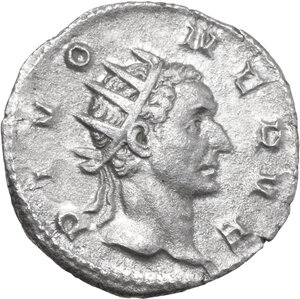
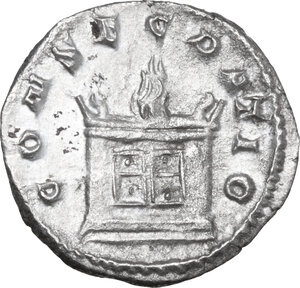
Divus Nerva (died 98 AD). AR Antoninianus, Mediolanum mint, struck under Trajan Decius, 250-251. Obv. DIVO NERVE. Radiate head right. Rev. CONSECRATIO. Rectangular altar, with four panels in front, lighted. RIC IV Trajan Decius 84a. AR. 3.42 g. 21 mm. RR. Very rare. Roughness, otherwsie. EF.
Lot # 439
-
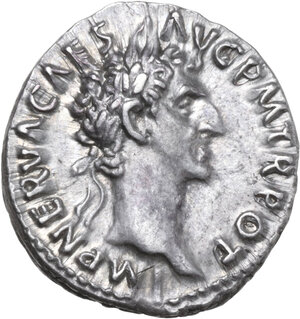
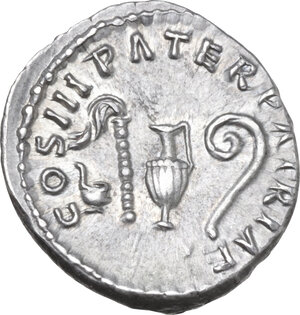
Nerva (96-98). AR Denarius, Rome mint, 97 AD. Obv. IMP NERVA CAES AVG P M TR POT. Laureate head right. Rev. COS III PATER PATRIAE. Simpulum, sprinkler, ewer and lituus. RIC II 24; C. 48. AR. 3.45 g. 19 mm. Superb example, lightly toned with underlying luster. EF.
Lot # 438
-
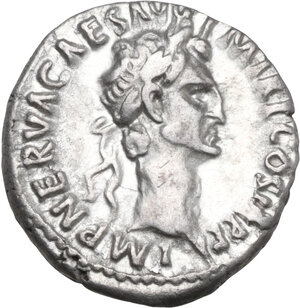
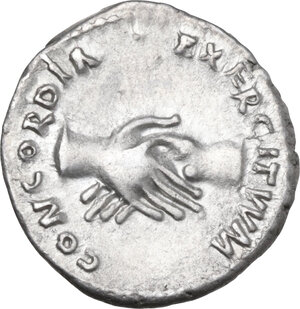
Nerva (96-98). AR Denarius, 97 AD. Obv. IMP NERVA CAES AVG P M TR P COS III P P. Laureate head right. Rev. CONCORDIA EXERCITVVM. Clasped hands. RIC II 14; C. 20. AR. 3.29 g. 18 mm. Brilliant and well centred. Lightly toned. About EF. EX Numismatik Naumann 54, 2017, 451.

Lot # 437
-
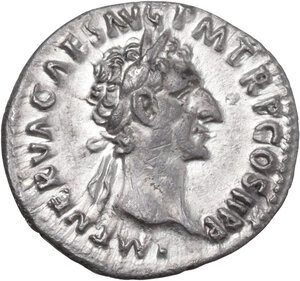
Nerva (96-98). AR Denarius, 96 AD. Obv. IMP NERVA CAES AVG PM TR P COS II PP. Laureate head right. Rev. CONCORDIA EXERCITVVM. Clasped hands, holding legionary eagle, resting on prow. RIC II 3; C. 25. AR. 3.01 g. 19 mm. Good metal. A brilliant and choice example. About EF. Ex Numismatik Naumann 54, 2017, 448.
Lot # 436
-
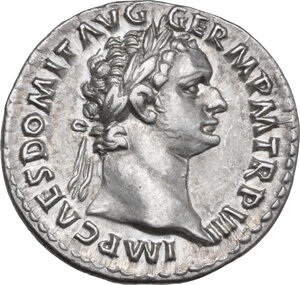
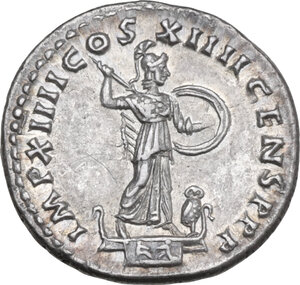
Domitian (81-96). AR Denarius, 88 AD. Obv. IMP CAES DOMIT AVG GERM PM TR P VII. Laureate head right. Rev. IMP XIIII COS XIIII CENS PPP. Minerva standing right on capital on rostral column, holding spear and shield; at feet right, owl. RIC II-p. 1 (2nd ed.) 576. AR. 3.45 g. 19 mm. Well centred and superb. Lightly toned, with underlying luster and golden hues. Irrelevant scratch on reverse. EF.
Lot # 435
-
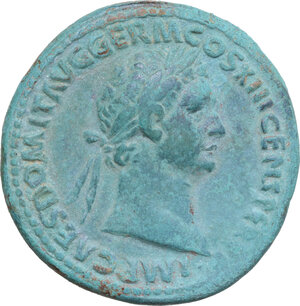
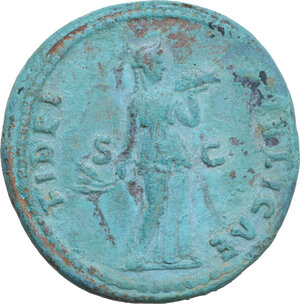
Domitian (81-96). AE As, Rome mint, 87 AD. Obv. IMP CAES DOMIT AVG GERM COS XIII CENS PER P P. Laureate head right. Rev. FIDEI PVBLICAE S C. Fides standing right, holding corn-ears and plate of fruit. RIC II-p. 1 (2nd ed.) 542. AE. 11.74 g. 28.5 mm. Bluish green patina. VF/Good VF.
Lot # 434
-
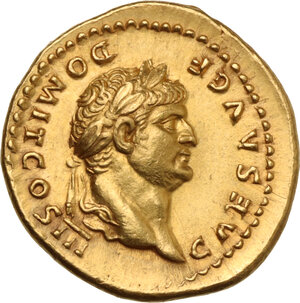
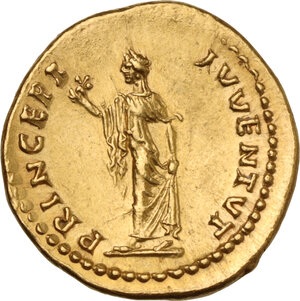
Domitian as Caesar (69-81). AV Aureus, Rome mint, 75 AD. Obv. CAES AVG F DOMIT COS III. Laureate head right. Rev. PRINCEPS IVVENTVT. Spes advancing left, flower in outstretched right hand, raising hem of stola with left. RIC II-p. 1 (2nd ed.) (Vesp.) 787; Calicò 912. AV. 7.32 g. 20.2 mm. Superb and brilliant example, rare as such. Well centred and struck on broad flan. Traces of tooling on obverse. EF/Good EF. Ex Kunker 262, 2015, 7996. Ex Numismatica Ars Classica 97, 2016, 105.
Lot # 433
-
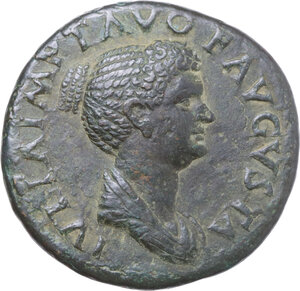
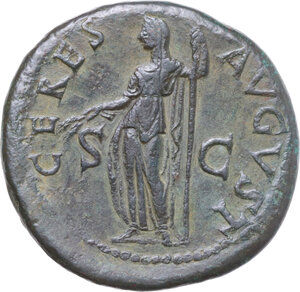
Julia Titi, daughter of Titus (died 90 AD). AE Dupondius, Rome mint, 80-81 AD. Obv. IVLIA IMP T AVG F AVGVSTA. Draped bust right. Rev. CERES AVGVST. Ceres, standing left, holding corn-ears and torch. RIC II-p. 1 (2nd ed.) (Titus) 392. AE. 11.21 g. 28 mm. R. Rare. Gently smoothed. Good VF.
Lot # 432
-
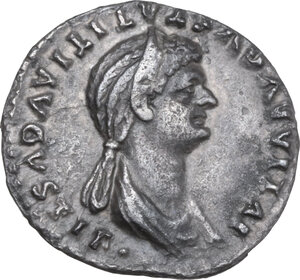
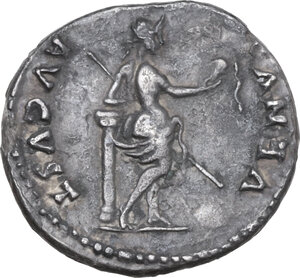
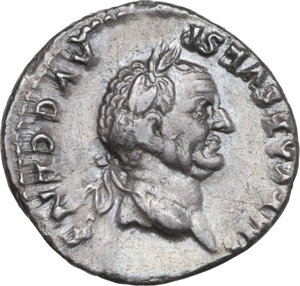
Julia Titi, daughter of Titus (died in 90 AD). AR Denarius. Obv. IVLIA AVGVSTA TITI AVGVSTI F. Diademed and draped bust right. Rev. VENVS AVGVST. Venus standing right leaning on cippus, holding helmet and spear. RIC II-p. 1 (2nd ed.) 388; C. 14. AR. 2.75 g. 19 mm. RR. Very rare and choice example. Well centred and nicely toned. About EF/Good VF.
Lot # 431
-
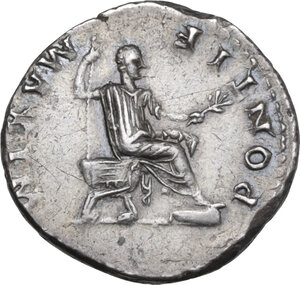
Vespasian (69-79). AR Denarius, Rome mint, 73 AD. Obv. IMP CAES VESP AVG CENS. Laureate head right. Rev. PONTIF MAXIM. Vespasian, togate, seated right on curule chair, feet on stool, holding vertical sceptre in right hand and branch in left. RIC II-p. 1 (2nd ed.) 546; RSC 387. AR. 3.19 g. 19 mm. Delicate bluish tone. Light cleaning marks. Bold portrait. Good VF.
Lot # 430
-
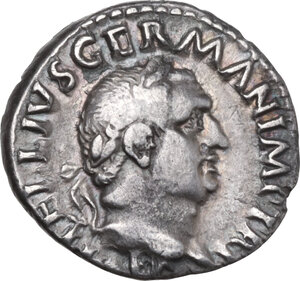
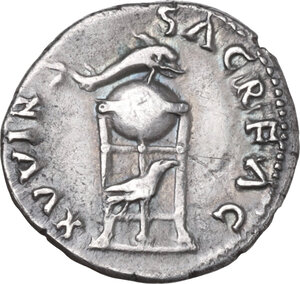
Vitellius (69 AD). AR Denarius. Rome mint. Struck late April-20 December 69 AD. Obv. A VITELLIVS GERM IMP AVG TR P. Bare head right. Rev. XV VIR SACR FAC. Tripod-lebes; dolphin right above, raven right below. RIC I (2nd ed.) 109. AR. 3.1 g. 19 mm. Scarce. Superb example with pleasant cabinet tone and light iridescent hues. About EF.
Lot # 429
-
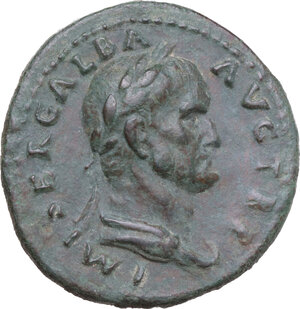
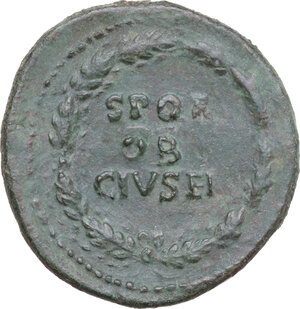
Galba (68-69). AE Dupondius, June-August 68 AD. Obv. Laureate and draped bust right. Rev. SPQR/ OB/ CIV SER within oak wreath. RIC I (2nd ed.) 287. AE. 12.68 g. 30.5 mm. R. Rare. Delicate green patina, impressive bold portrait. Minor smoothing. Good VF/VF.
Lot # 428
-
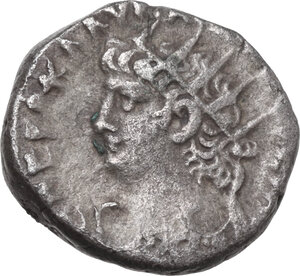
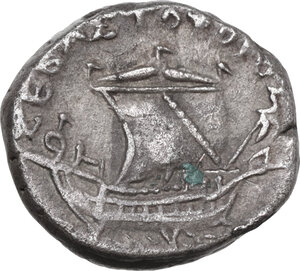
Nero (54-68). BI Tetradrachm, Alexandria mint, Egypt. Dated RY 13 = 66-67 AD. Obv. Radiate bust of Nero left, wearing aegis; L IΓ (date) below chin. Rev. Galley sailing right; dolphins swimming below. Dattari (Savio) 264; K&G 14.99; RPC I 5296; Emmett 121.13. BI. 13.07 g. 23.5 mm. Good example with pleasant tone and minor green deposits. Good VF.
Amazing Portraits
Lot # 427
-
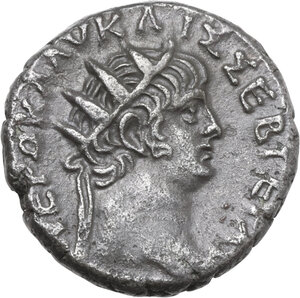
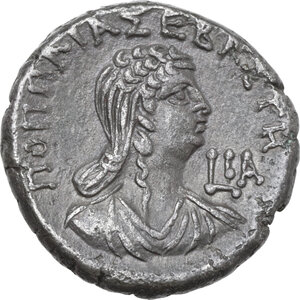
Nero (54-68) with Poppaea. BI Tetradrachm. Alexandria mint (Egypt). Dated RY 11 (AD 64/5). Obv. ΝΕΡΩ ΚΛΑΥ ΚΑΙ ΣΕΒ ΓΕΡ AY. Radiate head of Nero right, with steps hairstyle. Rev. ΠOΠΠAIA ΣEBAΣTH. Draped bust of Poppaea right; LIA (date) before. K&G 14.85; RPC I 5282; Dattari (Savio) 197-8. BI. 13.13 g. 25 mm. Superb example with a fascinating portrait of Poppaea. Nice delicate warm tone over original underlying luster. EF.
Lot # 426
-
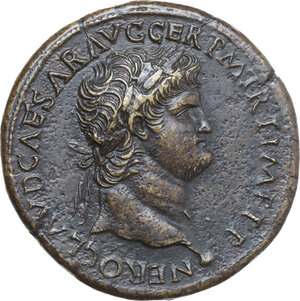
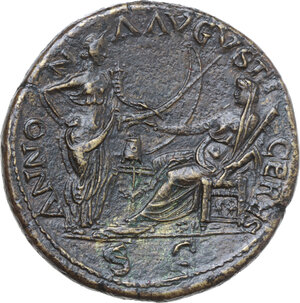
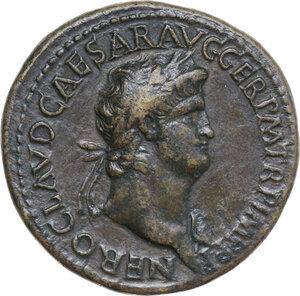
Nero (54-68). AE Sestertius, Lugdunum mint, 65 AD. Obv. NERO CLAVD CAESAR AVG GER P M TR P IMP P P. Laureate head right; small globe at point of neck. Rev. ANNONA AVGVSTI CERES S C. Ceres, right, veiled and draped, seated left (throne decorated with two griffins), holding corn-ears and torch, facing Annona, draped, standing right, right hand resting on hip, left holding cornucopiae; in centre, modius on garlanded altar right; behind, ship's stern. RIC I (2nd ed.) 390. AE. 24.61 g. 36 mm. Struck on a large flan, well centered. Spectacular bold portrait. Detailed reverse with griffins on throne. Minor smoothing. Somewhat rough surfaces, otherwise. EF.
Lot # 425
-
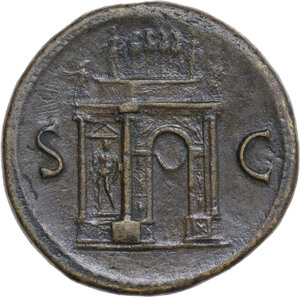
Nero (54-68). AE Sestertius, 64 AD. Obv. NERO CLAVD CAESAR AVG GER P M TR P IMP P P. Laureate head right, wearing aegis. Rev. S C. View of triumphal arch, showing front and left hand side; above, the Emperor in a quadriga escorted by Victory; arch is heavily ornamented and decorated with statues of Pax, Mars and two soldiers. RIC I (2nd ed.) 143. AE. 27.35 g. 35 mm. A superb example. Lovely orichalcum toned surfaces. Gently smoothed, otherwise. about EF. Sold but not paid in our Auction LX.
Lot # 424
-
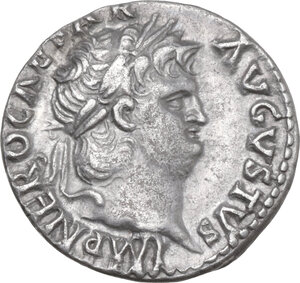
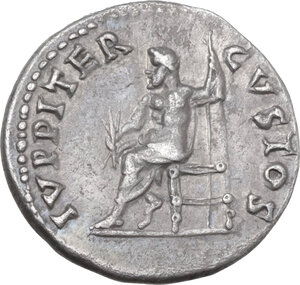
Nero (54-68). AR Denarius, Rome mint, 64-65. Obv. NERO CAESAR AVGVSTVS. Laureate head right. Rev. IVPPITER CVSTOS. Jupiter, bare to waist, cloak round lower limbs, seated, left on throne, holding thunderbolt in right hand and long sceptre in left. RIC I (2nd ed.) 53. AR. 3.39 g. 18.5 mm. R. Rare and choice example with bold portrait. Nicely toned. About EF.
Lot # 423
-
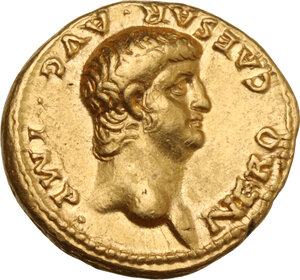
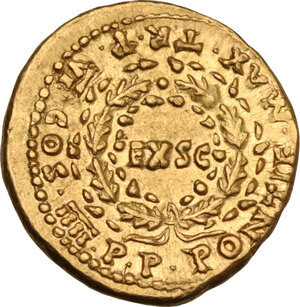
Nero (54-68). AV Aureus, Rome mint. Struck 59-60 AD. Obv. NERO • CAESAR • AVG • IMP. Bare head right. Rev. PONTIF•MAX•TR•P•VI•COS•IIII•P•P• around oak wreath enclosing EX SC. RIC I (2nd ed.) 19; C. 213; Calicò 426. AV. 7.58 g. 19.5 mm. RR. Very rare and superb. Sharply struck from masterly engraved dies. About EF/EF.
Claudius with Agrippina Jr. Aureus
Lot # 422
-
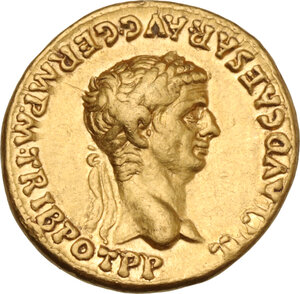
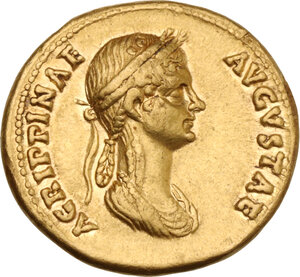
Claudius (41-54) with the wife Agrippina Junior. AV Aureus. Rome mint, c. 50-54 AD. Obv. TI CLAVD CAESAR AVG GERM P M TRIB POT P P. Laureate head of Claudius right. Rev. AGRIPPINAE AVGVSTAE. Draped bust of Agrippina right, wreathed in grain ears. RIC I (2nd ed.) 80; C. 6; Calicó 396b. AV. 7.76 g. 19.5 mm. R. A superb example of this historically significant and fascinating issue. EF. Once installed in power, the supposedly oafish Claudius surprised everyone by ruling with intelligence and moderation. He erred only in his obsession with detail, his reliance on freedmen and cronies, and his atrocious taste in women. Messalina, his promiscuous third wife, ran wild as Empress and nearly brought down his regime with a sex-crazed conspiracy in AD 48. His next wife, Agrippina the Younger, depicted on the reverse of this aureus, used her wiles to enhance her own power and advance Nero, her son by a previous marriage, in the succession arrangements. This done, she fed Claudius a dish of poisoned mushrooms in October, AD 54 and brought his 13-year reign to an end. (Heritage 3015, 23304).
Lot # 421
-
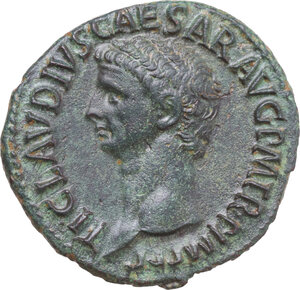
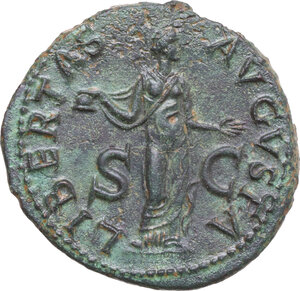
Claudius (41-54). AE As, Rome mint, 50-54. Obv. TI CLAVDIVS CAESAR AVG P M TR P IMP P P. Bare head left. Rev. LIBERTAS AVGVSTA S C. Libertas standing, to front, holding pileus in right and extending right hand. RIC I (2nd ed.) 113. AE. 10.83 g. 30 mm. Delicate green patina. Nice example with bold portrait. About EF.
Lot # 420
-
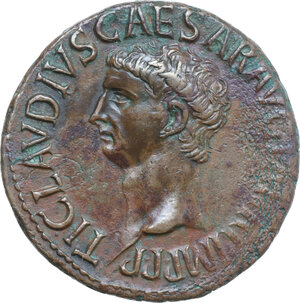
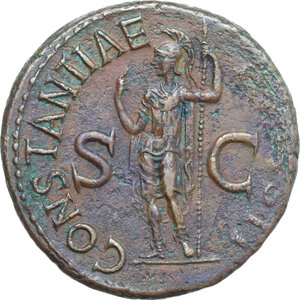
Claudius (41-54). AE As, Rome mint, 50-54 AD. Obv. TI CLAVDIVS CAESAR AVG [PM T]R P IMP PP. Bare head left. Rev. CONSTANTIAE [AVGV]STI, SC. Constantia, helmeted and in military dress, standing left, right raised, left holding spear. RIC I (2nd ed.) 111. AE. 12.68 g. 29 mm. Choice example with pleasant chocolate patina. Areas with rough surface, otherwise. about EF.
Lot # 419
-
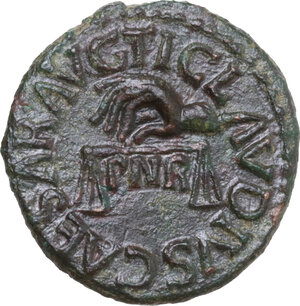
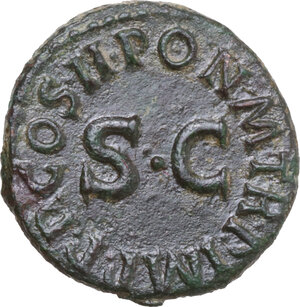
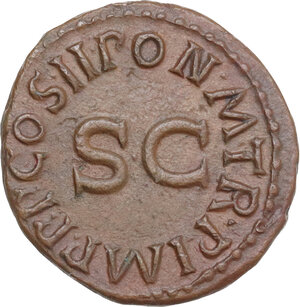
Claudius (41-54). AE Quadrans, 41-42 AD. Obv. TI CLAVDIVS CAESAR AVG. Hand holding scales; below, PNR. Rev. PON M TR P IMP P P COS II round SC. RIC I (2nd ed.) 91. AE. 2.93 g. 17.5 mm. Scarce. Superb example of this scarce issue. Lovely dark green patina. Good EF.
Lot # 418
-
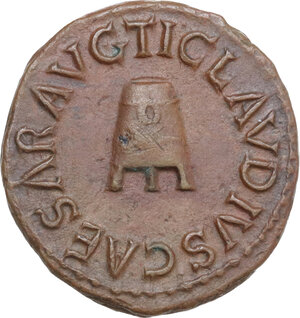
Claudius (41-54). AE Quadrans, 41-54 AD. Obv. TI CLAVDIVS CAESAR AVG. Modius on three legs. Rev. PON M TR P IMP P P COS II. Legend surrounding S C. RIC I (2nd ed.) 90. AE. 3.01 g. 17 mm. Well centred and brilliant. Leather brown patina. EF.
Lot # 417
-
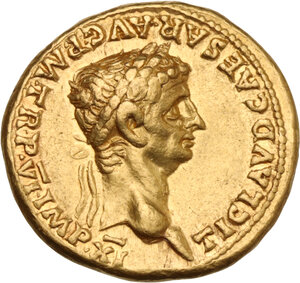
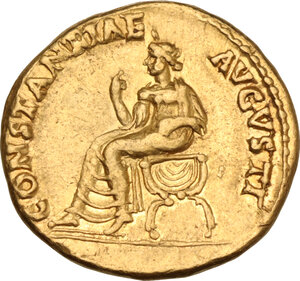
Claudius (41-54). AV Aureus, Rome mint, c. 46-47 AD. Obv. TI CLAVD CAESAR AVG PM TR P VI IMP XI. Laureate head right. Rev. CONSTANTIAE AVGVSTI. Constantia seated left on curule chair, raising right hand; her feet on stool. RIC I (2nd ed.) 31; C. 7; Calicó 340. AV. 7.84 g. 18.5 mm. RR. Very rare and superb. Bold portrait with great details. Delicate warm tone. EF/About EF.
Lot # 416
-
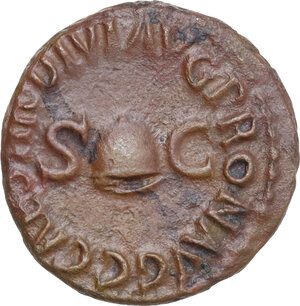
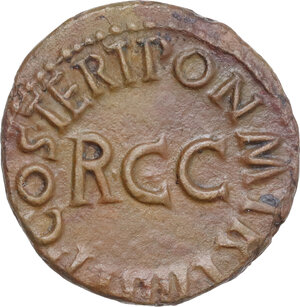
Gaius (Caligula) (37-41). AE Quadrans, 40-41. Obv. C CAESAR DIVI AVG PRON G. Pileus flanked by S C. Rev. PON M TR P IIII P P COS TERT. Legend surrounding RCC large in center of field. RIC I (2nd ed.) Gaius/Caligula 52. AE. 2.91 g. 17 mm. Choice example with leather brown patina. About EF/EF.
Lot # 415
-
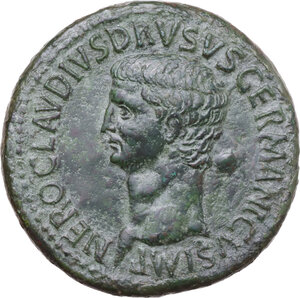
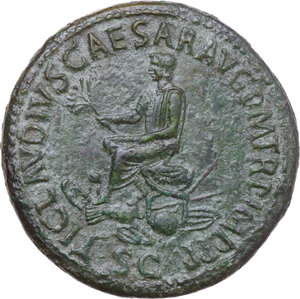
Nero Claudius Drusus, brother of Tiberius, father of Germanicus and Claudius (died 9 AD). AE Sestertius, struck under Claudius, 41-50 AD. Obv. NERO CLAVDIVS DRVSVS GERMANICVS IMP. Bare head of Nero Claudius Drusus left. Rev. TI CLAVDIVS CAESAR AVG PM TR P IMP SC . Claudius, bare-headed and togate, seated left on curule chair, holding branch; miscellaneous weapons and armour lying around. RIC I (2nd ed.) (Claud.) 93. AE. 28.44 g. 36.5 mm. Choice example with solid green patina. Bold portrait. Minor traces of smoothing on fields. Rare as such. EF.
Lot # 414
-
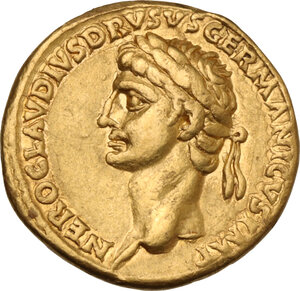
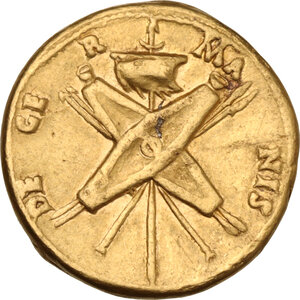
Nero Claudius Drusus, brother of Tiberius and father of Claudius (died 9 AD). AV Aureus, Rome mint. Struck under Claudius, 41-42 AD. Obv. NERO CLAVDIVS DRVSVS GERMANICVS IMP. Laureate head left. Rev. DE GE-R-MA-NIS. Two oblong shields, each over two spears and a trumpet, crossed over an upright vexillum with flag. RIC I (2nd ed.) (Claudius) 73; C. 5; Calicò 317a. AV. 7.75 g. 19 mm. R. Rare and fascinating issue. Brilliant and choice. Small metal inclusion on reverse. EF/About EF. Drusus conducted a series of campaigns in Germanic territory, aiming to consolidate Roman rule and establish a more solid presence in the region. His operations included building fortifications and organizing punitive campaigns against Germanic tribes that resisted Roman influence.
Lot # 413
-
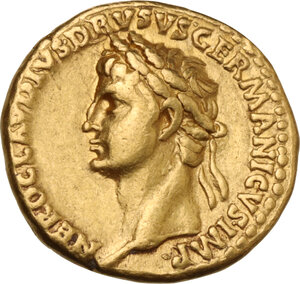
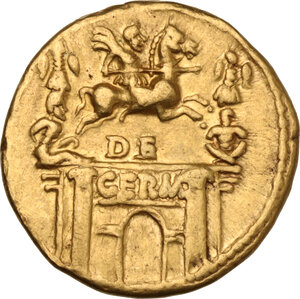
Nero Claudius Drusus, brother of Tiberius and father of Claudius (died 9 AD). AV Aureus, Lugdunum mint. Struck under Claudius, 41-42 AD. Obv. NERO CLAVDIVS GERMANICVS IMP. Laureate head left. Rev. DE above and GERM on architrave of triumphal arch surmounted by equestrian statue right, between two trophies, each with seated and bound captive at foot. RIC I (2nd ed.) (Claudius) 69; C. 1; Calicò 315. AV. 7.79 g. 19 mm. R. Rare and superb example of this fascinating issue. Brilliant, with warm and delicate tone. About EF. Drusus conducted a series of campaigns in Germanic territory, aiming to consolidate Roman rule and establish a more solid presence in the region. His operations included building fortifications and organizing punitive campaigns against Germanic tribes that resisted Roman influence.
Lot # 412
-
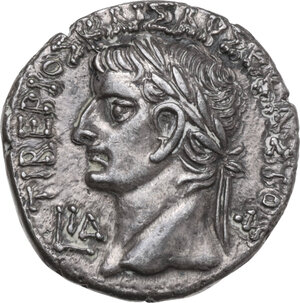
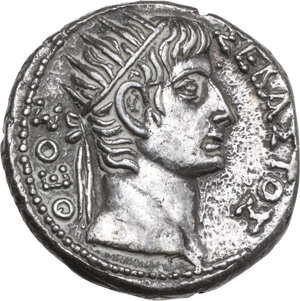
Tiberius with Divus Augustus (14-37 AD). BI Tetradrachm, Alexandria mint. Dated RY 14 (AD 27/28). Obv. ΤΙΒΕΡΙΟΣ ΚΑΙΣΑΡ ΣΕΒΑΣΤΟΣ. Laureate head of Tiberius left; L IΔ (date) before. Rev. ΘΕΟΣ ΣΕΒΑΣΤΟΣ. Radiate head of Divus Augustus right. RPC I 5091; Emmett 60.14; Köln 50; Dattari (Savio) 81. BI. 13.74 g. 25 mm. Some minor roughness. Superb intense cabinet tone. A nice example. EF.
Lot # 411
-
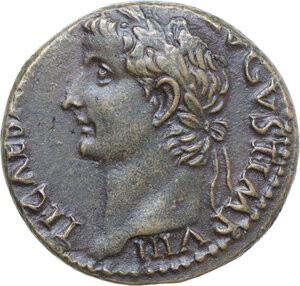
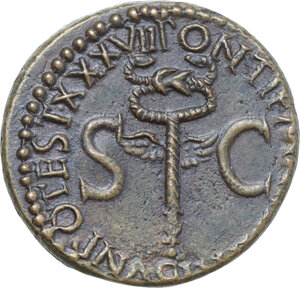
Tiberius (14-37). AE As, Rome mint, 35-36 AD. Obv. TI CAES[AR DIVI AVG F A]VGVST IMP VIII. Laureate head left. Rev. PONTIF [MAX TR]IBVN POTEST XXXVII S C. Winged caduceus upright. RIC I (2nd ed.) 53. AE. 10.8 g. 27.5 mm. RR. Very rare and choice example with sharp details. Nice orichalcum tone. About EF.
Lot # 410
-
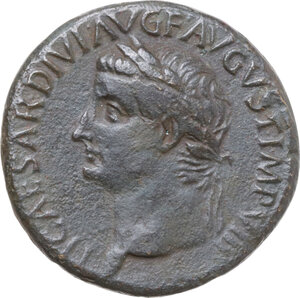
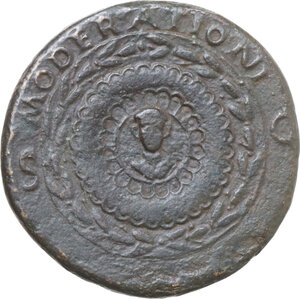
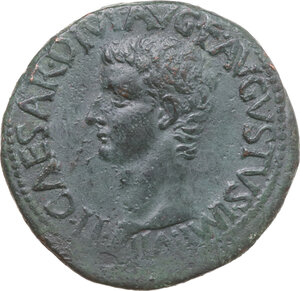
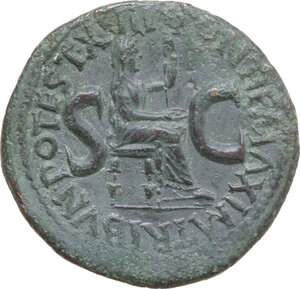
Tiberius (14-37). AE Dupondius, 16-22 AD. Obv. TI CAESAR DIVI AVG F AVGVST IMP VIII. Laureate bust left. Rev. MODERATIONI above, S C across field, small, bareheaded bust of Tiberius facing, in center of round medallion; the bust is in a small plain circle, surrounded by petals, outside of which is a thick raised circle of petals, like those of a sunflower; beyond that, on the outside of the shield, a laurel wreath. RIC I (2nd ed.) 39. AE. 11.8 g. 29 mm. R. Rare and fascinating issue. Dark patina. About EF/Good VF.
Lot # 409
-
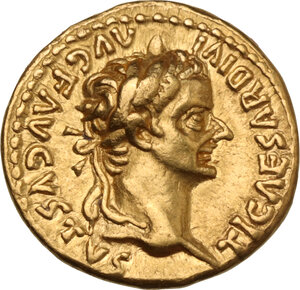
Tiberius (14-37). AE As, 15-16 AD. Obv. TI CAESAR DIVI AVG F AVGVST IMP VII. Bare head left. Rev. PONTIF MAXIM TRIBVN POTEST XVII SC. Livia seated right, feet on stool, holding patera and sceptre. RIC I (2nd ed.) 34. AE. 10.78 g. 29.4 mm. Green patina. Good VF.
Lot # 408
-
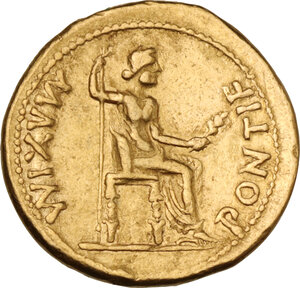
Tiberius (14-37). AV Aureus 'Tribute Penny' type. Lugdunum mint, 36-37 AD. Obv. TI CAESAR DIVI AVG F AVGVSTVS. Laureate head right. Rev. PONTIF MΛXIM. Livia (as Pax) seated right on chair, feet on footstool, holding sceptre and olive branch. RIC I (2nd ed.) 29; SNG BN 22-7; Calicò 305 b. AV. 7.65 g. 19 mm. R. Rare and choice, bold portrait. EF/About EF.
Lot # 407
-
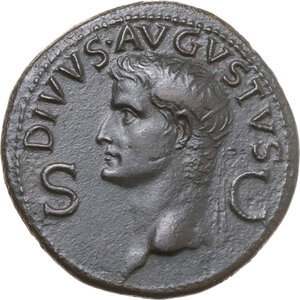
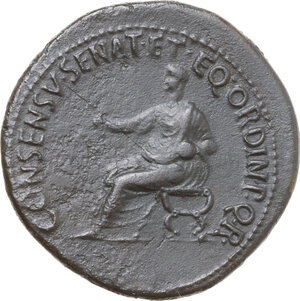
Augustus (Divus, after 14 AD). AE Dupondius. Struck under Gaius (Caligula), 37-41 AD. Obv. DIVVS AVGVSTVS SC. Radiate head of Divus Augustus left. Rev. CONSENSV SENAT ET EQ ORDIN P Q R. Augustus seated left on curule chair, holding branch. RIC I (2nd ed.) (Gaius) 56. AE. 14.58 g. 30 mm. Magnificent idealized portrait. Dark patina. Roughness. Good VF. Ex Astarte XI, 2002, 926.
Aegvpto Capta Denarius
Lot # 406
-
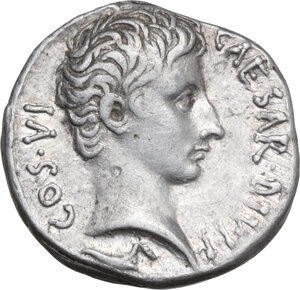
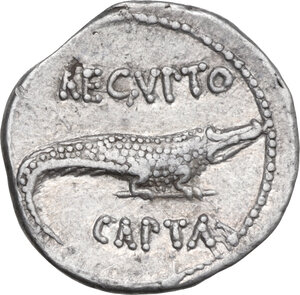
Augustus (27 BC - 14 AD). AR Denarius, 28 BC. Uncertain mint (Pergamum ?). Obv. CAESAR DIVI F COS VI. Bare head right, small capricorn below. Rev. Crocodile right; AEGVPTO above, CAPTA below. RIC I (2nd ed.) 545. AR. 3.88 g. 19 mm. RRR. Very rare, well centred and in excellent condition for issue. Brilliant, lightly toned and with a hint of iridescence. Rare as such. About EF. This fascinating issue records the subjugation of Egypt after the battle of Actium and the death of Marcus Antonius and Cleopatra.
Lot # 405
-
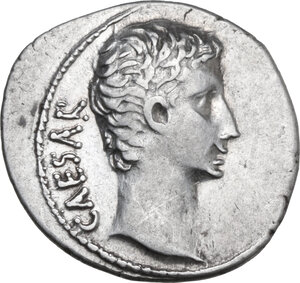
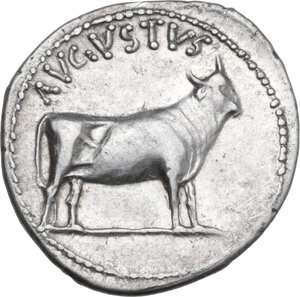
Augustus (27 BC - 14 AD). AR Denarius, 21-20 BC. Obv. CAESAR. Bare head right. Rev. AVGVSTVS. Young bull standing right, head erect. RIC I (2nd ed.) 475. AR. 3.52 g. 20 mm. Large flan with golden hues. EF. The animal depicted has been identified by some authors as a heifer, while others describe it as a cow. The horns and the thick, pleated neck are more characteristic of a bull. The two main deities honored at Samos were Hera and Poseidon ταυρεος. Augustus stayed in Samos between the winter of 21 and the winter of 20 BC. For information regarding these coins, see C.H. Sutherland, 'The Attribution of Augustan Denarii to the Types of the Temple, the Crown, and the Young Bull,' in RN (1974), pp. 58-62.
Lot # 404
-
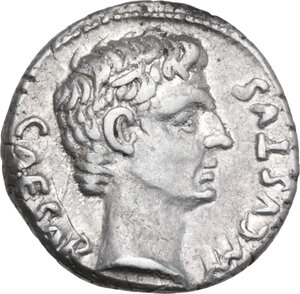
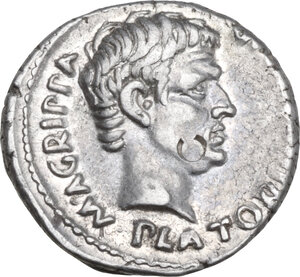
Augustus (27 BC - 14 AD) with Agrippa. AR Denarius, 13 BC. C. Sulpicius Platorinus moneyer. Obv. CAESAR AVGVSTVS. Bare head of Augustus right. Rev. M AGRIPPA PLATORI [NVS III VIR]. Bare head of M. Agrippa right. RIC I (2nd ed.) 408; C. 3 (Fr. 150). AR. 4 g. 18 mm. RR. Very rare and in excellent condition for the issue. Sound metal. Two superb portraits and enchanting light iridescent tone. Insignificant banker's mark on reverse. About EF. Marcus Agrippa was the key figure behind Augustus' military achievements for over thirty years. This coin commemorates him with an imperial portrait, symbolizing not only his status as Augustus' chosen successor, but also his important role within the imperial family. The coin was issued to mark the joint renewal of tribunician powers by Augustus and Agrippa in 13 B.C., a ceremony celebrated in Rome after their recent return—Augustus from Gaul and Agrippa from the East. This was a high point in Agrippa’s career, though his prominence was short-lived, as he passed away the following year.
Lot # 403
-
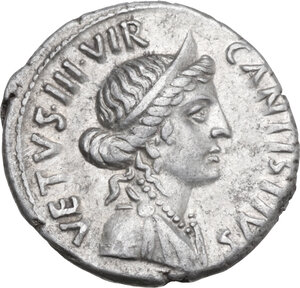
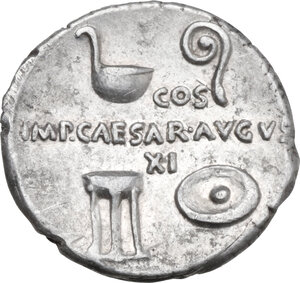
Augustus (27 BC - 14 AD). AR Denarius, Rome mint, C. Antistius Vetus moneyer, 16 BC. Obv. C ANTISTIVS VETVS III VIR. Diademed and draped bust of Venus right. Rev. COS / IMP CAESAR AVGVS / XI. Simpulum, lituus, tripod and patera. RIC I (2nd ed.) 367. AR. 4.05 g. 19.5 mm. R. Rare and choice, well centred and complete. Fine style. Iridescent hues, sound metal. Almost imperceptible scuff on the hair. Sharp details. EF.
Lot # 402
-
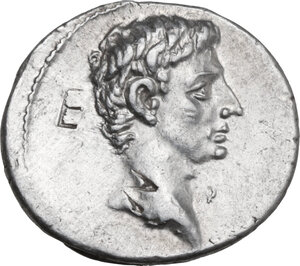
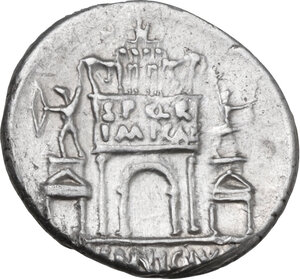
Augustus (27 BC - 14 AD). AR Denarius, 16 BC. Obv. Bare head right. Rev. L VINICIVS. Triumphal arch Inscribed S P Q R IMP CAE, surmounted by facing quadriga. RIC I (2nd ed.) 359. AR. 3.98 g. 19 mm. Banker's mark. Bold portrait, well centred on a large flan. Cabinet tone with golden hues. About EF/Good VF. The reverse representation of this denarius has been the subject of academic debate, as it was unclear which arch was depicted on it. Geometrical analysis of the depiction, has it identified as the arch of Augustus south of the temple of Divus Julius. If we stick to what the coinage shows, we can see an archer characterized by a tall conical headdress that corresponds to the conical helmet worn by Illyrian peoples such as the Dalmatians, who were also famous as archers.
Lot # 401
-
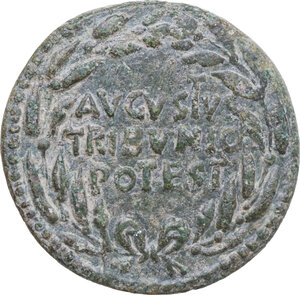
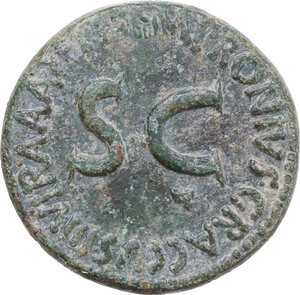
Augustus (27 BC - 14 AD). AE Dupondius, 17 BC. Obv. AVGVSTVS/TRIBVNIC/POTEST, in three lines within oak-wreath. Rev. [TI SE]MPRONIVS GRACCVS III VIR AAA FF, around large SC. RIC I (2nd ed.) 349; C. 525. AE. 11.26 g. 27 mm. RR. Very rare and choice, with lovely green patina. About EF.
The Caesar's Comet
Lot # 400
-
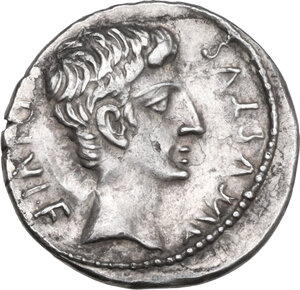
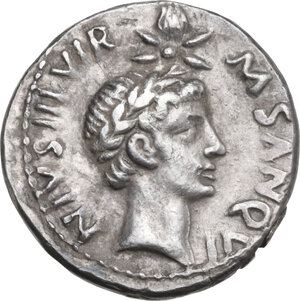
Augustus (27 BC - 14 AD). AR Denarius, 17 BC. Coinage of M. Sanquinius. Obv. AVGVSTVS DIVI F. Bare head of Augustus right. Rev. M. SANQVINIVS III VIR. Youthful head, laureate, right (Julius Caesar deified); above, comet showing four rays and tail. RIC I (2nd ed.) 338. AR. 3.51 g. 19 mm. RR. Very rare and fascinating issue. Lightly toned. Good VF/About EF. A fascinating and historically intriguing issue. The comet immortalized by the magistrate M. Sanquinius on the reverse of this denarius, struck during the Secular Games of 17 BC, is the so called “Comet of Caesar” (Sidus Iulium or Caesaris astrum : numerical designation C/-43k1) widely considered the most famous of antiquity; this comet shone in the skies of Rome following the assassination of Julius Caesar and was interpreted by Romans as a sign of the deification of the dictator. Suetonius (Divus Julius, 88) writes : (Julius Caesar) 'periit sexto et quinquagensimo aetatis anno atque in deorum numerum relatus est, non ore modo decernentium sed et persuasione volgi. Siquidem ludis, quos primos consecratos ei heres Augustus edebat, stella crinita per septem continuos dies fulsit exoriens circa undecimam horam, creditumque est animam esse Caesaris in caelum recepti; et hac de causa simulacro eius in vertice additur stella'. (He died in the fifty-sixth year of his age, and was ranked amongst the Gods, not only by a formal decree, but in the belief of the populace. For during the first games which Augustus, his heir, consecrated to his memory, a comet blazed for seven days, rising always about eleventh hour (five pm o'clock); and it was credited to be the soul of Caesar, now received into heaven: for which reason he is, likewise, represented on his statue with a star on his brow) Many centuries later, Shakespeare may also have made oblique reference to it in the play Julius Caesar. However Shakespeare was mistaken about the time of its appareance or he took artistic license with history, as he had the comet appearing prior to Caesar's murder. In fact, in the second scene of Act II, Caesar's wife, Calpurnia, warns her husband of a portentous event which she interprets as an ill omen for him.
Lot # 399
-
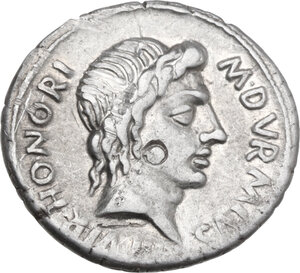
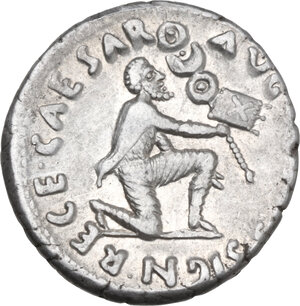
Augustus (27 BC - 14 AD). AR Denarius, 19-4 BC. Obv. M DVRMIVS IIIVIR HONORI. Head of Honos, right, in between two six-rayed stars. Rev. CAESAR AVGVSTVS SIGN RECE. Parthian kneeling right, extending standard with X-marked vexillum with right hand and holding out left hand. RIC I (2nd ed.) 315. AR. 4.07 g. 20 mm. Banker's mark on obverse and light scuff. Well centred, with iridescent toning. Good VF. Like other issues, this one celebrates in the legend on reverse the Roman victory over the Parthians and the return of the insignia lost by Crassus at the Battle of Carre in 53 BC.
Lot # 398
-
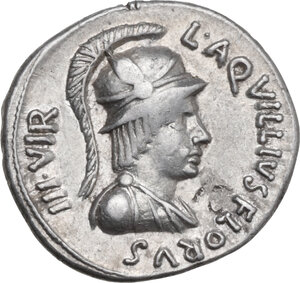
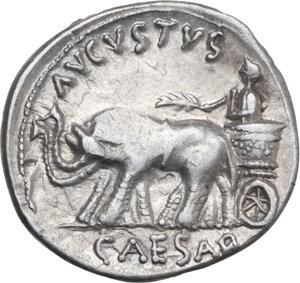
Augustus (27 BC - 14 AD). AR Denarius, L. Aquillius Florus moneyer, 18 BC. Obv. L. AQVILLIVS FLORVS III VIR. Draped bust of Virtus right, wearing feathered helmet. Rev. Augustus in elephant-biga left, holding laurel and sceptre; above, AVGVSTVS; in exergue, CAESAR. RIC I (2nd ed.) 301. AR. 3.96 g. 20 mm. RR. Very rare. Good metal, full weight and broad flan. Banker's marks on obverse. An outstanding example, superb light iridescent tone. EF.
Lot # 397
-
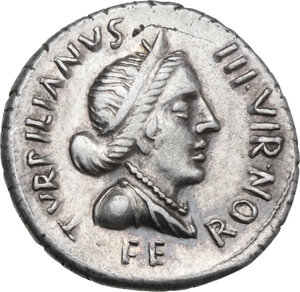
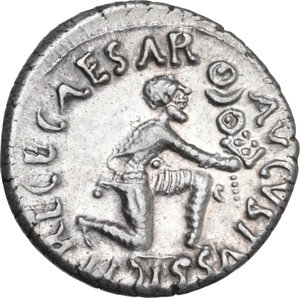
Augustus (27 BC - 14 AD) with P. Petronius Turpilianus. AR Denarius, 19 BC. Obv. TVRPILIANVS III VIR / FE - RON. Diademed and draped bust of Feronia right. Rev. CAESAR AVGVSTVS SIGN RECE. Parthian kneeling right, returning vexillum inscribed with X. RIC I (2nd ed.) 288; C. 484. AR. 3.95 g. 19 mm. R. Rare, superb and historically significant. Lovely light cabinet tone, with golden hues. EF. The stroke of diplomacy by which in 20 BC Augustus induced Phraates to return the standards which the Parthians had on three different occasions captured from Roman armies was one of achievements of which he was most proud.[...] The three armies defeated by the Parthians were those commanded by Crassus (in 53), and by the legates of M. Antonius, - L. Decidius Saxa in 40, and Oppius Statianus in 36. (G.F. Hill, Historical Roman Coins, p.139-40).
Lot # 396
-
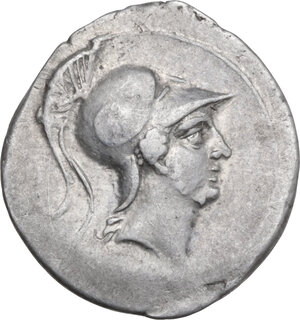
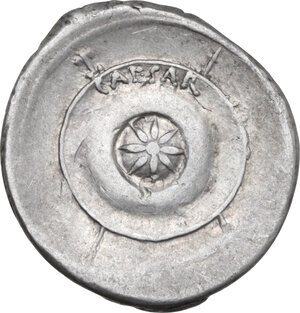
Augustus (27 BC - 14 AD). AR Denarius, Uncertain mint, 29-27 BC. Obv. IMP. Head of Mars right, in crested helmet. Rev. CAESAR. Circular shield depicting eight-rayed star, lying on spear and sword. RIC I (2nd ed.) 274. AR. 3.61 g. 21 mm. R. Rare and seldom offered. Light golden tone. About EF. The presence of Mars' head on this denarius can be traced to the beginning of the construction of the Temple of Mars Ultoris in the Forum of Augustus. The appellation Ultoris (avenger) was given to celebrate the revenge that was perpetrated against Caesar's murderers: Brutus and Cassius.
Lot # 395
-
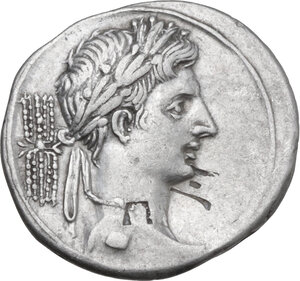
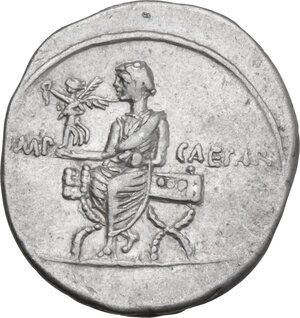
Augustus (27 BC - 14 AD). AR Denarius, Brundisium or Rome, 29-27 BC. Obv. Laureate head right; behind, winged thunderbolt. Rev. IMP CAESAR. Octavian, togate, seated left, on curule chair, holding Victoriola in right hand. RIC I (2nd ed.) 270. AR. 3.82 g. 20 mm. R. Rare. A fine portrait on a large flan. Banker's marks on obverse. About EF. The striking depiction on the reverse of this denarius celebrates Octavian's victories. After the defeat of Marcus Antonius and Cleopatra, Octavian returned to the Senate the special powers he had been entrusted with for the war, as Roma was still a Republic. Despite this, in this issue, Octavian still bears the title of Imperator on the reverse.
Lot # 394
-
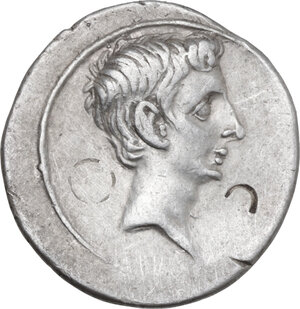
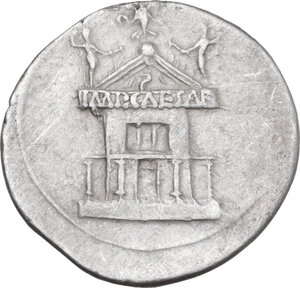
Augustus (27 B.C - 14 AD). AR Denarius, Italian (Rome?) mint., 29-27 BC. Obv. Bare head right. Rev. Facade of the Roman Curia with a tetrastyle porch; IMP CAESAR on the architrave; figure seated between animals, vis-à-vis, in pediment; Victory standing facing on globe, holding wreath and vexillum, on apex of roof; statues, each holding a parazonium and sceptre, standing at each end of architrave. RIC I (2nd ed.) 266; C. 122. AR. 3.74 g. 20.5 mm. Banker's marks on obverse. Good VF. For a long time, this structure was believed to be the temple dedicated to Divus Julius. However, it can now be confidently identified as the Curia Julia, which was started by Caesar shortly before his assassination in 44 BC and officially inaugurated by Octavian on August 28, 29 BC.
Lot # 393
-
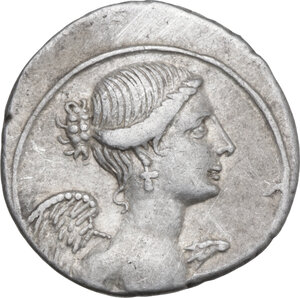
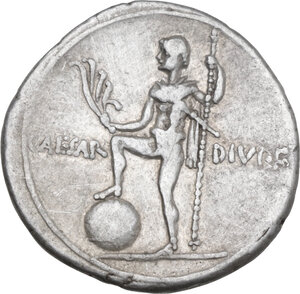
Augustus (27 BC - 14 AD) . AR Denarius, c. 30 - 27 BC. Obv. Winged bust of Victory right. Rev. Winged bust of Victory right / [C]AESAR DIVI F. Octavian standing left, naked except for cloak fastened around neck and falling behind him, and parazonium by left side hanging from belt over right shoulder, placing right foot on large celestial globe, holding aplustre in right hand and leaning on long sceptre with left hand. RIC I (2nd ed.) 256; C. 60. AR. 3.77 g. 19 mm. Scarce. VF. This denarius commemorates Octavian’s decisive victory at the Battle of Actium in 31 BC, which ultimately led to his consolidation of power as Augustus. The reverse depicts Octavian standing confidently, draped in a cloak, placing his foot on a celestial globe—symbolizing his dominion over the world. The aplustre (ship’s prow) in his right hand refers to the naval nature of the victory, while the sceptre and parazonium (a short sword) highlight his authority and military prowess. This imagery celebrates not only the defeat of Mark Antony and Cleopatra but also Octavian’s role as the bringer of peace and order to the Roman world, foreshadowing the stability of the Pax Romana under his rule.
As Struck Denarius
Lot # 392
-
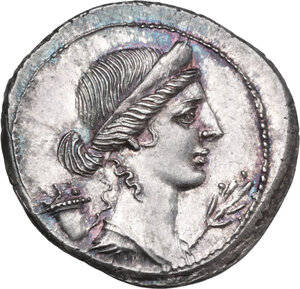
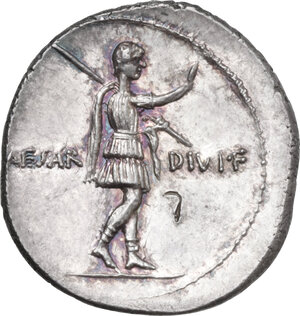
Augustus (27 BC - 14 AD). AR Denarius, Uncertain mint in Italy (Rome?), 32-31 BC. Obv. Diademed head of Pax right; cornucopia to left, olive branch to right. Rev. [C]AESAR - DIVI F. Octavian in military attire advancing right, right hand extended and holding transverse spear in left. RIC I (2nd ed.) 253; RSC 72. AR. 4.02 g. 20 mm. Scarce. Rare as such. Exceptionally preserved example, with attractive iridescent tone. Reverse slightly off-centre, with banker's mark in right field. Brilliant surfaces. As struck. FDC. Issue minted before the Battle of Actium in 31 BC, when Octavian still had to claim descent from Julius Caesar (hence the legend that names him as son of Divus Julius).
Lot # 391
-
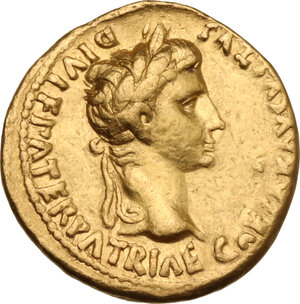
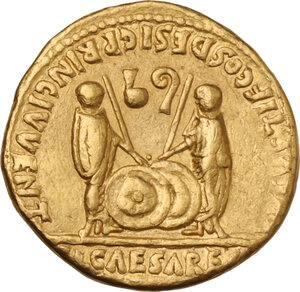
Augustus (27 BC - 14 AD). AV Aureus. Lugdunum mint, 2 BC - 12 AD. Obv. CAESAR AVGVSTVS DIVI F PATER PATRIAE. Laureate head right. Rev. C L CAESARES (in exergue) [A]VGVSTI F COS DESIG PRINC IVVENT. Gaius and Lucius Caesar, on left and right, standing facing, each togate and resting a hand on one of two shields set on ground between them; behind the shields, two spears; above, on left, simpulum right, and on right, lituus left. RIC I (2nd ed.) 206; C. 42; Calicó 176. AV. 7.88 g. 20 mm. RR. Very rare and brilliant example. Faint marks, otherwise. about EF. On the 21st of February 4 AD, Gaius Caesar, the eldest son of Augustus’ daughter Julia, died in Anatolia aged twenty-three. Despite his vast inexperience, the emperor had called upon his young grandson when a revolt had been staged in Armenia, giving him proconsular powers and trusted advisors to combat the unrest. Gaius had invaded Armenia in 2 CE and come away injured, eventually succumbing to the sickness it caused him. Gaius’ younger brother, Lucius, had been similarly unfortunate. In mid-2 CE, aged only eighteen, he had fallen sick in Gaul and died shortly after. The deaths of both he and his elder brother left Augustus in a difficult position: he was now heirless, with no sons of his own. Gaius and Lucius—sons of not only Augustus’ daughter Julia, but his trusted general and childhood friend, Marcus Agrippa—had been adopted by Augustus as his own son in 17 BC.
Results from 27701 to 27750 of 32902