- Titolo
-
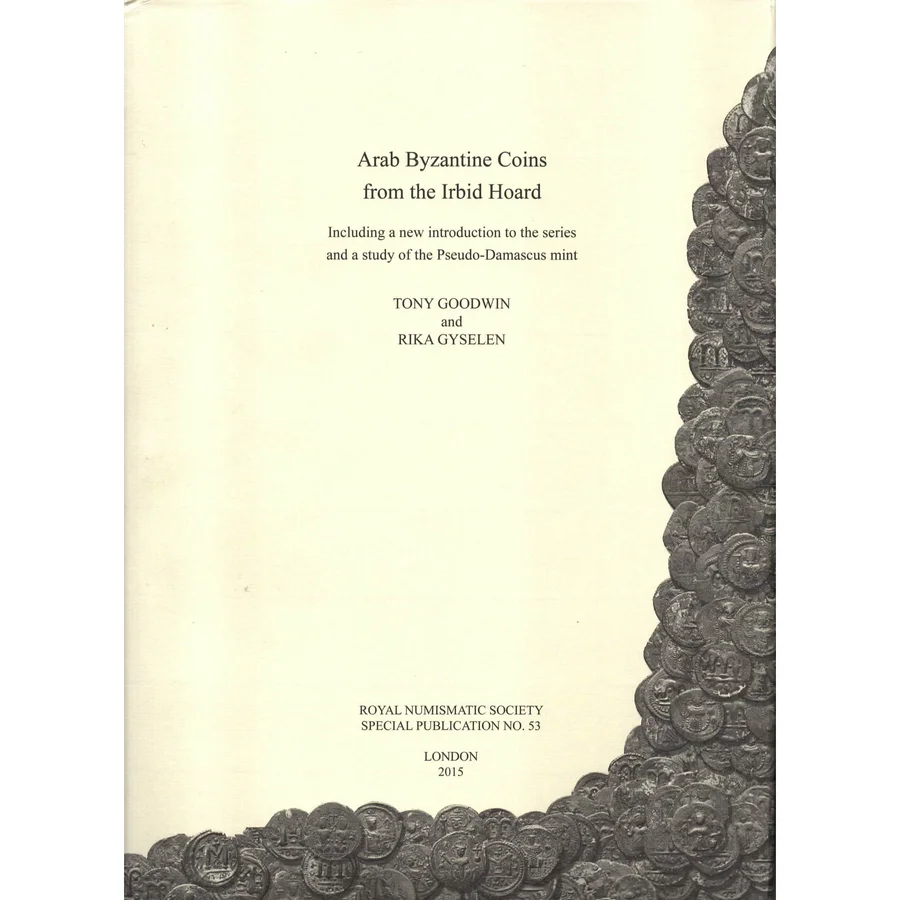
Arab Byzantine coins from the Irbid HoardIncluding a new introduction to the series and a study of the Pseudo-Damascus mint
- Autori
-
Goodwin TonyGyselen Rika
- Collana
- Special Publication No. 53
- Editore
- Royal Numismatic Society
- Anno di pubblicazione
- 2015
- Lingua
-
- Inglese
- Numero di pagine
- 307
- Numero di tavole
- 51 nel testo
- Formato
- Copertina rigida con sovracoperta
- Dimensioni
- 22 x 30.5 x 2.5 cm
- Peso
- 1447 g
- ISBN
- 0901405841
- Note
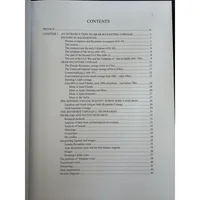
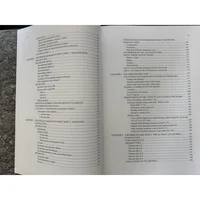
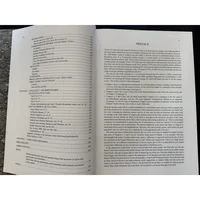
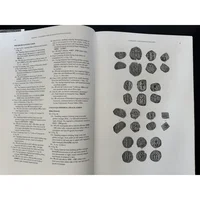
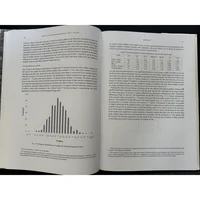
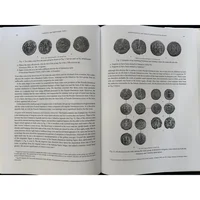
- Il volume riassume le più recenti ricerche sulle monete arabo-bizantine e analizza in particolare due enigmatiche serie monetali: "Pseudo-Damascus" e ʿal–wafā lillāh. Il nome "Pseudo-Damascus" deriva dal fatto che molte di queste monete riportano un segno di zecca che indica Damasco come luogo di coniazione, sebbene le prove dimostrino chiaramente che furono coniate altrove. Questa serie è unica nell'ambito della monetazione arabo-bizantina per la straordinaria varietà dei suoi tipi. Oltre ad analizzarne la tipologia, Goodwin pubblica un corpus completo dei conii. Il nome ʿal–wafā lillāh deriva dall'enigmatica frase riportata nell'esergo del rovescio e, talvolta, anche sul diritto delle monete. Sebbene lo stile generale sia simile a quello delle emissioni Pseudo-Damascus, il disegno delle monete ʿal–wafā lillāh risulta invece molto più standardizzato. La loro tipologia è analizzata in modo approfondito da Gyselen. Queste due serie costituiscono la maggior parte del tesoro di Irbid, rinvenuto in Giordania negli anni Sessanta e tuttora l'unico importante ripostiglio conosciuto di monete arabo-bizantine. Il volume cataloga e illustra 658 monete provenienti dal ripostiglio di Irbid, 501 delle quali sono oggi conservate presso il Cabinet des Médailles di Parigi. L'opera esamina inoltre il contesto storico delle emissioni e propone possibili attribuzioni. Entrambe le serie provengono da zecche situate nell'attuale Israele o nella Giordania settentrionale e circolarono contemporaneamente durante il conflitto tra gli Omayyadi e gli Zubayridi. Sulla base delle conoscenze attuali, è molto probabile che si tratti di emissioni prodotte da distinte autorità tribali.
- Condizione
- Nuovo
Articolo aggiunto
Il carrello è stato aggiornato. Puoi procedere con altri acquisti oppure completare il tuo ordine.