World Coins
Results from 39101 to 39150 of 58190
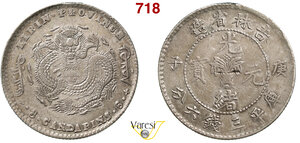
Lot # 718
-
CINA - KIRIN - GUANG XU (1875-1908) 3 Mace 6 Candareens o 50 Cents (1900) . KM. 182.3 Ag 13,25 g 33,8 mm • Traccia di montatura sul bordo (trace of mount on edge) BB
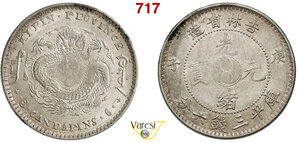
Lot # 717
-
CINA - KIRIN - GUANG XU (1875-1908) 3 Mace 6 Candareens o 50 Cents (1900) . KM. 182a Ag 12,80 g 33,8 mm • Debolezza centrale di conio BB+
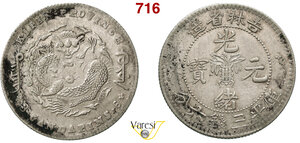
Lot # 716
-
CINA - KIRIN - GUANG XU (1875-1908) 3 Mace 6 Candareens o 50 Cents (1898) . KM. 182.1 Ag 12,98 g 33,8 mm • Graffietti nei campi BB
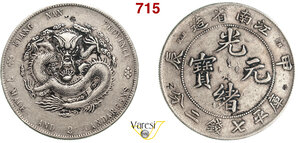
Lot # 715
-
CINA - KIANGNAN - GUANG XU (1875-1908) 7 Mace 2 Candareens (Dollaro) (1904) variante con HAH CA al R/, Nanking KM. 145a L&M 257 Ag 26,68 g 39,5 mm • Alcune piccole contromarche (chopmarks) BB
Lot # 714
-
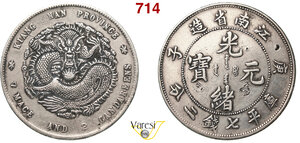
CINA - KIANGNAN - GUANG XU (1875-1908) 7 Mace 2 Candareens (Dollaro) (1900), Nanking KM. 145a L&M 229 Ag 26,68 g 39,5 mm • Alcune piccole contromarche (chopmarks) BB
Lot # 713
-
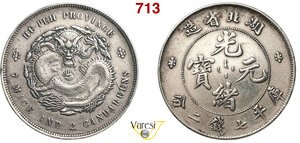
CINA - HUPEH - GUANG XU (1875-1908) 7 Mace 2 Candareens (Dollaro) (1895-1907) Guangxu, Wuchang KM. 127.1 L&M 182 Ag 26,56 g 39,5 mm • Pulita (cleaned) BB
Lot # 712
-
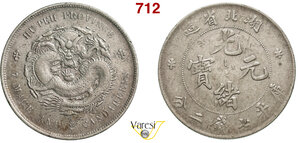
CINA - HUPEH - GUANG XU (1875-1908) Yuan o Dollaro (1895-1907), Wuchang KM. 127.1 L&M 182 Kann 40 Ag 26,87 g 40 mm • Piccola contromarca al R/ BB+
Lot # 711
-
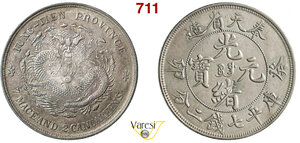
CINA - FENGTIEN - GUANG XU (1875-1908) 7 Mace 2 Candareens o Yuan Y. 40 (1903) . KM. Y92 L&M 483 Kann 251b Ag 26,78 g 40 mm • Bella patina; piccola contromarca al R/ SPL
Lot # 710
-
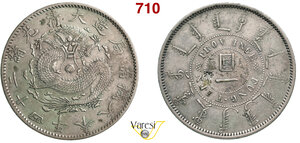
CINA - FENGTIEN - GUANG XU (1875-1908) Yuan o Dollaro Y. 24 (1898) . KM. 87 L&M 471 Kann 244 Ag 26,64 g 40 mm • In slab NGC XF details, chopmarked, cleaned
Lot # 709
-
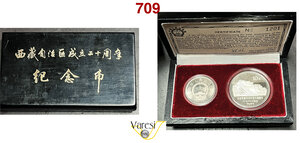
CINA - REPUBBLICA POPOLARE 10 e 1 Yuan 1985 "20° anniv. della autonomia tibetana", Shanghai Ag e Ni R • In astuccio originale, con certificato. In original box with certificate FDC/Proof
Lot # 708
-
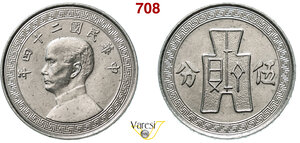
CINA - REPUBBLICA (1912-1949) 5 Cents Y. 24 (1935), Philadelphia KM. Pn. 140 Kahn 831 Ni 3,03 g 18 mm • In slab NGC MS64. Al contrario degli altri tentativi per introdurre monete in nichel, che i cinesi rifiutavano assolutamente, la serie che inizia nel 1936 ebbe un successo veramente straordinario. Prima delle emissioni di Shanghai che partono dall’anno 25 della Repubblica (1936), la zecca di Philadelphia preparò le monete da 5, 10 e 20 cents in appena 11 esemplari, spediti a Nanchino per l’approvazione del Ministro delle Finanze
Lot # 707
-
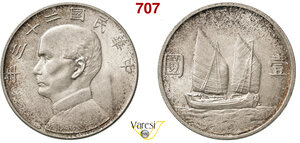
CINA - REPUBBLICA (1912-1949) Dollaro Y. 23 (1934) "Giunca", Shanghai KM. 345 L&M 109 Kahn 623 Ag 26,77 g 39,4 mm • Bella patina. Graffietti al D/, altrimenti q.FDC
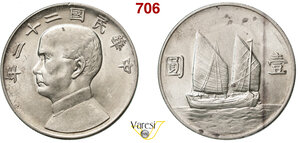
Lot # 706
-
CINA - REPUBBLICA (1912-1949) 1 Dollaro Y. 22 (1933) "Giunca", Shanghai KM. 345 L&M 109 Kahn 623 Ag 26,77 g 39,4 mm SPL÷FDC
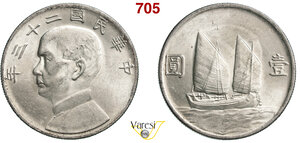
Lot # 705
-
CINA - REPUBBLICA (1912-1949) Dollaro Y. 23 (1934) . KM. 345 L&M 110 Ag 26,74 g 39 mm SPL÷FDC
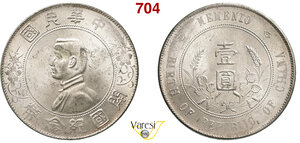
Lot # 704
-
CINA - REPUBBLICA (1912-1949) Dollaro (1927) "Memento" Sun Yat-Sen. KM. 318a.1 L&M 49 Kahn 608 Ag 26,75 g 39 mm SPL÷FDC
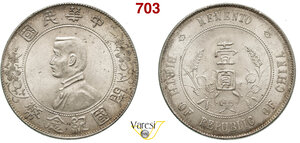
Lot # 703
-
CINA - REPUBBLICA (1912-1949) Dollaro (1927) "Memento" Sun Yat-Sen. KM. 318a.1 L&M 49 Kahn 608 Ag 26,64 g 38,7 mm SPL
Lot # 702
-
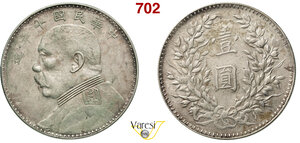
CINA - REPUBBLICA (1912-1949) Yuan o Dollaro Y. 10 (1921) "Yuan Shi Kai". KM. 329.6 L&M 77 Kahn 665D Ag 26,69 g 39 mm • Hairlines al D/ q.SPL/SPL

Lot # 701
-
CINA - REPUBBLICA (1912-1949) Lingotto da 1 Tael (circa 1945) in argento 98%, Pechino Ag 32,00 31,9x21,9 • Con l’introduzione dei Dollari cinesi, YUAN, alla fine del XIX secolo, inizia il declino dei Sycee, che vengono messi definitivamente fuori corso nel 1935, 24° anno della Repubblica. Nello stesso periodo, la zecca di stato emette lingottini come questo. Da notare che i Sycee, nonostante l’uso anche da parte del governo, erano prodotti da privati (banchieri, argentieri e mercanti).
Lot # 700
-
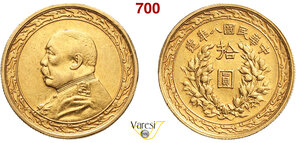
CINA - REPUBBLICA (1912-1949) 10 Dollari Y. 8 (1919) "Yuan Shi Kai", Tientsin KM. 330 L&M 1030 Kahn 1531 Au 7,50 g 22,1 mm RRRR • Nel 1919, il governo centrale tentò un primo esperimento per introdurre monete d’oro in tutta la Cina. La Commissione scelse per il diritto l’immagine dell’odiato Yuan Shikai, morto tre anni prima, per l’enorme diffusione che aveva avuto il Dollaro di Giorgi dell’anno III. L’esperimento fallì. I numismatici infatti le intercettarono tutte (le tirature erano state molto basse), per le loro collezioni e non una entrò in circolazione.
BB÷SPL
Lot # 699
-
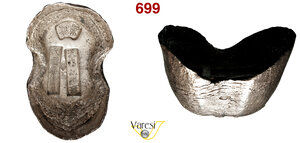
CINA - REPUBBLICA (1912-1949) Sycee da 50 Tael "Min Guo Nian Yue Ri" e "Tian Fu Ji Zi Hao", Pechino Ag 1789,26 g 109x70x68 mm • Questo da 50 Tael è il nominale massimo. Emesso da una banca di Pechino nel primo periodo repubblicano (1912-1933). In alto e sui lati ci sono impressi pesci, simbolo del banchiere, ed usati contro le contraffazioni. Esemplare illustrato sul catalogo della mostra di Vicenza Numismatica del 1997 al n. 4
Lot # 698
-
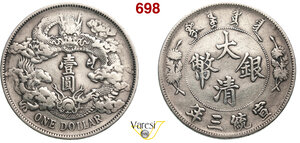
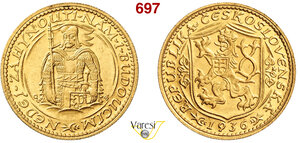
CINA - XUANTONG (Puyi) (1909-1912) Dollaro Y. 3 (1911) var. senza punto dopo DOLLAR, Tientsin KM. 31 L&M 37 Ag 26,80 g 38,8 mm • Pulita (cleaned) q.BB
Lot # 696
-
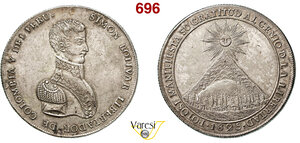
BOLIVIA - REPUBBLICA Medaglia 1825 Opus -, D/ Busto di Simon Bolivar (1783-1830) R/ Il Monte "Cerro de Potosi" sormontato da sole raggiante e, in basso, la città di Potosi Ag 34,07 g 43 mm RR • Fondi lucenti e bella patina SPL
Lot # 695
-
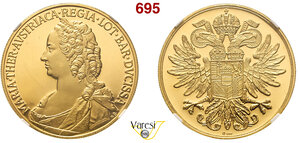
AUSTRIA - Medaglia al peso di 4 Ducati s.d. . Au 13,92 g 33 mm • in slab NGC PF64 Ultra Cameo
Lot # 694
-
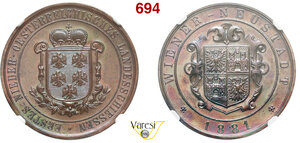
AUSTRIA - FRANCESCO GIUSEPPE I (1848-1916) Medaglia per il primo tiro a segno della bassa Austria (Vienna Neustadt) 1881 . Hauser 5110 Ae 34 mm • in slab NGC UNC details, altered color.
Lot # 693
-
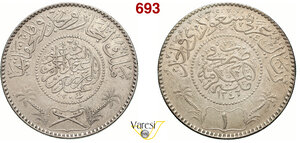
ARABIA SAUDITA - Abd al Aziz bin Abd ar Rahman bin Feisal Al Sa'ud (1902-1953) Ryal 1346 AH (1927) . Dav. 301 KM. 12 Ag 23,93 g 37,2 mm BB+
Lot # 728
-
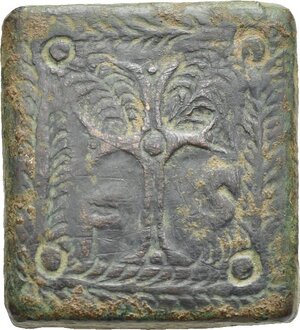
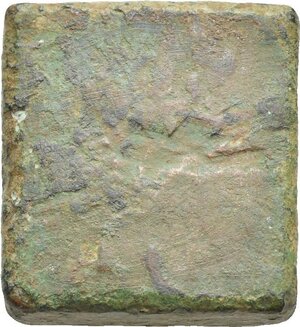
Antiquities. Medieval Bronze Commercial Weight. Circa 12th - 14th centuries (?). (20.96 x 19.59 mm). With latin cross flanked by F (?) - S, and enclosed by palm branches. Green patina.
Lot # 707
-
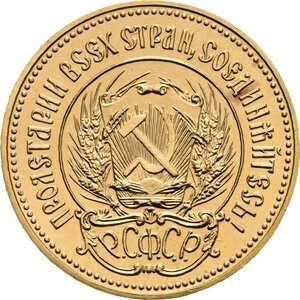
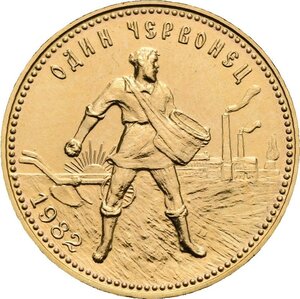
Russia. Leningrad (St. Petersburg). Union of Soviet Socialist Republics (USSR), 1922-1991. Chervonets (Gold, 22.58 mm, 8.55 g). 1982. National emblem. Rev. Sower scattering seeds. KM-Y85. Sharply struck, with bright golden luster. Only a very few tiny marks are noted. About FDC. Scarce.
Lot # 706
-
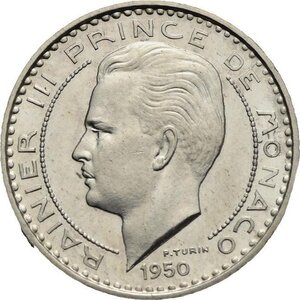
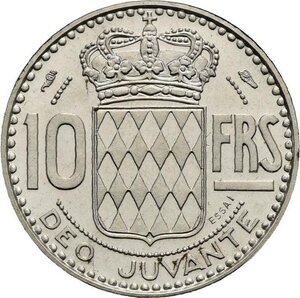
Monaco. Rainier III, 1949-2005. Pattern of the 10 Francs (Silver, 19.98 mm, 3.79 g). 1950 (only 500 issued in Paris). Head left. Rev. Crowned shield. KM E25. Gadoury 139. About FDC. Rare.
Lot # 705
-
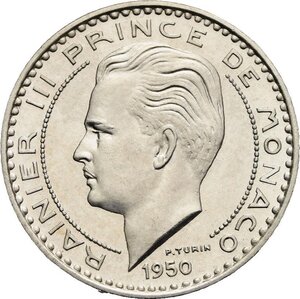
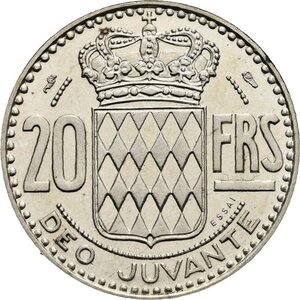
Monaco. Rainier III, 1949-2005. Pattern of the 20 Francs (Silver, 23.5 mm, 6.54 g). 1950 (only 500 issued in Paris). Head left. Rev. Crowned shield. KM E28. Gadoury 140. About FDC. Rare.
Lot # 704
-
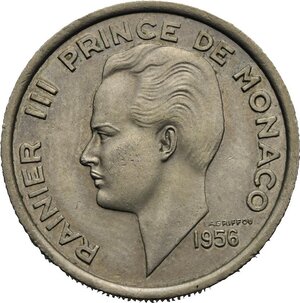
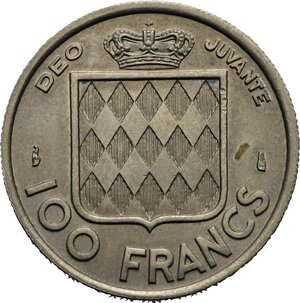
Monaco. Rainier III, 1949-2005. 100 Francs (Copper-Nichel, 24 mm, 5.93 g). 1956 (issued in Paris). Head left. Rev. Crowned shield. KM134. Extremely Fine.
Lot # 703
-
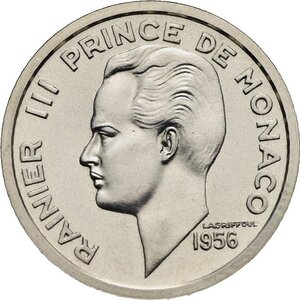
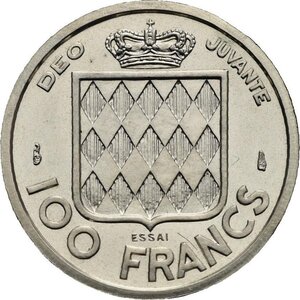
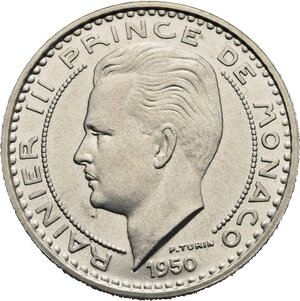
Monaco. Rainier III, 1949-2005. Pattern of the 100 Francs (Silver, 24 mm, 5.93 g). 1956 (only 500 issued in Paris). Head left. Rev. Crowned shield. KM E37. Gadoury 143. About FDC. Rare.
Lot # 702
-
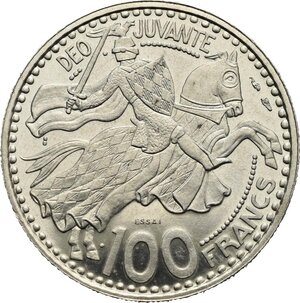
Monaco. Rainier III, 1949-2005. Pattern of the 100 Francs (Silver, 30.12 mm, 14.99 g). 1950 (only 500 issued in Paris). Head left. Rev. Rider, with Grimaldi shield and sword, on caparisoned horse attacking right. KM E34. Gadoury 142. About FDC. Rare.
Lot # 668
-
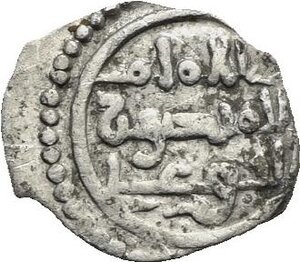
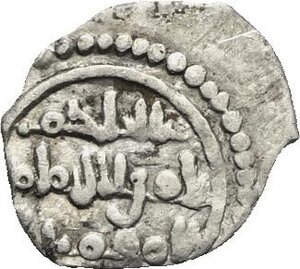
Italy. Sicily under the Fatimids. Palermo (?). Al-Hakim, 996-1021 (AH 386-411). Kharruba (Silver, 8.36 mm, 0.15 g). Legend in cufic in three lines: Al-imam, al-mansur, abu 'ali. Rev. Legend in cufic in three lines: Al-Hakim, bi-amr Allah amir, al-mu'minin, in three lines. Album 712. Nicol 1001. Toned. Good Very Fine. Scarce.
Lot # 667
-
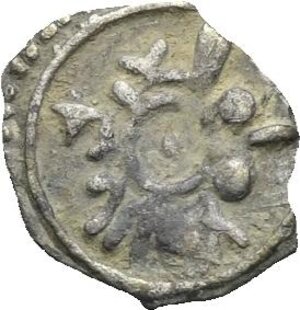
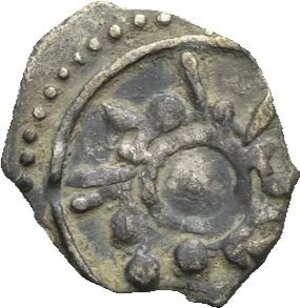
Italy. Sicily under the Fatimids. Palermo (?). Al-'Aziz, 975-996 (AH 365-386). Kharruba (Silver, 8.67 mm, 0.16 g). Al-imam al-'aziz billah, in arabic around central pellet. Rev. Nizar amir al-mu'minin, in arabic around central pellet. Album B708. Nicol 607. Near Very Fine. Scarce.
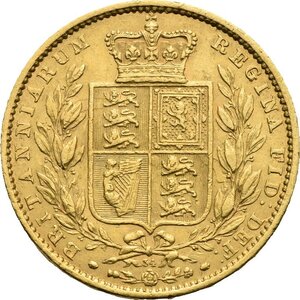
Lot # 666
-
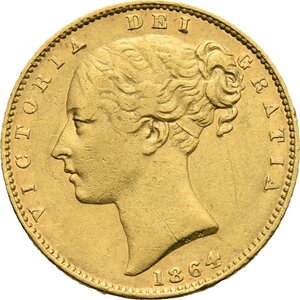
Great Britain. London. Victoria, 1837-1901. Sovereign (Gold, 22.08 mm, 7.94 g). 1864 - 2nd larger young head, die number 34. Young uncrowned head left. Rev. Crowned quartered shield of arms within wreath. KM736.2. Sp3853. Very Fine / Good Very Fine.
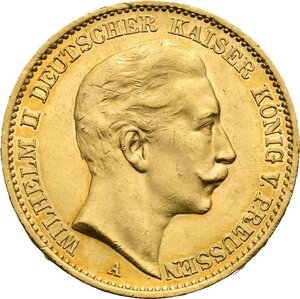
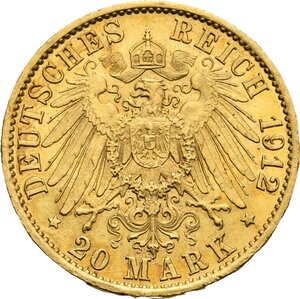
Lot # 665
-
Germany. Berlin (Kingdom of Prussia). Wilhelm II, 1888-1918. 20 Mark (Gold, 22.54 mm, 7.96 g). 1912-A. Bust of Wilhelm II right. Rev. Crowned imperial eagle. Jaeger 262. KM 521. Friedberg 3831. Minor surface scratches. Good Very Fine.
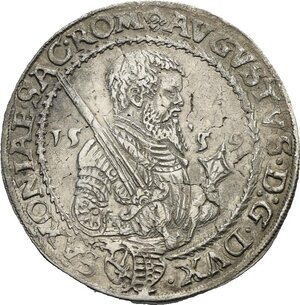
Lot # 662
-
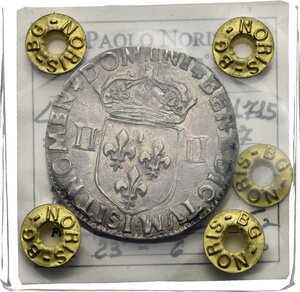
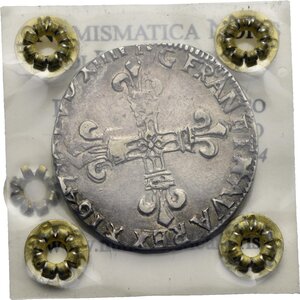
France. Limoges (Kingdom of France). Louis XIV, 1643-1715. 1/4 Ecu (Silver, 28.24 mm, 9.62 g). 1647-I. Darmand Lorfelin, engraver. LVDOVIC XIIII D G FRAN ET NAVA REX 1644, Outlined cross with fleur-de-lis at ends. Rev. SIT NOMEN ✱ DOMINI ✱ BENEDICTVM / II - II, Crowned shield of France. Gadoury 136. Duplessy 1451. Attractive old cabinet tone. Good Very Fine.
Lot # 661
-
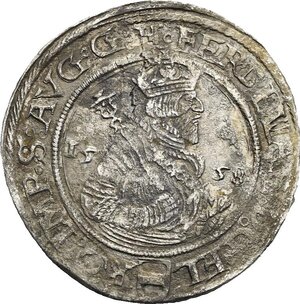
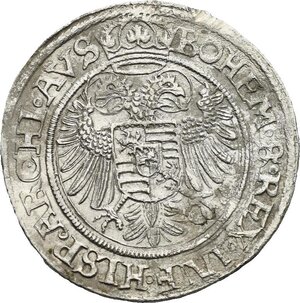
Czech Republic. Joachimsthal, actual Jáchymov (Holy Roman Empire). Ferdinand I, House of Habsburg, 1558-1564. 1/2 Thaler (Silver, 32.4 mm, 13.73 g). 1558. FERDINAN.D.G.EL. (shield) RO.IM S:AVG:G:H, Half-length crowned and armored portrait right. Rev. BOHE.&.REX. INF.HISP.ARCH.AV.&, Haloed single-headed eagle with shield of Bohemia-Hungary. Janovský 36. Halačka 129. Chaura 251 var. Deposits, scratches and marks. About Very Fine. Rare.
Lot # 660
-
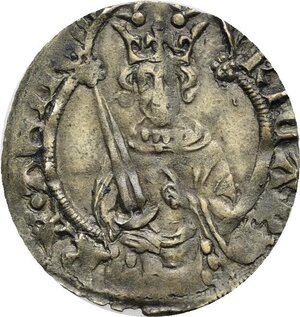
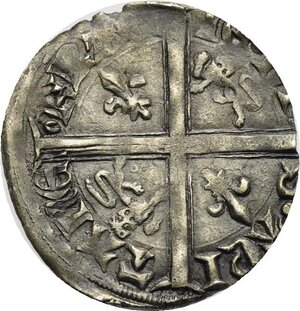
France. Aquitaine. Duchy of Aquitaine. Richard II, 1377-1399. Hardi D'Argend. (Silver, 17.98 mm, 1.21 g). Half-lengh figure of King facing with sword and left hand pointing, canopy above, beaded circle and legend surroundingf, pellets stops in legend both sides. Rev. Long cross pattée to outer beaded circle, leopard in first and fourth angles, lis in second and third. Elias 228. Toned with trace of ghosting on obverse, otherwise goodvery fine and pleasing.
Ex Baldwin's, Fixed Price List, Summer 2014, lot GAL 022.
Lot # 659
-
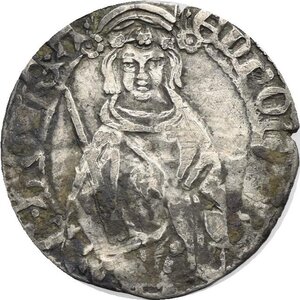
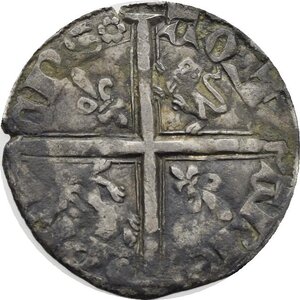
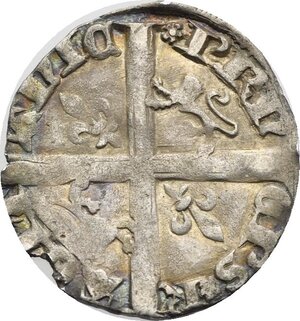
France. Aquitaine. Duchy of Aquitaine. Edward the Black Prince, 1362-1372. Hardi, circa 1368-1372. (Silver, 18.5 mm, 0.92 g). Agen, A at the end of the obverse legend. + ED PO G… G. AGLIE. A (Edward first son of the king of England) Bust of the prince crowned with roses, facing under a canopy, holding a sword in his right hand and raising his left hand. Rev. rose PRn CPS rose AQIT AnIE (Prince of Aquitaine) Cross cutting the legend, flanked on the 1st and 4th by a lily, on the 2nd and 3rd by a leopard. Clean, well-struck portrait. Blank wide and spotted on the right. Dark patina on reverse. Small crack at 1 o'clock. Bd. 513. PA. 2924 var. Hewitt. type 2, var. E. 208b (RRR). Elias 306. Very rare and Very Fine.
Ex Beneut Collection (sold with label). Ex CGF, 16th June 2000, lot 1231.
The manufacture of silver Hardi began around 1368 in Agen. The Agen region came under royal control at the end of the reign of Charles V, known as ‘the Wise’. Elias, in the sales catalogue of his collection, classifies this coin without certainty in the Agen workshop. Apart from the specimen in his collection, he knew of no other Hardi of this type. Our coin, in an identical style, completes the reading of the specimen in the Elias collection.
Edward the Black Prince (1330-1376) was the eldest son of Edward III Plantagenet and Philippa of Hainaut. He took up arms for the first time at the Battle of Crecy in 1346, where he was greatly impressed by the chivalrous attitude of John the Blind, King of Bohemia, who preferred to die rather than suffer the shame of defeat. His heraldic arms will be ostrich feathers, which the King of Bohemia already wore. Edward the Black Prince was in Aquitaine in 1355 and began a campaign in Poitou the following year. He crushed the French at Poitiers and took King John the Good prisoner. The Treaty of Bretigny in May 1360 confirmed the independence of Aquitaine. Edward became its first prince in 1362. He arrived in Bordeaux in 1363. War with France resumed in 1369. After the first English defeats in Aquitaine, the Black Prince returned to England in 1371 and the following year renounced his principality. He died in 1376. His father Edward III died the following year. Richard II, son of the Black Prince, ascended the throne.
Lot # 658
-
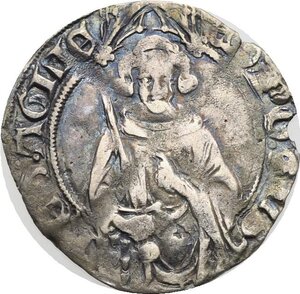
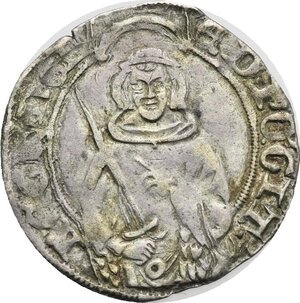
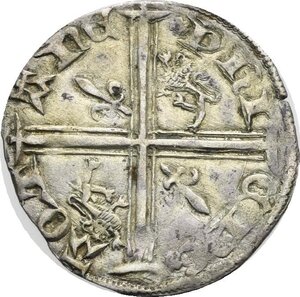
France. Aquitaine. Duchy of Aquitaine. Edward the Black Prince, 1362-1372. Hardi. (Silver, 18.62 mm, 1.00 g). No mint letter. Standing half-lengh figure of King pointing with upright sword. Rev. Long cros, alternating lis and leopard in angles, rosette stops. Elias 208a. Toned, small chip, some ghosting otherwise about very fine and rare.
Ex Baldwin's, Argentum Auction A 215, 6th June 2015, lot 266.
Hardi was created relatively late, according to Elias, around 1368. The hardi “d'argent “was created at the same time as the hardi “d'or” and must have been struck at the same time as the second issue of the “demi-gros” and the “esterlin” d'Aquitaine.
Edward the Black Prince (1330-1376) was the eldest son of Edward III Plantagenet and Philippa of Hainaut. He took up arms for the first time at the Battle of Crecy in 1346, where he was greatly impressed by the chivalrous attitude of John the Blind, King of Bohemia, who preferred to die rather than suffer the shame of defeat. His heraldic arms will be ostrich feathers, which the King of Bohemia already wore. Edward the Black Prince was in Aquitaine in 1355 and began a campaign in Poitou the following year. He crushed the French at Poitiers and took King John the Good prisoner. The Treaty of Bretigny in May 1360 confirmed the independence of Aquitaine. Edward became its first prince in 1362. He arrived in Bordeaux in 1363. War with France resumed in 1369. After the first English defeats in Aquitaine, the Black Prince returned to England in 1371 and the following year renounced his principality. He died in 1376. His father Edward III died the following year. Richard II, son of the Black Prince, ascended the throne.
Lot # 657
-
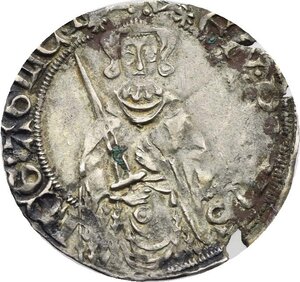
France. Aquitaine. Duchy of Aquitaine. Edward the Black Prince, 1362-1372. Hardi. (Silver, 19.5 mm, 1.03 g). Unspecified workshop. ED: PO’: GIT.’ REG AnGL (Edward first son of King of England) Bust of the prince facing under a canopy occupying the legend at the top, holding a sword in his right hand (a ringlet in the guard) and raising his left hand. Rev. * PRI CPS rose AQT AnE (Prince of Aquitaine) Cross reaching to the coin legend, flanked on the 1st and 4th by a lily, on the 2nd and 3rd by a leopard. High relief coin on obverse and reverse. Very wide flan. Small weakness on the end of the obverse legend. Bd. 513. PA. -. E. 208. Elias 317. Extremely Fine.
Ex CGF, 30th December 2000, lot 986.
Several Hardi of the Black Prince are not referable to a particular workshop, because like our specimen they do not bear a letter or any other mark.
Edward the Black Prince (1330-1376) was the eldest son of Edward III Plantagenet and Philippa of Hainaut. He took up arms for the first time at the Battle of Crecy in 1346, where he was greatly impressed by the chivalrous attitude of John the Blind, King of Bohemia, who preferred to die rather than suffer the shame of defeat. His heraldic arms will be ostrich feathers, which the King of Bohemia already wore. Edward the Black Prince was in Aquitaine in 1355 and began a campaign in Poitou the following year. He crushed the French at Poitiers and took King John the Good prisoner. The Treaty of Bretigny in May 1360 confirmed the independence of Aquitaine. Edward became its first prince in 1362. He arrived in Bordeaux in 1363. War with France resumed in 1369. After the first English defeats in Aquitaine, the Black Prince returned to England in 1371 and the following year renounced his principality. He died in 1376. His father Edward III died the following year. Richard II, son of the Black Prince, ascended the throne.
Lot # 656
-
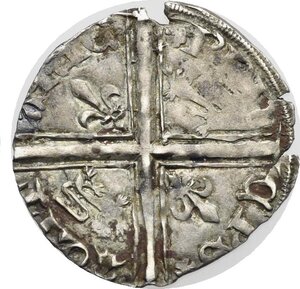
France. Aquitaine. Duchy of Aquitaine. Edward the Black Prince, 1362-1372. Hardi. (Silver, 19.51 mm, 0.97 g). Tarbes mint, small T at the end of the legend. Half-length figure of prince facing with sword and left hand pointing, canopy above, beaded circle and legend surrounding. Rev. Long cross pattée to outer beaded circle, lis in first and third angles, leopard in second and fourth, two rosette stops. Elias 207a. AGC 232 A.8a. S.8134. Toned, a few rim nicks and some die clash evident, good Very Fine.
Ex Baldwin's Fixed Price List, Summer 2016, lot GAL010.
Hardi was created relatively late, according to Elias, around 1368. The hardi “d'argent “was created at the same time as the hardi “d'or” and must have been struck at the same time as the second issue of the “demi-gros” and the “esterlin” d'Aquitaine.
Edward the Black Prince (1330-1376) was the eldest son of Edward III Plantagenet and Philippa of Hainaut. He took up arms for the first time at the Battle of Crecy in 1346, where he was greatly impressed by the chivalrous attitude of John the Blind, King of Bohemia, who preferred to die rather than suffer the shame of defeat. His heraldic arms will be ostrich feathers, which the King of Bohemia already wore. Edward the Black Prince was in Aquitaine in 1355 and began a campaign in Poitou the following year. He crushed the French at Poitiers and took King John the Good prisoner. The Treaty of Bretigny in May 1360 confirmed the independence of Aquitaine. Edward became its first prince in 1362. He arrived in Bordeaux in 1363. War with France resumed in 1369. After the first English defeats in Aquitaine, the Black Prince returned to England in 1371 and the following year renounced his principality. He died in 1376. His father Edward III died the following year. Richard II, son of the Black Prince, ascended the throne.
Lot # 655
-
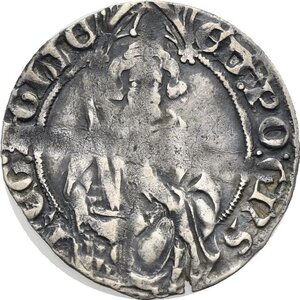
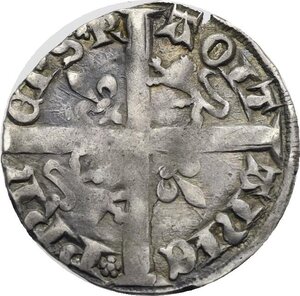
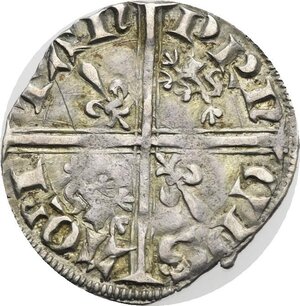
France. Aquitaine. Duchy of Aquitaine. Edward the Black Prince, 1362-1372. Hardi. (Billon, 18.5 mm, 0.93 g). La Rochelle, R in the obverse legend. + ED: PO: GnS REG: AGLIE Bust of the prince facing under a canopy, holding a sword in his right hand and raising his left hand. Rev. five-petal rose PRn EPS rose R AQIT AnIE Cross cutting the legend, flanked on the 1st and 4th by a lily, on the 2nd and 3rd by a leopard. Bd. cf.513. PA. 3052. E. 206a. Elias 314. A fine specimen, although the cross on the reverse appears as a negative on the obverse. Slight indentation at 5 o'clock. Very Fine.
Ex Verret Collection, with its original label written with pen. Ex CGF, 26th July 1999, lot 924.
Hardi was created relatively late, according to Elias, around 1368. The Silver Hardi was created at the same time as the Golden Hardi and must have been struck at the same time as the second issue of the “demi-gros” and the “esterlin” d'Aquitaine. The town of La Rochelle was ceded to the English under the Brétigny Peace Treaty, ratified in Calais on 24 October 1360. Between 23 January and 7 April 1361, the city's mint quickly struck gold leopards in the name of Edward III.
Edward the Black Prince (1330-1376) was the eldest son of Edward III Plantagenet and Philippa of Hainaut. He took up arms for the first time at the Battle of Crecy in 1346, where he was greatly impressed by the chivalrous attitude of John the Blind, King of Bohemia, who preferred to die rather than suffer the shame of defeat. His heraldic arms will be ostrich feathers, which the King of Bohemia already wore. Edward the Black Prince was in Aquitaine in 1355 and began a campaign in Poitou the following year. He crushed the French at Poitiers and took King John the Good prisoner. The Treaty of Bretigny in May 1360 confirmed the independence of Aquitaine. Edward became its first prince in 1362. He arrived in Bordeaux in 1363. War with France resumed in 1369. After the first English defeats in Aquitaine, the Black Prince returned to England in 1371 and the following year renounced his principality. He died in 1376. His father Edward III died the following year. Richard II, son of the Black Prince, ascended the throne.
Lot # 654
-
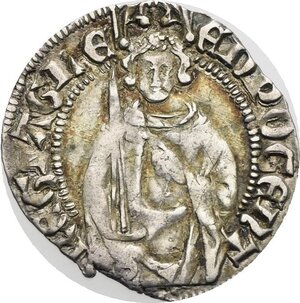
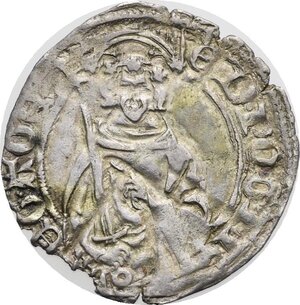
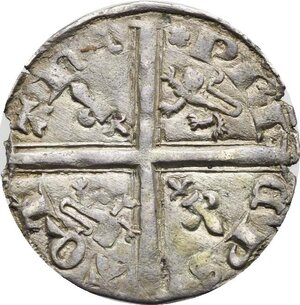
France. Aquitaine. Duchy of Aquitaine. Edward the Black Prince, 1362-1372. Hardi. (Silver, 19.5 mm, 1.11 g). Poitiers (P in the reverse legend). ED PO GENT REGI AGLE (Edward the first son of the king of England) Bust of the prince facing under a canopy adorned with two annulets and occupying the legend at the top, holding a sword in his right hand (a pointed annulus on the hilt) and raising his left hand. Rev. PRn-CPS AQpI Tan (prince d’Aquitaine) Cross reaching to the coin legend, flanked on the 1st and 4th by a lily, on the 2nd and 3rd by a leopard. Bd. 513. PA 3014. E 205b. Elias 313. Very Fine.
Ex CGF, price list, 31st December 2002, lot 808.
This hardi is struck on an irregular and slightly short blank with a small metal shortage at 6 o'clock. There is a slight scratch in the first quarter of the cross on the reverse. The relief is quite clear on the bust. Hardi was created relatively late, according to Elias, around 1368. The hardi “d'argent “was created at the same time as the hardi “d'or” and must have been struck at the same time as the second issue of the “demi-gros” and the “esterlin” d'Aquitaine.
Edward the Black Prince (1330-1376) was the eldest son of Edward III Plantagenet and Philippa of Hainaut. He took up arms for the first time at the Battle of Crecy in 1346, where he was greatly impressed by the chivalrous attitude of John the Blind, King of Bohemia, who preferred to die rather than suffer the shame of defeat. His heraldic arms will be ostrich feathers, which the King of Bohemia already wore. Edward the Black Prince was in Aquitaine in 1355 and began a campaign in Poitou the following year. He crushed the French at Poitiers and took King John the Good prisoner. The Treaty of Bretigny in May 1360 confirmed the independence of Aquitaine. Edward became its first prince in 1362. He arrived in Bordeaux in 1363. War with France resumed in 1369. After the first English defeats in Aquitaine, the Black Prince returned to England in 1371 and the following year renounced his principality. He died in 1376. His father Edward III died the following year. Richard II, son of the Black Prince, ascended the throne.
Lot # 653
-
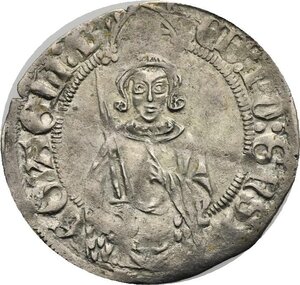
France. Aquitaine. Duchy of Aquitaine. Edward the Black Prince, 1362-1372. Hardi. (Silver, 19.40 mm, 1.04 g). Limoges mint. Half-lengh figure of prince facing with sword and left hand pointing, canopy above, beaded circle and legend surrounding, no stops in legend both sides, L at end of legend. Rev. Long cross pattée to outer beaded circle, lis in first and fourth angles, leopard in second and third. Elias 204. Toned with a trace of ghosting, a few small rim splits, otherwise very fine.
Ex Baldwin's Fixed Price List Summer 2004, lot GAL 020.
Hardi was created relatively late, according to Elias, around 1368. The hardi “d'argent “was created at the same time as the hardi “d'or” and must have been struck at the same time as the second issue of the “demi-gros” and the “esterlin” d'Aquitaine.
Edward the Black Prince (1330-1376) was the eldest son of Edward III Plantagenet and Philippa of Hainaut. He took up arms for the first time at the Battle of Crecy in 1346, where he was greatly impressed by the chivalrous attitude of John the Blind, King of Bohemia, who preferred to die rather than suffer the shame of defeat. His heraldic arms will be ostrich feathers, which the King of Bohemia already wore. Edward the Black Prince was in Aquitaine in 1355 and began a campaign in Poitou the following year. He crushed the French at Poitiers and took King John the Good prisoner. The Treaty of Bretigny in May 1360 confirmed the independence of Aquitaine. Edward became its first prince in 1362. He arrived in Bordeaux in 1363. War with France resumed in 1369. After the first English defeats in Aquitaine, the Black Prince returned to England in 1371 and the following year renounced his principality. He died in 1376. His father Edward III died the following year. Richard II, son of the Black Prince, ascended the throne.
Lot # 652
-
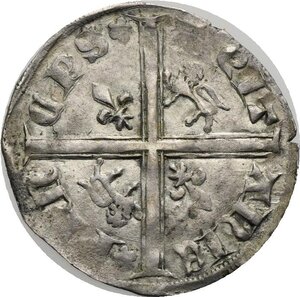
France. Aquitaine. Duchy of Aquitaine. Edward the Black Prince, 1362-1372. Hardi. (Silver, 19 mm, 0.99 g). Bordeaux, B at the end of the obverse legend. + ED: PO: GnS R EG: AGLI: B Bust of the prince facing under a canopy occupying the legend at the top, holding a sword in his right hand and raising his left hand. Rev. PRn CPS* AQIT AnIE Cross reaching to the coin legend, flanked on the 1st and 4th by a lily, on the 2nd and 3rd by a leopard. Bd. cf 513. PA. cf 2949-2953. E. 202. Elias 307a. Very nice specimen on a wide and entire flan. Superb portrait. Extremely Fine.
Ex CGF, 12th December 1998, lot 938.
Hardi was created relatively late, according to Elias, around 1368. The hardi “d'argent “was created at the same time as the hardi “d'or” and must have been struck at the same time as the second issue of the “demi-gros” and the “esterlin” d'Aquitaine.
Edward the Black Prince (1330-1376) was the eldest son of Edward III Plantagenet and Philippa of Hainaut. He took up arms for the first time at the Battle of Crecy in 1346, where he was greatly impressed by the chivalrous attitude of John the Blind, King of Bohemia, who preferred to die rather than suffer the shame of defeat. His heraldic arms will be ostrich feathers, which the King of Bohemia already wore. Edward the Black Prince was in Aquitaine in 1355 and began a campaign in Poitou the following year. He crushed the French at Poitiers and took King John the Good prisoner. The Treaty of Bretigny in May 1360 confirmed the independence of Aquitaine. Edward became its first prince in 1362. He arrived in Bordeaux in 1363. War with France resumed in 1369. After the first English defeats in Aquitaine, the Black Prince returned to England in 1371 and the following year renounced his principality. He died in 1376. His father Edward III died the following year. Richard II, son of the Black Prince, ascended the throne.
Results from 39101 to 39150 of 58190