World Coins
Results from 39151 to 39200 of 58190
Lot # 651
-
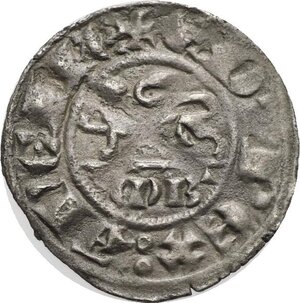
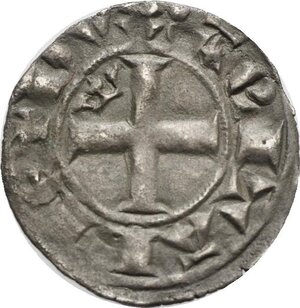
France. Aquitaine. Duchy of Aquitaine. Edward III, 1327-1377. Denier Au Leopard, fourth type (Silver, 17.93 mm, 0.75 g). Leopard standing left on ground line, MB below, inner and outer beaded circles and legend surrounding. Rev. Cross pattée, crown in first angle, beaded circle and legend surrounding. Elias 107a. Traces of ghosting of reverse cross on obverse, otherwise toned a bold very fine and scarce.
Ex Dix Noonan and Webb, 30th June 2004, lot 906. Ex Spink Auction 13014, 24.09.2013, lot 317. Ex Baldwin's Fixed Price List, Summer 2014, lot GAL 017.
Lot # 650
-
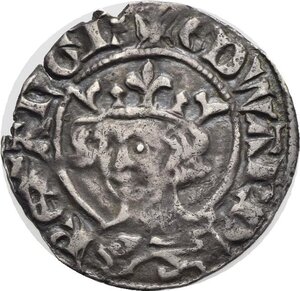
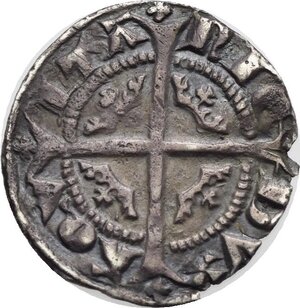
France. Aquitaine. Duchy of Aquitaine. Edward III 1327-1377. Sterling. (Silver, 19.04 mm, 1.20 g). Three-quarter bust breaking inner linear circle at base, with lion below, reads + EDWARDS REX ANGL. Rev. Long cross fourchée, crowns in angles within beaded circle, reads DVX AQV ITA NIE. S. 8047. Elias 56a. Cabinet tone some good detail both sides in the legend inscriptions and portrait, flan marginally ragged. Very fine. Scarce.
Ex Baldwin's bt Febbruary 2010 and Auction 108, 8th November 2022, lot 353.
Lot # 649
-
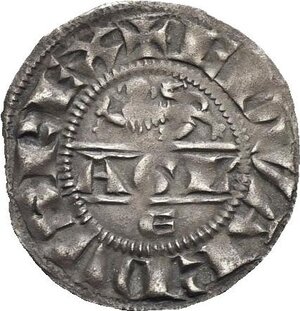
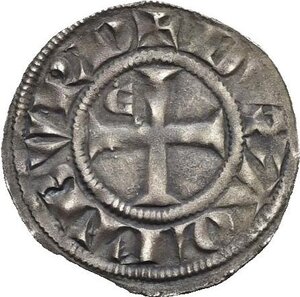
France. Aquitaine. Duchy of Aquitaine. Eduard I, 1252-1307, King 1272-1307. Denier with leopard, 1st type, circa 1286-1292. (Billon, 18.5 mm, 0.94 g). Bordeaux. + EDWARDVS REX. AGL’ within two lines, above leopard left, E oncial below. Rev. + DVX AQVIT BVRD’ Cross set aside with E oncial at 1st, placed vertically. Bd. 476. PA. 2775. E. 18 var. Elias 42. Very nice specimen of this coinage with a superb cabinet patina. Very Fine.
Ex CGF, 26th July 1999, lot 817.
For this type there are several types of canting for the reverse letter: 1st or 2nd canton. The E in the second canton is much rarer. For the E in the first canton, the E can be presented straight or diagonally to the cross.
Edward Plantegenet (1239-1307) was the eldest son of Henry III (1216-1272) and Eleonore de Provence. He was first Duke of Aquitaine (1252-1272) and married Eleonore of Castile, who died in 1290. In his second marriage he married Marguerite de France, the daughter of Philip III the Bold (+1317). He paid tribute for Guyenne and Aquitaine and recovered the territories lost at the Treaty of Paris in 1259. After the annexation of Wales, Eduard I made his son Edward the first Prince of Wales, a title subsequently borne by all the Kingdom's heirs. Edward fought against the Scots and defeated them in 1296 and 1298. At the end of his reign, he was faced with the rise of Robert Bruce (1306-1329). The other enemy was Philip IV the Fair, who tried to counter the influence of the Plantagenets in Aquitaine. Philip's daughter Isabella married Edward's son, the future Edward II.
Lot # 648
-
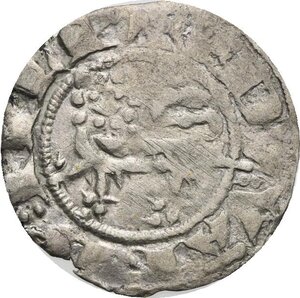
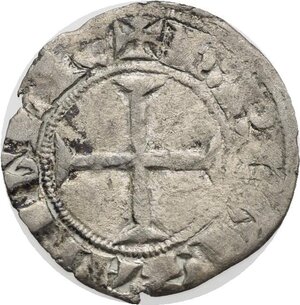
France. Aquitaine. Duchy of Aquitaine. Eduard I, 1252-1307, Duke, 1252-1272. Denier with leopard, circa 1253-1272. (Billon, 18.5 mm, 0.85 g). Bordeaux. + EDVVARD’: FILI’ Leopard passing to the left, mouth to the front. Rev. + h’ REGIS ANGLIE Cross patent. Bd. 474 (5f). PA. 2786 (60/13). E. 13b. Elias 30a. More than Fine. An evenly worn specimen on a wide, slightly irregular flan.
Ex CGF, 26 July 1999, lot 815.
Henry III (1216-1272) entrusted the Duchy of Aquitaine to his son Edward from 1252. By the Treaty of Paris in 1259, the King of England and his son agreed to acknowledge the King of France, Louis IX, as their sovereign and to pay tribute to him for Aquitaine, bringing the first Hundred Years' War to an end. The legend on the coin can be translated as follows: Edward son of Henry king of England. The Aquitanian title does not appear on this denarius.
Edward Plantegenet (1239-1307) was the eldest son of Henry III (1216-1272) and Eleonore de Provence. He was first Duke of Aquitaine (1252-1272) and married Eleonore of Castile, who died in 1290. In his second marriage he married Marguerite de France, the daughter of Philip III the Bold (+1317). He paid tribute for Guyenne and Aquitaine and recovered the territories lost at the Treaty of Paris in 1259. After the annexation of Wales, Eduard I made his son Edward the first Prince of Wales, a title subsequently borne by all the Kingdom's heirs. Edward fought against the Scots and defeated them in 1296 and 1298. At the end of his reign, he was faced with the rise of Robert Bruce (1306-1329). The other enemy was Philip IV the Fair, who tried to counter the influence of the Plantagenets in Aquitaine. Philip's daughter Isabella married Edward's son, the future Edward II.
Lot # 647
-
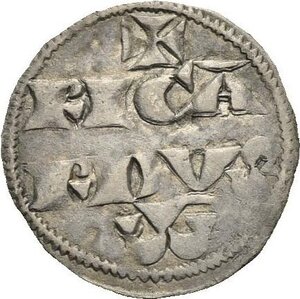
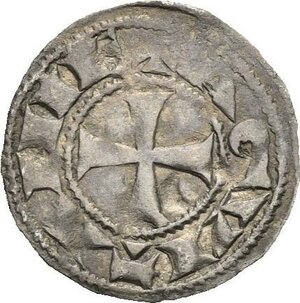
France. Aquitaine. Duchy of Aquitaine. Richard the Lionheart, 1169-1199. Denier, 1st type. (Silver, 18 mm, 0.85 g). Bordeaux (?). + RICA RDVS in two lines between omega and crosslet. Rev. + AGVITANIE Potent cross. Bd. 471 (3f). PA. 2760. E.4. Elias 10a. Extremely Fine. A fine example of this often crude coinage. Wide flan.
EX CGF, 26th July 1999, lot 750.
Richard the Lionheart (1157-1199) was duke of Aquitaine and Count of Poitou from 1169. He paid homage to Louis VII in 1172 and took possession of his dukedom in 1174. Having conspired against his father with his brothers, he was obliged in 1185 to surrender Aquitaine, which was entrusted to his mother Alienor of Aquitaine.
Richard the Lionheart is the second son of Henry II Plantagenet and Alienor of Aquitaine. In 1175, with the help of Louis VII of France, he and his brothers rebelled against their father. A homosexual, he was manipulated by Philip, the future king of France (Philip II Augustus). He became heir to the kingdom after the death of his brother Henry in 1183 and succeeded his father in 1189. He spent the ten years of his reign fighting in the Holy Land and France. He took part in the Third Crusade and almost retook Jerusalem. He dealt with Saladin. On his return, he was taken prisoner in Austria and remained there for two years. Married to Berangère of Navarre, the daughter of Sanche VI who never set foot in England, he had no children. He died during the siege of the fortress of Chalus in 1190 and was buried in Fontevrault Abbey, like his mother Alienor, five years later.
Lot # 646
-
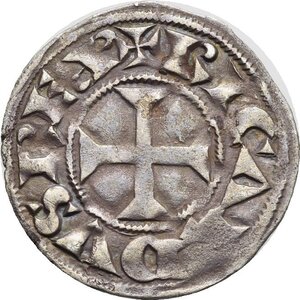
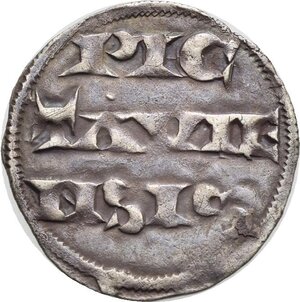
France. Aquitaine. Duchy of Aquitaine. Richard the Lionheart, 1169-1199. Denier. (Silver, 19.07 mm, 1.04 g). Poitou. RICARDVS REX PICTAVIE Cross pattée within inner circle and legend within outer circle. Rev. PICTAVIENSIS in the field in three lines. Elias 8j. Scarce.
Ex H. Dolman Collection. Ex abccoinandtoken, 24.06.2015. Ex David Stuart 8.7.2015.
Richard the Lionheart (1157-1199) was duke of Aquitaine and Count of Poitou from 1169. He paid homage to Louis VII in 1172 and took possession of his dukedom in 1174. Having conspired against his father with his brothers, he was obliged in 1185 to surrender Aquitaine, which was entrusted to his mother Alienor of Aquitaine.
Richard the Lionheart is the second son of Henry II Plantagenet and Alienor of Aquitaine. In 1175, with the help of Louis VII of France, he and his brothers rebelled against their father. A homosexual, he was manipulated by Philip, the future king of France (Philip II Augustus). He became heir to the kingdom after the death of his brother Henry in 1183 and succeeded his father in 1189. He spent the ten years of his reign fighting in the Holy Land and France. He took part in the Third Crusade and almost retook Jerusalem. He dealt with Saladin. On his return, he was taken prisoner in Austria and remained there for two years. Married to Berangère of Navarre, the daughter of Sanche VI who never set foot in England, he had no children. He died during the siege of the fortress of Chalus in 1190 and was buried in Fontevrault Abbey, like his mother Alienor, five years later.
Lot # 645
-
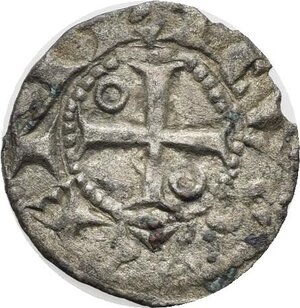
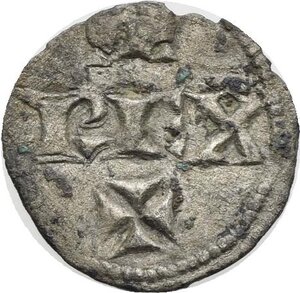
France. Aquitaine. Duchy of Aquitaine. Henry II Plantagenet, 1152-1169. Obol (Silver, 13 mm, 0.36 g). 1152-1169. + ENRICVS Cross set aside at 1st and 4th by a circle. Rev. REX in the centre of the field, omega above and cross below. Flan irregular and a little short. The coinage is slightly off-centre. Small stains on obverse and reverse. Bd.470 (8f). PA. 2759 (60/2). E.3 (R). Elias 9. About Extremely Fine.
Ex CGF, 30th December 2000, lot 915.
This obol was certainly minted before 1169, when Henry II left the administration of the Duchy of Aquitaine to his son Richard Lionheart. There are also denarii and obols for Henry II without annuli set aside the cross of the obverse but with two annuli set aside the crosslet placed above the name of the duchy (Elias nr. 1-2).
Henry Plantagenet, Duke of Nomandy, Count of Anjou, Maine and Touraine, married Alienor of Aquitaine, the wife, just repudiated by King Louis VII of France. Henri thus became Duke of Aquitaine and Count of Poitou. In 1154, he inherited the throne of England and became the most powerful lord in the West. In 1169, he left the administration of Aquitaine to his son Richard the Lionheart (1169-1199).
Lot # 644
-
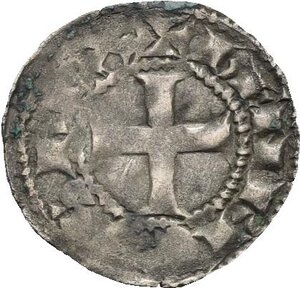
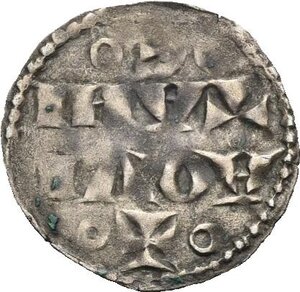
France. Aquitaine. Duchy of Aquitaine. Henry II Plantagenet, 1152-1169. Denier (Silver, 17 mm, 0.84 g). Bordeaux mint (?). Circa 1160. + hENRICVS REX Patent cross withing a beading. Rev. °+° AQVI TAHI °E° in the field in four lines, E final oncial. Bd.468(5f). PA. 2756 var. Elias 6. Beautiful specimen with a pleasant patina. About Very Fine.
Ex CGF, 26 July 1999, lot 740.
For this type of denier, inspiration was taken from the denier of Louis VII when he was King of France and Duke of Aquitaine (Dy.155), and it was minted between 1137 and 1152. Both Henry and Louis inherited Aquitaine from their wife, Alienor of Aquitaine (1122-1204).
Henry Plantagenet, Duke of Nomandy, Count of Anjou, Maine and Touraine, married Alienor of Aquitaine, the wife, just repudiated by King Louis VII of France. Henri thus became Duke of Aquitaine and Count of Poitou. In 1154, he inherited the throne of England and became the most powerful lord in the West. In 1169, he left the administration of Aquitaine to his son Richard the Lionheart (1169-1199).
Lot # 643
-
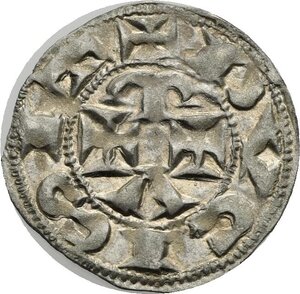
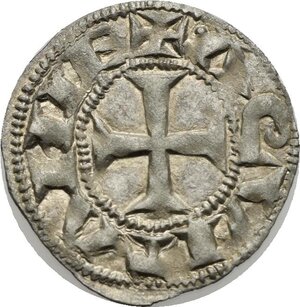
France. Aquitaine. Duchy of Aquitaine. Alienor, 1137-1204. Denier. (Silver, 18.5 mm, 0.85 g). +DVCISIT (S lying) Alpha and Omega, two crosslets. Rev. +. AQVITANIE Cross within a beading. Bd 466 (3f). PA. 274(59/11). E11a. Elias 24-26 var. Extremely Fine. This coin is minted on a very wide flan, showing most of the beading. The relief is very clear. This denier has no circulation. Rare coin in this state.
Ex CGF, 30th December 2000, lot 910.
Alienor's coinage is anonymous and is known only from denier of this type and obols (Elias 12).
Alienor was the daughter of the last Duke of Aquitaine and Poitou; she was born around 1122. In 1137, when she was just fifteen, she married Louis of France, the future Louis VII, and brought Guyenne, Gascony, Saintonge and Poitou as her dowry. In 1152 Louis VII had his marriage annulled at the Council of Beaugency, and Alienor remarried less than six weeks later to Henry of Plantagenet, Count of Anjou and Duke of Normandy, who became King of England in 1154 under the name Henry II. She lived in Aquitaine and formed a court. After trying to incite her sons against their father, Henry II had her committed to a convent in Salisbury; she was not released until 1189, at the time of the accession of her son Richard Lionheart. She took over the government when Richard Lionheart left for the Third Crusade. On his return, she retired to Fontevrault Abbey, where she died in 1204. Her recumbent statue is still preserved in the abbey.
Lot # 1012
-
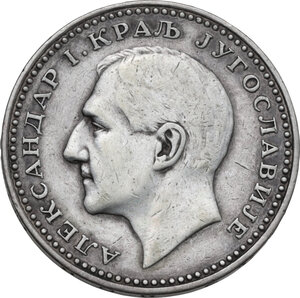
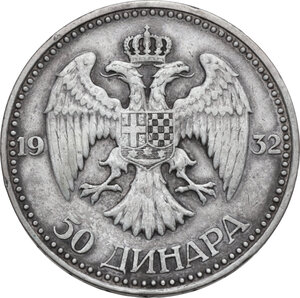
Yugoslavia. Alexander I (1921-1934). AR 50 Dinar, 1932. KM 16; Dav. 408. AR. 22.9 g. 36.5 mm. Old cabinet tone. About VF/VF.
Lot # 1011
-
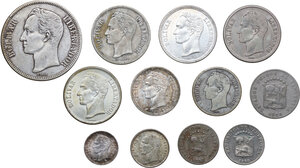
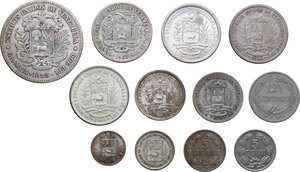
Venezuela. Lot of twelve (12) unclassified coins, noted years: 1935, 1960, 1945, 1954, 1948, 1958. AR, NI.
Lot # 1008
-
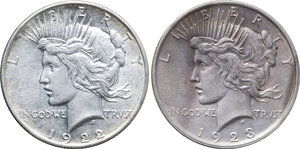
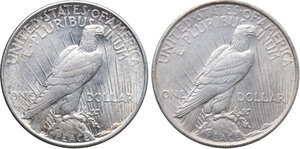
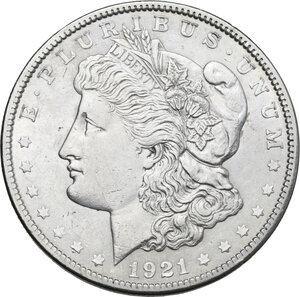
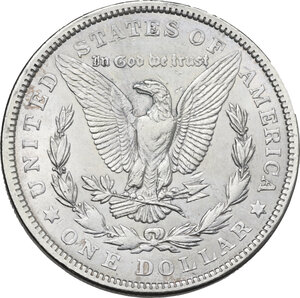
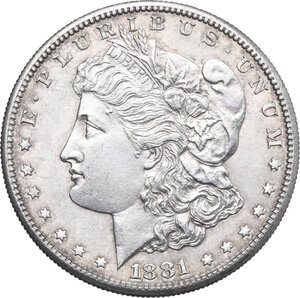
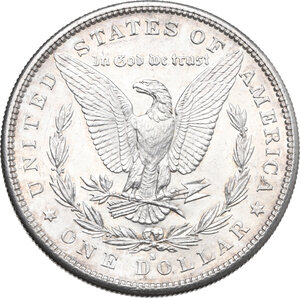
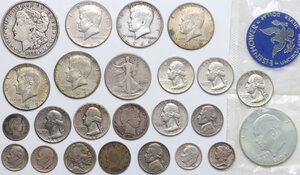
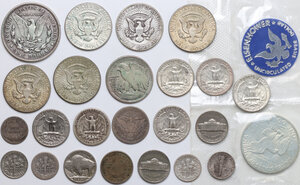
USA. AR Morgan Dollar, 1881 S, San Francisco mint. KM 110. AR. 26.67 g. 38 mm. Golden tone. EF.
Lot # 1006
-
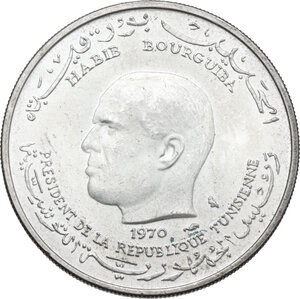
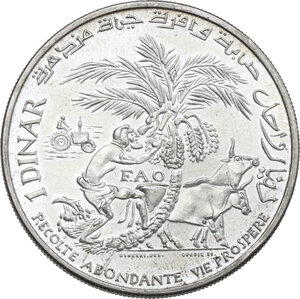
Tunisia. Republic (1957- ). AR Dinar 1970, 25th Fao Anniversary. KM 302. AR. 18.04 g. 32 mm. About FDC.
Lot # 1004
-
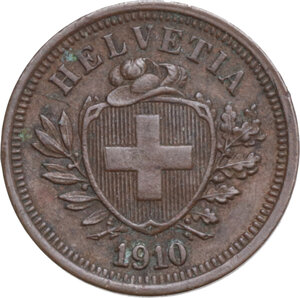
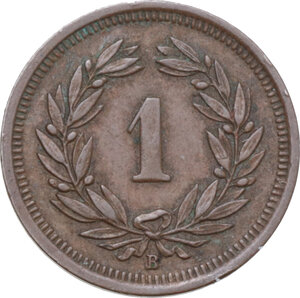
Switzerland. Confederation (1848- ). AE 1 Rappen 1910, Bern mint. KM 3.2. AE. 1.51 g. 16 mm. VF/Good VF.
Lot # 1002
-
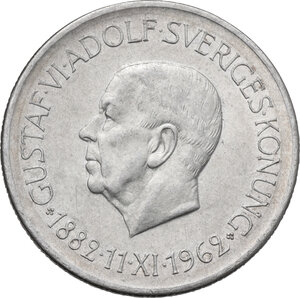
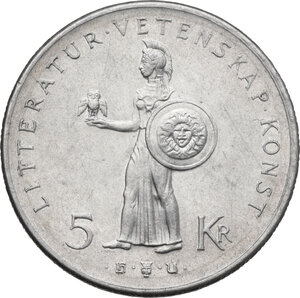
Sweden. Gustav VI. AR 5 Kronen 1962, 80th birthday of King Gustav VI. KM 838. AR. 18.19 g. 34.5 mm. Good VF.
Lot # 1001
-
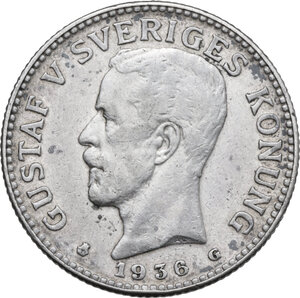
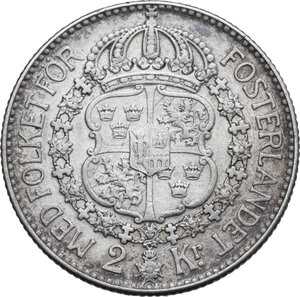
Sweden. Gustaf V (1907-1950). AR 2 kronor 1936. KM 787. FE. 14.93 g. 31.5 mm. About VF/VF.
Lot # 1000
-
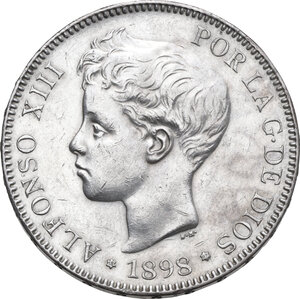
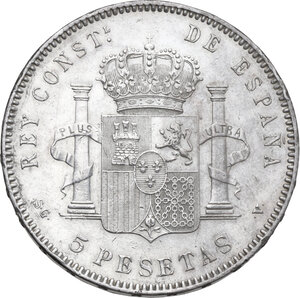
Spain. Alfonso XIII (1886-1931). AR 5 Pesetas, 1898 (1898). Dav. 344. AR. 24.67 g. 37.5 mm. Marks on fields. Good VF.
Lot # 997
-
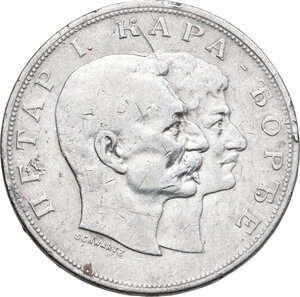
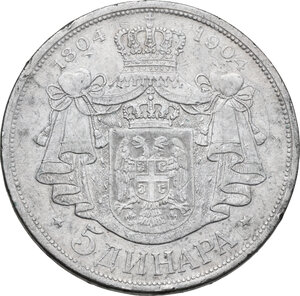
Serbia. Peter I (1903-1918). AR 5 Dinara, 1904. KM 27. AR. 24.83 g. 37 mm. Marks. About VF.
Lot # 996
-
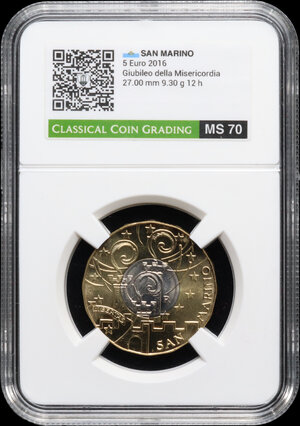
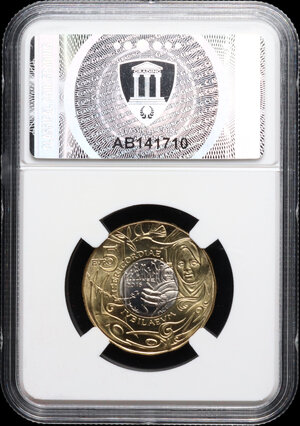
San Marino. Bimetallic 5 Euro 2016, Giubileo della Misericordia. 9.3 g. 27 mm. Encapsulated by Classical Coin Grading MS 70.
Lot # 995
-
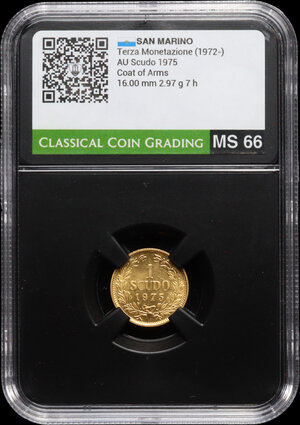
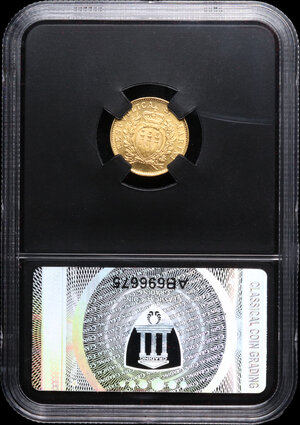
San Marino. AU Scudo 1975. AU. 2.97 g. 16 mm. Gold .917. UNC. Encapsulated by Classical Coin Grading MS 66.
Lot # 994
-
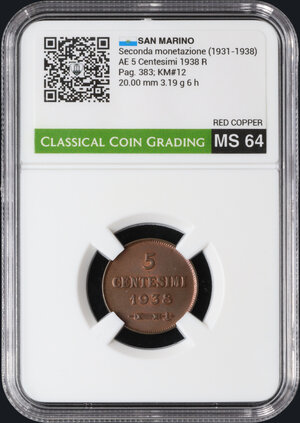
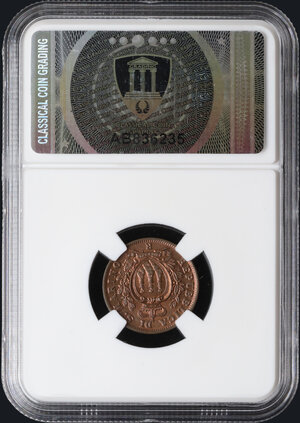
San Marino. AE 5 Centesimi 1938 R. KM 12. AE. 3.19 g. 20 mm. UNC. Encapsulated by Classical Coin Grading MS 64 RED COPPER.
Lot # 993
-
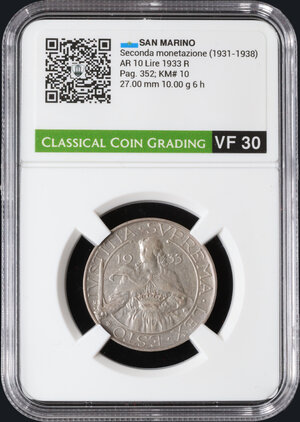
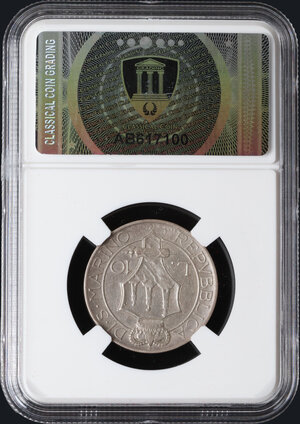
San Marino. Seconda monetazione (1931-1938). 10 lire 1933 R. Pag. (decimali) 352; KM 10. AR. 10 g. 27 mm. Encapsulated by Classical Coin Grading VF 30.
Lot # 992
-
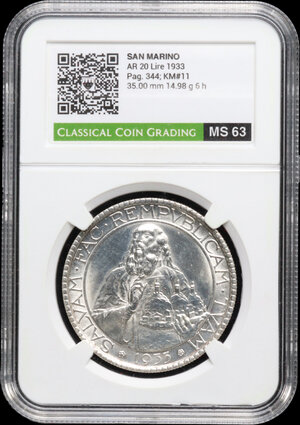
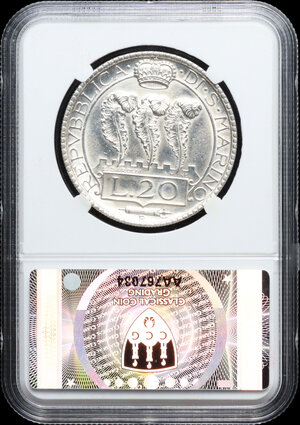
San Marino. Seconda monetazione (1931-1938). 20 lire 1933 R. Pag. (decimali) 344; KM 11. AR. 14.98 g. 35 mm. MS. Encapsulated by Classical Coin Grading MS 63.
Lot # 991
-
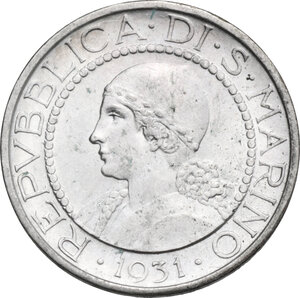
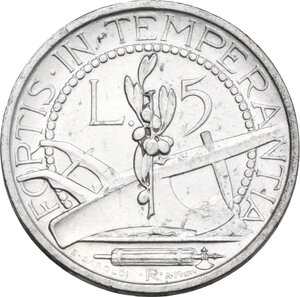
San Marino. Seconda monetazione (1931-1938). AR 5 Lire 1931 R. KM 9. AR. 4.99 g. 23 mm. EF.
Lot # 990
-
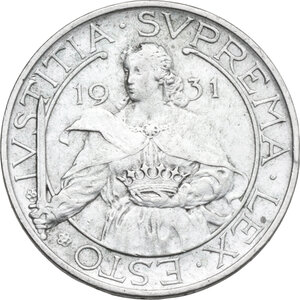
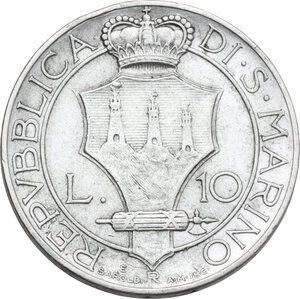
San Marino. Seconda monetazione (1931-1938). AR 10 lire 1931 R. KM 10. AR. 9.97 g. 27 mm. Good VF.
Lot # 989
-
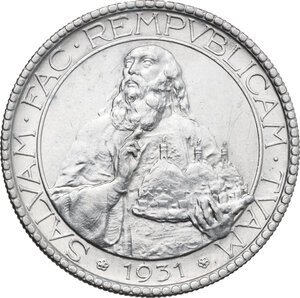
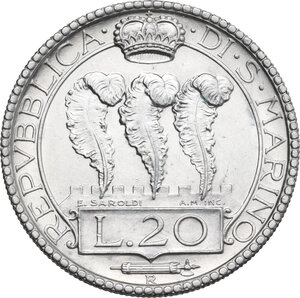
San Marino. Seconda monetazione (1931-1938). AR 20 lire 1931 R. KM 11. AR. 15.01 g. 36 mm. R. About EF/EF.
Lot # 988
-
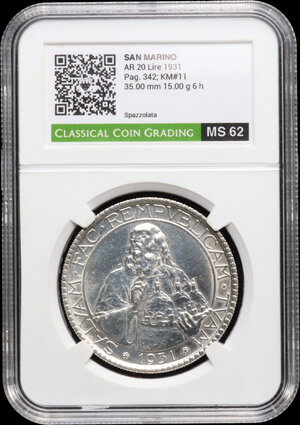
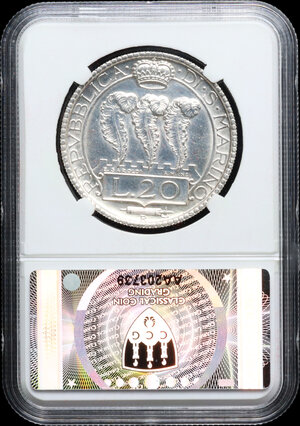
San Marino. Seconda monetazione (1931-1938). AR 20 lire 1931 R. KM 11; Pag. (decimali) 342. AR. 15.01 g. 36 mm. R. Encapsulated by Classical Coin Grading 62.
Lot # 987
-
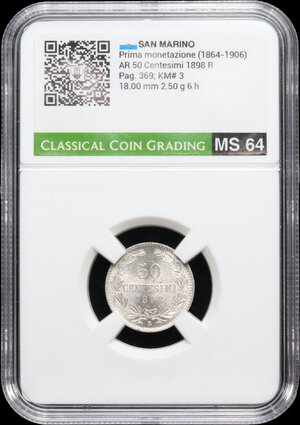
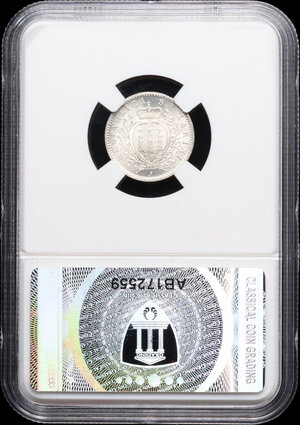
San Marino. Prima Monetazione (1864 -1906). 50 Centesimi 1898 R. Pag. (decimali) 369; KM 3. AR. 2.5 g. 18 mm. Encapsulated by Classical Coin Grading MS 64.
Lot # 986
-
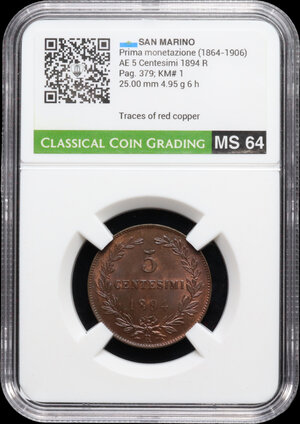
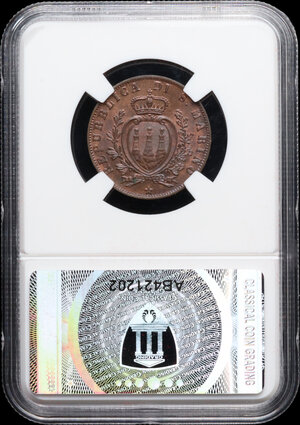
San Marino. 5 Centesimi 1894 R. AR. 4.95 g. 25 mm. Traces of red copper. Encapsulated by Classical Coin Grading MS 64.
Lot # 985
-
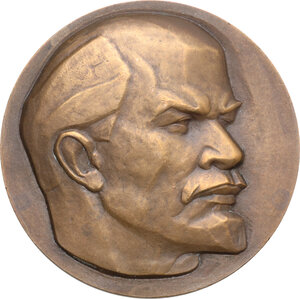
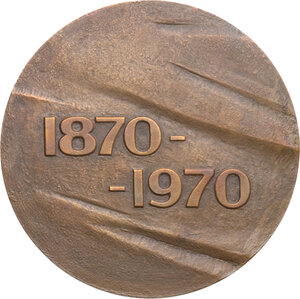
USSR. AE Medal, 1970. For the 100th birthday of Lenin. Obv. Head of Lenin right. Rev. 1870-1970. Shkurko-Salykov 613. AE. 149.27 g. 65 mm. EF.
Lot # 984
-
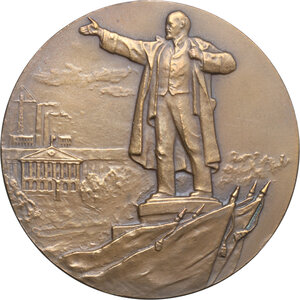
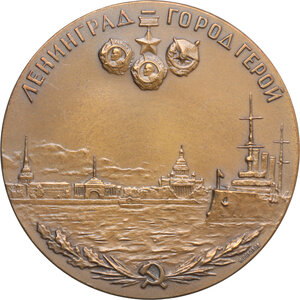
USSR. AE Medal, Leningrad (St. Petersburg) mint, 1963. Commemorating the awards of the city as 'Hero City'. Obv. Lenin standing left on cliff and addressing a crowd; in the background a city. Rev. Panoramic view of Leningrad; in the foreground the cruiser ship Aurora. AE. 125.54 g. 65 mm. Opus: N. A. Sokolov. Rare variety. Good EF.
Lot # 983
-
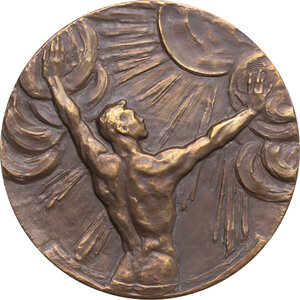
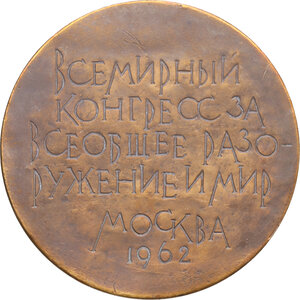
USSR. AE Medal. For the World Congress for General Disarmament and Peace in Moscow 1962. Obv. Half-figure of a nude man, seen from behind, moving the clouds from the sun. Rev. Inscription in six lines. Shkurko-Salykov 260. AE. 105.48 g. 65 mm. Opus: V.M. Akimushkina. EF.
Lot # 982
-
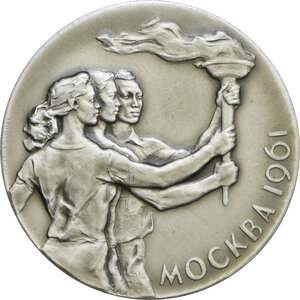
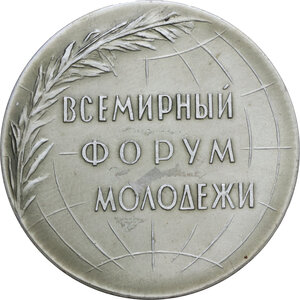
USSR. Aluminium Medal, 1961. For the World Youth Forum in Moscow. Obv. Three young persons holding a torch together. Rev. Inscription in three lines over globe; to left, branch of laurel. Shkurko-Salykov 236. Aluminium. 24 g. 58 mm. Opus: V. M. Akimushkina. About EF.
Lot # 981
-
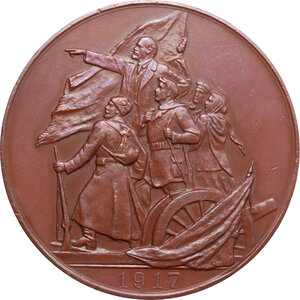
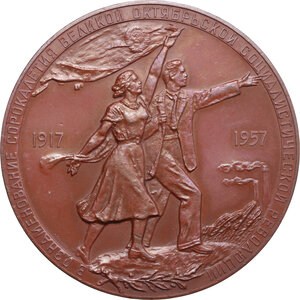
USSR. AE Medal, Leningrad (St. Petersburg) mint, 1957. For the 40th anniversary of the Revolution. Obv. Lenin leads a group of soldiers and civilians into the revolution. Rev. A young man and woman marching froward waving the flag of the USSR; in the background, a factory. AE. 157.37 g. 70 mm. R. Rare, it was likely a limited edition, not cited in standard references. Good EF/About FDC.
Lot # 980
-
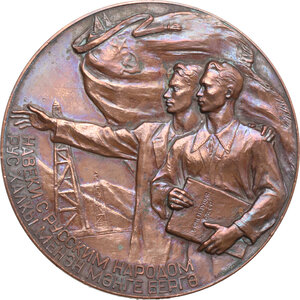
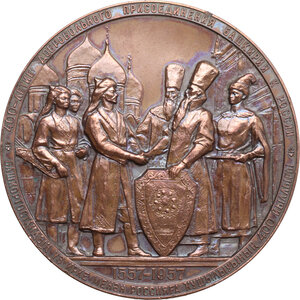
USSR. AE Medal, 1957. For the 400th anniversary of the voluntary accession of Bashkiria to Russia. Obv. Two mans inspect a construction site, in the background the flag of the USSR waving in the wind. Rev. A group of persons sealing a treaty with a handshake. Shkurko-Salykov 122. AE. 172.79 g. 67 mm. Opus: V. M. Akimushkina. EF.
Lot # 979
-
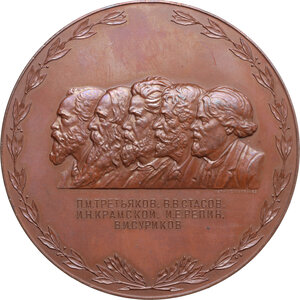
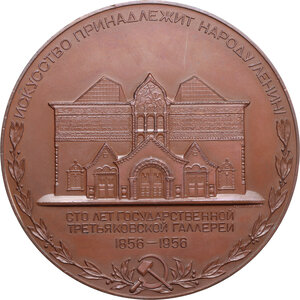
USSR. AE Medal, Leningrad (St. Petersburg) mint, 1956. For the 100th anniversary of the Tretyakov Gallery. Obv. Jugate busts of Tretyakov, Stasov, Kramskoy, Repin, and Surikov left. Rev. Façade of the Gallery. Shkurko-Salykov 118. AE. 222.8 g. 75 mm. Opus: Margachev & Kozlov. Good EF/About FDC. The State Tretyakov Gallery in Moscow was conceived in 1856 when Pavel Mikhaylovich Tretyakov began collecting contemporary works of art around which he could eventually build a museum. In 1892, he presented his collection of over 2,000 pieces to the Russian Empire, with the façade of the museum eventually being designed by Viktor Mikhaylovich Vasnetsov in what can only be described as a Russian 'fairy-tale' style. Now, the museum is home to over 130,000 pieces of art.
Lot # 978
-
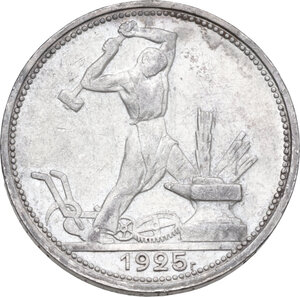
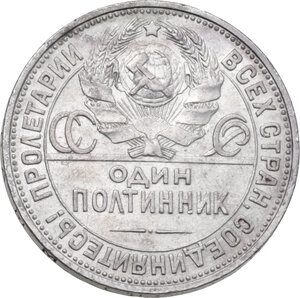
Russia. Union of Soviet Socialist Republics (1923-1991). AR 50 kopeks 1925. KM Y 89.1. AR. 9.96 g. 27 mm. Good VF/VF.
Lot # 976
-
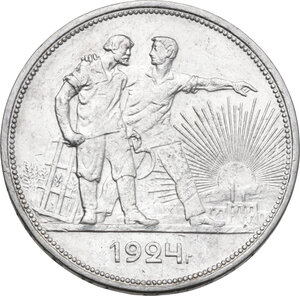
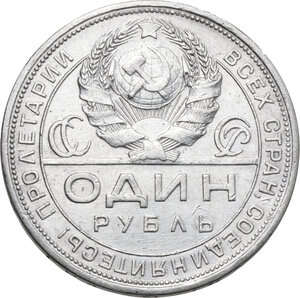
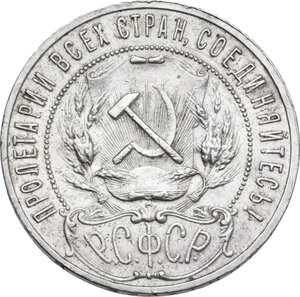
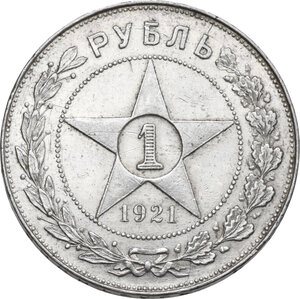
Russia. USSR. AR Rouble, St. Petersburg mint, 1921. KM Y 84. AR. 19.95 g. 34 mm. Scratch on reverse. About EF.
Lot # 975
-
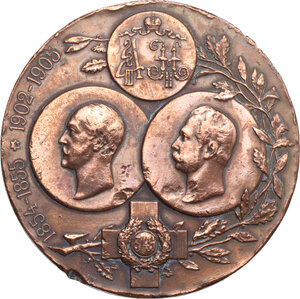
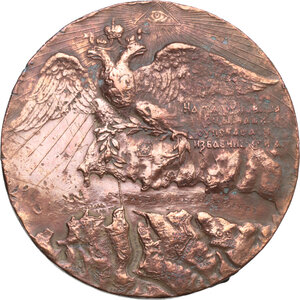
Russia. Nicholas II (1894-1917). AE Medal, 1905. For the 50th anniversary of the Defence of Sebastopol. Obv. 1854-1855 1902-1905. Two medallions with the heads of Nicholas I and Alexander II, both left; above a smaller medallion showing the monograms 'A III' and 'N II' (Alexander III and Nicholas II), surmounted by the Imperial Crown; below, a plain St George's cross, with a round medallion in centre, showing the number 349, surrounded by oak and laurel wreath; to right, intertwined branches of oak and laurel. Rev. Plan of the harbour and town of Sebastopol, showing the different redoubts and batteries and places where the ships were sunk; over this the Imperial Eagle flying left with laurel wreath in its claws; above, the Heavenly Eye; in the filed, Ps. 22:4-5 in Russian. AE. 128.15 g. 64.5 mm. Nicks on edge. Depatinated. F/About VF.
Lot # 974
-
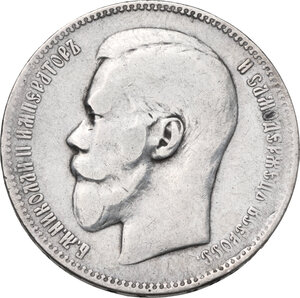
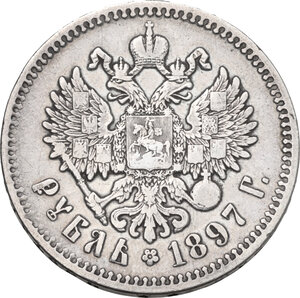
Russia. Nicholas II (1894-1917). AR Rouble 1897. Bitkin 41. AR. 19.78 g. 34 mm. About VF.
Lot # 973
-
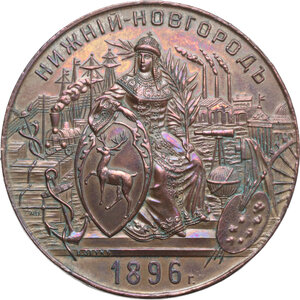
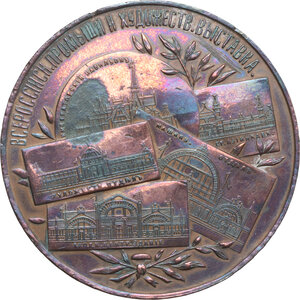
Russia. Nicholas II (1894-1917). AE Medal, 1896. For the Pan-Russian Industrial and Artistic Exposition in Nizhny Novgorod. Obv. Female allegoric figure clothed in rich traditional clothes seated right, resting right elbow on shield decorated with stag; surrounded by symbols of industry, commerce, art and sciences. Rev. Five plaques with views of the exhibition pavillons. Diakov 1219. AE. 76 g. 53 mm. Depatinated. Good VF/VF.
Lot # 972
-
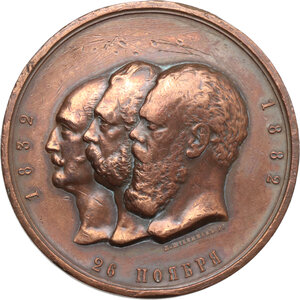
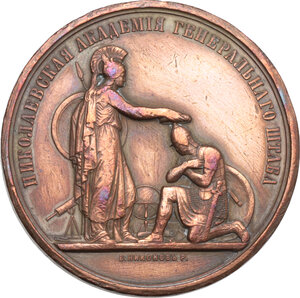
Russia. Alexander III (1881-1894). AE Medal, St. Petersburg mint, 1882. For the 50th anniversary of the Nikolaev Academy of the General Staff of Russia. Obv. Jugate heads of Nicholas I, Alexander II and Alexander III left. Rev. Minerva standing right and crowing soldier kneeling left; in the background, scientific instruments. Diakov 927.1; Smirnov 865. AE. 69.47 g. 51 mm. Opus: L. Steinman & V. Nikonov. Some scratches and traces of cleaning. Good F/About VF.
Results from 39151 to 39200 of 58190