Monete Greche
Risultati da 601 a 650 di 651
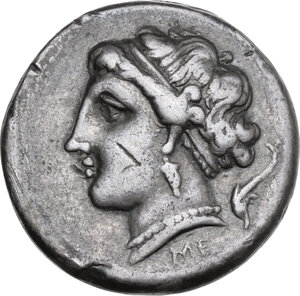
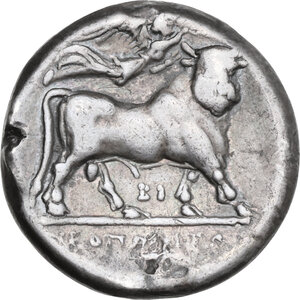
Lotto n. 24
-
Central and Southern Campania, Neapolis. AR Nomos, 275-250 BC. D/ Head of nymph left; behind, dolphin; below ΜΣ. R/ Man-headed bull right; above, Nike flying right and crowning bull, below BI; in exergue, ΝΕΟΠΟΛΙΤΩΝ. HN Italy 586; HGC 1 454. AR. 7.06 g. 19.5 mm. Cabinet tone; edge partly filed; minor marks. VF.
Osserva:
Base d'asta: € 200
Offerte asta: :
-
Prossima offerta minimo : €
200
Diritti d'asta: 22.00%
Chiusura alle: 2026-10-03T14:00:00 ora di Roma
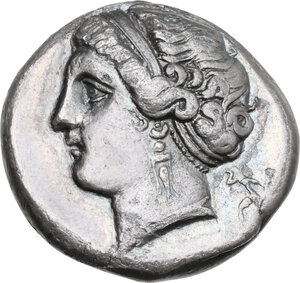
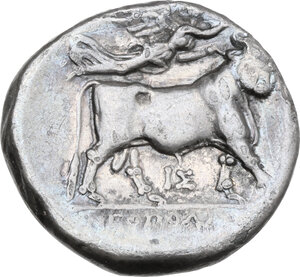
Lotto n. 23
-
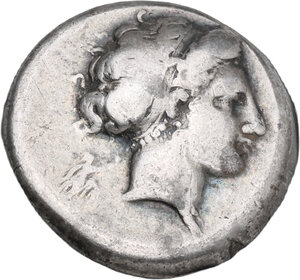
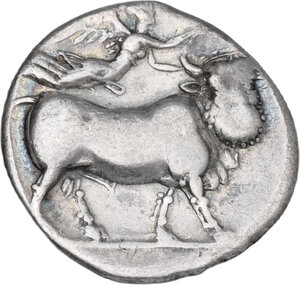
Central and Southern Campania, Neapolis. AR Nomos, 275-250 BC. D/ Head of nymph left; behind, satyr advancing left. R/ ΝΕΟΠΟΛΙΤΩΝ. Man-headed bull right; above, Nike flying right and crowning bull, below IΣ; in exergue, NEOΠΟΛΙΤΩΝ. Cf. Sambon 496; HN Italy 586; HGC 1 454. AR. 6.8 g. 20 mm. R. Rare symbol. Minor smoothing. Light iridescent patina. VF.
Osserva:
Base d'asta: € 200
Offerte asta: :
-
Prossima offerta minimo : €
200
Diritti d'asta: 22.00%
Chiusura alle: 2026-10-03T14:00:00 ora di Roma
Lotto n. 22
-
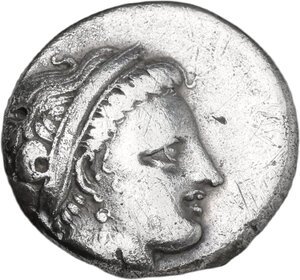
Central and Southern Campania, Neapolis. AR Nomos, 300-275 BC. D/ Head of nymph right, wearing headband; behind, Artemis running with torch. R/ Man-headed bull right; above, Nike flying right and crowning bull. HN Italy 579; HGC 1 453. AR. 7.17 g. 20.5 mm. Lightly toned. About VF.
Osserva:
Base d'asta: € 80
Offerta attuale: € 80
Offerte asta: :
1
Prossima offerta minimo : €
85
Diritti d'asta: 22.00%
Chiusura alle: 2026-10-03T14:00:00 ora di Roma
Lotto n. 21
-
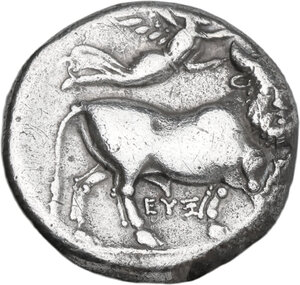
Central and Southern Campania, Neapolis. AR Nomos, 300-275 BC. D/ Head of nymph right, wearing headband. R/ [NEOΠOΛITΩN]. Man-headed bull right; above, Nike flying right and crowning bull; below, EYΞ. Sambon 477; HN Italy 579; SNG ANS 370. AR. 6.93 g. 18.5 mm. Nice portrait. Rough surfaces and minor marks, slightly off-centre otherwise. VF.
Osserva:
Base d'asta: € 80
Offerta attuale: € 80
Offerte asta: :
1
Prossima offerta minimo : €
85
Diritti d'asta: 22.00%
Chiusura alle: 2026-10-03T14:00:00 ora di Roma
Lotto n. 20
-
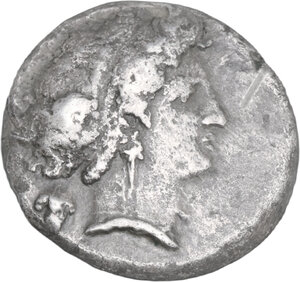
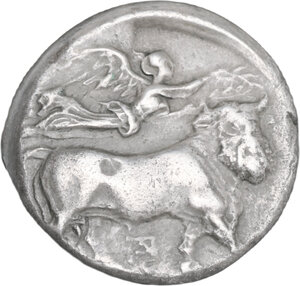
Central and Southern Campania, Neapolis. AR Nomos, c. 320-300 BC. D/ Head of nymph right, wearing headband and pendant earring; behind, bunch of grapes. R/ Man-headed bull right; above, Nike flying right and crowning bull; below, monogram. Sambon 437; Graziano 87; HN Italy 571; HGC 1 451. AR. 7.22 g. 18.5 mm. Worn dies. Scratch on obverse. About VF.
Osserva:
Base d'asta: € 80
Offerta attuale: € 80
Offerte asta: :
1
Prossima offerta minimo : €
85
Diritti d'asta: 22.00%
Chiusura alle: 2026-10-03T14:00:00 ora di Roma
Lotto n. 19
-
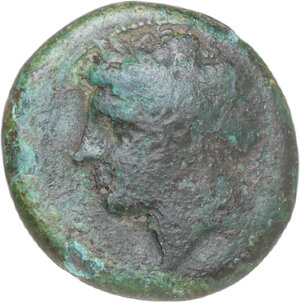
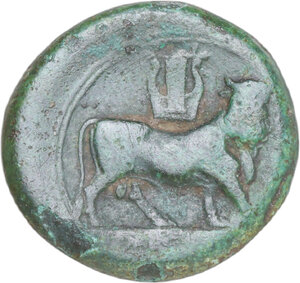
Samnium, Southern Latium and Northern Campania, Cales. AE Unit, 265-240 BC. D/ Laureate head of Apollo left. R/ Man-headed bull right; above, kithara. HN Italy 436; HGC 1 376. AE. 6.13 g. 19 mm. Roughness on obverse. Dark green patina. About VF.
Osserva:
Base d'asta: € 30
Offerte asta: :
-
Prossima offerta minimo : €
30
Diritti d'asta: 22.00%
Chiusura alle: 2026-10-03T14:00:00 ora di Roma
Lotto n. 18
-
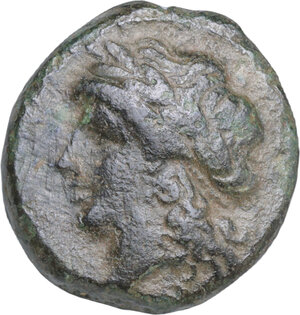
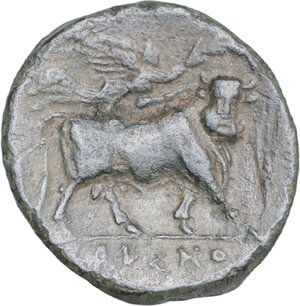
Samnium, Southern Latium and Northern Campania, Cales. AE Unit, 265-240 BC. D/ Laureate head of Apollo left. R/ Man-headed bull right; above, Nike flying right and crowning bull; in exergue, CALENO. HN Italy -; HGC 1 -; SNG ANS 184-187. AE. 6.7 g. 21 mm. An unusual type not recorded by Rutter or Hoover. About VF. Accompanied by an old collector’s tag.
Osserva:
Base d'asta: € 40
Offerte asta: :
-
Prossima offerta minimo : €
40
Diritti d'asta: 22.00%
Chiusura alle: 2026-10-03T14:00:00 ora di Roma
Lotto n. 17
-
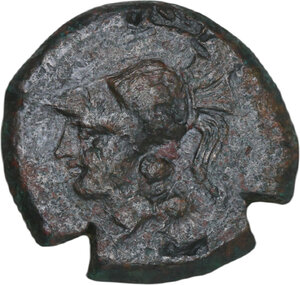
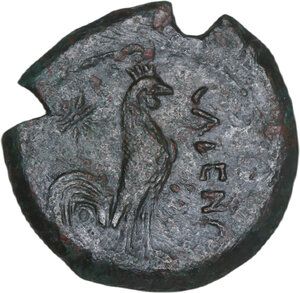
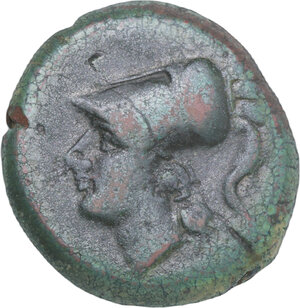
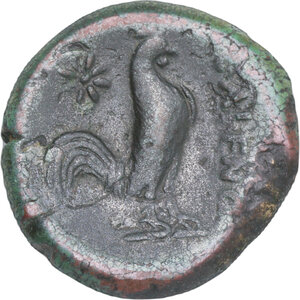
Samnium, Southern Latium and Northern Campania, Cales. AE Unit, 265-240 BC. D/ Helmeted head of Athena left. R/ CALENO. Rooster standing right; behind, star. HN Italy 435; HGC 1 375. AE. 6.89 g. 21 mm. VF.
Osserva:
Base d'asta: € 40
Offerte asta: :
-
Prossima offerta minimo : €
40
Diritti d'asta: 22.00%
Chiusura alle: 2026-10-03T14:00:00 ora di Roma
Lotto n. 16
-
Samnium, Southern Latium and Northern Campania, Cales. AE Unit, c. 265-240 BC. D/ Helmeted head of Athena left. R/ CALENO. Rooster standing right; behind, star. HN Italy 435; HGC 1 375. AE. 5.8 g. 19.5 mm. VF. Accompanied by an old collector’s tag.
Osserva:
Base d'asta: € 50
Offerte asta: :
-
Prossima offerta minimo : €
50
Diritti d'asta: 22.00%
Chiusura alle: 2026-10-03T14:00:00 ora di Roma
Lotto n. 15
-
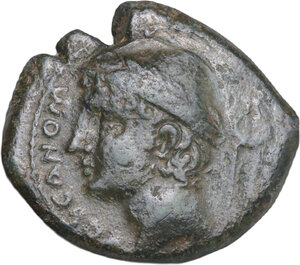
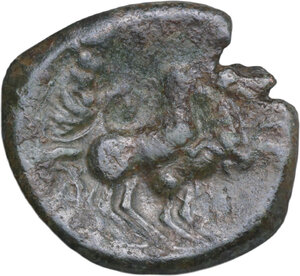
Samnium, Southern Latium and Northern Campania, Aesernia. AE Unit, 263-240 BC. D/ VOLCANOM. Head of Hephaistos left, wearing laureate pileus; behind, tongs. R/ Jupiter in biga right, brandishing thunderbolt. HN Italy 430; HGC 1 337. AE. 6.53 g. 21.5 mm. About VF. Accompanied by an old collector’s tag.
Osserva:
Base d'asta: € 50
Offerta attuale: € 55
Offerte asta: :
2
Prossima offerta minimo : €
60
Diritti d'asta: 22.00%
Chiusura alle: 2026-10-03T14:00:00 ora di Roma
Lotto n. 14
-
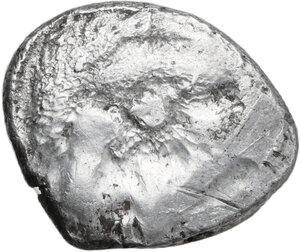
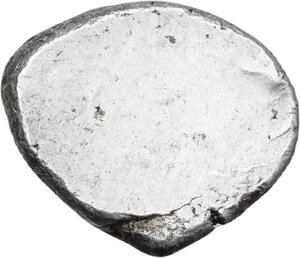
Etruria, Populonia. AR 20 Units (Asses), after c. 211 BC. D/ Facing head of gorgoneion (Metus) with protruding tongue and long hanging hair bound by diadem. R/ Blank. Cf. HN Italy 142; Cf. Vecchi EC 52. AR. 8.21 g. 22 mm. Striking defects. About VF. Ex Bertolami Fine Arts E-78, 2020, lot 358.
Osserva:
Base d'asta: € 300
Offerte asta: :
-
Prossima offerta minimo : €
300
Diritti d'asta: 22.00%
Chiusura alle: 2026-10-03T14:00:00 ora di Roma
Lotto n. 13
-
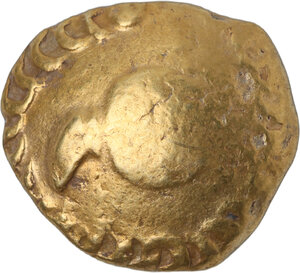
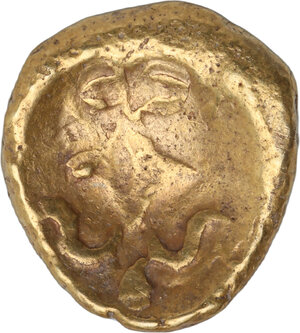
Vindelici. AV Stater, 'Regenbogenschüsselchen' type, 2nd-1st century BC. D/ Bird's head left within wreath. R/ Star or cross; above, three pellets; below, two volutes. Flesche 305; Kellner type II E; LT 9436. AV. 7.56 g. 17 mm. RR. Very rare. About VF. The defeat of the Gaulish tribe Vindelici at Vercellae against the Romans in 101 BC marked a significant event during the Roman expansion. This clash not only halted the advance of migrating tribes but also solidified Roman control over the region. The symbolic imagery depicted on artefacts from this period reflect the Vindelici's cultural identity and their acknowledgement, albeit reluctantly, of Roman authority. These historical events offer insights into the power dynamics and cultural interactions between the Vindelici and the Roman Republic during this era.
Osserva:
Base d'asta: € 1'000
Offerte asta: :
-
Prossima offerta minimo : €
1'000
Diritti d'asta: 22.00%
Chiusura alle: 2026-10-03T14:00:00 ora di Roma
Lotto n. 12
-
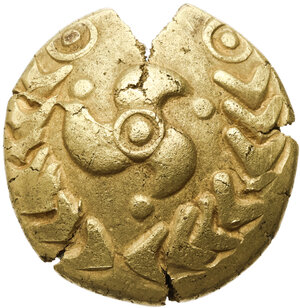
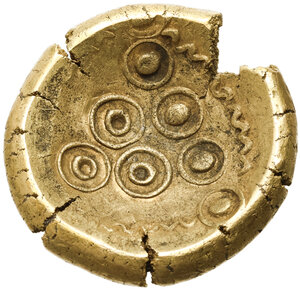
Ubier. Germania (Hessen or Rheinland). EL Scyphate Stater, 'Regenbogenschüsselchen', 'Mardorf' type, 66-55 BC. D/ Triskeles with dots in the angles; all within wreath. R/ Double ringlets arranged into a triangle, within zigzag borders. Kellner, Type IXA; Ziegaus 402-403; Slg. Karl 321. EL. 7.12 g. 17 mm. Irregular flan. About EF.
Osserva:
Base d'asta: € 1'500
Offerta attuale: € 1'700
Offerte asta: :
3
Prossima offerta minimo : €
1'800
Diritti d'asta: 22.00%
Chiusura alle: 2026-10-03T14:00:00 ora di Roma
Lotto n. 11
-
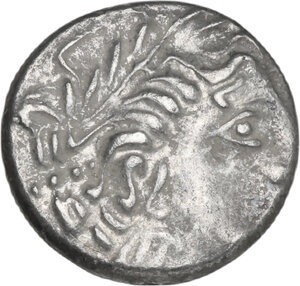
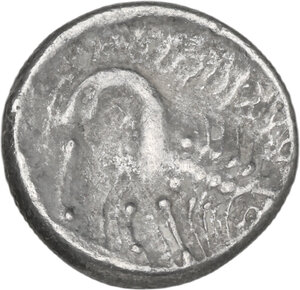
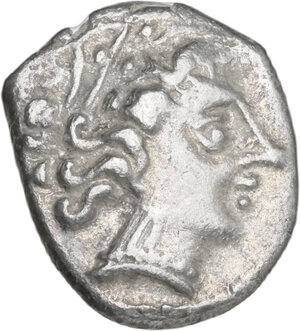
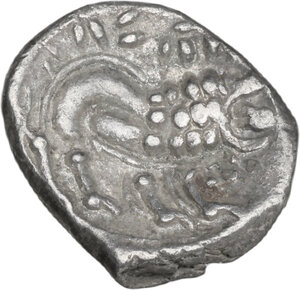
Cisalpine Gaul, Leponti. AR Drachm, 2nd century BC. Imitating Massalia. D/ Laureate head of Artemis right, wearing pendant earrings. R/ Stylised lion right; above crude legend. LT 2171. AR. 2.81 g. 15 mm. Lightly toned. VF/About VF.
Osserva:
Base d'asta: € 80
Offerta attuale: € 80
Offerte asta: :
5
Prossima offerta minimo : €
85
Diritti d'asta: 22.00%
Chiusura alle: 2026-10-03T14:00:00 ora di Roma
Lotto n. 10
-
Southern Gaul, Insubres. AR Drachm, 2nd century BC. Imitating Massalia. D/ Laureate head of Artemis right, wearing pendant earrings. R/ Stylised lion right; above crude legend. LT 2126; CCCBM II, 9. AR. 2.09 g. 15.5 mm. Lightly toned. VF.
Osserva:
Base d'asta: € 100
Offerta attuale: € 100
Offerte asta: :
2
Prossima offerta minimo : €
110
Diritti d'asta: 22.00%
Chiusura alle: 2026-10-03T14:00:00 ora di Roma
Lotto n. 9
-
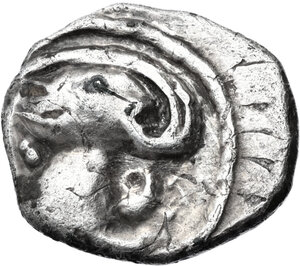
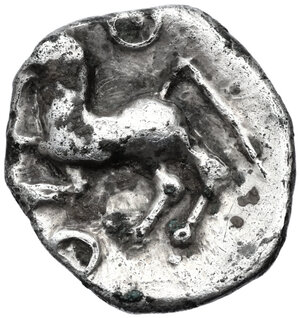
Central Gaul. The Aedui. AR Quinar, 80-50 BC. D/ Helmeted head of Roma left. R/ Horse left; above and below, pellet in annulet. Dessewffy 657; LT 5252; CCCBM 333. AR. 1.67 g. 15 mm. Slightly uneven patina and some deposits. Slightly off-centre. About VF.
Osserva:
Base d'asta: € 30
Offerte asta: :
-
Prossima offerta minimo : €
30
Diritti d'asta: 22.00%
Chiusura alle: 2026-10-03T14:00:00 ora di Roma
Lotto n. 8
-
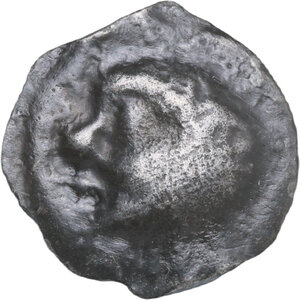
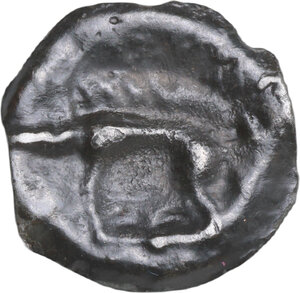
Northeast Gaul, Leuci. Potin Unit, c. 100-50 BC. D/ Celticized male head left. R/ Boar standing left; below, three annulets. Depeyrot, NC VII, 141; D&T 225. Potin. 2.81 g. 18 mm. VF.
Osserva:
Base d'asta: € 30
Offerte asta: :
-
Prossima offerta minimo : €
30
Diritti d'asta: 22.00%
Chiusura alle: 2026-10-03T14:00:00 ora di Roma
Lotto n. 7
-
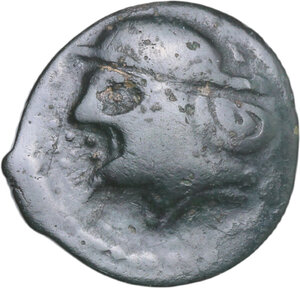
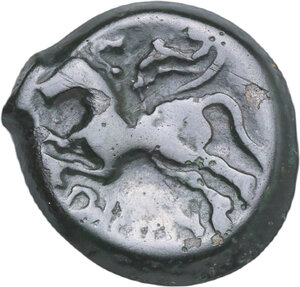
Northern Gaul, Belgic tribes. Suessions. AE Unit, 50-40 BC. D/ Helmeted Celtic head left. R/ Winged horse left. LT 7951; D&T 554-557. AE. 2.4 g. 16.5 mm. Dark green glossy patina. About VF.
Osserva:
Base d'asta: € 20
Offerta attuale: € 20
Offerte asta: :
1
Prossima offerta minimo : €
25
Diritti d'asta: 22.00%
Chiusura alle: 2026-10-03T14:00:00 ora di Roma
Lotto n. 6
-
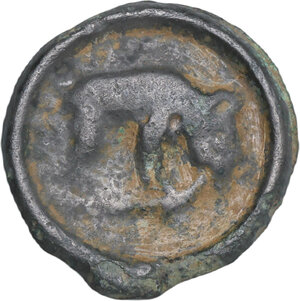
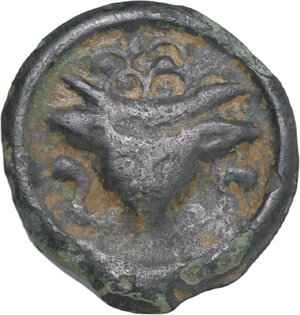
Northern Gaul, Belgic tribes. The Remi. Potin Unit, 1st century BC. D/ Bear right. R/ Bucranium. Depeyrot NC VII, 34; CCCBM 511-518; D&T 221; LT 8351. Potin. 3.71 g. 20.5 mm. Cleaning marks. Dusty spots, otherwise. VF.
Osserva:
Base d'asta: € 30
Offerte asta: :
-
Prossima offerta minimo : €
30
Diritti d'asta: 22.00%
Chiusura alle: 2026-10-03T14:00:00 ora di Roma
Lotto n. 5
-
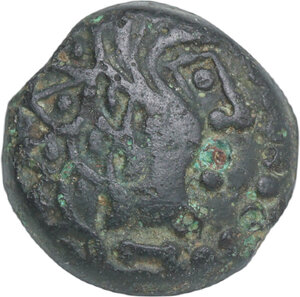
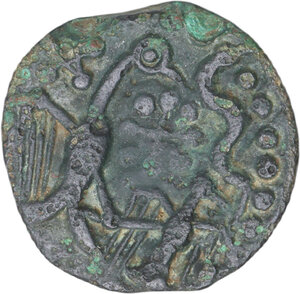
Gaul. Carnutes. AE Unit, c. 50-30 BC. D/ Celticized head right, with 'kashmiri' style locks. R/ Two eagles flying right, one larger than the other; to left, pentagram above larger eagle's right wing; between eagles, cross with pellet in each quarter; to right, serpent. D&T 2582; LT 608; CCCBM III, 128. AE. 3.4 g. 16 mm. VF.
Osserva:
Base d'asta: € 40
Offerte asta: :
-
Prossima offerta minimo : €
40
Diritti d'asta: 22.00%
Chiusura alle: 2026-10-03T14:00:00 ora di Roma
Lotto n. 4
-
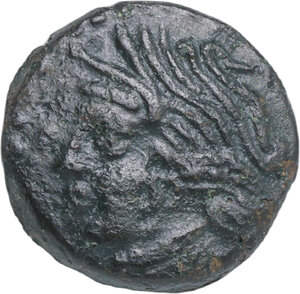
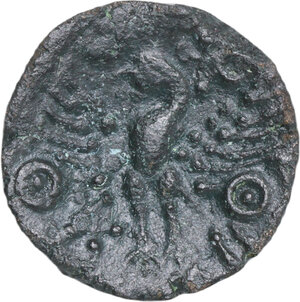
Gaul. Bituriges or Carnutes. AE Unit, before 52 BC. D/ Celticized draped bust left. R/ Eagle standing facing, head left, wings spread; two annulets and pentagram in fields; below, [VANDIILOS]. D&T 2587; LT 7988. AE. 2.82 g. 16 mm. VF.
Osserva:
Base d'asta: € 30
Offerte asta: :
-
Prossima offerta minimo : €
30
Diritti d'asta: 22.00%
Chiusura alle: 2026-10-03T14:00:00 ora di Roma
Osserva:
Base d'asta: € 40
Offerta attuale: € 40
Offerte asta: :
1
Prossima offerta minimo : €
45
Diritti d'asta: 22.00%
Chiusura alle: 2026-10-03T14:00:00 ora di Roma
Lotto n. 2
-
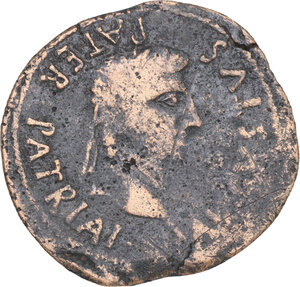
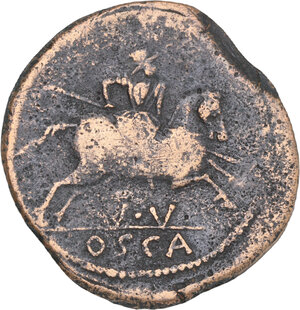
Osca. AE As, time of Augustus (27 BC-14 AD). D/ AVGVSTVS PATER PATRIAI. Laureate head right. R/ Horseman with spear galloping right, below, V V OSCA. RPC online I, 289. AE. 10.23 g. 30 mm. Cleaning marks and slightly pitted. About VF. Accompanied with old collector’s tag.
Osserva:
Base d'asta: € 40
Offerta attuale: € 40
Offerte asta: :
1
Prossima offerta minimo : €
45
Diritti d'asta: 22.00%
Chiusura alle: 2026-10-03T14:00:00 ora di Roma
Lotto n. 1
-
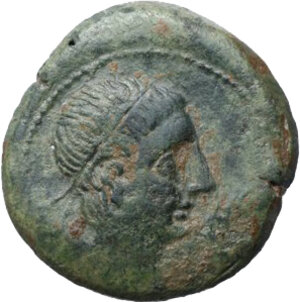
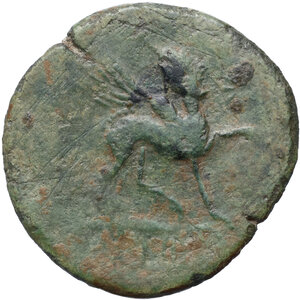
Castulo. AE As, c. 2nd century BC. D/ Diademed male head right. R/ Sphinx right, raising left foreleg. ACIP 2143; SNG Cop. 211. AE. 14.42 g. 28 mm. Pale yellowish green patina. Cleaning marks. VF/About VF.
Osserva:
Base d'asta: € 50
Offerta attuale: € 50
Offerte asta: :
1
Prossima offerta minimo : €
55
Diritti d'asta: 22.00%
Chiusura alle: 2026-10-03T14:00:00 ora di Roma
Lotto n. 14577
-
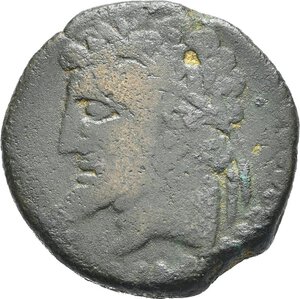
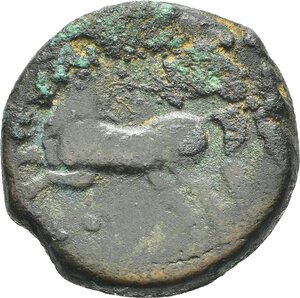
NUMIDIA. Massinissa o Micipsa (203-148 BC o 148-118 a.C.). AE (13.96g). Testa laureata a sinistra. R/ Cavallo al galoppo a sinistra; globetto sotto. CNP 145b (Massinissa); SNG Copenhagen 505. MB. nr. reg. 593/24 - shipping only in Italy
Osserva:
Lotto n. 14968
-
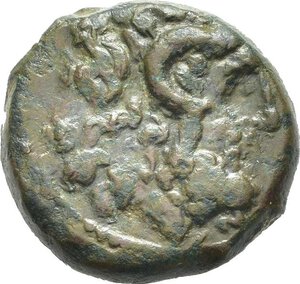
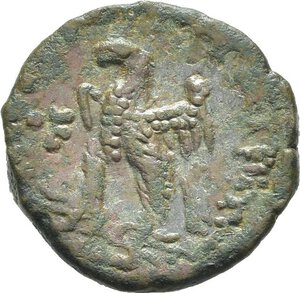
EGITTO TOLEMAICO. Tolomeo VIII (145-116 a.C.). Cirene. AE (1.81g). Testa diademata di Zeus-Ammon a destra. R/ Aquila su fulmine a sinistra; ΘΕ a sinistra. Svoronos 1651 (Alessandria); SNG Copenhagen 655-7 (zecca incerta). qBB. Nr. Reg. 667/26. Shipping only in Italy
Osserva:
Lotto n. 14945
-
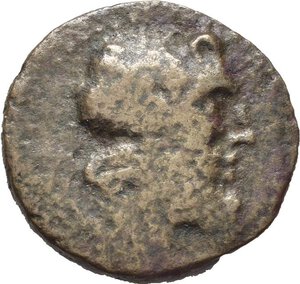
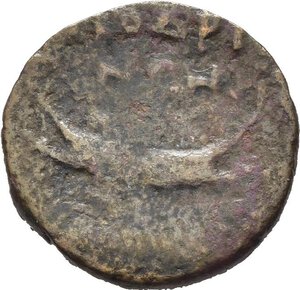
ILLIRA. Skodra (c. 181-168 a.C.). AE (3.40g). Testa diademata di Posidone a destra. R/ Nave a sinistra. HGC 3.1, 62. Rarissima. B. Nr. Reg. 667/26. Shipping only in Italy
Osserva:
Lotto n. 62
-
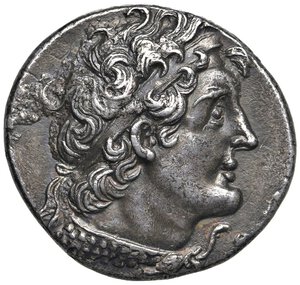
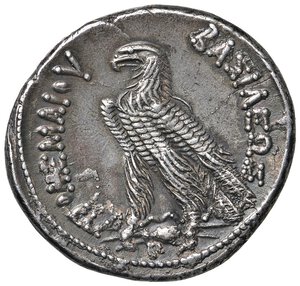
EGITTO Tolomeo VI (180-145 a.C.) Tetradramma (Alessandria) - Testa diademata a d. con l'egida annodata intorno al collo - R/ Aquila stante a s. su un fulmine - Svoronos 1489; SNG Cop 262-8 AG (g 13,65) SPLEGYPT Ptolemy VI (180-145 BC) Tetradrachm (Alexandria) – Diademed head to r. With aegis knotted around the neck – reverse: Eagle standing to l. On thunderbolt – Svoronos 1489; SNG Cop 262-8 AG (g 13,65) SPL
Osserva:
Diritti dopo asta: 24.21%
Lotto n. 61
-
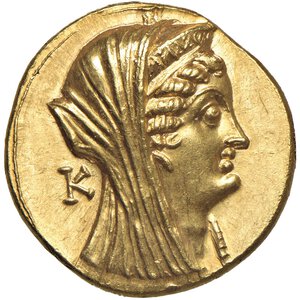
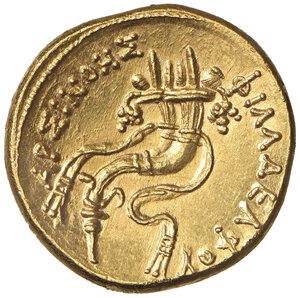
EGITTO Arsinoe II Philadelphos (+ 270-268 a.C.) 8 Dracme (Alessandria) Testa diademata e velata a d., nel campo a s., K - R/ Doppia cornucopia ricolma di frutta e legata con bende - Svoronos 1242 AU (g 27,62) Conservazione eccezionale per il tipo. Con cartellino di vecchia collezione FDCEGYPT Arsinoe II Philadelphos (+ 270-268 BC) 8 Drachmas (Alexandria) Diademed and veiled head to r., in the field to l., K - Reverse: Double cornucopia filled with fruit and tied with bandages – Svoronos 1242 AU (g 27,62) Exceptional conservation for the type. With old collection tag FDC
Osserva:
Diritti dopo asta: 24.21%
Lotto n. 56
-
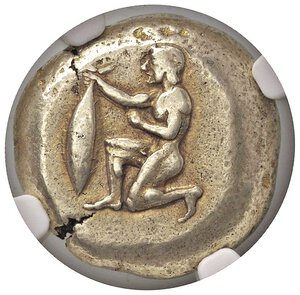
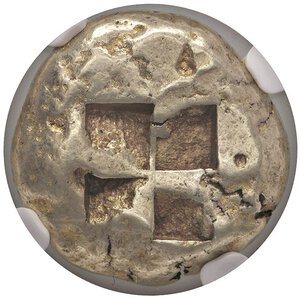
MISIA Cizico - Statere (circa 500-450 a.C.) Giovane genuflesso a s. tiene un tonno con la mano destra - R/ Quadrato incuso - Von Fritze 112; SNG France Elettro (g 16,04) RRR In slab NGC VF 5/5 4/5 cod. 8237525-009 VFMYSIA Cyzicus - Stater (circa 500-450 BC) Kneeling youth holding a tuna in his right hand - Reverse: Incuse square - Von Fritze 112; SNG France Electro (g 16,04) Extremely rare. In slab NGC VF 5/5 4/5 cod. 8237525-009 VF
Osserva:
Diritti dopo asta: 24.21%
Lotto n. 41
-
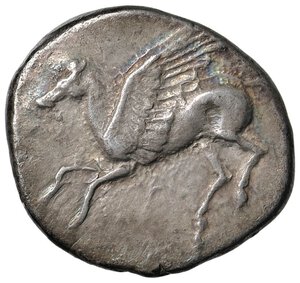
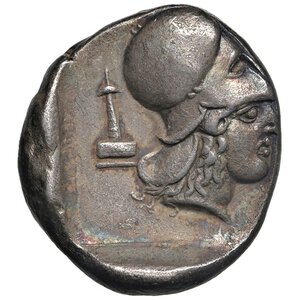
CORINTHIA - Corinto - Statere (circa 400-375 a.C.) Pegaso in volo a s. - R/ Testa elmata di Atena a d., a s., thymiaterion - Calciati 239 AG (g 8,16) BBCORINTHIA - Corinth - Stater (circa 400-375 BC) Pegasus in flight to l. - Reverse: Helmeted head of Athena to r., to l., thymiaterion - Calciati 239 AG (g 8,16) BB
Osserva:
Diritti dopo asta: 24.21%
Lotto n. 30
-
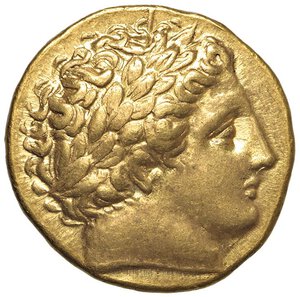
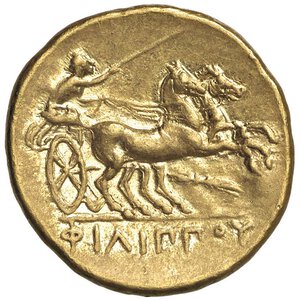
MACEDONIA Filippo II (359-334 a.C.) Statere (Pelle, 340-328 a.C.) Busto laureato di Apollo a d. - R/ ΦΙΛΙΠΠΟΥ Biga a d.; sotto, un fulmine - SNG ANS 130-7 AU (g 8,62) Ex Henzen, con cartellino autografo. SPLMACEDONIA Philip II (359-334 BC) Stater (Pelle, 340-328 BC) Laureate bust of Apollo to r. - Reverse: ΦΙΛΙΠΠΟΥ Biga to r. ; below, a thunderbolt - SNG ANS 130-7 AU (g 8,62) Ex Henzen, with autograph tag. SPL
Osserva:
Diritti dopo asta: 24.21%
Lotto n. 28
-
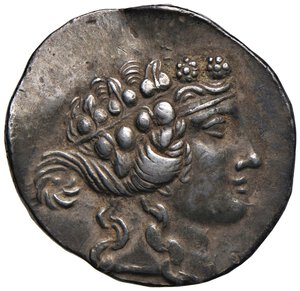
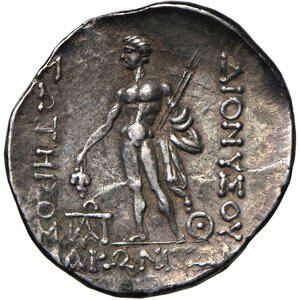
TRACIA Maroneia Tetradramma (I sec. a.C.) Busto di Dioniso a d. - R/ Dioniso stante di fronte - BMC 252 AG (g 16,28) Tondello molto ondulato qSPLTHRACIA Maroneia Tetradrachm (1st century BC) Bust of Dionysus to r. – reverse: Dionysus standing facing – BMC 252 AG (g 16,28) Very wavy flan qSPL
Osserva:
Diritti dopo asta: 24.21%
Lotto n. 22
-
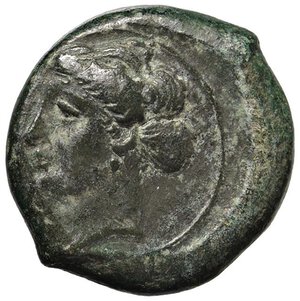
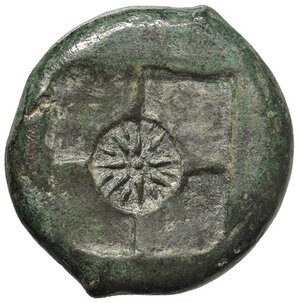
SICILIA. Siracusa - Hemilitra (circa 405 a.C.) Testa di Aretusa a s.- R/ Stella entro quadrato incuso - SNG ANS 395 AE (g 4,92) Ex Thesaurus, 9 dicembre 2006, lotto 116 qsplSICILY. Syracuse - Hemilitra (circa 405 BC) Head of Arethusa to l. - Reverse: Star within incuse square - SNG ANS 395 AE (g 4,92) Ex Thesaurus, 9 December 2006, lot 116 qspl
Osserva:
Diritti dopo asta: 24.21%
Lotto n. 17
-
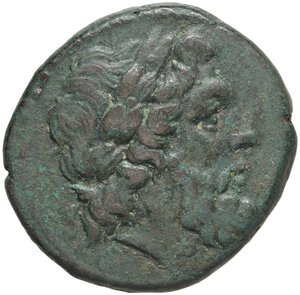
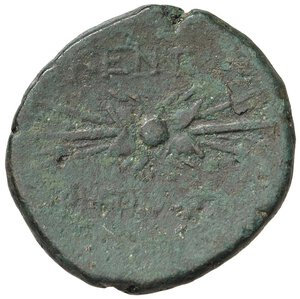
SICILIA Centuripae - Dekonkion (circa 344-336 a.C.) Testa laureata di Zues a d. - R/ Fulmini - SNG ANS 1307 e segg. AE (g 11,65) Ex Busso Peus 444, 2026, lotto 2077 Sammlung Fritz Reiff. BB+SICILY Centuripae - Dekonkion (circa 344-336 BC) Laureate head of Zeus to r. - Reverse: Lightning bolts - SNG ANS 1307 et seq. AE (g 11,65) Ex Busso Peus 444, 2026, lot 2077 Sammlung Fritz Reiff. BB+
Osserva:
Diritti dopo asta: 24.21%
Lotto n. 14
-
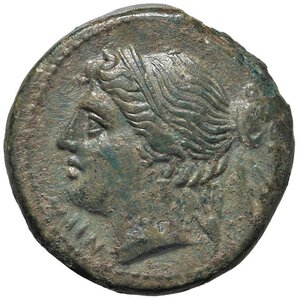
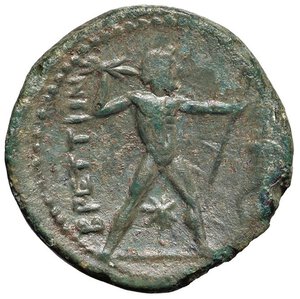
BRUTTIUM Brettii - AE (circa 215-208 a.C.) Testa di Nike a s. - R/ Zeus stante a d. - SNG ANS 60 AE (g 3,28) Ex InAsta, 3, 17 novembre 2002, lotto 22. Piacevole patina verde BB+BRUTTIUM Brettii - AE (circa 215-208 BC) Head of Nike to l. - Reverse: Zeus standing to r. – SNG ANS 60 AE (g 3,28) Ex InAsta, 3, 17 November 2002, lot 22. Pleasant green patina BB+
Osserva:
Diritti dopo asta: 24.21%
Lotto n. 12
-
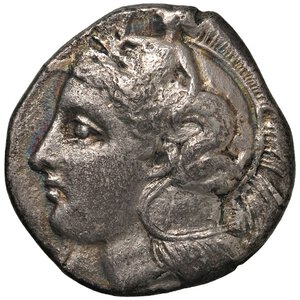
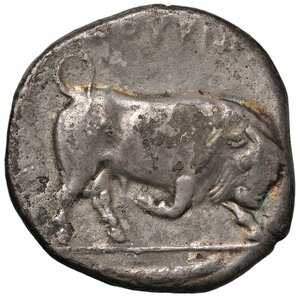
LUCANIA Thurium - Di-nomos (circa 380-360) Testa elmata di Atena a s. - R/ Toro cozzante a d. - Historia Numorum 1804 AG (g 14,73) Leggermente poroso al D/ e qualche screpolatura al R/ BBLUCANIA Thurium - Di-nomos (circa 380-360) Helmeted head of Athena to l. - Reverse: Bull clashing to r. - Historia Numorum 1804 AG (g 14,73) Slightly porous on the obverse and some cracking on the reverse BB
Osserva:
Diritti dopo asta: 24.21%
Lotto n. 11
-
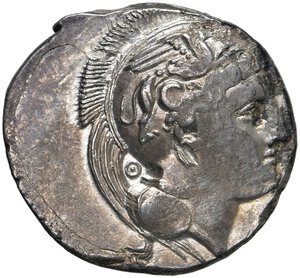
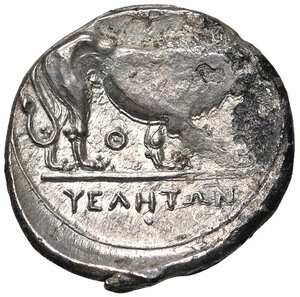
LUCANIA Velia Nomos (circa 340-334) Testa elmata di Atena a d. - R/ Leone andante a d. - SNG Cop. 1549; Historia Numorum Italy 1284 AG (g 7,50) Decentrato e con corrosioni marginali BB+LUCANIA Velia Nomos (circa 340-334) Helmeted head of Athena to r. - Reverse: Lion walking to r. - SNG Cop. 1549; Historia Numorum Italy 1284 AG (g 7,50) Off-center and with marginal corrosion BB+
Osserva:
Diritti dopo asta: 24.21%
Lotto n. 186
-
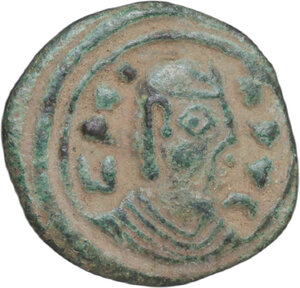
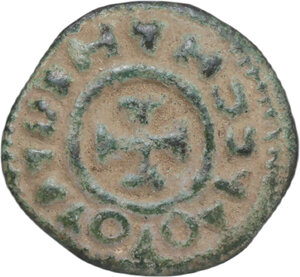
Ethiopia, Aksum. Anonymous ‘BACIΛEYC’ issue. Time of Ezanas (c. mid 340s-380). AE Unit, 360-380(?). D/ Draped bust right, wearing headcloth. R/ Greek cross within annulet. Munro-Hay Type 52; Hahn, Aksumite 33. AE. 1.39 g. 14 mm. Green patina. Good VF.
Osserva:
Diritti dopo asta: 20.00%
Lotto n. 182
-
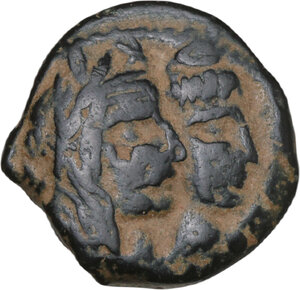
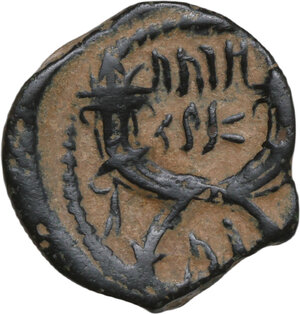
Nabatea. Aretas IV and Shaqilat (9 BC-AD 40). AE 19 mm. Petra mint, c. 16-40 AD. D/ Jugate, draped busts of Aretas and Shaqilat right. R/ Crossed cornucopias. SNG ANS 1438-1443. AE. 4.47 g. 18 mm. Fully readable. Pleasant red desert patina. Good VF.
Osserva:
Diritti dopo asta: 20.00%
Lotto n. 175
-
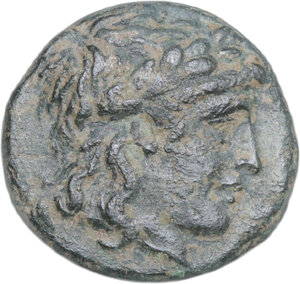
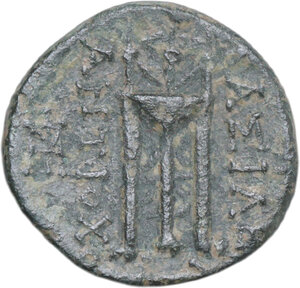
Seleucid Kings. Antiochos II Theos (261-246 BC). AE 17 mm, Sardes mint. D/ Laureate head of Apollo right. R/ BAΣΙΛΕΩΣ / ANTIOXOY. Tripod; monogram to outer left and to outer right, anchor in exergue. SC 522.6; HGC 9 253a. AE. 5.21 g. 17 mm. Green patina. Accompanied with old collector’s tag. Good VF.
Osserva:
Diritti dopo asta: 20.00%
Lotto n. 169
-
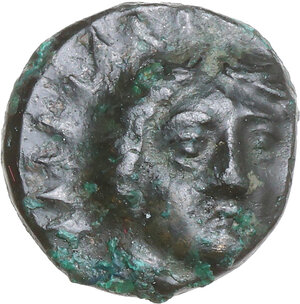
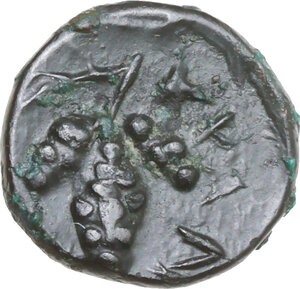
Caria, Kranaos. AE 11 mm, 360-340 BC. D/ Radiate head of Helios facing slightly right. R/ KPAN. Bunch of grapes; to left, [crayfish]. SNG Keckman 219-220; SNG Kayhan 1648-1649. AE. 1.28 g. 11 mm. R. Rare mint. Dark green patina. Good VF.
Osserva:
Diritti dopo asta: 20.00%
Lotto n. 168
-
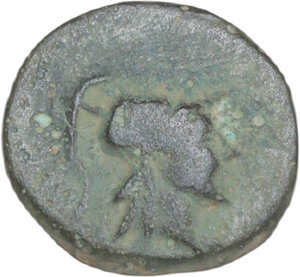
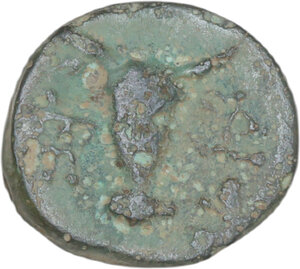
Ionia, Metropolis. AE 12 mm, c. 1st century BC. Diogenes, magistrate. D/ Helmeted head of Ares right. R/ Bucranium; to left, MHTPOΠ monogram; to right, ΔIOΓE. Ashton/Kinns, Opuscula Anatolica III, in: NC 164 (2004), S. 91, 8; Düsseldorf coll. 11407. AE. 1.36 g. 12 mm. R. Earthen deposits. About VF.
Osserva:
Diritti dopo asta: 20.00%
Lotto n. 140
-
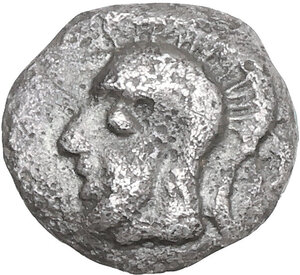
Arkadia, Tegea. AR Tetartemorion, c. 423-400 BC. D/ Helmeted head of Athena Alea left. R/ T within incuse square. BCD Peloponnesos 1721; HGC 5 1054. AR. 0.18 g. 7 mm. Roughness. VF.
Osserva:
Diritti dopo asta: 20.00%
Lotto n. 114
-
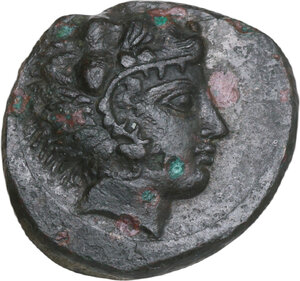
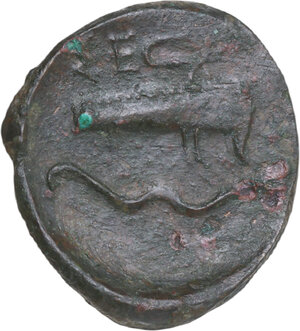
Selinos. AE Hemilitron, c. 415-409 BC. D/ Head of Herakles right, wearing lion's skin. R/ ΣΕ. Bow and quiver. CNS I 11; SNG ANS 716; HGC 2 1238. AE. 3.41 g. 18 mm. R. Dark green patina. Some roughness. VF.
Osserva:
Diritti dopo asta: 20.00%
Lotto n. 111
-
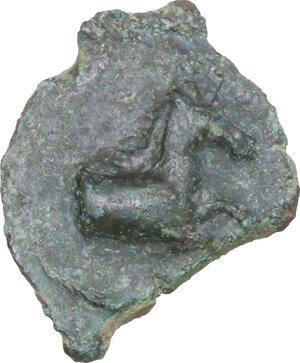
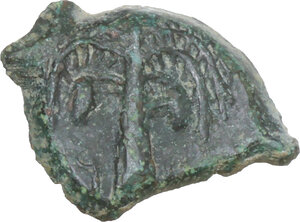
Motya. AE Onkia, c. 400-397 BC. D/ Forepart of horse right. R/ Palm tree. Campana 20; HGC 2 951; CNS I 3; SNG ANS -. AE. 0.87 g. 13 mm. RR. Dark green patina. Good VF.
Osserva:
Diritti dopo asta: 20.00%
Lotto n. 101
-
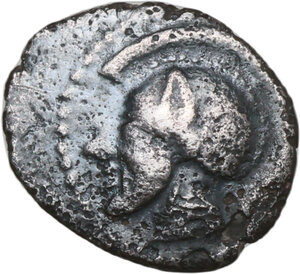
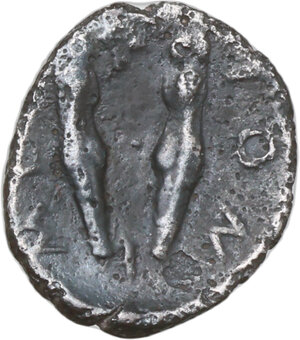
Himera. AR Litra, 479-409 BC. D/ Helmeted and bearded head of male left. R/ Pair of greaves. HGC 2 445; SNG Lloyd 1030. AR. 0.57 g. 11 mm. R. Rare. Some roughness, otherwise. VF.
Osserva:
Diritti dopo asta: 20.00%
Lotto n. 95
-
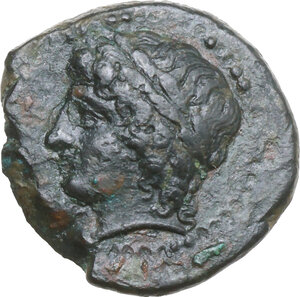
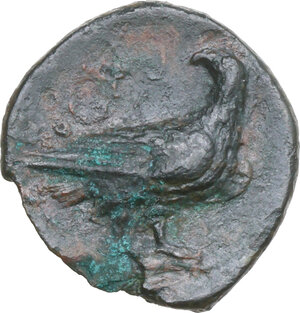
Akragas. Phintias, Tyrant (289-278 BC). AE 15.5 mm. D/ Laureate head of Apollo left. R/ Sea eagle standing right, looking back. HGC 2 168; CNS I 119; SNG ANS 1125-1126. AE. 2.19 g. 15.5 mm. R. Dark green patina. VF.
Osserva:
Diritti dopo asta: 20.00%
Lotto n. 87
-
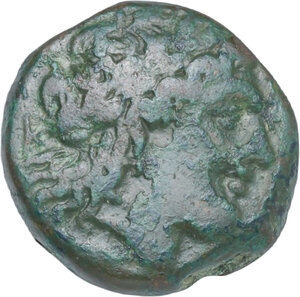
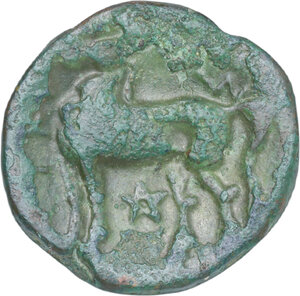
Bruttium, Nuceria. AE 20 mm, 225-200 BC. D/ Laureate head of Apollo right; behind, K. R/ [NOYKPINΩN]. Horse standing left; below, pentagram. HN Italy 2440; HGC 1 1606. AE. 8.29 g. 20 mm. R. Rare issue. Beautiful green patina. Accompanied with old collector’s tag. Good F/About VF.
Osserva:
Diritti dopo asta: 20.00%
Lotto n. 81
-
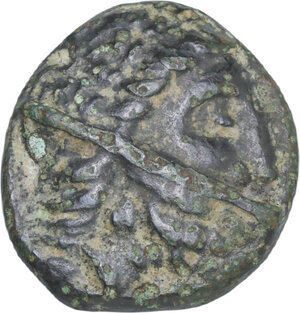
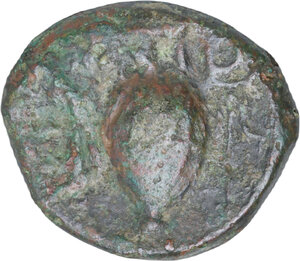
Bruttium, Hipponium. AE 19 mm, c. 350-280 BC. Imitative(?) issue. D/ Laureate head of Zeus right. R/ Amphora. Cf. HN Italy 2248-2249; HGC 1 1401. AE. 5.2 g. 19 mm. R. Accompanied with old collector’s tag. About VF.
Osserva:
Diritti dopo asta: 20.00%
Risultati da 601 a 650 di 651