Monete dell'Impero Romano
Risultati da 1201 a 1250 di 1251
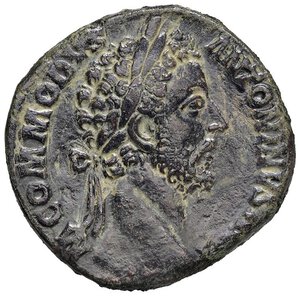
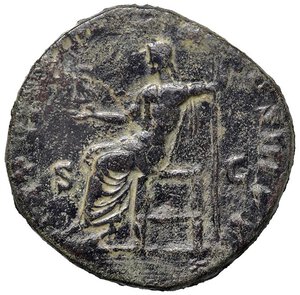
Lotto n. 3162
-
Commodo (180-192) Sesterzio - Testa laureata a d. - R/ Giove seduto a s. -cfr. RIC 349 AE (g 22,77) BB+
Osserva:
Base d'asta: € 270
Diritti d'asta: 21.63%
Chiusura alle: 2026-10-19T13:00:00 ora di Roma
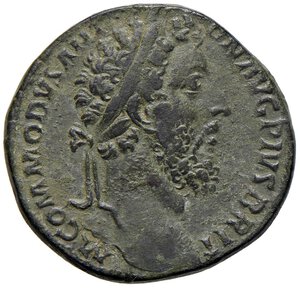
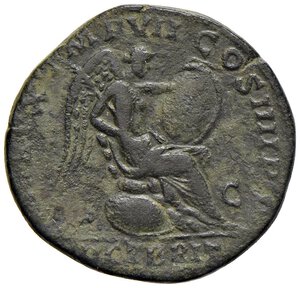
Lotto n. 3161
-
Commodo (180-192) Sesterzio - Testa laureata a d. - R/ La Vittoria seduta a d. - cfr. RIC 452 AE (g 19,92) RR BB+/BB
Osserva:
Base d'asta: € 350
Offerta attuale: € 370
Diritti d'asta: 21.63%
Chiusura alle: 2026-10-19T13:00:00 ora di Roma
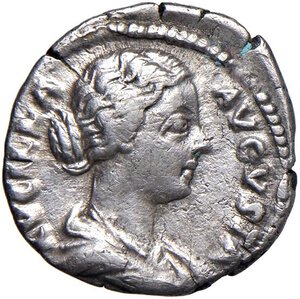
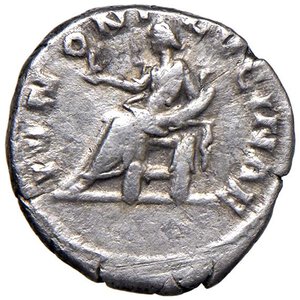
Lotto n. 3160
-
Lucilla (moglie di Lucio Vero) Denario - Busto drappeggiato a d. - R/ Giunone seduta a s., con un fiore nella mano destra e un bambino in fasce nella sinistra - RIC 275 AG (g 3,15) qBB
Osserva:
Base d'asta: € 20
Offerta attuale: € 20
Diritti d'asta: 21.63%
Chiusura alle: 2026-10-19T13:00:00 ora di Roma
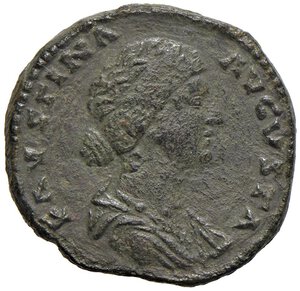
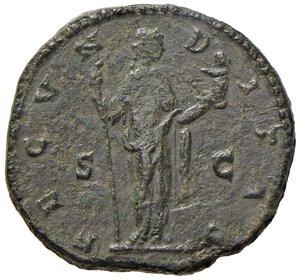
Lotto n. 3159
-
Faustina II (moglie di Marco Aurelio) Asse - Busto drappeggiato a d. - R/ La Fecondità stante a s. - RIC 1636 AE (g 13,07) Graffi da pulizia BB
Osserva:
Base d'asta: € 200
Diritti d'asta: 21.63%
Chiusura alle: 2026-10-19T13:00:00 ora di Roma
Lotto n. 3158
-
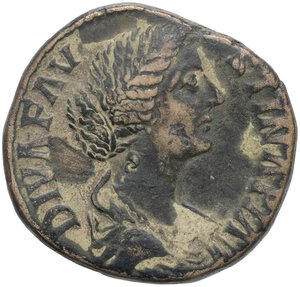
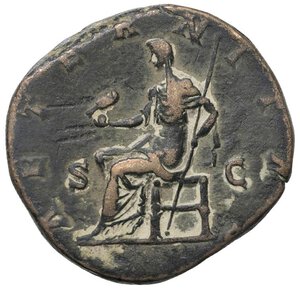
Faustina II (moglie di Marco Aurelio) Sesterzio - Busto drappeggiato a d. - R/ L'Eternità seduta a s. - RIC 1696 AE (g 24,20) Depositi BB
Osserva:
Base d'asta: € 100
Diritti d'asta: 21.63%
Chiusura alle: 2026-10-19T13:00:00 ora di Roma
Lotto n. 3157
-
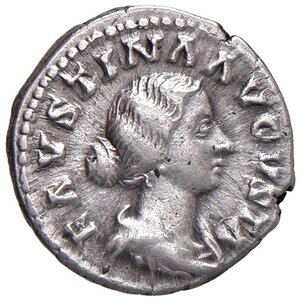
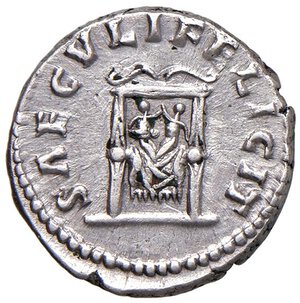
Faustina II (moglie di Marco Aurelio) Denario - Busto drappeggiato e diademato a d. - R/ Trono drappeggiato con due bambini, Commodo e Annio Vero - RIC 712 AG (g 3,37) Graffietti al D/ BB
Osserva:
Base d'asta: € 30
Offerta attuale: € 30
Diritti d'asta: 21.63%
Chiusura alle: 2026-10-19T13:00:00 ora di Roma
Lotto n. 3156
-
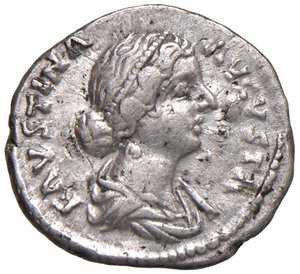
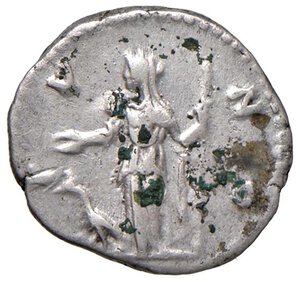
Faustina II (moglie di Marco Aurelio) Denario - Busto drappeggiato a d. - R/ Giunone stante a s., con patera e scetro, pavone ai piedi - RIC 688 AG (g 3,35) Depositi MB-qBB
Osserva:
Base d'asta: € 20
Offerta attuale: € 20
Diritti d'asta: 21.63%
Chiusura alle: 2026-10-19T13:00:00 ora di Roma
Lotto n. 3155
-
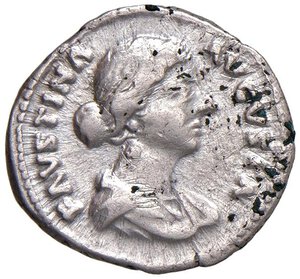
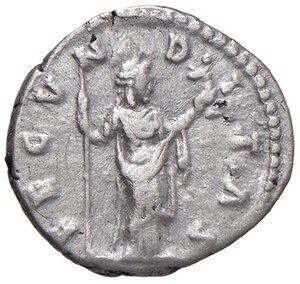
Faustina II (moglie di Marco Aurelio) Denario - Busto drappeggiato a d. - R/ Fecunditas stante a d., con uno scettro e un infante - RIC 677 AG (g 3,16) MB-qBB
Osserva:
Base d'asta: € 20
Diritti d'asta: 21.63%
Chiusura alle: 2026-10-19T13:00:00 ora di Roma
Lotto n. 3154
-
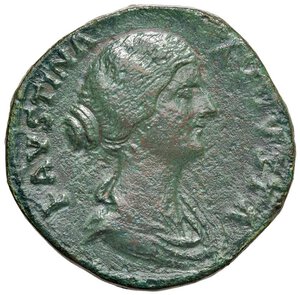
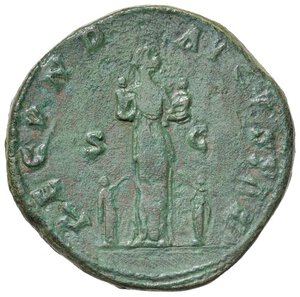
Faustina II (moglie di Marco Aurelio) Sesterzio - Busto a d. - R/ La Fecondità stante a s. - RIC 1635 AE (g 21,55) Patina verde artificiale BB+
Osserva:
Base d'asta: € 200
Diritti d'asta: 21.63%
Chiusura alle: 2026-10-19T13:00:00 ora di Roma
Lotto n. 3153
-
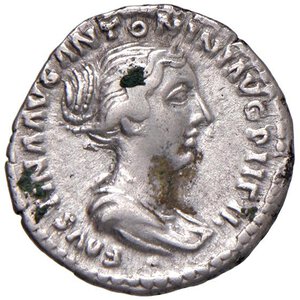
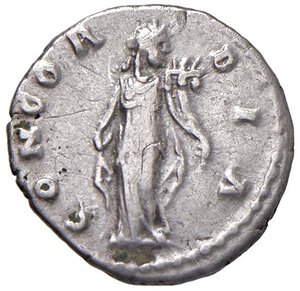
Faustina II (moglie di Marco Aurelio) Denario - Busto drappeggiato a d. - R/ Concordia stante a d., con cornucopia nella mano sinistra e drappeggio nella destra - RIC 500b AG (g 3,30) Macchie, ossidazioni e graffi BB
Osserva:
Base d'asta: € 20
Offerta attuale: € 20
Diritti d'asta: 21.63%
Chiusura alle: 2026-10-19T13:00:00 ora di Roma
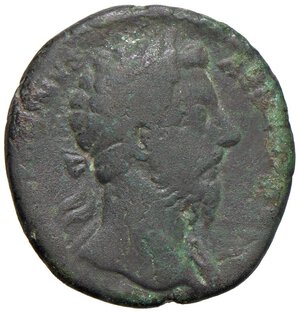
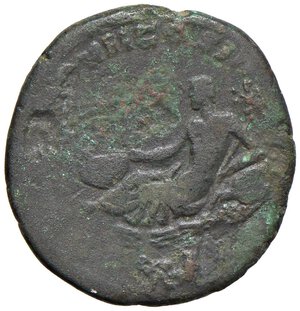
Lotto n. 3152
-
Marco Aurelio (161-180) Asse - Testa a d. - R/ Il Tevere sdraito a s. - RIC 1142 AE (g 9,46) RR MB
Osserva:
Base d'asta: € 30
Diritti d'asta: 21.63%
Chiusura alle: 2026-10-19T13:00:00 ora di Roma
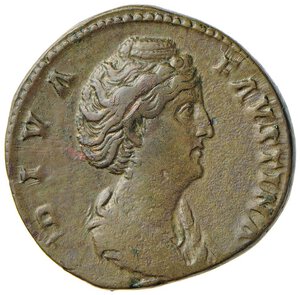
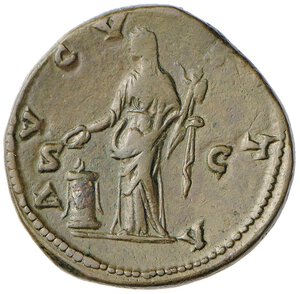
Lotto n. 3151
-
Faustina I (moglie di Antonino Pio) Sesterzio - Busto a d. - R/ Vesta sacrificante a s. con patera e palladio - RIC 1126 AE (g 22,49) qSPL
Osserva:
Base d'asta: € 300
Diritti d'asta: 21.63%
Chiusura alle: 2026-10-19T13:00:00 ora di Roma
Lotto n. 3150
-
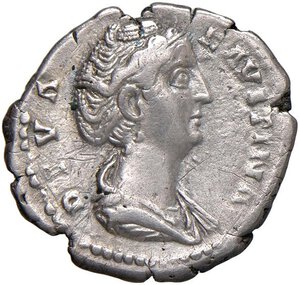
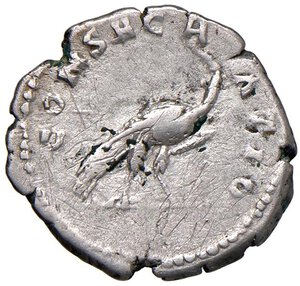
Faustina I (moglie di Antonino Pio) Denario - Busto drappeggiato a d. - R/ CONSECRATIO, pavone andante a d. - RIC 384 AG (g 3,31) Graffietti al R/ qBB
Osserva:
Base d'asta: € 20
Diritti d'asta: 21.63%
Chiusura alle: 2026-10-19T13:00:00 ora di Roma
Lotto n. 3149
-
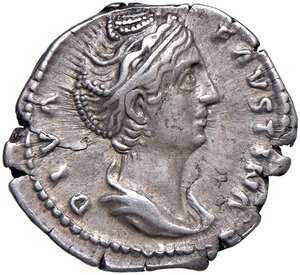
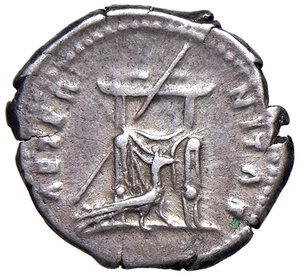
Faustina I (moglie di Antonino Pio) Denario - Busto drappeggiato a d. - R/ AETER-NITAS, trono drappeggiato di fronte, con scettro trasversale inclinato a destra davanti, pavone in piedi a destra in primo piano - RIC 353 AG (g 3,30) BB
Osserva:
Base d'asta: € 40
Offerta attuale: € 40
Diritti d'asta: 21.63%
Chiusura alle: 2026-10-19T13:00:00 ora di Roma
Lotto n. 3148
-
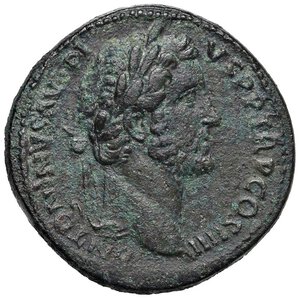
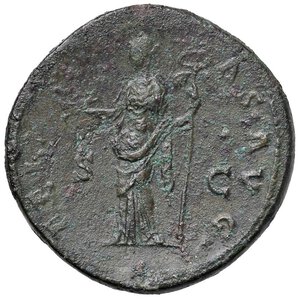
Antonino Pio (138-161) Sesterzio - Testa laureata a d. - R/ La Felicità stante a s. con un capricorno nella mano d. - RIC 770 AE (g 25,57) BB+
Osserva:
Base d'asta: € 300
Diritti d'asta: 21.63%
Chiusura alle: 2026-10-19T13:00:00 ora di Roma
Lotto n. 3147
-
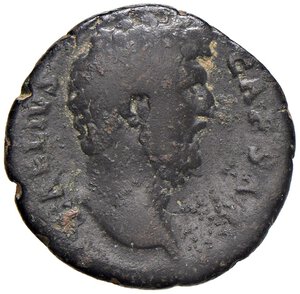
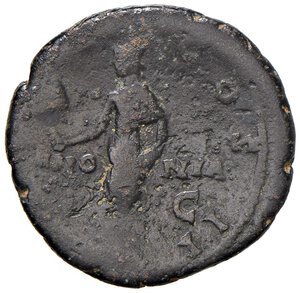
Aelio (136-138) Asse - Testa a d. - R/ La Pannonia stante a s. - RIC 1071 AE (g 8,30) MB
Osserva:
Base d'asta: € 40
Diritti d'asta: 21.63%
Chiusura alle: 2026-10-19T13:00:00 ora di Roma
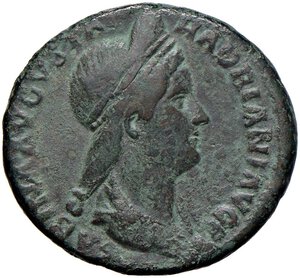
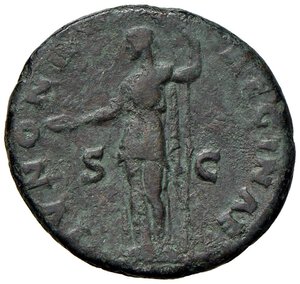
Lotto n. 3146
-
Sabina (moglie di Adriano) Asse - Busto a d. - R/ Giunone stante a s. - RIC 2557 AE (g 10,35) qBB
Osserva:
Base d'asta: € 50
Offerta attuale: € 50
Diritti d'asta: 21.63%
Chiusura alle: 2026-10-19T13:00:00 ora di Roma
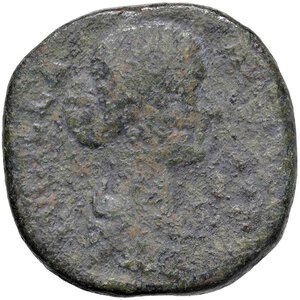
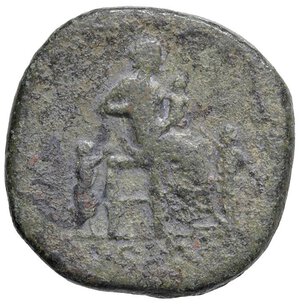
Osserva:
Base d'asta: € 30
Offerta attuale: € 30
Diritti d'asta: 21.63%
Chiusura alle: 2026-10-19T13:00:00 ora di Roma
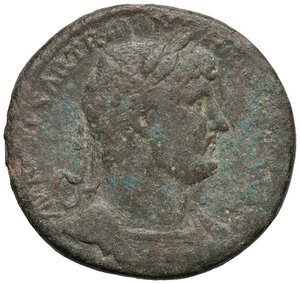
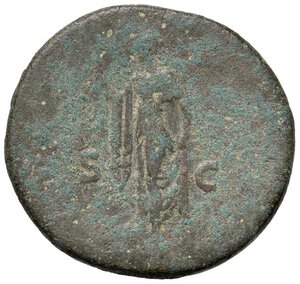
Lotto n. 3144
-
Adriano (117-138) Sesterzio - Busto laureato a d. - R/ La Speranza andante a s. - cfr. RIC 680 AE (g 26,66) MB
Osserva:
Base d'asta: € 30
Diritti d'asta: 21.63%
Chiusura alle: 2026-10-19T13:00:00 ora di Roma
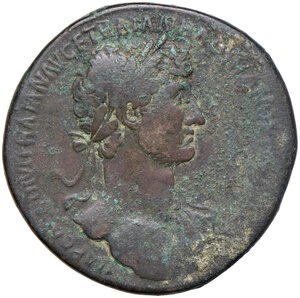
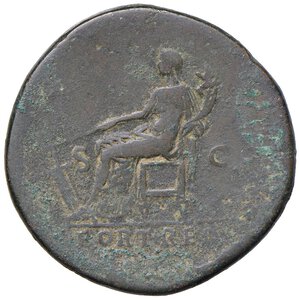
Lotto n. 3143
-
Adriano (117-138) Sesterzio - Busto laureato a d. - R/ La Fortuna seduta a s. - cfr. RIC 551 AE (g 22,29) MB
Osserva:
Base d'asta: € 50
Diritti d'asta: 21.63%
Chiusura alle: 2026-10-19T13:00:00 ora di Roma
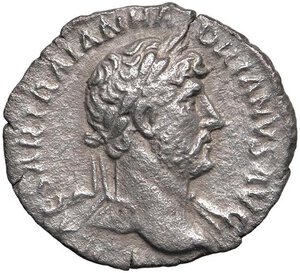
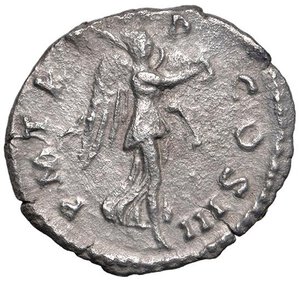
Lotto n. 3142
-
Adriano (117-138) Denario - Busto laureato a d. - R/ La Vittoria andante a d. - RIC 331 AG (g 1,07) Frattura del tondello, modesta porosità BB+
Osserva:
Base d'asta: € 400
Diritti d'asta: 21.63%
Chiusura alle: 2026-10-19T13:00:00 ora di Roma
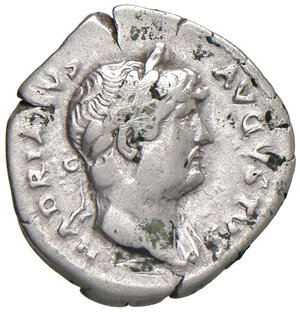
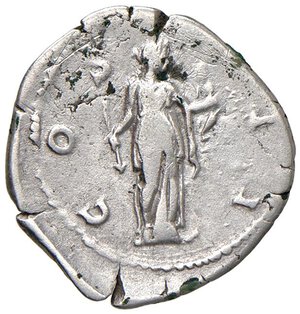
Lotto n. 3141
-
Adriano (117-138) Denario - Testa laureata a d. - R/ Diana stante a d., tiene freccia e arco - RIC 147 AG (g 3,06) MB
Osserva:
Base d'asta: € 20
Offerta attuale: € 20
Diritti d'asta: 21.63%
Chiusura alle: 2026-10-19T13:00:00 ora di Roma
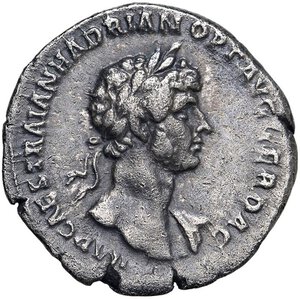
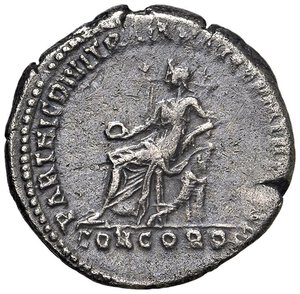
Lotto n. 3140
-
Adriano (117-138) Denario - Busto laureato a d. - R/ La Concordia seduta a s. - RIC 3 AG (g 3,17) Leggermente poroso MB
Osserva:
Base d'asta: € 80
Offerta attuale: € 80
Diritti d'asta: 21.63%
Chiusura alle: 2026-10-19T13:00:00 ora di Roma
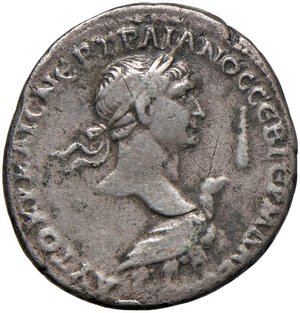
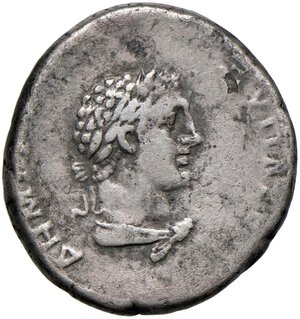
Lotto n. 3139
-
Traiano (98-117) Tetradramma (Tiro in Fenicia) Testa laureata a d., sotto, aquila - R/ Busto di Eracle a d. - Prieur 1514 e segg. AG (g 14,13) MB+
Osserva:
Base d'asta: € 50
Diritti d'asta: 21.63%
Chiusura alle: 2026-10-19T13:00:00 ora di Roma
Lotto n. 3138
-
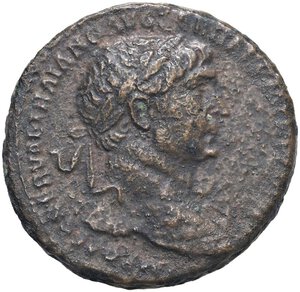
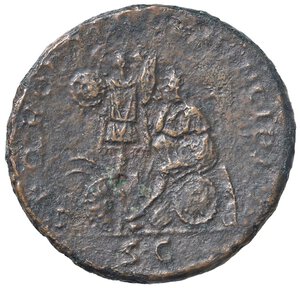
Traiano (98-117) Asse - Testa laureata a d. - R/ La Dacia seduta a s. davanti a trofeo - RIC 562 AE (g 10,23) MB
Osserva:
Base d'asta: € 50
Diritti d'asta: 21.63%
Chiusura alle: 2026-10-19T13:00:00 ora di Roma
Lotto n. 3137
-
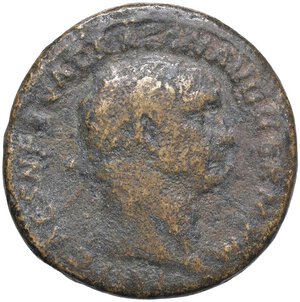
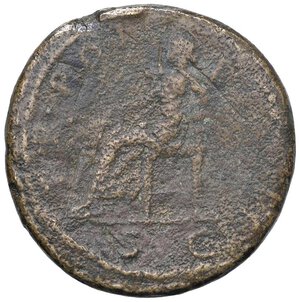
Traiano (98-117) Sesterzio - Testa laureata a d. - R/ La Pace (?) seduta a s. - AE (g 22,48) MB
Osserva:
Base d'asta: € 30
Diritti d'asta: 21.63%
Chiusura alle: 2026-10-19T13:00:00 ora di Roma
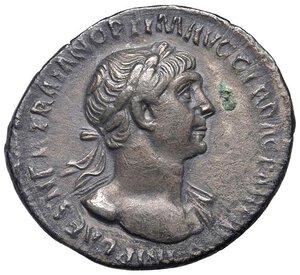
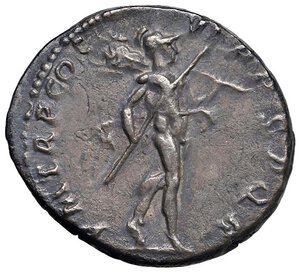
Lotto n. 3136
-
Traiano (98-117) Denario - Testa laureata a d. - R/ Marte andante a d. - cfr. RIC 337 AG (g 3,22) Graffietti al D/ BB
Osserva:
Base d'asta: € 40
Offerta attuale: € 40
Diritti d'asta: 21.63%
Chiusura alle: 2026-10-19T13:00:00 ora di Roma
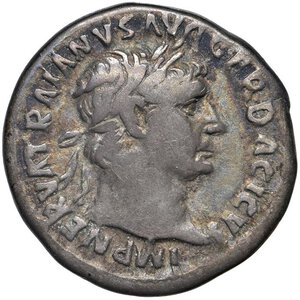
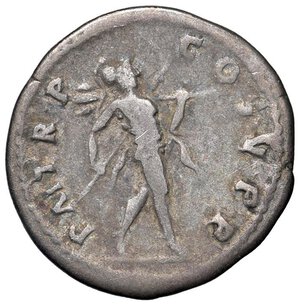
Lotto n. 3135
-
Traiano (98-117) Denario - Testa laureata a d. - R/ Marte andante a d. - RIC 80 AG (g 3,33) MB
Osserva:
Base d'asta: € 40
Diritti d'asta: 21.63%
Chiusura alle: 2026-10-19T13:00:00 ora di Roma
Lotto n. 3134
-
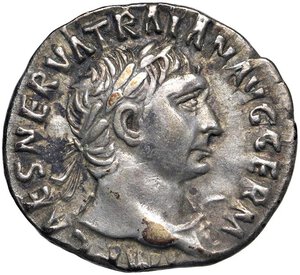
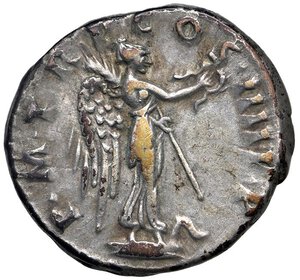
Traiano (98-117) Denario - Testa laureata a d. - R/ La Vittoria andante a d. - RIC 59 AG (g 3,43) BB
Osserva:
Base d'asta: € 50
Offerta attuale: € 50
Diritti d'asta: 21.63%
Chiusura alle: 2026-10-19T13:00:00 ora di Roma
Lotto n. 3133
-
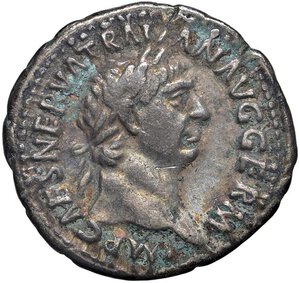
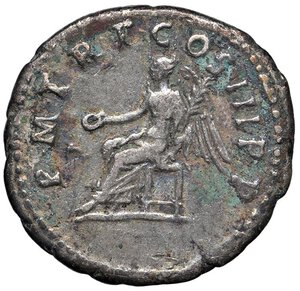
Traiano (98-117) Denario - Testa laureata a d. - R/ La Vittoria seduta a s. - RIC 41 AG (g 3,29) Depositi verdi BB
Osserva:
Base d'asta: € 40
Offerta attuale: € 40
Diritti d'asta: 21.63%
Chiusura alle: 2026-10-19T13:00:00 ora di Roma
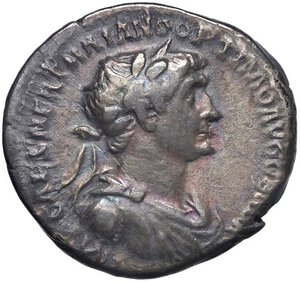
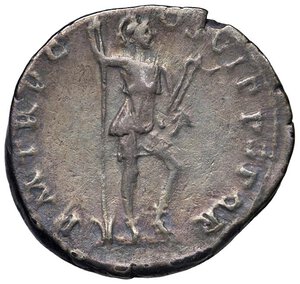
Lotto n. 3132
-
Traiano (98-117) Denario - Busto laureato a d. - R/ Marte stante a d. - RIC 353 AG (g 3,25) Patina di vecchia raccolta BB
Osserva:
Base d'asta: € 40
Offerta attuale: € 40
Diritti d'asta: 21.63%
Chiusura alle: 2026-10-19T13:00:00 ora di Roma
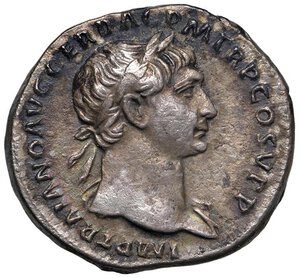
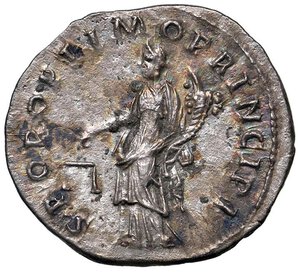
Lotto n. 3131
-
Traiano (98-117) Denario - Busto laureato a d. - R/ L'Equità stante a s. - RIC 169 AG (g 3,32) Patina di vecchia raccolta, leggermente poroso BB
Osserva:
Base d'asta: € 40
Offerta attuale: € 55
Diritti d'asta: 21.63%
Chiusura alle: 2026-10-19T13:00:00 ora di Roma
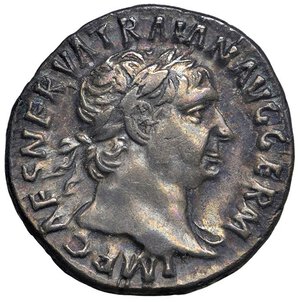
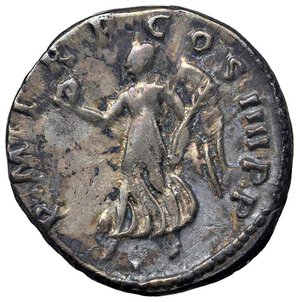
Lotto n. 3130
-
Traiano (98-117) Denario - Busto laureato a d. - R/ La Vittoria andante a s. - RIC 59 AG (g 3,26) Patina di vecchia raccolta BB
Osserva:
Base d'asta: € 40
Offerta attuale: € 40
Diritti d'asta: 21.63%
Chiusura alle: 2026-10-19T13:00:00 ora di Roma
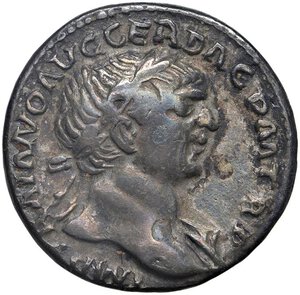
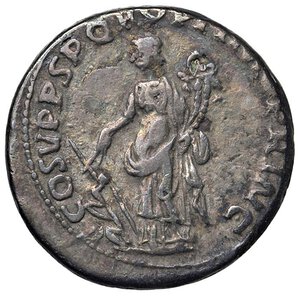
Lotto n. 3129
-
Traiano (98-117) Denario - Busto laureato a d. - R/ La Fortuna stante a s. - RIC 122 AG (g 2,79) Patina di vecchia raccolta BB
Osserva:
Base d'asta: € 40
Offerta attuale: € 40
Diritti d'asta: 21.63%
Chiusura alle: 2026-10-19T13:00:00 ora di Roma
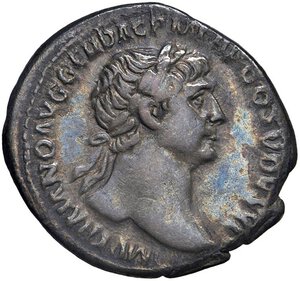
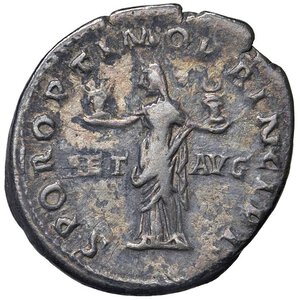
Lotto n. 3128
-
Traiano (98-117) Denario - Busto laureato a d. - R/ L'Eternità stante a s. - RIC 229 AG (g 3,28) Patina di vecchia raccolta BB+
Osserva:
Base d'asta: € 40
Offerta attuale: € 45
Diritti d'asta: 21.63%
Chiusura alle: 2026-10-19T13:00:00 ora di Roma
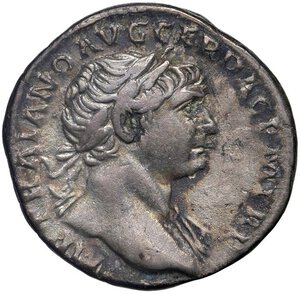
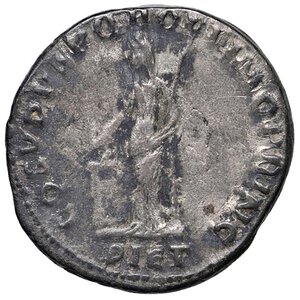
Lotto n. 3127
-
Traiano (98-117) Denario - Busto laureato a d. - R/ La Pietà stante a s. - RIC 104 AG (g 3,25) Patina di vecchia raccolta MB+
Osserva:
Base d'asta: € 30
Offerta attuale: € 30
Diritti d'asta: 21.63%
Chiusura alle: 2026-10-19T13:00:00 ora di Roma
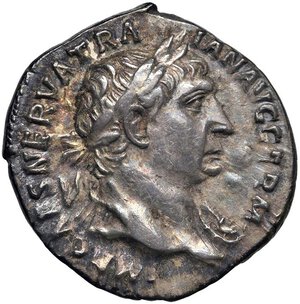
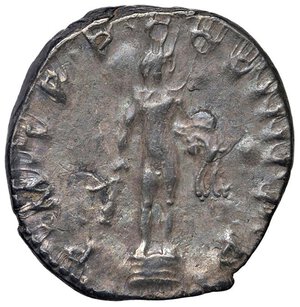
Lotto n. 3126
-
Traiano (98-117) Denario - Busto laureato a d. - R/ Ercole stante di fronte - RIC 49 AG (g 3,24) Patina di vecchia raccolta BB+
Osserva:
Base d'asta: € 50
Offerta attuale: € 50
Diritti d'asta: 21.63%
Chiusura alle: 2026-10-19T13:00:00 ora di Roma
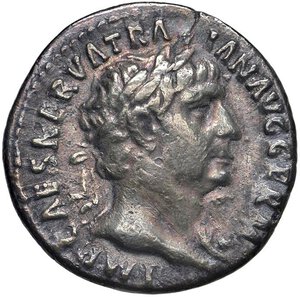
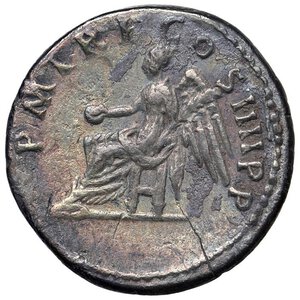
Lotto n. 3125
-
Traiano (98-117) Denario - Busto laureato a d. - R/ La Vittoria seduta a s. - RIC 57 AG (g 2,74) Patina di vecchia raccolta, frattura del tondello MB+
Osserva:
Base d'asta: € 30
Offerta attuale: € 35
Diritti d'asta: 21.63%
Chiusura alle: 2026-10-19T13:00:00 ora di Roma
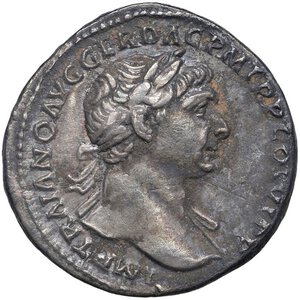
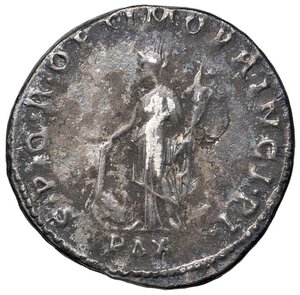
Lotto n. 3124
-
Traiano (98-117) Denario - Busto laureato a d. - R/ La Pace stante a s. - RIC 260 AG (g 3,33) Patina di vecchia raccolta MB+
Osserva:
Base d'asta: € 30
Offerta attuale: € 35
Diritti d'asta: 21.63%
Chiusura alle: 2026-10-19T13:00:00 ora di Roma
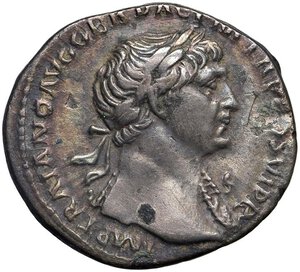
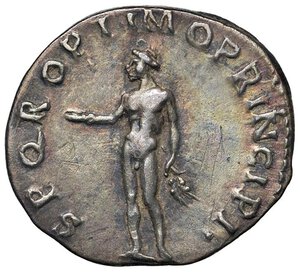
Lotto n. 3123
-
Traiano (98-117) Denario - Busto laureato a d. - R/ Genio stante a s. - RIC 275 AG (g 3,22) Patina di vecchia raccolta BB+
Osserva:
Base d'asta: € 40
Offerta attuale: € 45
Diritti d'asta: 21.63%
Chiusura alle: 2026-10-19T13:00:00 ora di Roma
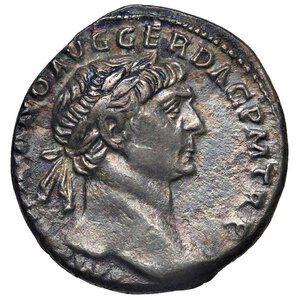
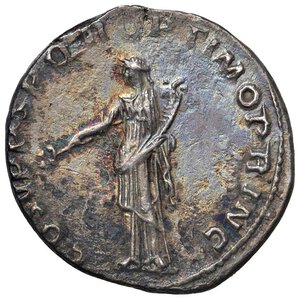
Lotto n. 3122
-
Traiano (98-117) Denario - Busto laureato a d. - R/ La Pace stante a s. - RIC 121 AG (g 3,20) Patina di vecchia raccolta BB+
Osserva:
Base d'asta: € 40
Offerta attuale: € 60
Diritti d'asta: 21.63%
Chiusura alle: 2026-10-19T13:00:00 ora di Roma
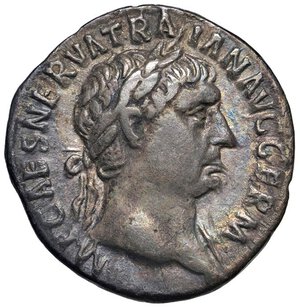
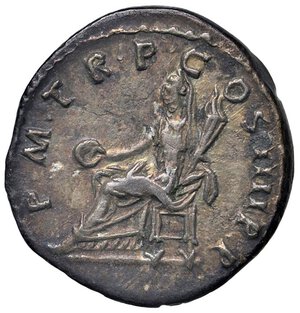
Lotto n. 3121
-
Traiano (98-117) Denario - Busto laureato a d. - R/ Vesta seduta a s. - RIC 9 AG (g 3,10) BB
Osserva:
Base d'asta: € 40
Offerta attuale: € 50
Diritti d'asta: 21.63%
Chiusura alle: 2026-10-19T13:00:00 ora di Roma
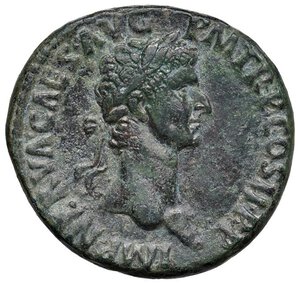
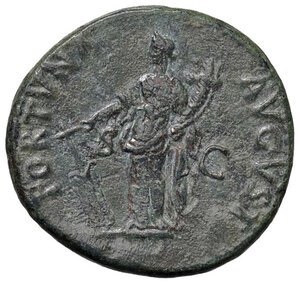
Lotto n. 3120
-
Nerva (96-98) Asse - Testa laureata a d. - R/ La Fortuna stante a s. - RIC 60 AE (g 11,24) BB+
Osserva:
Base d'asta: € 170
Diritti d'asta: 21.63%
Chiusura alle: 2026-10-19T13:00:00 ora di Roma
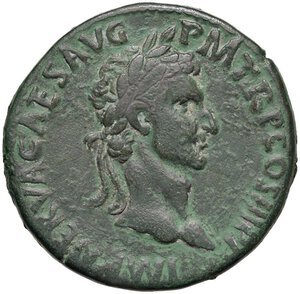
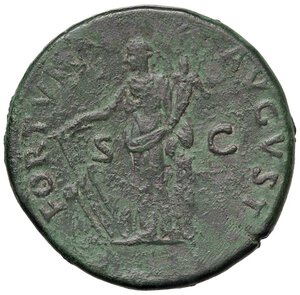
Lotto n. 3119
-
Nerva (96-98) Sesterzio - Testa laureata a d. - R/ La Fortuna stante a s. - RIC 83 AE (g 23,26) Modesti ritocchi nei campi BB
Osserva:
Base d'asta: € 500
Diritti d'asta: 21.63%
Chiusura alle: 2026-10-19T13:00:00 ora di Roma
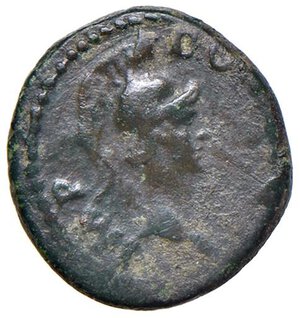
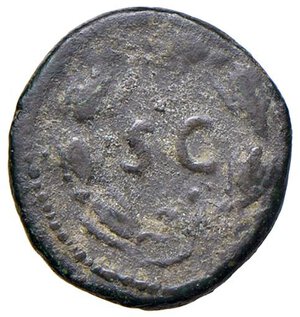
Lotto n. 3118
-
Domiziano (81-96) Quadrante - Testa di Minerva a d., con elmo attico crestato - R/ S C entro una corona di alloro - RIC 123 AE (g 2,75) qBB
Osserva:
Base d'asta: € 20
Diritti d'asta: 21.63%
Chiusura alle: 2026-10-19T13:00:00 ora di Roma
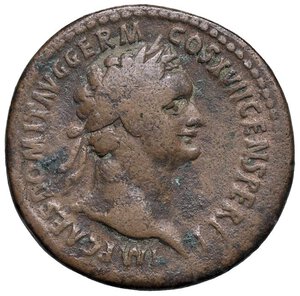
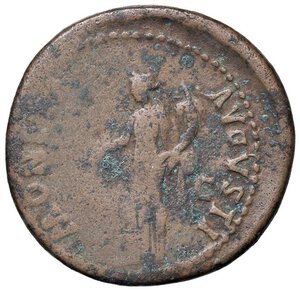
Lotto n. 3117
-
Domiziano (81-96) Asse - Testa laureata a d. - R/ La Moneta stante a s. - RIC 806 AE (g 10,37) MB
Osserva:
Base d'asta: € 20
Diritti d'asta: 21.63%
Chiusura alle: 2026-10-19T13:00:00 ora di Roma
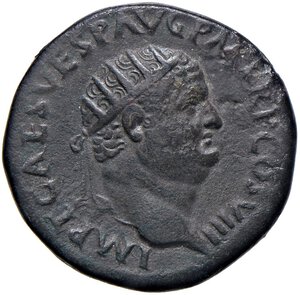
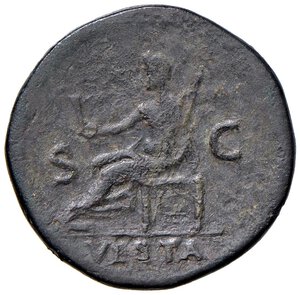
Lotto n. 3116
-
Tito (79-81) Dupondio - Testa radiata a d. - R/ Vesta seduta a s. - RIC 212 AE (g 11,78) qBB/MB
Osserva:
Base d'asta: € 70
Diritti d'asta: 21.63%
Chiusura alle: 2026-10-19T13:00:00 ora di Roma
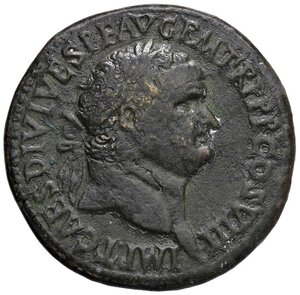
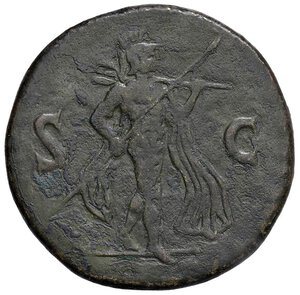
Lotto n. 3115
-
Tito (79-81) Sesterzio - Testa laureata a d. - R/ Marte andante a d. - RIC 182 AE (g 21,92) qBB
Osserva:
Base d'asta: € 200
Offerta attuale: € 260
Diritti d'asta: 21.63%
Chiusura alle: 2026-10-19T13:00:00 ora di Roma
Lotto n. 3114
-
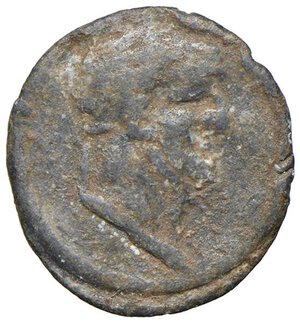
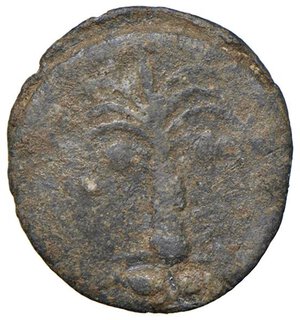
Vespasiano (69-79) Tessera - Testa laureata a d. - R/ La Giudea Capta - PB (g 3,07 - Ø 17 mm) MB
Osserva:
Base d'asta: € 140
Diritti d'asta: 21.63%
Chiusura alle: 2026-10-19T13:00:00 ora di Roma
Lotto n. 3113
-
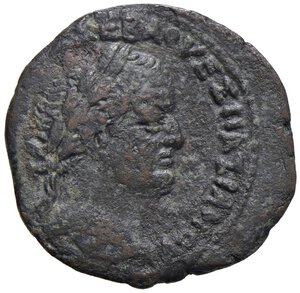
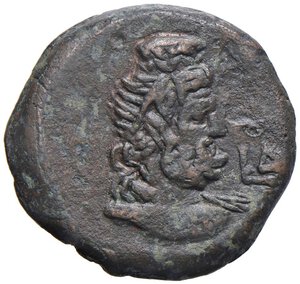
Vespasiano (69-79) Diobolo di Alessandria in Egitto L Δ - Testa laureata a d. - R/ Busto di Serapide a d. - RPC 2433 AE (g 9,31) BB
Osserva:
Base d'asta: € 100
Diritti d'asta: 21.63%
Chiusura alle: 2026-10-19T13:00:00 ora di Roma
Risultati da 1201 a 1250 di 1251