Info & contatti
Le mie offerte
Lotti osservati
Condizioni di vendita
Prezzi di spedizione
Metodi di pagamento
Esito stampabile
Sessione Live 8/2/2026 17:00:00 CET
Greek (1-75)
Roman Provincial (76-117)
Roman Republic (118-131)
Roman Empire (132-192)
Byzantine (193-198)
Medieval (199-211)
Egypt (212-212)
France (213-213)
India (214-214)
Italy (215-256)
Papal States (257-259)
Switzerland (260-260)
French Medals (261-266)
Italian Medals (267-271)
Masonic Decorations (272-440)
Study Forgeries (443-449)
Antiquities (451-476)

Risultati: 42
Lotto n. 76
-
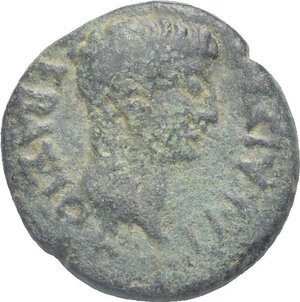
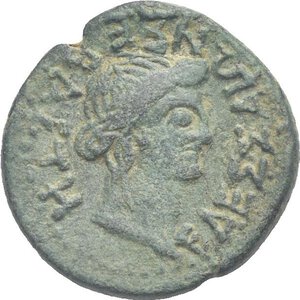
Macedonia. Edessa. Tiberius and Livia, 14-37. Bronze. Circa AD 14-37 (Bronze, 21.00 mm, 8.00 g) ΤΙ ΚΑΙΣ[ΑΡ] [Σ]ΕΒΑΣΤΟΣ, Head of Tiberius right. Rev. ΕΔΕΣΣΑΙΩΝ ΣΕΒΑΣΤΗ, Head of Livia right. RPC I, 1525. Varbanov 3582. SNG ANS 256-257. Light green patina. About Very Fine.
From a Swiss collection, formed before 2005.
Lotto n. 77
-
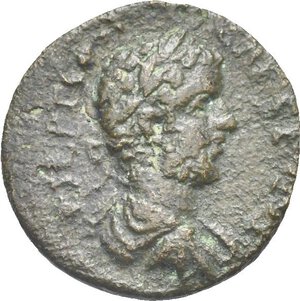
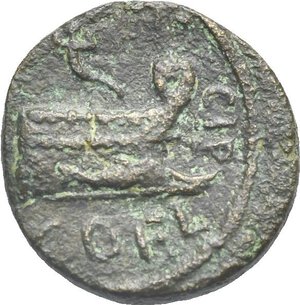
Thrace. Coela. Elagabalus, 218-222. Bronze (Bronze, 16.81 mm, 2.93 g). [ANTONINVS AVG or similar], Laureate, draped and cuirassed bust right. Rev. [AEL MVNI]CIP COEL, Prow of galley right; above, cornucopia. RPC VI, -, unassigned, ID 1119. Brownish patina. About Very Fine. Rare.
Lotto n. 78
-
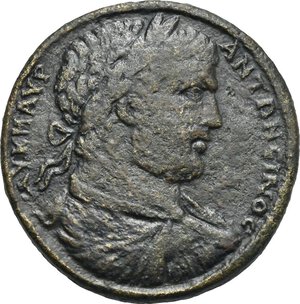
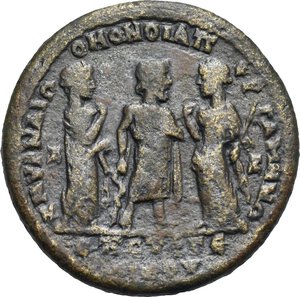
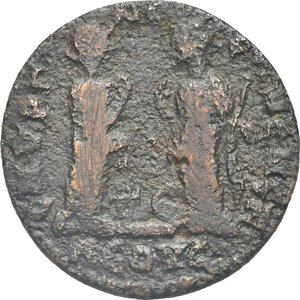
Ionia. Smyrna. Caracalla, 198-217. Medallion struck under Marcus Aurelius Geminus, strategos (Bronze, 34.06 mm, 20.46 g). ΑΥ Κ Μ ΑΥΡ - ΑΝΤΩΝΕΙΝΟϹ, Laureate, draped and cuirassed bust right. Rev. ΖΜΥΡΝΑΙΩ / Ν - ΟΜΟΝΟΙΑ Π - ΕΡΓΑΜΗΝΩ / Ν, ΕΠ ϹΤΡ ΓΕ / ΜΙΝΟΥ, Two Nemeses standing facing, each plucking chiton, one holding cubit rule, the other holding bridle; between them, Asclepius standing facing, holding serpent staff. RPC V.2, - , unassigned, ID 29429. SNG von Aulock 2247. Klose LXXXII. Franke & Nollé 2145-2157. About Very Fine. Very Rare: only 10 specimens known.
Lotto n. 79
-
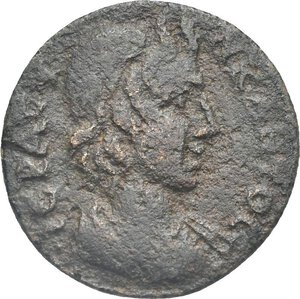
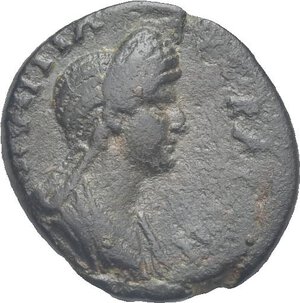
Ionia. Smyrna. Time of Gordian III. Bronze struck under Gaius Iulius Menekles, strategos. Circa AD 238-244 (Bronze, 22.76 mm, 4.61 g). ΙΕΡΑ ϹΥ - ΝΚΛΗΤΟϹ, Draped bust of youthful Senate right. Rev. ϹΜΥΡ Γ - ΝΕ - ΕΠ - ΜΕΝΕΚ / ΛΕΟΥϹ, Two Nemeses standing facing, the one on the left with bridle, the one on the right with cubit; at feet, wheel. RPC VII.1, 319. Brownish patina. Good Fine. Rare, only 15 specimens known.
Lotto n. 80
-
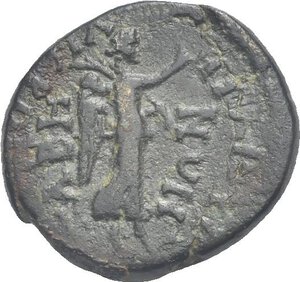
Caria. Tabae. Domitia. Assarion struck under her husband Domitian and under Orthrios, high priest. Circa AD 82-96 (Bronze, 18.00 mm, 4.00 g). [ΔΟ]ΜΙΤΙΑ [CЄ]BA[CTH], Draped bust right. Rev. [ΔΙΑ ΟΡΘΡΙ Ο Υ] [ΙЄΡΩΝΟC] / TABH - NΩΝ, Nike advancing right, holding wreath and palm branch on the shoulder. RPC II, 1255. SNG von Aulock 2716. SNG Copenhagen 557. BMC 71. Dark patina. Very Fine. Rare.
From a Swiss collection, formed before 2005.
Lotto n. 81
-
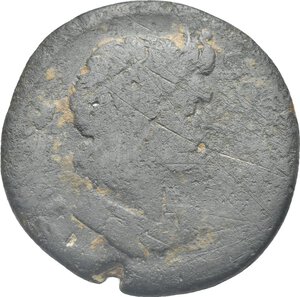
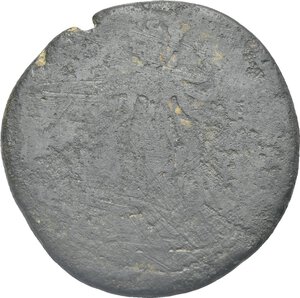
Phrygia. Aezani. Time of Elagabalus or Severus Alexander (?). Pseudo-Autonomous Medallion struck under Claudius Apollinarios, archon (Bronze, 35.06 mm, 20.88 g). [ΙΕΡΑΝ - ϹΥΝΚΛΗΤΟΝ], Draped bust of youthful Senate right. Rev. [ΕΠΙ ΚΛ ΑΠΟΛΛΕΙ - ΝΑΡΙΟΥ ΑΡΧΟΝΤΟϹ / ΑΙΖΑΝ / ΕΙΤΩΝ], Hecate triformis standing facing. RPC V.2, -, unassigned, ID 42831. Dark patina. About Fine. Extremely Rare: the third specimen known.
Lotto n. 82
-
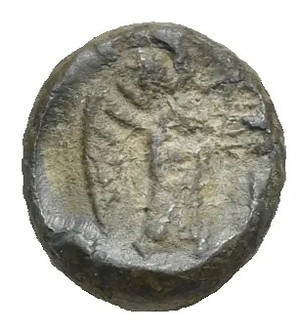
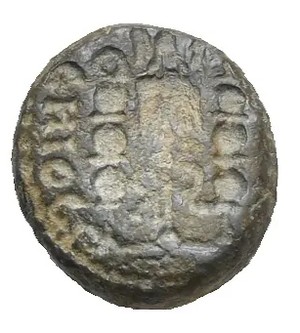
Pisidia. Antiochia. Time of Valerian and Gallienus. Seal or Bulla. Circa 3rd century AD (Lead, 18.51 mm, 12.33 g). Nike standing right. Rev. [ANTIOCHI COLON or similar, reverted], Two standards flanking vexillum with eagle atop; to either side of vexillum, S - R (reverted); all in incuse. Cf. for the reverse type - possibly the mold of a coin - RPC X, unassigned, ID 63323. Very Fine. Very Rare.
Lotto n. 83
-
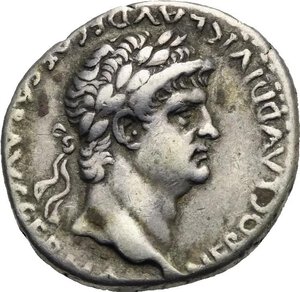
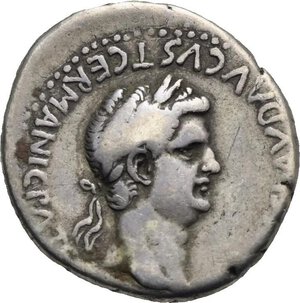
Cappadocia. Caesarea. Nero and Divus Claudius, 54-68. Didrachm. Circa AD 63-64 (Silver, 21.50 mm, 7.17 g). NERO CLAVD DIVI CLAVD F CAESAR AVG GERMA(...?), Laureate head of Nero right. Rev. DIVOS CLAVD AVGVST GERMANIC PATER AVG, Laureate head of Divus Claudius right. RPC I, 3647, 3652 (different styles, and perhaps different mints). Cf. Ganschow I, pp. 66-67. Cf. Sydenham, Caesarea, 68. Cf. RIC I, 620 (if GERMANI on obverse). Lightly toned. A nice portrait of Nero. A full Very Fine.
Lotto n. 84
-
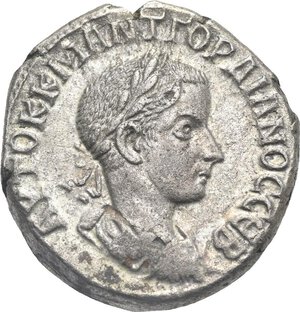
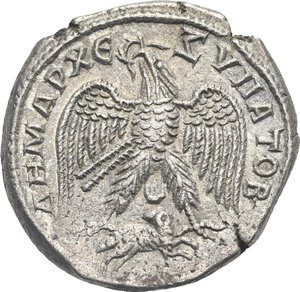
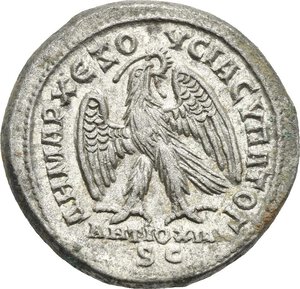
Seleucis and Pieria. Antioch ad Orontem. Gordian III, 238-244. Tetradrachm. Circa AD 241-244 (Billon, 25.28 mm, 12.75 g). ΑΥΤΟΚ Κ Μ ΑΝΤ ΓΟΡΔΙΑΝΟϹ ϹЄΒ, Laureate, draped and cuirassed bust right. Rev. ΔΗΜΑΡΧ Є - Ξ ΥΠΑ ΤΟ Β, Eagle standing facing with open wings, head turned to left, holding wreath in beak; below, ram running right and crescent above. RPC VII.2, 3520. Prieur 302. Lightly toned. Good Very Fine.
Lotto n. 85
-
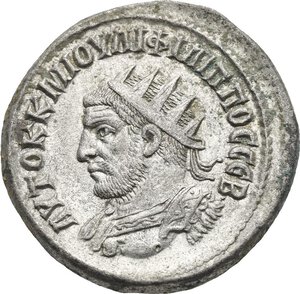
Seleucis and Pieria. Antioch ad Orontem. Philip I, 244-249. Tetradrachm. Circa AD 244-249 (Billon, 27.78 mm, 13.81 g). ΑΥΤΟΚ Κ Μ ΙΟΥΛΙ ΦΙΛΙΠΠΟϹ ϹΕΒ, Radiate and cuirassed bust left. Rev. ΔΗΜΑΡΧ ΕΞΟ - ΥϹΙΑϹ ΥΠΑ ΤΟ Γ, Eagle standing facing with open wings, head turned to right, holding wreath in beak; below, ΑΝΤΙΟΧΙΑ / S C. RPC VIII online, unassigned ID 29149. Prieur 352A. Very attractive toning. Nearly Extremely Fine.
Lotto n. 86
-
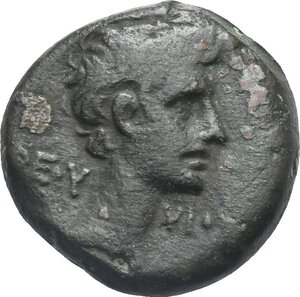
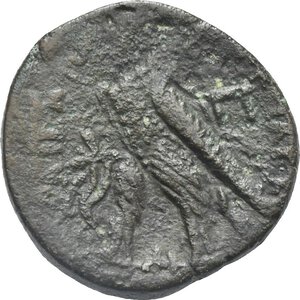
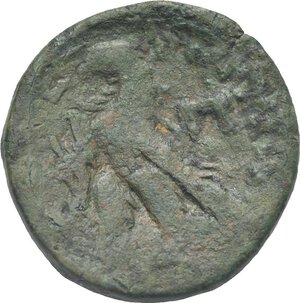
Egypt. Alexandria. Augustus, 27 BC-14. 80 Drachmai - Diobol (Bronze, 26.60 mm, 17.36 g). 1st series, struck circa 30-28 BC. ΘΕΟΥ ΥΙΟ[Υ], Bare head right. Rev. ΚΑΙΣΑΡΟΣ [ΑΥΤΟ]ΚΡΑΤΟΡΟΣ, Eagle standing left on thunderbolt; cornucopia to left, Π (= 80) to right. Vogt I, p. 12 and following. Vogt II, p. 1. BMC 2. Dattari 2. Geissen 1. RPC I, 5001. Emmett 1. MILNE, Joseph Grafton, The Alexandrian Coinage of Augustus, in "The Journal of Egyptian Archaeology", Vol. XIII, Parts III and IV, pp. 135-140 + Plate XXXI, London, 1927. Very Fine.
From the Giovanni Maria Staffieri Collection; ex CNG Mail Bid Sale XXV, 24.03.1993, lot 910.
Commentary by GMS: Rare coin dating from the first period of Augustus' Alexandrian coinage following the conquest of Egypt, modelled on Cleopatra's VII last mintage (51-30 BC). Augustus in Egypt was considered a ruler of pharaonic dignity, i.e. of divine origin, as is also indicated on the overse legend 'son of the divine (Julius Caesar)', compatible however with the 'Divi Filius' expressed in the Empire Latin area at the decline of Republican Rome.
Lotto n. 87
-
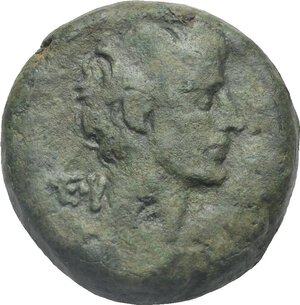
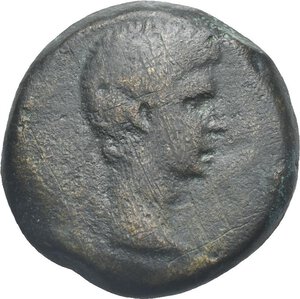
Egypt. Alexandria. Augustus, 27 BC-14. 80 Drachmai - Diobol (Bronze, 25.80 mm, 18.13 g). 1st series, struck circa 30-28 BC. [Θ]ΕΟΥ [ΥΙΟΥ], Bare head right. Rev. [ΚΑΙΣΑΡΟΣ ΑΥΤΟΚΡΑ]ΤΟΡΟΣ, Eagle standing left on thunderbolt; cornucopia to left, Π (= 80) to right. Vogt I, p. 12 and following. Vogt II, p. 1. BMC 2. Dattari 2. Geissen 1. RPC I 5001. Emmett 1. MILNE, Joseph Grafton, The Alexandrian Coinage of Augustus, in "The Journal of Egyptian Archaeology", Vol. XIII, Parts III and IV, pp. 135-140 + Plate XXXI, London, 1927. Very Fine.
From the Giovanni Maria Staffieri Collection; ex Busso Peus Nachf. 369, Frankfurt am Main, 31.10.2001, lot 1042.
Commentary by GMS: It presents a splendid olive green patina and is still part of the provisional Ptolemaic coinage pending the issue of the definitive Alexandrian one.
Lotto n. 88
-
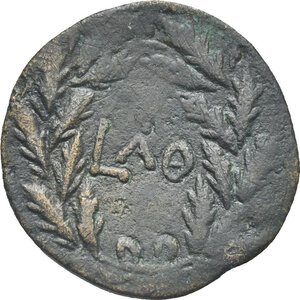
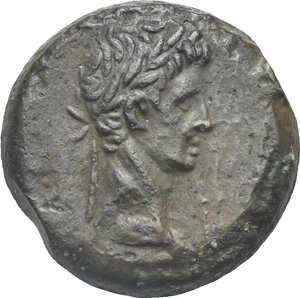
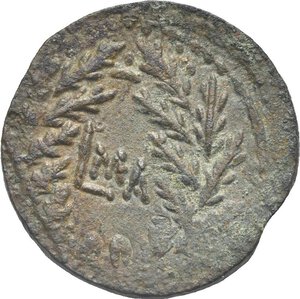
Egypt. Alexandria. Augustus, 27 BC-14. Diobol (Bronze, 24.50 mm, 9.80 g). 6th series, dated RY 39 (= 9/10). Laureate head right. Rev. L ΛΘ (date) within oak wreath. Vogt I, pp. 19-20. Vogt II, p. 2. BMC 13. Dattari 37. SNG Cop. 30. Geissen 20. RPC I, 5040. Emmett 37. MILNE, Joseph Grafton, The Alexandrian Coinage of Augustus, in "The Journal of Egyptian Archaeology", Vol. XIII, Parts III and IV, pp. 135-140 + Plate XXXI, London, 1927. Very Fine.
From the Giovanni Maria Staffieri Collection; ex Naville Numismatics 49, 12.05.2019, lot 178.
Commentary by GMS: This very rare coin is part of the last official series minted by Augustus in Alexandria in the years of his reign from 38 to 42 (08/09 - 12/13 AD), described by RPC I as the "sixth series", bearing the dates of issue corresponding to the years of the sovereign's reign, a feature that will be constant throughout the period of autonomous Alexandrian imperial coinage (30 BC - 298 AD). The portrait is of excellent courtly style and rather youthful despite the fact that Augustus was then 73 years old.
Lotto n. 89
-
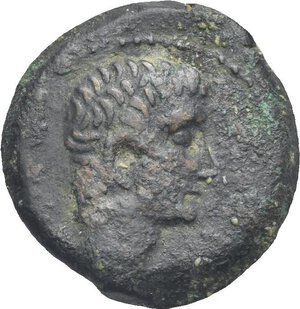
Egypt. Alexandria. Augustus, 27 BC-14. Diobol (Bronze, 24.50 mm, 10.91 g). 6th series, dated RY 41 (= 11/12). Laureate head right. Rev. L MA (date) within oak wreath. Vogt I, pp. 19-20. Vogt II, p. 2. BMC 16. Dattari 42. Milne 30-31. Geissen 27-29. RPC I, 5061. Emmett 37. MILNE, Joseph Grafton, The alexandrian Coinage of Augustus, in "The Journal of Egyptian Archaeology", VAlA XIII, Parts III and IV, pp. 135-140 + Plate XXXI, London, 1927. Exceptional conservation for this type of coin.
From the Giovanni Maria Staffieri Collection; ex Virginia Ruzicka collection; ex Joel L. Malter & Co Inc., XXVIII, 08.12.1984, lot 394; ex Kerry K. Wetterström collection; ex CNA XIII, 04.12.1990, lot 2.
Commentary by GMS: This coin dates from the penultimate year of Augustus' Alexandrian issues, which ceased during his 42nd year of his reign (12/13 AD). The portrait shows a relative senility, corresponding to the advanced age of the sovereign.
Lotto n. 90
-
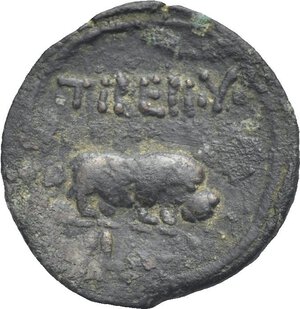
Egypt. Alexandria. Tiberius, 14-37. Obol (Bronze, 20.56 mm, 4.61 g). Dated RY 5 (= 18-19). Bare head of Tiberius right. Rev. ΤΙΒΕΡΙΟΥ above. Hippopotamus right, LE (date) below, under the ground line. Vogt I, pp. 20-21. Vogt II, p. 3. BMC 57-58. Dattari 101. RPC I, 5082. Emmett 62. Cf. Storoni Mazzolani Lidia, Tiberio o la spirale del potere, Milano, 1981. Very Fine.
From the Giovanni Maria Staffieri Collection; ex Fritz Künker GmbH & Co. 280, 26.09.2016, lot 497.
Commentary by GMS: In general, the Alexandrian monetary production of Tiberius is very scarce despite the long period of his reign and involves a series of repetitive tetradrachms in mistura issued between years 7 (20/21 AD) and 23 (36/37 AD), while bronze coinage is limited to a few obols and dichalkoi minted between years 3 (16/17 AD) and 6 (19/20 AD). In practice, once bronze was exhausted, it switched exclusively to misture coinage.
Lotto n. 91
-
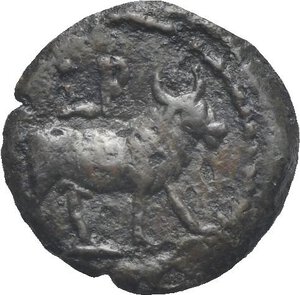
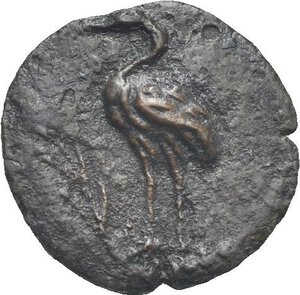
Egypt. Alexandria. Anonymous. Dichalkon (Bronze, 14.20 mm, 1.46 g) Dated RY 2 of an uncertain reign (Caligula ?). Ibis standing left, palm branch below to left. Rev. Apis bull advancing right, LB (date) above. Vogt I, pp. 22-23. Vogt II, p.4. BMC 2632-2637. Dattari 112. Geissen 3444. RPC I 5112. Emmett 4257. RPC I, pp. 698-700, plate 184. Very Fine.
From the Giovanni Maria Staffieri Collection; ex Karel de Gens Munten Handel 10, 16/17.10.2000, lot 2252.
Commentary by GMS: The doctrine regarding Alexandrian anepigraphic bronze issues with images of the ibis/airon on obverse and the sacred bull Apis on reverse, all dating back to unspecified year 2, is still under discussion. In the absence of a convincing identification I agree with the authors who attribute them to the brief reign of Caligula, who, in any case, does not seem to have shown any particular interest in his own coinage in the Roman province of Egypt.
Lotto n. 92
-
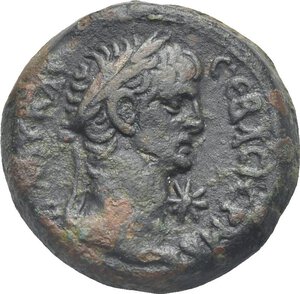
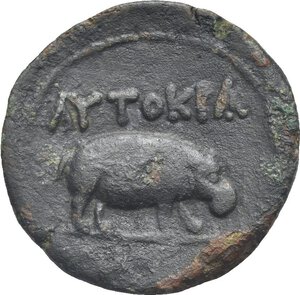
Egypt. Alexandria. Claudius, 41-54. Diobol (Bronze, 25.55 mm, 11.55 g). Dated RY 2 (= 41/42). ΤΙ ΚΛΑΥ ΚΑΙ ϹΕΒΑϹ ΓΕΡΜΑ, Laureate head of Claudius right; star before. Rev. AYTOKPA hippopotamus standing right; [L B] (date) in exergue. Vogt I, pp. 23-25. Vogt II, p. 5. BMC 96. Dattari 162. Geissen 70. RPC I, 5124. Emmett 82. Staffieri, Giovanni Maria, AIN, Muzzano 2017, p. 27. Very Fine.
From the Giovanni Maria Staffieri Collection; ex Jean-Pierre Righetti collection, 1976.
Commentary by GMS: This specimen is well centred on both sides and in excellent condition. The portrait of Claudius I is generic but not devoid of physiognomy and the hippopotamus, with its almost rounded profile, is the main symbol of the great river Nile.
Lotto n. 93
-
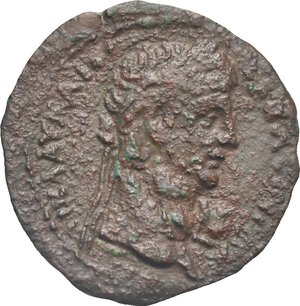
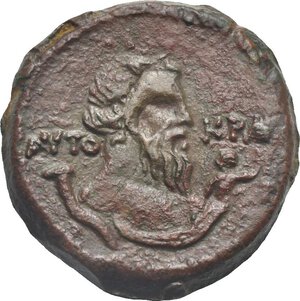
Egypt. Alexandria. Claudius, 41-54. Diobol (Bronze, 25.9 mm, 8.08 g). Dated RY 10 (= 49/50). ΤΙ ΚΛΑΥ ΚΑΙ ϹΕΒΑϹ ΓΕΡΜΑ, Laureate head of Claudius right; L I (date) before. Rev. Head of Nilus right; below, cornucopia to left, Daimon to right; AYTO KPA across field. Vogt I, pp. 23 and 26. Vogt II, p. 6. BMC 81. Dattari 138. Geissen 98-99. RPC I, 5174. Emmett 84. Staffieri, Giovanni Maria, AIN, Muzzano 2017, p. 27. Very Fine/Extremely Fine.
From the Giovanni Maria Staffieri Collection; ex Numismatica Aretusa SA, Lugano, 1980.
Commentary by GMS: Coin with exceptional red-brown 'desert' patina; obverse with slight corrosion and reverse in the best possible condition. The Nile personification with its symbols celebrates the fertility of the river and the abundance of crops, perhaps particularly relevant in the year of issue of the dioboeum.
Lotto n. 94
-
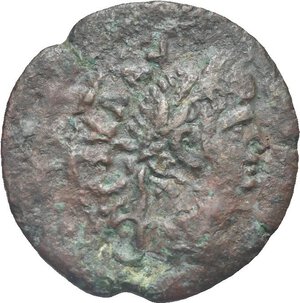
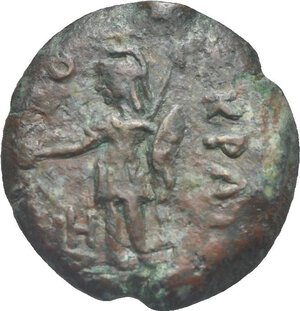
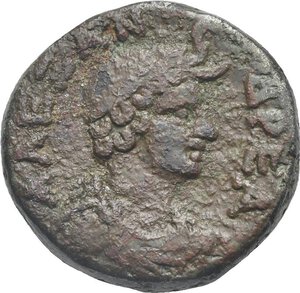
Egypt. Alexandria. Nero, 54-68. Obol (Bronze, 20.30 mm, 4.02 g). Dated RY 8 (= 61/2). ΝЄΡ ΚΛΑΥ Κ[ΑΙϹ ϹЄΒ ΓЄΡ], Laureate head of Nero to right. Rev. [Α]ΥΤΟΚΡΑΤ, Roma standing front, head to left, holding patera in her right hand and spear and shield in her left; L H in left field. Vogt I, pp. 26-30. Vogt II, p. 9. BMC 186-187. Dattari 278-279 (+ plate XXI). Geissen - . RPC I, 5263. Emmett 154. K&G 14.67. Very Fine.
From the Giovanni Maria Staffieri Collection; ex Greenpoint collection; ex Frank L. Kovacs. Ex CNG, 91, 19 September 2012, lot 707.
Commentary by GMS: A very rare coin like all Alexandrian bronzes of Nero. I note that in year 8 of Nerobe's reign (AD 61/62) only divisional bronze coins were minted in Alexandria: obols, dichalkoi and chalkoi (see RPC I 5263-5266); from the images of the reverses (Rome, bust of Alexandria, trophy with or without prisoner) it seems that they refer to a military victory in Britain or Armenia.
Lotto n. 95
-
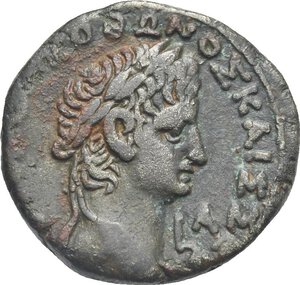
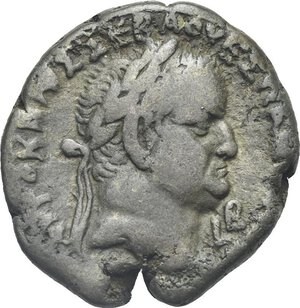
Egypt. Alexandria. Otho, 69. Tetradrachm (Billon, 24.10 mm, 12.41 g) Dated year 1 (= 15 January / 25 April 69) ΑΥΤΟΚ ΜΑΡΚ ΟΘΩΝΟΣ ΚΑΙΣ ΣΕΒ Laureate head of Otho right, LA (date) below chin. Rev. ΑΛΕΞΑΝ ΔΡΕΑ Draped bust of personified Alexandria right, wearing elephant headdress, simpulum to right below chin (not visible). RPC I, 5358. Dattari (Savio) 324. Emmett 182.1. Geissen 245. Cfr. SAVIO, "Tetradrammi alessandrini", pp.60-61. Toned. Nice portrait. Rough reverse. Very Fine.
From the Giovanni Maria Staffieri Collection; ex CNG 440, 20.03.2019, lot 372.
Commentary by GMS: This is the rarest tetradrachm among the already very scarce ones minted by Othon in little more than three month’s reign. The portrait recalls that of Nero, who married Othon’s ex-wife Poppaea Sabina on his second marriage.
Lotto n. 96
-
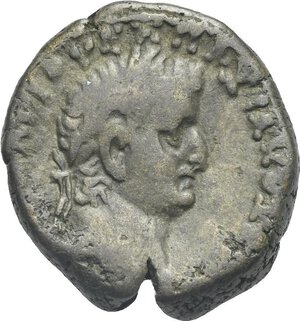
Egypt. Alexandria. Vespasian, with Titus as Caesar, 69-79. Tetradrachm (Billon, 23.40 mm, 12.49 g). Dated RY 2 (= 69/70). ΑΥΤΟΚ ΚΑΙΣ ΣΕΒΑ ΟΥΕΣΠΑΣ[ΙΑΝΟΥ] Laureate head of Vespasian right; L B (date) below chin. Rev. [Τ Φ]ΛΑΥΙ ΟΥΕΣΠΑΣΙΑΝΟΣ ΚΑΙΣ Laureate head of Titus right. Dattari (Savio) 345. RPC II, 2416. Geissen 279. BMC 223. Emmett 207. Cfr. Savio, "Tetradrammi alessandrini", pp. 64-66. Toned, edge nick. Very Fine.
From the Giovanni Maria Staffieri Collection; ex CNG XXII, 02. September 1992, lot 706.
Commentary by GMS: We see in this tetradrachm of Vespasian's reign second year, the desire to affirm the presence of the new dynasty of the Flavi, through the presentation and proclamation of the Caesar on reverse, his predestined heir, namely his son Titus, while they both are active in the punitive expedition against the Jewish rebellion ended with the IVDEA CAPTA.
Lotto n. 97
-
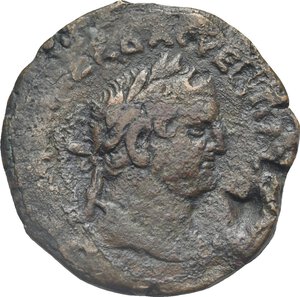
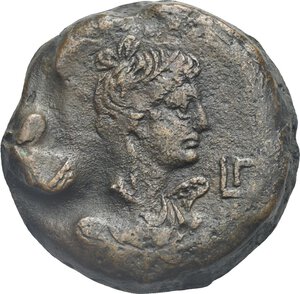
Egypt. Alexandria. Vespasian, 69-79. Drachm (Bronze, 36.5 mm, 32.58 g). Dated RY 3 (= 70/1). [ΑΥΤΟΚ ΚΑΙΣ] ΣΕΒΑ ΟΥΕΣΠΑΣ[ΙΑΝΟΥ] Laureate head of Vespasian to right. Rev. Draped bust of Nike to right; L Γ (date) in lower right field. Dattari-Savio 389. RPC II, 2427. Emmett 208. Geissen 288. BMC 249-250. SNG France 4770. Some flan faults and roughness, otherwise, nearly Very Fine.
From the Giovanni Maria Staffieri Collection; ex Empire Coins 8, 7 December 1987, lot 366.
Commentary by GMS: This drachm representing the maximum bronze monetary module minted by Vespasian in Alexandria, is usually struck on a rather irregular roundel and has imperfections. However, this specimen is better than the average known ones and the portrait of the sovereign is well characterised, i.e. realistic and justifies the assumption that engravers transferred from Antioch with the late Hellenistic army were present in this mint.
Lotto n. 98
-
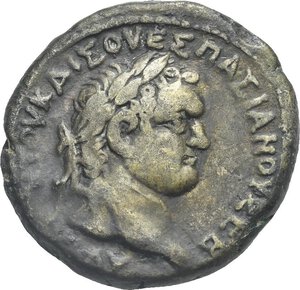
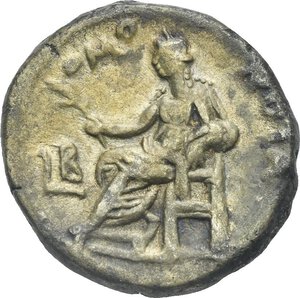
Egypt. Alexandria. Titus, 79-81. Tetradrachm (Billon, 25.0 mm, 12.71 g). Dated RY 2 (= 79/80). ΑΥ[ΤΟΚ ΤΙ]ΤΟΥ ΚΑΙΣ ΟΥΕΣΠΑΣΙΑΝΟΥ ΣΕΒ Laureate head of Titus to right. Rev. OMO-NOIA Homonoia seated left, holding branch in her right hand and leaning left on throne; L B (date) in left field. Dattari (Savio) 422. RPC II, 2463. Geissen 317. Milne 454. Cfr. SAVIO, "Tetradrammi alessandrini", pp. 67-68. Staffieri Giovanni Maria, AIN, n. 35, pp. 76-77. Nicely toned. Very Fine.
From the Giovanni Maria Staffieri Collection; ex Leu Numismatik AG 11, 22 February 2020, lot 1538.
Commentary by GMS: Uncommon and well-centred coin. OMONOIA refers to the formalisation of the alleged and doubful harmony with his younger brother, Caesar Domitian, heir to the throne, who in fact followed him at the head of the Roman Empire.
Lotto n. 99
-
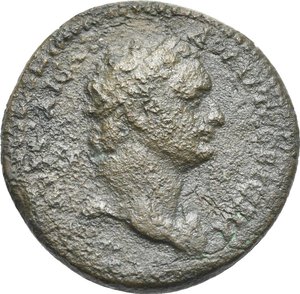
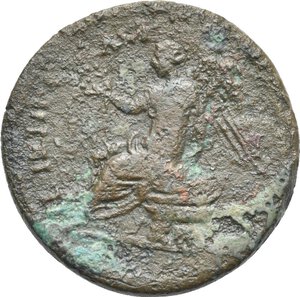
Egypt. Alexandria. Domitian, 81-96. Hemidrachm (Bronze, 28.27 mm, 11.12 g) Year 11 = circa 91-92. Laureate bust right. Rev. ΝΕΙΚΗ CE BACT, Nike seated Ieft on shields and cuirass, holding wreath and palm frond; in front, LIA. Dattari-Savio plate 19, 515. RPC 2606. Emmett 270; Kampmann/Ganschow 24.107. Nice brown tone. Rough surface. Otherwise, About Very Fine. Rare.
From the Giovanni Maria Staffieri Collection; ex Naville Numismatics, Auction 46, 27 January 2019, lot 225.
Lotto n. 100
-
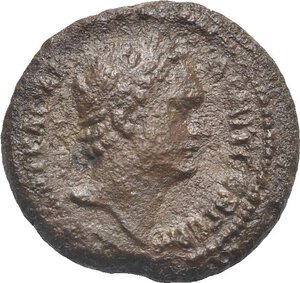
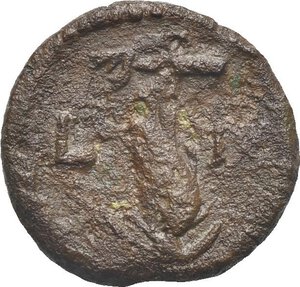
Egypt. Alexandria. Domitian, 81-96. Obol (Bronze, 18.3 mm, 4.08 g). Dated RY 11 (= 91/2). ΑΥΤ ΚΑΙϹΑΡ ΔΟΜΙΤ ϹΕΒ ΓΕΡΜ, Laureate head right. Rev. Dolphin entwined around anchor; L IA (date) to either side. Geissen 381. Dattari (Savio) 600. RPC II, 2649. Emmett 308. BMC 318. Brown surfaces, some porosity. About Very Fine.
From the Giovanni Maria Staffieri Collection; ex Franco Chiesa, Numismatica Aretusa SA, May 1987.
Commentary by GMS: A well centred obol with on obverse, a superb portrait of Domitian who paid particular attention to aesthetics on coins. The original brown patina evenly covering the entire coin is also excellent.
Lotto n. 101
-
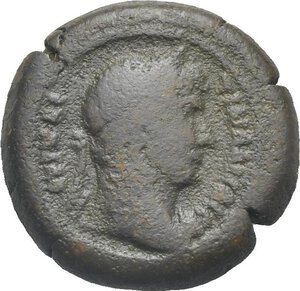
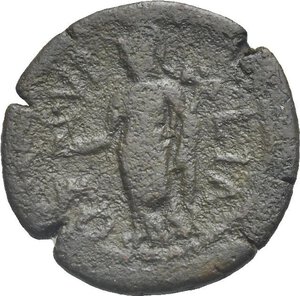
Egypt. Alexandria. Hadrian, 117-138. Obol (Bronze, 19.1 mm, 5.13 g). Oxyrhynchite Nome, dated RY 11 (= 126/7). ΑΥΤ ΚΑΙ ΤΡΑΙ ΑΔΡΙΑ CЄΒ, Laureate head of Hadrian to right, with slight drapery on his left shoulder. Rev. ΟΞ-ΥΡ L ΙΑ, Athena standing left, wearing helmet, holding double axe in left hand and Nike with crown and palm in right hand. Geissen 3413. Dattari 6337. Emmett 1218. RPC III, 6357. Geissen-Weber p. 170, plate VIII, 74, A-B. Very Fine.
From the Giovanni Maria Staffieri Collection; ex Jean-Pierre Righetti Collection 2003.
Commentary by GMS: Another obol of the year 11 of Hadrian (126-127) coming from the nome Ossirinchite (Upper Egypt) with on the reverse the deity Thoeris – Athena standing at left with her usual attributes (chiton, peplum, helm) plus the addition of the double axe in the left hand and in the right one, a victorious Nike with wreath and palm branch. Thoeris, female Egyptian deity looking like a hippopotamus, protectress of motherhood, was subject of cult at Oxyrhyncus.
Lotto n. 102
-
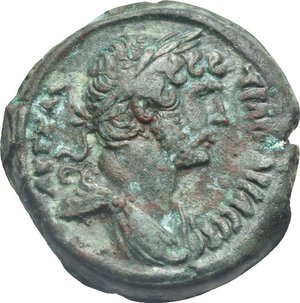
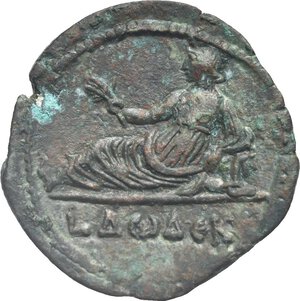
Egypt. Alexandria. Hadrian, 117-138. Hemidrachm (Bronze, 28.66 mm, 12.58 g). Dated RY 12 (= 127/8). ΑΥΤ ΚΑΙ - ΤΡΑΙ ΑΔΡΙΑ ϹΕΒ, Laureate, draped, and cuirassed bust right. Rev. Euthenia reclining left on Andro-Sphinx, holding grain ears; L ΔωΔЄK (date) in exergue. Geissen 989. Dattari-Savio 1709 & 7642-4. RPC III, 5719. Emmett 1086. Milne 1270. Brown surfaces with some green. Very Fine.
From the Giovanni Maria Staffieri Collection; ex Spink & Son, London, July 1994.
Commentary by GMS: On the reverse of this refined and perfectly centred hemidrachm, we admire Euthenia, the Prosperity auspicious for the abundance of crops. She holds with her right hand a bunch of ears of corn, relaxed and lying on the back of a pharaonic Androsphinx of the Gizali type.
Lotto n. 103
-
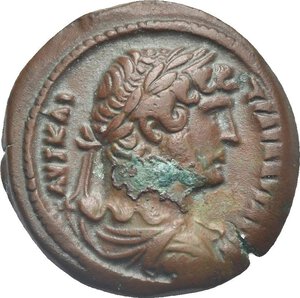
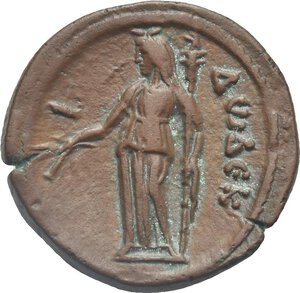
Egypt. Alexandria. Hadrian, 117-138. Diobol (Bronze, 24.83 mm, 9.52 g). Dated RY 12 (= 127/8). ΑΥΤ ΚΑΙ - ΤΡΑΙ ΑΔΡΙΑ [ϹΕΒ], Laureate, draped, and cuirassed bust right. Rev. L - ΔωΔЄK, Demeter standing facing, head left, holding ears of corn and torch. Dattari-Savio 7601. RPC III, 5722. Geissen 986. Milne 1271. BMC 682. Emmett 1119. Brown patina with green deposits. Good Very Fine.
From the Giovanni Maria Staffieri Collection; ex Spink & Son, London, July 1994.
Commentary by GMS: Diobol with an imperial portrait of excellent style on obverse, but especially a wonderful original brick-red "desert" patina. On reverse the canonical figure of divine Demeter who prunes nature's crops and harvests.
Lotto n. 104
-
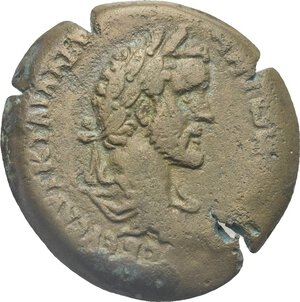
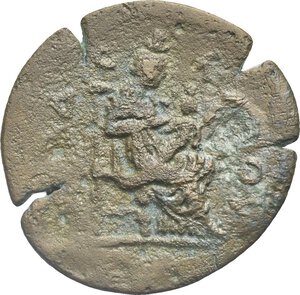
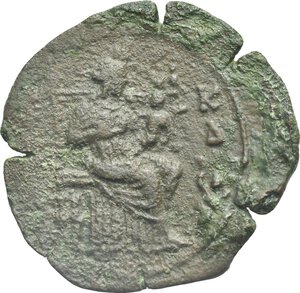
Egypt. Alexandria. Antoninus Pius, 138-161. Drachm (Bronze, 32.00 mm, 19.86 g) dated RY 10 (= 146-147) [ΑΝΤωΝЄΙΝΟϹ] ϹЄΒ ЄΥϹ ΑΥΤ Κ Τ ΑΙΛ ΑΔΡ, Laureate, draped and cuirassed bust of Antoninus Pius right. Rev. L Δ Є ΚΑΤΟΥ (date) in semicircle, Isis draped seated right on backed throne, wearing disk crown with horns and plumes, holding the infant Harpokrates crowned with pschent and holding lotus flower in his left hand on her knee. RPC IV.4, 1001. Dattari 2649 var. Geissen 1548. Milne 1918. Emmett 1585. Some die flan splits. Light-brown tone. Slightly rough reverse. About Very Fine.
From the Giovanni Maria Staffieri Collection; ex Pars Coins 11, 21 December 2020, lot 130.
Commentary by GMS: The pharaonic Isis lactans on the reverse ,enthroned with Harpokrates in her arms, the result of her mystical marriage with Osiris, directly recalls the Christian Maria lactans similarly represented.
Lotto n. 105
-
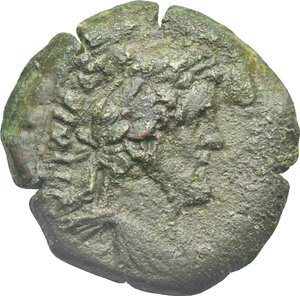
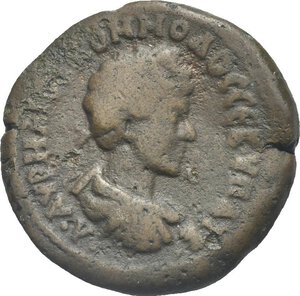
Egypt. Alexandria. Antoninus Pius, 138-161. Drachm. AD 160-161 - year 24 (Bronze, 34.52 mm, 20.12 g). [ΤΙ ΑΙ] ΑΝΤΩΝ[ΙΝΟϹ Ϲ ΕΥ], Laureate, draped and cuirassed bust right. Rev. [L] ΚΔ, Isis draped seated right on backed throne, wearing disk crown with horns and plumes, holding the infant Harpokrates crowned with pschent and holding lotus flower in his left hand on her knee; on right, another infant climbing up on foot, offering wreath (?). RPC IV.4, 2201. Dattari 2652, 2656. Brown and green patina. About Very Fine.
Lotto n. 106
-
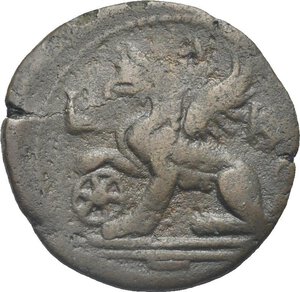
Egypt. Alexandria. Commodus as Caesar, 166-177. Diobol (Bronze, 23.60 mm, 6.68 g) dated RY 17 of Marcus Aurelius (= 176-177) AYTOK KAIC Λ ΑΥΡЄΛΙΟC KOMMOΔΟC, Draped and cuirassed bare head bust of Commodus right. Rev. Griffin, as Nemesis, seated left, holding the right paw on wheel, L I[Z] (date) across fields. RPC IV.4, 3338. Dattari-Savio pl. 206, 3833. Geissen - . Emmett 2503.17. Minor flan crack on reverse. Light-brown toning. About Very Fine. Very Rare.
From the Giovanni Maria Staffieri Collection; ex Heidelberger Münzhandlung 20, 22-24. 05.1997, lot 403.
Commentary by GMS: Commodus began to mint coins in the year 16 of reign of his father Marcus Aurelius (175-176 AD) in strange coincidence with the unclear death of his mother Faustina II. This very rare bronze diobol, shows on obverse the juvenile portrait of Commodu as Caesar and on the reverse the winged griffith sitting, turned left, with right paw on a wheel, the symbol of Nemesis, goddess of destiny, perhaps the strange one of his mother's death.
Lotto n. 107
-
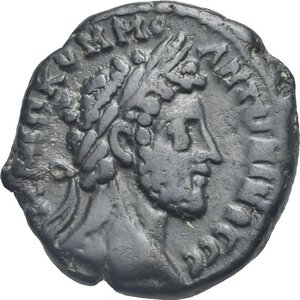
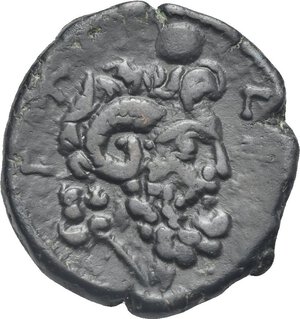
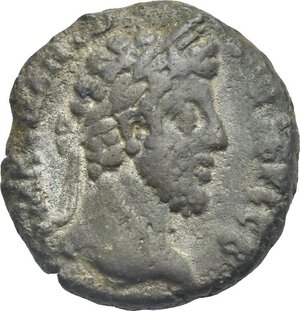
Egypt. Alexandria. Commodus, 177-192. Tetradrachm (Bronze, 25.70 mm, 12.07 g) dated RY 23 (=182-183) Μ ΑΥΡΗ ΚΟΜΜΟ ΑΝΤΩΝΙΝΟϹ ϹЄ, Laureate head of Commodus right. Rev. Head of Zeus Ammon right, wearing horn and solar disk crown above his head, L K Γ (date) around. RPC IV.4, 3403 (this coin, no. 41). Dattari-Savio 3899. Dattari-Savio pl. 210, 9596-9. Geissen - . Emmett 2568.23. Milne 2644. Nice brown tone. Good Very Fine. Rare.
From the Giovanni Maria Staffieri Collection; ex CNG 79, 17.09.2008, lot 721; ex Künker 182, 14.03.2011, lot 755.
Commentary by GMS: Rare tetradrachm of Commodus with an unusually monumental head of Zeus Ammon on the reverse with the solar disk on his head. The expression of the name extended to KOMMO on the obverse legend, normally reduced to KOM, is curious. RPC IV.4.3403 cites this specimen at no. 41.
Lotto n. 108
-
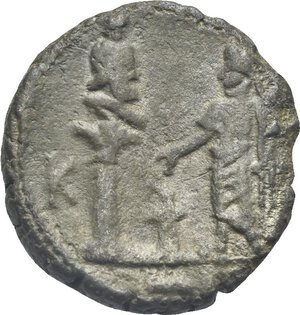
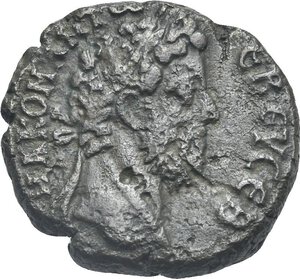
Egypt. Alexandria. Commodus, 177-192. Tetradrachm (Billon, 22.70 mm, 11.12 g) dated RY 24 (= 183-184) [Μ Α ΚΟΜ ΑΝΤω ϹЄΒ ЄΥ]ϹЄΒ, Laureate head of Commodus right. Rev. The emperor in priestly dress standing left, dropping incense on lighted altar or thymiaterion, face to face with bust of Serapis to left, facing right to him, wearing kalathos and set on column, date: L (in exergue) K (to left) Δ to right. RPC IV.4, 3432. Dattari-Savio pl. 207, 3846 and 3847, rev. (= Dattari-Savio 3848). Dattari-Savio 9552 and pl. 210, 9604-5. Geissen 2212-3. Milne 2655. Emmett 2529.24. Vogt II, 108. An irregular edge, otherwise, About Very Fine.
From the Giovanni Maria Staffieri Collection; ex London Coin Galleries, auction 4, 01.06.2017, lot 726; ex Naville Numismatics Ltd. 42, 22.07.2018, lot 275.
Commentary by GMS: On the reverse of this tetradrachm of Commodus from the year 24 (183-184 AD) we see the emperor on the right sacrificing, facing left, on a lit altar in front of a column surmounted by a bust of Zeus Serapis with kalathos.
Lotto n. 109
-
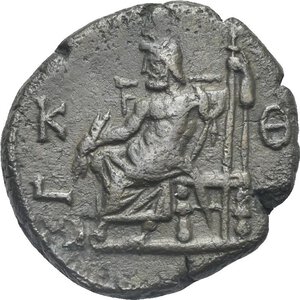
Egypt. Alexandria. Commodus, 177-192. Tetradrachm (Billon, 24.1 mm, 11.24 g). Dated RY 29 (= 188/9 AD). Μ Α ΚΟΜ ΑΝΤω ϹΕΒ ΕΥϹΕΒ, Laureate head right. Rev. Zeus seated left, holding thunderbolt and sceptre; L / K-Θ (date) across field. Geissen 2244. Dattari 3896. RPC IV.4.3541.Milne 2677. Emmett 2567. BMC 1399. Roughness and minor porosity. Very Fine.
From the Giovanni Maria Staffieri Collection; ex Münzzentrum , Köln, 52, November 1984, lot 881; ex Hirsch 157, 1988, lot 476; ex Hirsch 317, 18.02.2016, lot 2221.
Commentary by GMS: On the reverse of the tetradrachm, Commodus represents the Capitoline Zeus, an indication of his predominantly Roman-centric policy of the sovereign.
Lotto n. 110
-
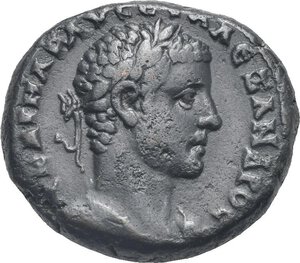
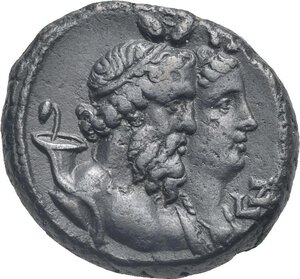
Egypt. Alexandria. Severus Alexander, 222-235. Tetradrachm (Billon, 23.0 mm, 11.71 g). Dated RY 7 (= 227/8). [A] KAI M AYP [CEY] AΛEΞANΔPOC [EY], Laureate and cuirassed bust of Severus Alexander right, short bearded, wearing paludamentum with fibula on left shoulder. Rev. Conjoined busts of Nilus, wearing grain ear wreath and with cornucopia, and Euthenia, draped and wearing grain ear wreath; L Z (date) to right. Dattari-Savio 9937. RPC VI, online 10369 (temporary). Emmett 3128. Geissen 2445. Attratcive dark patina with minor porosity. Good Very Fine.
From the Giovanni Maria Staffieri Collection; ex CNG 79, September 2008, lot 736 and CNG Auction 477, 23 September 2020, lot 360.
Commentary by GMS: Not common tetradrachm of the year 7 of Alexander Severus (227-228 AD) with the combination of the bust of Nilus with that of his wife Euthenia, the divine protector and promoter of Egypt's agricultural fertility, on the reverse.
Lotto n. 111
-
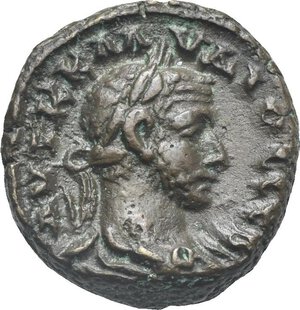
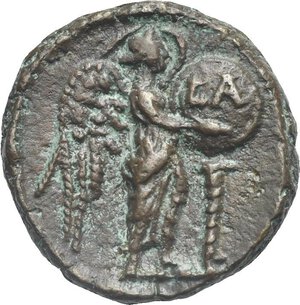
Egypt. Alexandria. Claudius II Gothicus, 268-270. Tetradrachm (Billon, 20.70 mm, 9.87 g) Dated RY 1 (= 268-269) AYT K KΛΑYΔΙΟC CЄB, Laureate, draped and cuirassed bust of Claudius II right, wearing short beard. Rev. Nike draped standing facing, bust turned to right, inscribing L A (date) on round shield set on palm tree. BMC 2324. Dattari-Savio 5404. Geissen 3024. Kop 836. Milne 4199. Vogt 9-86. Emmett 3891. Very Fine.
From the Giovanni Maria Staffieri Collection; ex Leu Numismatik 16, 22-24 May 2021, lot 2513.
Commentary by GMS: Here is another nice tetradrachm of Claudius II with a non-generic portrait on the obverse. On the reverse it is a graceful winged Nike at right inscribing the issuing date of the coin (LA = year 1 = 268-269 AD) upon a round shield, leant against a palm tree: very uncommon image.
Lotto n. 112
-
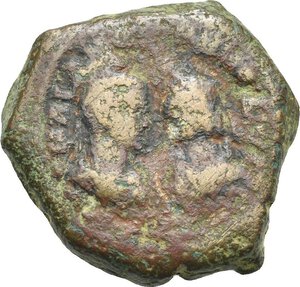
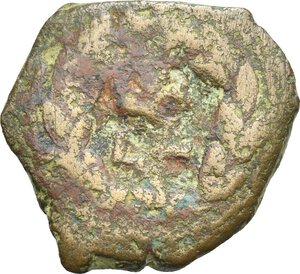
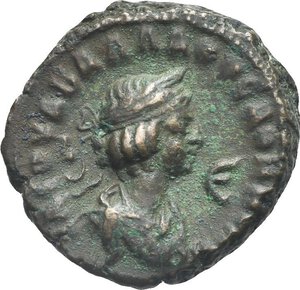
Egypt. Alexandria. Aurelianus and Vabalathus, 271-272. Reduced drachm (Bronze, 24.00 mm, 8.29 g) dated RY 1 of Aurelian (= 270-271) and RY 4 of Vabalathus (270-271). ΑΥΡΗΛΙΑΝΟϹ ΑΘΗΝΟΔΩΡΟϹ, Confronted busts of Aurelianus to left, laureate and cuirassed and of Vabalathus to right, laureate, diademed and cuirassed. Rev. L A (date) above and L Δ (date) below, within laurel wreath, tied above with medallion. Dattari-Savio 5429. Geissen 3057. BMC 2395-96. Vogt II, 160. Emmett 3916. Fine. Extremely Rare.
From the Giovanni Maria Staffieri Collection; ex Münzen u. Medaillen 49, 20.11.2020, lot 271.
Commentary by GMS: This rare issuing of Aurelian and Vaballathus combined, by hasty strikes and always irregular size, is the final bronze Alexandrian coinage, of which exist two different numerals that we will fix as reduced drachm (of the weight of circa 8,5 g.) and reduced emidrachm (just over 4 g.). Our specimen should be considered a reduced drachm and belongs to the short-lived period of imposed Omonoia of 271-beginning of 272 A.D., of Aurelianus together with the son of the notorious Zenobia. For further information as to this subject, see, STAFFIERI G M Alexandria in nummis, n.245 and pp. 487-488.
Lotto n. 113
-
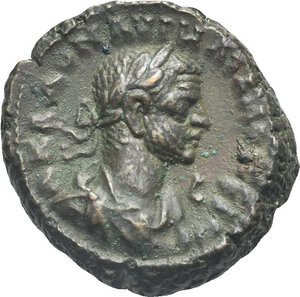
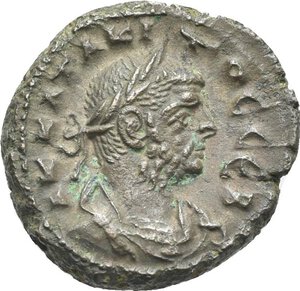
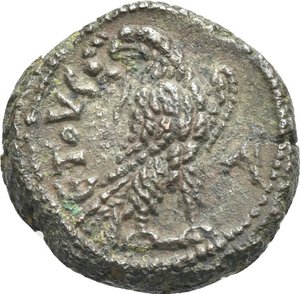
Egypt. Alexandria. Aurelianus and Vabalathus, 271-272. Tetradrachm (Bronze, 22.20 mm, 9.53 g) dated RY 2 of Aurelian (= 270-271) and RY 5 of Vabalathus (271-272 AD). Α Κ Λ ΔΟΜ ΑΥΡΗΛΙΑΝΟϹ ϹЄΒ, Laureate, draped and cuirassed bust of Aurelianus right, LB (date) right below chin. Rev. Ι Α Ϲ ΟΥΑΒΑΛΛΑΘΟϹ ΑΘΗΝ Υ ΑΥΤ Ϲ Ρ, Laureate, draped and cuirassed bust of Vabalathus right, L Є (date) across fields. Dattari 5424 var. Emmett 3914. Geissen 3058ff. BMC 2387. Milne 4336-4338. Vogt II, 160. Good Very Fine.
From the Giovanni Maria Staffieri Collection; ex Jacquier 44, 13.09.2018, lot 340.
Commentary by GMS: This tetradrachm belongs to the very vast and different series of Alexandrian issues of 271 – beginning of Aurelianus with Vaballathus, when the emperor was still on the same wavelength as Zenobia, cunning and ambitious, quivering with desire to legitimate herself at the management top of the roman state, through the super ennobled and overexcited son Vaballathus. A coin well minted, and fine patina with precise and careful portraits.
Lotto n. 114
-
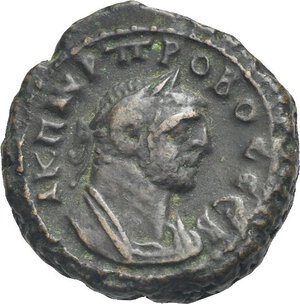
Egypt. Alexandria. Tacitus, 275-276. Tetradrachm. AD 275-276 - year 1 (Billon, 21.30 mm, 8.65 g). A K KΛ TAKITOC CEB, Radiate, draped, and cuirassed bust right. Rev. ETOVC - A, Eagle standing right, head left while holding wreath in its beak. Dattari-Savio 5519-5520. Emmett 3973. Geissen 3111. Deeply toned. Near Extremely Fine.
From the Giovanni Maria Staffieri Collection; ex Numismatica Aretusa SA, April 1985.
Lotto n. 115
-
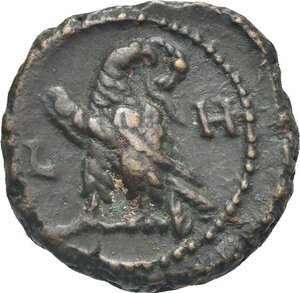
Egypt. Alexandria. Probus, 276-282. Tetradrachm (Billon, 18.40 mm, 6.82 g) dated RY 8 (= 282) A K M AYP ΠΡΟΒΟC ϹЄΒ, Laureate and cuirassed bust of Probus right. Rev. Eagle standing left with closed wings, head turned to right, holding wreath tied with ribbons in beak, L H (date) across fields. Dattari-Savio 5559. Geissen 3158. BMC 2438. Milne 4659. Emmett 3984. Cf. SAVIO A., Tetradrammi alessandrini, pp. 182-184. Very Fine.
From the Giovanni Maria Staffieri Collection; ex Spink, London, July 1978.
Commentary by GMS: With Marcus Aurelius Probus comes back an Illyrian soldier up to the top of the roman empire and was constantly engaged fighting both against barbarian populations and several usurpers. This tetradrachm portrays him during his last months of his reign together with the imperial eagle of the reverse.
Lotto n. 116
-
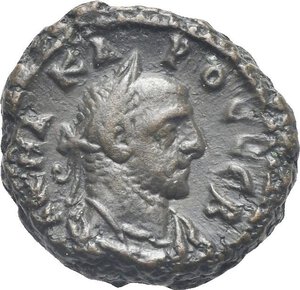
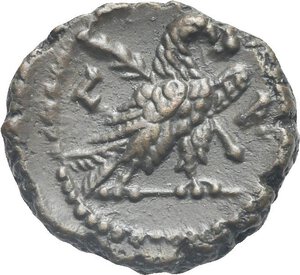
Egypt. Alexandria. Carus, 282-283. Tetradrachm (Billon, 19.70 mm, 7.74 g) dated RY 1 (= 282-283) Α Κ Μ Α ΚΑΡΟϹ ϹЄΒ, Laureate, draped and cuirassed bust of Carus right. Rev. Eagle standing right with closed wings, the left leg forward, holding wreath in beak and palm branch behind, L A (date) across fields. Dattari-Savio pl. 280, 5569. Geissen 3159. BMC 2442. Milne 4672. Emmerett 3999. Vogt II, 166. Cf. SAVIO A., Tetradrammi alessandrini, pp. 185-189. Nice dark-brown patina. Extremely Fine.
From the Giovanni Maria Staffieri Collection; ex Naville Numismatics Ltd. 46, 27.01.2019, lot 321.
Commentary by GMS: The general, also Illyrian, Marcus Aurelius Caro arrives at the empire in September 282 A.D. and fights against the Franks, the Sarmatians and the Persians. He dies between July and August in 283 A.D. probably of disease near Ctesifonte. This tetradrachm refers to his first and sole year of reign (282-283 A.D.) and shows on the reverse the imperial eagle advancing right on the exergue holding a palm branch and a wreath in its beak.
Lotto n. 117
-
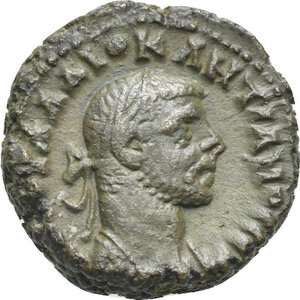
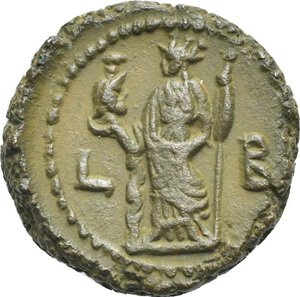
Egypt. Alexandria. Diocletian, 284-305. Tetradrachm. AD 285-286 - year 2 (Billon, 19.61 mm, 8.87 g). A K Γ OYA Λ ΔΙΟΚΛΗΤΙΑΝΟC CEB, Laureate and cuirassed bust right. Rev. L - B, Alexandria, turreted, standing left, holding sceptre and head of Serapis. Dattari 5622. Emmett 4025. Geissen 3210. Nice toning. Good Very fine.
From the Giovanni Maria Staffieri Collection; ex Auctiones AG 26, September 1996, lot 540.
Caricamento altri risultati...