Roman Imperial Coins
Results from 27401 to 27450 of 32902
Lot # 372
-
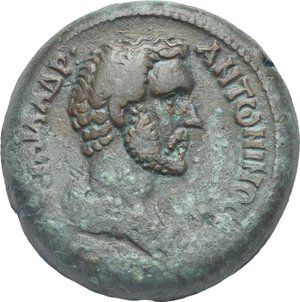
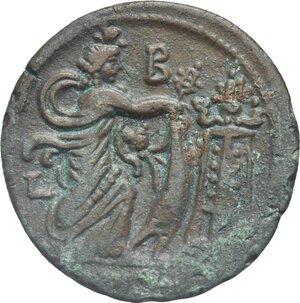
Egypt. Alexandria. Antoninus Pius, 138-161. Drachm (Bronze, 33.03 mm, 24.83 g). Dated RY 2 (= 138/9). [ΑΥΤ Κ Τ] ΑΙΛ ΑΔΡ ΑΝΤⲰΝΙΝΟϹ [ЄΥϹЄΒ] Bare-headed, draped and cuirassed bust of Antoninus Pius to right. Rev. Isis Pharia, holding billowing sail and sistrum, standing to right before the Pharos of Alexandria, which is surmounted by a statue and two Tritons; L / B across field. Dattari-Savio 8561 & Suppl. pl 16, 72. RPC IV.4, 74 (this coin, No. 13). Emmett 1590. Geissen 3470. Nice brown patina with some green. Very Fine. Rare.
Ex Italo Vecchi, London, June 1988.
On the obverse we again find a nude imperial bust, the work of a master engraver of considerable value. On the reverse, the refined representation of the Isis Pharia that from the left glides over the sea with swollen sail, towards the mythical lighthouse of Alexandria, in an integral version with the lantern flanked by Tritons and surmounted by the statue of Helios Serapis. True image of one of the seven wonders of the ancient world. For the obverse see Staffieri G. M., I ritratti senza corona sui bronzi imperiali Alessandrini, as in No. 114 of the collection.
Lot # 371
-
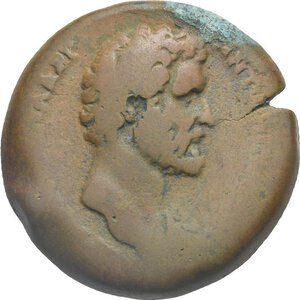
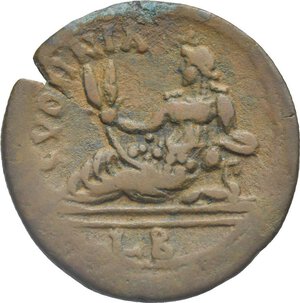
Egypt, Alexandria. Antoninus Pius, 138-161. Drachm (Bronze, 33.59 mm, 23.91 g). Dated RY 2 (= 138/9). [ΑΥΤ Κ Τ ΑΙΛ] ΑΔΡΙ ΑΝΤ[ωΝΙΝΟϹ ΕΥϹ ϹΕΒ] Bareheaded, draped, and cuirassed bust right. Rev. ЄVӨHNIA, Euthenia reclining left on androsphinx, holding two grain ears, outstretched fold of garment containing fruit and lotus; L B (date) in exergue. Dattari 2559 (this coin). RPC IV.4, 64. Emmett 1518. Geissen 1304. Reddish-brown patina. Minor flan crack, otherwise, Good Fine. Rare.
Ex Giovanni Dattari Collection 2559, Il Cairo. Ex Naville Numismatics Ltd. 41, 24.06.2018, Lot 338.
On the obverse a nude head of Antoninus Pius of great style and on the reverse an elegant Euthenia, goddess of property and of the Nilotic harvest, comfortably reclining on the back of an androsphinx. Figures well centered and highlighted by a splendid original brown patina. Cf. Staffieri G. M., I ritratti senza corona sui bronzi imperiali alessandrini, as nr. 113 of this collection.
Lot # 370
-
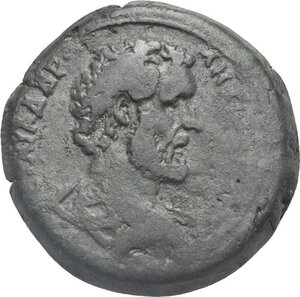
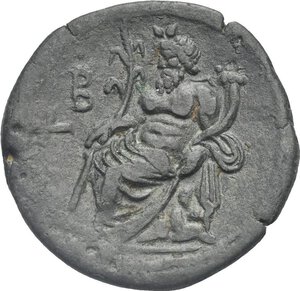
Egypt. Alexandria. Antoninus Pius, 138-161. Drachm (Bronze, 34.85 mm, 23.36 g). Dated RY 2 (= 138/9). [ΑΥΤ Κ Τ] ΑΙΛ ΑΔΡ] ΑΝ[ΤⲰΝΙΝΟϹ ЄΥϹЄΒ] Bare-headed and draped bust right. Rev. Nilus seated left on rocks, holding reed in his right hand and cornucopiae in his left; L / B (date) in upper left field. Dattari-Savio 8611 (this coin). RPC IV. 4, 81/10 (this coin, illustrated). Emmett 1616 (not this year). Geissen 1306. Good Fine. Rare year of the reign.
Ex Giovanni Dattari Collection 8611, Il Cairo. Ex Naville Numismatics Ltd. 44, 04.11. 2018, lot 295.
A very rare drachm minted in the significant Alexandrian Sothic year corresponding to the second of the reign of Antoninus Pius (138 139 AD) with on the obverse a realistic bare-headed portrait of the Emperor and on the reverse an imposing Nilus to the left seated on a mound of rocks and bearing his canonical symbols: the papyrus branch, the lotus flowers and the cornucopia. Cf. Staffieri G.M., I ritratti senza corona sui bronzi imperiali Alessandrini, in, XV International Numismatic Congress, Taormina 2015 - Proocedings- vol. II, pp 788-789. Rome-Messina, 2017.
Lot # 369
-
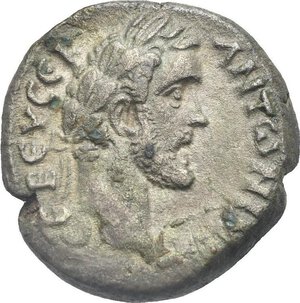
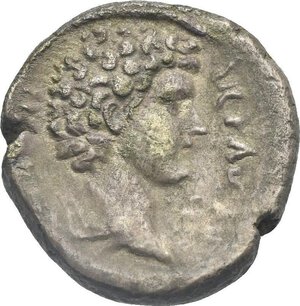
Egypt. Alexandria. Antoninus Pius & Marcus Aurelius, 138-161. Tetradrachm (Billon, 23.71 mm, 11.77 g). Dated RY 7 (= 143/4). ΑΝΤωΝΙΝΟϹ ϹΕΒ ΕΥϹΕΒ Laureate head right. Rev. [Μ ΑΥΡΗΛΙϹ] ΚΑΙϹ[ΑΡ] Bare-headed bust of Marcus Aurelius (youthful) wearing cuirass and paludamentum right; [L Ζ] (date). Geissen 1423. Dattari-Savio 8040 (this coin). RPC IV.4, 660/11 (this coin, illustrated). BMC Suppl. 3043. Emmett 1406. Cf. Savio A., Tetradrammmi alessandrini, pp. 82-86. Very Fine. Rare.
Ex Giovanni Dattari Collection 8040, Il Cairo. Ex Savoca, Milano, 17.01.1978.
This, like other tetradrachms, is dedicated to the dynastic propaganda curated by Antoninus Pius through the recurrent presentation on the reverse of the coins, of the portrait of the young Caesar, Marcus Aurelius, together with his own. It should be noted that Lucius Verus, although adopted by Antoninus Pius, did not receive the same treatment on the sovereign's coins as Marcus Aurelius.
Lot # 368
-
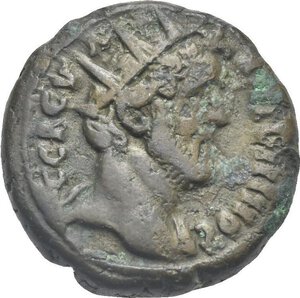
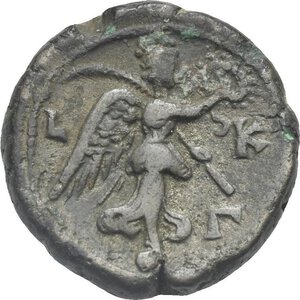
Egypt. Alexandria. Antoninus Pius, 138-161. Tetradrachm (Billon, 23.27 mm, 12.11 g). Dated RY 23 (= 159/60). ΑΝΤΩΝΙΝΟϹ ϹΕΒ ΕΥϹΕ Radiate bust right, slight drapery. Rev. Nike standing right on globe, holding wreath and palm frond; L-K/Γ (date) across field. Geissen 1844-5 var. (obv. bust type). Dattari-Savio 2280 & 8193-4 var. (placement of date). RPC IV.4, 2141. Emmett 1409. Cf. Savio A., Tetradrammi alessandrini, pp. 82-86. Rough surface. Near Very Fine.
Ex Gemini VI, 10 January 2010, lot 868 (part of). Ex Naville Numismatics Ltd. 57, 25.04. 2020, lot 320.
We are at the end of the principality of Antoninus Pius (year 23 = 159-160 AD) and the sovereign, here on the obverse, unusually with the radiated crown, appears to us in all his senility, while on the reverse the Nike refers to a well-known military victory in Africa in 160, celebrated on bronze medallions minted in the Latin area of the empire.
Lot # 367
-
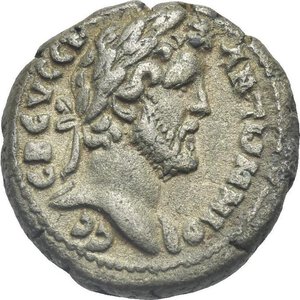
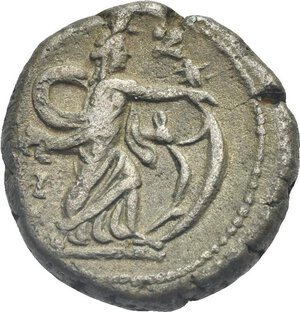
Egypt. Alexandria. Antoninus Pius, 138-161. Tetradrachm (Billon, 22.70 mm, 12.50 g). Dated RY 17 (= 153/4). ΑΝΤωΝΙΝΟϹ ϹΕΒ ΕΥϹΕΒ Laureate head right. Rev. Isis Pelagia sailing right, holding a sistrum and billowing sail; L IZ (date) across field. Geissen 1693. Dattari-Savio 8184, pl. 112 (this coin). RPC IV.4, 1479/19 (this coin + ill.) Emmett 1403. Cf. Savio A., Tetradrammi alessandrini, pp. 82-86. Toned. Good Very Fine.
Ex Giovanni Dattari Collection, Il Cairo, 8184. Ex Naville Numismatics Ltd. 41, 24.06.2018, Lot 351.
Isis Pelagia (not Faria because there is no lighthouse) is found only in the year 17 of Antoninus Pius on the Alexandrian tetradrachms (cf. Emmett 1403). The reference to the commercial port of Alexandria, the most important in the Mediterranean, is clear. Another valuable example, formerly from the Dattari collection.
Lot # 366
-
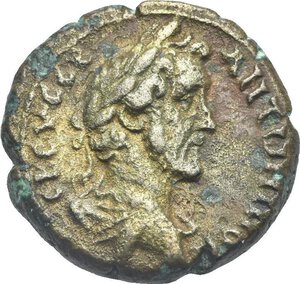
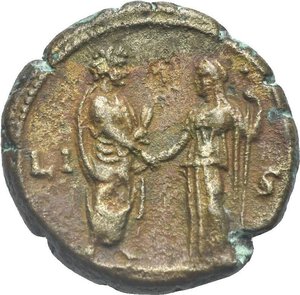
Egypt. Alexandria. Antoninus Pius, 138-161. Tetradrachm (Billon, 24.15 mm, 12.21 g). Dated RY 6 (= 152/3). ΑΝΤωΝΙΝΟϹ ϹΕΒ ΕΥϹΕΒ Laureate-headed bust of Antoninus Pius wearing cuirass and paludamentum right. Rev. Marcus Aurelius as Caesar, wearing toga, standing right, holding scroll, clasping hands with Faustina II, veiled, standing, left, holding long sceptre; L ΙϚ (date) across field. Dattari-Savio 8068. RPC IV.4, 1412.3 (this coin cited). Geissen -. Milne -. Emmett -.Toned. Minor roughness. Very Fine. Rare.
Ex Giovanni Dattari collection 8968, Il Cairo. Ex Dr. Piero Beretta collection, Milan May 1972.
On the reverse of this rare and valuable Dactarian tetradrachm from the year 16 of Antoninus Pius (152-153 AD), we recognise the young Marcus Aurelius Caesar on the left shaking hands with his consort Faustina II on the right, who had already been elevated to the rank of Augusta in 147 by her father at the time of the birth of the 'first-born' (of 13 children) Annia Aurelia Galeria Faustina. Dynastic Celebration and Concord of the Imperial Couple .
Lot # 365
-
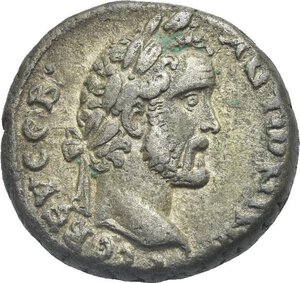
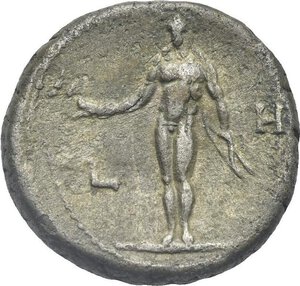
Egypt. Alexandria. Antoninus Pius, 138-161. Tetradrachm (Billon, 24.12 mm, 12.81 g). Dated RY 8 (= 144/5). ΑΝΤωΝΙΝΟϹ ϹΕΒ ΕΥϹΕΒ Laureate head right. Rev. Apollo Didymeus standing, facing, holding stag and bow; in front, Egyptian altar and in field, L-H across field. RPC IV. 4, 727/9 (this coin). Dattari-Savio 2137 (this coin) & pl. IX (this rev. Illustrated). Geissen 1457 (altar in left field). Emmett 1358. Cf. Savio A., Tetradrammi alessandrini, pp.82-86. Minor porosity. Good Very Fine. Rare.
Ex Giovanni Dattari Collection 2137, Il Cairo. Ex Naville Numismatics Ltd. 44, 04.11.2018, Lot 300.
This coin evidences as, the cult of Apollo Didymeus at Miletos, achieved a high level of fame throughout the ancient world, including Egypt.
The reverse of this interesting tetradracm, ex Dattari Collection, shows us a divinity extraneous to the Egyptian and Greco-Egyptian cult: it is the statuary figure of Apollo in the Didymeion of Miletus, famous ionic Sanctuaray-temple which competed with the seven wonders of the ancient world. Scholars agree on the hypothesis that the one depicted on this coin, as well as on the others in mixture or bronze of the years 7 to 11 of Antoninus Pius, is a faithful reproduction of the original statue of the temple (cfr. Vogt, J. I, p. 121. One could also think, with regard to the motif of this image on Alexandrian coins, of a semi-explicit, but nevertheless indicative form of alliance (OMONOIA) between the cities of Didyma and Alexandria.
Lot # 364
-
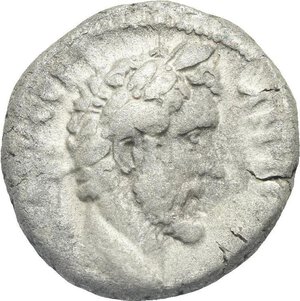
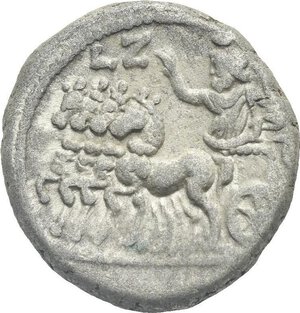
Egypt. Alexandria. Antoninus Pius, 138-161. Tetradrachm (Billon, 22.99 mm, 12.77 g). Dated RY 7 = (143/4). [ΑΝΤωΝΙΝ]ΟC CΕΒ ΕΥCΕΒ Laureate head right. Rev. Serapis in slow quadriga to left; L Z (date) above. Dattari-Savio 2374. RPC IV.4, 653. Geissen 1438. Milne 1753. Emmett 1432. Cf. Savio A., Tetradrammi alessandrini, pp.82-86. Near Very Fine.
Ex Leu Numismatik AG 11, 22-23 February 2020, lot 1546.
The depiction of Zeus-Serapis driving a quadriga is very rare on Alexandrian tetradrachm and this specimen is a striking example. Serapis singularly replaces the usual figure of the reigning emperor in the robes of a charioteer, which we find often repeated on the reverses of bronze drachmas and hemidrachms.
Lot # 363
-
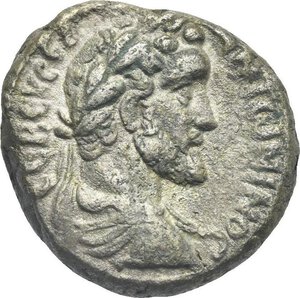
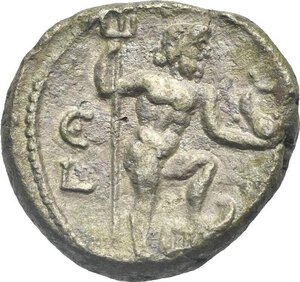
Egypt. Alexandria. Antoninus Pius, 138-161. Tetradrachm (Billon, 23.20 mm, 13.59 g). Dated RY 5 (= 141/2). ΑΝΤωΝΙΝΟϹ ϹΕΒ ΕΥϹΕΒ Laureate, draped and cuirassed bust right. Rev. Nude Poseidon standing with foot on prow, holding trident and dolphin; L/E in left field. Dattari-Savio 8224 (this coin). RPC IV. 4, 366.11 (this coin). Milne 1703. Emmett 1421. Cf. Savio A., Tetradrammi alessandrini, pp. 82-86. Very Fine.
Ex Giovanni Dattari Collection, Il Cairo, 8224. Ex Naville Numismatics Ltd. 40, 27.05.2018, lot 394.
The powerful and statuary image of naked Poseidon dominates, from the bow of a ship, the horizon of the sea, by him protected, that is, the classic Mediterranean.
Lot # 362
-
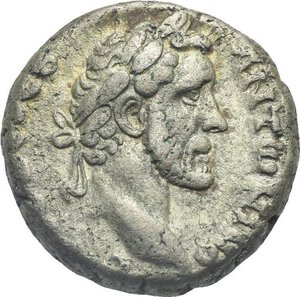
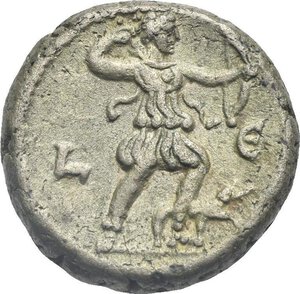
Egypt. Alexandria. Antoninus Pius, 138-161. Tetradrachm (Billon, 23.21 mm, 13.49 g). Dated RY 5 (= 141/2). [ϹΕΒ ΕΥϹ]ΕΒ ΑΝΤωΝΙΝΟϹ Laureate head right. Rev. Artemis advancing right, drawing arrow from quiver at shoulder, holding bow, at her feet dog; L-Ε across field. Dattari-Savio 2152 (this coin). Geissen 1366. Milne 1704. RPC IV.4, 357.8 (this coin, + ill.). Emmett 1362. Cf. Savio A., Tetradrammi alessandrini, pp.82-86. Weakness and light porosity. Good Very Fine.
Ex Giovanni Dattari Collection, Il Cairo, 2152. Ex Naville Numismatics Ltd. 40, 27.05. 2018, lot 395.
The depiction of Artemis-Diana on the reverse of the tetradrachm corresponds to the canonical representation of the huntress deity that we find on several mint coins of the classical and Hellenistic worlds, very different from that of the Ephesian Artemis. A review of these images can be found on Imhoof-Blumer, F.- Gardiner, P., A Numismata Commentary on Pausanias, reprint from the Journal of Hellenistic Studies 1885-1887, London, 1887.
Lot # 361
-
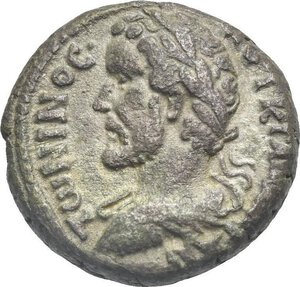
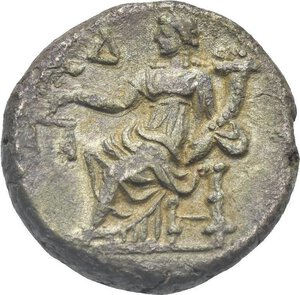
Egypt. Alexandria. Antoninus Pius, 138-161. Tetradrachm (Billon, 23.46 mm, 12.97 g). Dated RY 4 (= 140/1). ΑΝΤωΝΙΝΟϹ ΑΥΤ Κ Τ ΑΙΛ [ΑΔΡ] Laureate head left. Rev. Dikaiosyne seated left, holding scales and cornucopia; L Δ (date) to left. Dattari-Savio 8132. RPC IV.4, 203. Emmett 1379 var. Geissen 1330 var. Milne 1659. BMC Suppl. 2942. Cfr. Savio, Tetradrammi alessandrini, pp. 82-86. Toned. Minor porosity. Very Fine. Rare.
Ex Empire Coins 8, 7 December 1987, lot 541.
Antoninian tetradrachm of superb style on both sides, with cuirassed and laureate bust of Antoninus Pius particularly high and exceptionally left-facing bust in relief.
Lot # 360
-
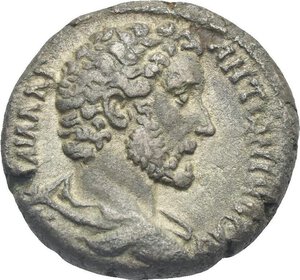
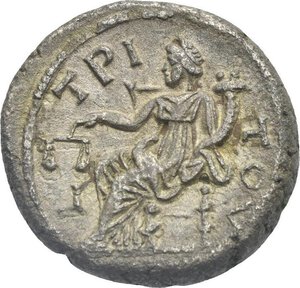
Egypt. Alexandria. Antoninus Pius, 138-161. Tetradrachm (Billon, 24.91 mm, 13.62 g). Dated RY 3 (= 139/40). ΑVΤ Κ Τ ΑΙΛ ΑΔΡ ΑΝΤWΝΙΝΟС EVСEΒ Bareheaded and draped bust right. Rev. L - TPIT - OV Dikaiosyne seated left, holding scales in right hand and cornucopiae in left. Dattari-Savio 2193. RPC IV.4, 162. Geissen 1318 var. (legend). Milne 1633. SNG Copenhagen 431. Emmett 1377. Cfr. Savio, Tetradrammi alessandrini, pp. 82-86. Toned. Good Very Fine.
Ex old Canadian Collection. Ex Naville Numismatics Ltd. 45, 09. 12. 2018, lot 213.
Of great quality, it shows the, almost globular bust of Antoninus Pius on the obverse of this tetradrachm of excellent preservation. On reverse is Dikaiosyne, the tutelary divinity of justice as attested by the symbol of the scales held by the right arm of the goddess.
Lot # 359
-
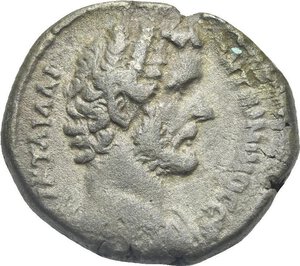
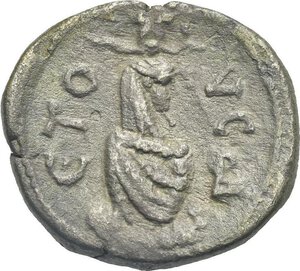
Egypt. Alexandria. Antoninus Pius, 138-161. Tetradrachm (Billon, 25.0 mm, 11.53 g). Dated RY 2 (= 138/9). AYT K T AIΛ AΔP ANΤωNINOC ΕYCEB Draped and cuirassed bust right. Rev. ETO YC Canopus of Osiris with feather crown on cushions, right; B (date) to right. Dattari-Savio 2181. RPC IV.4, 15. Emmett 1373. Geissen 1285-6. BMC 992 & suppl. 2967. Cfr. Savio, Tetrardammi alessandrini, pp. 82-86. Toned. Minor porosity. Very Fine.
Ex ArtCoins Roma 4, 05.12. 2011, lot 99.
This tetradrachm with on reverse Osiris canopic jar (cfr. also nr. 70 of this collection), has been issued, only during the second reign of Antoninus Pius, 138-139 AD, corresponding in the Egyptioan calendar with the end, respectively the beginning of a "sothic period" of 1461 years, falling on 20 June 139 AD , cfr. Staffieri, G. M. , Isis-Demetra-Sothis nella monetazione alessandrina, in "annotazioni numismatiche" nr. 30, June 1998, pp. 693-697, Milano, 1998.
Lot # 358
-
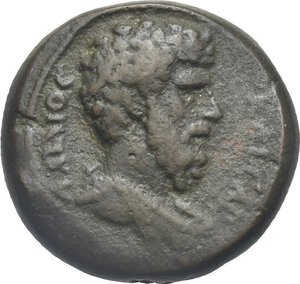
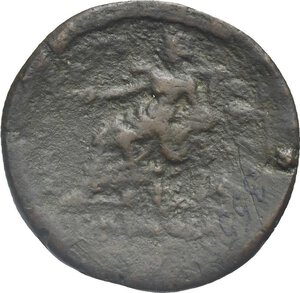
Egypt. Alexandria. Aelius, as Caesar, 136-138. Hemidrachm (Bronze, 29.01 mm, 14.49 g). Dated RY 2 (= 137). Λ ΑΙΛΙΟC ΚΑΙCΑΡ Bare-headed and draped bust right. Rev. [ΔΗΜ EΞΟΥC - ΥΠΑΤ Β] Omonoia seated left, holding patera in her right hand and a cornucopiae in her left; [ΟΜΟΝΟΙΑ]. Dattari-Savio 2077. RPC III, 6234. Geissen 1273. Emmett 1352. Good Fine.
Ex Numismatik Lanz 4-5. 06.1999, lot 626.
Except on the obolus, all reverse of the Alexandrian series, so also on this rare Hemidrachm is repeated in the legend the attribution to Aelius of tribunician power and his second consulship, thus dating the coin according to the Roman calendar: the only exception in Alexandrian coinage.
Lot # 357
-
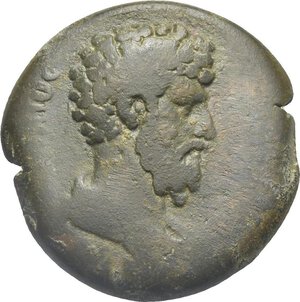
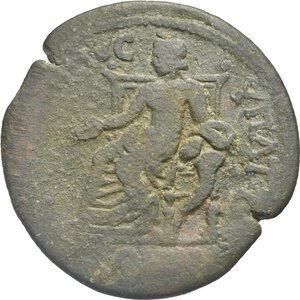
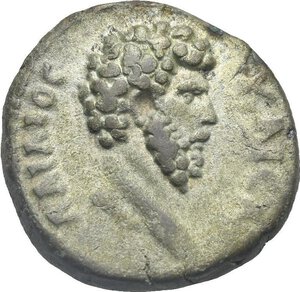
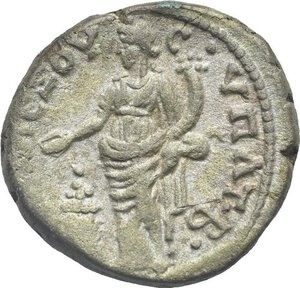
Egypt. Alexandria. Aelius, as Caesar, 136-138. Drachm (Bronze, 33.33 mm, 21.80 g). Dated RY 2 (= 137). [Λ ΑΙΛ]ΙΟC [ΚΑΙCΑΡ] Bare-headed and draped bust right. Rev. [ΔΗΜ ЄΞΟ]ΥC ΥΠΑΤ Β Omonoia seated left on throne, holding patera in her right hand and leaning with her left arm on cornucopiae; [ΟΜ]Ο[ΝΟΙΑ] in exergue. Geissen 1274 var. Dattari-Savio 2076. RPC III, 6226. Emmett 1351. Milne 1546. SNG Cop 419. BMC 923/4. Light cleaning scratches, otherwise, Good Fine.
Ex Rhakotis Collection 1960-1970. Ex Leu Numismatik AG 13, 15-16 August 2020, lot 1049.
This drachm of Caesar Aelius Verus is the largest bronze coin of his Alexandrian series. On reverse it frequently appears the figure of Omononia, i.e. Harmony that would mark the advent of Caesar Aelius Verus and continue the pacifying policy operated by Hadrian in the last period of his principate.
Lot # 356
-
Egypt. Alexandria. Aelius, as Caesar, 136-138. Tetradrachm (Billon, 24.98 mm, 12.60 g). Struck 136/7. Λ ΑΙΛΙΟϹ ΚΑΙϹΑΡ Bare head right. Rev. [ΔΗΜ] ΕΞΟΥ-Ϲ ΥΠΑΤ Β Omonoia standing left, sacrificing from patera over altar and holding cornucopia. Geissen 1271 var. (arrangement of rev. legend). Dattari-Savio 7988 (this coin). RPC III, 6141. Emmet 1350. BMC 921. Cfr. Savio, Tetradrammi alessandrini, pp.77-80. Toned, minor porosity. Very Fine.
Ex Giovanni Dattari Collection, Il Cairo, 7988. Ex Savoca, Milano, 17.01.1978.
There is only one series of Alexandrian coins, from the misture tetradrachm to the bronze obolus consecrating the nomination of Aelius Verus as Caesar, i.e. heir to the imperial throne by the inform and aged Hadrian, but fate would have it that he died before him on 1 January 138 AD. This beautiful tetradrachm, already in Dattari Collection, is of great stylistic value and the images on both sides are statuesque and protruding, almost coming out from the flan.
Lot # 355
-
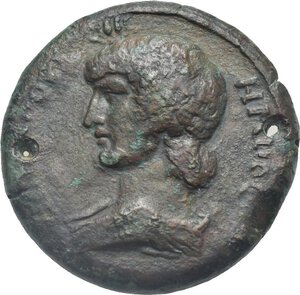
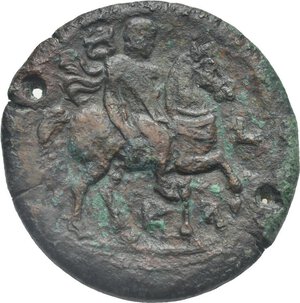
Egypt. Alexandria. Antinous, favorite of Hadrian, died 130. Drachm (Bronze, 34.5 mm, 24.63 g). Dated RY 21 of Hadrian (= 136/7). [ΑΝΤΙΝΟΟΥ] ΗΡΩΟC Bare-headed and draped bust of Antinous wearing hemhem crown left. Rev. Antinous, holding caduceus, on horse right; L/KA (date) in field. Geissen 1281-2. Dattari 8013, p. 104 (this coin). Blum 22. RPC III, 6228/14 (this coin). Emmett 1346. Very nice portrait. Pierced twice, otherwise, nearly Very Fine. Very Rare.
Ex Giovanni Dattari Collection 8013, Il Cairo. Ex Dr. Piero Beretta Collection, Milano, April 1972.
This is one of the rare Alexandrian drachms of the best late Hellenistic style appropriately chosen by Giovanni Dattari for his famous anthological collection. It is undoubtedly one of the absolute masterpieces of the master engravers of the Alexandrian mint and worthily celebrates the tragic figure of the young bithinian man who was Hadrian's favourite from 123 A.D. and accompanied him on all his travels in the provinces of the empire, until he perished by drowning in the Nile in an accident that has never been clarified, during the emperor's visit to Egypt with his court. His death took a heavy toll on Hadrian's spirits and body, but he reacted by publicly honouring him with heroic and then divine honours, linking his death to the sacrifice of Osiris, founding the city of Antinopolis-Antinous at the site of his death, instituting the cult of Antinous with respective temples and priestly colleges, having countless statues of him sculpted, scattered and found especially in the eastern part of the empire, and finally having coins minted with his portrait by almost thirty provincial mints, first among all, Alexandria of Egypt. The reference texts of Alexandrian issues are those of Gustave Blum (Numismatique d'Antinoos, in "Journal International d'Archéologie Numismatique", tome seizième, pp. 33-70 + tavv. I-V, Athens 1914) and of Rainer Pudill (Antinoos: Münzen und Medallions, D-Regenstauf, 2014). For comparisons, see Staffieri, G. M. , Alexandria in Nummis, Nr. 95-100, pp. 192-201, Muzzano 2017.
Lot # 354
-
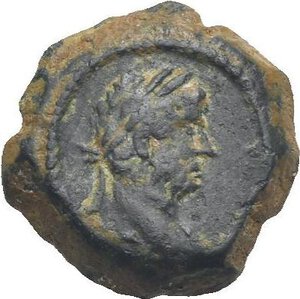
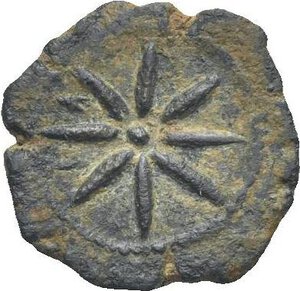
Egypt. Alexandria. Hadrian, 117-138. Dichalkon (Bronze, 12.14 mm, 1.36 g). Dated RY 11 (= 126/7). Laureate head to Hadrian to right, with slight drapery on his left shoulder; to right, I. Rev. Star of height rays; L/I/A within. Dattari-Savio 1942 (uncertain date). RPC III, 5710. Emmett 1204. BMC 2922. Very Fine.
Ex Fritz Rudolf Künker 124, 16-17.03.2007, lot 8142.
Fascinating coin with a minimal but perfectly physiognomic portrait of Hadrian on the obverse. On the reverse, the date should be discovered between the spaces of an 8-ray star. The original dark brilliant patina enhances the images of the flan: a small gem made by the master engravers of Alexandria mint.
Lot # 353
-
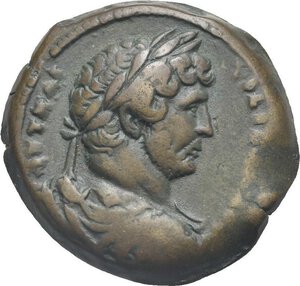
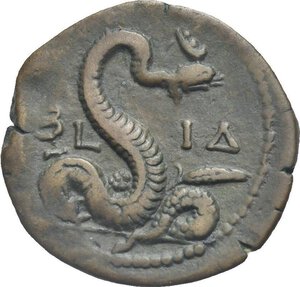
Egypt. Alexandria. Hadrian, 117-138. Diobol (Bronze, 24.5 mm, 9.52 g). Dated RY 14 (= 129/30). ΥΤ ΚΑΙ - ΤΡΑΙ [ΑΔΡΙΑ ϹΕΒ] Laureate draped and cuirassed bust right. Rev. Serpent Agathodaemon erect, right, crowned with pschent, enfolding caduceus and stalk of corn; L - ΙΔ (date) across field. Dattari-Savio 1986. RPC III, 5755.25 (this specimen). Emmett 1111. Geissen 1004. Good Very Fine.
Ex Giovanni Dattari Collection 1986, Il Cairo. Acquired from Gorny & Mosch, 2011.
Diobol of very good stylistic quality showing on reverse Agathodemon, the peaceful cobra snake, male, with the royal crown pshent, sacred to Zeus-Serapis and patron of grain, vineyards and cities.
Lot # 352
-
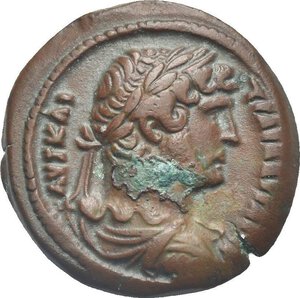
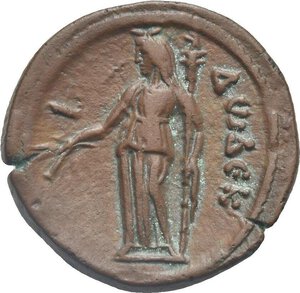
Egypt. Alexandria. Hadrian, 117-138. Diobol (Bronze, 24.83 mm, 9.52 g). Dated RY 12 (= 127/8). ΑΥΤ ΚΑΙ - ΤΡΑΙ ΑΔΡΙΑ [ϹΕΒ] Laureate, draped, and cuirassed bust right. Rev. L - ΔωΔЄK Demeter standing facing, head left, holding ears of corn and torch. Dattari-Savio 7601. RPC III, 5722. Geissen 986. Milne 1271. BMC 682. Emmett 1119. Brown patina with green deposits. Good Very Fine.
Ex Spink & Son, London, July 1994.
Diobol with an imperial portrait of excellent style on obverse, but especially a wonderful original brick-red "desert" patina. On reverse the canonical figure of divine Demeter who prunes nature's crops and harvests.
Lot # 351
-
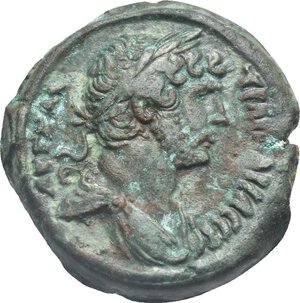
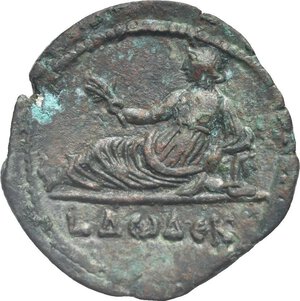
Egypt. Alexandria. Hadrian, 117-138. Hemidrachm (Bronze, 28.66 mm, 12.58 g). Dated RY 12 (= 127/8). ΑΥΤ ΚΑΙ - ΤΡΑΙ ΑΔΡΙΑ ϹΕΒ Laureate, draped, and cuirassed bust right. Rev. Euthenia reclining left on Andro-Sphinx, holding grain ears; L ΔωΔЄK (date) in exergue. Geissen 989. Dattari-Savio 1709 & 7642-4. RPC III, 5719. Emmett 1086. Milne 1270. Brown surfaces with some green. Very Fine.
Ex Spink & Son, London, July 1994.
On the reverse of this refined and perfectly centred hemidrachm, we admire Euthenia, the Prosperity auspicious for the abundance of crops. She holds with her right hand a bunch of ears of corn, relaxed and lying on the back of a pharaonic Androsphinx of the Gizali type.
Lot # 350
-
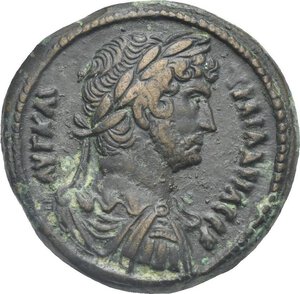
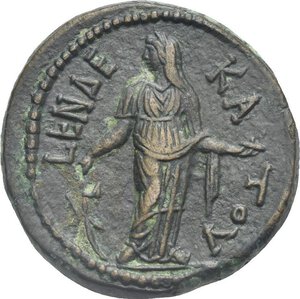
Egypt. Alexandria. Hadrian, 117-138. Hemidrachm (Bronze, 27.98 mm, 14.63 g). Dated RY 11 (= 126/7). ΑΥΤ ΚΑΙ ΤΡΑΙ ΑΔΡΙΑ CЄΒ Laureate, draped, and cuirassed bust right. Rev. L EN∆E KATOV Eusebeia standing facing, head left, right hand dropping incense on Egyptian altar, acerra in raised left. Geissen 958. Dattari-Savio 1694 var. RPC III, 5658.17 (this coin). Emmett 1084. BMC 604. Nice brown patina with some green. Very attractive portrait. Nearly Extremely Fine. Very Rare.
Ex Kerry K. Wetterstrom Collection. Ex CNA Ltd. XIII, 12.04.1990, lot 46.
On the obverse of this hemidrachm we recognize Eusebeia, the deified Piety dressed in chiton and peplos, veiled, symbolising reverence, devotion and veneration to the gods, deep respect for people and authorities.
Lot # 349
-
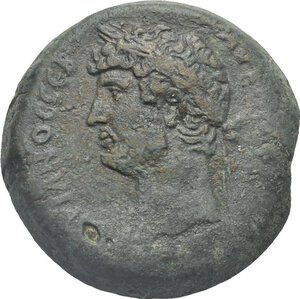
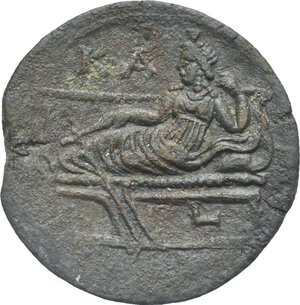
Egypt. Alexandria. Hadrian, 117-138. Drachm (Bronze, 33.08 mm, 21.99 g). Dated RY 21 (= 136/7). [ΑΔ]ΡΙΑΝΟϹ ϹΕΒ ΑΥΤ [ΚΑΙϹ ΤΡΑΙΑΝ] Laureate head of Hadrian left. Rev. Tyche reclining on lectisternium left holding rudder; L/KA in field. Dattari-Savio 7807 & Suppl. Pl. 12, 135 (this coin). Emmett 1063. RPC III, 6220.4 (this coin). BMC 731. Nice brown-green patina. Very Fine. Rare.
Ex Giovanni Dattari Collection, Il Cairo, lot 7807. Ex Naville Numismatics Ltd. 48, 07.04.2019, lot 259.
The obverse of this rare drachm, excellently centred and preserved, depicts a portrait of Hadrian, consistent with the hand of the master engraver of Hadrian's nude head (cf. nrs. 89-90 of this collection), who sometimes engraved on the head also a radiate crown, but his "signature" is evident both from the unmistakable style of his hair and his left-facing face, which is one constant feature of his.
Lot # 348
-
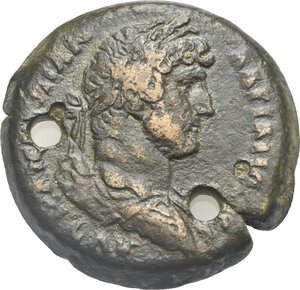
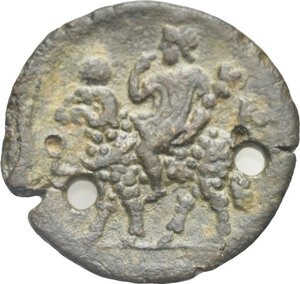
Egypt. Alexandria. Hadrian, 117-138. Drachm (Bronze, 33.41 mm, 22.54 g). Dated RY 21 (= 136/7). ΑΥΤ ΚΑΙϹ [ΤΡ]ΑΙΑΝ - ΑΔΡΙΑΝΟ[Ϲ ϹΕΒ] Laureate draped and cuirassed bust right. Rev. Harpocrates of Mendes riding on ram to left; L-Κ[Α] (date) across field. K&G 32.706 (incorrect year). Dattari 1737 (incorrect year). Geissen -. Emmett 977. RPC III, 6099 (incorrect year) = RPC III, 6176. SNG Paris 1845. Pierced twice, otherwise, Good Fine. Very rare.
Ex Numismatic Fine Arts, lot 2385.
The specimens Dattari 1737, Dattari-Savio 7677 and Paris 1845 are apparently struck with the same reverse die. In the piece of Paris, the one of the year can only be guessed at, but the illustrations by Dattari-Savio (with images of the two pieces swapped, see Dattari Tav. XIV) shown the letter alpha. Therefore the present piece also refers to the same year, even if the letter alpha is not visible.
This very rare drachm suffered "ab antiquo" a double perforation without damages to the figures both on obverse and on revers, in particular to the Harpokrates of Mendes, riding a ram with the solar disc on its head, representing a local form of Osiris.
Lot # 347
-
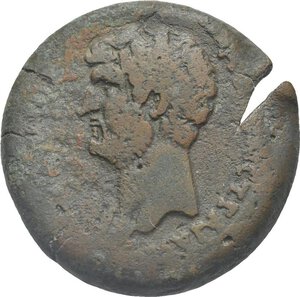
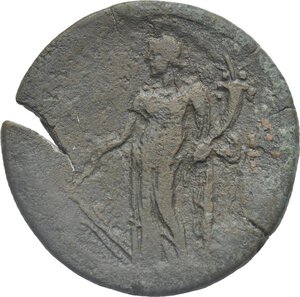
Egypt. Alexandria. Hadrian, 117-138. Drachm (Bronze, 34.46 mm, 25.55 g). Dated RY 21 (= 136/7). [ΑΥΤ ΚΑΙC[ ΤΡΑΙΑ[Ν ΑΔΡΙΑΝΟC CЄΒ]Bare head left. Rev. Tyche standing facing, head left, holding rudder and cornucopia; LK-A across field. Geissen -. Dattari (Savio) 7798 (this coin). RPC -. Emmett -. Edge cut. Fine. Apparently unique and of the highest rarity.
Ex Giovanni Dattari Collection 7798. Ex Naville Numismatics Ltd 55, 09.02.2020, lot 317.
This drachm was engraved by the "Master of the nude head of Hadrian" too (cf. n. 89 of the collection) and probably a unique specimen from the famous Dattari collection and not appearing elsewhere. The coin is well centred despite the marginal break that does not affect the images well readable in every detail.
Lot # 346
-
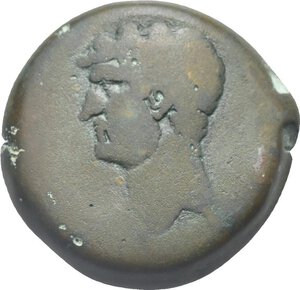
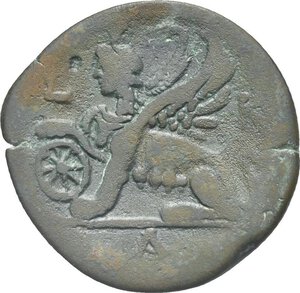
Egypt. Alexandria. Hadrian, 117-138. Drachm (Bronze, 33.13 mm, 25.48 g). Dated RY 21 (= 136/7). [ΑΥΤ ΚΑΙC ΤΡΑΙΑΝ ΑΔΡΙΑΝΟC CЄΒ] Bare head of Hadrian to left. Rev. Sphinx seated left, wearing kalathos, resting her right paw on wheel; L - K/A across field. Geissen -. Dattari-Savio 1999 var. Emmett 1053. RPC III, 6204.2 (this coin). Good Fine. Extremely rare for this year of reign.
Ex Rhakotis Collection. Ex Leu Numismatik AG 16, 22-24 May 2021, lot 2268.
The obverse of this very rare drachm, circulated but well legible, is an example of the series of Hadrian portraits facing left, of which it was possible to recognize the hand of a single skilled engraver who Staffieri G. M. has called "The master of the nude head of Hadrian" (Cf. XV International Numismatic Congress Taormina 2015 - Proceedings - Volume II, pp. 787-788; Roma-Messina, 2017). On reverse, the winged Sphinxs with kalathos and wheel is one of the images of Nemesis, the divinity that presides over destiny and distributive justice.
Lot # 345
-
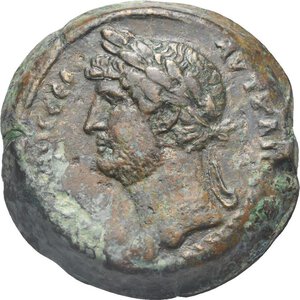
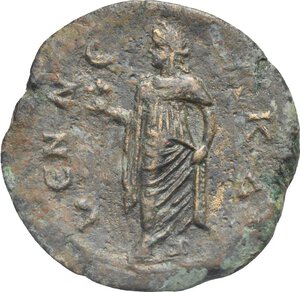
Egypt. Alexandria. Hadrian, 117-138. Drachm (Bronze, 32.52 mm, 24.75 g) dated RY 19 (= 134-135) AYT KAIC TPAIAN AΔΡΙΑΝΟC CЄΒ Laureate head of Hadrian left. Rev. L ЄNNЄ AK Δ (date) around. Elpis draped standing left, raising her skirt with the left hand in apotropaic gesture and holding flower in the right hand. RPC III, 5988 (this coin, no. 17). Dattari-Savio Suppl. 75. Emmett 956. Nice light-brown tone. Good Very Fine.
Ex Roma Numismatics 66, 09.01.2020, lot 743.
On obverse we see an attractive portrait of Hadrian, exceptionally turned left, a detail that makes the coin rather rare. On reverse there is Elpis, holding the lotus flower, the personification of Hope that according to Hesiod, is the last to stay in the Pandora's box when the evils that spread in the world, came out of it.
Lot # 344
-
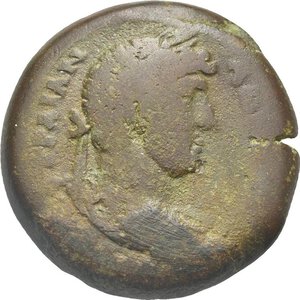
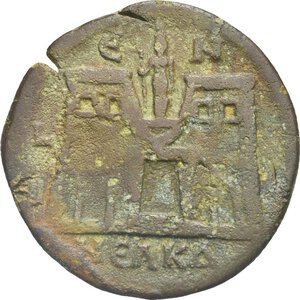
Egypt. Alexandria. Hadrian, 117-138. Drachm (Bronze, 32.92 mm, 22.84 g). RY 19 = year 134/135. [AYT KAIC] TPAIAN AΔP[IANOC CЄΒ] Laureate, draped and cuirassed bust of Hadrian to right, seen from behind. Rev. L / ЄΝ/ΝЄΑΚΔ Pylon of an Egyptian temple surmounted by statue of Isis standing front, wearing headdress and holding scepter in her right hand. Dattari- Savio 1972. Emmett 996.19. Geissen -. RPC III 6038. K&G 32.670. Flan crack and with light cleaning scratches on the obverse, otherwise, good fine.
From the Rhakotis Collection, formed in the 1960s and 1970s. Ex Leu Numismatik AG 16, 22-24 May 2021, lot 2238.
The images of contemporary egyptian monuments on the reverse of Alexandrian drachms, are rare and precious for the testimony of their existence and the possibility of their identification. In this well centred specimen you recognize the front pylon with double windowed tower of an Hellenistic temple in Egyptian form where above the lintel appears the typical statuary figure of Isis-Demeter-Sothis with the ritual tunic and "basileion", holding sceptre with her right forearms. We suggest it may be the temple of Isis on the island of Philae-Agilkia as described by Staffieri G. M. in "Il tempio di Isis a Philae nella monetazione alessandrina", Quaderni Ticinesi di Numismatica e Antichità Classiche L, 2011, pp. 231-239.
Lot # 343
-
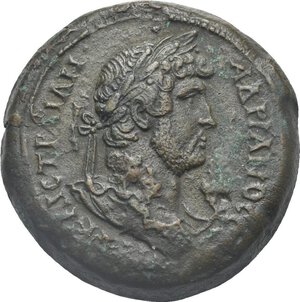
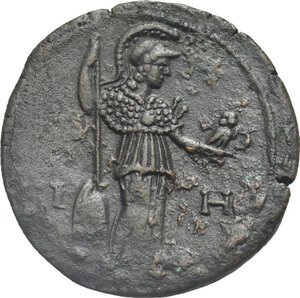
Egypt. Alexandria. Hadrian,117-138. Drachm (Bronze, 34 mm, 23.33 g). Dated RY 18 (= 133/4). ΑΥΤ ΚΑΙϹ ΤΡΑΙΑΝ - ΑΔΡΙΑΝΟϹ Ϲ[ΕΒ] Laureate, draped, and cuirassed bust right. Rev. Athena standing right, holding spear and owl; shield at side, LI-H (date) across field. Dattari-Savio 1646. RPC III, 5876. Geissen 1104-5. BMC 695. Emmett 929. Dark green-brown patina, Good Very Fine.
Ex Artemide Aste 48 E, 31 July 2019, lot 318.
The reverse shows the typical solemn athenian figure of Athena Parthenos, with spear, shield and Corinthian helmet holding in the left hand, the owl of the Lycabettus hill, classic symbol of the city.
Lot # 342
-
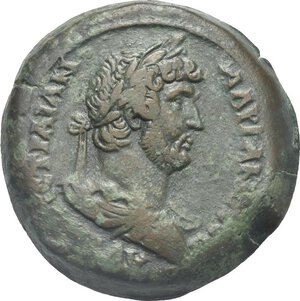
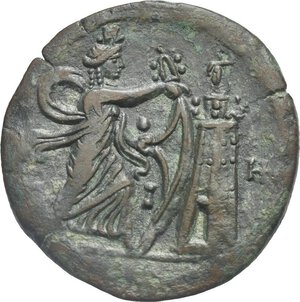
Egypt. Alexandria. Hadrian, 117-138 AD. Drachm (Bronze, 34.51 mm, 28.44 g). Dated L I H = year 18 (133 /134 AD) ΑΥΤ KAIC TPAIANOC AΔPIANOC CEB Laureate, cuirassed and draped bust of Hadrian right, seen sideways from the back. Rev. Anepigraph. Isis Pharia is walking right towards the Lighthouse of Alexandria holding with hands and left foot three flaps of the unfolded sail. She is wearing chiton, peplos and basileon on her head while holding sistrum in her right hand and globus in her left. To right the rectangular towered shaped lighthouse with below the entrance portal and along the walls the round windows; at the corners of the upper terrace the statues of tritons playing buccina. On top of the lantern, the statue of Helios-Sarapis, deity of the light. In the field LIH = year 18. Vogt I, p. 105. Vogt II, p. 55. BMC 757 var. (without sistrum). Dattari 1767 p. 85 (same die). RPC III 5895.50 this specimen. Emmett 1002. Milne 1414. Staffieri, G. M., Alexandria in Nummis, pp. 149-150, Muzzano 2017. Extremely Fine for the type of the coin with brilliant green and brown patina.
Ex B.A.Seaby Ltd. price list IX/88.
This drachm is particularly valuable for its reverse where together with the mythical Isis Pharia the lighthouse of Alexandria is realistically reproduced, one of the famous Seven Wonders of the ancient world, now disappeared. His image was always taken in rare series also by some other Roman emperors and constitutes the only testimony of this extraordinary monument whose destruction and demolition contributed both nature with its earthquakes of 1303 and 1323 as well as the Arabs who conquered Egypt and built the fortress Qaitbey in its place. A clarification regarding the statue that dominates from the top of the lantern of the lighthouse: it is Helios-Sarapis greek-egyptian deity of light and not Poseidon god of the sea or Zeus or anything else.
Lot # 341
-
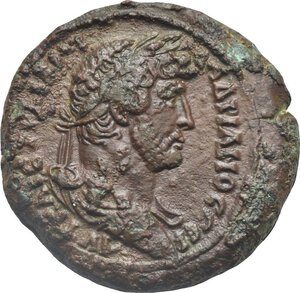
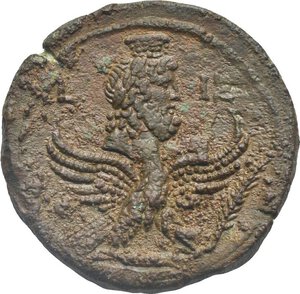
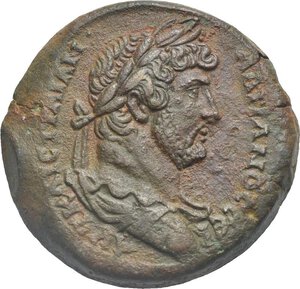
Egypt. Alexandria. Hadrian, 117-138. Drachm (Bronze, 35.89 mm, 27.69 g). Dated RY 17 (= 132/3). ΑΥΤ ΚΑΙϹ ΤΡΑΙΑΝ ΑΔΡΙΑΝΟϹ ϹЄΒ Laureate, draped and cuirassed bust of Hadrian to right. Rev. Draped bust of Serapis to right, wearing kalathos, set on eagle standing facing, head to right; to right, palm frond; L - IZ (date) across upper field. Dattari (Savio) 1822. RPC III, 5841. Emmett 1026. Geissen 1083. BMC 743. Attractive "desert" brown patina with reddish tone. Rough surface, otherwise, nearly Extremely Fine.
Lot # 340
-
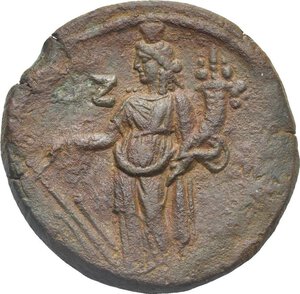
Egypt. Alexandria. Hadrian, 117-138. Drachm (Bronze, 33.5 mm, 28.05 g). Dated RY 17 (= 132/3). AVT KAIC TRAIAN AΔPIANOC CЄB Laureate, draped, and cuirassed bust right. Rev. Tyche standing facing, head left, holding rudder and cornucopia; L IZ (date) to left. Geissen 1089. Dattari-Savio 1853. K&G 32.555 (this coin illustrated). RPC III, 5848. Emmett 1062. Highly realistic and splendid portrait, attractive reddish-brown patina. Nearly Extremely Fine. Extremely Rare.
Ex Dr. George Brauer Collection (Numismatic Fine Arts Fall MBS, 12 October 1988), lot 864. Ex CNG 480, 11 November 2020, lot 439.
Drachm with flan of particular thickness, well centred and of very good preservation. The bust of the emperor, always well reproduced, shows signs of senility but is realistic in his 17th year of reign (132-133 AD), not detected by Emmett, which makes this coin probably unique.
Lot # 339
-
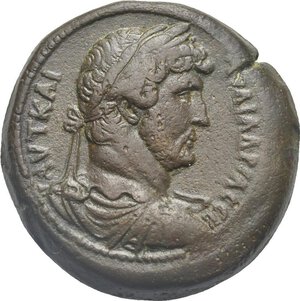
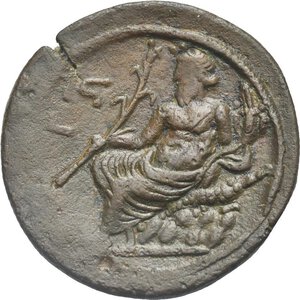
Egypt. Alexandria. Hadrian, 117-138. Drachm (Bronze, 34.51 mm, 27.81 g). Dated RY 16 (= 131/2). ΑΥΤ ΚΑΙ ΤΡΑΙ ΑΔΡΙΑ CЄΒ Laureate, draped and cuirassed bust right. Rev. Nilus seated left on rock, holding reed in his right hand and cornucopiae in his left; below, crocodile to right; L Iς (date) to left. Geissen. 1056. Dattari 1794. Emmett 1016. RPC III, 5791. Milne 1329-33 var. BMC 788. Portrait of fine style with a nice brown patina. Minor flan crack, otherwise, Good Very fine.
Ex Rhakotis Collection, Leu Numismatik AG 13, 15-16 August 2020, lot 1042.
Another drachm of relevant style especially for the soft and solemn adult bust of Hadrian on obverse, work of a distinguished master engraver. On reverse Nilus is reclining on a crocodile's back and both leaning on a rock. Relevant the original bright and regular light brown patina on the entire coin.
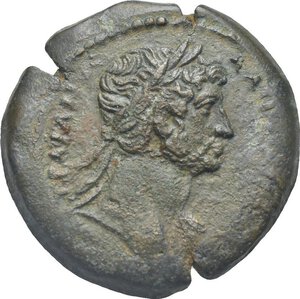
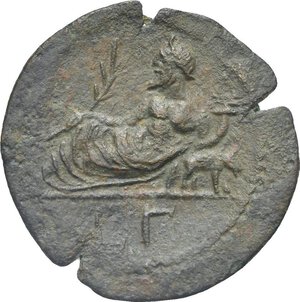
Lot # 338
-
Egypt. Alexandria. Hadrian, 117-138. Drachm (Bronze, 34.42 mm, 16.06 g). Dated RY 3 (= 118/9). [ΑΥΤ ΚΑΙϹ] ΤΡΑΙΑΝΟϹ ΑΔ[ΡΙΑΝΟϹ ϹΕΒ] Laureate bust right with slight drapery. Rev. Nilus reclining left on hippo, holding reed and cornucopia; L Γ (date) in exergue. Dattari-Savio, 1799 var. (date position). RPC III, 5168. Emmett 1015. Edge nicks. Attractive dark brown patina. Good Very Fine. Very Rare.
Ex Naville Numismatics Ltd. 42, 22.07.2018, lot 261.
Drachm of great rarity (Emmett 5) issued by Hadrian in his third year of reign. Very important on obverse his excellent youthful portrait and on reverse the peaceful and serene image of the Nilus reclining on the hippo’s rump. All immersed in an original light-brown patina uniform and brilliant.
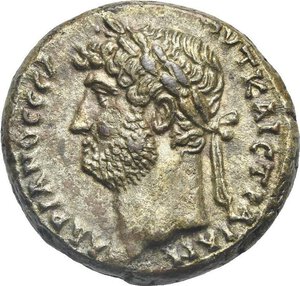
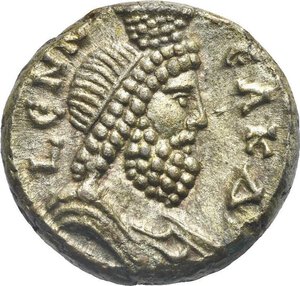
Lot # 337
-
Egypt. Alexandria. Hadrian, 117-138. Tetradrachm (Billon, 23.85 mm, 12.68 g). Dated RY 19 (= 134/5). ΑΔΡΙΑΝΟϹ ϹΕΒ ΑΥΤ ΚΑΙϹ ΤΡΑΙΑΝ Laureate head left with drapery on shoulder. Rev. L ЄN-NЄAK Δ (date) Draped bust of Serapis right, wearing kalathos and laurel wreath around. Geissen 1150 var. (legend break). Dattari-Savio 1465 var. (obv. legend). RPC III, 5943. Emmett 889. Cf. Savio, Tetradrammi alessandrini, pp 77-81. Lovely patina with silvered highlights. Extremely Fine.
Ex Münzen u. Medaillen, Internationale Münzenbörse, Zürich, October 1972.
Practically uncirculated tetradrachm with the singularity, on the obverse, of Hadrian's laureate head turned to the left. Curious then on the reverse is the bust of Serapis with a strange, not very ritualistic hairstyle.
Lot # 336
-
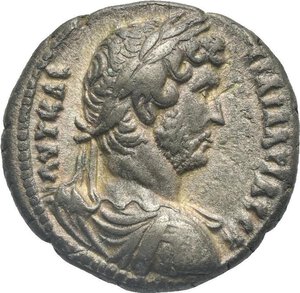
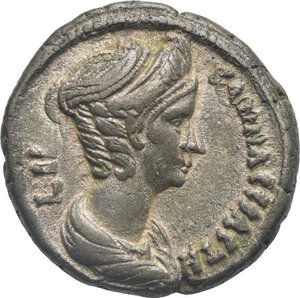
Egypt. Alexandria. Hadrian, 117-138 AD. Tetradrachm (Billon, 25.28 mm, 12.85 g). Dated L I Γ= year 13 (128 / 129 AD) ΑΥΤ KAI TPAI AΔPIA CEB Laureate, cuirassed and draped bust of Hadrian right, seen sideways from the back. Rev. CABINA CEBACTH L I Γ Draped bust of Sabina with chiton and peplos right, seen in profile; her hair is gathered up around a tiara and some curls falling down till above the neck. Vogt I, p. 1092. Vogt II, p. 51. BMC 560-567. Dattari 1240. Geissen 997. RPC III 5729. Emmett 886. Staffieri, G. M., Alexandria in Nummis, p. 187, Muzzano 2017. Cf. Savio, Tetradrammi alessandrini, pp. 77-81. Extremely Fine with slight overstrucking on reverse.
Ex Numismatics Fine Art, Price List October 1988, lot 866.
This coin worthily celebrates the imperial couple in the year in which they began their "Grand Tour" through the eastern empire’s provinces and the year before their arrival and stay in Egypt. It is of a superior artistic quality, the work of a Hellenistic-Roman master engraver. The portraits fully interpret the majesty of the imperial couple and bear witness to it forever over time.
Lot # 335
-
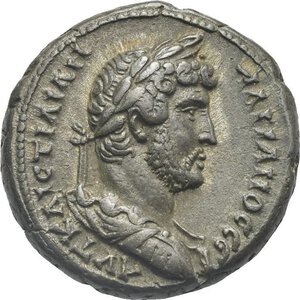
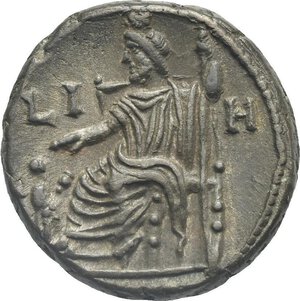
Egypt. Alexandria. Hadrian, 117-138. Tetradrachm (Billon, 25.16 mm, 13.60 g). Dated RY 18 (133/4 AD). ΑΥΤ ΚΑΙϹ ΤΡΑΙΑΝ - ΑΔΡΙΑΝΟϹ ϹΕΒ Laureate, draped, and cuirassed bust right. Rev. Serapis seated left, holding sceptre; cerberus seated left at feet. Dattari 1479 (this coin). RPC III, 5871.4. Milne 1399. Emmett 892. Geissen 1094 (same obverse die). BMC 622. Cf. Savio, Tetradrammi alessandrini, pp. 77-81. Portrait of fine style, attractive toning. Nearly Extremely Fine.
Ex Giovanni Dattari Collection, 1479. Ex Nascia, Milano, 1980. Ex Collezione Athos Moretti, Bellinzona, May 1987.
Coin with a prestigious pedigree of stunning style and preservation showing on obverse a majestic and a protruding sculptural portrait of the ruler. Zeus-Sarapis, greek-egyptian on reverse recalls the Hadrian restoration of Serapeum in Alexandria.
Lot # 334
-
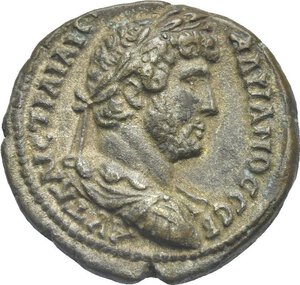
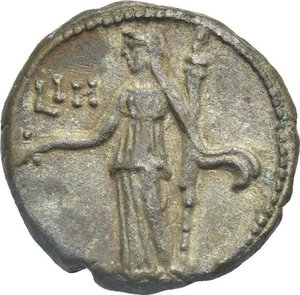
Egypt. Alexandria. Hadrian, 117-138. Tetradrachm (Billon, 25.92 mm, 12.92 g). Dated RY 18 (= 133/4). ΑΥΤ ΚΑΙϹ ΤΡΑΙΑΝ - ΑΔΡΙΑΝΟϹ ϹΕΒ Laureate, draped, and cuirassed bust right. Rev. Demeter standing facing, head left, holding grain ears and long torch; L IH (date) in upper left field. Dattari-Savio 7400 corr. (date position). Dattari 1333. RPC III, 5869 var (date position). Emmett 832. Cf. Savio, Tetradrammi alessandrini, pp. 77-81. Nice patina, almost fully silvered. Good Very Fine.
Ex Münzentrum XXIX, 27.04.1977, lot 135.
On obverse imperial bust of high relief and courtly style. On the reverse, Demeter is a patron goddess of the fertility of the earth and the abundance of the harvest, often likened to Isis in Egyptian pantheism and combined with Triptolemus, the divine sower of grains from his aerial chariot pulled by winged serpents.
Lot # 333
-
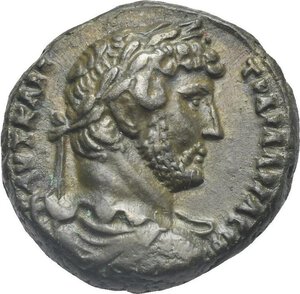
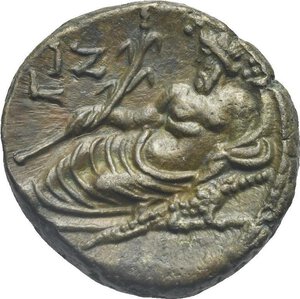
Egypt. Alexandria. Hadrian, 117-138. Tetradrachm (Billon, 23.93 mm, 13.37 g). Dated RY 17 (= 132/3). ΑΥΤ ΚΑΙϹ ΤΡΑΙ ΑΔΡΙΑ ϹΕΒ Laureate, draped, and cuirassed bust right. Rev. Nilus reclining left, holding reed with his right hand and cradling a cornucopia with his left arm; crocodile below; L IZ (date) in upper left field. Geissen 1063. Dattari-Savio 1434 corr. (obv. legend). RPC III, 5820. Emmett 876. BMC 2848. Cf. Savio, Tetradrammi alessandrini, pp. 77-81. Lovely dark brown patina and impressive portrait. Extremely Fine.
Ex Spink, London, 07.09.1972.
This tetradrachm, allthough of slightly narrow size, shows all its charm of style and preservation. Practically uncirculated, it shows images on both sides of high relief, almost globular and every detail is sharply obvious. All embellished by an old collection patina.
Lot # 332
-
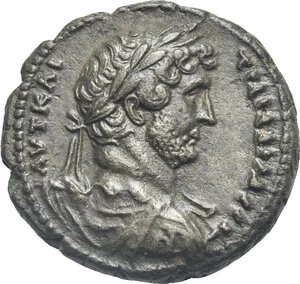
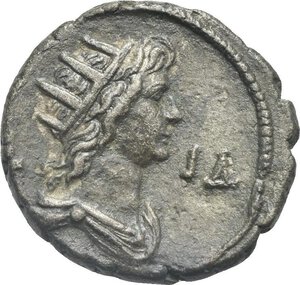
Egypt. Alexandria. Hadrian, 117-138. Tetradrachm (Billon, 26.45 mm, 13.21 g). Dated RY 14 (= 129/30). AVT KAI TRAIA ADPIANOC Laureate, draped and cuirassed bust right. Rev. Radiate and draped bust of Helios right; L - IΔ (date) across field. Geissen 1002. Dattari-Savio 1384. RPC III, 5737. Milne 1280. Emmett 852. Cf. Savio, tetradrammi alessandrini, pp 77-81. Portrait of fine style and attractive patina. Minor porosity, otherwise, nearly Extremely Fine.
Ex Spink, London, 07.09.1972.
Coin of high style on both obverse and reverse and of excellent preservation. The portrait of Hadrian is of statuary relief while the bust of Helios is of an almost feminine gracefulness.
Lot # 331
-
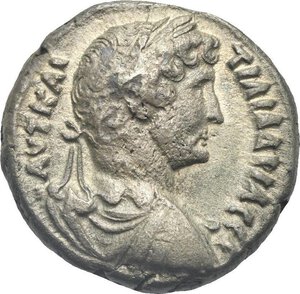
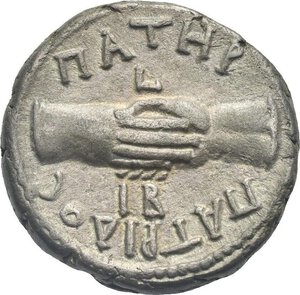
Egypt. Alexandria. Hadrian, 117-138. Tetradrachm (Billon, 25.33 mm, 12.76 g) dated RY 12 (= 127-128) ΑΥΤ ΚΑΙ ΤΡΑΙ ΑΔΡΙΑ ϹЄΒ Laureate, draped and cuirassed bust of Hadrian right. Rev. ΠΑΤΗΡ ΠΑΤΡΙΔΟϹ around from above clockwise. Clasped hands, L ΙΒ (date) above and below them. RPC III, 5715. Dattari-Savio 1524, this coin. Geissen 979. BMC 670. Milne 1263. Emmett 848. Vogt II, 51. Cf. Savio, Tetradrammi alessandrini, pp 77-81. Slightly porous, otherwise, Good Very Fine.
Ex Giovanni Dattari Collection 1524. Ex Künker 182, 14.03.2011, lot 664.
The obverse of this tetradrachm has a very high style Hadrian portrait. On reverse the emperor was honored with the conferral of the glorious title of “Pater Patriae”, while the hands shake recalls to concept of “Omonoia” i.e. harmony with his wife, empress Sabina, who will appear on the Alexandrian coins from the following year 13 (128-129 AD).
Lot # 330
-
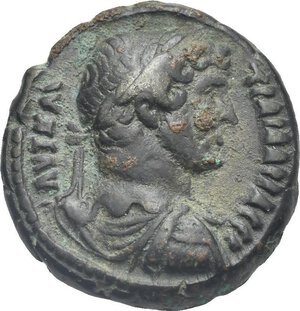
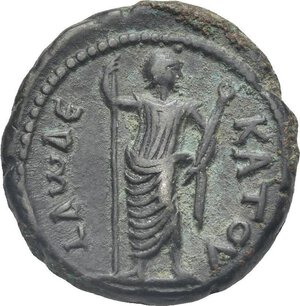
Egypt. Alexandria. Hadrian, 117-138. Tetradrachm (Bronze, 24.41 mm, 13.55 g) dated RY 12 (= 127-128) ΑΥΤ ΚΑΙ ΤΡΑΙ ΑΔΡΙΑ ϹЄΒ Laureate, draped and cuirassed bust of Hadrian right. Rev. Ptah/Ephaestus standing facing, wearing himation, head turned to right wearing fitted cap with pellet above, holding long scepter in the right hand, drapery and tongs on the left arm. L ΔωΔЄ ΚΑΤΟΥ (date) around. RPC III, 5712. Dattari-Savio 1448. Emmett 882. Geissen 981. BMC 635-636. Milne 1257-1258. Vogt II, 51. Cf. Savio, Tetradrammi alessandrini, pp 77-81. Brown tone e some deposits on portrait. About Extremely Fine.
Ex Giessener Münzhandlung, München, March 1997.
The reverse of this tetradrachm presents the greek-ellenistic deity Ptah-Efesto (Volcan) that recalls in parallel that Egyptian-pharaonic mummiform Ptah-Sokar-Osiris depicted on Hadrian tetradrachm issued on the same year 12 of reign of the ruler (cf. Emmett 883 and Staffieri, Alexandria in Nummis, pp. 123-124). Both deities are related to funeral worship.
Lot # 329
-
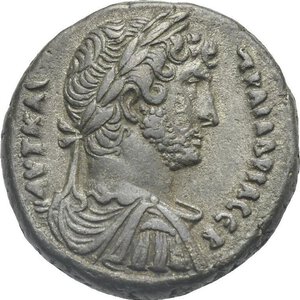
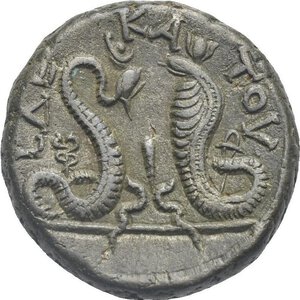
Egypt. Alexandria. Hadrian, 117-138 AD. Tetradrachm (Billon, 23.41 mm, 13.22 g). Dated Λ ΔEKATOY = year 10 (125 / 126 AD) ΑΥΤ KAI TPAIA AΔPIA CEB Laureate, cuirassed and draped bust of Hadrian right, seen sideways from the back. Rev. L ΔE KATOY ( = year 120) The snakes Agathodaemons with “pshent” crown (left) and Uraeus with “basileon” or Isiac crown (right), both on the exergual line, erect and facing; in the folds of their tails, the first holds a caduceus (symbol of Hermanubis) and the second a sistrum (the emblem of Isis). Vogt I, p. 101. Vogt II, p. 48. BMC 668. Geissen 894-895. Dattari-Savio 7508 (same die). RPC III 5596.45, this specimen. Emmett 804. Staffieri, G. M., Alexandria in Nummis, pp.121-122 and 342-343, Muzzano 2017. Cf. Savio, Tetradrammi alessandrini, pp 77-81. Extremely Fine with high definition of details.
Ex Numismatica Aretusa SA, (Franco Chiesa)1981.
Tetradrachm minted with this reverse only in the tenth year of Hadrian's reign. The imperial portrait is of high artistic quality and certifies the serene majesty of the sovereign. The reverse refers to the Egyptian mythology of the facing pair of snakes: on the left the peaceful male Agazhodaermon sacred to Zeus-Sarapis and on the right the combative Pharaonic female Uraeus sacred to Isis which, together, indicate well-being and political stability, as well as fertility. In this rare example reported only by Dattari-Savio, the tails of the two snakes extend beyond the exergual line, accentuating the perspective and three-dimensionality of the scene.
Lot # 328
-
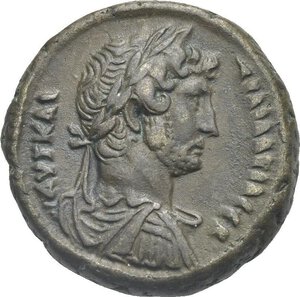
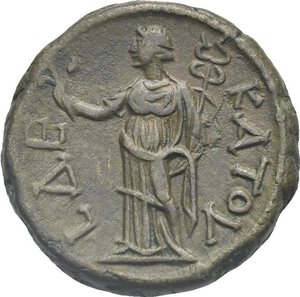
Egypt. Alexandria. Hadrian, 117-138. Tetradrachm (Bronze, 24.72 mm, 13.34 g) dated RY 10 (= 125-126) ΑΥΤ ΚΑΙ ΤΡΑΙ ΑΔΡΙΑ ϹЄΒ Laureate, draped and cuirassed bust of Hadrian right. Rev. L ΔЄ ΚΑΤΟΥ (date) around. Eirene draped standing facing, head turned to left, holding ears of grain in the right extended hand, caduceus and drapery on the left arm. RPC III, 5581 (this coin, no. 41). Dattari-Savio 1365. Geissen 906. Milne 1128 var. BMC 593. Emmett 838. Cf. Savio, Tetradrammi alessandrini, pp. 77-81. Nice light-brown tone. Exceptional portrait. Extremely Fine.
Ex CNA IV, 21 September 1988, lot 276.
Very much fascinating and of great preservation is this noble portrait of Adrian as a military leader. The reverse through the auspicious figure of Eirene, also designates him messenger of peace, quiet and prosperity.
Lot # 327
-
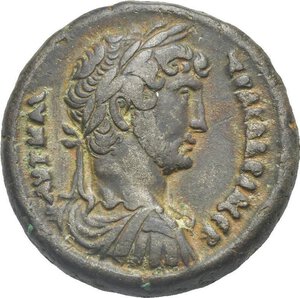
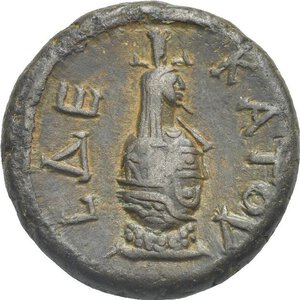
Egypt. Alexandria. Hadrian, 117-138. Tetradrachm (Billon, 24.15 mm, 13,17 g). Dated RY 10 (= 125/6). AYT KAI TPAI ADPIA CEB Laureate, draped, and cuirassed bust right. Rev. L ΔE-KATOV (date) Canopic jar right. Geissen 903. Dattari 1325. RPC III, 5578. Milne 1154. Emmett 827. BMC 2839. Cf. Savio, Tetradrammi alessandrini, pp.77-81. Toned. Attractive portrait. Nearly Extremely Fine.
Ex CNA IV, 21 September 1988, lot 275.
The reverse of this interesting tetradrachm depics the “Osiris canopic jar” referring to the pharaonic worship of the sacred Nile river waters. Canopic jars, both of Osiris and of Isis, contained water of the Nile and they were carried in procession in many places all aroung Egypt to propitiate a fruitful flood and a copious harvest.
Lot # 326
-
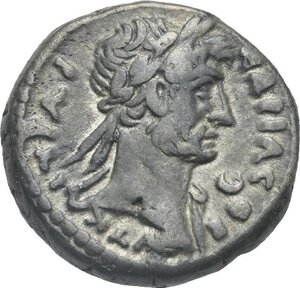
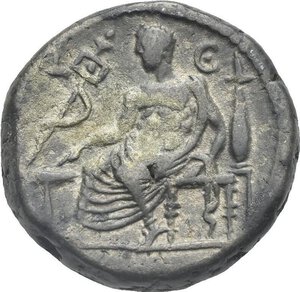
Egypt. Alexandria. Hadrian, 117-138. Tetradrachm (Billon, 23.99 mm, 14.81 g) dated RY 5 (= 120-121) ΑΥΤ ΚΑΙ ΤΡΑΙ ΑΔΡΙΑ ϹЄΒ Laureate bust of Hadrian right, slightly draped on the left shoulder, crescent to right. Rev. Asklepios? draped bare chest, seated left on throne, the right leg forward, the left one bent backwards, holding the right hand on altar to left surmounted by vexillum and entwined by serpent and resting the left hand with drapery on the chair, L Є (date) above across fields. RPC III, 5269 (this coin, no. 4). Dattari-Savio 7376 (this coin). Milne - . BMC - . Emmett 816. Cf. Savio, Tetradrammi alessandrini, pp. 77-81. Nice tone. Good Very Fine.
Ex Giovanni Dattari Collection 7376. Ex Emporium Hamburg 66, 2011, lot 252.
Giovanni Dattari had opportunely chosen this curious and extremely rare coin for his collection. In fact, the unusual image on the reverse aroused more than one discussion, which eventually focused on the identification of the ‘togatus’ sitting on a throne between Serapis and Asklepios, where the symbols doctrine makes choose Asklepios both for the presence of the serpent around the vexillum and for the absence of the modius on the head, for the beard on the face and the canid Kerberus at feet.
Lot # 325
-
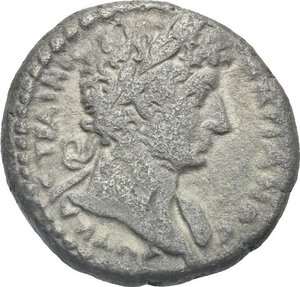
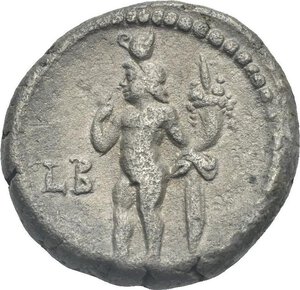
Egypt. Alexandria. Hadrian, 117-138. Tetradrachm (Billon, 24.48 mm, 12.26 g). Dated RY 2 (= 117/8). ΑΥΤ ΚΑΙϹ ΤΡAΑΝΟϹ ΑΔΡΙΑΝΟϹ CЄ Laureate head of Hadrian to right, with slight drapery on his left shoulder. Rev. Harpokrates standing left, raising his right hand to his mouth and holding cornucopiae in his left; L B (date) in lower left field. Dattari-Savio 1375 (this coin). RPC III, 4996 (this coin cited). Emmett 850. Cf. Savio, Tetradrammi alessandrini, pp.77-81. Apparently the third known example. Toned. Slightly rough, otherwise, Very Fine. Extremely Rare.
Ex Giovanni Dattari Collection 1375. Ex Naville Numismatics Ltd.40, 27.05.2018, lot 374.
Important tetradrachm already belonging to the Dattari collection, apparently to the first issues of Hadrian with his youthful portrait. On reverse is Harpokrates (Horus as child) the deity born of the mystical marriage between Isis and Osiris with whom he forms the Alexandrian triad. His cult in Egypt was practised in addition to Alexandria, especially in Herakleopolis Magna, in Edfu (Apollinopolis), in Mendes, in Pelusium, in Kanopos and in Taua-Buto (cf. Poole, pp. LXIII-LXVI).
Lot # 324
-
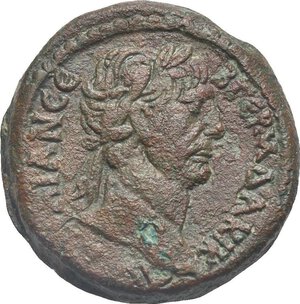
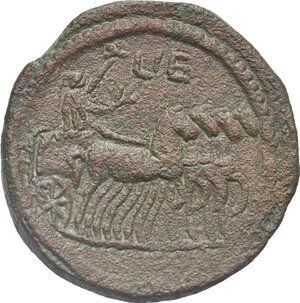
Egypt. Alexandria. Traianus, 98-117. Emidrachm (Bronze, 27.71 mm, 14.78 g). Dated RY 15 (= 111/2). AY[T T]PAIAN CЄB ΓЄPM ΔAKIK Laureate head right, with slight drapery on his left shoulder. Rev. Trajan, holding eagle-tipped scepter in his left hand and branch in his right, driving quadriga to right; L IE in upper field. Dattari-Savio 753. RPC III, 4639.1/6 this specimen. Emmett 459. Geissen 586. Attractive brown reddish patina, somewhat rough. Good Very Fine.
Ex Numismatica Aretusa SA (Franco Chiesa), June 1981.
Alexandrine haemidarchm coinages are rather scarce and our well-centred specimen is notable for its beautiful original dark red “desert “patina. On the reverse is the triumph of Trajan at the head of a quadriga.
Lot # 323
-
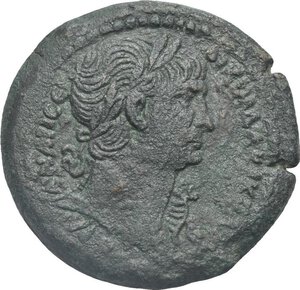
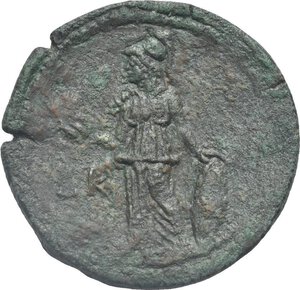
Egypt. Alexandria. Trajan, 98-117. Drachm (Bronze, 34.10 mm, 16.46 g). Dated RY 20 (= 116/7). ΑΥΤ ΤΡΑΙΑΝ ΑΡΙ ϹΕΒ ΓΕΡΜ ΔΑΚΙΚ ΠΑΡ Laureate nude bust right, with aegis on left shoulder. Rev. Athena standing facing, head left, holding ears of corn and shield; L K in left field. Dattari Pl. 35, 817 (this coin). RPC III, 4924.1 (this coin). Emmett 423. BMC -. SNG -. Green patina with minor roughness. Very Fine. Extremely Rare. Apparently only one example know, the one cited in RPC.
Ex Giovanni Dattari Collection 817. Ex Naville Numismatics Ltd. 46, 27.01.2019, lot 262.
A drachm of prestigious provenance also issued at the end of Trajan's reign, the obverse features a majestic physiognomic portrait of the great ruler, while the reverse is dominated by Athena, the patron deity of his military victory. A coin of absolute rarity and particular charm.
Results from 27401 to 27450 of 32902