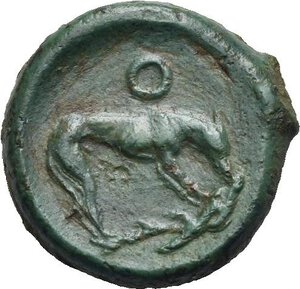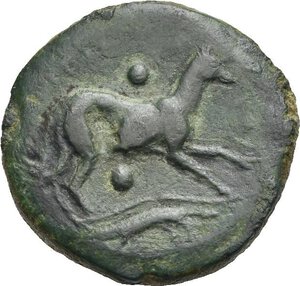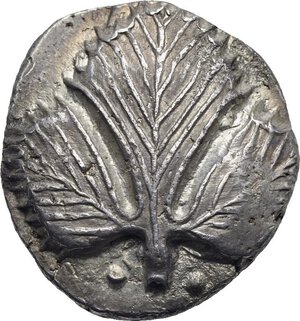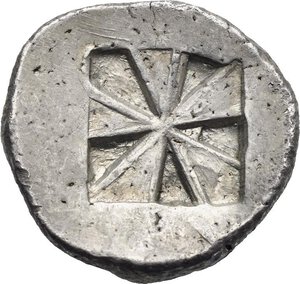
Banner Astarte 26
Watch:
Starting price: CHF 280
Current bid: CHF 280
CHF
B.P.: 19.00%
Closing on: 2026-04-09 13:30:00 Roma time
Watch:
Starting price: CHF 280
CHF
B.P.: 19.00%
Closing on: 2026-04-09 13:30:00 Roma time
Watch:
Starting price: CHF 350
Current bid: CHF 440
CHF
B.P.: 19.00%
Closing on: 2026-04-09 13:30:00 Roma time
Watch:
Starting price: CHF 250
Current bid: CHF 250
CHF
B.P.: 19.00%
Closing on: 2026-04-09 13:30:00 Roma time
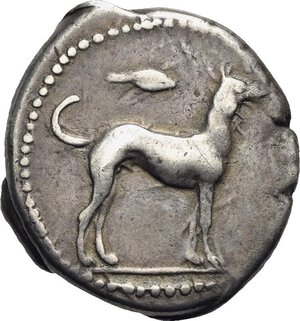
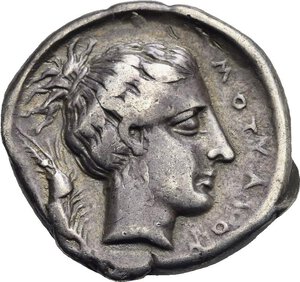
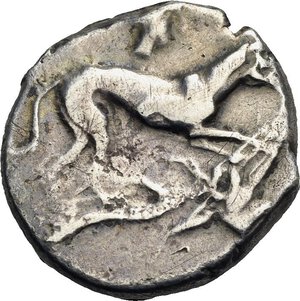
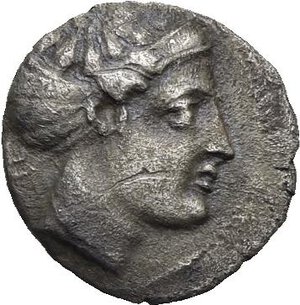
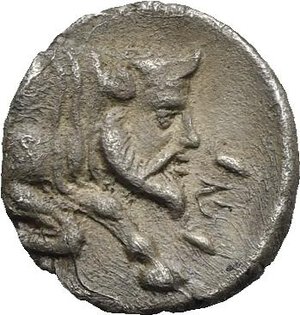
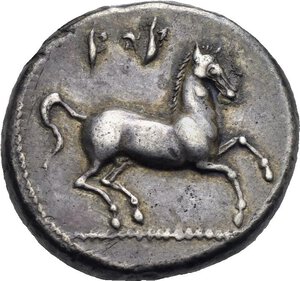
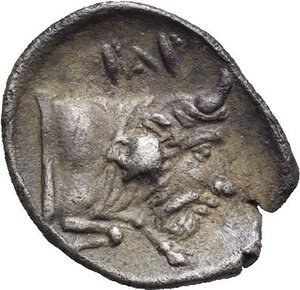
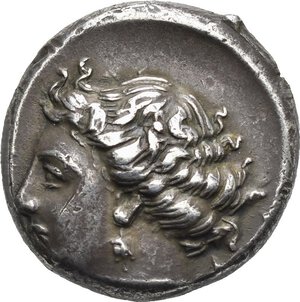
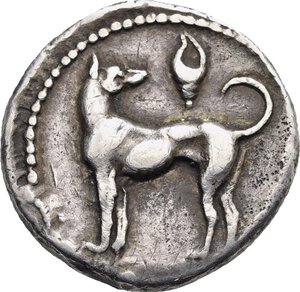
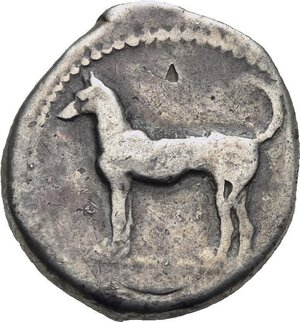
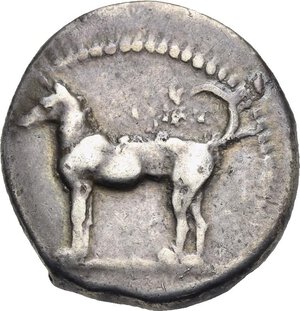
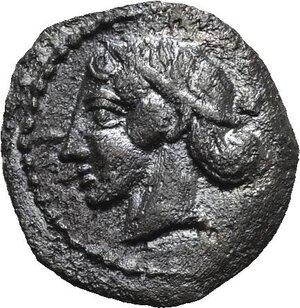
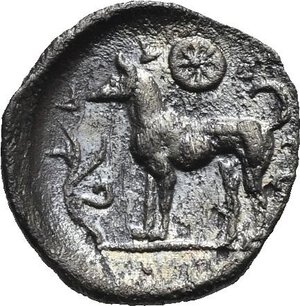
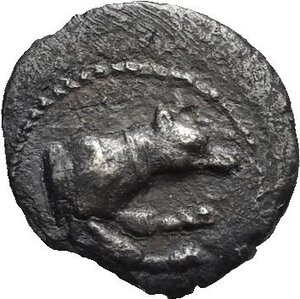
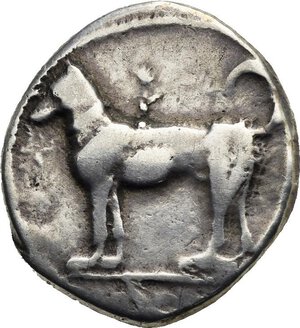
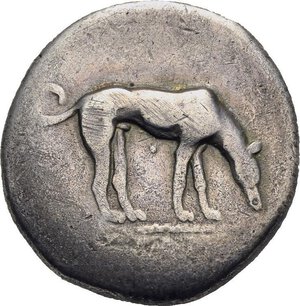
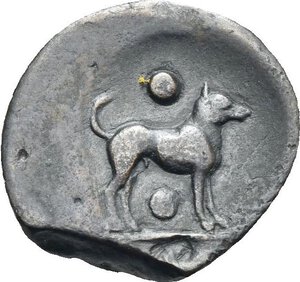
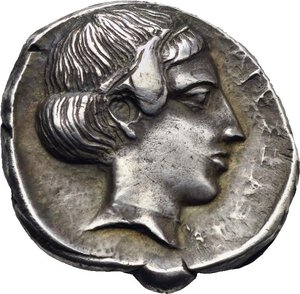
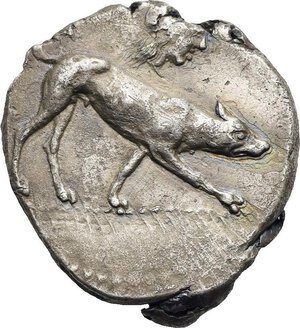
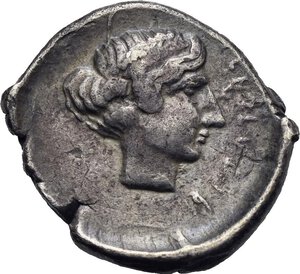
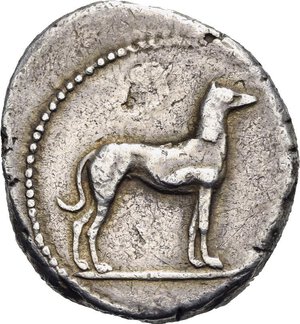
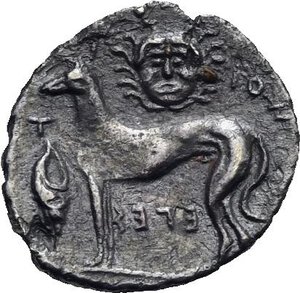
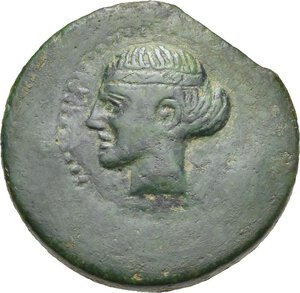
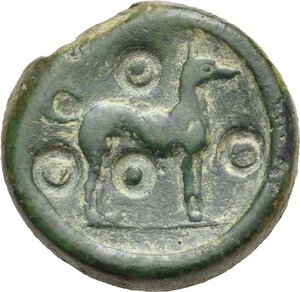
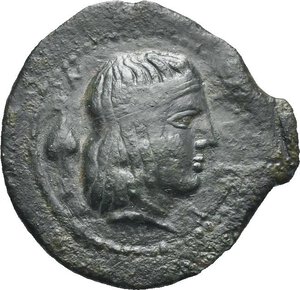
Lot # 65 - Sicily. Motya. Circa 412-400 BC. Didrachm (Silver, 21.32 mm, 8.44 g). Hound standing right on exergue line; above, barley grain; border of dots. Rev. MOTYAION, Head of nymph right, wavy hair drawn up over head into a korymbos; behind, crayfish swimming upwards; all within a shallow incuse circle. Jenkins, SNR 50 (1971), pl. 3, 20e (O10/R12, this coin). Viola CNP 462 (this coin illustrated). SNG Lloyd 1134 (same dies). De Luynes 1042 (same dies). Jameson 664 = Rizzo pl. LXV, 5 = Campana CNAI II, 373, 6A/c (same dies). Hurter (Segesta) pl. 22, C = Buceti 6/1a = HGC 2, 927 (same dies). Beautiful old cabinet tone. Good Very Fine. Very Rare.   Ex Dr. Busso Peus Nachfolger 407, 7 November 2012, lot 233; Dr. Busso Peus Nachfolger 353, 29 October 1997, lot 89; Classical Numismatic Group & Numismatic Ars Classica 40, 4 December 1996, lot 805; Hess-Leu 19, 12 April 1962, lot 76. This coin has the same (or very similar) dies to those found by Silvia Hurter, Segesta pl. 16, Obverse 54 and by Jenkins in SNR 50 (1971), Panormos pl. 6, Reverse 2.   The didrachms minted during this period may have been produced to pay the mercenaries that regularly formed the armies of the ancient Sicilian cities. This was a period of constant conflict between Segesta and Selinus, before the cycle of alliances that ultimately destroyed the latter and firmly established Punic power in Western Sicily. Therefore, a sudden surge is observed of numismatic activity in North-West Sicily. Three cities, Segesta, Motya and Panormos minted considerable quantities of the same types of didrachms: a hunting dog on the obverse and a nymph's head on the reverse. The coins of the three cities reveal the hand of the same engravers and although used the same types of coins, they all followed their own specific regime. The presence of hybrid coins combining dies from these cities suggests a central mint, probably in Segesta. While Jenkins and Hurter propose Panormos, Rutter argues convincingly for Segesta, which, considering the historical circumstances, seems the most plausible location.
Watch:
Starting price: CHF 1'200
Current bid: CHF 1'200
CHF
B.P.: 19.00%
Closing on: 2026-04-09 13:30:00 Roma time
Watch:
Starting price: CHF 350
CHF
B.P.: 19.00%
Closing on: 2026-04-09 13:30:00 Roma time
Watch:
Starting price: CHF 200
CHF
B.P.: 19.00%
Closing on: 2026-04-09 13:30:00 Roma time
Watch:
Starting price: CHF 150
CHF
B.P.: 19.00%
Closing on: 2026-04-09 13:30:00 Roma time
Watch:
Starting price: CHF 5'000
CHF
B.P.: 19.00%
Closing on: 2026-04-09 13:30:00 Roma time
Watch:
Starting price: CHF 150
CHF
B.P.: 19.00%
Closing on: 2026-04-09 13:30:00 Roma time
Watch:
Starting price: CHF 150
CHF
B.P.: 19.00%
Closing on: 2026-04-09 13:30:00 Roma time
Watch:
Starting price: CHF 100
CHF
B.P.: 19.00%
Closing on: 2026-04-09 13:30:00 Roma time
Watch:
Starting price: CHF 150
CHF
B.P.: 19.00%
Closing on: 2026-04-09 13:30:00 Roma time
Watch:
Starting price: CHF 200
Current bid: CHF 200
CHF
B.P.: 19.00%
Closing on: 2026-04-09 13:30:00 Roma time
Watch:
Starting price: CHF 150
Current bid: CHF 150
CHF
B.P.: 19.00%
Closing on: 2026-04-09 13:30:00 Roma time
Watch:
Starting price: CHF 1'200
Current bid: CHF 1'200
CHF
B.P.: 19.00%
Closing on: 2026-04-09 13:30:00 Roma time
Watch:
Starting price: CHF 2'000
CHF
B.P.: 19.00%
Closing on: 2026-04-09 13:30:00 Roma time
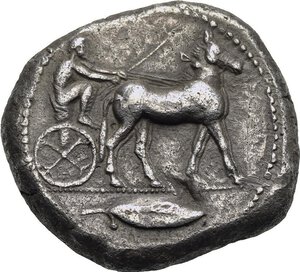
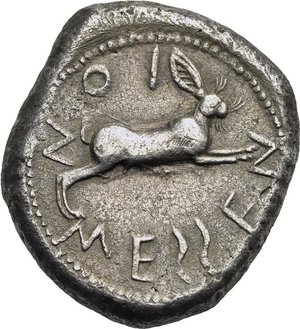
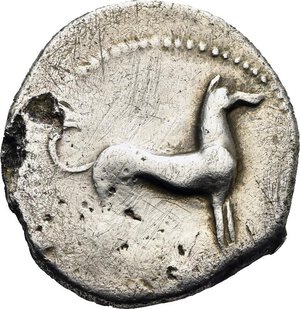
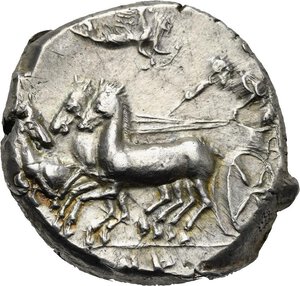
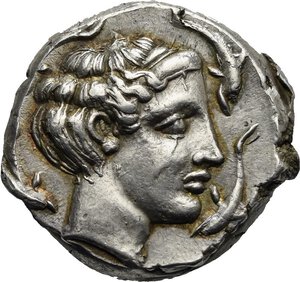
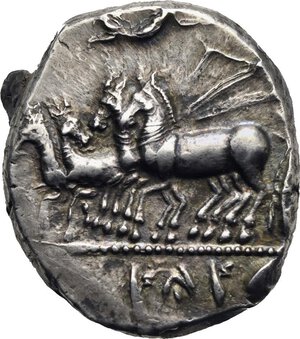
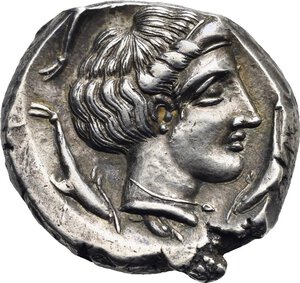
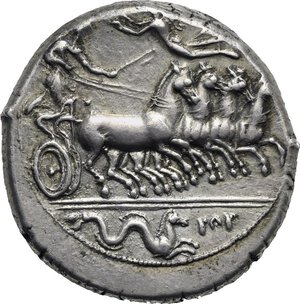
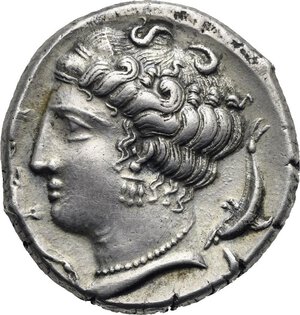
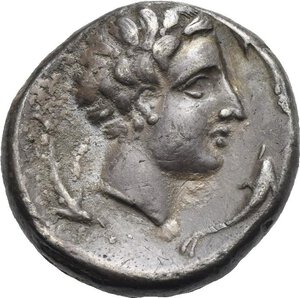
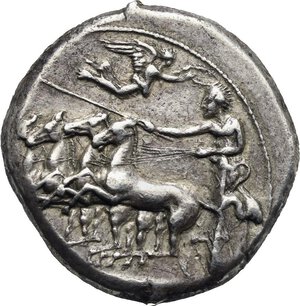
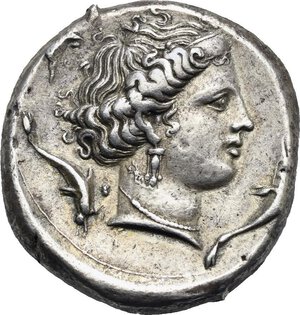
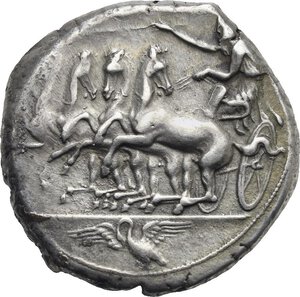
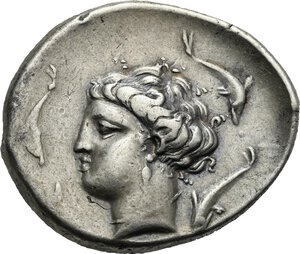
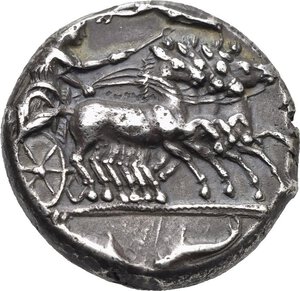
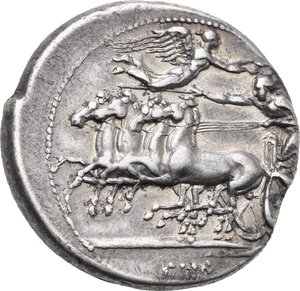
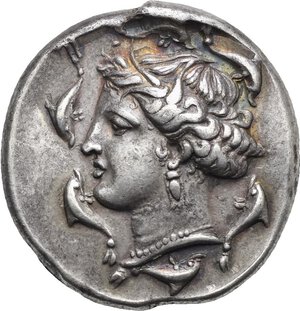
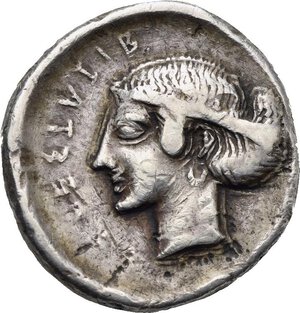
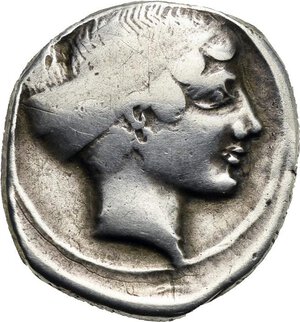
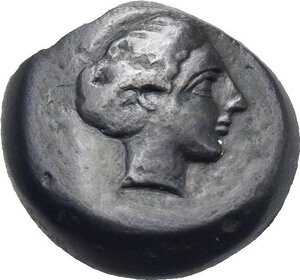
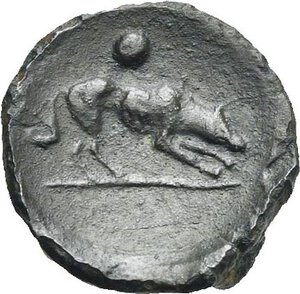
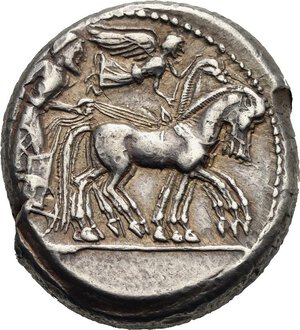
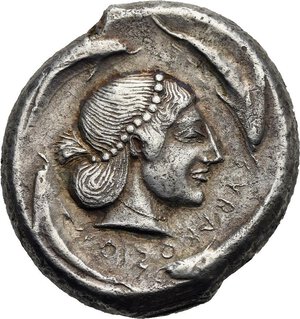
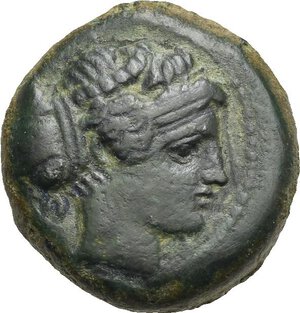
Lot # 78 - Sicily. Panormos (as Ziz). Siculo-Punic Coinage, circa 405-380 BC. Tetradrachm (Silver, 25.82 mm, 16.40 g). 'SYS' (in Punic, small characters) Charioteer driving quadriga galloping right on double exergue line, holding kentron and reins; above, Nike flying left, crowning him; in exergue, hippocamp; border of dots. Rev. Female head of nymph (or Tanit-Arethusa) left, hair with ampyx, wearing triple pendant earring and pearl necklace; around, three dolphins; all within shallow circular incuse. Jenkins, SNR 50 (1971), pl. 10, 32 (O8/R27, same dies). BMC Sicily 247, 8 (same dies). McClean 2488 (same dies). De Luynes 1083 (same dies). De Hirsch 826 (same dies). Gulbenkian 237 (same dies). Rizzo pl. LXIV, 27 (same dies). Cf. SNG ANS 538. Cf. SNG Lloyd 1583. Cf. SNG Lockett 845 = SNG Ashmolean 2137. Cf. Viola CNP 297. Cf. Jameson 689. Cf. Buceti 33. Cf. HGC 2, 1010. Pleasant tone. Extremely Fine. Rare Variant, (all the horses' front hooves do not touch the double exergue line).   Ex Nomisma 9, 17 May 1997, lot 143.   The designs on Siculo-Punic coinages of the late 5th and early 4th centuries BC characteristically are drawn from Sicilian prototypes, principally from tetradrachms and dekadrachms of Syracuse. This issue of Panormos is of special interest in that regard. Jenkins considers the female head on the reverse to be “a free adaption from the type of Kimon’s decadrachms” with a result that, on this particular die, “admittedly seems remote from Kimon.” Considering that later reverse dies in this series closely approximate the work of Kimon, this connection seems beyond dispute. Jenkins’ views on the prototype for the obverse die, however, should be reconsidered. He suggests the chariot scene is directly copied from the Kimonian type, and that the hippocamp in the exergue may be indirectly inspired by the last issue of Himera or by the ketos of earlier Syracusan coinage. The prototype for this obverse, however, is not so remote: it is the work of the artist “Euth...”, whose masterful obverse die at Syracuse (cf. Tudeer obverse die 15, used with issues 46-48) seems to be the only one he signed. Every significant element of the Syracusan prototype is preserved on this Punic copy, including the vigorous style and inventive composition. Only details are changed: the charioteer is no longer winged; in the exergue the elaborate skylla, who holds a trident and captures a fish, is replaced with a hippocamp, and the three letters representing the first syllable of the artist’s signature are replaced with the Punic ethnic “sys” or “ziz”. Considering that both Syracusan prototypes date to the last decade of the 5th century BC, it makes sense that this Panormos issue (which is either contemporary, or at most a decade or so later) would find inspiration in the two important Syracusan issues.
Watch:
Starting price: CHF 1'200
Current bid: CHF 1'750
CHF
B.P.: 19.00%
Closing on: 2026-04-09 13:30:00 Roma time
Watch:
Starting price: CHF 2'000
CHF
B.P.: 19.00%
Closing on: 2026-04-09 13:30:00 Roma time
Watch:
Starting price: CHF 150
CHF
B.P.: 19.00%
Closing on: 2026-04-09 13:30:00 Roma time
Watch:
Starting price: CHF 100
Current bid: CHF 100
CHF
B.P.: 19.00%
Closing on: 2026-04-09 13:30:00 Roma time
Watch:
Starting price: CHF 150
CHF
B.P.: 19.00%
Closing on: 2026-04-09 13:30:00 Roma time
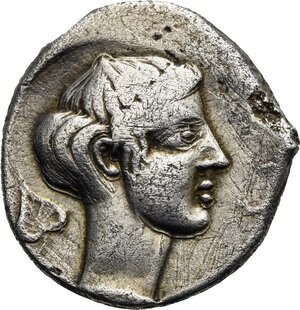
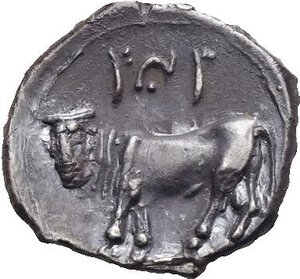
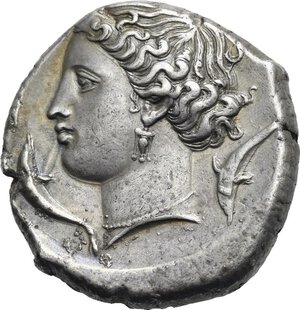
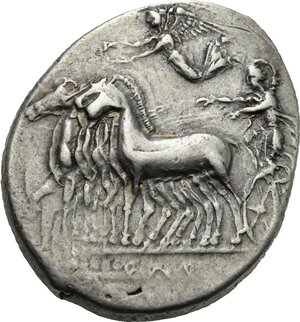
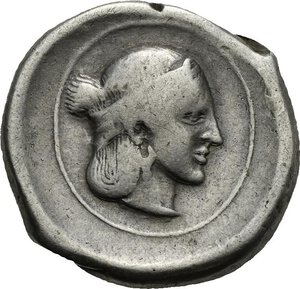
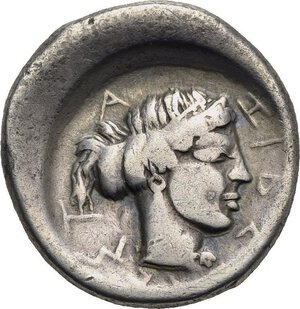
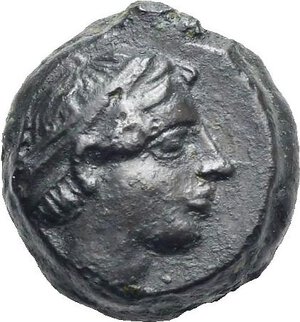
Lot # 83 - Sicily. Panormos (as Ziz). Siculo-Punic Coinage, circa 390-330 BC. Tetradrachm (Silver, 25.16 mm, 16.52 g). Charioteer driving quadriga galloping left, holding kentron and reins; above, Nike flying right, crowning him; in exergue, ketos (not visible); border of dots. Rev. Female head of nymph (or Tanit-Arethusa) right, wearing ampyx, triple pendant earring and pearl necklace; around, four dolphins; within shallow incuse circle and thin linear border. Jenkins, SNR 50 (1971), pl. 10, 35 (O9/R30) = SNG Lockett 1031 = HGC 2, 1012 (same dies). Viola CNP 339 (same dies). SNG ANS -. SNG Lloyd -. McClean 2845 (same dies). Buceti 63 (same dies). A female portrait of an unusually fine style, struck on fresh metal. Attractively toned with iridescence. Slightly off center on obverse, otherwise, Extremely Fine. Very Rare.   Ex Numismatica Ars Classica 30 September 2024, lot 210; Numismatica Ars Classica 25 May 2020, lot 165; iNumis 29, 2 June 2015, lot 32.   In the Jenkins cataloging, the obverse O9 and O10 have no legend (sys) but symbols, ketos and swan respectively. The style of the reverses in this group is Late Classical Greek, but as so often it is difficult to point to any precise model. Anyway they certainly imitate the mintings of the best master engravers of Syracuse. The engraver of the dies used for the present coin was certainly a master himself, and unlike many of the rather stylised Punic issues, the naturalistic representation presented here is clearly the work of a superior artist.
Watch:
Starting price: CHF 2'000
Current bid: CHF 2'000
CHF
B.P.: 19.00%
Closing on: 2026-04-09 13:30:00 Roma time
Watch:
Starting price: CHF 1'000
Current bid: CHF 1'200
CHF
B.P.: 19.00%
Closing on: 2026-04-09 13:30:00 Roma time
Watch:
Starting price: CHF 2'000
CHF
B.P.: 19.00%
Closing on: 2026-04-09 13:30:00 Roma time
Watch:
Starting price: CHF 150
CHF
B.P.: 19.00%
Closing on: 2026-04-09 13:30:00 Roma time
Watch:
Starting price: CHF 800
CHF
B.P.: 19.00%
Closing on: 2026-04-09 13:30:00 Roma time
Watch:
Starting price: CHF 2'000
Current bid: CHF 2'000
CHF
B.P.: 19.00%
Closing on: 2026-04-09 13:30:00 Roma time
Watch:
Starting price: CHF 180
CHF
B.P.: 19.00%
Closing on: 2026-04-09 13:30:00 Roma time
Watch:
Starting price: CHF 500
CHF
B.P.: 19.00%
Closing on: 2026-04-09 13:30:00 Roma time
Watch:
Starting price: CHF 400
Current bid: CHF 400
CHF
B.P.: 19.00%
Closing on: 2026-04-09 13:30:00 Roma time
Watch:
Starting price: CHF 500
CHF
B.P.: 19.00%
Closing on: 2026-04-09 13:30:00 Roma time
Watch:
Starting price: CHF 750
CHF
B.P.: 19.00%
Closing on: 2026-04-09 13:30:00 Roma time
Watch:
Starting price: CHF 200
Current bid: CHF 200
CHF
B.P.: 19.00%
Closing on: 2026-04-09 13:30:00 Roma time
Watch:
Starting price: CHF 250
CHF
B.P.: 19.00%
Closing on: 2026-04-09 13:30:00 Roma time
Watch:
Starting price: CHF 250
CHF
B.P.: 19.00%
Closing on: 2026-04-09 13:30:00 Roma time
Watch:
Starting price: CHF 450
CHF
B.P.: 19.00%
Closing on: 2026-04-09 13:30:00 Roma time
Watch:
Starting price: CHF 650
CHF
B.P.: 19.00%
Closing on: 2026-04-09 13:30:00 Roma time
Watch:
Starting price: CHF 200
CHF
B.P.: 19.00%
Closing on: 2026-04-09 13:30:00 Roma time
Watch:
Starting price: CHF 200
CHF
B.P.: 19.00%
Closing on: 2026-04-09 13:30:00 Roma time
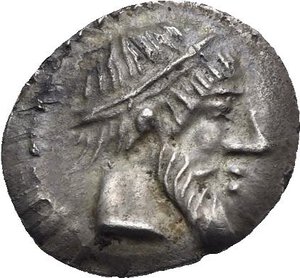
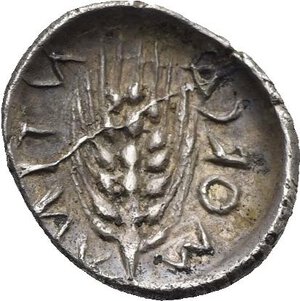
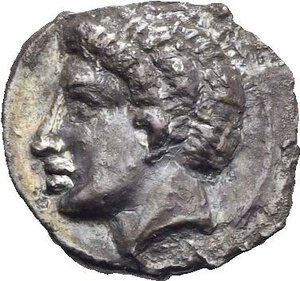
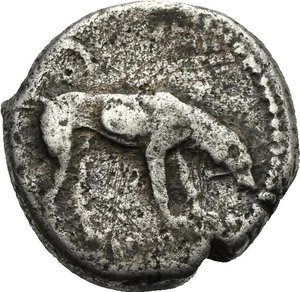
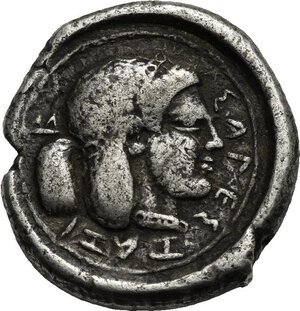
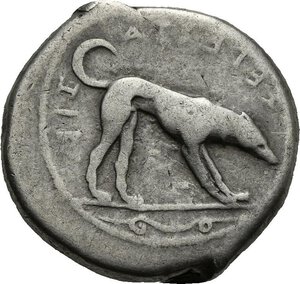
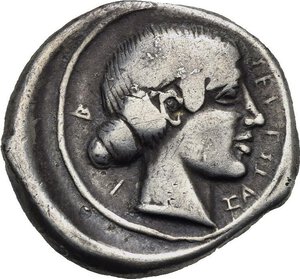
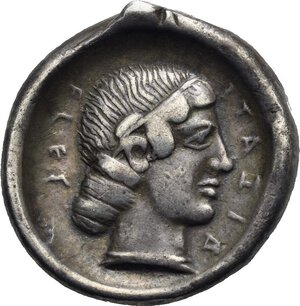
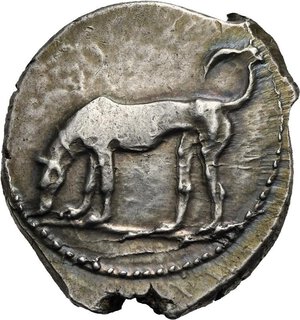
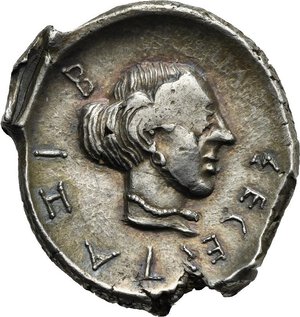
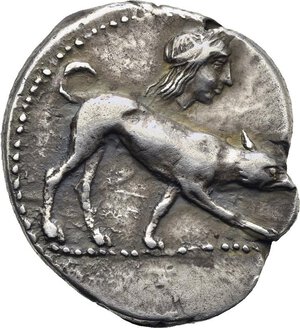
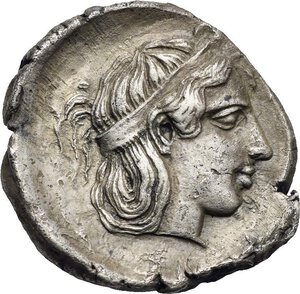
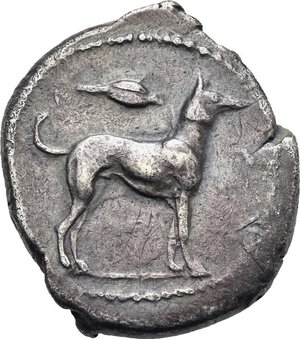
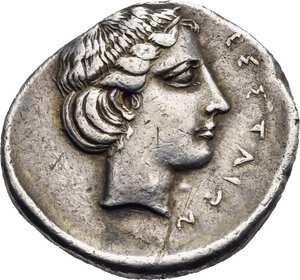
Lot # 101 - Sicily. Segesta. Circa 412-400 BC. Didrachm (Silver, 23.43 mm, 8.40 g). Hound advancing right, on dotted exergue line with head lowered; above, head of Nymph right; border of dots. Rev. [Σ]AΓΕΣZΑΖ[ΙΒ], Head of nymph Aigeste right, wearing choker with pendant; the hair at the back of the head rolled over a band to form a large roll; all within shallow incuse circle. Hurter 165a (V48/R92’, this coin illustrated). SNG München 862 (same dies). BMC Sicily 132, 26 (same obverse die). SNG ANS 639 (same reverse die). Cf. HGC 2, 1142. Wonderful old cabinet tone. An attractive well-struck piece with sharp details. Near Extremely Fine. Extremely Rare, only the third example known from this die pair.   Ex Numismatica Ars Classica 10, 9 April 1997, lot 123. From the A. Moretti Collection.   The didrachms minted during this period may have been produced to pay the mercenaries that regularly formed the armies of the ancient Sicilian cities. Those were years of constant conflict between Segesta and Selinus, before the cycle of alliances that ultimately destroyed the latter and firmly established Punic power in Western Sicily. Therefore, a sudden surge is observed of numismatic activity in North-West Sicily. Three cities, Segesta, Motya and Panormos minted considerable quantities of didrachms with the same types: a hunting dog on the obverse and a nymph's head on the reverse. The coins of the three cities bear the hand of the same engravers and although used the same types of coins, they all followed their own specific regime. In Segesta, whose production was far greater than that of the other two, we find the city name ΣEΓΕΣTΑΖΙΒ on the reverse, while on the obverse, above the dog, a small nymph's head or a barley grain. The presence of hybrid coins combining dies from these cities suggests a central mint, probably in Segesta. While Jenkins and Hurter propose Panormos, Rutter argues convincingly for Segesta, which, considering the historical circumstances, seems the most plausible location.
Watch:
Starting price: CHF 750
CHF
B.P.: 19.00%
Closing on: 2026-04-09 13:30:00 Roma time
Watch:
Starting price: CHF 2'000
CHF
B.P.: 19.00%
Closing on: 2026-04-09 13:30:00 Roma time
Watch:
Starting price: CHF 750
CHF
B.P.: 19.00%
Closing on: 2026-04-09 13:30:00 Roma time
Watch:
Starting price: CHF 1'200
CHF
B.P.: 19.00%
Closing on: 2026-04-09 13:30:00 Roma time
Watch:
Starting price: CHF 200
Current bid: CHF 200
CHF
B.P.: 19.00%
Closing on: 2026-04-09 13:30:00 Roma time
Watch:
Starting price: CHF 300
CHF
B.P.: 19.00%
Closing on: 2026-04-09 13:30:00 Roma time
Watch:
Starting price: CHF 250
CHF
B.P.: 19.00%
Closing on: 2026-04-09 13:30:00 Roma time
Watch:
Starting price: CHF 130
CHF
B.P.: 19.00%
Closing on: 2026-04-09 13:30:00 Roma time
Watch:
Starting price: CHF 450
Current bid: CHF 450
CHF
B.P.: 19.00%
Closing on: 2026-04-09 13:30:00 Roma time
Watch:
Starting price: CHF 130
CHF
B.P.: 19.00%
Closing on: 2026-04-09 13:30:00 Roma time
Watch:
Starting price: CHF 500
Current bid: CHF 500
CHF
B.P.: 19.00%
Closing on: 2026-04-09 13:30:00 Roma time
Watch:
Starting price: CHF 250
CHF
B.P.: 19.00%
Closing on: 2026-04-09 13:30:00 Roma time
Watch:
Starting price: CHF 150
CHF
B.P.: 19.00%
Closing on: 2026-04-09 13:30:00 Roma time
Watch:
Starting price: CHF 150
CHF
B.P.: 19.00%
Closing on: 2026-04-09 13:30:00 Roma time
Watch:
Starting price: CHF 100
CHF
B.P.: 19.00%
Closing on: 2026-04-09 13:30:00 Roma time
Watch:
Starting price: CHF 150
Current bid: CHF 150
CHF
B.P.: 19.00%
Closing on: 2026-04-09 13:30:00 Roma time
Watch:
Starting price: CHF 100
CHF
B.P.: 19.00%
Closing on: 2026-04-09 13:30:00 Roma time
Watch:
Starting price: CHF 150
CHF
B.P.: 19.00%
Closing on: 2026-04-09 13:30:00 Roma time
Watch:
Starting price: CHF 500
Current bid: CHF 550
CHF
B.P.: 19.00%
Closing on: 2026-04-09 13:30:00 Roma time
Watch:
Starting price: CHF 100
CHF
B.P.: 19.00%
Closing on: 2026-04-09 13:30:00 Roma time