Info & contacts
PDF Catalogue
My bids
Watched Lots
Terms Of Sale
Shipping costs
Payment methods
Printable results
Live Bidding Tuesday 10th June 2025 02:30:00 PM CET
Greek (1-152)
Roman Republic (153-188)
The Staffieri Collection of Roman Alexandria (189-357)
Roman Empire (358-411)
Byzantine (412-421)
Greece - World Coins (422-422)
Haiti - World Coins (423-423)
Italy - World Coins (424-430)
Morocco - World Coins (431-431)
Russia - World Coins (432-439)
Medals (440-440)

Risultati: 169
Lot # 189
-
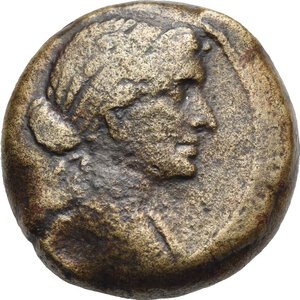
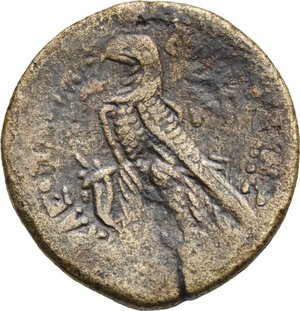
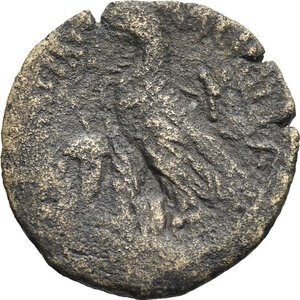
Ptolemaic kings of Egypt. Alexandria. Cleopatra VII Thea Neotera, 51-31 BC. Diobol (Bronze, 27.72 mm, 18.46 g). Diademed and draped bust right. Rev. [KΛEOΠATP] AΣ [BAΣIΛIΣΣ] HΣ Eagle standing left on thunderbolt and double cornucopia to left; mark of value Π not visible. Svoronos 1871. SNG Copenhagen 419. Weiser 183. Brown patina, near Very Fine.
Ex Künker Auktion 312, 08.10.2018, lot 2585. Ex Auktion Münz Zentrum 52, Köln 1984, lot 73.
This important and rare bronze coin, like the next no. 190 in the collection, is highly sought after regardless of its state of preservation for two main reasons: firstly, it bears on the obverse the famous portrait, courtly but strongly realistic, of Cleopatra VII, the last queen of Egypt of the Ptolemaic dynasty and historically one of the most prestigious personalities of the ancient world. Secondly, it bears witness to the transition from the money system of the Làgids to the Roman imperial system, as can be seen from specimen no. 191 in the collection where Augustus, having conquered Egypt in 30 B.C., in his first monetary issues, exactly reproduces the forms and images of Cleopatra's. Our specimen can be considered of excellent artistic quality and conservation for the coin type. Its numerical value, usually and improperly defined as 80 drachms, should be more correctly indicated as ‘80’ units. Recommended bibliography on the character: AAVV, “Cleopatra, Roma e l'Incantesimo dell'Egitto”, catalogue of the exhibition presented in Rome in 2013/2014 and curated by Giovanni Gentili, Milan 2013.
Lot # 190
-
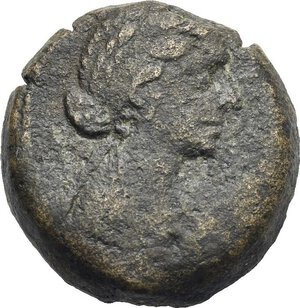
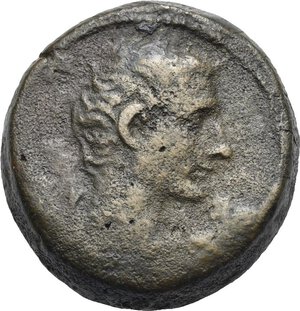
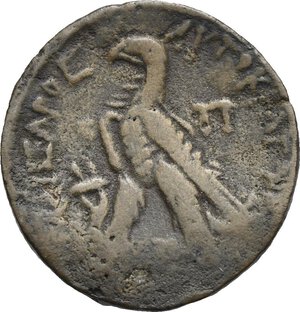
Ptolemaic kings of Egypt. Alexandria. Cleopatra VII Thea Neotera, 51-31 BC. 40 Drachm. (Bronze, 21.00 mm, 7.72 g). Alexandria 51-30 BC. Diademed and draped bust right with hair tucked in small chignon at base of head. Rev. [of difficult interpretation or reading] ΚΛΕOΠΑΤΡΑΣ-ΒΑΣΙΛΙΣΣΗΣ Eagle standing left on thunderbolt with closed wings; cornucopia in left field, M in right field. Svoronos 1872. SNG Copenhagen 422. Weiser 184. Fine portrait, Very Fine.
Ex Naville Numismatics Ltd, Auction 79, 12.02 2023, lot 179.
Here we have the second bronze numeral minted by Cleopatra VII with her own portrait on the obverse, a coin with a value of 40, halved compared to that of the previous no. 189 in the collection, but from a numismatic point of view even rarer than that. It is generally slightly corroded, but the portrait is of fine style, intact and legible in every detail.
Lot # 191
-
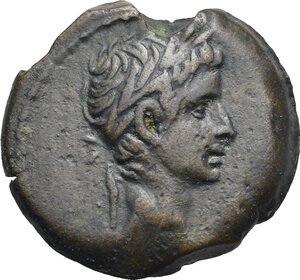
Egypt. Alexandria. Augustus (Octavian), 27 BC – 14 AD. 80 Drachm. (Bronze, 25.96 mm, 17.76 g). First series struck circa 30-27 BC. Bare head right, [ΘEO] Y [YIOY] to either side. Rev. KAICAPOC AYTOKPATOP[OC] Eagle standing left on thunderbolt; double cornucopia before and Π behind. Dattari 2. Geissen 1. BMC 1/2. RPC I 5001. Emmett 1. Brown patina with some light scratches but better than usual for this normally crude issue. Near Very Fine.
Ex CNG, Auction 47, Mail Bid Sale, 16.09.1998, lot 997. Ex Joel L. Malter Auction XLV, 28-29 May 1991, lot 261.
This bronze coin belongs to the first series minted by Augustus between 30 and 27 BC in the Alexandria mint after the conquest of Egypt and the death of Cleopatra VII in 30 BC. As can be seen in comparison with no. 189 in the collection, the portrait of the new ruler fully repeats the form and nominal value of the last coins issued by Cleopatra.
The style of the Augustan portrait is distinctive and quite realistic, serious but serene. Historically important specimen as the progenitor of the glorious autonomous Alexandrian imperial coinage. With this issue Augustus inaugurates the ‘republican monarchy’ of the Julio-Claudian dynasty in Egypt.
Lot # 192
-
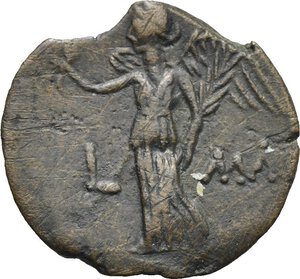
Egypt. Alexandria. Augustus, 27 BC - 14 AD. Diobol. (Bronze, 24.5 mm, 7.96 g). Regnal year 41 = AD 11/2. Laureate head right. Rev. Nike standing, facing left, holding wreath and palm frond; date L MA across lower field. Emmett 35 var. (Nike to left). Dattari-Savio 28. Geissen 30. K&G 2.50. RPC I 5062. Dark brown patina, scratches on reverse, Very Fine.
Ex CNG E-Auction 463, 11.03.2020, lot 245.
After having presented a copy of the first Egyptian issue of Augustus in the previous no. 191 of the collection, we are here chronologically faced with one of his last Alexandrian coins. It is in fact an anepigraphic bronze obol dated to the year L MA = 41 of August reign in Egypt (11-12 AD) and a very well preserved coin that has a beautiful portrait of the emperor on the obverse, always taken at a young age while he was then 74 years old: but this is a constant of his depictions in every field, from coins to sculptures, as if to demonstrate, with the horror of senility, the perennial vitality of the sovereign holding the empire.
Lot # 193
-
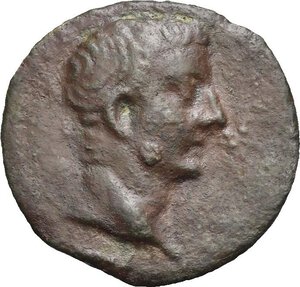
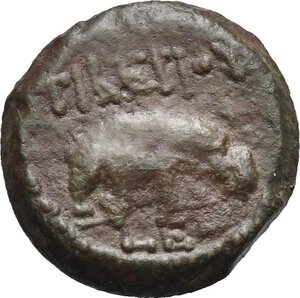
Egypt. Alexandria. Tiberius, 14-37. Obol (Bronze, 19.89 mm, 4.50 g). Dated RY 5 = AD 18/9. Bare head of Tiberius right. Rev. ΤΙΒΕΡΙΟΥ Hippopotamus right, date LE, under the exergual line. Vogt I, pp. 20-21. Vogt II, p. 3. BMC 57-58. Dattari 101. RPC I, 5082. Emmett 62. Cf. Storoni Mazzolani Lidia, “Tiberio o la spirale del potere”, Milano, 1981. Attractive dark brown patina, Very Fine.
Ex Numismatica Aretusa SA Lugano, Franco Chiesa, 1985.
Tiberius in Alexandria minted several coins in a mixture of silver but in bronze he limited himself in his early regnal years to issuing minimal numerals with portraits such as our obol dated L E = 5th year of his reign (18-19 A.D.). In the portrait on the obverse, it is confirmed the rule of rewarding the perennially young appearance of the emperor, expressly named on the reverse where is the first depiction of the hippopotamus proliferating in the sacred and fertilizing waters of the Nile. Coin of very good conservation and with a splendid original shiny chocolate brown patina.
Lot # 194
-
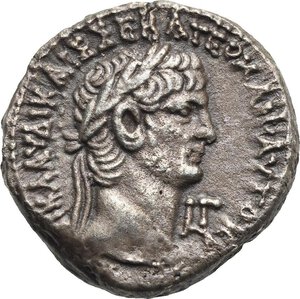
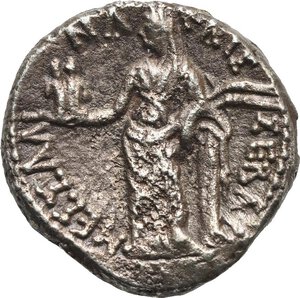
Egypt. Alexandria. Claudius, 41-54. Tetradrachm (Billon, 25 mm, 12.35 g). RY 3 = AD 42/3. ΤΙ ΚΛΑYΔΙ ΚΑΙΣ ΣΕΒΑ ΓΕΡΜΑΝΙ ΑYΤΟΚ Laureate head of Claudius right, below date, LΓ at right. Rev. ΜΕΣΣΑΛΙΝΑ ΚΑΙΣ ΣΕΒΑΣ Messalina standing front, head turned left, leaning left arm on column, holding two children in her right hand and grain ears in her left. Dattari 123. Geissen 75. RPC I 5131. Emmett 74. Nicely toned. Minor flan fault on the reverse, otherwise, Very Fine.
Ex Leu Numismatik, Web Auktion 11, 22-23.02.2020, lot 1535.
A relatively common type of coin, always found much circulated. Our specimen is well centred and of excellent conservation with very pronounced image relief and clear definition of all details. This tetradrachm is part of the family and dynastic propaganda policy promoted by Claudius I. Valeria Messalina, depicted on the reverse, was his third wife and mother of Claudia Octavia (who later married Nero) and of Britannicus, who can be identified in the two small human figures emerging from the palm of the empress' right hand. Messalina is represented here in the guise of the divine Demeter, protector of agriculture and grain and guardian of the cycle of the seasons.
Lot # 195
-
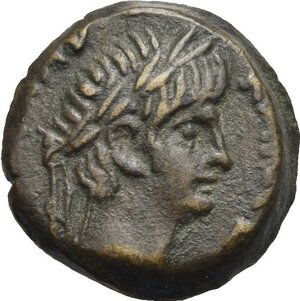
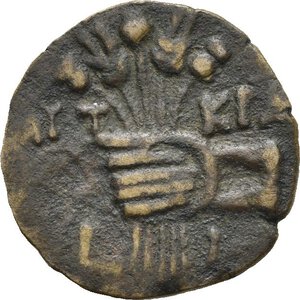
Egypt. Alexandria. Claudius, 41-54. Obol (Bronze, 19.5 mm, 3.89 g). Regnal year 10 = 49/50. [ΤΙ ΚΛΑΥ ΚΑΙ] [CEΒΑC ΓΕΡΜ] Laureate head of Claudius to right. Rev. AYT KPA Right hand holding left two ears of grain and three poppies, below at sides of the bunch, L I. BMC 104. Dattari 151. RPC I 5184. Cf. Geissen 95. Emmett 89. Dark brown patina, Very fine.
Ex Classic Numismatic Group Inc., Sale XXXI, 9-10.09. 1994, lot 1352: “An interesting piece, the portrait on this obol resembles Nero more than it does Claudius. With the blundered reverse legend (the obverse legend is mostly off the flan), it is possibly a contemporary counterfeit. Perhaps it was issued during the reign of Nero to offset an acute shortage of bronze, minor coinage (all bronzes of Nero are rare as the Alexandrian mint produced mostly billon during his reign).”
Lot # 196
-
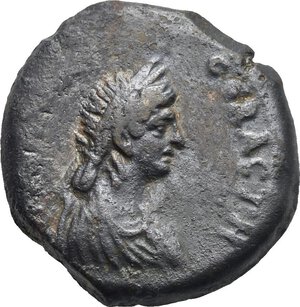
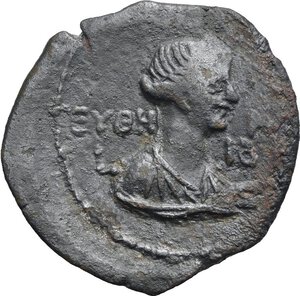
Egypt. Alexandria. Agrippina II (wife of Claudius). Diobol. (Bronze, 26 mm, 8.71 g). Regnal year 12 of Claudius = AD 51/2. AΓPIΠΠINA CЄBACTH Draped bust right crowned with ears of corn. Rev. ЄYΘH NIA Draped bust of Euthenia right and date, L IB, in the field at sides of the bust. Emmett 103. RPC 5188. Dattari-Savio 178. Excellent for the type, Very Fine.
Ex Roma Numismatics Ltd., Auction 66, 09.01.2020, lot 702.
Julia Agrippina ‘Minor’ was, after Messalina, the fourth and last wife of Claudius I, as well as the mother of Nero, who was fathered by the consul Gnaeus Domitius Enobarbo. Her portrait on the obverse of this diobol is physiognomic and accurately styled, well emphasised by the original reddish-brown patina that uniformly covers the entire coin. The empress is here assimilated on the reverse to Euthenia, goddess of Abundance, godmother and bride of the Nile as well as symbol of agricultural prosperity.
Lot # 197
-
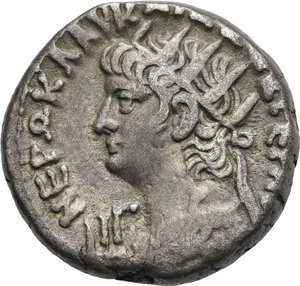
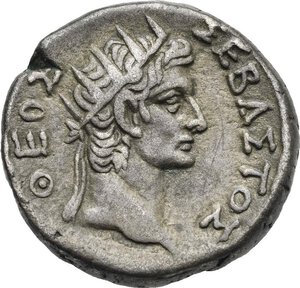
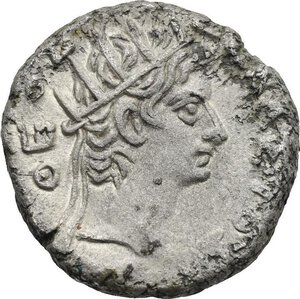
Egypt. Alexandria. Nero, 54-68. Tetradrachm. (Billon, 24.87 mm, 13.15 g). Regnal year 13 = AD 66/7. NEPΩ KLAY – K [AIƩ ƩEB ΓEP AY]. Radiate head to left with aegis and date LIG to left in the field. Rev. ΘEOΣ ΣEBAΣTOΣ Radiate head of Divus Augustus to right. Dattari-Savio 184. Geissen 177-180. RPC I 5294. BMC 112. Milne 251. Emmett 119. Rare. Fine dark toning, Good Very Fine.
Ex Kölner Münzkabinett, Auction 115, 29.10.2021, lot 199.
Tetradrachm celebrating the Julio-Claudian imperial dynasty of which Nero was the last exponent. The obverse with Nero's radiated bust to the left matches to the reverse with the radiated head to right of the divine Augustus, his ancestor on his mother's side. A commonly circulated coin but rare in our specimen for its excellent conservation.
Lot # 198
-
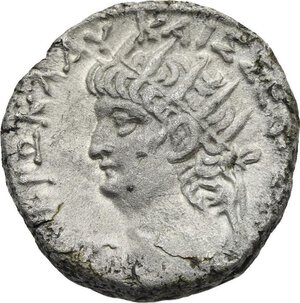
Egypt. Alexandria. Nero, 54-68. Tetradrachm. (Billon, 23.80 mm, 13.57 g). Year 13 = AD 66/7. [NE]PΩ KLAY – K [AIƩ ƩEB ΓEP AY]. Radiate head of Nero with aegis left and date [LIΓ]. Rev. ΘEOΣ ΣEBAΣTOΣ Radiate head of Divus Augustus right. Dattari-Savio 184. Geissen 177-180. RPC I 5294. Emmett 113 (4). BMC 112. Milne 25. Rare. Near Extremely Fine.
Ex Naville Numismatics, Auction 82, 18.06.2023, lot 306.
A coin similar to no. 197 in the collection but apparently and strangely undated so its issuing to the year L IΓ = 13 is only surmised. This is therefore an element for its rarity, which is even more marked by its superb state of preservation on both sides.
Lot # 199
-
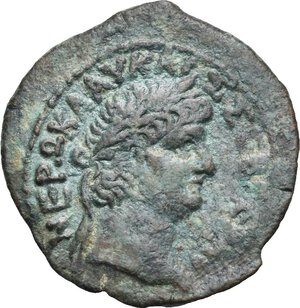
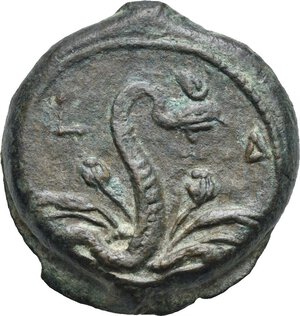
Egypt. Alexandria. Nero, 54-68. Tetradrachm. (Bronze, 25.51 mm, 12.90 g). Year 14 = AD 67/8. ΝΕΡΩ ΚΛΑY ΚΑΙΣ ΣΕΒ ΕΡ [ΑYTO] Laureate head right. Rev. Agathodaemon serpent coiled right, surrounded by poppies and grain ears; at sides, date L IΔ across fields. RPC I -. Emmett -. Dattari-Savio 6647 (this specimen). Extremely Rare, probably unicum as regards the year. Very fine.
Ex Münz Zentrum IV/77, lot 79.
Tetradrachm issued by Nero during his last year of reign. Agathodaemon serpent on the reverse is well-wishing to the emperor, contrary to his tragic fate on 9 June 68 AD when he ‘committed suicide’. The absence of inventory references other than that of Dattari-Savio and its prestigious certificate of provenance confirm its status as the only known specimen.
Lot # 200
-
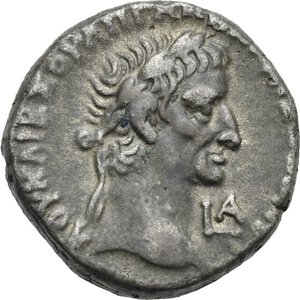
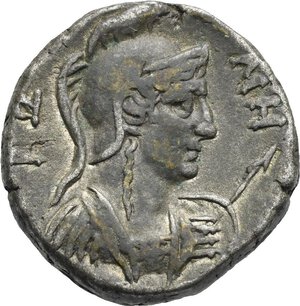
Egypt. Alexandria. Galba, 68-69. Tetradrachm. (Billon, 24.5 mm, 13.94 g). Year 1 = 9 June-28 August 68. ΛOYK ΛIB ΣOYL [P ΓALBA KAIΣ ΣEB AY] Laureate head right; in front, date LA. Rev. PΩMH Helmeted cuirassed bust of Roma with spear and shield right. Dattari 314. Geissen 223. RPC I, 5330. Emmett 174. Attractive old cabinet tone, Good Extremely Fine.
Ex Naville Numismatics Ltd., Auction 57, 25.04.2020, lot 284.
Tetradrachm of warranted rarity as it was minted in the very short first Egyptian year of Galba's reign, which lasted less than three months in AD 68. A coin that is complete and centred in the images and slightly narrow in the legends, but of splendid conservation and with a fascinating old collection patina. The portrait of Galba on the obverse is of high quality and preservation: apparently severe and strong-willed, though in reality as ordinary as the undiplomatic character of the elderly senator and ruler, who was killed by the Praetorians on 15 January AD 69.
Lot # 201
-
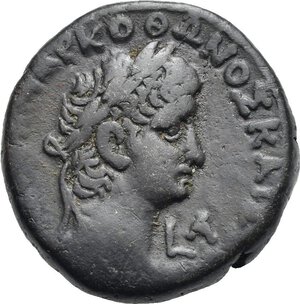
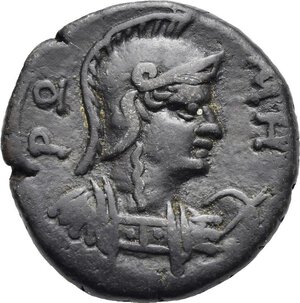
Egypt. Alexandria. Otho, 15 January – mid April 69. Tetradrachm. (Billon, 23.80 mm, 13.51 g). Dated RY = AD 69. [AYTO K M]APK OΘΩNOΣ KAI [Σ ΣEB] Laureate head right and date, L A, below chin. Rev. PΩ MH Helmeted and cuirassed bust of Roma right, holding spear and shield. Dattari-Savio 330. Geissen 250-1. K&G 18.9. RPC I 5362. Emmett 186. Toned, portraits of nice style, Good Very Fine.
Ex Naville Numismatics Ltd. Auction 80, 02.04.2023, lot 336.
Otho’s reign lasted only three months, from January to April AD 69. His portrait on this tetradrachm is conventional and not physiognomic but with a certain elegance that can also be found on the bust of the goddess Roma on the reverse that recalls the one that appears on the previous no. 200 of the collection and indicates the affirmation of the centrality of the empire. Coin in better condition than known ones of the same type.
Lot # 202
-
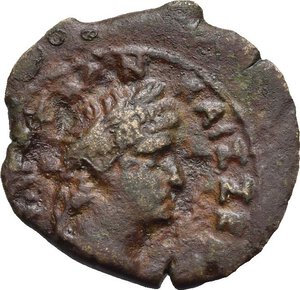
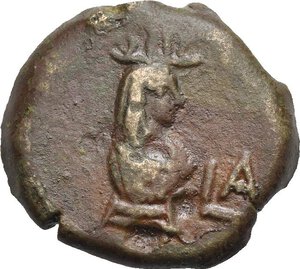
Egypt. Alexandria. Otho, 15 January – mid April 69. Obol. (Bronze, 19.17 mm, 4.30 g). Dated RY 1 = AD 69. [ΜΑΡΚ ΟΘ] ΩΝ ΚΑΙΣ ΣΕ [Β ΑΥΤ] Laureate head right. Rev. Canopic jar of Osiris right and date, L A, to right. Dattari-Savio 331 var. (obverse legend). RPC I 5371. Emmett 192 (2). BMC 216. Very Rare. Very Fine.
Ex Roma Numismatics Ltd., E-Sale 66, 09.01.2020, lot 704.
Otho is also remembered for having been the husband of Poppaea Sabina in 58 AD, who in 62 AD became Nero's first wife. This very rare obol is the coin of minimal module minted by Otho in Alexandria and despite some slight imperfections in the beating, the engraving must be considered of a well-finished style, especially in the portrait on the obverse which denotes a physiognomic research.
Lot # 203
-
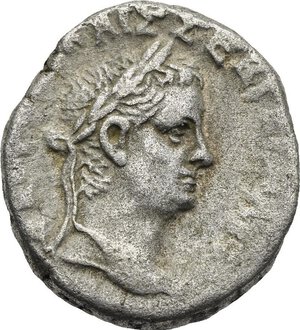
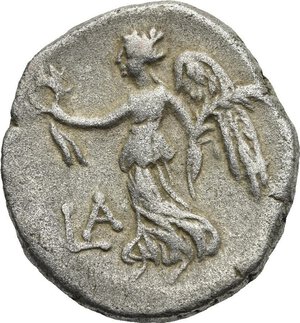
Egypt. Alexandria. Vitellius, 69. Tetradrachm (Billon, 25.44 mm, 12.24 g). Dated RY 1 = AD 69. ΩΛOY OYIT KAIΣ ΣEB ΓEPM AYT Laureate head right. Rev. Victory advancing left holding wreath and palm frond; L A, date, in left field. Dattari 340. RPC I, 5372. Emmett 196. Geissen 260.2. BMC 218. K&G 19.1. Cfr. Savio, "Tetradrammi alessandrini", pp. 62-63. Rare. Very Fine.
Ex Numismatik Naumann GmbH, Auction 88, 05.04.2020, lot 559.
Vitellius during his brief reign (April-December 69 AD) never set foot in Egypt where his monetary issues cover a time lapse of slightly more than two months, since that, Vespasian, his successor, was declared Emperor just in Alexandria on the first July of that year, beginning immediately to striking coins. Tetradrachm of excellent style both on the sovereign’s bust and on the fluttering Nike that here takes on a pathetic meaning given the imminent tragic fate reserved for Vitellius.
Lot # 204
-
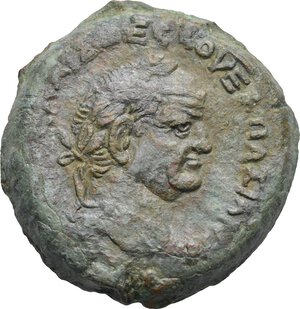
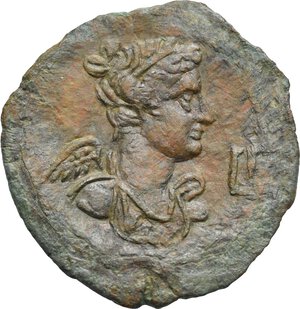
Egypt. Alexandria. Vespasian, 69-79. Drachm (Bronze, 36.60 mm, 23.48 g). Dated Year Γ = 3 = AD 70/1. [ΑΥΤΟΚ] ΚΑΙΣ ΣΕΒΑ ΟΥΕΣΠΑΣΙΑΝ[ΟΥ] Laureate head of Vespasian right. Rev. Draped, winged bust of Nike with elaborate hairdo right; L Γ (date), in the right field. Dattari-Savio 389-90. Geissen 288. K&G 20.27. RPC II 2427. Emmett 208. An attractive specimen with a fine red-brown patina. It has been professionally cleaned with excellent results, otherwise, Good Very Fine.
From the collection of Jean-Pierre Righetti. Ex Nomos 24, 22.05.2022, lot 268. Ex Classical Numismatic Group E397, 17 May 2017, 351.
This bronze drachm of Vespasian usually ordinary and poorly minted on irregular flans is presented here, perfectly centred, in all its splendor for the regularity of the strike, artistic quality of the images and finally for the extraordinary state of preservation after a light and very careful cleaning of some encrustations that make it perhaps the specimen that has come down to us in the best condition.
Magical and mercilessly realistic is the portrait of the general and ruler Vespasian, originally from the Sabine countryside, with his taurine neck and truculent gaze, a fine engraving possibly the work of a late Hellenistic master engraver brought from Syria and incardinated in the mint of Alexandria. The Nike on the reverse of this coin refers primarily to Vespasian's triumph in the Jewish War, but must also allude to his victory in the Civil War.
Lot # 205
-
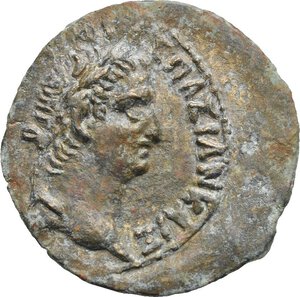
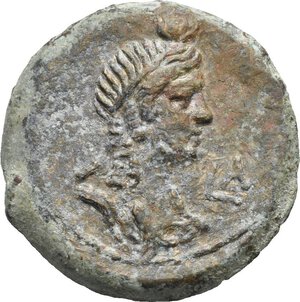
Egypt. Alexandria. Vespasian, 69-79. Diobol. (Bronze, 24 mm, 7.61g). Dated RY 1 = AD 69. [ΑΥΤ ΤΙΤ ΦΛΑΥΙ ΟΥΕ] ΣΠΑΣΙΑΝ ΚΑΙΣ Laureate head right. Rev. Bust of Isis right and date, L A, in the right field. Dattari-Savio 380. Emmett 217. RPC II 2409. Only six specimens cited by RPC. Very Rare. Good Very Fine.
Ex Roma Numismatics Ltd., E-Sale 95, 13.04.2022, lot 647.
The Alexandrian issues of the year I of Vespasian are all of great rarity since they fall within the period from 12 July 69, the date of his imperial proclamation, to 28 August of the same year, ending on that day. Furthermore, and for the same reason, the portrait of the sovereign does not bear much resemblance to his canonical physiognomy. The obverse legend is the unmistakable and extraordinary one used by Vespasian only in his first year of Egyptian principality, modified from year 2 (69-70) onwards. The draped Isis on the reverse wears the taenia and the crown with the solar disc on her head.
Lot # 206
-
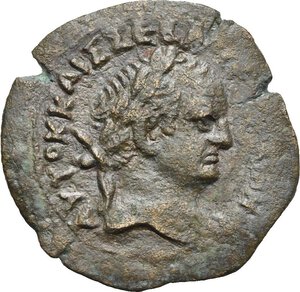
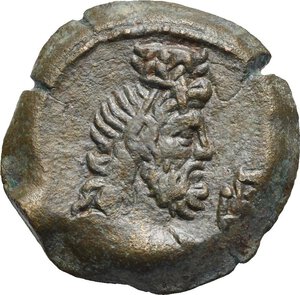
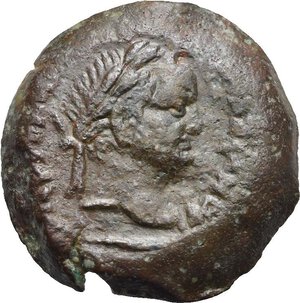
Egypt. Alexandria. Vespasian, 69-79. Diobol. (Bronze, 27 mm, 10.03 g). Dated RY 5 = 72/3. ΑΥΤΟΚ ΚΑΙΣ ΣΕΒΑ [ΟΥΕΣΠΑΣΙΑΝΟΥ] Laureate head of Vespasian, right. Rev. Draped bust of Serapis right, modius on head and at right, date L E in the field. RPC II 2437. Dattari-Savio 400. Emmett 218. Very Fine.
Ex Numismatik Naumann GmbH, Auction 116, 01.05.2022, lot 679.
Rare bronze diobol of Vespasian of large size and excellent preservation. An exceptional feature is the inverted minting, i.e. the reverse on the anvil die and the obverse on the hammer die. Peaceful and calm the portrait of the emperor on the obverse and solemn the bust of Serapis on the reverse, engravings enhanced by a brilliant uniform original brown patina.
Lot # 207
-
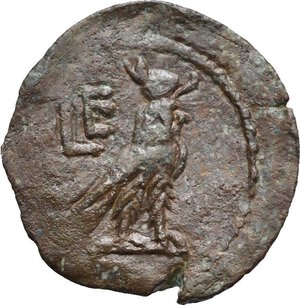
Egypt. Alexandria. Vespasian, 69-79. Obol. (Bronze, 22 mm, 5.74 g). Dated RY 5 = AD 82/3. ΑΥΤΟΚ [ΚΑΙΣ ΣΕΒΑ ΟΥΕΣΠΑ] ΣΙΑΝΟΥ Laureate head of Vespasian, right. Rev. Hawk standing right, wearing pshent crown and LE (date), left in the field. RPC II 2440. Dattari-Savio 415-6. Emmett 222. Near Very Fine.
Ex Numismatik Naumann GmbH, Auction 116, 01.05.2022, lot 680.
The obol is the minimal bronze numeral minted by Vespasian which stands out here for its stylish, miniaturised bust that retains the physiognomic features of the sovereign. The falcon on the reverse with pshent crown is the pharaonic god Horus, son of the mystical marriage between Isis and Osiris.
Lot # 208
-
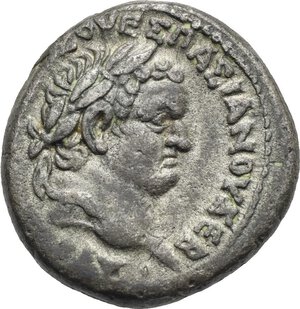
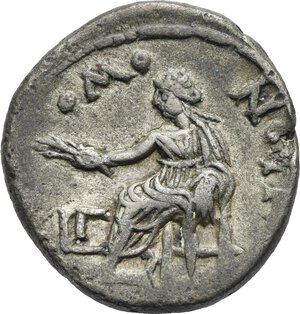
Egypt. Alexandria. Titus, 79-81. Tetradrachm. (Billon, 24.7 mm, 12.31 g). Dated RY 3 = AD 80/1. ΑΥ [ΤΟΚ ΤΙΤΟΥ ΚΑΙΣ] ΟΥΕΣΠΑΣΙΑΝΟΥ ΣΕΒ Laureate head of Titus to right. Rev. ΟΜΟ ΝΟΙΑ Homonoia sitting left, holding branch; date, LΓ in left field. Dattari 423. Geissen 322. RPC II 2467. Emmett 233. Nicely toned, About Extremely Fine/ Good Very Fine.
Ex Naville Numismatics Ltd., Auction 56, 22.03.2020, lot 282.
A splendid tetradrachm from the penultimate year of Titus' reign, which is presented on the obverse with a portrait-bust of high stylistic and physiognomic value. The Homonoia on the reverse is the divine Concord that informed and protected the unfortunately brief reign of the great emperor, described by contemporary historians as the ‘delight of mankind’.
Lot # 209
-
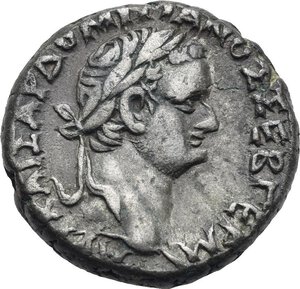
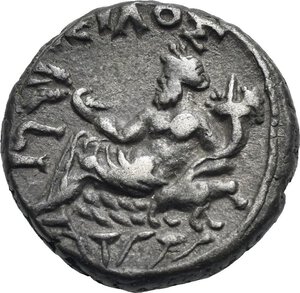
Egypt. Alexandria. Domitian AD 81-96. Tetradrachm. (Billon, 24.5 mm, 13.42 g). Dated RY 6 = circa AD 86/7. AYT KAIΣ DOMITIANOΣ ΣЄΒ ΓЄΡΜ Laureate head right. Rev. NEIΛΟΣ River-God Nilus reclining left, holding grain ears and cornucopia; below, two lotus flowers and hippo standing right; in the left field date, LI. RPC II, 2522. Dattari-Savio pl. 16, 442 (this coin). Emmett 246 (5). Extremely rare. Attractive old cabinet toning. Good Very Fine. Only two specimens know and the only one in private hands.
From the Dattari Collection. Ex Naville Numismatics Ltd., Auction 41, 24.06. 2018, lot 308.
Domitian was the last emperor of the Flavian dynasty and minted many Alexandrian bronzes during his 15-year reign, but only occasionally (in years 4, 6 and 8) minted silver tetradrachms like ours of the year 6 (86-87), of absolute rarity and valuable style, coming from the famous Giovanni Dattari collection. It is also the only Alexandrian coin with the legend on the reverse that expressly indicates the Nile as the deity engraved on the roundel with all the attributes: crown of lotus flowers, cornucopia, ears of wheat, other lotus flowers emerging from the waters of the river and the hippopotamus.
Lot # 210
-
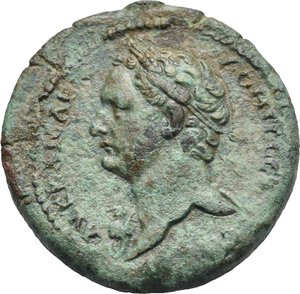
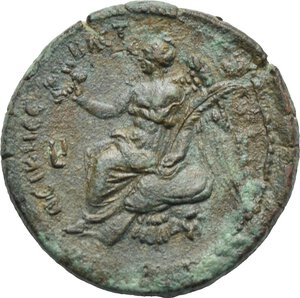
Egypt. Alexandria. Domitian AD 81-96. Hemidrachm. (Bronze, 29 mm, 14.96 g). Regnal Year 10 = 90/1 AD. AYT KAICAP ΔOMIT CEB ΓЄΡΜ Bust of Domitian left, wearing aegis and wreath of grain ears. Rev. NЄIKH CЄ BACT Winged Nike wearing chiton and peplos is sitting left on two shields, put upon a cuirass, holding wreath in her right hand and a palm frond in her left; date LI left, in field. Vogt I, pp. 45-47, 51-53. Vogt II, p.20. Emmett 270 var. = unicum (bust facing right) (R4). Dattari-Savio 515 var. (bust facing right). K&G 24.107 var. (same). RPC II 2573 var. = unicum (same). Geissen -. Very rare. Green and brown patina. Exceptionally fine style. Extremely Fine.
EX Classic Numismatic Group Inc., Auction 105, 10.05 2017, lot 599.
Truly exceptional Domitian Hemidrachm for various reasons: preservation practically as if not circulated; original emerald green patina on the entire coin; grandmaster style of engraving on both sides; statuesque images in very high relief. In short, a numismatic jewel with a unique variant issued to celebrate Domitian's "decennalia" in 90-91 AD. It was the subject of an article of mine on NAC 2017 (pp. 109-117): Domiziano a Roma, Alessandria e Copenhagen – una scoperta.
The authors of RPC note in their introductory comments for Domitian that “From year 10 the style of the engraving improves dramatically and a number of variant bust types are found.” This is an understatement, as this is one of the best examples of engraving work from the Alexandrian mint seen by this cataloguer, and most likely executed by an artist brought to Alexandria from Rome or in one of the mints in Asia Minor.
Lot # 211
-
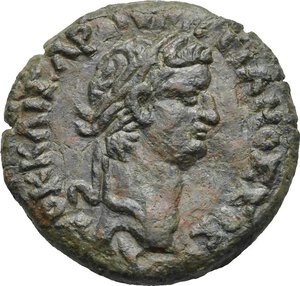
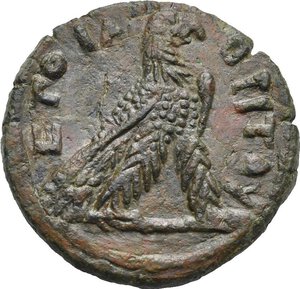
Egypt. Alexandria. Domitian AD 81-96. Diobol. (Bronze, 24 mm, 7.65 g). Regnal Year 3 = AD 83/4. AYTOK KAIΣAP ΔOMITIANOΣ ΣEB Laureate head right. Rev. ETOYΣ TPITOY Eagle standing right on thunderbolt. RPC II 2492. Dattari-Savio 584. Emmett 281. Good Very Fine.
Ex Numismatic Naumann GmbH, Auction 116, 01.05.2022, lot 681.
An uncommon Domitian bronze diobol with a bust of good quality and style on the obverse and with a majestic imperial eagle on the reverse standing on the exergue, so clear that, you can count each single feather of its body: all enhanced by a uniform dark brown bright original patina. The legend of the date is curious, expressed in the genitive with ETOYƩ TPITOY that is "(coin) of the year 3".
Lot # 212
-
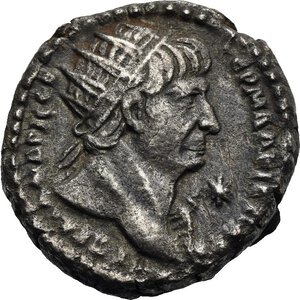
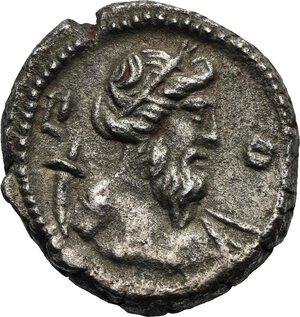
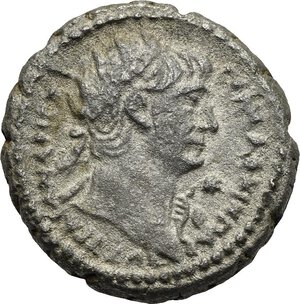
Egypt. Alexandria. Trajan AD 98-117. Tetradrachm. (Silver, 24.00 mm, 12.78 g). Regnal Year 19 = AD 115/6. ΑΥΤ ΤΡΑΙΑΝ ΑΡΙ ϹΕΒ ΓΕΡΜ ΔΑΚΙΚ ΠΑΡ Radiate bust of Trajan to right with aegis on left shoulder; star to right. Rev. L Ι - Θ Draped bust of Nilus to right, crowned with taenia and lotus-buds and cornucopia at shoulder. Dattari-Savio 6865. Geissen 687-8. K&G 27.625 corr. (star not noted). RPC III 4890, 11. Emmett 387. Good Very Fine.
From the Trausnitz collection. Ex Hirsch 272, 4 May 2011, 560 and Hirsch 269, 23 September 2010, 2782. Ex Nomos Obolos 23, 12th June 2022, lot 657.
Tetradrachm of excellent conservation with old collection patina. Realistic and impressive portray of the old emperor displayed in his penultimate regnal year. On the reverse, the naked and bearded bust of Nilus, of excellent style, is accompanied by his canonical symbols: taenia with lotus flowers, cornucopia and a papyrus branch emerging behind his shoulders
Lot # 213
-
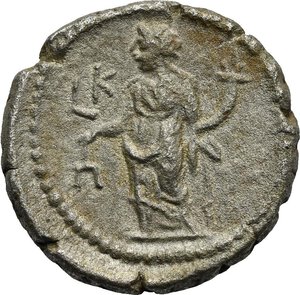
Egypt. Alexandria. Trajan AD 98-117. Tetradrachm. (Billon, 25.09 mm, 12.31 g). Regnal Year 20 = 116/7. AVT TPAIAN API CEB ΓЄΡΜ ΔAKIK ΠAP Radiate head of Trajan right, aegis on left shoulder and a star in the right field. Rev. Dikaiosyne (Roman Aequitas) standing facing left, holding scales and cornucopia; in field, date, LK. RPCIII 4916. Emmett 372 var. (aegis?). Light patina. Good Very Fine.
From the Tom Buggey Collection. Ex Agora Auctions, Sale 75, 10.07.2018, lot 258.
Valuable and rare tetradrachm of Trajan with radiated bust on obverse whereas on reverse Dikaiosyne, wearing chiton and peplos, dominates. She is the Justice, morality and fairness goddess symbolized by the scales she is holding in her right hand but she also portrays a deity promoter of a balanced welfare as suggested by the cornucopia she is holding in her left arm.
Lot # 214
-
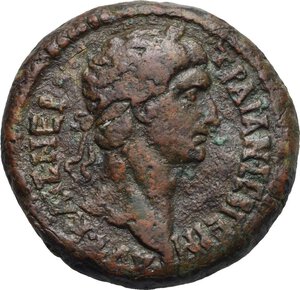
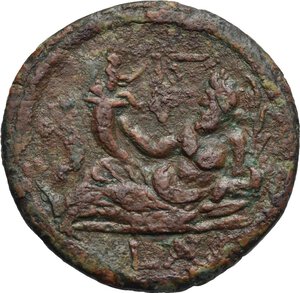
Egypt. Alexandria. Trajan AD 98-117. Drachm (Bronze, 34.40 mm, 21.74 g.). Date L A = RY 1 = AD 27.01-28.08.98. AYΤ KAIC NEP TΡΑΙΑΝ ϹΕΒ ΓΕΡΜ Laureate head right. Rev. Nilus reclining on crocodile left, holding cornucopia from which issues Genius holding reed; behind God-river, a reed branch. Below L A. Dattari 973 var. Milne 545 f. SNG Cop. -. Emmett 550. Attractive green-red patina. Good very fine.
Ex M&M Basel List 468, 1984, lot 190. Ex Hirsch 317, 18.02.2016, lot 2086.
Alexandrian coin issues from the first year of Trajan's reign, which actually lasted seven months, are generally scarce and sought-after, such as our fascinating drachm with its brilliant original brick-red ‘desert’ patina. Unique in the obverse legend with NEP is the reminder of the predecessor Nerva who adopted him with right of succession, a hint later abandoned. It should be noted that the laureate head of the emperor, although well modeled, centered and in high relief, bears little resemblance to his as yet unofficial canonical portrait. Correctly centered on the reverse is also the image of the Nile lying on a bed where the crocodile emerges and the Genius comes out from the cornucopia indicating the number 16 corresponding to the number of stages by which the sacred river must grow to ensure the abundance of cultivated crops with the overflow of its silt.
Lot # 215
-
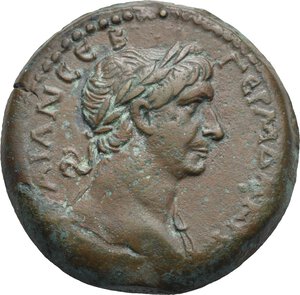
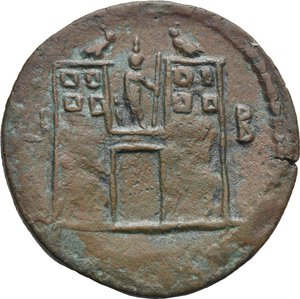
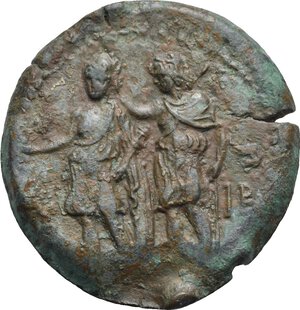
Egypt. Alexandria. Trajan, AD 98-117. Drachm (Bronze, 34.65 mm, 24.85 g). Dated RY 12 = AD 108/9. [ΑΥΤ TP] AIAN CEB ΓEPM ΔAKIK Laureate, draped and cuirassed bust of Trajan right, partially seen from behind. Rev. Anepigraph; in the centre, temple facade in Egyptian form with two lateral pylons each equipped with four windows and linked each other by the entrance portal upon which is standing, facing the pharaonic deity Horus dressed with the ritual tunic and pshent crown on head. She has in her left hand the onas sceptre and right arm stretched out at her side; at her feet on the left, a small animated image facing (Harpokrates). Two hawks wearing pshent crown on head are perched on top of the pylons; L I B (date) across fields. Vogt I, pp.70-78. Vogt II, p. 29. Dattari-Savio, plate 59, 1161 (this coin). RPC III 4330.2.4 (this coin). Emmett 521 (illustrated p. 33). Staffieri G. M., "Il tempio di Horus a Edfu nella monetazione alessandrina" in "Quaderni Ticinesi di Numismatica e Antichità Classiche" (NAC), XLVII, 2018, pp. 237-249. Extremely rare and probably the best specimen known. Very nice portrait. Attractive brown patina. About Extremely Fine and of great monumental importance.
From the Dattari Collection. Illustrated in Dattari. Ex Naville Numismatics Ltd. 39, 29.04.2018, lot 332.
Coin of fundamental iconographic interest and of absolute rarity attends its improper position described in RPC III 4530.3 as well as, despite the correct description, the incorrect attribution in RPC III 4330.1 of the items Dattari 1160-1161-1162. The importance of the drachm lies in the reverse where the Egyptian temple represented is impressively similar to that of specimen 1161 illustrated in my essay on NAC 2018 cited above and clearly identified in the Hellenistic temple of Horus in Edfu where the relative recognition, in comparing the coins with the existing original monument, it was facilitated not only by the series of four windows being on each tower of the pylon of the facade and the pair of Horus-falcons facing each other on the roofs of the towers (all elements also present here), but also by the anthropomorphic figure of the canonical Horus depicted above the portal between the two towers, flanked at his feet by the image of the falcon, his alter ego. In our case the figure is intentionally replaced by that of his mythical mother according to Egyptian theogony, i.e. Isis, flanked at the feet et pour cause, by Harpokrates, the child Horus. How can we not therefore deduce from these explicit and convincing clues that this too is a representation of the temple of Horus in Edfu, on whose walls Isis is repeatedly depicted?
Lot # 216
-
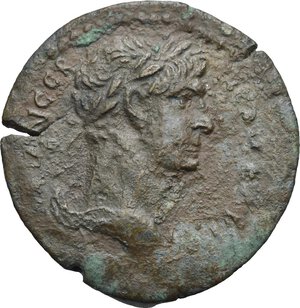
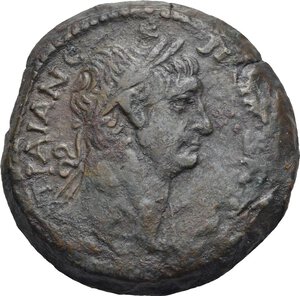
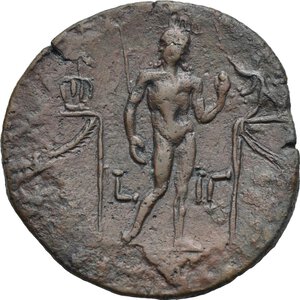
Egypt. Alexandria. Trajan, AD 98-117. Drachm (Bronze, 35.51 mm, 20.02 g). RY 12 = AD circa 108/9. AYT TPAIAN CEB ΓEPM ΔAKIK Laureate, draped and cuirassed bust right. Rev. Roma standing left, holding Nike and parazonium, crowned by Alexandria (?) staying behind and holding sceptre; in field, L-IB (date). RPC III, 4319 (this coin). Dattari-Savio Pl. 33, 795 (this coin). Dattari 795 and Pl. VIII (this reverse illustrated). Emmett 399 (5). Apparently unique. Attractive brown tone. Very Fine/Good Very Fine.
From the Dattari Collection. Unique illustrated in Dattari and RPC. Ex Naville Numismatics Ltd., Auction 44, 04.11.2018, lot 261.
A bronze drachm of large size surveyed only by Dattari, from whose famous collection, by RPC III and by Emmett, so it can be considered the only known specimen. Solemn and realistic is the bust on the obverse, while on the reverse we find the unusual pair of Alexandria crowning Rome, as if to signify Alexandria greeting the emperor whose visit to Egypt in 108-109 AD is hypothesised, at a time when various monuments (triumphal arch, nymphaeum-fountain, etc.) were erected in town. Coin of special historical and numismatic interest.
Lot # 217
-
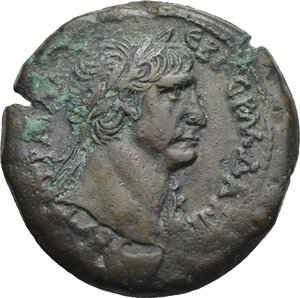
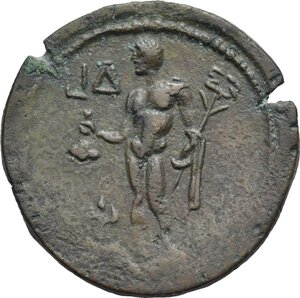
Egypt. Alexandria. Trajan, AD 98-117. Drachm (Bronze, 35.27 mm, 26.29 g). RY 13 = AD circa 109/110. [AYT] TPAIAN CEB [ΓEPM ΔAKIK] Laureate bust right, aegis on left shoulder. Rev. Harpocrates of Pelusium standing right, holding caduceus and raising arm; to left and right, basis on which Jug and paniskos statuette. In the field, L-IΓ (date). RPC 4400.1.2. (this coin). Dattari-Savio Pl. 41, 907 (this coin). Rare. Attractive brown tone. Good Very Fine.
From the Dattari Collection. Ex Naville Numismatics Ltd., Auction 45, 09.12.2018, lot 276.
Here is a bronze drachm of Trajan, belonging to the famous Dattari collection, of great rarity and preservation and particularly of superior artistic quality as for the style and for the historical value of the scene portrayed on the reverse which combines Greek-Roman-Egyptian theology to the Hellenistic sculpture through the representation of Hermes-Harpokrates of Pelusium, naked standing upright and sinuous of immediate derivation from Praxitelic sculpture that we also find in the next no. 218 of the collection with a similar but different identification of Hermes. This is an obvious Roman reproduction of an original Praxiteles statue with an unmistakable style.
Lot # 218
-
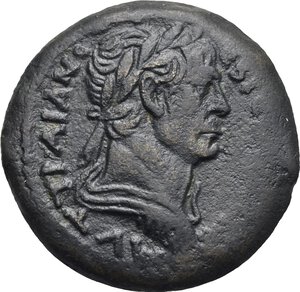
Egypt. Alexandria. Trajan, AD 98-117. Drachm (Bronze, 35.5 mm, 20.58 g). RY 14 = AD circa 110/1. AYT TPAIAN CEB ΓEPM ΔAKIK Laureate bust right, aegis on left shoulder. Rev. Hermes standing left, holding purse and caduceus; at feet left, Genius (?); in left field LIΔ (date). RPC 4520 (this coin illustrated). Dattari -. Dattari-Savio Pl. 42, 7059 (this coin illustrated). Extremely rare, only two specimens known and the only one in private hands. Attractive brown tone. Good Very Fine.
From the Dattari Collection. Ex Naville Numismatics Ltd., Auction 43, 23.09.2018, lot 261.
We are dealing with a very well-preserved drachm, of absolute rarity and like the previous one in the collection, also from the famous collection of Giovanni Dattari, and of primary historical-artistic importance for the image on the reverse, the work of a late Hellenistic master engraver, and representing Hermes nude with the features and posture directly recalling the original Hellenistic statuary of Praxiteles, much appreciated and repeated by sculptors in the Roman world. Compare the Hermes of this coin with the statue of the Hermes of Belvedere kept in Vatican Museums.
Lot # 219
-
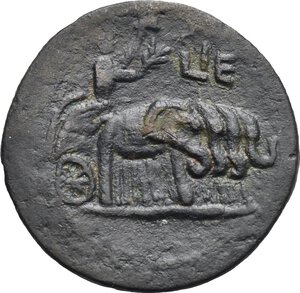
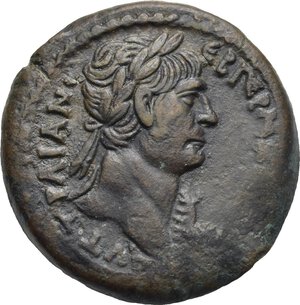
Egypt, Alexandria Trajan, 98-117. Drachm. (Bronze, 33.10 mm, 15.65 g). RY 15 = AD circa 111/2. ΑΥΤ ΤΡΑΙΑΝ ϹЄΒ ΓЄ [ΡΜ ΔΑΚΙΚ] Laureate, draped and cuirassed bust right. Rev. The Emperor standing in elephant quadriga, right, laureate-headed, wearing toga, holding eagle-tipped sceptre and branch; in field, LIE (date). RPC 4605.3. SNG 3943. Nice brown tone, bold portrait, Very Fine.
Ex Hirsch Sale 113, 1978, lot 175a (part of). Ex Naville Numismatics Ltd., Auction 67, 01.08.2021, lot 175.
Very well-preserved drachm of Trajan, although of lower than average numeral size and weight, but perfectly centred and coated with a uniform original brown patina. The majestic laureate bust of the emperor on the obverse is matched by the animated reverse of the sovereign proceeding triumphantly on a quadriga at the pull of four strong and lively African elephants.
Lot # 220
-
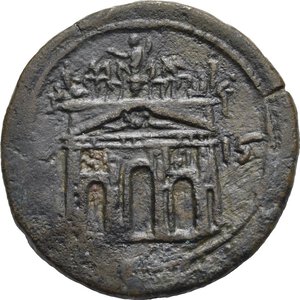
Egypt. Alexandria. Trajan, 98-117. Drachm (Bronze, 33.00 mm, 23.18 g). RY 16 = AD 112/3. ΑΥΤ TPAIAN CEB [ΓEPM ΔAKIK] Laureate head of Trajan right with chlamys flap on left shoulder. Rev. Anepigraph. Roman-style triumphal arch with three arches and two symmetrical quadrangular windows above the minor arches; large tympanum on the tiburium with the solar disk in the centre; on the roof in the middle and frontally, the emperor with sceptre on a ceremonial chariot drawn by six horses and, at the sides, trophies and captives. In the field, the date L I(B). Dattari -. Geissen 625. RPC III 4337. Emmett 602. Staffieri, AIN, pp. 79-80, Muzzano 2017. Emperor beautifully portrayed. Dark patina, gorgeous specimen, Extremely Fine.
Ex Fritz Rudolf Künker 124, 16 March 2007, lot 8134. Ex Bertolami Fine Art, Auction 67, 11.07.2019, lot 538.
An Alexandrian drachm with the plastic and imposing vision of a three-vaulted Roman triumphal arch on the reverse is much sought after, especially as in our case where the sharp and spectacular image in high relief stands out in a coin that does not appear to have been put into circulation after leaving the mint. A splendid specimen, with sharp definition of every detail from the severe imperial portrait on the obverse to the statuary complex decorating the top of the arch on the reverse. A numismatic gem.
The depiction of the triumphal arch on the reverse of Alexandrian drachms, which began with Domitian, ended with Hadrian and it is still to be considered rare and of exclusively Roman stylistic character, with no connection to Greco-Alexandrian or Egyptian architecture. It should therefore be seen as an expression of the assertion of the primacy of the empire capital in the intentions of the respective ruler or possibly confirmation of his occasional victorious war enterprise.
Lot # 221
-
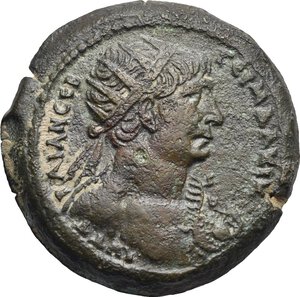
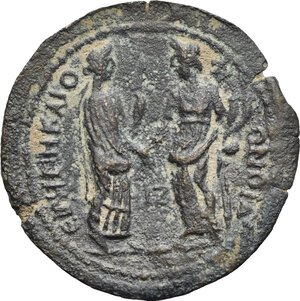
Egypt. Alexandria. Trajan, 98-117. Drachm (Bronze, 35.00 mm, 18.53 g). RY 17 = AD 113/4. ΑΥΤ TPAIAN CEB ΓEPM ΔAKIK Radiate bust right, aegis on left shoulder. Rev. ЄIPHNH KAI OMONOIA Eirene draped and wearing wreath of grain, holding two grain ears in her left hand, standing right and clasping right hand with Homonoia, standing left, draped and crowned, cradling double cornucopia with her left arm; [L] IZ (date) between. RPC -. Cf. Dattari-Savio 7008 for obverse type and 868 for reverse (same reverse die?). An apparently unrecorded variant. Very Fine.
Ex Roma Numismatics Ltd. E-Sale 53, 7 February 2019, lot 545.
This Trajan drachm, of extraordinary large size, image centring and conservation, belongs to the rare Alexandrian imperial series with the radiated imperial bust on the obverse, studied and published on NAC by Staffieri Giovanni Maria, ‘La corona radiata sui ritratti dei bronzi alessandrini’ where it is listed under ‘Staffieri 10’ as the only known specimen of the Dattari collection with year 16 of issue (112-113 AD), while ours has the identical characteristics but is classified under reign year 17 (113-114 AD), so it is to be considered a unique specimen also because it is unknown in the RPC III repertory, of exceptional conservation and with original glossy black patina that strongly highlights the engraved images with all their details. In short, a coin for museum display.
Lot # 222
-
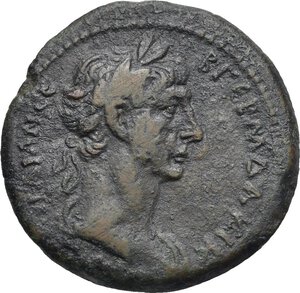
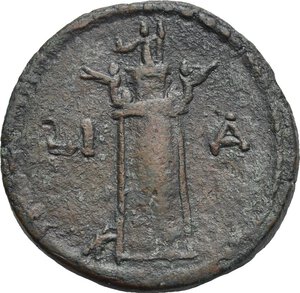
Egypt. Alexandria. Trajan, 98-117. Hemidrachm (Bronze, 29.50 mm, 11.26 g). RY 11 = AD 107/8. [ΑΥΤ] TPAIAN CEB ΓEPM ΔAKIK Laureate, draped and cuirassed bust right. Rev. Pharos lighthouse of Alexandria surmounted by two Tritons, each blowing a trumpet; between them is a lantern surmounted by a statue, holding situla and sceptre; LI-A (date), in field, at sides. RPC 4245.2 (this coin). Dattari-Savio plate 55. 1111 (this coin). Emmett 638. Extremely rare, only three specimens listed in RPC. Nice brown tone. Good very fine/Extremely Fine.
From the Dattari Collection. Ex Naville Numismatics Ltd., Auction 42, 22.07.2018, lot 303.
The Alexandrian coins with, on reverse, the full and detailed depiction of the Lighthouse, one of the 7 Wonders of the Ancient World, are especially requested and much sought-after by collectors and it is right that this should happen for the real and contemporary testimony of a monument of such fame that unfortunately disappeared with the advent of the Arab domination of Egypt. On this coin the staircase downwards left, leading to the lighthouse can be clearly distinguished, just like above next to the lantern, the statues of the tritons blowing into the whelks, whereas, above the lantern, stands the dominant statue of Helios, the radiated god of light, with the bust of Zeus-Serapis in his right hand and a sceptre in his left. A majestic and worthy specimen belonging to the celebrated collection of Giovanni Dattari.
Lot # 223
-
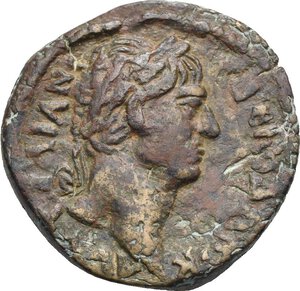
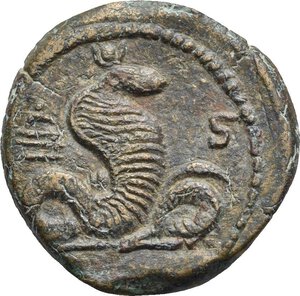
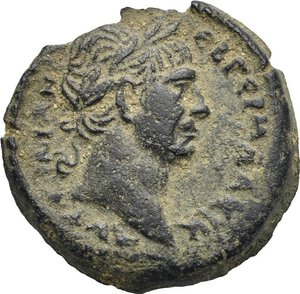
Egypt. Alexandria. Trajan, 98-117. Diobol (Bronze, 24.00 mm, 6.89 g). RY 16 = AD 112/3. ΑΥΤ TPAIAN CЄB ΓЄPM ΔAKIK Laureate head right. Rev. Isis-Thermouthis in form of Ureus serpent, erect right, wearing the Isis-crown and enfolding caduceus(?) and stalk of corn; date around, [LI] Ѕ. RPC III, 4759. Cf. Dattari-Savio 7285. Emmett 643. Very rare. Good Very Fine.
Ex Roma Numismatics Ltd., Auction 66, 02.01.2020, lot 716.
The element that determines the rarity of this beautiful Trajan’s obol is the engraving on the reverse where the traditional auspicious Agathodaemon does not appear but instead is Isis-Thermouthis in the form of a vigorous cobra with the Isiac crown on his head identifying him precisely in this deity who protected the grain and the crops and that here has an evident auspicious and propitiatory intention.
Lot # 224
-
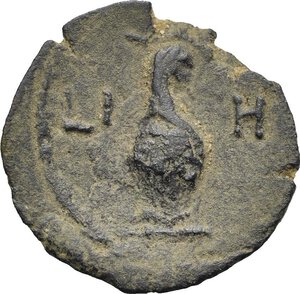
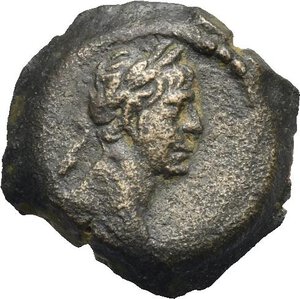
Egypt. Alexandria. Trajan, 98-117. Diobol (Bronze, 23.95 mm, 6.61 g). RY 18 = AD 114/5. ΑVΤ
TPAIAN C ЄB ΓЄPM ΔAKIK Laureate head right. Rev. Osiris canopic jar to right; in field, date, LI – H. Emmett 649 (5). Very rare. Dark green patina with significant light deposits in recesses and fields. Flan somewhat ragged-edged. Very fine. Emmett frequency 5.
From the Tom Buggey Collection. Ex Agora Auctions, Sale 75, 10.07.2018, lot 244.
The slight striking fault does not affect the sharp images of this rare and splendid Trajan’s diobol. On the obverse we admire a very realistic portrait of the elderly emperor while on the reverse emerges from the exhibition the ritual canopus of Osiris with the atef crown on his head, placed over a pillow. The Isis and Osiris canopic jars held water from the Nile, were carried in procession to numerous locations in Egypt and there used in the rites of adoration and blessing of the sacred river.
Lot # 225
-
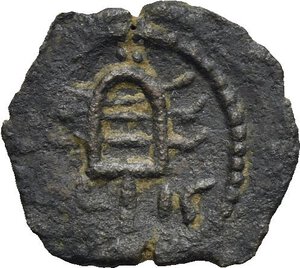
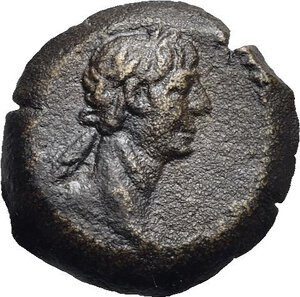
Egypt. Alexandria. Trajan. AD 98-117. Dichalkon (Bronze, 13 mm, 1.42 g). Dated RY 16 = AD 112/3. Laureate head right. Rev. Sistrum; L - Iϛ (date) across field. Geissen –. Dattari-Savio –. K&G –. RPC III 4776; Emmett – ((720) RY 16 unrecorded). Extremely rare, only four recorded in RPC. Brown patina. Very Fine.
Ex Naville Numismatics Ltd., Auction 53, 03.11.2019, lot 248.
A bronze dichalkon could not be missing in the collection, the small coin that barely exceeds the minimum, the chalkon that is almost unobtainable. Despite the size we notice a nice portrait of Trajan, easy to recognize, although the coin has no inscription. On the reverse, together with the inevitable date, we can see the sistrum, a musical instrument sacred to Isis and indispensable in the mysterious rites of this deity.
Lot # 226
-
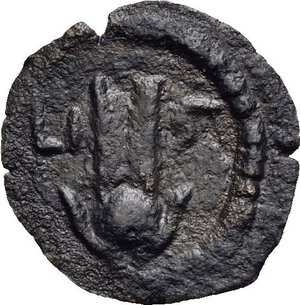
Egypt. Alexandria. Trajan, 98-117. Dichalkon (Bronze, 15 mm, 1.04 g). Dated RY 16 = AD 112/3. struck in regnal year Iς =16 = 112/3. Laureate head of Trajan to right. Rev. Isis headdress; LI – ς across the field. Dattari 1097. Emmett 707. RPC III 4772. Milne 693. Geissen -. Rare. Black patina. Very Fine.
Ex Künker Münzhandlung, Auction 124, 17.03.2007, lot 8136.
Still a minimal Alexandrian bronze coin, a dichalkon closer by weight to the chalkon and however of beautiful appearance on both sides, first of all for the original glossy black patina, then for the portrait resembling the emperor who makes it recognized in the absence of the legend and finally for the whole Isiac basileion and well readable between the inevitable date that fixes it to the year 112-113. C.
Lot # 227
-
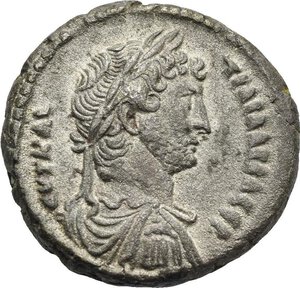
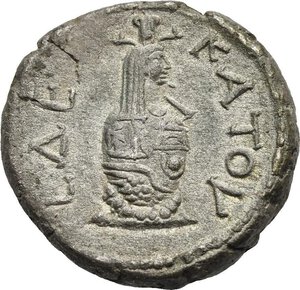
Egypt. Alexandria. Hadrian, 117-138. Tetradrachm. (Billon, 25.16 mm, 12.33 g). Dated RY 10 = AD 125/6. AYT KAI TPAI AΔPIA CЄB Laureate, draped and cuirassed bust of Hadrian right, seen from behind. Rev. L AE KATOY (date) = year 10; Canopus of Osiris right, beautifully detailed. Dattari 1325-1326. BMC 630. Geissen 284-285. Milne 1151-1153. Emmett 827. RPC III 5574.44 (this specimen). Very Fine.
Ex Franco Chiesa, Numismatica Aretusa SA, Lugano, maggio 1977.
This interesting Hadrian’s tetradrachm first of all celebrates the "decennalia" of the emperor’s reign figuring on the obverse with an armoured bust and a serene and solemn look. On the reverse is the canopic jar of Osiris, already seen in no. 224 of the collection, but here with major and more incisive details both on the lid with the head of the deity surmounted by the ritual atef crown and the body of the vase engraved with the scenes of the Osiris’ mysterical and processional liturgy where stands out at least a basileion.
Lot # 228
-
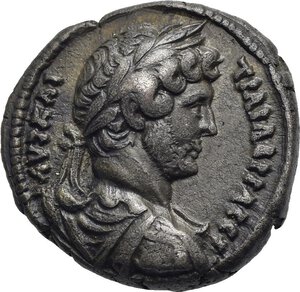
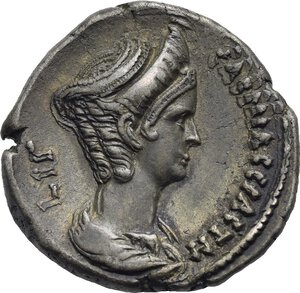
Egypt. Alexandria. Hadrian, 117-138. Tetradrachm. (Billon, 25.63 mm, 13.29 g). Dated RY 13 = AD 128/9. AYTKAI TPAI AΔPIA CEB Laureate, draped and cuirassed bust of Hadrian right, seen from behind. Rev. CABINA CЄBACTH Diademed and draped bust of Sabina right, seen from behind; LIΓ (date) in field. Dattari 1249. Geissen 997. Milne 1272-1273. BMC 566-567. RPC III 5729.31 (this specimen). Emmett 886. Unpublished die of the highest statuary relief. Extremely fine.
Ex Spink & Son, London, 17.04.1974.
Here we are in the presence of a spectacular tetradrachm, first of all for the state of conservation practically not circulated, then for the extraordinary relief of the imperial portraits, so strongly protruding as to appear to come out of the flan, and again for the excellent style of the engraving, the work of an anonymous unsurpassed master. It is a prestigious museum coin of unpublished and unparalleled coinage. But this artistic splendour was fully justified by the event that determined it, namely the long and laborious journey to Egypt of Hadrian with his consort Sabina and all the court, begun in 129 AD as is confirmed by the inscription on the reverse of the thirteenth year of the emperor’s reign: L IΓ = year 13 = 128-129. These portraits of the imperial couple fully express all the majesty and dignity of their institutional function.
Lot # 229
-
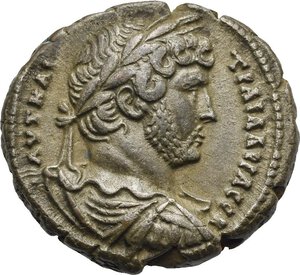
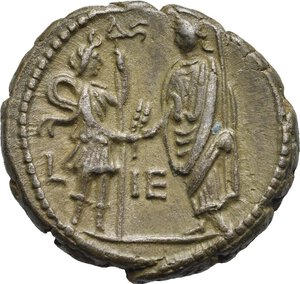
Egypt. Alexandria. Hadrian, 117-138. Tetradrachm. (Billon, 26.07 mm, 13.17 g). Dated RY 15 = AD 130/1. AYT KAI TPAI AΔPIA CEB Laureate, draped and cuirassed bust of Hadrian right. Rev. Alexandria draped, standing facing right, holding two ears of corn and vexillum in the act of shaking the hand of Hadrian, standing in front of her to left; the emperor, laureate-headed, wearing toga, standing facing, is holding sceptre and a hem of toga with left hand; L IE (date) across fields. Emmett 845. RPC III, 5768.95 (this specimen). BMC 669. Milne 1294-1296. Dattari 1267-1270. Geissen 1026-1029. Very Fine.
Ex Crippa, Milano, Febbraio 1966. Ex Collezione Athos Moretti, Bellinzona, May 1984.
Like the previous also this excellent tetradrachm refers to the visit in Egypt of the rulers together with the royal court, which reached its climax in 130-131 AD (the fifth year of reign) engraved on the coin. That year was saddened by the tragedy of the death of Hadrian’s favourite, Antinous (whom we meet in the hemidrachm no. 254 of the collection), drowned in the Nile in October 130. The reverse recalls the entry of the emperor in the capital of Egypt personified by the divinized Alexandria that greets the sovereign and offers two ears of wheat, while Hadrian, solemnly swampy and armed with the sceptre, reaches out his right hand to meet that of Alexandria.
Lot # 230
-
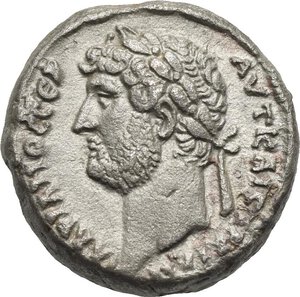
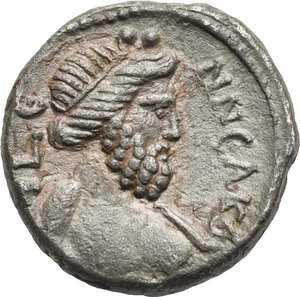
Egypt. Alexandria. Hadrian, 117-138. Tetradrachm. (Billon, 24.12 mm, 11.50 g). Dated RY 19 = AD 134/5. AYT KAI C TPAI AΔPIANOC CЄB Laureate head left. Rev. IL ЄNNЄAKΔ Bust of Nilus with drapery on left shoulder and taenia with lotus buds to right and cornucopia behind. Emmett 875. Dattari-Savio 1430. Geissen 1148. RPC III 5941. Extremely Fine.
Ex Kölner Münzkabinett, Auction 115, 29.10.2021, lot 241.
Tetradrachm of Hadrian of splendid conservation with laureate head of excellent style singularly facing left. The bearded bust of the deified Nile is recognisable by the lotus flower buds protruding from the taenia enveloping the hair and the cornucopia sprouting behind the shoulders
Lot # 231
-
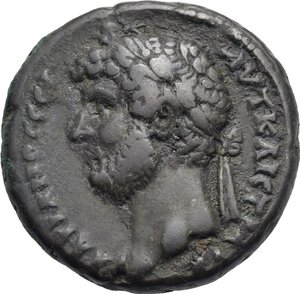
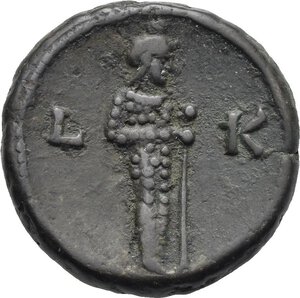
Egypt. Alexandria. Hadrian, 117-138. Tetradrachm. (Billon, 25.50 mm, 13.82 g). Dated RY 20 = 135/6. AYT KAIC T PAI AΔPIA CEB Laureate head left. Rev. Mummiform Osiris (Ptah-Sokar-Osiris) standing facing right and holding sceptre; L – K (date), in field. Emmett 883. Dattari 1447. RPC 6088. Geissen 1198. Rare. Nice old cabinet tone. Good Very Fine.
Ex Naville Numismatics Ltd., Auction 56, 22.03.2020, lot 304.
Tetradrachm issued in the last years of Hadrian’s reign where the portrait, of excellent style appears on the obverse, facing unusually to the left. On the reverse, the singular image of the mummiform deity Ptah-Sokar-Sothis belongs to Egyptian theology and in particular to funerary cult. It brings together under their respective symbols three well-known members of the pharaonic pantheon: the cap and sceptre for Ptah, the solar disk for Osiris and the shroud for Sokaris, “the lord of the necropolis”. The three associated deities recall the concepts of "mourning" and "life" evoking the pain associated with death along with the hope linked to resurrection.
Lot # 232
-
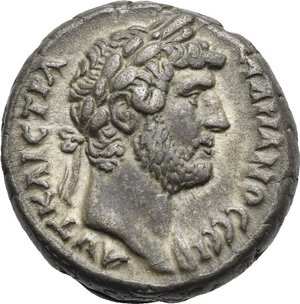
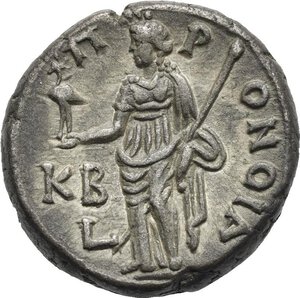
Egypt. Alexandria. Hadrian, 117-138. Tetradrachm. (Billon, 23.00 mm, 13.51 g). Dated RY 22 = AD 137/8. AYT KAIC TIPA AΔPIANOC CЄB Laureate bust right, drapery on left shoulder. Rev. ΠPONOIA Pronoia standing facing, head left, holding phoenix in right hand and sceptre in left; L KB in left field. Dattari 1450. Emmett 881. RPC III 6252. Nicely toned. Extremely fine.
Ex Naville Numismatics Ltd., Auction 57, 26.04.2020, lot 310.
We are at the last months of life of Hadrian, who died in Baia on 10 July 138 AD. This tetradrachm portrays the aged emperor seriously ill. On the obverse the face of the sovereign seems to turn and get lost towards an undefined and lost horizon. On the reverse appears the Pronoia, that is the divinized providence suggesting, with reference to stoic belief, the divine and rational fate that governs the events of the world of humans predicting their events and ensuring that they take place in the best way. It seems obvious the call to resignation of Hadrian in front of the destiny that will lead him to the imminent and inescapable transit in the underworld. But the resurgent phoenix also shows you the hope of a new life beyond life. In short, a coin with deep metaphysical and human meaning at the same time.
Lot # 233
-
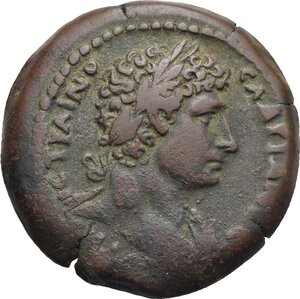
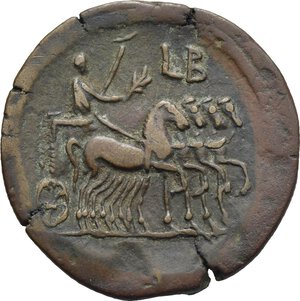
Egypt. Alexandria. Hadrian, 117-138. Drachm (Bronze, 34 mm, 21.81 g). Dated RY 2 = AD 117/8. AYT KAIC TPAINOC (sici) AΔPIANOC Laureate and beardless head of Hadrian to right, with slight drapery on his left shoulder. Rev. L B Hadrian driving quadriga to right, holding eagle-tipped sceptre in his left hand and branch in his right. Dattari-Savio 1592. Emmett 960. K&G 32.50. RPC III 5017. Very rare for this regnal year. Attractive brown patina. Some flan cracks, otherwise, nearly Very Fine.
From the collection of Eric ten Brink. Ex CNG 100, 7 October 2015, lot 1779. Ex Leu Numismatik AG, Web Auction 26, 8-13. July 2023, lot 2771.
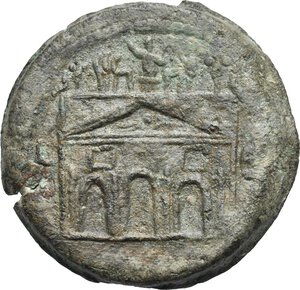
Rare bronze drachm issued with the image of a very young Hadrian curiously depicted still beardless on the obverse bust but already in his second reign (AD 117-118). This is intelligible also because in Alexandria mint are recorded no coins belonging to the first Egyptian year of his reign, which lasted only a few days after Trajan's death (9-28 August 117 AD) and probably, with the first issues of our second year of Hadrian's reign (29 August 117-28 August 118 AD) it did not yet have at its disposal suitable up-to-date portraits of the then 42-year-old new ruler. Consequently, the reverse with the triumphant emperor on a quadriga marching to the right here celebrates the ‘adventus augusti’, i.e. the settlement of the new ruler.
Lot # 234
-
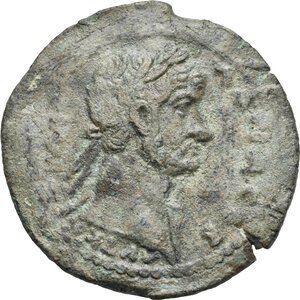
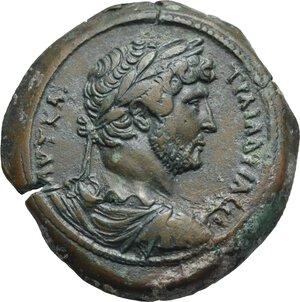
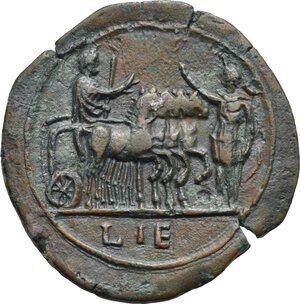
Egypt. Alexandria. Hadrian, 117-138. Drachm. (Bronze, 35.70 mm, 22.77 g). Dated RY 5 = AD 120/1. AYT KAI TPAI ΑΔΡΙΑ CЄΒ Laureate head right. Rev. Anepigraph. Triumphal arch with three openings surmounted by a tympanum and above, the Emperor’s statue, standing facing on a six horse-chariot, in the act of greeting with his right hand while holding sceptre in his left; at sides, trophies; L E (date) across fields. Dattari 1896. Milne 998. RPC III 5295.8 (this specimen). Emmett 1061 (5). Extremely Fine.
Ex Heinz-W. Müller Münzhandlung, Solingen, 1985.
This imposing Hadrianic drachm of very wide flan and great rarity strikes the observer first with the beauty of its original olive-green patina, regularly smeared on the entire coin surface. Another notable feature is the enviable centring of the engraved representations on both faces of the coin, which highlights, the monumental depiction on the reverse of the Roman triumphal arch with all its numerous architectural and sculptural details distinctly visible, an occurrence rarely encountered in Alexandrian coinage.
Lot # 235
-
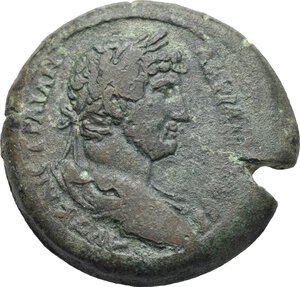
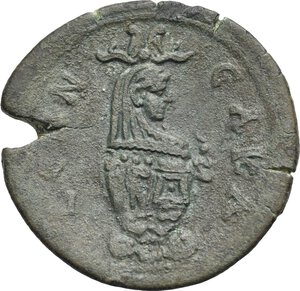
Egypt. Alexandria. Hadrian, 117-138. Drachm (Bronze, 35.94 mm, 23.65 g). Dated RY 15 = AD 130/1. AYT KAIC TPAI AΔPIA CЄB Laureate, draped and cuirassed bust of Hadrian right, seen from behind. Rev. L IE (date) in exergue. The Emperor with toga and eagle-tipped sceptre, is standing on quadriga stride to the right approaching Alexandria standing left and holding vexillum in her left hand; Hadrian greets Alexandria with his right hand and Alexandria answers to the greeting with her left hand. RPC III 1780.18 (this specimen illustrated). Dattari 1595 (this specimen). BMC 868. Milne 1314. Emmett 966. Good Extremely Fine.
Ex Giovanni Dattari collection, Il Cairo. Ex Dott. Piero Beretta collection, Milan, February 1976.
This drachm is an artistic masterpiece of coin engraving. I have already mentioned the journey and stay in Egypt made by Hadrian with his court in 129-130 AD, an occurrence that already at that time had great resonance in the empire and above all had important testimonies in Alexandrian coinage as can be seen in nos. 228 and 229 of the collection, delivered in two splendid tetradrachms. The opportunity arose to illustrate and appropriately commemorate this exceptional political and cultural event on the bronze drachm, the coin of the highest form issued by the mint of Alexandria, and it was necessary here to call upon the talent of an engraver of special skill and artistic sensibility.
The result is this coin that is absolutely special in terms of preservation, iconographic value, patina, centring, large module, artistic quality and style of the engraved images. The statuary portrait of Hadrian on the obverse exalts all the sovereign and courtly majesty of this philhellenic emperor and philosopher of immeasurable and grandiose culture and sensitivity. On the reverse, the solemnity and completeness of Hadrian's triumphal entry into the Egyptian capital with great pomp is striking, erected on the quadriga pulled by horses at a trot towards the deified Alexandria that exchanges the Roman salute with that of the emperor. The aesthetic genius of Giovanni Dattari, the first owner of this museum specimen, was able to choose it and bring it into his famous collection where it was among the most prestigious coins.
Lot # 236
-
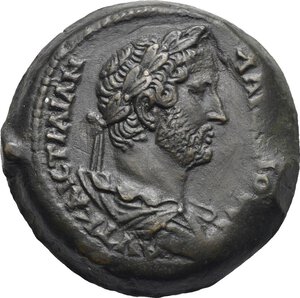
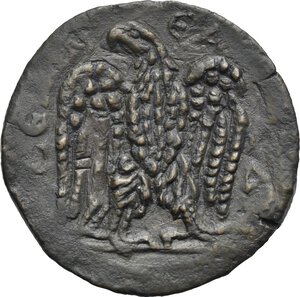
Egypt. Alexandria. Hadrian, 117-138. Drachm. (Bronze, 36.55 mm, 27.24 g). Dated RY 19 = AD 134/5. AYT KAI TPAIAN ΑΔ [ΡΙΑ CЄΒ] Laureate, draped and cuirassed bust right. Rev. L E [N]N EAKΔ Canopus of Osiris right, with horned crown, uraei, disk and plumes, ornamented with figures. Geissen 1172 var. (different headdress and decorations). BMC 778. Dattari 1652-1653. Milne 1477. Emmett 932. RPC III 5974.38 (this specimen). Dark green-brown patina. Scarce. Very Fine.
Ex Kerry K. Wetterstrom Collection. Ex CNA Ltd., Sale XII, 26.09.1990, lot 135.
Another rare drachm of Hadrian with an extraordinarily large flan that particularly allows a complete and detailed reading of every component of the large canopic jar of Osiris (see also items 224 and 227 in the collection), depicted on the reverse - from the atef crown to the details of the lid with the deity’s head wearing the Egyptian nemet headdress, and the ritual scenes decorating the body of the canopic jar. A coin that is fit for in-depth historical-artistic-anthropological investigations of the Osirian theology and liturgy, as commonly practised in Egypt from Pharaonic era to the Roman imperial period.
Lot # 237
-
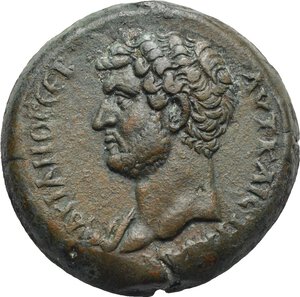
Egypt. Alexandria. Hadrian, 117-138. Drachm. (Bronze, 33.50 mm, 26.08 g). Dated RY 19 = AD 134/5. AYT KAIC TPAIAN ΑΔ [ΡΙΑ CЄΒ] Laureate, draped and cuirassed bust right. Rev. L ЄNNЄAK Δ Eagle on thunderbolt standing facing, head and tail left with outstretched wings. RPC III 5985. Geissen 1154. Dattari 2019. BMC 819. Emmett 953. Milne 1478. Nice dark brown patina, gently smoothed, otherwise About Extremely Fine.
Ex Kölner Münzkabinett, Auction 115, 29.10.2021, lot 243. Ex Naville Numismatics Ltd., Auction 73, 08.05.2022, lot 244.
What stands out in this superbly preserved Hadrianic drachm is the sculptural engraving of the imposing imperial bust on the obverse, executed in a severe style with careful iconographic detail. This is further emphasized by the evenly distributed original dark brown patina, which also highlights the full sculptural quality of the proud imperial eagle depicted on the reverse.
Lot # 238
-
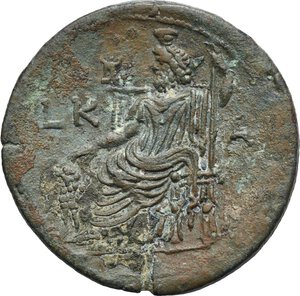
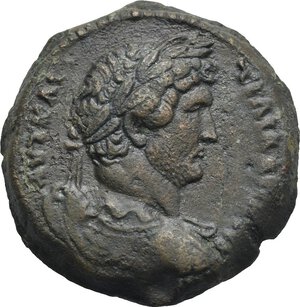
Egypt. Alexandria. Hadrian, 117-138. Drachm. (Bronze, 33.40 mm, 25.57 g). Dated RY 21 = AD 136/7. Bare bust left with drapery on right shoulder. Rev. Serapis enthroned to left with Cerberus at his feet; LK A (date) across fields. Dattari 1837. Geissen 991. Emmett 1030. RPC III 6197. Brown-green patina. A little bit of corrosion on reverse. Third specimen known. Very Fine.
Ex E. P. Nicolas, Maison Platt, Hotel Drouot, 09.03.1982, lot 438. Ex Frankfurter Münzhandlung, Auction 156, 04.11.2022, lot 390.
This drachm belongs to the rare and special Alexandrian series featuring nude, uncrowned imperial portraits on the obverse, a topic studied and addressed by the present writer in a paper at the XV International Numismatic Congress in Taormina in September 2015 (see: Giovanni Maria Staffieri, ‘I ritratti senza corona sui bronzi imperiali Alessandrini’, in ‘XV INC Taormina 2015, Proceedings, vol. II, pp. 787-791 + 12 figs., Rome- Messina, 2017). The obverse portrait of Hadrian, well-centred, superb in style and exceptionally facing left, displays a series of distinctive features (especially the shape of the nose and an unmistakable hairstyle) along with the nude bust, which allow us to state that all obverse dies were the work of a single and recognizable master engraver whom I have named the ‘Master of the bare-headed Hadrian’, the author of this high-quality, exquisitely engraved and preserved drachm.
Lot # 239
-
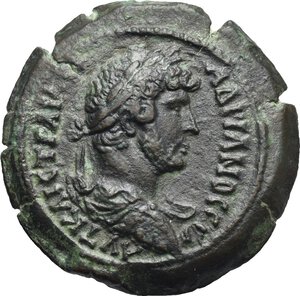
Egypt. Alexandria. Hadrian, 117-138. Hemidrachm (Bronze, 28.50 mm, 9.89 g). Dated RY 14 = AD 129/130. AYT KAI TPAIA [ ]ЄB Laureate, draped and cuirassed bust of Hadrian right, seen from behind. Rev. Isis Pelagia, advancing right, holding billowing sail and sistrum; L I Δ (date) across field. Dattari 1753. RPC III 5748. BMC 750-751. Milne 1288a. Geissen 1016-1017. Emmett 1093. Nice brown-green patina. Good Very Fine/Very Fine.
Ex Naville Numismatics Ltd., Auction 71, 13.02.2022, lot 212.
The exquisite, physiognomic and high relief plastic obverse bust of Hadrian finds a fitting counterpart on the reverse in the elegant classical figure of Isis Pelagia, sailing the Mediterranean Sea toward the lighthouse and harbour of Alexandria. She is carried forward by the force of a fully unfurled sail, careful angled and held to ensure forward motion toward her destination. An ideal coin for its condition of centring, preservation and patina.
Lot # 240
-
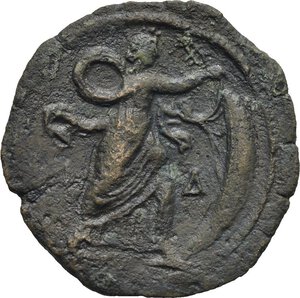
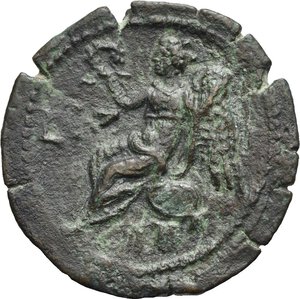
Egypt. Alexandria. Hadrian, 117-138. Hemidrachm (Bronze, 35.94 mm, 23.65 g). Dated RY 17(?) = AD 132/3. AYT KAIC TPAIAN AΔPIANOC CЄB Laureate, draped and cuirassed bust of Hadrian right, seen from behind. Rev. Winged Nike sitting on shield, holding a crown and a palm frond; LI Z (date) in field. Dattari-Savio, Supplement 101, ANS 1944.100.58416. RPC III 5849.5 (this specimen). Emmett 1008 (5). Very Fine.
Ex Spink Taisei Numismatics Ltd., Zurich, 16.11.1994, lot 827.
The dating of this beautiful very rare hemidrachm was indicated by the authority and expertise of Andrew Burnett, whom I do not need to present. It is very well preserved, has a very large modulus, perfectly centred and with a shiny original black patina spread evenly over the entire coin. The winged Nike lying on the shield and showing a crown with her right hand clearly refers to the prospect of victory in the Jewish war, conducted by the Roman army in 132-135 AD which in fact had a positive outcome for the imperial army, ending with the conquest of Jerusalem, since then called Aelia Capitolina, and with the diaspora of the Jewish people.
Lot # 241
-
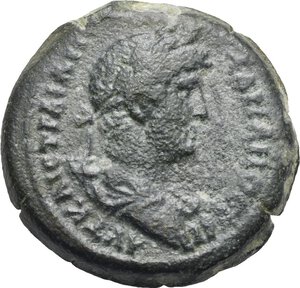
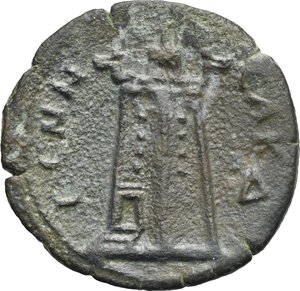
Egypt. Alexandria. Hadrian, 117-138. Hemidrachm (Bronze, 29.00 mm, 14.69 g). Dated RY 19 = AD 134/5. AYT KAIC TPAIAN AΔPIANOC CЄB Laureate, draped and cuirassed bust of Hadrian right, seen from behind. Rev. L ЄNNЄAKΔ The Pharos lighthouse of Alexandria, surmounted by a statue and two Tritons blowing a buccinum (trumpet). Dattari-Savio 1934. Emmett 1103. K&G 32.690. Milne 1483. RPC III 6067. Rare and unusually attractive. Somewhat rough, otherwise, Very Fine.
From the Rhakotis Collection, formed in the 1960s and 1970s (with collector’s ticket). Ex Leu Numismatik AG, Web Auction 13, 15-16 August 2020, lot 1048.
The reverse of this well-struck and pleasant Hadrian’s hemidrachm revisits the dominant theme of the mythical Lighthouse of Alexandria - a privileged emblem of Egypt’s capital and one of the 7 Wonders of the Ancient World - already encountered in Trajan’s hemidrachm at no. 222 in the collection. Often paired with Isis Pelagia on bronze drachms, here the goddess appears as Isis Pharia. Once more the full tiered structure of the lighthouse is visible, diminishing in size upwards and culminating in the statue of Helios, the sun god, atop the lantern. Noteworthy also is the shiny black original patina that envelops the coin.
Lot # 242
-
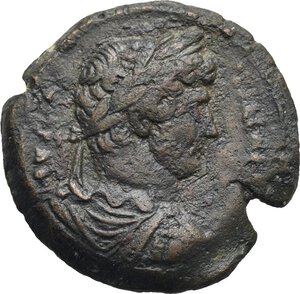
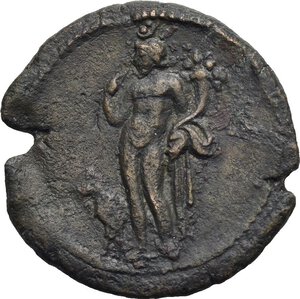
Egypt. Alexandria. Hadrian, 117-138. Diobol. (Bronze, 25.00 mm, 8.63 g). Dated RY 14 = AD 129/130. AYT KAI TPAI AΔPIA CЄB Laureate, draped and cuirassed bust of Hadrian right. Rev. Harpocrates standing facing, head left, raising finger to lips and holding hawk-tipped club; behind ram; LI Δ (date) across field. RPC 5754. Dattari 1734. Emmett 1134. Nice brown tone. Very Fine/Good Very Fine.
Ex Naville Numismatics Ltd., Auction 71, 13.02.2022, lot 213.
An interesting Hadrianic diobol for the reverse image of Harpokrates in official iconography, depicted alone as a naked child in a pose reminiscent of the Praxitelean statuary, which likely inspired this representation. Harpokrates is the youthful Horus, born from the mystical union of Isis and Osiris and venerated in Egypt since the earliest Pharaonic times.
Lot # 243
-
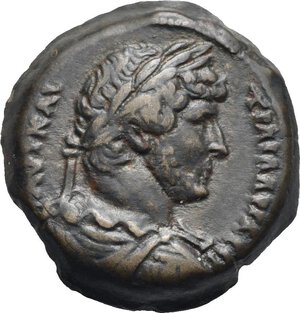
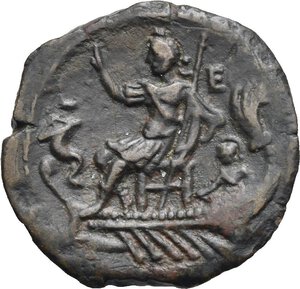
Egypt. Alexandria. Hadrian, 117-138. Diobol. (Bronze, 24.40 mm, 7.21 g). Dated RY 15 = AD 130/1. AYT KAI TPAI AΔPIA CЄB Laureate, draped and cuirassed bust of Hadrian right. Rev. The emperor, laureate-headed in military dress, seated left, on galley, is raising hand and holding sceptre; to left, mast with sail; to right steersman; [ L I] E in field. RPC III 5785. Dattari-Savio Plate 73, 7525. BMC 871. Milne 1320. Emmett 1127. Nice dark green patina. Good Very Fine.
Ex Naville Numismatics Ltd., Auction 71, 13.02.2022, lot 214.
Diobol struck solely in the 15th year of Hadrian's Egyptian reign. Given that the emperor and his court remained in Alexandria until late spring of 131 AD, the reverse scene – showing the emperor triumphant seated on a throne atop the deck of a sailing trireme - suggests that this issue may have been minted to commemorate his farewell and departure from Alexandria which he honoured with his auspicious greeting gesture.
Lot # 244
-
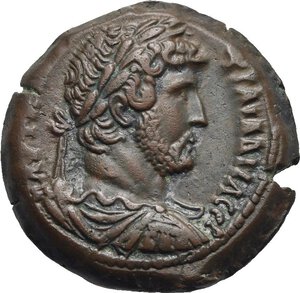
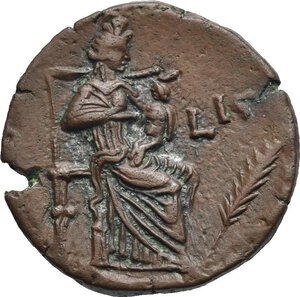
Egypt. Alexandria. Hadrian, 117-138. Diobol. (Bronze, 24.34 mm, 10.31 g). Dated RY 16 = AD 131/2. ΑΥ [Τ ΚΑΙ] ΤΡΑΙ ΑΔΡΙΑ CЄΒ Laureate, draped and cuirassed bust of Hadrian right. Rev. Isis, crowned with disc, horns and plumes, seated right, suckling the infant Harpokrates, crowned with pschent; to right, palm-branch; L Ι ς in field. Emmett 1138. Dattari 1749- 1750. Geissen 1045. Mionnet VI, p. 178, 1137. Milne 1345-1346. BMC 762. RPC III 5813.55 (this specimen illustrated). Rare. Very Fine.
From the Curtis Collection. Ex CNG Sale XXXI, 9-10.09.1994, lot 1375.
Magnificent Hadrian diobol of great rarity as well as excellent preservation and style, with a vivid original brick red patina of the "desert" that covers the entire coin surface. Specimen from the renowned Curtis collection and especially rare for the representation of the reverse where the well-known "Isis lactans" here unusually appears, which is instead frequently found on the major size Alexandrian bronzes, so much so that RPC III has chosen it to illustrate in the plates of the repertoire.
Lot # 245
-
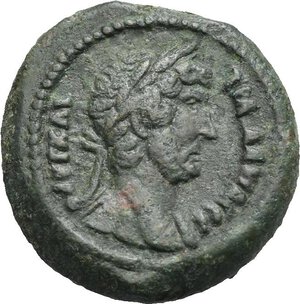
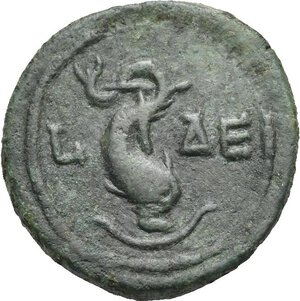
Egypt. Alexandria. Hadrian, 117-138. Obol. (Bronze, 18.50 mm, 5.23 g). Dated RY 10 = AD 125/6. AYT KAI TPA AΔPIAN CЄB Laureate bust right, slight drapery. Rev. Dolphin coiled downward around anchor; L AE across field. Geissen 919. Dattari-Savio 2025. K&G 32.35. RPC III 5612. Emmett 1152.10 (R3). Attractive dark green patina with traces of red. Good Very Fine. Rare.
Ex CNG, E-Auction 480, 11.11.2020, lot 438.
Another splendid and scarce obol of Hadrian, well centred and patinated with a small recognizable portrait on the obverse and on the reverse a sinuous and nice dolphin twisted and swirling around a powerful naval anchor that supports it. Coin celebrating the "decennalia" of the emperor’s reign.
Lot # 246
-
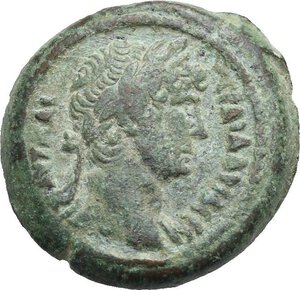
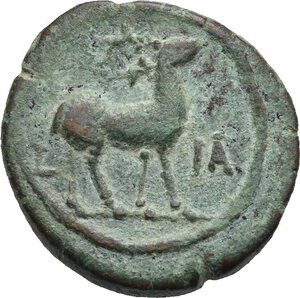
Egypt. Alexandria. Hadrian, 117-138. Obol. (Bronze, 19.32 mm, 5.47 g). Dated RY 11 = AD 126/7. ΑΥΤ ΚΑΙ ΤΡΑΙ ΑΔΡΙΑ CЄΒ Laureate head right. Rev. Deer advancing to the right; L IA (date) across the field. Dattari 2023. BMC 854-855. Geissen 966. Milne 1234-1235. RPCIII 5680.39 (this specimen). Emmett 1162. Very Fine.
Ex Frank Sternberg, Zürich, October 1973.
Beautiful Hadrian's obol with a shining original emerald green patina, which particularly highlights the engraved images. The imperial portrait on the obverse is soft and of high iconographic style; the deer that appears on the reverse on the exergual line is nice and elegant.
Lot # 247
-
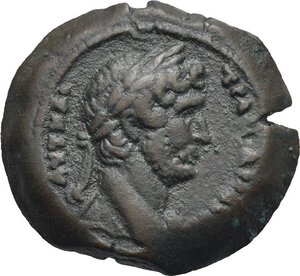
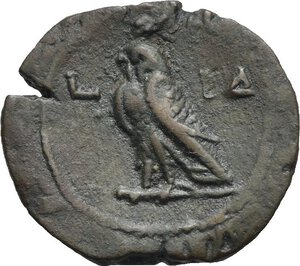
Egypt. Alexandria. Hadrian, 117-138. Obol. (Bronze, 20.50 mm, 4.84 g). Dated RY 14 = AD 129/130. AYT KAI TPA [ ] P Laureate head of Hadrian right. Rev. Horus falcon standing right on club, wearing pshent; L IA (date) in field. Geissen 1014. Dattari-Savio Plate 101, 2044 (this coin). Emmett 1163. RPC III 5760. BMC 829. Milne 1291. Good Very Fine.
From the Dattari Collection. Ex Naville Numismatics Ltd., Auction 26, 24.10.2016, lot 151.
An obol of full flan and excellent preservation, featuring on the obverse a small but finely styled portrait of the sovereign. The reverse bears the canonical image of Horus as a sacred falcon, crowned with the pharaonic diadem of Upper and Lower Egypt, a reference to the most ancient theology and cults practiced in the historic African kingdom. The coin gains special prestige from its provenance: the famous collection of Giovanni Dattari.
Lot # 248
-
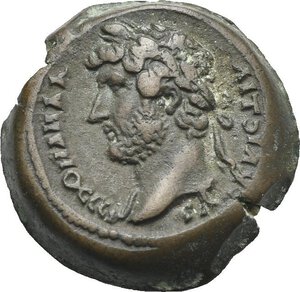
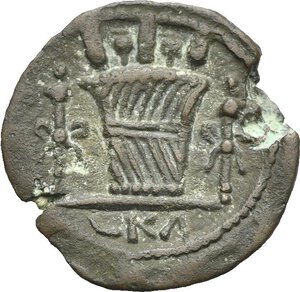
Egypt. Alexandria. Hadrian, 117-138. Obol. (Bronze, 19.09 mm, 5.01 g). Dated RY 21 = AD 136/7. AYT KAIC TPA AΔPIANOC CЄB (retrograde) Laureate head of Hadrian left. Rev. Kalathos between two torches; LKA (date) at the exergue. BMC 905. Kellner 6.20. Emmett 1166 var. RPC III 6245.3. (this specimen). Extremely Fine.
Ex Malter, Auction II, Beverly Hills (California), 23-24.02.1978, lot 337.
Another obol issued at the end of the reign of Hadrian that has two rare variations: first, the head of the emperor turned to the left instead of regularly to the right, then the legend on the obverse is retrograde in spite of the normal, from left to right. The portrait of the sovereign is physiognomic and qualitatively valuable. The reverse is auspicious, of good omen for the agricultural prosperity of Egypt and the modius or kalathos in fact connects to the main deities that protect it: Serapis, Demeter, Euthenia and Tyche.
The authors of RPC remark as follows: “These coins are somewhat strange; the bust faces to left, the inscription is retrograde, but also poorly formed. This must suggest that they are (very good) imitations, but the style is very good.”
Caricamento altri risultati...