Roman Imperial Coins
Results from 18151 to 18200 of 32902
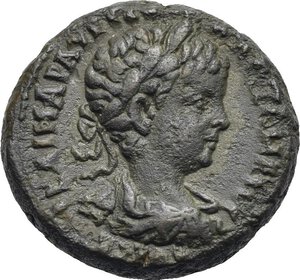
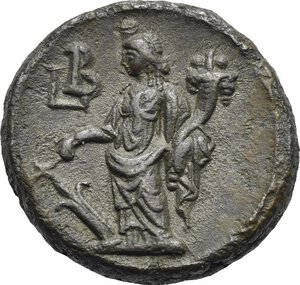
Lot # 303
-
Egypt, Alexandria. Severus Alexander 222-235. Tetradrachm (Billon, 23.00 mm, 12.30 g). Dated RY 2 = AD 222/3. Α ΚΑΙ ΜΑΡ ΑYΡ СEYHP ΑΛΕΞΑΝΔPOC ЄYCЄB Laureate, draped and cuirassed youthful bust right. Rev. Tyche standing facing, head to left, wearing kalathos, holding rudder and cornucopia, before palm branch; L B (date) in upper left field. Dattari-Savio 4373. Milne 2891. BMC 1636. Geissen 2413. Emmett 3139. Attractive dark green patina. Good Very Fine.
Ex Empire Coins, Auction 8, 7.12.1987, lot 654.
Fascinating tetradrachm of the very young emperor Severus Alexander, already adopted in 221 AD by his cousin Marcus Aurelius Antoninus III, called Elagabalus to succeed him then to the throne on 11 March 222 AD. We are here in his second year of reign, started on 29 August 222 when Alexander was just 14 years old and was under the tutelage of his mother Julia Mamea who stayed with him for as long as his reign and was slaughtered together with him in February-March 235 AD. The portrait finely engraved on the obverse gives, however, a childish image that evokes tenderness and empathy.
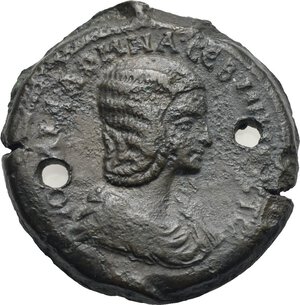
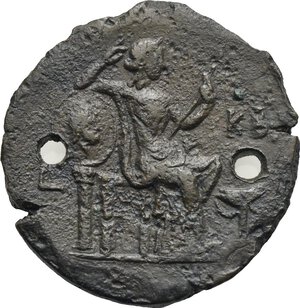
Lot # 302
-
Egypt, Alexandria. Julia Domna, 193-217. Drachm (Bronze, 33.31 mm, 23.36 g). Dated RY 22 of Caracalla = AD 213/4. IOYΛIA ΔOMNA CЄB MHTЄPC TPA Bust right. Rev. K B (date); Securitas in the guise of Aphrodite left, seated on throne, wearing crown, chiton and peplos. She is holding in her left hand a small stuff resting on the belly and her right hand to her head, while resting her right elbow on a shield placed over a column. Behind Securitas is a tortile column with Ionic capital upon which is the shield with laureate head of Capitoline Zeus to right. Emmett 2876 (5). Dattari 4040 (this specimen), Plate IV (this obverse illustrated) and Plate XXIV (this reverse illustrated).
From Giovanni Dattari collection. Ex Kunst und Münzen, Lugano, Auction XXII, 2-4.04. 1981, lot 355.
Despite the two coeval holes made on the coin without defacing the engraved figures, this drachm is in excellent preservation, sharp and legible in every detail and covered with a shining original black anthracite patina. Unique specimen taken from the famous collection of Giovanni Dattari, as unique in the Alexandrian coinage is the scene that appears on the reverse which, given the presence on the shield of the Capitoline Zeus, can be interpreted as an expression of the clearly Roman-centric spirit of Caracalla in the management of the empire that ensured its safety. A therefore relevant historical-political message through the concrete and public means of money.
Lot # 301
-
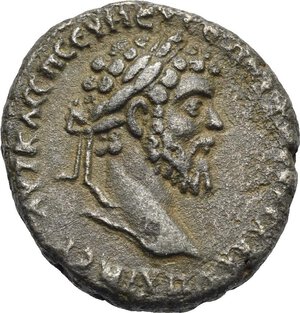
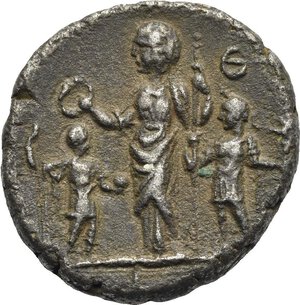
Egypt, Alexandria. Septimius Severus 193-211. Tetradrachm (Billon, 23.43 mm, 11.25 g). Dated RY 9 = AD 200/1. AYT K Λ CЄΠ CЄYH ЄYCЄ ΠЄPT CЄB APAI AΔI Laureate head right. Rev. Julia Domna (wife of Septimius Severus) standing between Geta and Caracalla, facing right, holding wreath and sceptre; Geta, standing on her right, is holding sceptre and globus, while Caracalla, standing on her left, is holding sceptre and Nike. Dattari-Savio Plate 215. Geissen-. K&G 49.32 (this coin cited). Emmett 2665 (5). Extremely rare. Marvellous patina. Very fine.
From Phoibos collection. Ex Sternberg, Auction XII, Zürich 1982, Nr. 659. Ex Künker, Auction 330, 16-17.10.2019, lot 1495.
In general, the Alexandrian coinage of the first Severi, from Septimius to Caracalla, is scarce and mainly dedicated to the dynastic propaganda of the family, as is the case of our tetradrachm, of absolute rarity and artistic value. Known in only 3 specimens one of which, of conservation much inferior to the present and already in my collection (cf. Staffieri Giovanni Maria, Alexandria in Nummis, pp. 387-388, n. 194, Muzzano, 2017) was beaten in the auction Triton XXI, 0 9.01. 2018, lot no. 194, at $ 2,750. Our piece is perfectly sharp, well centred and complete in the depictions with all details and with original old collection patina. The noble portrait of Septimius Severus on obverse is, among the best known for style and physiognomy, as the grandiose but clearly understandable, complex legend that surrounds it. The reverse is entirely dedicated to the dynastic propaganda of the imperial family, but also celebratory of his journey and stay in Egypt in AD 199-200. Imposing in the centre the figure of the empress consort Julia Domna with her two teenage sons: on the right the first-born Caracalla, already Augustus from 197 AD, also distinguished in stature by the second son Geta, on the left, Caesar as well from 197 AD.
According to Künker: “Joseph Eckhel already emphasised the rarity of Alexandria Septimius Severus’s coins and this rarity has not changed. Eric Christiansen does not list this exceptionally rare type whereas Keith Emmett gives it R5”.
Lot # 300
-
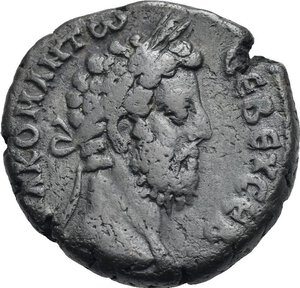
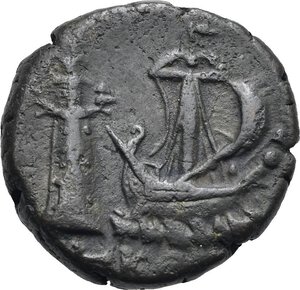
Egypt, Alexandria. Commodus 177-192. Tetradrachm (Billon, 24.15 mm, 12.12 g). Dated RY 29 = AD 188/9. M A KOM ANTω CЄB ЄYCЄB Laureate head right. Rev. Pharos of Alexandria; to right corbita under sail right over waves; L KΘ (date) in exergue. Geissen 2242. Dattari-Savio 3903. K&G 41.113. Emmett 2542. RPC IV.4.3539.89 (this specimen cited). Rare. Very Fine.
Ex Künker, Auction 304, 19.03.2018, lot 1214. “The reverse shows a cargo ship of the imperial grain fleet leaving the harbour of Alexandria”.
This is chronologically the last, much sought-after, and uncommon coin in which the historic building of the Lighthouse of Alexandria appears on the reverse side, from which the cargo ship that transported the crops and other goods produced in Egypt, which was the granary of the empire, was making its way to the Mediterranean ports. Difficult to find, as in this case, with the complete and distinct reverse in every detail of the lighthouse tower and the ship.
Lot # 299
-
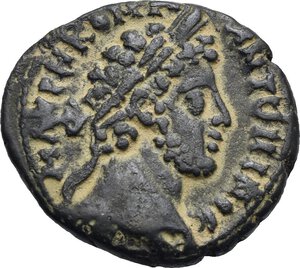
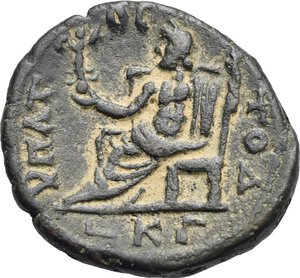
Egypt, Alexandria. Commodus 177-192. Tetradrachm (Billon, 27.00 mm, 11.22 g). Dated RY 23 = 182/3. M AYPH KOMMO ANTωNINOC CЄ Laureate bust right. Rev. YΠATOC TO Δ Zeus seated left, holding Nike on globe and leaning on sceptre; LK-Γ (date) in exergue. Emmett 2566. RPC IV.4.3406.46 (this specimen cited). Dattari-Savio 3898. BMC 1396. SNG Copenhagen 568. Very rare. Very Fine.
Ex Roma Numismatics Ltd. with LAC, Auction IV, 30 September 2012, lot 708.
During Commodus' reign, with a few rare exceptions, the tetradrachms lost all silver content and appear to have been minted in bronze or copper. However, this rare specimen is positively highlighted both by its good conservation and by the original crystalline black patina, where the images stand out from the light sandy deposits in the background. On the reverse, in addition to the majestic enthroned Roman Zeus, the indication of the emperor's fourth consulship (= 183 AD) stands out in the legend.
Lot # 298
-
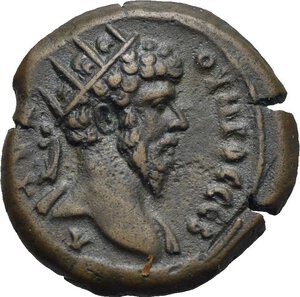
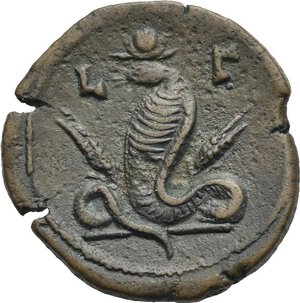
Egypt, Alexandria. Lucius Verus 161-169. Diobol (Bronze, 23.00 mm, 7.11 g). Dated RY 3 = AD 162/3. Λ AYPHΛIOC OYHPOC CЄB Radiate bust right, drapery on left shoulder. Rev. Uraeus serpent, wearing disc crown, erect left, holding two corn ears; L Γ (date) across field. Geissen -. Dattari 3814 (this coin) and Plate XXXII, 3814 (this reverse illustrated). RPC IV.4. 2532.4 (this specimen illustrated). Emmett 2455 (5). Extremely rare. Attractive brown tone. About Extremely Fine/Good Very Fine.
From the Dattari collection. Ex Naville Numismatics Ltd., Auction 27, 27.11.2016, lot 310.
A valuable diobol of Lucius Verus in splendid condition, practically uncirculated. The engraver is very talented both for the tiny physiognomic portrait of the emperor with the exceptional radiated crown (cf. Staffieri Giovanni Maria, ‘La corona radiata sui ritratti dei bronzi imperiali e alessandrini’ in NAC XLII-2013, pp. 121 144, no. 58 a, this specimen), and for the lively Agathodaemon on the reverse with the Isiac crown. It comes from the collection of Giovanni Dattari where the reverse is illustrated in Table XXXII of the 1901 catalogue, then given the privilege of being illustrated in RPC IV. 4.2532.4 as the best preserved of the only four known specimens.
Lot # 297
-
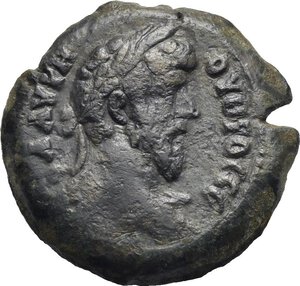
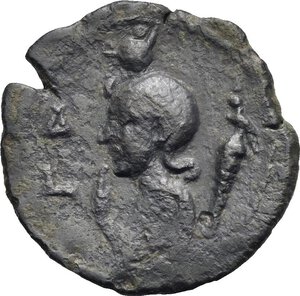
Egypt, Alexandria. Lucius Verus 161-169. Obol (Bronze, 25.00 mm, 7.29 g). Dated RY 4 = AD 163/4. Λ AYPH OYHPOC CЄB Laureate, draped and cuirassed bust right. Rev. Bust of Harpokrates from Herakleopolis left, wearing pshent crown, raising finger to lips; before L Δ (date), behind, club surmounted by hawk wearing pshent. Dattari-Savio 9471. Emmett 2462 (5). RPC IV.4. 2692.4 (this specimen illustrated). Extremely rare. Nearly very Fine.
Ex Savoca E-Auction 28, 16.12.2018, lot 252.
This delightful and very rare obol of Lucius Verus not only presents an elegant bust of the warrior emperor on the obverse, but also bears on the reverse one of the personifications of Harpokrates, the child Horus, mystical son of Isis and Osiris, whose cult was worshipped in various localities of ancient Egypt. In our case it is the Harpokrates of Herakleopolis Magna, a city of the same name in Upper Egypt near the Fayoum oasis. In fact, it can be distinguished by the symbols that cover and surround it: the royal crown on its head and the club of Herakles behind its shoulders surmounted by the falcon sacred to Horus also with the pharaonic crown of Upper and Lower Egypt on its head. Perhaps the best famous specimen given its illustration on RPC IV. 4.2692.4.
Lot # 296
-
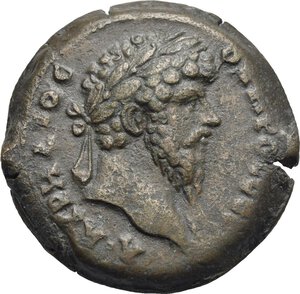
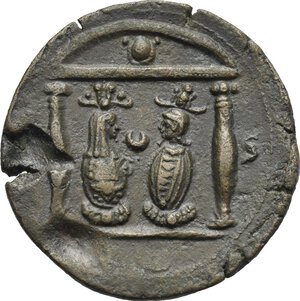
Egypt, Alexandria. Lucius Verus 161-169. Drachm (Bronze, 33.20 mm, 22.82 g). Dated RY 6 = AD 165/6. Λ AYPHΛIOC OYHPOC CЄB Laureate bust right, drapery on left shoulder. Rev. Shrine (or temple) with two columns and rounded pediment enclosing two canopes on cushions: one on left crowned with horns, disk, plumes and uraei, one on right wearing atef crown. Crescent, in field between heads and L Ϛ (date), across field. Geissen -. RPC IV.4.2949.4 (this specimen illustrated). Dattari-Savio Plate 204.3798 (this coin). Dattari 3798 and Plate XXIX (this reverse illustrated). Very rare and in exceptional condition for the issue. Lovely brown tone, About Extremely Fine/Extremely Fine.
From the Dattari collection, illustrated in Dattari. Ex Naville Numismatics Ltd., Auction 42, 22.07.2018, lot 363.
Very fine drachm formerly belonging to the entitled collection of Giovanni Dattari. A specimen of extraordinary style and conservation both for the portrait of Lucius Verus on the obverse and for the reverse with its statuary relief representation of the ritual canopic jars of Isis on the left and Osiris on the right. It is perhaps the specimen in best condition of this however rare coin that had the merit of being illustrated, as well as described, in RPC IV. 4. 2949.4 and before in Dattari's 1901 catalogue, no. 3798, in Table XXIX.
Lot # 295
-
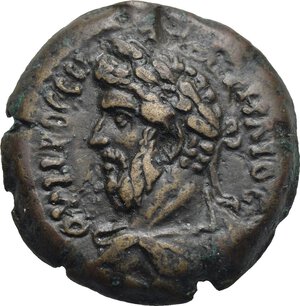
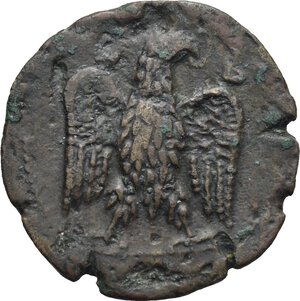
Egypt, Alexandria. Lucius Verus 161-169. Drachm (Bronze, 31.60 mm, 21.13 g). Dated RY 2 = AD 161/2. Λ AYPHΛIOC OYHPOC CЄB Laureate draped and cuirassed bust left, seen from behind. Rev. eagle standing, facing, head right, spreading wings and holding wreath in beak; L B (date) in field. Dattari 3808. Dattari-Savio 9528. RPC IV.4. 2377. Emmett 2106. Nice brown portrait. Very Fine.
Ex Naville Numismatics, Auction 79, 12.02.2023, lot 269.
Drachm of Lucius Verus with on the obverse his splendid high relief bust facing outward to the left. On the reverse is the imposing imperial eagle with spread wings, symbolising the sovereign authority of the then co-rulers Marcus Aurelius and Lucius Verus.
Lot # 294
-
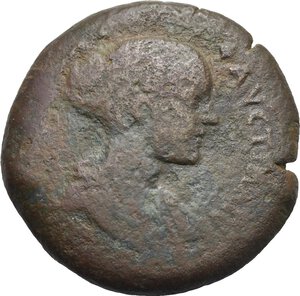
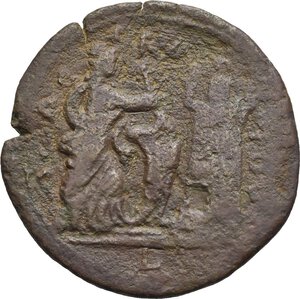
Egypt, Alexandria. Faustina Junior (wife of Marcus Aurelius), Augusta (147-175). Drachm (Bronze, 32.50 mm, 16.45 g). Dated RY 12 of Antoninus Pius = AD 148/9. ФAYCTINA CЄB CЄB ЄVCB CЄB ΘVΓA Draped bust right. Rev. L ΔωΔЄ KATOY Isis Pharia holding billowing sail and sistrum, standing right before the Pharos of Alexandria, which is surmounted by a statue and two tritons. Geissen-. Dattari-Savio 9114. K&G 38.41. RPC IV. 4. 1130. Emmett 1989.12. Extremely rare. Red-brown surfaces, roughness. Fine.
From the Gregory collection. Ex CNG, E-Auction 536, 12.04.2023, lot 402.
Important and valuable drachm of Faustina II Augusta rather circulated but of excellent style both on the obverse in the portrait of the empress and on the reverse with Isis Pharia sailing towards the lighthouse of Alexandria. It should be remembered that it was her father Antoninus Pius who conferred on her the imperial dignity in AD 147 at the birth of her eldest daughter Domitia Faustina, while her husband Marcus Aurelius remained Caesar until the death of his father-in-law in AD 161.
Lot # 293
-
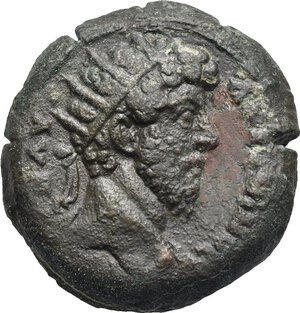
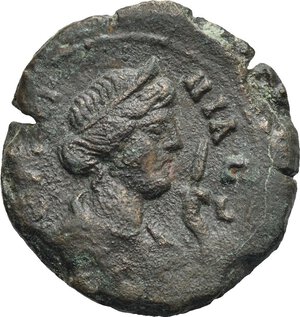
Egypt, Alexandria. Marcus Aurelius 161-180. Hemidrachm (Bronze, 30.00 mm, 15.80 g). Dated RY 6 = AD 165/6. M AYPH ANΤωNIN CЄ Radiate head of Marcus Aurelius right. Rev. ЄYΘH NIA Draped bust of Euthenia wearing stephane right; before to right, cornucopia; L Ϛ (date) in field. RPC IV.4.2958 (this coin cited). Cf. G. M. Staffieri, “La corona radiata sui ritratti dei bronzi imperiali alessandrini con catalogo ragionato”, estratto da Quaderni Ticinesi di Numismatica e Antichità Classiche, XLII – 2013, p. 26, nr. 53b. Good Very Fine.
Ex Frank L. Kovacs, 29.06.1997, lot 49.
Only two specimens, of this beautiful hemidrachm, are so far known but, of different mintage, so they are both unique pieces belonging to my collection and so have been described in RPC IV.4 as Staffieri 1 (sold at the Triton XXI auction of 09/01/2018, lot no. 272) and Staffieri 2, the one described here, and also referred to as Staffieri no. 53b in the catalogue joined to my article ‘The radiated crown on the portraits of the Alexandrian imperial bronzes’ in NAC 2013, pp. 121 144. The portrait of Marcus Aurelius on the obverse with the exceptional radiate crown is of remarkable artistic quality, with statuesque depth; a majestic figure, more like a philosopher (which he also was) than a ruler.
Lot # 292
-
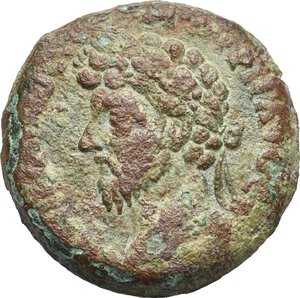
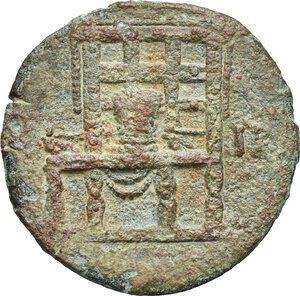
Egypt, Alexandria. Marcus Aurelius 161-180. Drachm (Bronze, 31.00 mm, 15.61 g). Dated RY 12 = AD 171/2. M AYPHΛIOC ANΤωNINOC CЄ Laureate bust of Marcus Aurelius left. Rev. Kalathos on garlanded throne inclined to left; arms of throne supported by birds; L IB (date) across field. Emmett 2146. RPC IV.4.3196. Very rare. Very Fine.
Ex Numismatik Naumann Gmbh., Auction 113, 06.02.2022, lot 564.
A curious and very rare drachm of Marcus Aurelius entirely immersed in an original brick red ‘desert’ patina that gives it a particular charm. Very interesting and unusual is the depiction on the reverse of a large triumphal throne empty but with a kalathos resting on the seat. This element suggests the throne's reference to Zeus Serapis, although it is not possible to explain the absence of the deity normally seated there, unless it is related to a specific liturgical rite.
Lot # 291
-
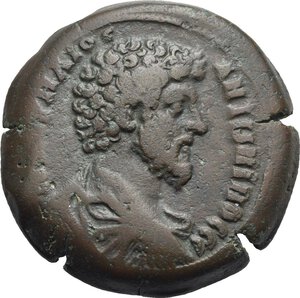
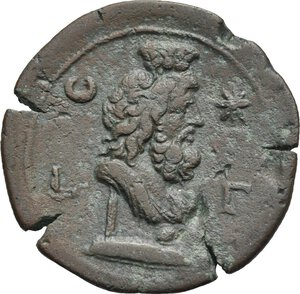
Egypt, Alexandria. Marcus Aurelius 161-180. Drachm (Bronze, 34.29 mm, 25.34 g). Dated RY 3 = AD 162/3. M AYPHΛIOC ANΤωNINOC CЄ Laureate bust of Marcus Aurelius wearing cuirass and paludamentum right, seen from rear. Rev. Draped bust of Serapis, on base, wearing kalathos right; crescent on left and star to right; L Γ (date) across field. Geissen -. Dattari 3511, plate XXII (reverse). Emmett 2169. RPC IV.4. 2455 var. (bust left). Brown-green patina. Very Fine/Good Very Fine.
Ex Kölner Münzkabinett, Auction 67, 12-13.11.1997, lot 634.
On this extremely rare drachm we finally have Marcus Aurelius Augustus in his third year of reign with a nude bust in a refined but realistic style that is an unpublished variant of the similar drachm recorded by RPC. The reverse also features the unusual image of the bust of Serapis on a pedestal in the form of a stand for use in celebratory processional liturgies. A well-centred, fabulously patinated coin with a beautifully preserved reverse.
Lot # 290
-
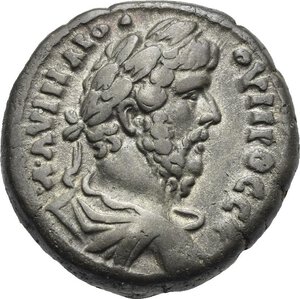
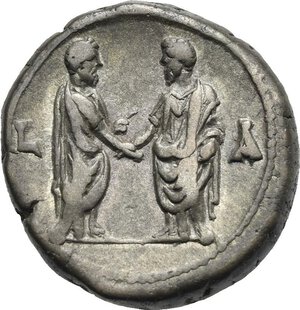
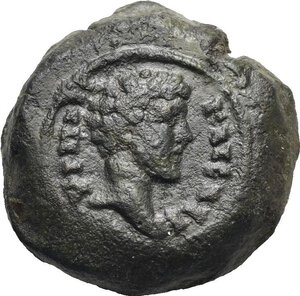
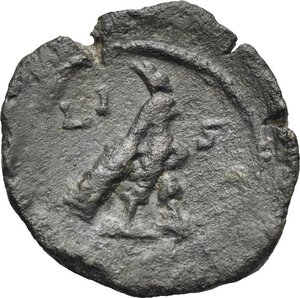
Egypt, Alexandria. Marcus Aurelius 161-180. Tetradrachm (Billon, 22.11 mm, 13.31 g). Dated RY 1 = AD 161. Λ AYPHΛIOC OYHPOC CЄB Laureate head of Lucius Verus with traces of drapery right. Rev. Emperors Marcus Aurelius and Lucius Verus wearing togas, standing facing each other, clasping hands; figure on left (Marcus Aurelius) holding scroll; L A (date) across field. Geissen 2123. Vogt II, 92. Cf. Vogt I 133-137. Dattari 3642 var. RPC IV.4. 2281.8 (this specimen illustrated). Rare. Very Fine/Extremely Fine.
Ex Kurpfӓlzische Münzhandlung, Auction IL, 13-14.12.1995, lot 373.
The rarity of this uncommon tetradrachm of dynastic propaganda lies firstly in the scarcity of Alexandrian issues of Marcus Aurelius and Lucius Verus, Augusti during their first Egyptian year of co-regency, which lasted from 7 March to 28 August 161 AD. Secondly, while the obverse presents us with a fine proud and military portrait of Lucius Verus, on the reverse we find the two recognized Augusti shaking hands in sign of Concord (Homonoia), but always with the priority of Marcus Aurelius (left), who holds a scroll in his left hand, perhaps that of the laws (in short: ‘he lays down the law’). Probably the best specimen of this sought-after coin since it had the honour of not only being cited but also illustrated in RPC IV. 4.2281.8.
Lot # 289
-
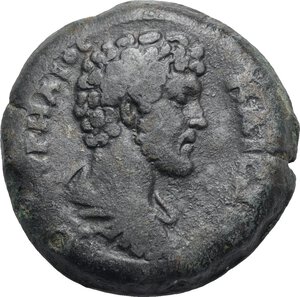
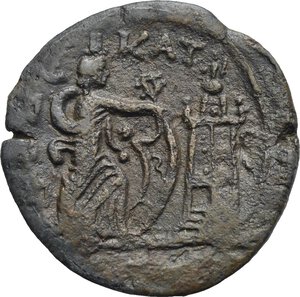
Egypt, Alexandria. Marcus Aurelius Caesar, 139-161. Obol (Bronze, 19.05 mm, 7.05 g). Dated RY 16 = AD 152/3. M AYPHΛIC KAICAP Bare head of Marcus Aurelius (short beard) right. Rev. Hawk standing right, crowned with pshent; L IϚ (date) across field. Dattari -. Milne -. Geissen-. BMC 1245. Emmett 1916 (5). RPC IV.4. 1450. 3=4 (this specimen cited). Very rare and Very Fine.
Ex Gilles Blançon 31, 1999-2000, 1117.
Caesar Marcus Aurelius also appears on the obverse of this scarce obol with its splendid original anthracite-black patina, while on the reverse Horus dominates in the form of the sacred falcon with the pharaonic royal crown of Upper and Lower Egypt.
Lot # 288
-
Egypt, Alexandria. Marcus Aurelius Caesar, 139-161. Drachm (Bronze, 33.20 mm, 23.64 g). Dated RY 12 = AD 148/9. M AYPHΛIOC KAICAP Bare-headed, draped and cuirassed bust of Marcus Aurelius (short beard) right, seen from rear. Rev. L ΔωΔЄKATOV Isis Pharia standing right, holding sail (serpent on sail) and sistrum; before Pharos. Dattari 3204. Geissen 1913. Dattari-Savio Plate 169, 9052 (this coin). Emmett 1889. RPC IV.4.1122.13 (this specimen cited). Nice green-brown patina. Very Fine.
From the Dattari collection. Ex Naville Numismatics, Auction 42, 22.07.2018, lot 352.
We find again on the obverse of this noble Antonine drachm the proud and strong-willed bust of the young Caesar Marcus Aurelius, while the reverse depicts the popular and loved scene of the Isis Pharia, much sought-after by collectors, which here exceptionally presents on the inner web of the sail the figure of a slithering snake that should refer to the Uraeus sacred to the deity: this is a significant variant of extreme rarity as attested by Emmett's classification.
Lot # 287
-
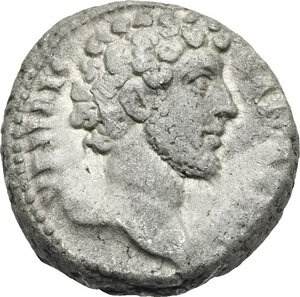
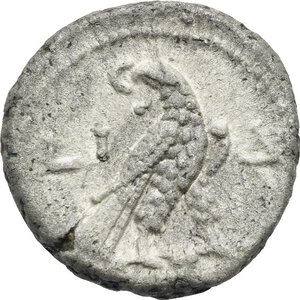
Egypt, Alexandria. Marcus Aurelius Caesar, 139-161. Tetradrachm (Billon, 22.70 mm, 12.85 g). Dated RY 14 = AD 150/1. M AYPHΛIC KAICAP Bare head, with short beard, bust of Marcus Aurelius right, drapery on left shoulder. Rev. Eagle standing right, head left, holding wreath in beak; LI Δ (date) in field. RPC IV.4. 1263. Dattari-Savio 9037. Milne 2091. Emmett 1840. Very rare. Very Fine.
Ex Naville Numismatics, Auction 82, 18.06.2023, lot 336.
This tetradrachm of excellent maintenance shows on the obverse a splendid youthful bearded portrait of the Caesar Marcus Aurelius (preferred over the other Caesar Lucius Verus), plastic and veraciously physiognomic. The coin is dated according to the reign years of his father-in-law Antoninus Pius, who is virtually present on the reverse through the imperial eagle.
Lot # 286
-
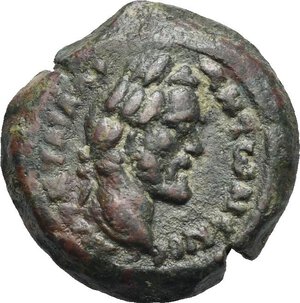
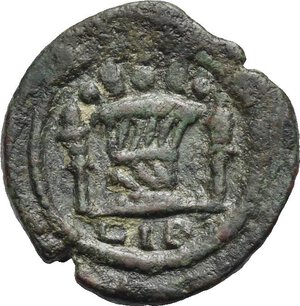
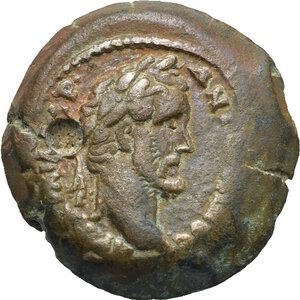
Egypt, Alexandria. Antoninus Pius, 138-161. Obol (Bronze, 18.33 mm, 4.74 g). Dated RY 12 = AD 148/9. AVT K T AIΛ AΔ ANΤωNINOC Laureate had of Antoninus Pius to right. Rev. Basket between two torches; L IB (date) below in field. Geissen -. Emmett 1776 (5). RPC IV.4.1146.3 (this specimen illustrated). Extremely rare, RPC lists only 3 specimens. Nice portrait and patina, Very Fine.
Ex Empire Coins, The Winter 1987 Sale, 07.12.1987, lot 569.
A very rare obol of Antoninus Pius, known only from the repertories RPC IV. 4 and Emmett. Despite its very small size, the imperial portrait is well engraved and perfectly recognisable, as are the obverse legend and the reverse image with the augural symbols of the harvest, thanks also to the excellent centring of the coin. Its illustration on RPC confirms all the above-mentioned merits.
Lot # 285
-
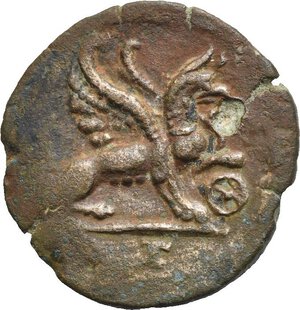
Egypt, Alexandria. Antoninus Pius, 138-161. Obol (Bronze, 20.00 mm, 5.95 g). Dated RY 7 = AD 143/4. AYT K T AIΛ [A]ΔP ANΤ[ωNINOC] Laureate had of Antoninus Pius to right. Rev. Griffin seated to right, forepaw on wheel; LZ (date) in exergue. RPC IV.4.723 (2 specimens cited). Dattari-Savio 8976. Emmett 1772 (for the year). Extremely rare. Good Very Fine.
Ex Roma Numismatics Ltd., E-Sale 105, 19.01.2023, lot 619.
A very rare coin with a miniature physiognomic portrait of Antoninus Pius on the obverse, unscathed, like the reverse, by the hole punched at the time.
The reverse depicts a female griffin with the body of a lioness, spread wings and the head of an eagle, supporting the wheel with its left paw, a fantastic creature from Greek Egyptian mythology. It was the animal sacred to Nemesis, the Greek goddess of fate and compensatory justice, assimilated by syncretism into Egyptian theology. It seems that the cult of Nemesis, respectively of Isis- Nemesis, was especially practised in Memphis and Alexandria.
Lot # 284
-
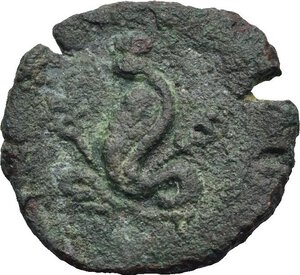
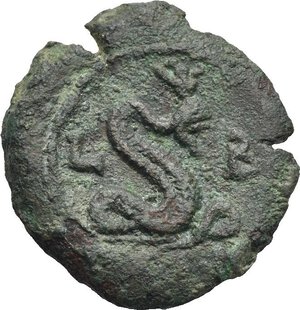
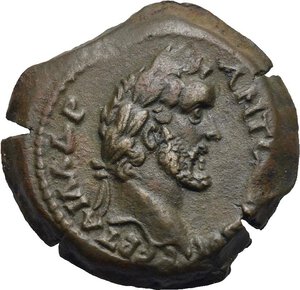
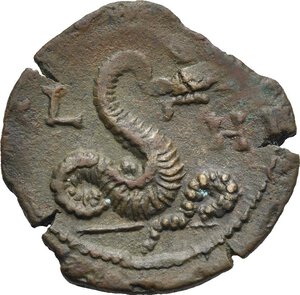
Egypt, Alexandria. Antoninus Pius, 138-161. Obol (Bronze, 16.37 mm, 3.81 g). Dated RY 2 = AD 138/9. Serpent Uraeus coiled and erect left, wearing crown of solar disk. Rev. Agathodaemon erect right, crowned with pshent; in field, L-B. Geissen -. Emmett 4249. Cf. Giovanni Dattari, Numi Augg. Alessandrini, Il Cairo, 1901, p. 425, nr. 6410 var. (date: LIZ instead of LB). Dark green patina. Very Fine.
Ex Kölner Münzkabinett, Auction 66, 21-22 04.1997, lot 577.
Here is an interesting and enigmatic anonymous Alexandrian obol of no easy classification since the only reference is on the reverse the date LB = year 2, but of which sovereign, since on the obverse only the female cobra Uraeus stands erect to the left with its symbols (Isiac crown and caduceus)? On the obverse, on the other hand, we find the male beneficent serpent Agathodaemon with the royal crown erect towards the right. Both reptiles have augural and propitiatory functions, the Uraeus being sacred to Isis and Agathodaemon sacred to Zeus- Serapis. Regarding the chronological position of the coin I propose the reference to Emmett directions.
Lot # 283
-
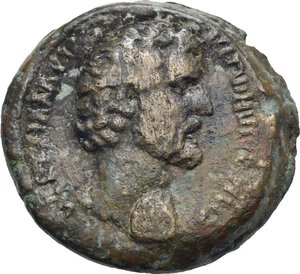
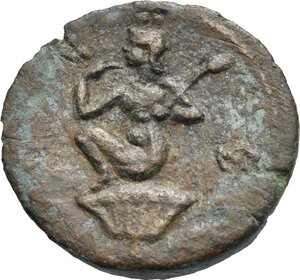
Egypt, Alexandria. Antoninus Pius, 138-161. Diobol (Bronze, 24.00 mm, 8.00 g). Dated RY 8 = AD 144/5. AYT K T AIΛ AΔP ANΤωNINOC CЄB Laureate had of Antoninus Pius to right. Rev. Agathodaemon serpent to right, wearing pshent crown; L H (date) across field. Dattari-Savio 3067 and 8919. K&G 35.289. Emmett 1736. RPC IV.4. 894.(2 specimens listed). Extremely rare. A lovely example of fine style with an attractive brown patina. Edge cracks, otherwise Good Very Fine.
Ex Leu Numismatik AG, Web Auction 11, 22-23.02.2020, lot 1548.
Apart from the imperfections of the mintage, this Antoninus Pius’s diobol is of remarkable stylistic and descriptive quality on both sides, from the serene and strong-willed portrait of the emperor on the obverse to the lively and sprightly Agatodaemon on the reverse, which is the beneficent and pacifying male cobra bearing on his head the pshent, the pharaonic royal crown, and also the serpent sacred to Zeus-Serapis, as well as patron of harvests, vineyards and cities.
Lot # 282
-
Egypt, Alexandria. Antoninus Pius, 138-161. Diobol (Bronze, 24.00 mm, 7.10 g). Dated RY 2 = AD 138/9. AVT K T AIΛ AΔP ANΤωNINOC ЄYC CЄB Bare head right, slight drapery over far shoulder. Rev. Harpokrates, wearing hem-hem crown, seated on lotus-flower left, raising fingers to lips and holding lotus (or flail?); ЄTOYC B (date) around. RPC IV. 4.146.15 (this specimen cited). Dattari-Savio 8458. Emmett 1751. Very rare. Very Fine.
Ex Roma Numismatics Ltd., Auction 66, 09.01.2020, lot 747.
This relatively circulated but remarkably rare diobol was issued like its preceding in the second year of Antoninus Pius' reign, and the artistic bare-headed portrait of the emperor on the obverse is by the same skilled hand as the engraver of diobol no. 281 in the collection. Another rarity is the image on the reverse depicting the boy Harpokrates crouching on the lotus flower rising from below. The lotus flower is the one from which, according to Egyptian theological legend, Harpokrates was born, but it also refers to the rising sun and the most important festival dedicated to him took place on the first day of the harvest and the god was also associated with the cults of his mother Isis.
Lot # 281
-
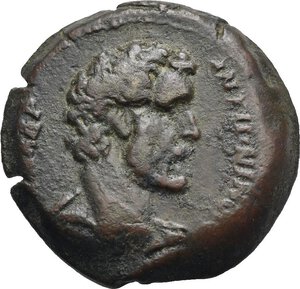
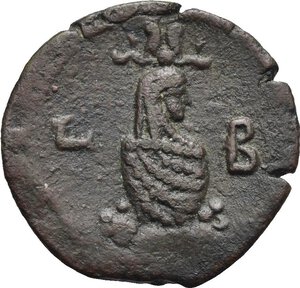
Egypt, Alexandria. Antoninus Pius, 138-161. Diobol (Bronze, 24.46 mm, 8.98 g). Dated RY 2 = AD 138/9. AVT K T AIΛ AΔP ANΤωNINOC ЄYCЄB Bare head, draped bust right. Rev. Canopus of Osiris with feather crown on cushions, right; L B (date) across field. Dattari-Savio 8363. Geissen -. RPC IV. 4. 139. Emmett 1740. Very rare. Dark brown patina. Very Fine.
Ex Kölner Münzkabinett, Auction 115, 29.10.2021, lot 251.
On the obverse of this delightful obol appears the very stylish nude bust of Antoninus Pius, making it a specimen of considerable rarity, while on the reverse we find the ritual canopus of Osiris intended for liturgical processions. The coin was struck in the fateful ‘Sothiac year’ corresponding to the second of Antoninus Pius' reign (LB = year 2 = 138- 139 AD).
Lot # 280
-
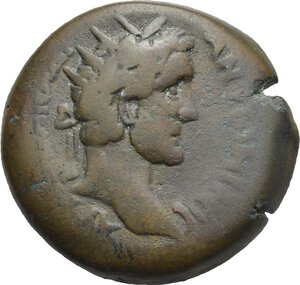
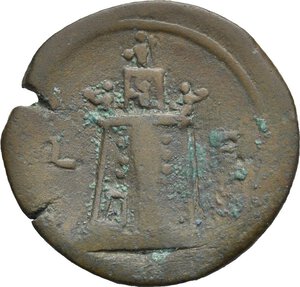
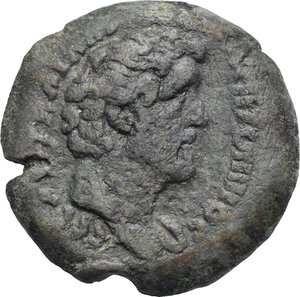
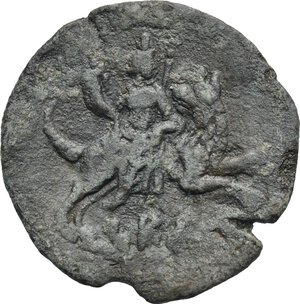
Egypt, Alexandria. Antoninus Pius, 138-161. Hemidrachm (Bronze, 24.10 mm, 14.84 g). Dated RY 5 = AD 141/2. AYT(O)KPA KAIC AΔP ANTωΝIΝOC Radiate and laureate head right. Rev. Pharos; L Є (date) across field. RPC IV. 4. 589.3 (this specimen cited). Emmett 1729. Dattari-Savio Plate 159, 8880 (this coin). Extremely rare, only four specimens listed in RPC. Nice green patina. Very Fine/Good Very Fine.
From the Dattari collection. Ex Naville Numismatics Ltd., Auction 67, 01.08.2021, lot 214.
From the collection of Giovanni Dattari comes this hemidrachm of Antoninus Pius, which is doubly rare: first for showing on the obverse the radiate head of the emperor instead of the laureate one, cf. Staffieri Giovanni Maria: ‘La corona radiata sui ritratti dei bronzi imperiali Alessandrini’ in NAC XLII - 2013, pp. 121-144, no. 43 f, this specimen. Secondly, for depicting on the reverse the lighthouse of Alexandria, which we have already encountered in this collection, (cf. 222 and 241), a very popular image and symbol of the Egyptian city. Here it is in its full imposing structure, immersed like the whole coin in an original homogeneous brown patina.
Lot # 279
-
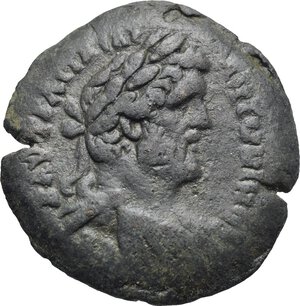
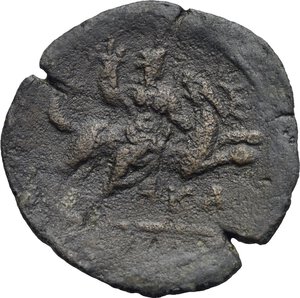
Egypt, Alexandria. Antoninus Pius, 138-161. Drachm (Bronze, 34.50 mm, 16.22 g). Dated RY 21 = AD 157/8. AYT K(AI) (T) (AIΛ) AΔP ANTω(upturned)ΝIΝΟϹ CЄB (ЄYC) Laureate and draped bust right. Rev. Radiate-headed Isis Sothis holding cornucopia and sceptre, riding right on dog running right with head left; LKA (date) below in field. Dattari Plate XVII (reverse). Dattari-Savio Plate 136, 8579 (this coin). Emmett 1593. RPC IV, 4.1982.11 (this coin illustrated). Green patina, Very Fine/About Very Fine.
From the Dattari Collection. Ex CNG Triton XXI, 09.01. 2018, lot 144. Ex Naville Numismatics, Auction 79, 12.02.2023, lot 321.
This very rare and important drachm, again from the Dattari collection, is complementary to and matches no. 278 in the collection. In fact, it is from the same year of the reign of Antoninus Pius and reproduces on the reverse the same image of Isis-Demeter-Sotis astride the astrological (and astronomical) Cane Major, but it is also the exceptional variant that presents on the obverse the similar bust of Antoninus Pius with the nude head, always to the right, instead of the regular laureate head.
Lot # 278
-
Egypt. Alexandria. Antoninus Pius, 138-161. Drachm (Bronze, 32.50 mm, 16.94 g). Dated RY 21 = AD 157/8. ΑΥΤ Κ T ΑΙΛ AΔP ΑΝΤωΝΙΝΟϹ [CЄB ЄYC] Bare-headed and draped bust right. Rev. Isis-Sothis, seated facing and holding a cornucopia and sceptre, riding right on dog (Sirius) running right, head left looking back at Isis; below LKA (date). Geissen 1804 var. (obverse bust type and date position). Dattari-Savio 2681 & 8581 var. (same). Emmett 1593 var. (same). RPC IV, 4.1980.3 (this coin illustrated). Dattari-Savio Plate 136, 8581 (this coin). Emmett 1593. Green patina. Very Fine. Rare.
From the Dattari Collection. Ex Naville Numismatics Ltd. 48, 07.04.2019, lot 279.
On the myth of Isis-Demeter-Sothis that appears on the reverse of this rare drachm of the year 21 of Antoninus Pius (157-158 AD), compare the specific article by Staffieri G. M. in the journal "Annotazioni Numismatiche 30, Anno 8, giugno 1998, pp. 693-697, where an Antonine drachm of the same date and reverse scene of ours is reproduced, both from the Dattari collection.
Isis in Greek-Egyptian theological syncretism is assimilated to the star Sothis, i.e. the Roman Sirius, the brightest star in the constellation of the Greater Dog: hence the visual meaning of the drachm's reverse.
Lot # 277
-
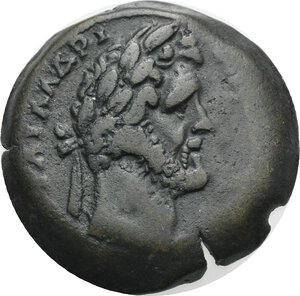
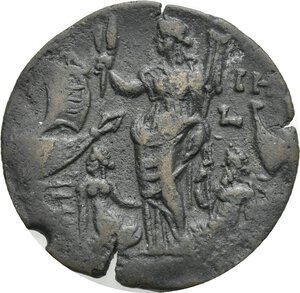
Egypt, Alexandria. Antoninus Pius, 138-161. Drachm (Bronze, 30.50 mm, 17.04 g). Dated RY 18 = AD 154/5. [AYT K T]AIΛ AΔPI [ΑΝΤωΝΙΝΟϹ CЄB ЄY] Laureate bust right, drapery on left shoulder. Rev. Isis Euploia standing, facing, head left, holding ears of corn and rudder; to left forepart of ship under sail, below which, female seated to right; below, bearded figure (Nilus), crowned with Lotus reclining and holding rudder; L IH (date) in right field. RPC IV, 4. 1730, 5 (this coin cited). Emmett 1589. Dattari-Savio Plate 151, 8775 (this coin). Very rare and interesting. Lovely brown tone and About Extremely Fine.
From the Dattari collection. Ex Naville Numismatics Ltd., Auction 40, 27.05.2018, lot 402.
The elaborate reverse scene on this drachm, issued in year 18 of the reign of Antoninus Pius (154-155 AD), probably refers to the regular recovery of the production and sea traffic of cereals produced in Egypt, with the reopening of trade relations between Rome (with the Tiber) and Egypt (with the Nile) in concord after settlement of an uprising of the Egyptian agricultural class attested by the edict of the prefect Sempronius Liberalis, dated 29 August 154 AD. (Cf. Vogt I, p. 129).
Lot # 276
-
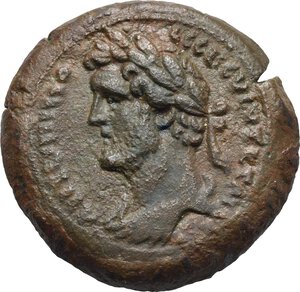
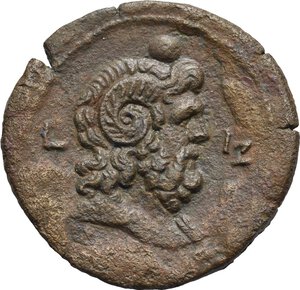
Egypt, Alexandria. Antoninus Pius, 138-161. Drachm (Bronze, 33.31 mm, 23.58 g). Dated RY 17 = AD 153/4. VT K T(A)I(Λ) AΔP ANTωΝIΝΟϹ CЄB ЄY(C) Laureate-headed bust of Antoninus Pius wearing paludamentum left. Rev. Draped bust of Ammon right, crowned with disk; L IZ (date) across field. Dattari 2942. Emmett 1700. RPC IV, 4.1515.11 (this coin cited). Good Very Fine.
Ex Numismatica Aretusa (Franco Chiesa), 1978.
An uncommon drachm of Antoninus Pius in the twilight of his reign, with on the obverse the laureate bust facing surprisingly to the left instead of regularly to the right. Majestic and statuesque on the reverse is the head of Zeus Ammon with an orb on his head, suggesting syncretism with Kronos or the Egyptian solar deity Ra. Very well centred and well minted specimen on both sides, minimally circulated and with a fascinating original brick red ‘desert’ patina.
Lot # 275
-
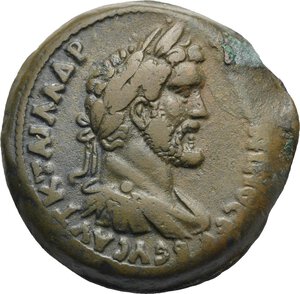
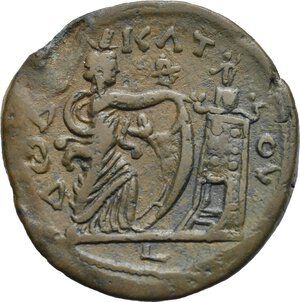
Egypt, Alexandria. Antoninus Pius, 138-161. Drachm (Bronze, 33.55 mm, 23.47 g). Dated RY 12 = AD 148/9. ΑYΤ Κ Τ ΑΙΛ YΑΔΡ [ANTω] ΝΙΝΟϹCЄB ЄYC Laureate, draped and cuirassed bust right, seen from behind. Rev. ΔωΔE KAT Isis Pharia, holding billowing sail and sistrum in her right hand, standing to right before the Pharos of Alexandria, which is surmounted by a statue and two Tritons; L OY (date). Geissen 1606. Dattari-Savio Plate 136, 8575 (this coin). Emmett 1592. RPC IV, 4.1108. Brown patina and very nice style. Very Fine.
Ex Giovanni Dattari Collection. Ex List Münzschӓtze, Bayerische Vereinsbank, München 12, 1976, lot 302. Ex Münzen und Medaillen Deutschland, Auction 11, 7/8.11.2002, lot 208.
Excellent portrait of Antoninus Pius on the obverse of this drachm from his twelfth year of reign (AD 148- 149) formerly in the collection of Giovanni Dattari. On the reverse we admire the Isis Pelagia becoming Isis Pharia sailing on the sea at the water's edge in the direction of the lighthouse of Alexandria, which appears here in its entirety, from the access staircase to the lantern topped by the statue of the sun-god Helios, transmitting light to sailors. It is one of the scenes often reproduced in Alexandrian coinage from Domitian to Commodus, and rightly so to propagandize one of the 7 Wonders of the Ancient World.
Lot # 274
-
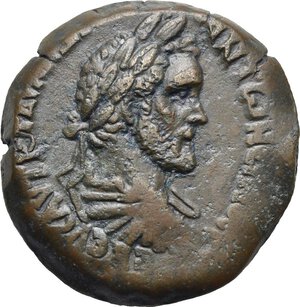
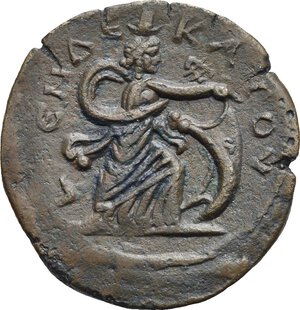
Egypt, Alexandria. Antoninus Pius, 138-161. Drachm (Bronze, 32.00 mm, 20.05 g). Dated RY 11 = 147/8. AYT K T AIΛ AΔP ANTωΝЄΝΟϹ CЄB ЄYC Laureate, draped and cuirassed bust of Antoninus Pius to right, seen from behind. Rev. L ЄNΔЄKATOY Isis Pelagia, holding billowing sail and sistrum, standing right. Dattari-Savio 2669, 8560. Emmett 1590.11. Kellner, Alexandria, Pt. 8, 1 (this coin). K&G 35.360. RPC IV, 4.1053. A fine specimen with an attractive light brown patina. Light deposits, otherwise, Good Very Fine.
From the A.K. Collection, Triton XIX, 5 January 2016, 448 (part of), privately acquired from Dr. F. Sternberg in 1988 and from the collection of W. F. Stoecklin. Ex Leu Numismatik AG, Web Auction 27, 9-11.09. 2023, lot 1297.
Another Antonine drachm with a pleasing laureate bust of the emperor on the obverse and on the reverse, the well-known elegant Isis Pelagia with sistrum and basileion virtually sailing over the seawater towards Alexandria and the harbour with the Lighthouse. A much appreciated and repeated image that we have already encountered in the tetradrachm at number 262 in the collection, and which, in this specimen, is plastic and sharp in every detail.
Lot # 273
-
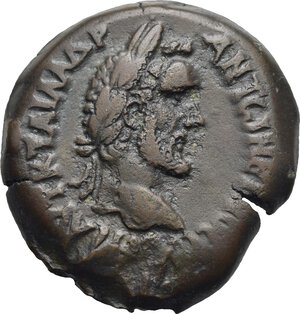
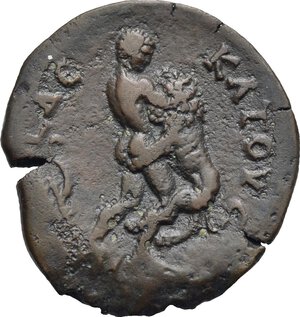
Egypt. Alexandria. Antoninus Pius, 138-161. Drachm (Bronze, 32.50 mm, 23.21 g). Labors of Herakles series. Dated RY 10 = AD 146/7. ΑΥΤ Κ Τ ΑΙΛ ΑΔΡ ΑΝΤωΝЄΙNOC CЄB ЄYC Laureate head right. Rev. L ∆Є KATOV Herakles and the Nemean Lion; Youthful Herakles, nude, standing right, grasping with both hands, the Nemean lion by the jaws and lifting it; behind, club. Dattari-Savio Plate 130, 2592 (this coin). Dattari 2592 and Plate XV (this reverse illustrated). Emmett 1555. RPC IV, 4. 993.13 (this coin cited). Attractive brown tone, Good Very Fine. Extremely Rare.
From the Dattari Collection. Illustrated in Dattari. Ex Naville Numismatics Ltd., Auction 47, 03.03.2019, lot 296.
Another drachm of exceptional artistic value, formerly in the collection of Giovanni Datari, belonging to the best stylistic series of the ‘Labours of Heracles’ issued by the mint of Alexandria during the reign of Antoninus Pius, and the most ingenious of the two scenes dedicated to the representation of Heracles' first toil: the violent hand-to-hand combat with the Nemean lion, which could not be killed with weapons because it had invulnerable skin. The hero forced him into his den, tried unsuccessfully to wound him with arrows and stun him with his club, and finally smothered him with the grip of his steel arms as depicted on the coin.
Lot # 272
-
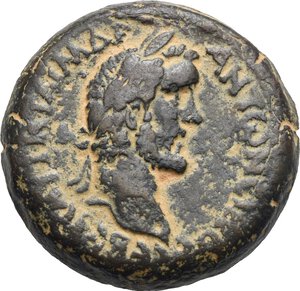
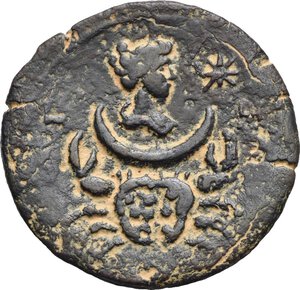
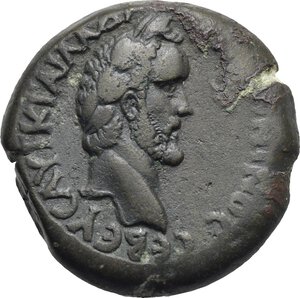
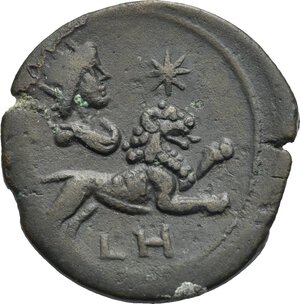
Egypt. Alexandria. Antoninus Pius, 138-161. Drachm (Bronze, 34. mm, 22.24 g). Zodiac series. Dated RY 8 = AD 144/5. ΑVΤΚΤΑΙΛΑΔΡ ΑΝΤωΝЄYΝΟϹϹЄΒЄVϹ Laureate head right. Rev. Selene (Moon) in Cancer (night house); draped bust of Selene to right, star of eight rays before, crescent moon and crab below; L - H (date) across upper field. Geissen 1494. Dattari-Savio 2964. RPC IV, 4 849. Emmett 1681. Earthen repatination. Near Very Fine.
Ex Roma Numismatics Ltd., E-Sale 78, 17.12.2020, lot 826 and E-Sale 95, 13.04.2022, lot 679.
On the reverse of this drachm appears the sign of Cancer on which Selene's bust rests. Some scholars maintain with conviction that the zodiac series of the year 8 of the reign of Antoninus Pius (144-145 AD) was issued as an auspicious celebration of the wedding in that year, of Caesar Marcus Aurelius, with Faustina II, daughter of the emperor.
Lot # 271
-
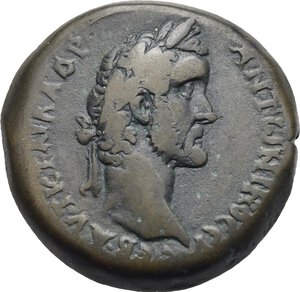
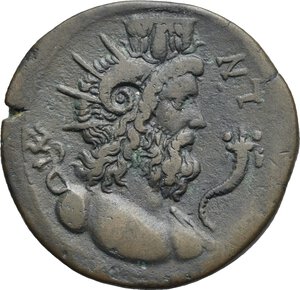
Egypt. Alexandria. Antoninus Pius, 138-161. Drachm (Bronze, 32.50 mm, 23.50 g). Zodiac series. AD Dated RY 8 = 144/5. ΑΥT Κ Τ ΑΙΛ ΑΔΡ [ΑΝΤω]ΝΙΝΟϹ ϹΕΒ ΕΥϹ Laureate head right. Rev. Helios (sun) in Leo. Radiate-headed and draped bust of Helios right; below, lion leaping right; above, eight-pointed star; below, L H (date) in field. Geissen 1495. Dattari-Savio 2968. RPC IV, 4. 858.113 (this coin cited). Emmett 1530. One of the finest known examples for the type, attractive dark green patina. Good Fine Very Fine.
From the E. E. Clain-Stefanelli Collection. Ex Naville Numismatics Ltd., Auction 43, 23.09.2018, lot 232.
‘Helios in Leo’: a relevant specimen belonging to the famous and successful Alexandrian sequence of the ‘signs of the zodiac’, issued entirely and only in the eighth year of the reign of Antoninus Pius (144- 145 A.D.), particularly appreciated by the emperor who was sensitive to the astrological universe.
Helios bust combined with the sign of the right rampant lion, as well as the imperial portrait on obverse are immersed in an original homogeneous chocolate brown colour patina. It should be noted that the juxtaposition of the twelve signs of the zodiac was carried out astrologically and theologically with each of the divinities that accompanied the five planets known at the time in antiquity: Mercury, Mars, Jupiter, plus Helios and Selene.
Lot # 270
-
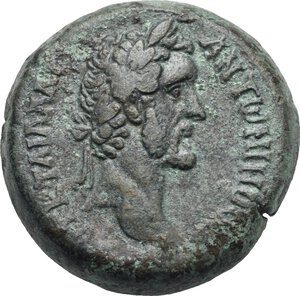
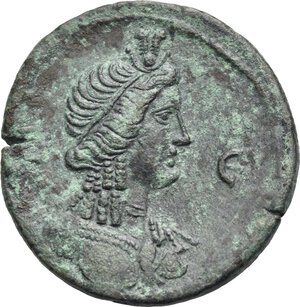
Egypt, Alexandria. Antoninus Pius, 138-161. Drachm (Bronze, 32.40 mm, 22.21 g). Dated RY 7 = AD 143/4. AVT K T AIΛ AΔP ANTωΝΙΝΟϹ ЄYCЄB Laureate head of Antoninus Pius right. Rev. Radiate and draped bust of Serapis Pantheos right, wearing kalathos and radiate crown, ram’s horn round ear; to left serpent entwined around trident, to right cornucopia; L (reverted) Z (date) in upper right field. Emmett 1676. Geissen 1450. Milne 1773a. Dattari-Savio 8729. RPC IV, 4.686.10 (this specimen illustrated). Very rare and Very Fine.
Ex Giovanni Dattari Collection. Ex Dr. Piero Beretta Collection, Milano.
Another special and very rare drachm already in the collection of Giovanni Dattari. The image of Serapis Pantheos (- Helios, - Ammon, - Nilus, - Poseidon, - Asklepios), of excellent composition and artistic style represents the most authentic and complete expression of religious syncretism that achieves "naturaliter" the synthesis between the Egyptian and the Greek-Roman theology. And the Serapeum of Alexandria was the sanctuary where the entire Greco-Roman-Egyptian Pantheon was gathered around Zeus-Serapis.
Lot # 269
-
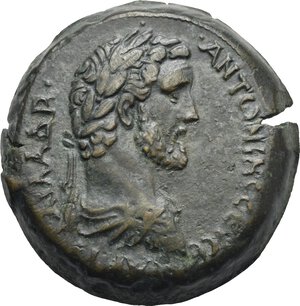
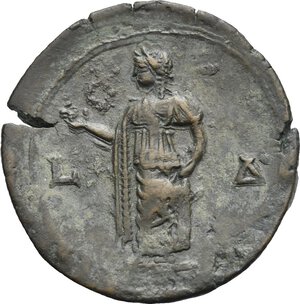
Egypt, Alexandria. Antoninus Pius, 138-161. Drachm (Bronze, 33.40 mm, 24.24 g). Dated RY 7 = AD 143/4. AVT K T AIΔ AΔP ANTωΝΙΝΟϹ ЄYCЄB Laureate head of Antoninus Pius right. Rev. Crowned and draped bust of Isis right. Emmett 1583. Milne 1720. RPC IV, 4. 502.5 (this coin cited and illustrated). Dattari-Savio 8531. Good Very Fine/ Extremely Fine.
Ex Giovanni Dattari Collection. Ex Dr. Piero Beretta collection, Milano, bought in May 1972.
Still a higher quality drachm, especially for the reverse, coming from the collection of Giovanni Dattari with the privilege of being illustrated in RPC IV, 4 at number 502.5. On the reverse, monumental and statuary, is the bust of Isis with taenia surmounted by the basileion that surrounds the elaborate hairstyle. All immersed in an original brown patina decorated with bright green emerald effects.
Lot # 268
-
Egypt, Alexandria. Antoninus Pius, 138-161. Drachm (Bronze, 34.81 mm, 24.61 g). Dated RY 4 = AD 140/1. AVT K T AIΛ AΔP ANTωΝΙΝΟϹ ЄYC(C)ЄB Laureate bust of Antoninus Pius wearing cuirass and paludamentum right, seen from behind. Rev. Elpis standing left, holding flower; L Δ (date) across field. Dattari-Savio 8410 (this specimen). Geissen 1344. Milne 1680. RPC IV, 4.234.14 (this coin illustrated). Emmett 1501. Brown patina, Extremely Fine/ Very Fine.
Ex Giovanni Dattari Collection. Ex Peus, Auction 360, 27.04.1999, lot 699. Ex Münzen Auktion Essen, Sale 71, 1997, lot 461. Ex CNG Review (Summer/Fall 2000), lot 72.
This spectacular drachm presents us on the obverse one of the most beautiful monetary portraits in absolute sense of Antoninus Pius: serene, majestic, powerful, executed by a master engraver of high artistic quality. It is no coincidence that Giovanni Dattari has included it in his collection and that Chris Howgego has chosen it to illustrate it in his masterful repertoire RPC IV, 4 under the number 234.14. Coin without defects of coinage of original noble coating evenly distributed.
Lot # 267
-
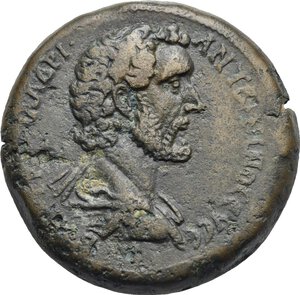
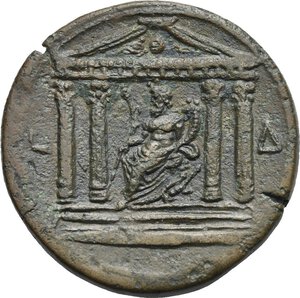
Egypt, Alexandria. Antoninus Pius, 138-161. Drachm (Bronze, 33.50 mm, 24.01 g). Dated RY 4 = AD 140/1. [AYT K T AI] Λ AΔΡ ANTωΝΙΝΟϹC ЄYC Є Bare-headed, draped and cuirassed bust right. Rev. Statue of Nilus left, holding reed and cornucopia, seated on rocks upon which crocodile climbs, all within a temple with four columns and disk in tympanum; in field L Δ (date). RPC IV, 4.306. Emmett 1627. Cf. Dattari 3051. Attractive brown tone. Very Fine/Good Very Fine.
Ex Naville Numismatics Ltd., Auction 58, 14.06.2020, lot 315.
The uncrowned imperial portraits on the obverses of Alexandrian coins always exert a particular fascination because in them all the art and style of the engraver is revealed, given the difficulty of fully expressing the physiognomy of the sovereign without trespassing into the banality of the idealised image. This is the case on our drachm where the portrait of Antoninus Pius is realised by the engraver with calm and human realism: a master's work. Similarly, on the reverse, the monumental importance of the temple, which completely occupies the surface of the coin, fully emphasises the figure of Nilus, not reduced to an indefinable presence but displayed in dimensions that make it possible, thanks also to the splendid preservation of the coin, to recognise every minimum detail and symbol of the divinity, from the lotus flower on the taenia above Nilus' head, to the branch of the papyrus plant, from the cornucopia to the crocodile.
Lot # 266
-
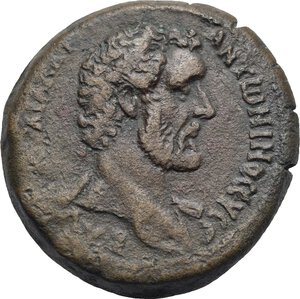
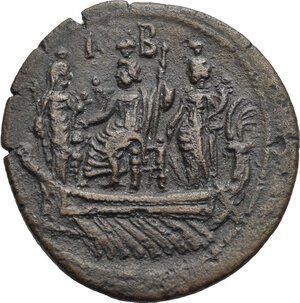
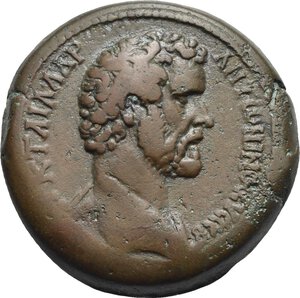
Egypt. Alexandria. Antoninus Pius, 138-161. Drachm (Bronze, 34.20 mm, 23.66 g). Dated RY 2 = AD 138/9. [AYT K T AIΛ AΔP] ANTωNINOC ЄYC CЄB Bare-headed bust right, drapery on left shoulder. Rev. Serapis seated left holding sceptre; at his feet, Cerberus; to left, Demeter standing right, holding torch; to right Tyche holding rudder and cornucopia; all wearing kalathos, all on galley with oars; L B (date) in upper field. RPC IV, 4.54.3 (this specimen illustrated). Dattari-Savio Plate 148, 2859 (this coin). Dattari 2859 and Plate XXIII (this coin illustrated). Emmett 1672 (this coin illustrated at pa. 74C). Attractive brown tone. Exceptional quality. About Extremely Fine. Rare.
From the Dattari Collection. Illustrated in Dattari. Ex Naville Numismatics Ltd., Auction 48, 07.04.2019, lot 263.
Splendid and rare drachm issued in the fateful Sothic year 138 - 139 AD corresponding to the second year of Antoninus Pius’ Egyptian reign. On the obverse, a masterful nude bust of the emperor, engraved by a great artist who was probably also the author of the complex and sharp scene on the reverse. Here aboard a monumental trireme sailing left, is depicted a dominant "Alexandrian triad": in the centre Zeus Serapis enthroned, in front Demeter to the left and Tyche of Alexandria on the right. A museum-worthy specimen, specially chosen and illustrated by Giovanni Dattari for his renowned collection.
Lot # 265
-
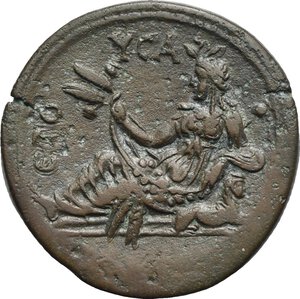
Egypt, Alexandria. Antoninus Pius, 138-161. Drachm (Bronze, 34.67 mm, 25.89 g). Dated RY 1 = AD 138. [ΑVΤ]Κ Τ ΑΙΛ ΑΔΡ ΑΝΤωΝΙΝΟϹ ΕYϹϹΕΒ Bare-headed bust right, drapery on left shoulder. Rev. ETO YCA Euthenia reclining left, resting left arm on androsphinx seated right and holding two corn-ears in raised right hand; fruit and lotus in her outstretched fold of garment; [L B] (date) in exergue. Dattari 2557 var. (obverse bust and reverse legend) otherwise unpublished. RPC IV, 4. 3. (this specimen illustrated). Emmett 1517 (5). Chocolate-brown patina with touches of green. Very Fine. Extremely Rare.
Ex Garrett Collection Part III (NFA & Bank Leu, March 29 1985) lot 484j (part of). Ex Kerry K. Wetterstrom Collection and ex CNA Ltd., Sale XIII, 12.04.1990, lot 83: “An extremely rare year for Antoninus Pius as he became emperor on July 10, 138 AD and his second Alexandrian regnal year would have commenced on August 29, 138 AD based on the Egyptian calendar. If it were not for the smooth transition of power from Hadrian to Pius, the Alexandrian mint probably would not have been able to strike any coinage for “Year 1” of Pius’ reign in Egypt.”
On the obverse a great style nude head of Antoninus Pius and on the reverse an elegant Euthenia, goddess of property and of the Nilotic harvest, comfortably reclining on the back of an androsphinx. Figures well centred and highlighted by a splendid original brown patina. Cf. Staffieri Giovanni Maria, “I ritratti senza corona sui bronzi imperiali alessandrini”.
Lot # 264
-
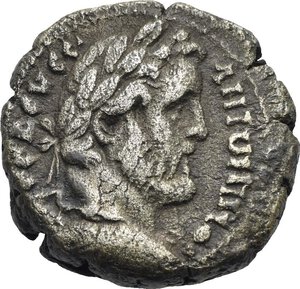
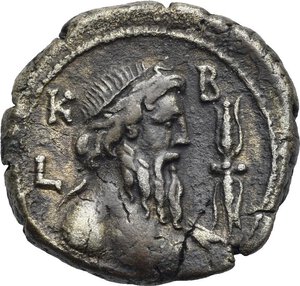
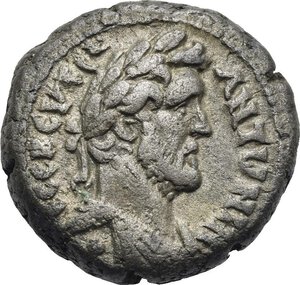
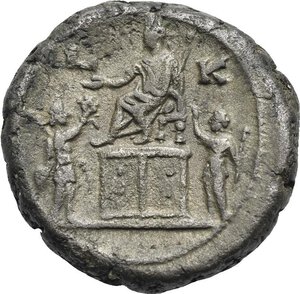
Egypt. Alexandria. Antoninus Pius, 138-161. Tetradrachm. (Billon, 24.50 mm, 13.43 g). Dated RY 22 = AD 158/9. ANTωN [INOC CЄB Є] YCЄB Laureate bust right. Rev. Draped bust of Zeus right wearing taenia; before, thunderbolt; LK – B (date) in field. RPC IV, 4.2056.10 (this specimen cited). Dattari-Savio Plate 116, 2399 (this coin). Emmett 1439. Very Fine/Good Very Fine.
From the Dattari Collection. Ex Naville Numismatics Ltd., Auction 48, 07.04.2019, lot 280.
Important tetradrachm from Giovanni Dattari collection, where the portrait on the obverse shows ruthlessly the physical decay of Antoninus Pius two years before his death, while on the reverse we recognize as a philosopher, a wide naked and rather Hellenized bust of the Roman Capitoline Zeus, as confirmed by the beam of lightning to side in the field to the right. Antoninus Pius was in fact Roman-centric unlike the universal culture of Hadrian that embraced the entire territory of the empire, with preference for its eastern part.
Lot # 263
-
Egypt. Alexandria. Antoninus Pius, 138-161. Tetradrachm. (Billon, 23.20 mm, 14.28 g). Dated RY 20 = AD 156/7. ANTωNIN[OC] CЄB ЄYCЄB Laureate, draped and cuirassed bust right. Rev. The Emperor seated on platform, left, extending hand, holding sceptre; to left, soldier standing, holding spear and offering wreath; to right, soldier standing, raising hand, holding parazonium(?); L-K (date), in field. RPC IV, 4.1825.6 (this coin cited). Dattari-Savio Plate 107, 8041 (this coin). Emmett 1384. Extremely rare, only seven specimens listed in RPC. Good Very Fine/Very Fine.
From the Dattari Collection. Ex Naville Numismatics Ltd., Auction 54, 15.12.2019, lot 314.
Rare tetradrachm of the 20th year of the reign of Antoninus Pius (156-157 A.D.). On obverse the bust of the emperor has a markedly senile appearance but treated in an aulic way without accentuating the shortcomings of his advanced age. Coin celebrating the "vicennalia" of the sovereign as can be seen from the engraved scene on the reverse that shows the emperor enthroned above a high pedestal replying to the greeting of Alexandria honouring him with the crown at the bottom left, while in the lower right appears a soldier who greets the sovereign. Prestigious specimen already belonging to the collection of Giovanni Dattari.
Lot # 262
-
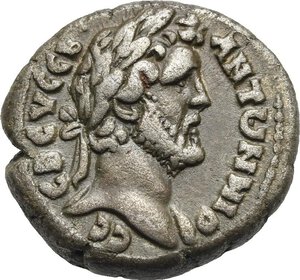
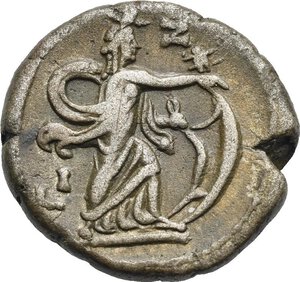
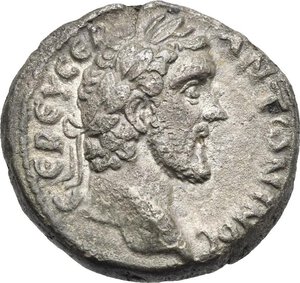
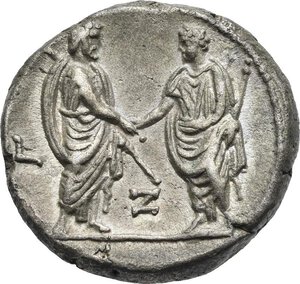
Egypt. Alexandria. Antoninus Pius, 138-161. Tetradrachm. (Billon, 22.50 mm, 11.13 g). Dated RY 17 = AD 153/4. ANTωNINOC CЄB ЄYCЄB Laureate bust right, slight drapery. Rev. Isis Pelagia standing right, wearing headdress of horns, disk, plumes, chiton and peplos floating behind while holding billowing sail in both hands and sistrum in right hand; L I Z (date) across field. Geissen 1693. Dattari-Savio 2261. K&G 35.577. BMC -. Milne 2209. Curtis -. Demetrio 1825. RPC IV, 4.1479. Emmett 1403.17. Toned, slight porosity, light scratch under tone. Very Fine.
From the Dr. Thomas E. Beniak Collection. Ex Classical Numismatic Auctions IV, 21.09.1988, lot 296. Ex CNG E-Auction 556, 21.02.2024, lot 367.
This tetradrachm of pleasant style brings back the brilliant scene of Isis Pelagia that runs to the right along the surface of the sea in the direction of the port of Alexandria pushed by a sail, inflated by the wind, held by the arms of the deity. It is a fairly common representation on the reverse of Alexandrian bronzes but especially rare on tetradrachms.
Isis Pelagia (not Pharia because there is no lighthouse) is found only in the year 17 of Antoninus Pius on the Alexandrian tetradrachms (cf. Emmett 1403). The reference to the commercial port of Alexandria, the most important in the Mediterranean, is clear.
Lot # 261
-
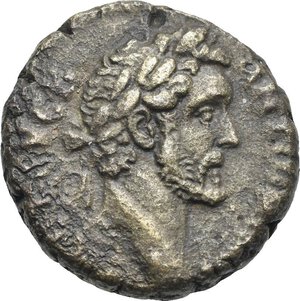
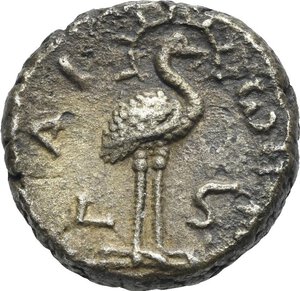
Egypt. Alexandria. Antoninus Pius, 138-161. Tetradrachm. (Billon, 24.20 mm, 12.26 g). Dated RY 7 = AD 143/4. ANTωNINOC CЄBЄYCЄB Laureate head right. Rev. The Emperor with toga, laureate, standing right and holding long sceptre in his left hand while clasping hands with Marcus Aurelius in front, bare-headed, wearing toga and holding short sceptre, standing left; L Ζ (date) across field. RPC IV, 4.640.6 (this specimen illustrated). Dattari-Savio Plate 107, 2124 (this coin). Emmett 1387. Good Very fine/Extremely Fine.
From the Dattari Collection. Ex Naville Numismatics Ltd., Auction 43, 23.05.2018, lot 290.
Superb tetradrachm by Antoninus Pius from the renowned collection Dattari where is artistically and historically relevant the reverse, where appear draped and solemnly faced the emperor (left) and the adopted and preferred Caesar, Marcus Aurelius (right) with their respective sceptres who exchange a loyal handshake in homage to the Concord (Homonoia) that united them. The image is so realistic that you can clearly see the faces of the two characters, engraved with a very refined relief. But also important is the clear dynastic indication of Antoninus Pius’s will to consecrate as his priority successor the young Marcus Aurelius who was adopted by him in 138 AD together with Lucius Verus (son of Elio Verus), also Caesar but "secundus inter pares". Finally, the issuing occasion of this coin must have been the second appointment as a Roman consul by Marcus Aurelius.
Lot # 260
-
Egypt. Alexandria. Antoninus Pius, 138-161. Tetradrachm. (Billon, 23.00 mm, 11.83 g). Dated RY 6 = AD 142/3. AYT K T AIΛ AΔP ANTѠNINOC ЄYCЄB Laureate head right. Rev. AI ѠN Phoenix with nimbus standing right; Lç (date) across field. Geissen 1424-5. Dattari-Savio 2431. RPC IV.4.610. K&G 35.180. Emmett 14119.6. Toned, roughness. Very Fine.
From the Stein A. Evensen Collection. Ex CNG, E-Auction 216, 12.08.2009, lot 416 and E-Auction 477, 23.09.2020, lot 332.
Tetradrachm with relevant astrological and astronomical significance. The phoenix that stands on the reverse was a mythological and sacred bird to whom it was attributed the power to be reborn from its ashes after death and was connected to the liturgy of Ra, the divine sun, which is represented here by the halo radiated around the head of the phoenix. In this order of thinking the legend indicates, in the traditional Greek cosmology, the personification of time in the sense of its infinite passage, that is to say eternity, which is well suited to the resurrection of the phoenix. This emission was also related to the "sothic cycle".
The renewal of the Great Sothic Cycle occurred in AD 139. It was a cycle of 1461 years beginning with the rise of the star Sothis (Sirius) on the same point on the horizon as the sun. This tetradrachm type was initially minted in year 2 (AD 138/9) and afterwards reintroduced for year 6 of Antoninus Pius’s reign.
Lot # 259
-
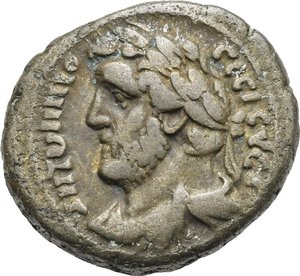
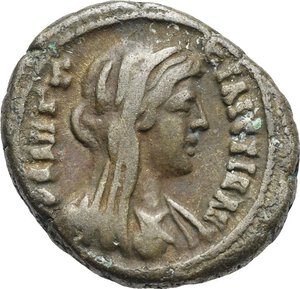
Egypt. Alexandria. Antoninus Pius, 138-161 and Diva Faustina Mater (Annia Galeria Faustina) 138-140/1. Tetradrachm. (Billon, 25.00 mm, 12.35 g). Dated RY 5 = AD 141/2. ANTωNINOC CЄB ЄYCЄB Laureate, draped and cuirassed bust left of Antoninus Pius. Rev. [ΦAYCTINA(N) ΘЄA (N)] Veiled and draped bust of Faustina senior, right; on top of the head, small pearls crown(?); Γ Є (date) to upper left. Geissen -. Dattari Savio -. K&G -. RPC IV.4 -. Emmett 1391.5 for reverse type. Toned with some verdigris, a few light scratches. Near Very Fine. Extremely rare with Pius’ bust left combined with the veiled and draped bust of Diva Faustina Senior. Probably unicum.
Ex CNG E-auction 467, 06.05.2020, lot 287.
Tetradrachm that refers to the previous numbers 257 and 258 of the collection for the celebration of the memory of the late empress Faustina I consort of Antoninus Pius with the unique variant of the bust of the sovereign facing left, so it is not recorded in the major repertoires while Emmett mentions it only for the reverse. Always noble and moving in reverse the veiled image of Faustina in severe majesty of mourning.
Lot # 258
-
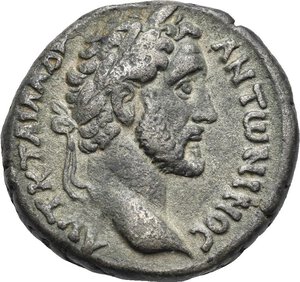
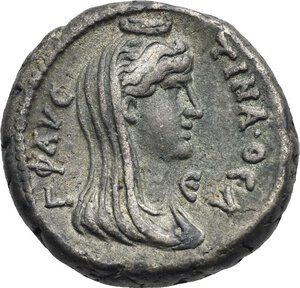
Egypt. Alexandria. Antoninus Pius, 138-161 and Diva Faustina Mater (Annia Galeria Faustina). Tetradrachm. (Billon, 24.44 mm, 12.93 g). Dated RY 5 = AD 141/2. AYT KT AIΛ AΔP ANTωNINOC Laureate head right. Rev. ΓΦAYC TINA ΘЄA LE Veiled and draped bust of Faustina senior right; hair elaborately waved in several loops around head, braided, drawn up, and coiled on top with pearls; Γ Є (date) across field. K&G 35.109. Dattari-Savio 8022 (this coin). Cf. Geissen 1367. RPC IV, 4.378.7 (this coin cited). Emmett 1391. Beautiful patina, Very Fine.
Specimen of Giovanni Dattari Collection. Ex Naville Numismatics Ltd., Auction 33, London 2017, lot 234. Ex Fritz Rudolf Künker GmbH, E-Auction 53, 22.02.2019, lot 8.155.
Always through a tetradrachm from the Dattari collection minted in the same year (5 = AD 141- 142) as the previous number 257, Antoninus Pius repeats the memory of the passing and divine consecration of his consort Faustina I, who appears on the reverse with a veiled bust according to the funeral ritual, which nonetheless highlights the noble and serene face of the deceased beloved empress. A rare coin of excellent style and illustrious provenance.
Lot # 257
-
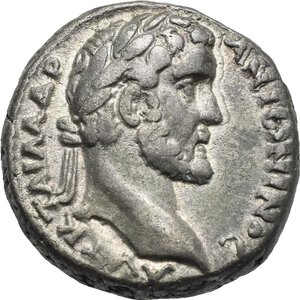
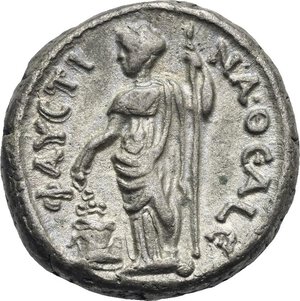
Egypt. Alexandria. Antoninus Pius, 138-161. Tetradrachm. (Billon, 23.40 mm, 13.29 g). Dated RY 5 = AD 141/2. AYT KT AIΛ AΔP ANTωNINOC Laureate head right. Rev. ΦAYCTI NAΘЄA L Є The empress Faustina I standing left, dropping incense on lighted altar, holding long sceptre. RPC IV, 4.383.19 (this specimen cited and illustrated). Geissen 1369 (this coin). Dattari-Savio Plate 105, 2102 (this coin). Dattari 2102 and Plate VIII (this reverse illustrated). Emmett 1393. Lovely toned and Extremely Fine.
From the Dattari Collection. Illustrated in Dattari. Ex Naville numismatics Ltd., Auction 54, 15.12.2019, lot 302.
A tetradrachm issued by the recently widowed Antoninus Pius, as can be deduced from the obverse with its severe and composed bust, to commemorate his consort Faustina I, who died in October AD 140 and immediately deified, as is confirmed by the legend on the reverse where the deceased empress appears ritually pouring incense into the hearth above an altar. It is the moving gesture of a great ruler and the coin's reverse has been appropriately illustrated in the catalogue of Dattari collection, from which it comes.
Lot # 256
-
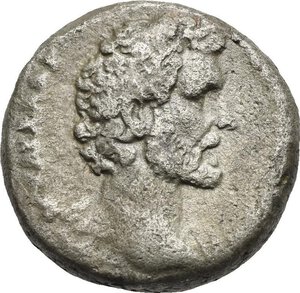
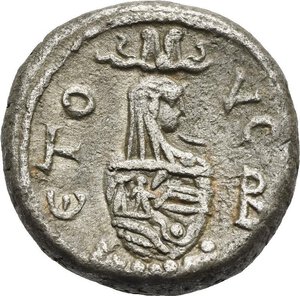
Egypt. Alexandria. Antoninus Pius, 138-161. Tetradrachm. (Billon, 23.00 mm, 12.42 g). Dated RY 2 = AD 138/9. [AYT] K T AIΛ AΔP [ANTѠNINOC] Bare-headed bust right; traces of drapery. Rev. ЄTO YC Canopus of Osiris crowned with horns, disk, plumes and uraei standing on cushion right; B (date) right in field. RPC IV, 4.18.23 (this coin cited). Dattari-Savio Plate 109, 2179. Emmett 1373. Geissen 1285-6. Very Fine.
From the Dattari Collection. Ex Naville Numismatics Ltd., Auction 42, 22.07.2018, lot 329.
Tetradrachm with a magnificent physiognomic portrait of great style of Antoninus Pius on the obverse, with a bare head equipped with a hairstyle with very careful free curls that highlight the nobility of the character. The reverse with the Osiris canopic jar (cfr. nrs. 224, 227 and 236 of this collection) leads us to assume the coin was issued, only during the second reign of Antoninus Pius, 138-139 AD, corresponding in the Egyptian calendar with the end, respectively the beginning of a "sothic period" of 1461 years, falling on 20 June 139 AD, cfr. Staffieri, G. M., Isis-Demetra-Sothis nella monetazione alessandrina, in "Annotazioni Numismatiche" nr. 30, June 1998, pp. 693-697, Milano, 1998.
Lot # 255
-
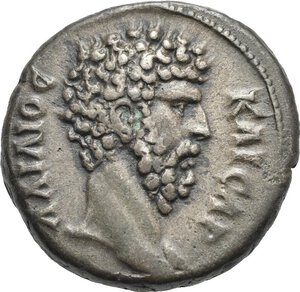
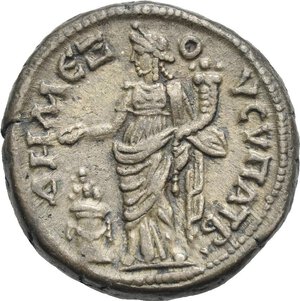
Egypt. Alexandria. Aelius as Caesar, 136-138. Tetradrachm. (Billon, 21.71 mm, 12.24 g). Struck in 137 AD. AIΛIOC KAICAP Bare head right, draped on left shoulder. Rev. ΔHMЄΞ O YCYΠATB Homonoia standing half-left sacrificing from patera over garlanded altar and holding cornucopia. Geissen 1271 var. Milne 1541 var. Curtis 563. BMC 922. Dattari 2075. RPC III 6140.58 (this coin cited). Emmett 1350. Choice Good Very Fine.
Ex Joel D. Coen, Inc. Ex CNA Ltd., Sale V, 09.12.1988, lot 186: “this is one of the finest ever seen by this cataloguer”.
Lucius Ceonius Commodus was adopted by Hadrian already ill in July- August of 136 AD to succeed him to the throne and assumed the name of Lucius Aelius Caesar but he died before on 1 January 138 AD and his Alexandrian coins are reduced to a single type of tetradrachm and a series of bronzes from the drachm to the obol. Our specimen is one of the best for artistic quality and preservation. Coin of perfect minting on both sides and with statuary relief of engraved figures. Interesting is the fact, unique in Alexandrian issues, that all numerals bear only the date of the second consulate (YΠATB) of Lucius Aelius (137 AD). The expected and auspicious Concord (Homonoia) on the reverse was lost with the sudden and premature death of young Caesar.
Lot # 254
-
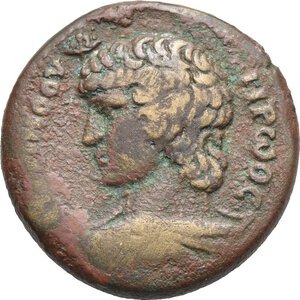
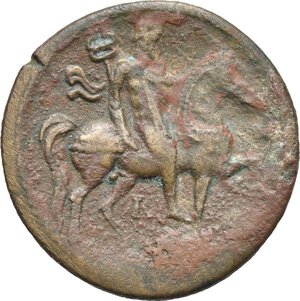
Egypt. Alexandria. Antinous, the favourite of Hadrian. – died 130. Hemidrachm. (Bronze, 27.00 mm, 10.97 g). Dated RY 21 of Hadrian = 136/7. [ANT]INOOY HPωOC Draped bust left wearing hem-hem crown. Rev. Antinous (as Hermes) wearing chlamys, holding caduceus with his right hand, on horseback right; L K A (date) in field. Geissen 1278. Dattari-Savio 8015. K&G 34a.6. RPC III 6235. Emmett 1347. 21 (R4). Brown, red and green patina with patches of bare metal, light scratches on high points. Very rare especially when compared to the drachm and diobol, and of fine style. Near Very Fine.
Ex CNG E-Auction 448, 17.07.2019, lot 323 and E-Auction 496, 21.07.2021, lot 355.
This hemidracm of remarkable artistic value has its origin and motivation in the famous personal relationship between the emperor Hadrian and the young favourite of Bithynia, Antinous, tragically drowned in the Nile in October 130 AD during the visit to Egypt of the imperial court. To honour, remembrance and veneration of the deified young Antinous, Hadrian promoted in his last years a series of unique and unrepeatable undertakings in the Roman imperial world, from the foundation of the city of Antinopolis on the site of the tragic event, the creation of places of worship in the Roman East, to the minting of commemorative coins and medals in some thirty mints in the Greek area of the empire, and so on. The mint of Alexandria issued two sets of bronze coins dedicated to Antinous: one of rather handcrafted manufacture with the bust facing to the right and a second of great style and masterful coinage with the face always towards the left to which our specimen belongs, much rarer as hemidracm than the already scarce drachms and diobols belonging to the same sequence.
The sensual face and the elaborate "baroque" hairstyle of the Greek-Egyptian ephebe Antinous-Osiris on the obverse is compared on the reverse with the apotheosis of the young lover in the Greek Roman dress of Hermes, knight and messenger of the gods.
This numeral is never in splendid condition but always circulated as ours, however, well readable and centred on both sides and with a nice relief of the engraved images.
Results from 18151 to 18200 of 32902